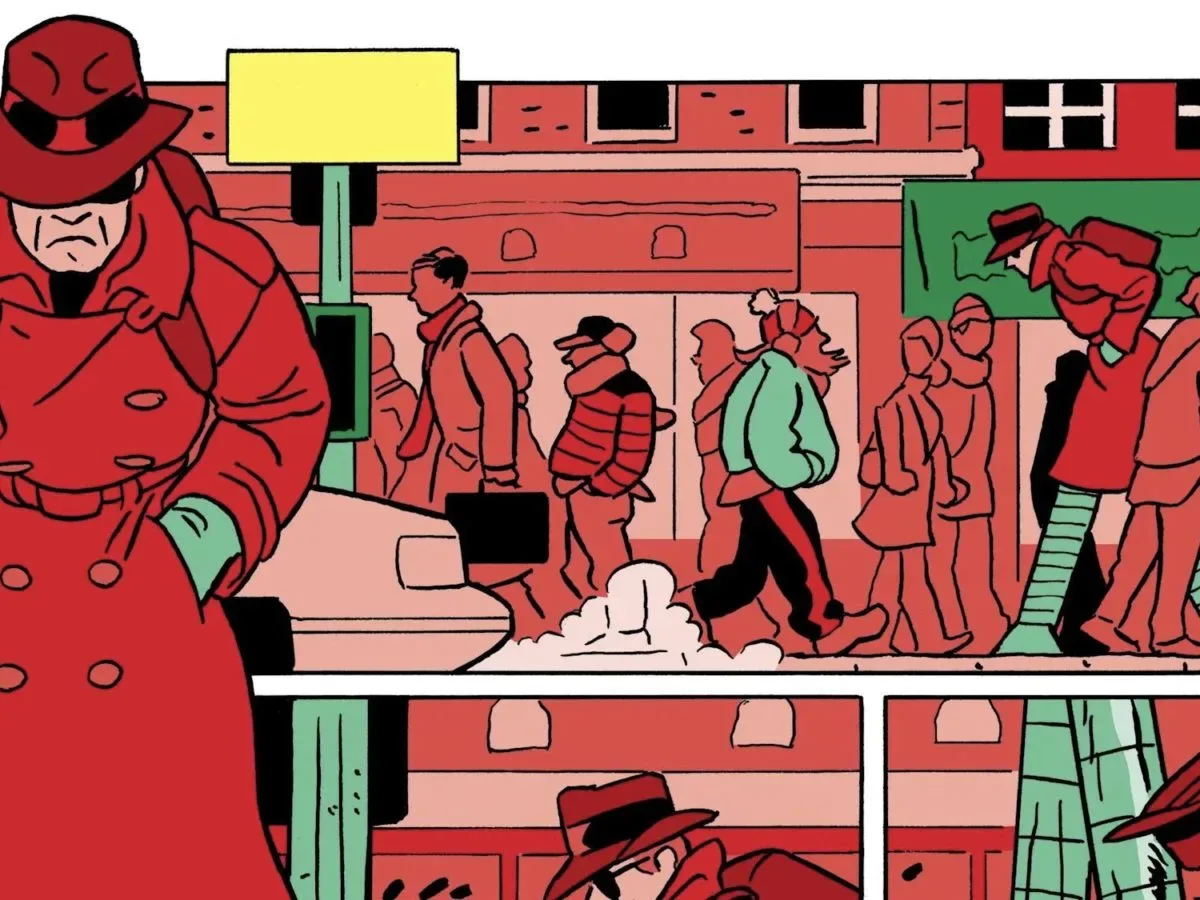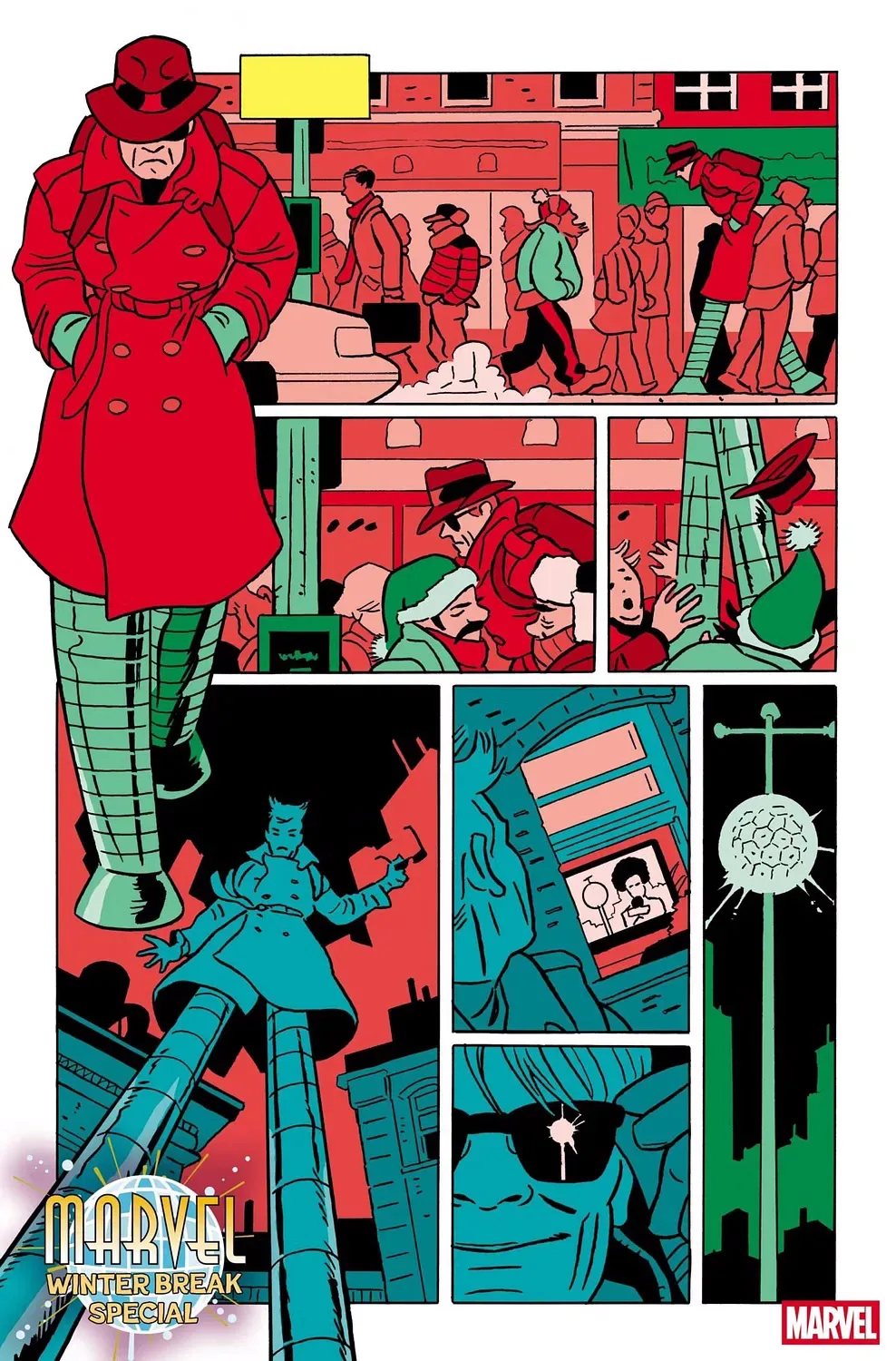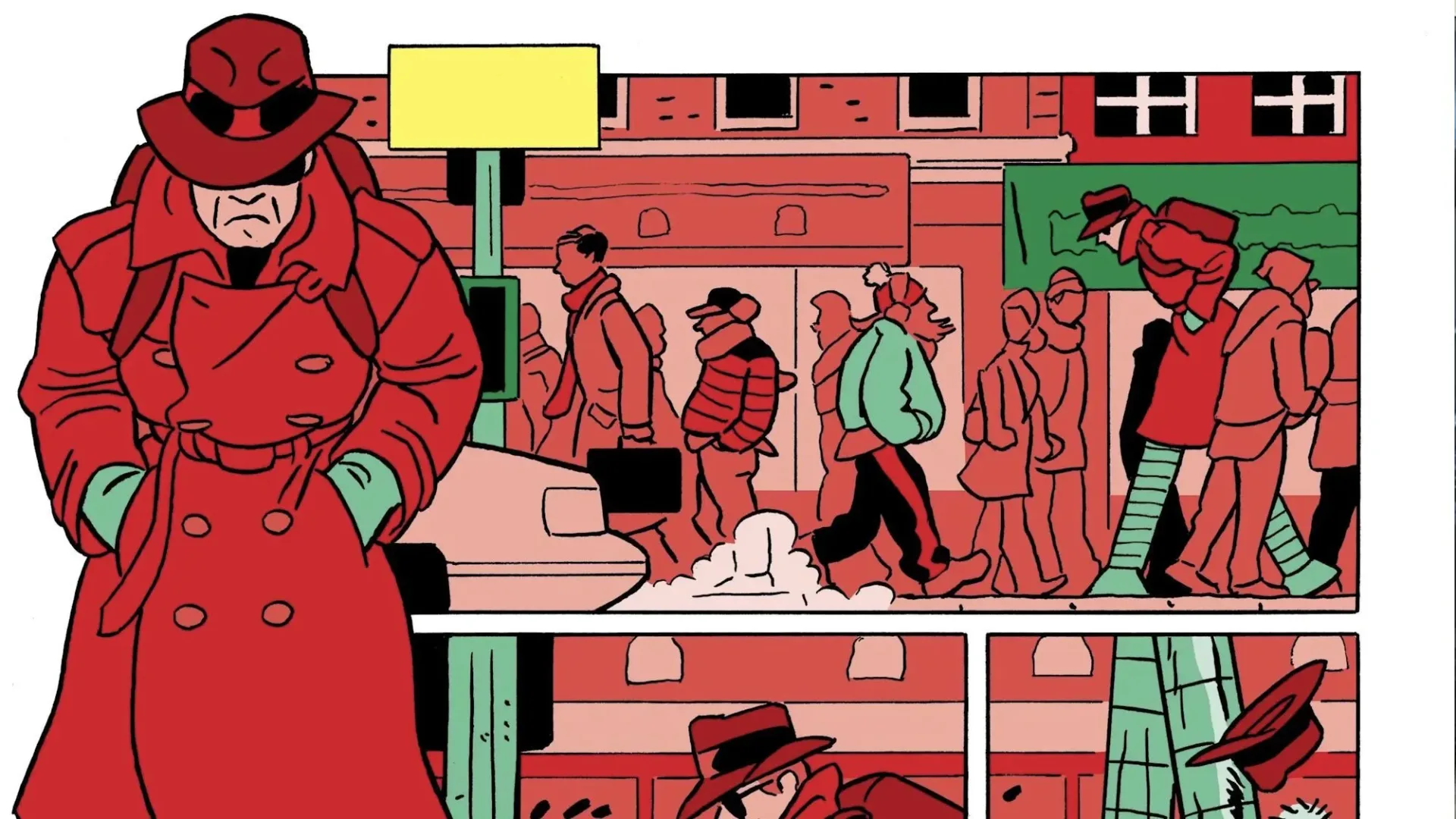
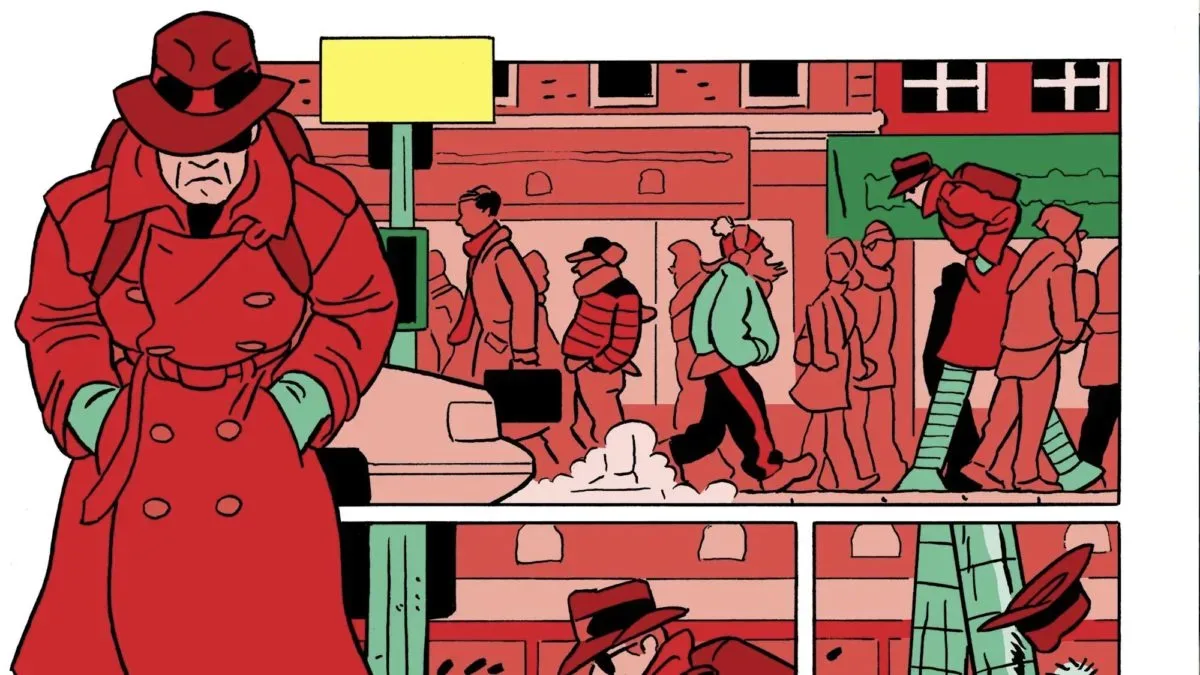
Marvel’s upcoming Winter Break Special #1 will give one of its most improbable recurring villains a rare moment at center stage. David Harper is writing “Wilbur Has His Day,” a three-page Stilt-Man story that marks Harper’s first official Marvel comic and is presented as the character’s first solo tale. Javier Pulido will provide both art and colors, Joe Caramagna is lettering the story, and Wil Moss is editing.
The anthology is scheduled to go on sale December 30, 2026, and is framed around New Year’s Eve in the Marvel Universe. Its line-up includes tales from Ryan North and Rachel Stott, Christina Strain and Pete Woods, and Professional Women’s Hockey League player Carly “CJ” Jackson alongside Stephanie Phillips and Jamie Jones. Harper and Pulido’s contribution stands apart simply through its choice of lead: Wilbur Day, better known as Stilt-Man, a villain whose towering telescopic legs have long made him a memorable oddity in the superhero landscape.
A specialist finally gets the Stilt-Man assignment
Harper has spent years writing about comics and is particularly associated with sustained enthusiasm for Stilt-Man. That interest previously resulted in Stilt-Zine, a self-published project examining the character’s six-decade history, major appearances, visual treatment and the peculiar appeal of a super-criminal whose signature equipment is, quite literally, a pair of enormous extending legs.
That background makes this assignment more substantial than a quick gag about an obscure villain. Harper’s longstanding reading of Stilt-Man sees Wilbur Day as a working-class criminal within a fantastical superhero setting: someone with ambitions, setbacks and a conspicuous costume built around a single impractical idea. The premise is inherently funny, but it also has room for pathos. A low-ranking villain can be threatening in the immediate physical sense while remaining comically outmatched by the extraordinary heroes surrounding him.
“Wilbur Has His Day” has only three pages to establish that balance. The limited length is important context. A three-page comics story cannot accommodate the elaborate plot mechanics of a full issue; it instead depends on immediate character definition, a clear visual premise and precise timing. The format could suit Stilt-Man unusually well. Readers already understand the core image at a glance, and a compact story can use that image for a focused joke, a character beat, a reversal, or all three.
Harper has indicated that the story approaches Stilt-Man in a way readers have not encountered before, while carefully avoiding plot specifics. He also described Pulido as crucial to making the most of the constrained page count. That division of labor matters in comics: a writer supplies the scenario and dialogue, but composition, staging, expression, color and panel-to-panel rhythm are fundamental parts of how the story reaches readers.
Why Javier Pulido is a consequential collaborator
Pulido is credited not only as artist but as colorist on the Stilt-Man story. In a short feature, that is an especially unified role. The same creator handling pencils, inks or finished art and colors can shape the entire visual cadence of the piece, from the scale of a figure to the mood of a setting and the emphasis of a punchline.
Stilt-Man also presents a design problem that is easy to underestimate. His telescopic legs give him a silhouette no reader is likely to mistake for another Marvel villain, yet they can make ordinary movement, conversation and interaction visually awkward. A successful story has to turn that awkwardness into an advantage. Height can create distance from other characters, make a small room feel more ridiculous, make an emotional beat look vulnerable, or make an attempted grand entrance collapse under the weight of its own presentation.
That is where visual storytelling becomes more than decoration. In comics, a character’s pose and relationship to the borders of each panel can deliver information before a word balloon is read. For Stilt-Man, a panel may need to communicate both imposing vertical scale and the fragile absurdity of balancing one’s entire criminal identity on mechanical stilts. A three-page story offers little room to explain such a contradiction aloud. The art has to make it legible instantly.
Caramagna’s lettering likewise has practical value in a very short story. Lettering controls the placement and pace of dialogue, captions, sound effects and pauses. In comedy, a slightly delayed reveal or a carefully isolated reaction can be the difference between a line landing and getting lost. In a story featuring a villain whose name alone carries a punchline, clarity and timing are part of the storytelling machinery.
Stilt-Man’s strange durability in Marvel history
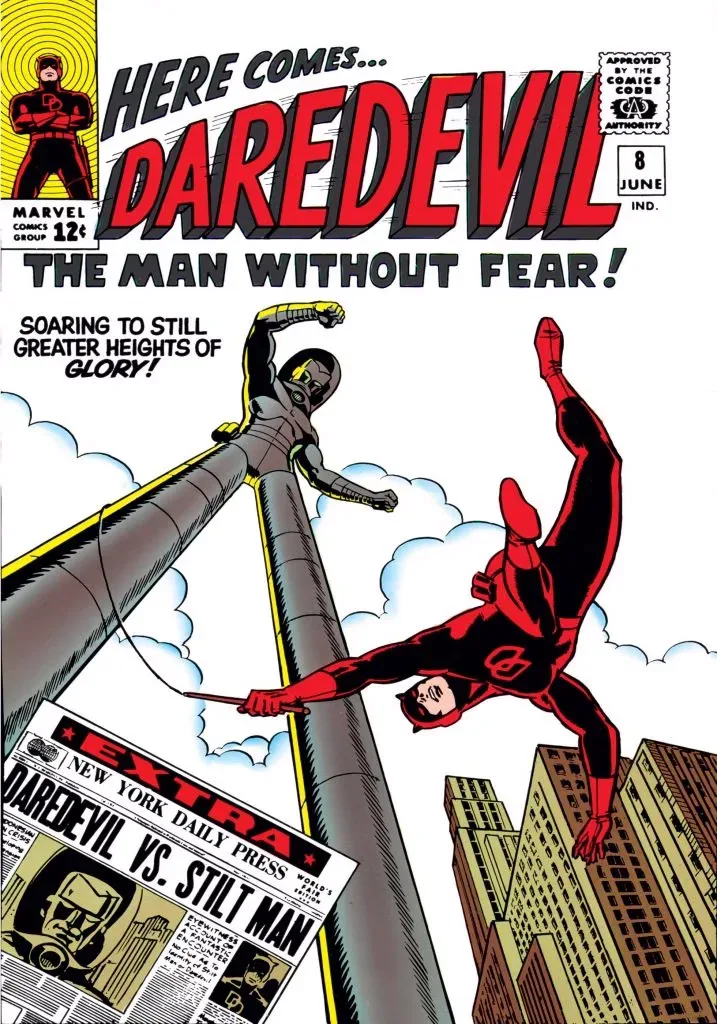
Wilbur Day first appeared as Stilt-Man in Daredevil #8 in 1965, created by Stan Lee and Wally Wood. Day was a scientist at Kaxton Labs who stole plans for a hydraulic ram and used them to develop an armored suit fitted with telescopic legs. A hydraulic ram is a mechanism that uses pressurized fluid to generate force. In the character’s comic-book application, the idea becomes a technology capable of extending his legs to extraordinary heights.
The concept has endured because it is so direct. Stilt-Man is not difficult to summarize, and that clarity has allowed different creators to deploy him as a straight threat, a visual gag, a sympathetic loser or a useful reminder that Marvel’s universe contains crime at every possible level of grandeur. He has encountered Daredevil, Spider-Man, Captain America and Thor, among others. His history includes an adamantium upgrade, a trip into a microverse, the theft of his suit by Turk Barrett and appearances in team books.
Those details are a compact demonstration of how flexible shared-universe continuity can be. Adamantium is Marvel’s fictional ultra-durable metal, while a microverse refers to a tiny or submicroscopic realm within the setting’s sprawling cosmology. The contrast is the joke and the appeal: a criminal known for giant metal legs can be placed in stories involving elite heroes, impossible science and reality-bending settings without ceasing to be, at heart, Stilt-Man.
Yet a recurring supporting villain does not automatically receive the chance to narrate his own adventure. Hero books tend to require antagonists primarily as obstacles, catalysts or targets. A solo piece changes the camera angle. It need not transform Stilt-Man into an uncomplicated hero; it simply permits the story to treat his wishes, frustrations and schemes as the central action rather than background business for Daredevil or Spider-Man.
That viewpoint is the clearest promise contained in the title “Wilbur Has His Day.” It points to the civilian identity behind the costume and suggests that the story will care about the person operating the stilts, not merely the immediate problem they create for a more famous hero.
The wider anthology and its holiday setting
Marvel Winter Break Special #1 uses a festive New Year’s Eve premise, with Marvel heroes dressed for a major party and stories built around the seasonal theme. The anthology also includes a Wolverine-led Avengers-versus-X-Men hockey game. That combination of holiday spectacle, superhero crossover and sport places the Stilt-Man feature in a deliberately playful package.
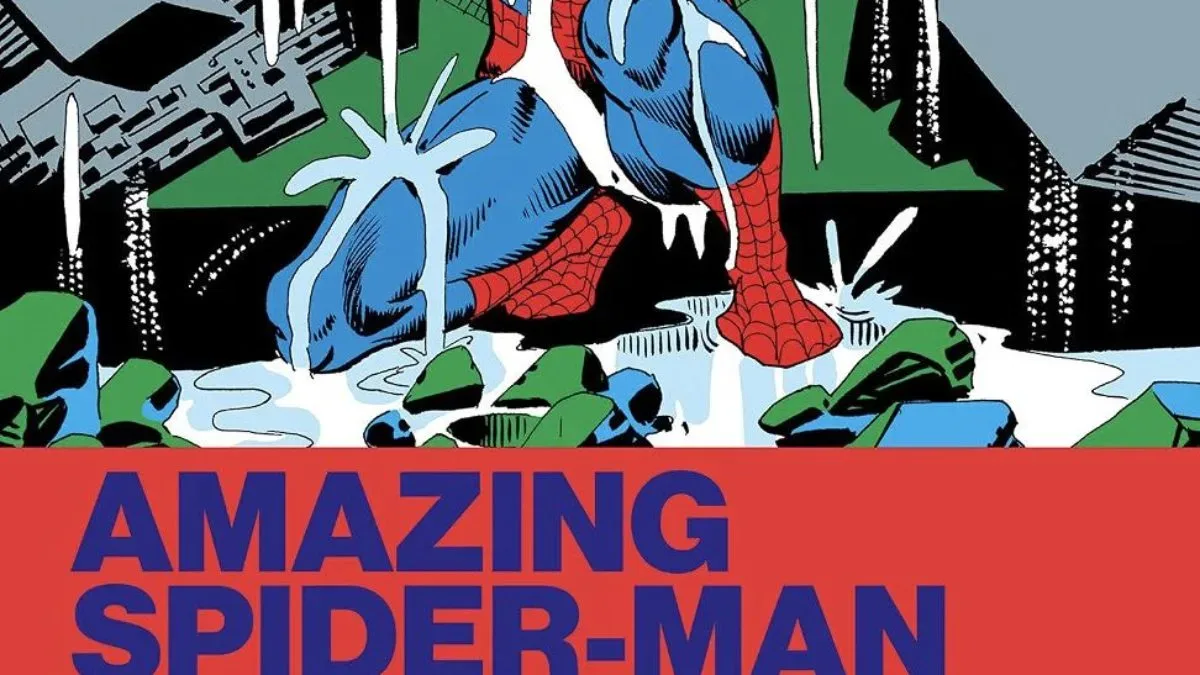
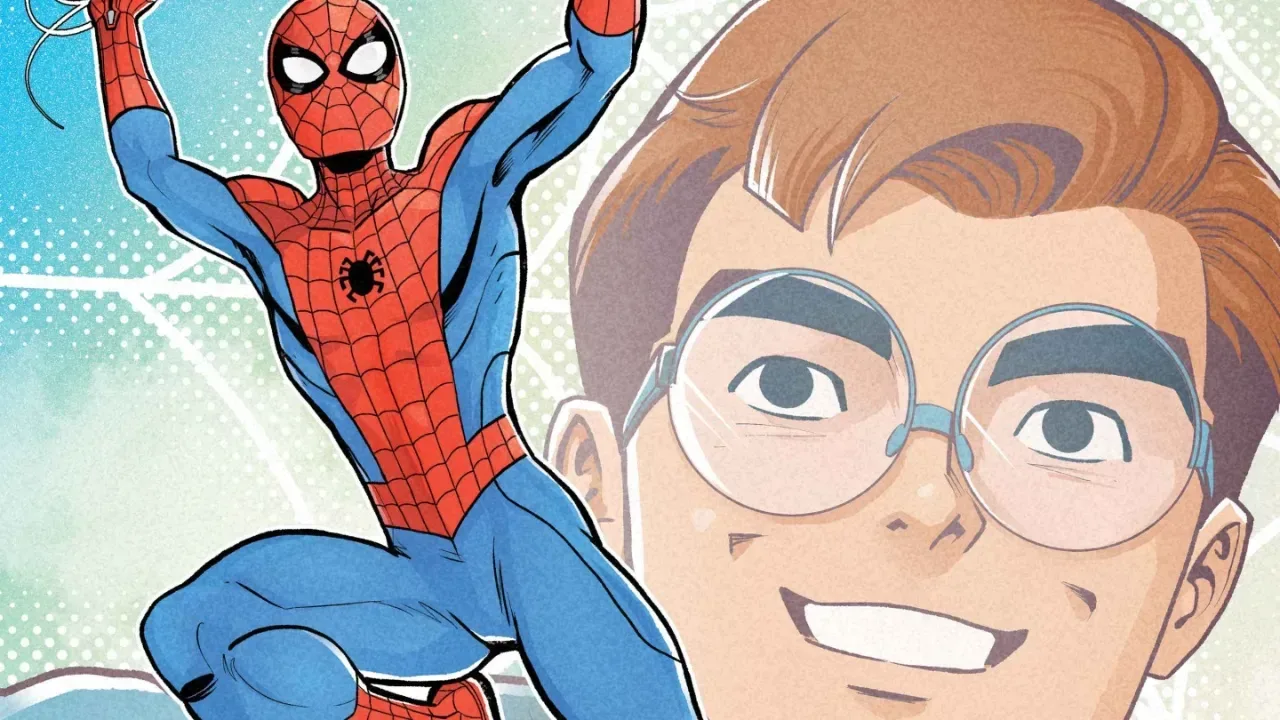
The other announced entries are “The Infinity Bell,” by Ryan North and Rachel Stott; “Hope You Survive the Ice-Perience,” by Christina Strain and Pete Woods; and “Spider-Man On Ice,” credited to Carly “CJ” Jackson, Stephanie Phillips and Jamie Jones. The Spidey connection makes a useful companion read to Marvel’s upcoming Lee and Ditko Spider-Man brick line, another project rooted in the character’s enduring print legacy.
Anthologies are well suited to experiments of this scale. They allow different creative teams and tones to coexist without forcing every idea into the same extended plot. A three-page feature about a D-list villain can sit beside superhero sports chaos and winter-themed adventures precisely because the book is structured as a collection of shorter attractions. For readers, that means Harper’s debut does not require prior commitment to a Stilt-Man miniseries or a lengthy continuity run.
What the debut means—and what it does not promise
Harper has said he confirmed that taking the Marvel assignment would not change how he covers the publisher through his comics work and podcasting. That distinction is worth making plainly. Becoming a contributor to a company can raise understandable questions about editorial independence, particularly for a writer whose public career involves discussing the medium and its publishers. Harper’s stated approach is that the assignment does not alter that coverage.
For the comic itself, the confirmed facts are narrower but appealing: this is a three-page Stilt-Man solo story, written by someone with a well-documented appreciation for the character, drawn and colored by Pulido, lettered by Caramagna and included in a holiday anthology. There is no need to inflate those details into a claim that the story will reinvent Marvel continuity or launch a new ongoing direction for Wilbur Day.
Its value may be more specific. Stilt-Man’s longevity has come from creators repeatedly finding fresh uses for a premise that should, by all logic, have exhausted itself decades ago. A dedicated short story offers an opportunity to acknowledge the silliness without dismissing it, and to give a famously vertical villain a brief but genuinely character-focused space on the page.
For readers who are Stilt-Man devotees, that alone is an unusual milestone. For everyone else, Marvel Winter Break Special #1 appears ready to make a case for why a villain in telescoping pants still deserves a place at the party.