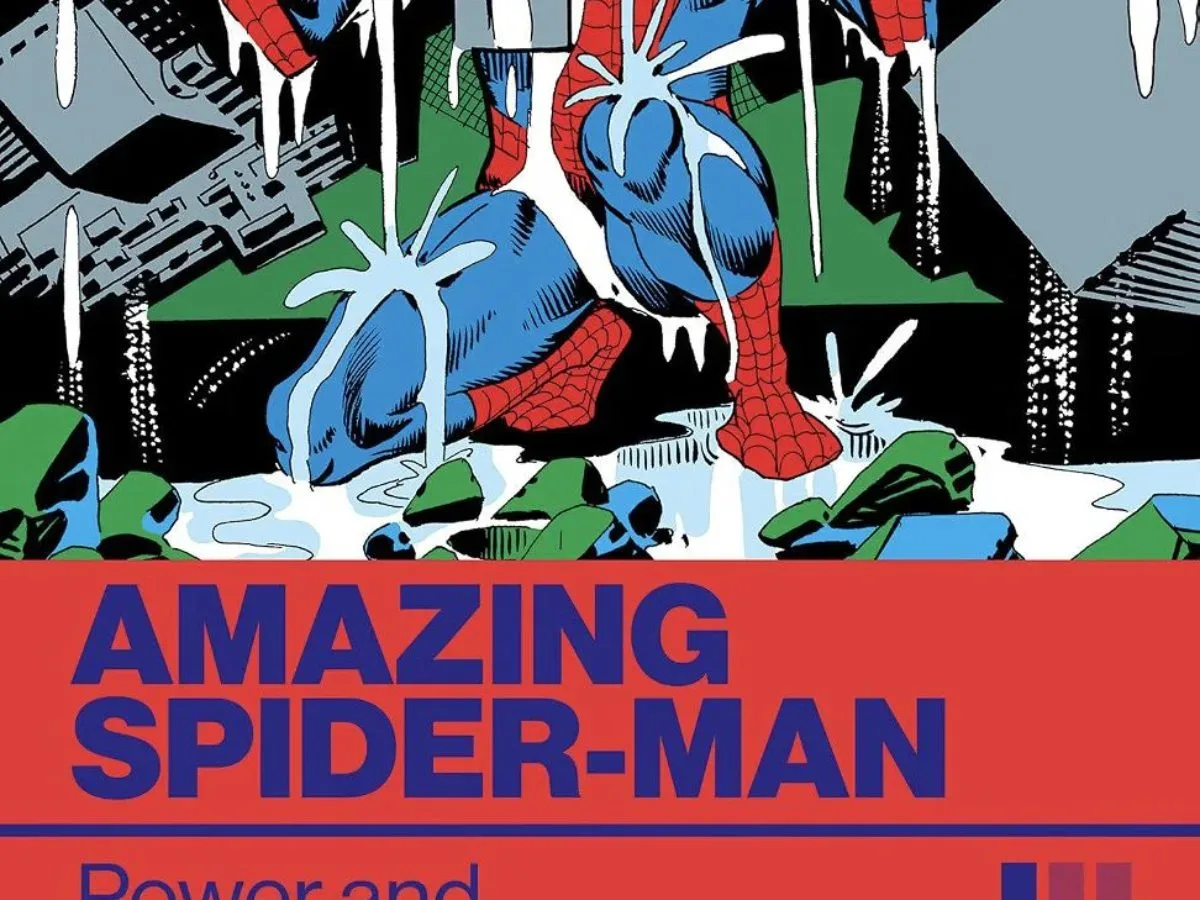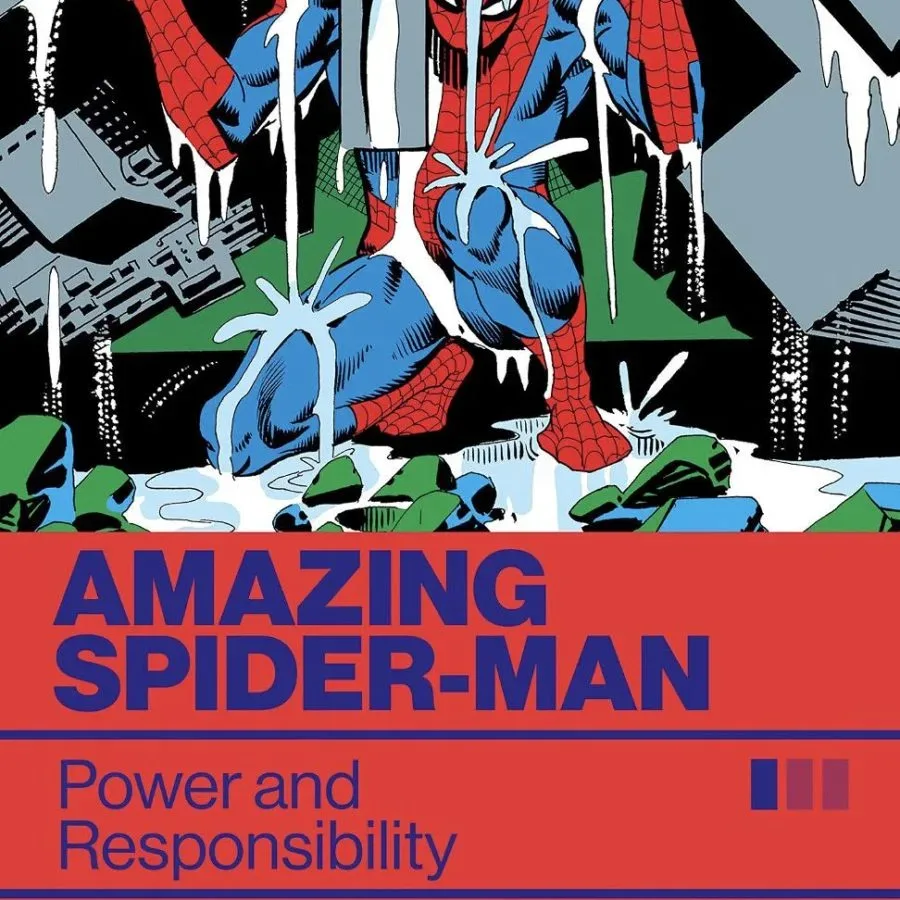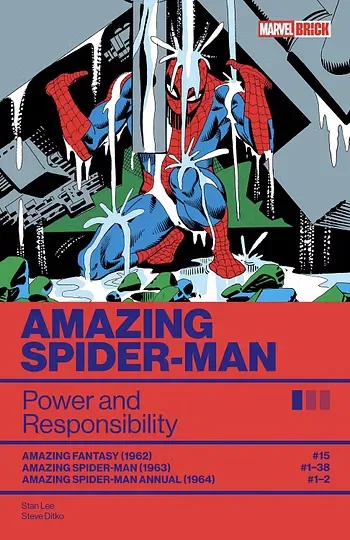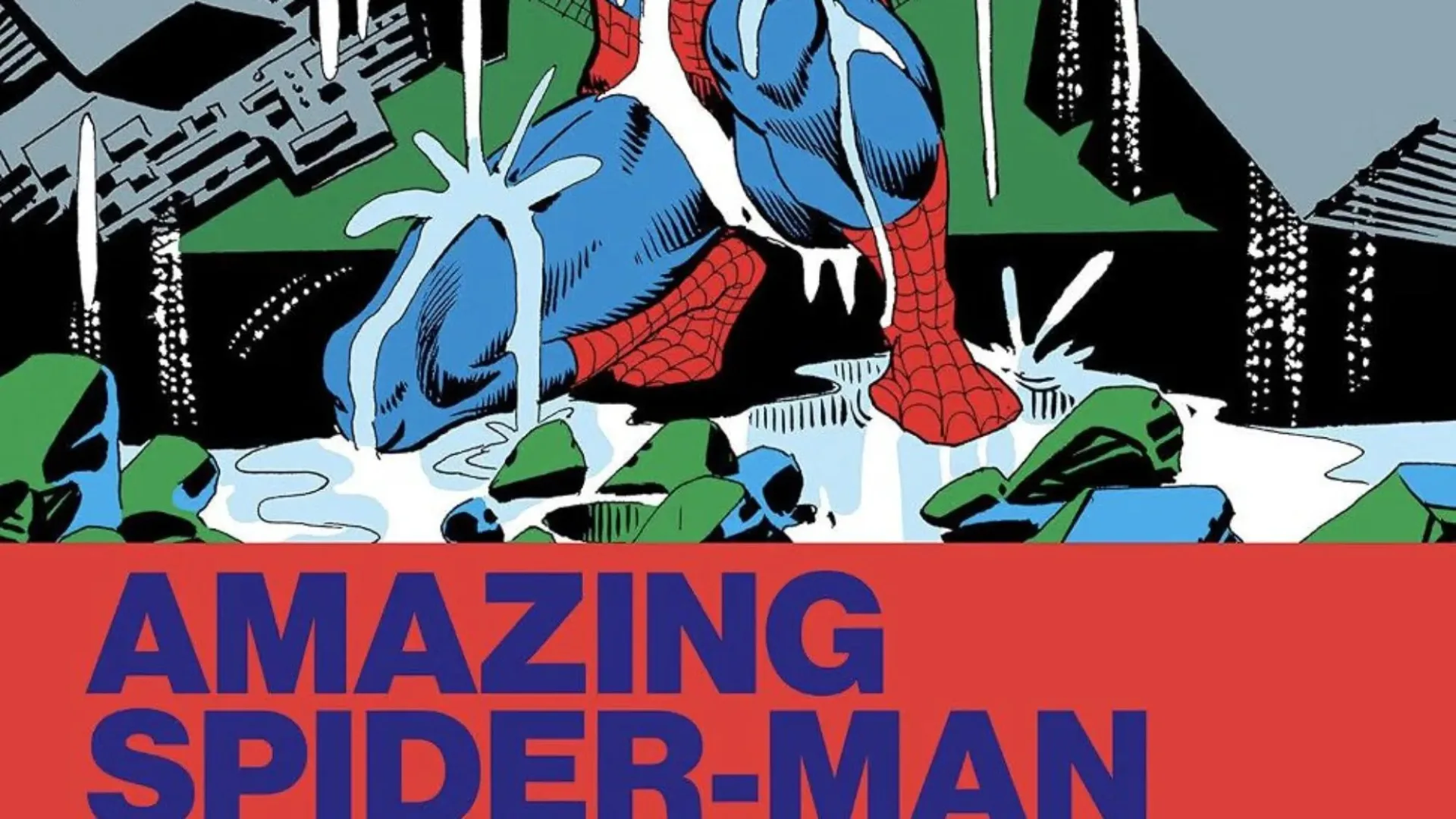
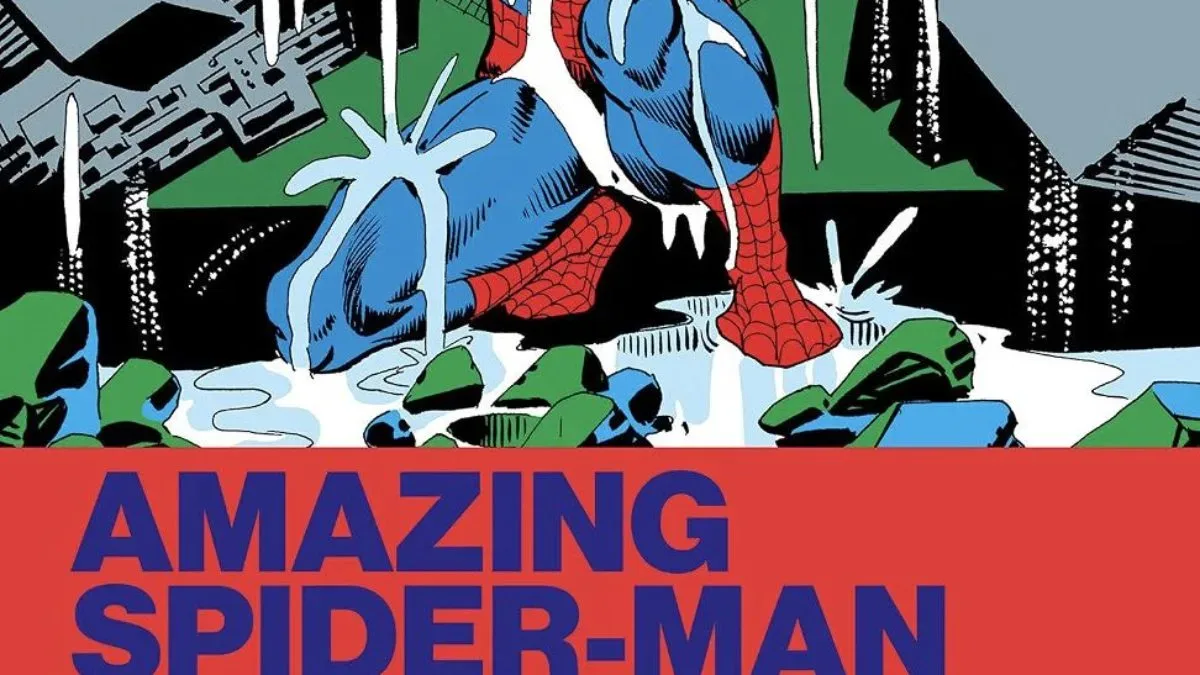
Marvel is opening its new Marvel Brick paperback line with a very large helping of very early Spider-Man. Amazing Spider-Man: Power and Responsibility is scheduled for July 6, 2027, bringing together the complete four-year Amazing Spider-Man run by Stan Lee and Steve Ditko in a single 960-page volume. Its listed price is $60.
The book is not simply a selection of famous issues or a character sampler. Its contents begin with Amazing Fantasy #15, Spider-Man’s origin, then continue through Amazing Spider-Man #1-38 and Amazing Spider-Man Annual #1-2. That makes the first Brick an intentionally broad starting point for readers who want the formative Peter Parker material in one place rather than a piecemeal assortment of landmark stories.
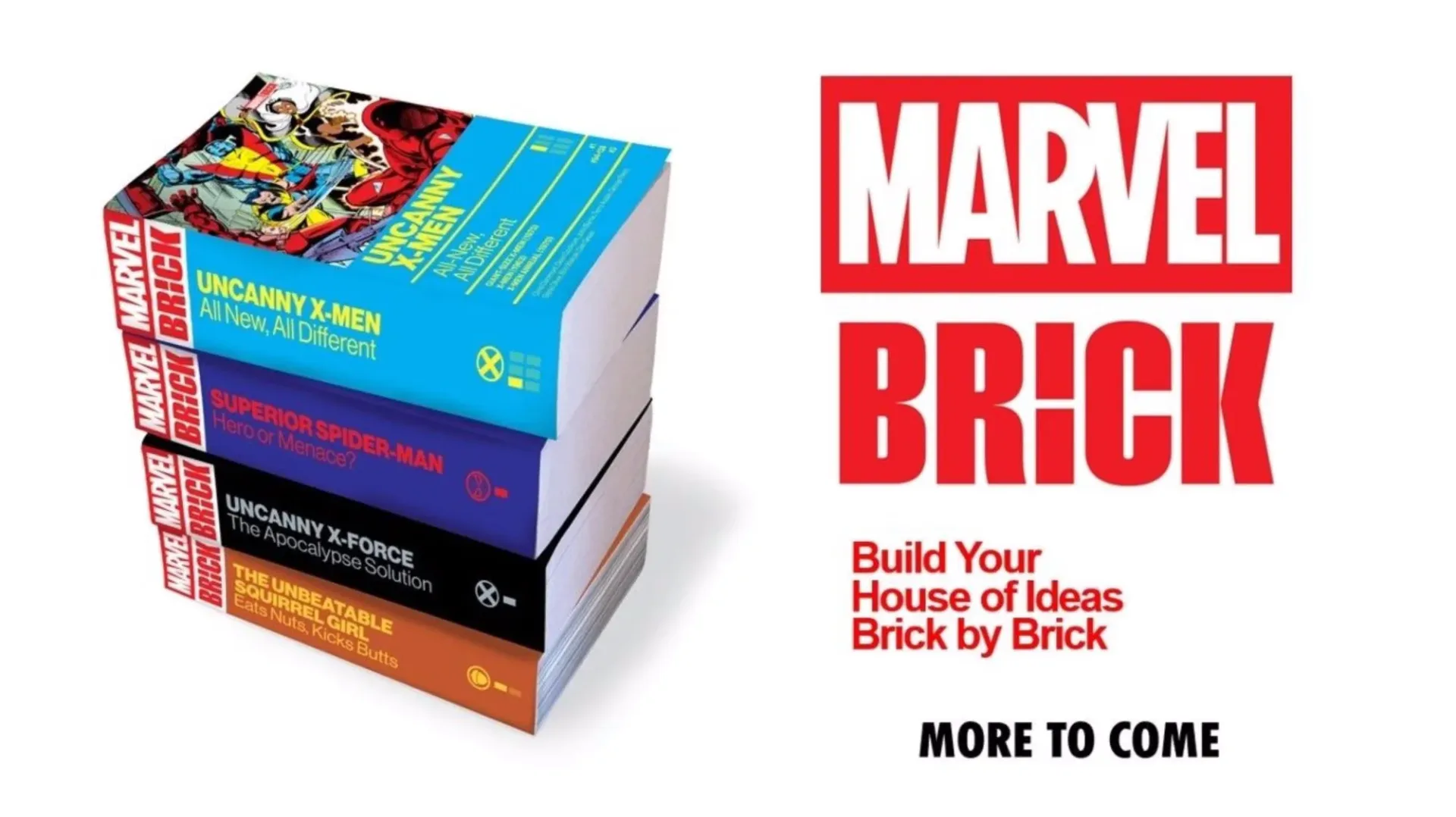
Marvel introduced Brick as a compendium format: thick paperbacks designed to put major runs together at a value-minded price. The publisher’s “Build Your House Of Ideas Brick By Brick” line is taking that description literally enough that prospective buyers should expect a substantial physical book, not a slim trade paperback that happens to have a catchy construction-themed label.
A complete early Spider-Man run, not a greatest-hits shortcut
“Complete run” can mean several different things in comics publishing, so the issue list is the useful part here. This collection includes the full span of Lee and Ditko’s Amazing Spider-Man collaboration identified for the edition, plus the original debut in Amazing Fantasy #15 and the first two annuals. A compendium, in this context, is a large collected edition that gathers many serialized comic-book issues into one volume.
That approach matters because the early Spider-Man run is both a superhero origin and an evolving ongoing series. Peter Parker’s powers, responsibilities, relationships and public reputation are not presented solely as background facts to memorize. The premise moves issue to issue: a bookish teenager gains abilities, initially seeks personal reward, and changes course after the death of Uncle Ben. His new obligation to do the right thing then has to coexist with caring for Aunt May, trying to earn money, and maintaining a life that Spider-Man repeatedly complicates.
The volume also follows the tension between Spider-Man and public perception. J. Jonah Jameson and the Daily Bugle are part of that pressure from the beginning, while Peter’s civilian circumstances ensure the stories are not only about superhuman fights. For a modern reader, the appeal of a run-spanning collection is seeing those elements accumulate rather than encountering them as isolated, historically important moments.
There is a practical upside to the format as well. Someone who knows Spider-Man largely through later comics, games, animation or films can begin with the original foundation without needing to map a reading order across several different books. Conversely, longtime readers who want this particular Lee/Ditko stretch on the shelf have a straightforward checklist: the debut, 38 regular-series issues and two annuals are all specified.
The first appearances packed into Power and Responsibility
The collection contains a dense concentration of introductions that became central to Spider-Man’s world. Marvel lists first appearances for Peter Parker/Spider-Man, Ben Parker, May Parker, Flash Thompson, Liz Allan, J. Jonah Jameson, Betty Brant, Harry Osborn, Gwen Stacy and Ned Leeds.
On the antagonist side, the book includes first appearances by the Chameleon, Vulture, Doctor Octopus, Sandman, Lizard, Electro, the Enforcers, Mysterio, Green Goblin, Kraven the Hunter, Scorpion and Spider-Slayer. The roster explains why this period is often treated as foundational: it establishes not only a hero but a large portion of the supporting cast and recurring opposition that define the property.
A first appearance is exactly what it sounds like—the first published introduction of a character. In a collection like this, it is more than a checklist item. It lets readers see when figures enter Peter Parker’s orbit and how the series builds its ongoing cast. That is distinct from buying a single issue for its collectible status. Marvel Brick is a reading-format paperback program, and this volume’s case is its narrative completeness and breadth rather than an attempt to recreate the original issues as artifacts.
Among the named stories included are “The Origin of Spider-Man,” “Spider-Man vs. the Fantastic Four,” “Unmasked by Doctor Octopus,” “Duel With Daredevil,” “The Goblin and the Gangsters,” “Captured by J. Jonah Jameson,” “The Master Planner Saga,” “Just a Guy Named Joe,” “The Sinister Six” and “The Wondrous World of Dr. Strange.” The titles alone show the range of the material: solo Spider-Man conflicts, encounters with other heroes, street-level trouble, villain team-ups, and stories involving Marvel’s wider superhero setting.
Why the annuals matter
The inclusion of Amazing Spider-Man Annual #1-2 is an important detail for readers seeking a genuinely connected early reading experience. Annuals are oversized or special issues released alongside a regular series rather than as part of its usual numbered monthly sequence. Leaving them out can make a collection feel like it has the principal spine of a run but not all of its major companion material.
Here, their inclusion helps make the Brick feel less like a volume built around only the most marketable issue numbers. The announced contents say that the publisher is treating the beginning of Spider-Man as a substantial body of work with its adjacent annual material included, not just a convenient stack of #1 through #38.
That said, readers should use the provided issue list as the final definition of what is in this particular book. “The complete Steve Ditko run” describes the targeted Amazing Spider-Man stretch in the announcement, while the printed contents are the concrete buying guide: Amazing Fantasy #15, Amazing Spider-Man #1-38 and Annual #1-2.
A launch built around different kinds of Marvel runs
Spider-Man is the first named Brick volume, but it is not the only direction planned for the format. The forthcoming line also includes Uncanny X-Men: All New, All Different, beginning with the major X-Men material that followed Giant Size X-Men. That selection starts with work by Len Wein and Dave Cockrum from 1975 and continues into the Chris Claremont and John Byrne period.
Other announced books demonstrate that Brick is not limited to Silver Age material. Superior Spider-Man: Hero or Menace will collect material from Dan Slott’s 2013 run in which Otto Octavius possesses Peter Parker’s body and operates as Superior Spider-Man. Uncanny X-Force: The Apocalypse Solution draws from Rick Remender and Jerome Opeña’s 2011 work on the title. The Unbeatable Squirrel Girl will cover Ryan North and Erica Henderson’s run beginning in 2015.
That mix is the clearest statement yet of the line’s editorial idea. Rather than arranging books around one era alone, Marvel is using the Brick label for celebrated runs from distinct decades and corners of its library. A reader interested in a classic origin-driven superhero saga, a major X-Men era, a body-swap Spider-Man premise, a 2011 mutant-team book or Squirrel Girl has a different entry point under the same large-paperback banner.
It also means that “Brick” is a format label, not a promise that every volume will have the same storytelling style. Lee and Ditko’s Spider-Man material is a foundational run whose earliest issue contains the hero’s origin. The announced Superior Spider-Man book, by contrast, begins from a much later premise involving Otto Octavius and Peter Parker. Readers considering the line should therefore look at each volume’s issue range and creative team, rather than assuming that a shared format equals a shared continuity starting point.
What the 2027 release means for readers
Amazing Spider-Man: Power and Responsibility arrives July 6, 2027, with its timing positioned for San Diego Comic-Con. At $60 for 960 pages, the announced book is clearly pitched around the convenience of a big, unified reading block. “Value” is part of Marvel’s language for Brick, but individual buyers will still want to judge the physical proposition on their own terms: this is a thick paperback, and its size is part of the premise.
For a reader, the key appeal is simple: this is one place to read from the radioactive-spider origin through a lengthy stretch in which Spider-Man’s family, friends, school-life connections, Daily Bugle antagonism and signature villains take shape. For a comics shelf, it is a deliberately oversized paperback collecting a defined historic run rather than a set of scattered single issues.
The line’s choice of launch material is hard to miss. Spider-Man’s early Lee and Ditko stories offer a contained, recognizable starting block with a long list of character debuts and notable stories, while the additional announced Bricks suggest the program intends to keep moving across eras. For more comic-book coverage beyond Marvel’s House of Ideas, see our look at the Absolute Firestorm tease in DC’s Absolute Universe.
Until more production details emerge, the firm facts are the format, contents, price and date: a 960-page paperback, $60, July 6, 2027, with Spider-Man’s debut, the first 38 issues of Amazing Spider-Man, and its first two annuals all bound into Marvel’s opening Brick.