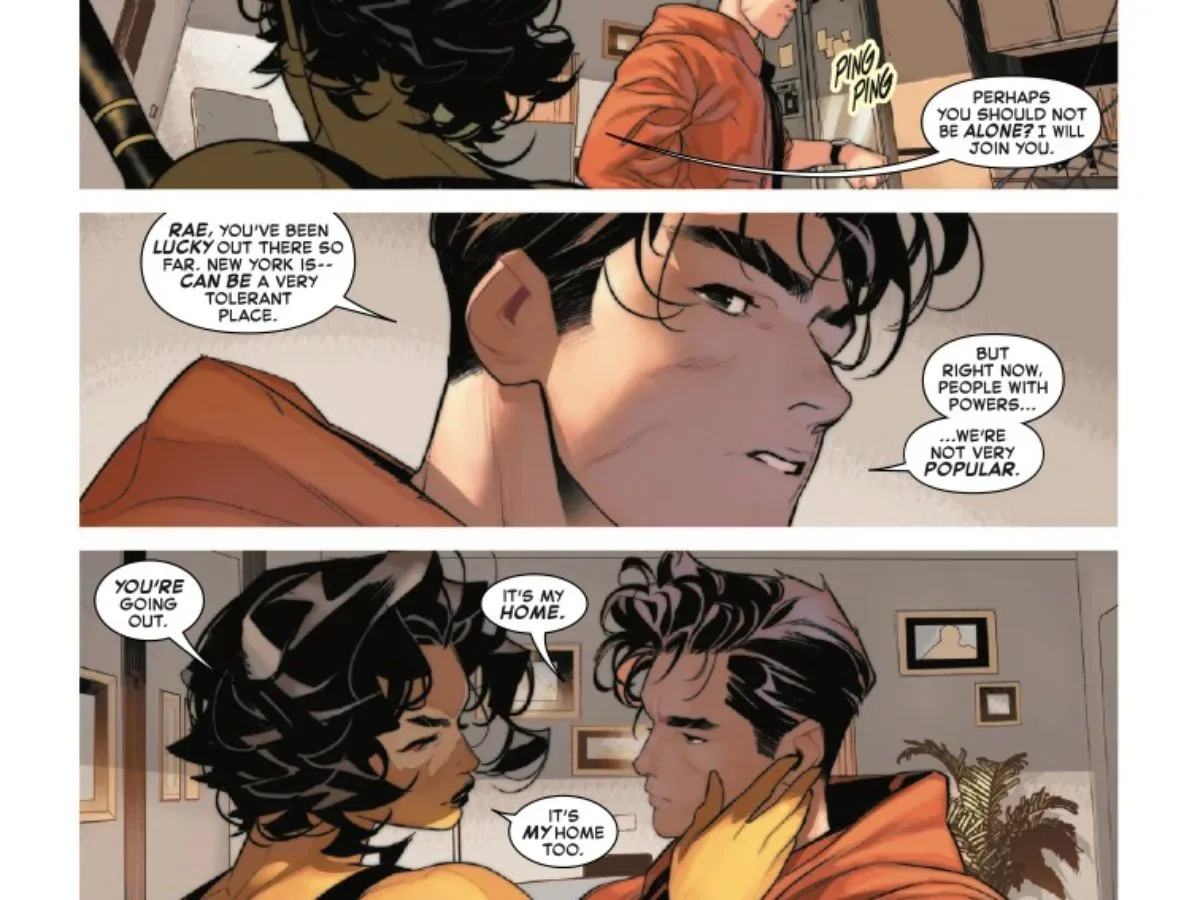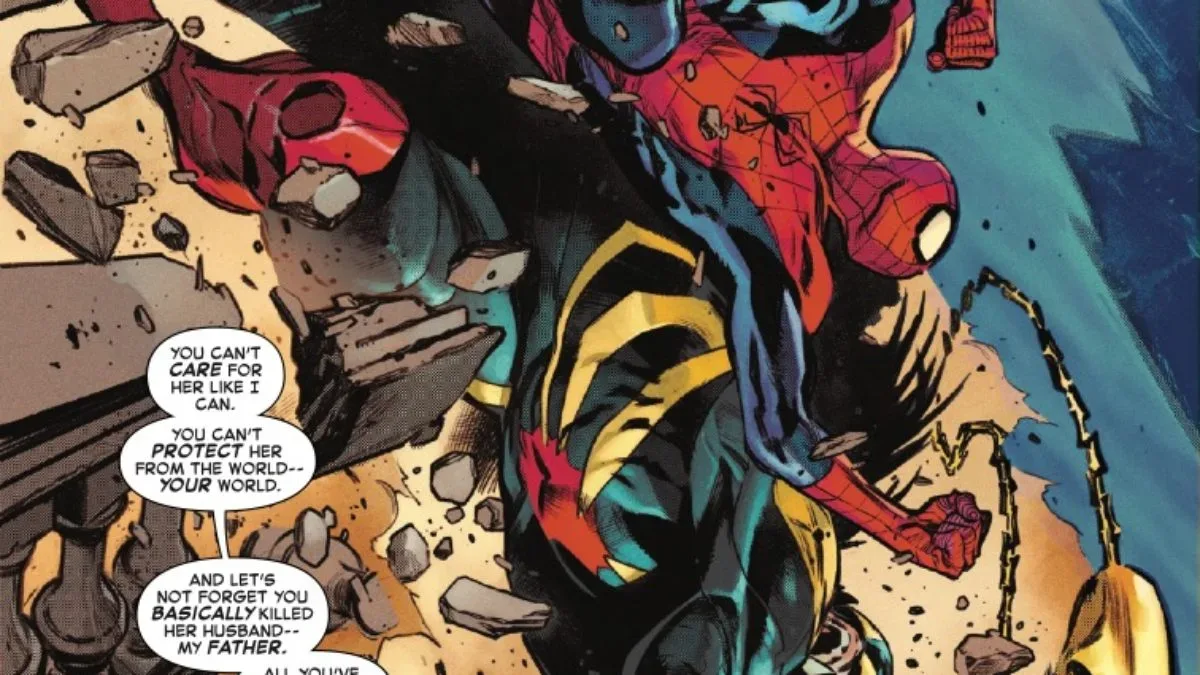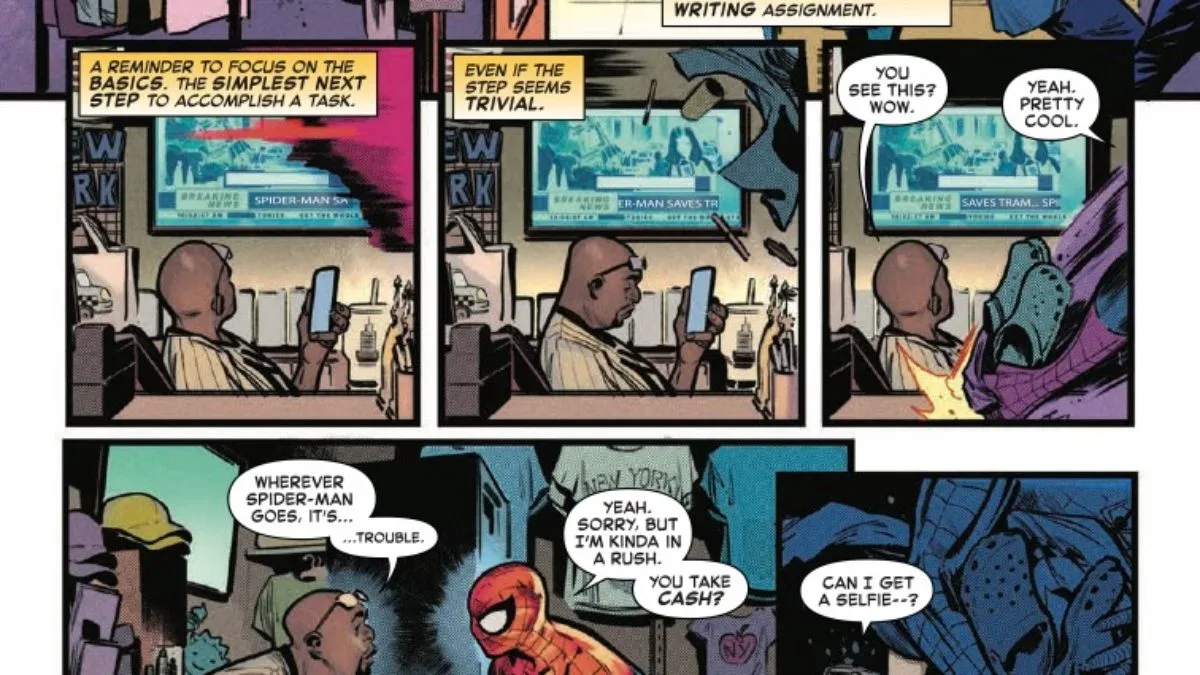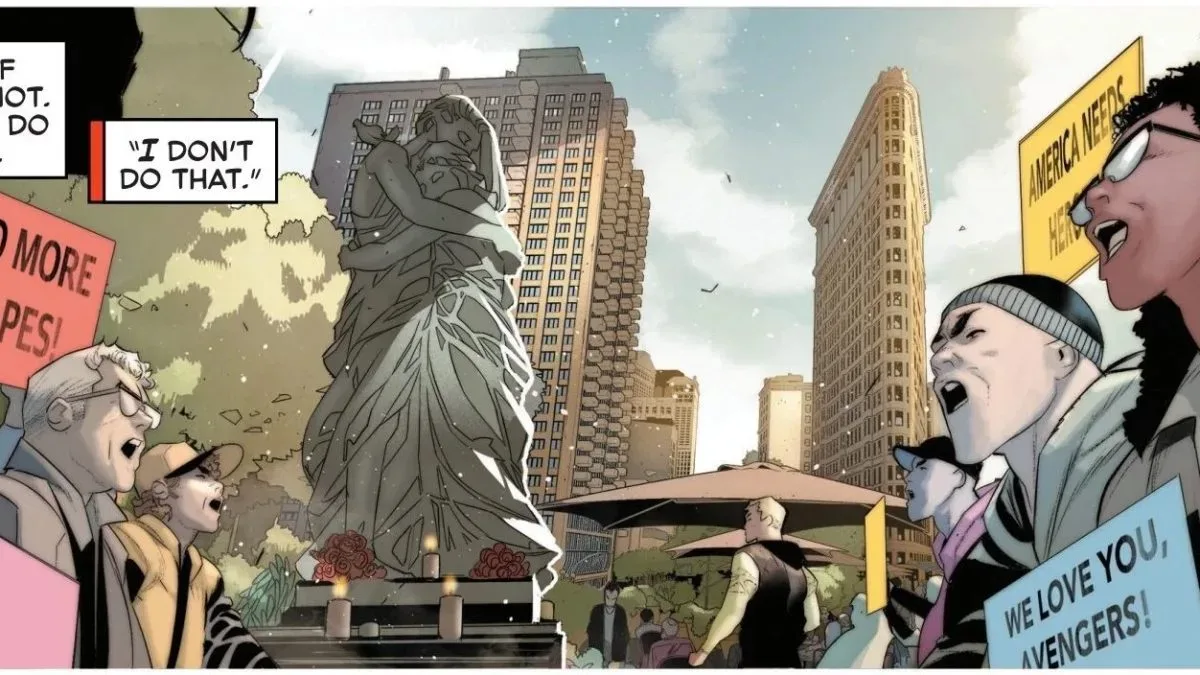
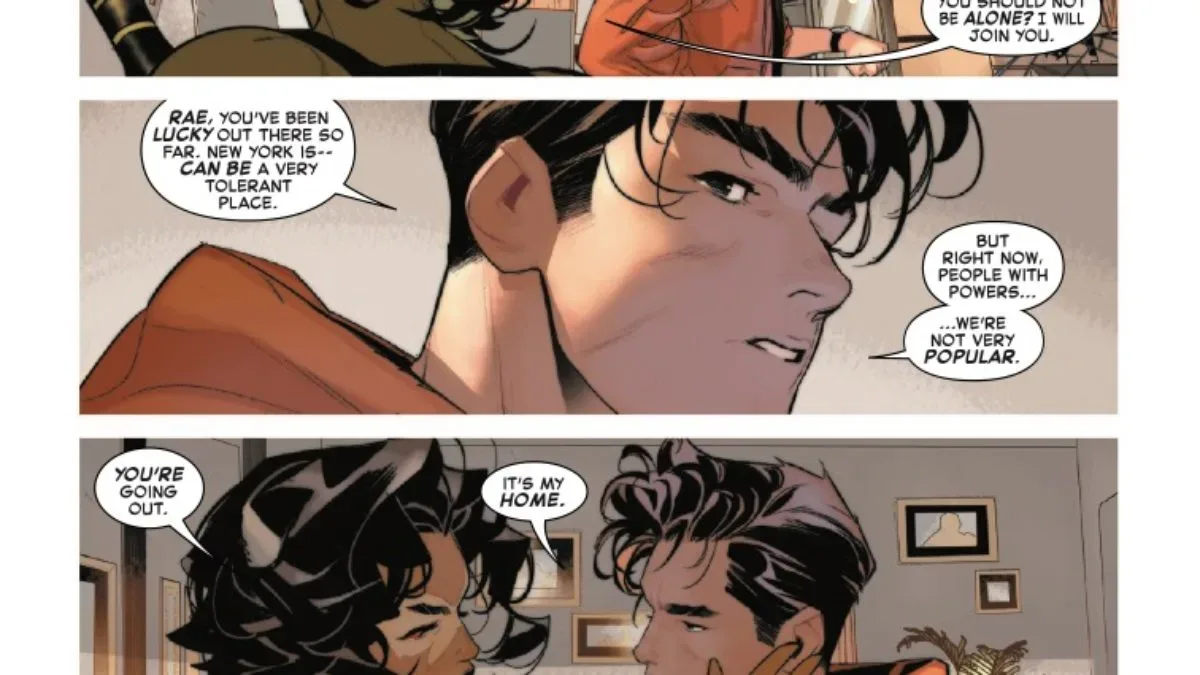
Amazing Spider-Man #1003 is set to put Peter Parker in the middle of two pressure-cooker problems at once: a pursuit involving a deadly assassin, and a New York City struggling to remain stable in the wake of ARMAGEDDON. Marvel lists the 32-page issue for release on Wednesday, November 11, 2026, with Joe Kelly and Pat Gleason credited as its creators and John Romita Jr. on the main cover.
The premise also introduces a personal complication familiar to long-running superhero comics. A previously staunch foe who had become an ally of Spider-Man is described as returning to old habits. The solicitation does not identify that character or the assassin, leaving the exact shape of the betrayal—and its stakes for Peter—deliberately open.
Two Spider-Man Problems, One City Under Strain
At its most direct level, #1003 is a race against an assassin. That setup gives Spider-Man a clear immediate objective: locate and stop a lethal threat before the target, motive, and consequences fully unfold. But the issue’s larger backdrop appears to be civic rather than purely personal. New York is said to be near a boiling point following ARMAGEDDON, with Mayor Cage’s office and Damage Control working to contain the resulting tension.
That distinction matters. A standard Spider-Man chase can be contained to rooftops, alleys, and a villain’s plot. A city already under extraordinary social pressure changes the context of every emergency. A destructive confrontation, a high-profile attack, or an apparent failure by officials could potentially make an unstable situation worse. The issue’s wording frames the city itself as an active source of dramatic stakes, not simply scenery behind Spider-Man’s next fight.
Damage Control, in this context, refers to the organization involved with managing the practical fallout from superhuman destruction. Its presence alongside the mayor’s office signals an institutional response to the aftermath, while Spider-Man operates on the immediate threat level. Whether those efforts complement each other or create friction is not specified, but the setup places Peter near a public crisis with more moving parts than a single villain encounter.
What “Aftermath” Can Mean for a Superhero Story
The ARMAGEDDON reference is important chiefly because it establishes that #1003 is not beginning from a clean slate. “Aftermath” stories focus on what comes after the spectacular event: damaged confidence, strained resources, fear, and difficult decisions about restoring ordinary life. In superhero settings, those concerns can be especially complicated because the people tasked with saving the city can also be associated with the chaos that accompanies large-scale battles.
The solicitation does not define ARMAGEDDON or detail the particular damage New York has sustained, so readers should not assume facts beyond the stated citywide tension. Still, it clearly positions the issue as part of a period when public order is fragile. Mayor Cage and Damage Control are trying to keep that tension from becoming open crisis, while Spider-Man has to move through the same environment in pursuit of an assassin.
For Peter Parker, that is a potentially awkward assignment even before the returning ally factor enters the picture. Spider-Man’s heroism is usually highly visible, but visibility can be a liability when a population is angry or frightened. The central tension suggested here is not merely whether he can win a fight; it is whether stopping one threat can be done without worsening a city already on edge.
The Unnamed Ally Is the Story’s Biggest Question Mark
The returning enemy-turned-ally is the other major hook. Comic-book alliances often carry built-in uncertainty: former enemies may cooperate for practical reasons, seek genuine change, conceal another agenda, or simply struggle to abandon familiar patterns. The solicitation only confirms that this character is reverting to “old tricks,” not why or how far that reversal goes.
That ambiguity gives the issue a second kind of suspense. An assassin is a visible danger with a direct objective. A former adversary falling back into old behavior is a trust problem. Peter may have to decide how much faith to place in someone who has already earned suspicion, particularly when New York’s political and social situation leaves little room for mistakes.
It is also worth separating what is established from what remains unknown. The issue description promises an antagonist-turned-ally who is backsliding, but it does not confirm a full villainous turn, identify a target, or reveal a connection between that character and the assassin. Those are the questions #1003 is positioned to answer rather than premises already confirmed by its listing.
Creative Team and Edition Details
Joe Kelly and Pat Gleason are credited on Amazing Spider-Man #1003, while John Romita Jr. provides the standard cover. The issue carries a Rated T designation, is listed at $4.99 in the United States and $6.25 in Canada, and has a listed 32-page count.
Collectors will have several alternate cover options in addition to Romita Jr.’s regular cover. The announced variants are:
- Steve Rude 1:25 variant
- John Romita Jr. Virgin 1:100 variant
- Todd Nauck four-part connecting Legacy variant
- Peach Momoko Momo-Tone variant
- Netho Diaz Workout variant
The ratio labels on the Steve Rude and John Romita Jr. editions are retailer incentive designations: a 1:25 or 1:100 variant is allocated in relation to a retailer’s qualifying orders of the standard issue. The listing provides the cover names and ratios, but it does not establish how widely any individual cover will be available in shops.
The Todd Nauck cover is identified as a four-part connecting variant, meaning it is designed as one segment of a larger image spanning four related covers. The supplied information does not specify the other issues or images in that set, but the format may be relevant to readers who prefer assembling connected cover art rather than choosing a single standalone design.
Why #1003 Looks Like a Transitional Issue
The combination of a post-disaster New York, official attempts at damage containment, a deadly assassin, and a compromised ally makes #1003 read as a transitional chapter. It has an immediate action engine in the assassination threat, but it also appears concerned with the consequences of a world-shaking event and with relationships that may no longer be reliable.
That makes the issue potentially useful as a barometer for Spider-Man’s current status quo. The key question is not simply who Spider-Man punches next. It is what kind of New York he is protecting after ARMAGEDDON, how Mayor Cage’s administration and Damage Control are handling the crisis, and whether a supposedly reformed adversary can remain on Peter’s side when the city needs stability most.
Readers following superhero comics centered on shifting alliances may also want to compare how other books use old rivalries as story fuel; for example, Action Comics #1104 puts Young Clark Kent and Lex Luthor’s friendship to the test. The details and characters differ, but the dramatic foundation is recognizable: history creates stakes that a brand-new antagonist cannot replicate on their own.
Amazing Spider-Man #1003 goes on sale November 11, 2026. Its solicitation promises a citywide crisis alongside a more intimate breach of trust, with the identities and precise agendas involved held back for the issue itself.