Spoilers follow for Captain America #17 and Amazing Spider-Man #1003.
Marvel’s post-Armageddon landscape is not treating its catastrophe as a clean handoff into the next adventure. Captain America #17, by Chip Zdarsky and Ton Lima, and Amazing Spider-Man #1003, by Joe Kelly and Simone Di Meo, place the consequences directly in front of Steve Rogers and Peter Parker: public rage, institutional pressure, absent allies, grief, and a city that appears ready to turn its unease into action.
The two issues also set up a larger continuity question without resolving it yet. Doctor Doom has apparently torn up Mephisto’s contracts in Hell, an act with possible ramifications for Peter Parker, Mary Jane, Aunt May and the long-running Spider-Man status quo associated with “One More Day.” The immediate stories, however, are more concerned with the aftermath people can see in the streets than with the metaphysical consequences still waiting to land.
Armageddon has left a human and political mess
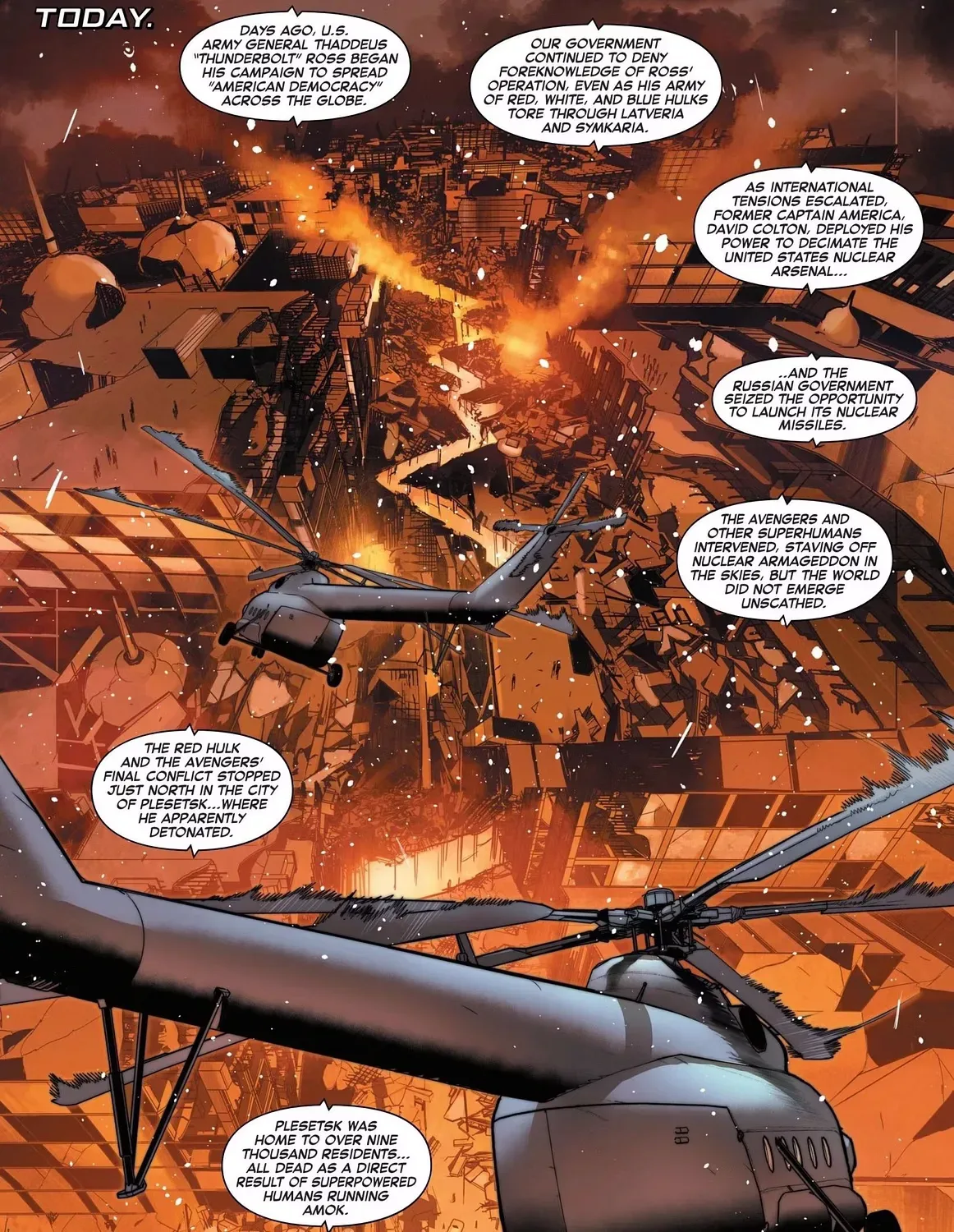
The event’s most concrete reported disaster is a nuclear explosion in Russia, north of Moscow, following a clash involving the Avengers and Red Hulk, General Ross. That is an enormous occurrence even in a superhero universe, and these issues use it as the foundation for a different kind of conflict: what happens when the public no longer regards extraordinary power as an uncomplicated source of protection?
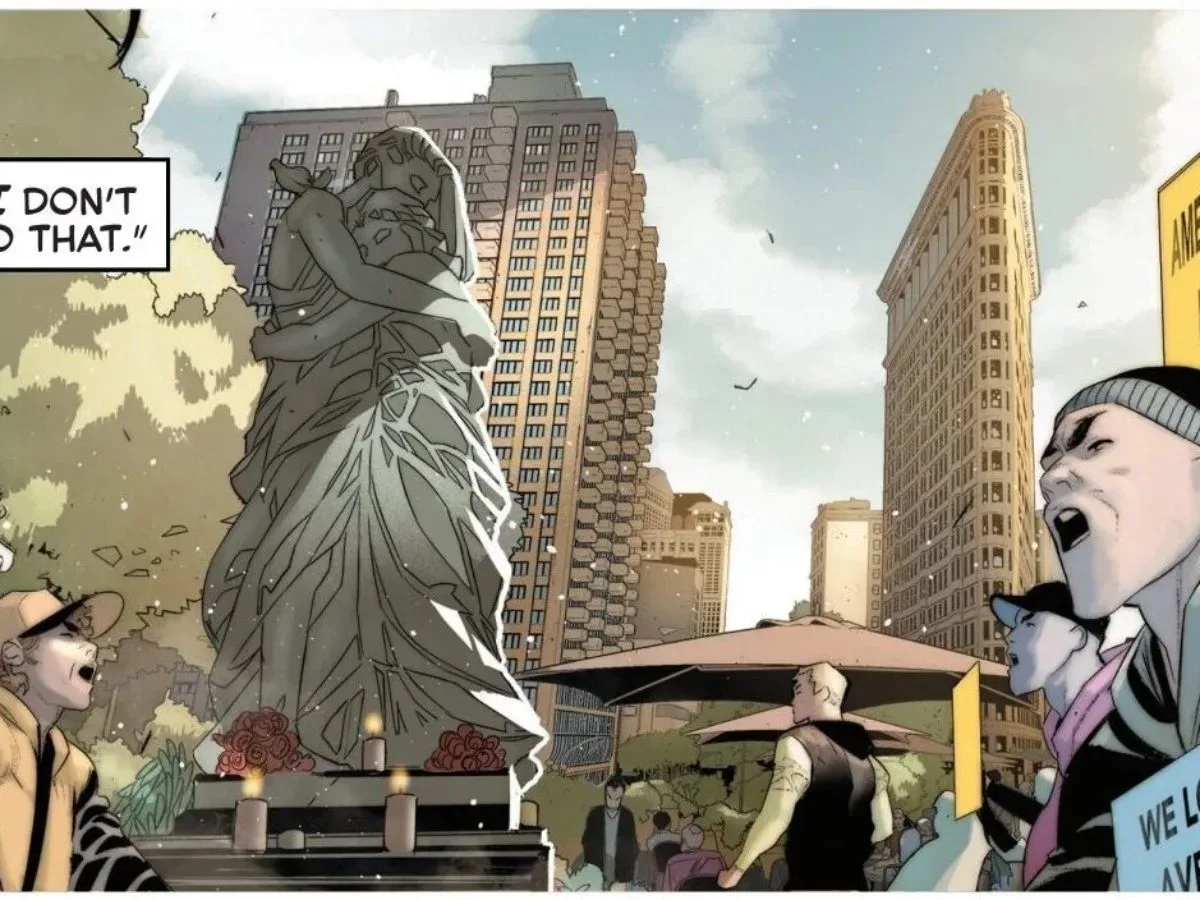
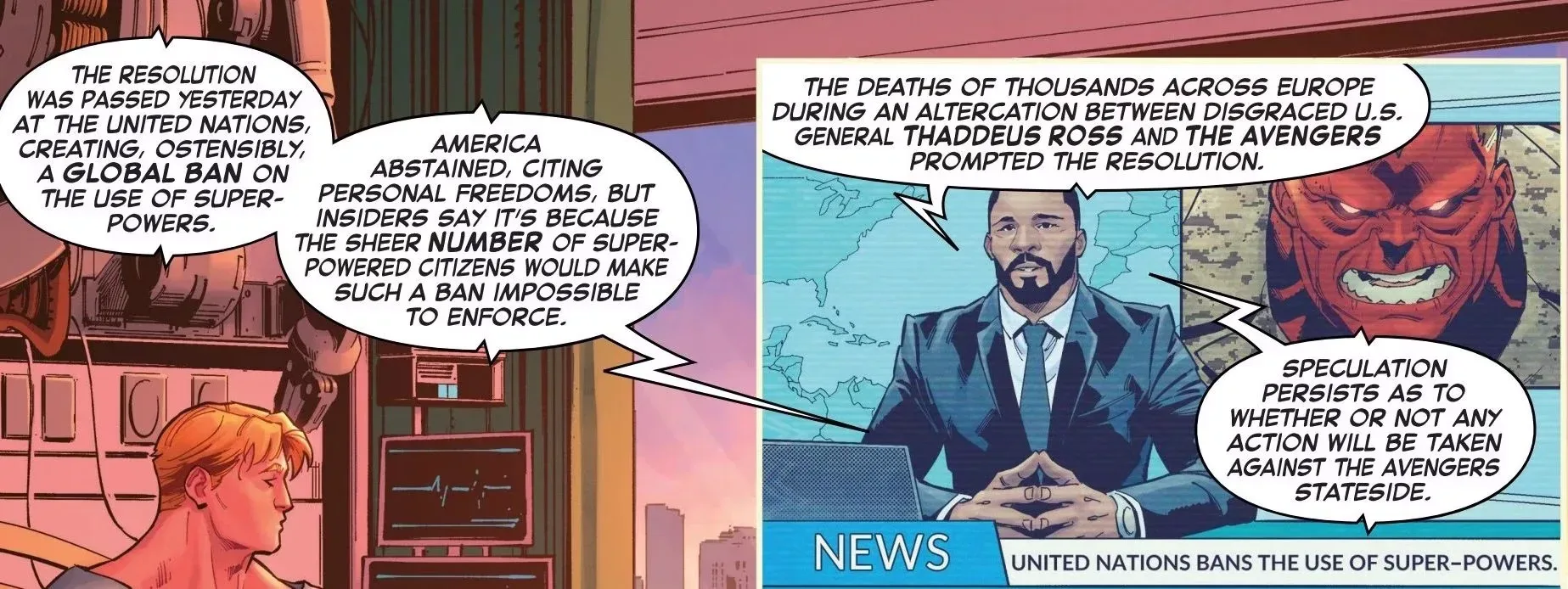
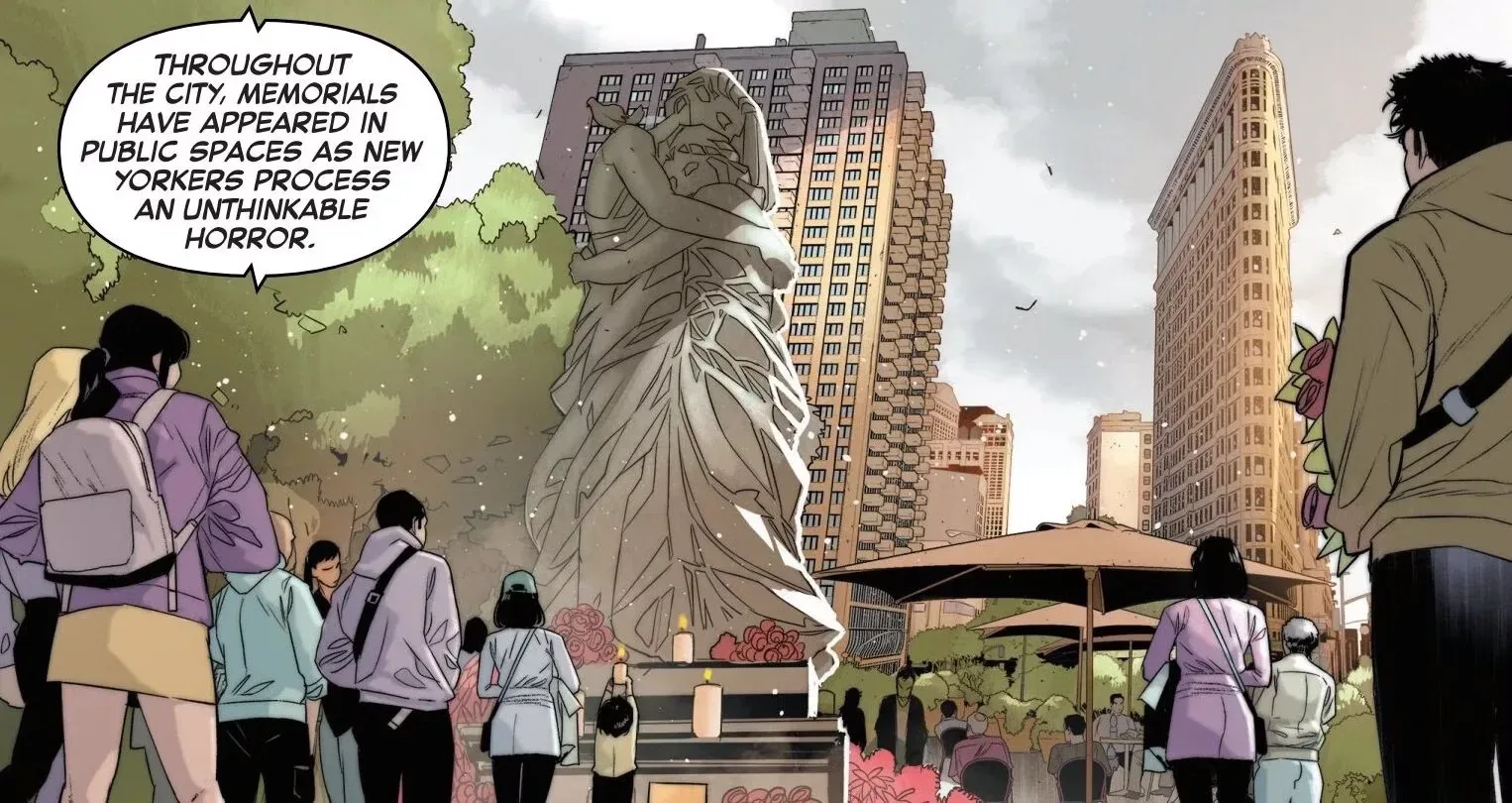
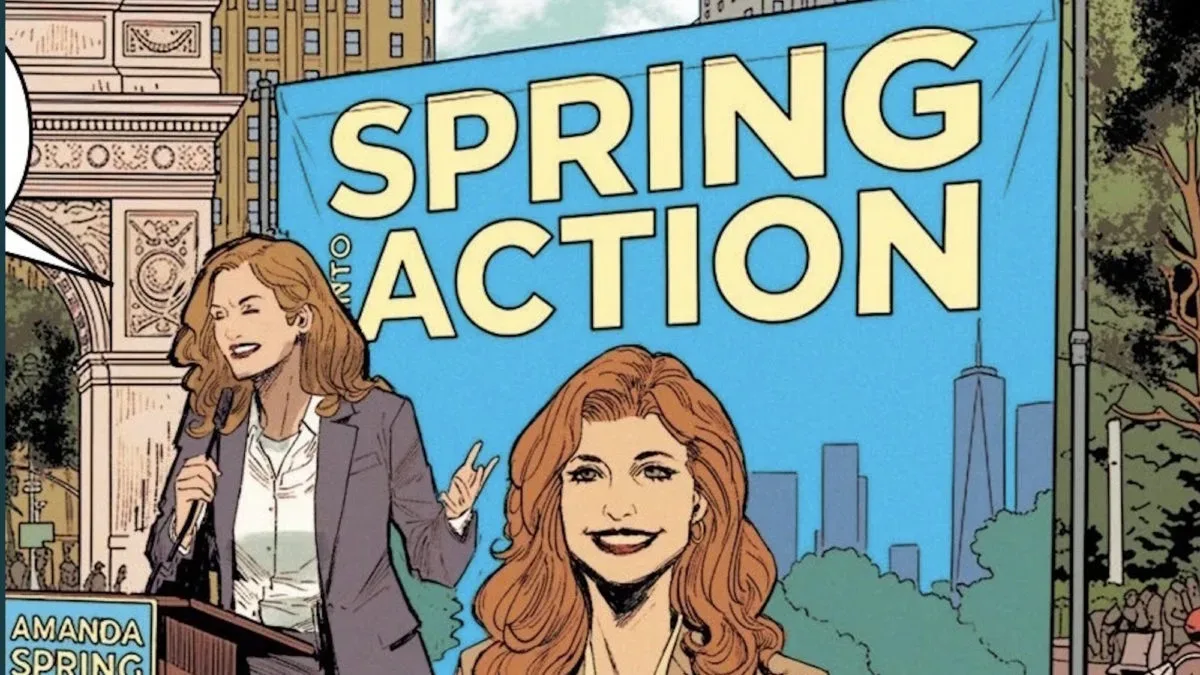
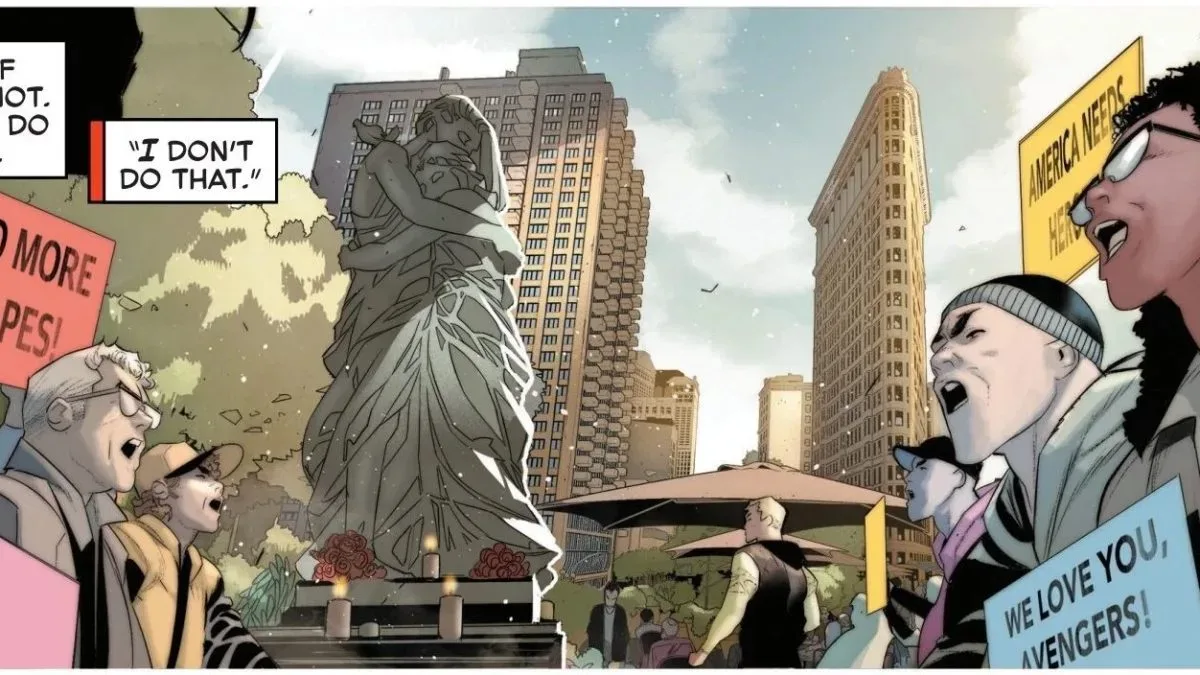
In Amazing Spider-Man #1003, Peter is catching up on developments from a story he had stepped away from. The response around him moves through sympathy, mourning and anger, then into attempts to interpret who is responsible and what should be done next. That progression matters. The book is not merely showing generalized anti-hero sentiment; it frames public reaction as something that can become policy, rhetoric and organized pressure.
Luke Cage remains mayor of New York and faces an election, putting him at the center of the tension between civic responsibility and superhero politics. His administration expands anti-superhero measures and activity in the city as it tries to contain an NYC described as close to boiling over. Damage Control is also involved in the attempt to keep order while Spider-Man pursues a deadly assassin and a former adversary-turned-ally reverts to old behavior.
That makes Peter’s problem unusually layered. He is dealing with an immediate threat, but the city’s wider suspicion changes the conditions around any intervention. A heroic act can still be necessary while being viewed through a far less forgiving political lens. The premise is not that every New Yorker agrees; the Avengers are shown attracting both hostility and support. The crucial point is that the argument has become loud enough for officials and public figures to shape it.
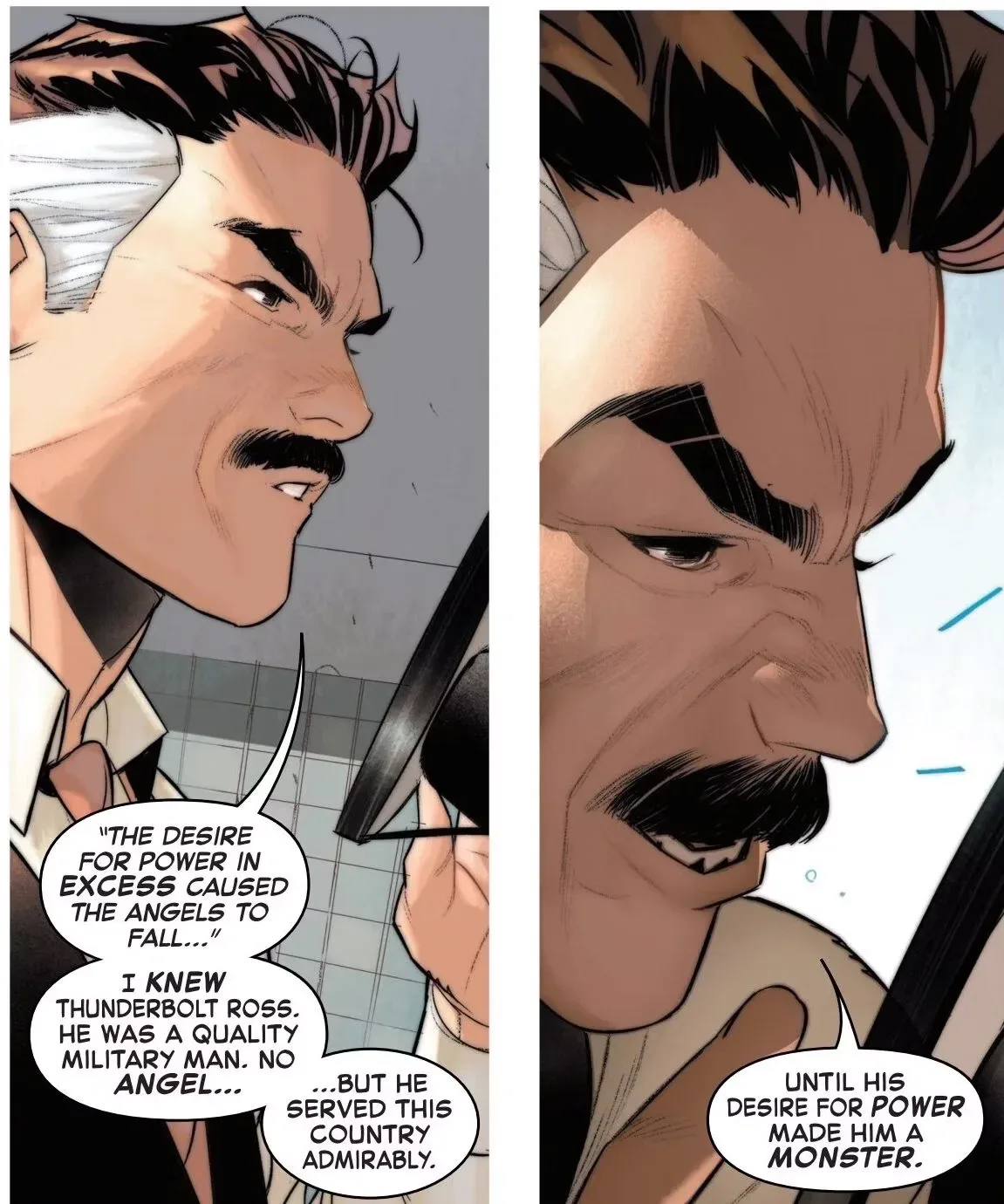
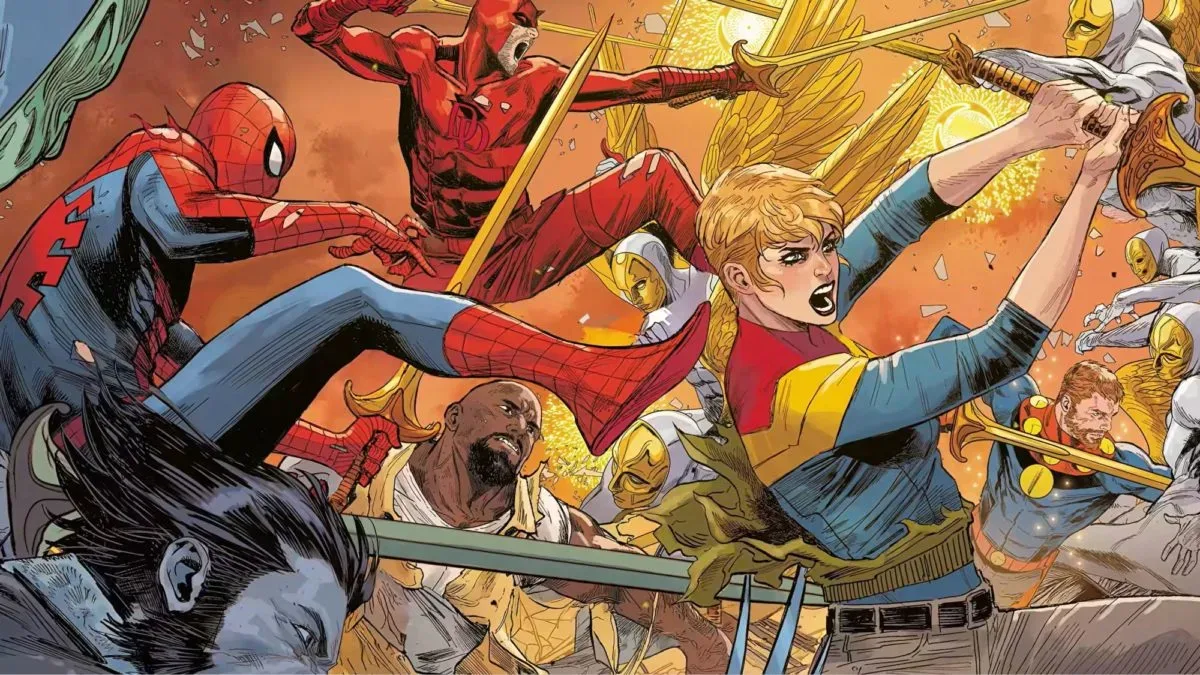
J. Jonah Jameson’s portrayal of heroes as false angels is one signal of how moral language is being weaponized in that debate. Meanwhile, imagery elsewhere points toward angelic figures coming to New York in Avengers, creating an intriguing contrast between literal-looking symbols and arguments over whether heroes deserve public faith at all.
Captain America wakes into a world that distrusts him
Steve Rogers begins Captain America #17 at a severe disadvantage. He is waking after a coma—or, from another perspective, after making his way out of Hell—and must immediately process a world reshaped by Armageddon. The issue launches the “Manifest Destiny” storyline with Steve mourning absent Avengers and Bucky’s death, while the Red Skull is back out of Hell and returning to Earth.
For Captain America, that combination makes the aftermath intensely personal. Bucky’s death is not simply another event-level casualty in the background. It is part of the emotional damage framing Steve’s return, alongside the looming reappearance of one of his oldest enemies. The story’s title and solicitation point toward movement rather than recovery: Cap is on the run with Vic, the child clone of Doctor Doom.
Vic is the immediate point of confrontation with S.H.I.E.L.D. The organization, described as U.N.-backed, has demanded that Vic be handed over, setting Steve against Nick Fury Jr. It is a conflict where custody carries much more weight than a routine argument over jurisdiction. A child clone of Doctor Doom represents a highly unusual political, scientific and ethical problem in a universe already frightened by the consequences of uncontrolled superhuman conflict.
Clone, in this context, means a being created as a genetic duplicate or derivative of someone else. That does not automatically settle Vic’s identity, loyalties or rights. The drama in Cap’s position rests precisely on the gap between what authorities may see—a connection to Doctor Doom and a potential danger—and what Steve is choosing to protect: a child who cannot be reduced to the fears surrounding his origin.
Nick Fury Jr.’s scrutiny of Steve and his circle adds a surveillance dimension to the post-Armageddon atmosphere. The question is no longer only whether heroes can stop disasters. It is whether institutions will permit them the freedom to decide what protection looks like, particularly when the stakes involve figures tied to Doom, Hell or the Avengers’ recent failure.
The Mephisto thread is a promise, not a payoff—yet
The most consequential unanswered thread running alongside the immediate crises is the apparent dissolution of Mephisto’s contracts. The premise being raised is that Doctor Doom’s actions in Hell could undo arrangements with effects across Marvel continuity. In Spider-Man’s corner, the potential implications specifically touch on Peter and Mary Jane’s marriage, while Aunt May’s place in the situation is expected to be explored elsewhere.
It is important to distinguish what the current issues establish from what they tease. Amazing Spider-Man #1003 does not reach the Mephisto-contract fallout. Instead, it shows that Aunt May is still alive and still does not know Spider-Man’s secret identity. Those facts indicate that any full reversal or alteration has not visibly arrived for her in this chapter.
That restraint is useful storytelling rather than an absence of story. A continuity change involving a demonic contract would not be a small plot device if it reaches several relationships at once. Continuity is the shared record of past events and character circumstances that later comics build upon. When a story questions whether a foundational arrangement is still valid, it naturally creates suspense around which memories, relationships, identities or outcomes could change—and whether every character will experience the effects in the same way.
Joe Kelly looks positioned to address the Spider-Man side of those implications, while Zdarsky has indicated his focus is on Aunt May in Avengers rather than writing the Mary Jane/“One More Day” material. The writers have discussed the overlap, suggesting coordination across the separate books, but the on-page resolution remains ahead. Readers should therefore treat the marriage implications as an active setup, not a confirmed new status quo.
Other characters are already moving into position
Armageddon’s wake is also scattering important pieces across several titles. Tony Stark has left to pursue something new after the event, though his destination is unclear. Captain Marvel is another notable figure in the wider picture. Emma Frost is active in Black Cat #16, where she recruits Felicia Hardy for a job that only the thief can pull off. The issue begins “X-Con” and prominently involves X-Men guest stars, while posing a question about whether Felicia might be a mutant.
Emma’s presence is notable because it arrives while the Marvel line is foregrounding uncertainty around alliances, secrets and power. She has previously been married to Tony Stark, and their separate positioning now creates an unresolved point of interest rather than a stated connection. The available information does not establish a coordinated plan among Emma, Tony, Captain Marvel or the Spider-Man cast; it simply places several influential characters in motion while Fury’s attention is trained on Captain America’s side of the board.
Cap also encounters the Knomads, a group visually and thematically associated with Steve’s former Nomad identity and the Ku Klux Klan. The name is a deliberate, troubling collision of imagery rather than a neutral superhero-team label. Their inclusion reinforces the issue’s concern with extremist appropriation: in a destabilized world, symbols associated with heroism or independence can be repurposed into something hostile.
What to watch as the fallout continues
These comics are best read as the opening phase of a crossover aftermath rather than self-contained answers. Captain America #17 uses Vic, Fury Jr., Bucky’s death and the Red Skull to put Steve under immediate pressure. Amazing Spider-Man #1003 uses civic unrest, Mayor Cage’s response, Damage Control and Spider-Man’s own crisis to show what the same event feels like at street level.
The connective tissue is distrust. The Avengers’ actions have created fallout large enough to invite public grief and political intervention, while individual heroes must decide whom they can protect when institutional demands appear to conflict with personal conscience. At the same time, the Mephisto question hangs over Spider-Man’s supporting cast as a separate, more intimate threat to the assumptions readers currently have about Peter’s life.
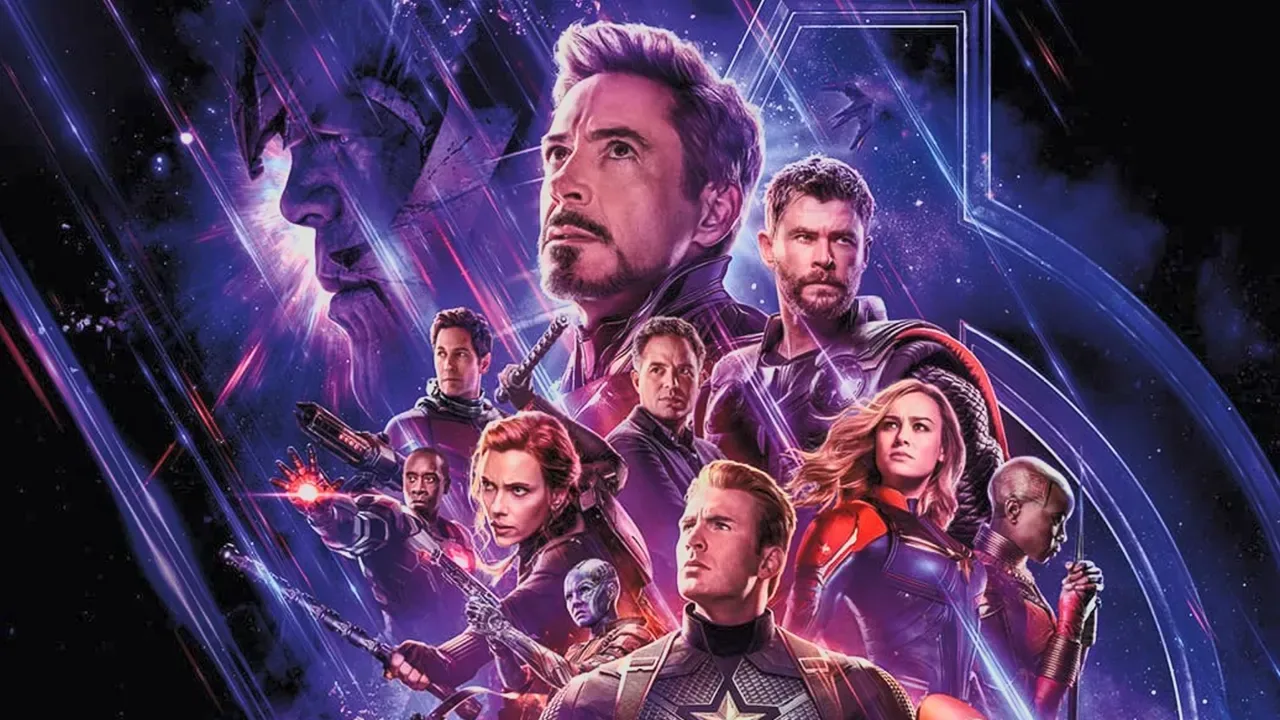
For a broader dose of Avengers and Doctor Doom-related pop-culture coverage, see the reported Avengers: Endgame encore additions.
Captain America #17, Amazing Spider-Man #1003 and Black Cat #16 are listed at $4.99 each in their provided publication information.