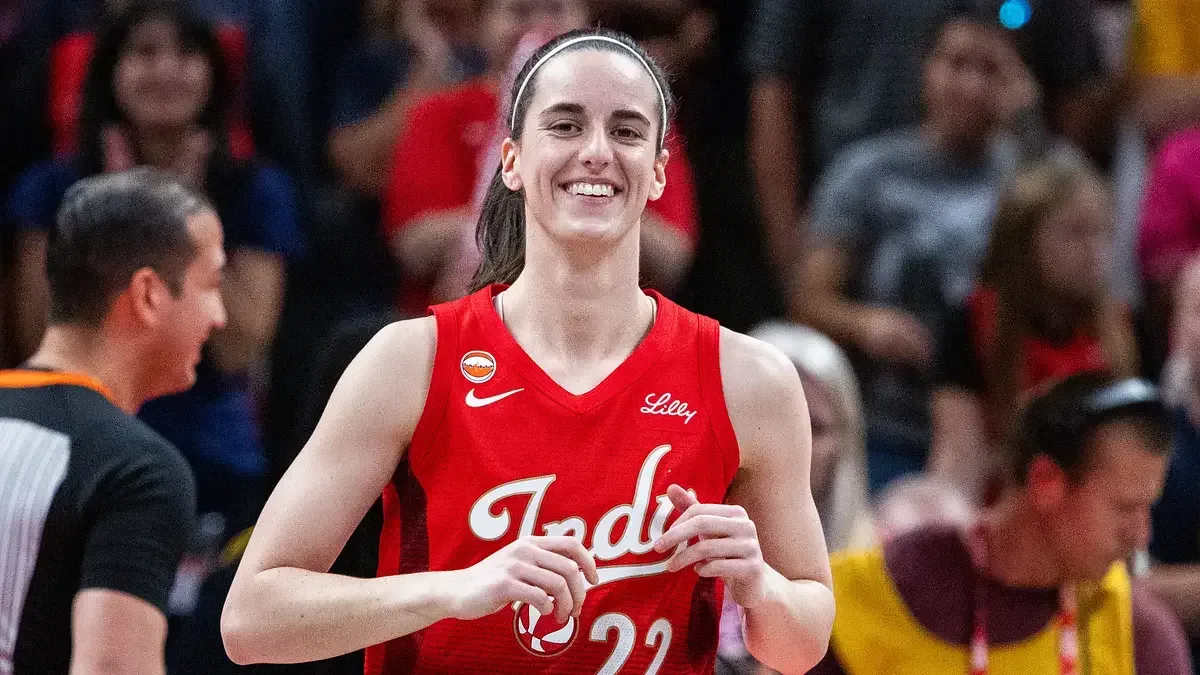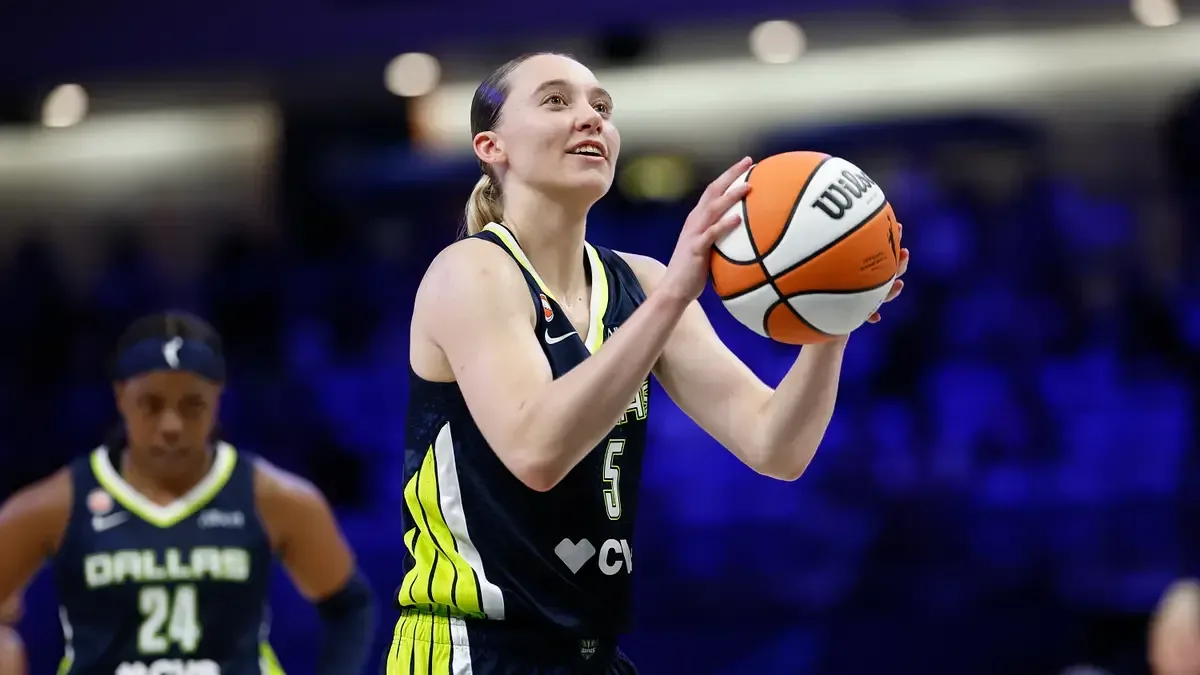
The WNBA postseason has narrowed to four teams, and the race for two Finals places has also become a compact, useful snapshot of the women’s basketball card market. Caitlin Clark’s Indiana Fever are out, Paige Bueckers’ Dallas Wings were eliminated by Golden State, and Minnesota’s top-seeded Lynx were upset by Sabrina Ionescu’s New York Liberty. The remaining field is Atlanta, New York, Golden State and Las Vegas, with the WNBA Finals scheduled to begin October 17.
For collectors, the key point is not that a deep playoff run magically changes every card’s standing. It does not. A player’s body of work, the particular card, its scarcity and its physical condition all matter. But postseason games can focus attention quickly. They create defining performances, introduce casual viewers to a player’s role, and sometimes make an existing card easier to understand as a piece of a larger career story.
The four players below represent notably different collecting propositions. Angel Reese is a young, highly visible player adding major defensive credentials. Ionescu combines an established WNBA profile with broad recognition beyond the league. Gabby Williams has joined international success to a breakout moment for a young franchise. A’ja Wilson is the accomplished superstar whose cards are rooted in an already historic résumé rather than a projection of what might happen next.
That distinction is valuable when building a collection. A collector can enjoy all four players while still being clear about why each card belongs in a binder, display or graded-card box.
Angel Reese: a young defensive centerpiece with a record season
Reese entered the WNBA in 2024 in the same rookie class as Clark and quickly became one of the league’s most recognizable newer faces. This season added substantive achievements to that visibility: she won Defensive Player of the Year, led the league at 12.1 rebounds per game and set a WNBA record with 521 total rebounds.
Those numbers matter because they give the collecting narrative a foundation beyond name recognition. Rebounding and defense do not always produce the highlight clips associated with scoring guards, but a league record and a major individual award are simple, durable reference points. They explain why collectors might follow Reese even if their interest began with her status as part of a prominent new generation of players.
Atlanta swept Washington in the opening round, with Reese averaging 9.5 rebounds and two blocks. She therefore remains one of the newer stars still playing in a postseason that has already lost several headline names. A first deep playoff run can be meaningful because it places a player’s regular-season work under more concentrated attention, although it should not be treated as a guarantee of lasting card-price movement.
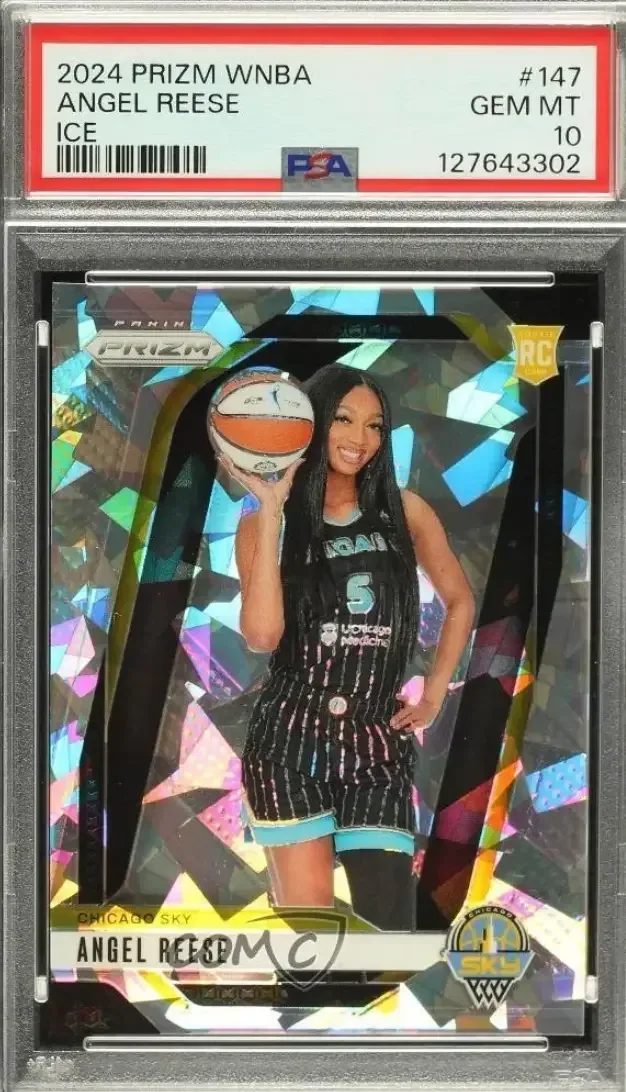
Card to know: 2024 Panini Prizm WNBA Ice #147
The focal card is the 2024 Panini Prizm WNBA Ice #147. “Prizm” refers to a Panini card brand and its various finishes, while “Ice” identifies the particular parallel or version named here. A parallel is a variation of a card design that sits alongside a base version; collectors often distinguish it through finish, color, numbering or another visual treatment.
Related coverage includes 4 WNBA Stars Collectors Are Watching Closely as the 2026 Playoff Race Heads to the Finals.
The supplied sales note identifies a recent eBay sale of a PSA 10 copy at $73. PSA 10 is a third-party grading designation for a card judged to be in gem-mint condition. That number is useful as a record of one recent transaction for that exact grade, not as a universal value for every copy. An ungraded card, or a copy with a different grade, is not automatically comparable.
Reese’s appeal is tied to a clear combination: a recent entry into the league, an elite rebounding season, a defensive award and active playoff relevance. For a collector who wants a card that documents this stage of her career, the Ice #147 supplies a defined 2024 entry point rather than a vague bet on publicity alone.
Sabrina Ionescu: established recognition meets New York’s title pursuit
Ionescu has been a recognizable figure in women’s basketball well before this semifinal round. Her college career at Oregon, signature Nike line and success with the Liberty have helped her reach an audience that extends beyond conventional WNBA card collectors. That wider profile gives her card story a different texture from a player who is only now receiving national postseason attention.
New York’s path has reinforced her importance. The Liberty pulled off the upset of Napheesa Collier and the No. 1-seeded Minnesota Lynx, and Ionescu remains central to the club’s championship hopes. In New York’s Game 1 semifinal loss to Atlanta, she scored a team-high 27 points. The Liberty reduced a 16-point deficit to five before the Dream ultimately held on.
One defeat does not settle a series, of course, but the game illustrates why Ionescu is a natural player to follow. Her scoring was directly tied to New York’s effort to climb back into the contest, and she is positioned to be part of any Liberty turnaround. A second WNBA championship would be another major marker in a career that already has substantial visibility.
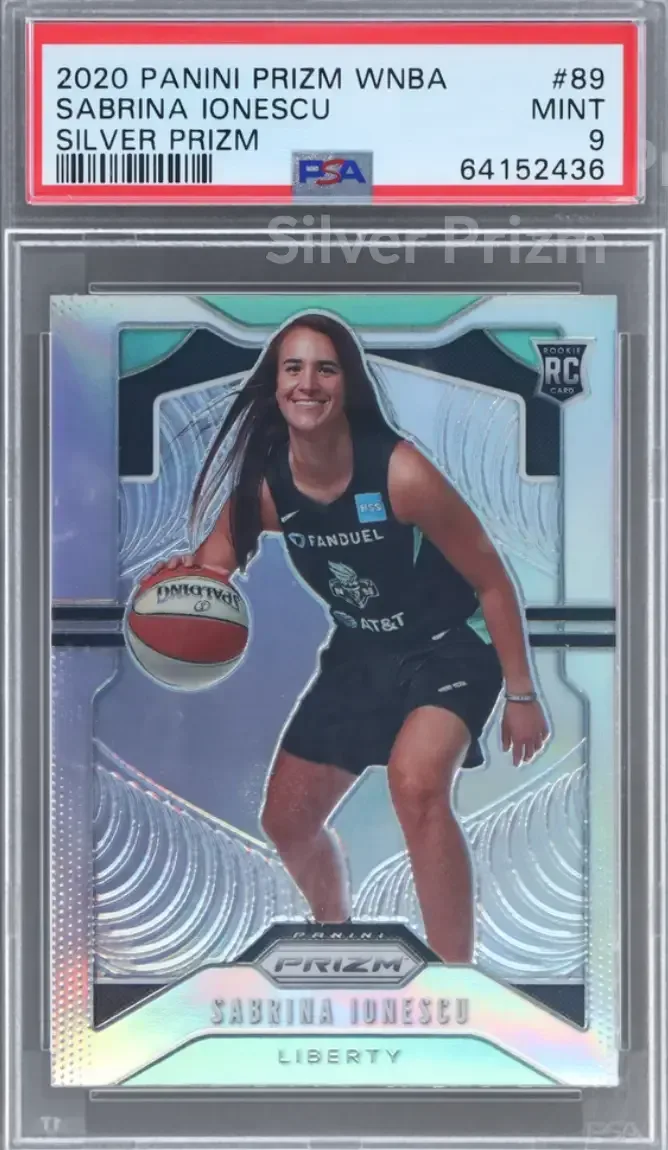
Card to know: 2020 Silver Prizm WNBA Rookie #89
The defining entry here is the 2020 Silver Prizm WNBA Rookie #89. The “Rookie” label establishes its place in Ionescu’s first-year card output, while “Silver Prizm” identifies a specific Prizm parallel. Rookie cards are often central to player collections because they connect to the beginning of a pro career, though rookie status by itself does not make every version equally scarce or equally desired.
A PSA 9 copy recently sold for $155.20. PSA 9 is a graded condition below PSA 10, and the distinction is important. Grades are not merely decoration on the slab: condition is part of the identity of the item being sold. Collectors comparing listings should match the set, card number, parallel and grade before deciding whether two sales are meaningfully alike.
Ionescu offers a comparatively established collecting case. Her appeal is supported by her Oregon legacy, commercial profile and role on a title-contending Liberty team. The current playoff run can add drama, but it fits into a story that was already well developed.
Gabby Williams: international pedigree and a timely postseason surge
Williams may be the player whose postseason has altered the most quickly. Before Golden State’s run, her international record was already significant. She won Olympic silver with France at the 2024 Paris Games, then captained France to another silver at the 2026 FIBA Women’s Basketball World Cup while averaging 18.7 points per game.
That résumé matters because it broadens the lens through which her cards can be appreciated. A player can build a meaningful legacy through national-team competition as well as WNBA results, and Williams entered these playoffs with those credentials already in place. Her Golden State performances have now placed that background beside a more immediate WNBA postseason story.
She scored 19 points in the Valkyries’ first playoff series-clinching victory. Then, in Game 1 of the semifinals, Williams delivered 25 points, 11 rebounds and five assists as Golden State stunned the defending champion Las Vegas Aces. It is the sort of all-around stat line that offers a concise reason for collectors to revisit a player’s earlier cards: it shows scoring, work on the glass and playmaking in a high-stakes game.
A Finals trip would further connect Williams to the early identity of the Valkyries. Even without one, her current run has made the relationship between her international career and WNBA impact far more visible. Golden State’s emergence also adds a franchise-building element to her case, rather than framing her only as an individual performer.
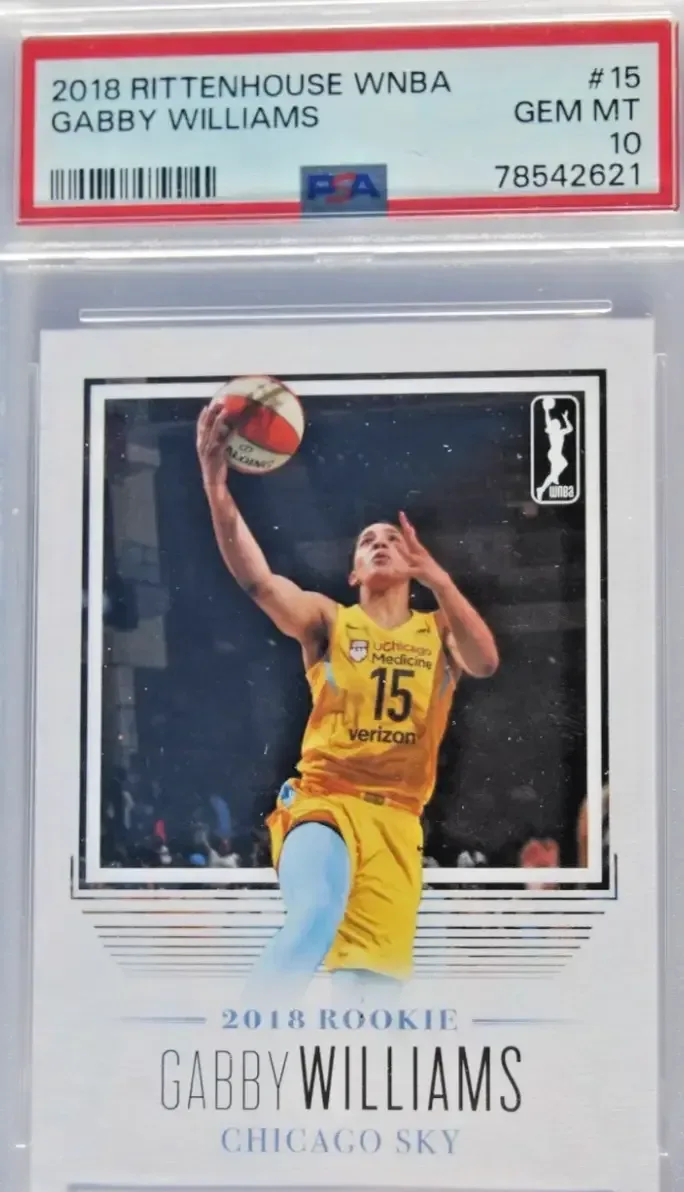
Card to know: 2018 Rittenhouse WNBA Rookie #15
The card to track is the 2018 Rittenhouse WNBA Rookie #15. As with Ionescu, the rookie designation points collectors toward Williams’ first WNBA card season. The available record cites a recent eBay sale of a PSA 10 at $549.
That transaction is striking beside the other cited examples, but it should be read carefully. It represents a recent sale for a PSA 10 of this exact card, not a promise that every copy will command that amount. Older rookie issues, player recognition and the availability of high-grade copies can all affect how individual listings compare. The most practical approach is to treat a reported sale as a specific data point and confirm the exact card details whenever examining another copy.
Williams is an appealing choice for collectors who value a career that crosses WNBA and international basketball. Her semifinal production gives the 2018 rookie card a particularly timely reason to be on the watch list.
A’ja Wilson: collecting a legacy that is still growing
Wilson is the clearest established-greatness selection among the remaining stars. Her record includes multiple MVP awards, championships, Finals MVP honors and Olympic gold medals. The attraction is not chiefly about guessing whether she can become a defining player; the supplied career summary already places her among the most decorated players in WNBA history.
That changes the collector’s question. With a player at Wilson’s level, the focus can be on which stage, set or condition best represents a legacy already built, while recognizing that she remains active and can still add to it. Las Vegas’ playoff campaign is another opportunity for that résumé to expand, but it is not carrying the full burden of proving her significance.
The Aces’ semifinal opening loss to Golden State also underlines why postseason narratives should remain flexible. Williams’ 25-point, 11-rebound, five-assist game helped produce a Game 1 upset, but a single result is not a final verdict on a series or on Wilson’s place in the hobby. For collectors, separating short-term game momentum from long-term achievement is especially important with an athlete whose career has such a large existing body of work.
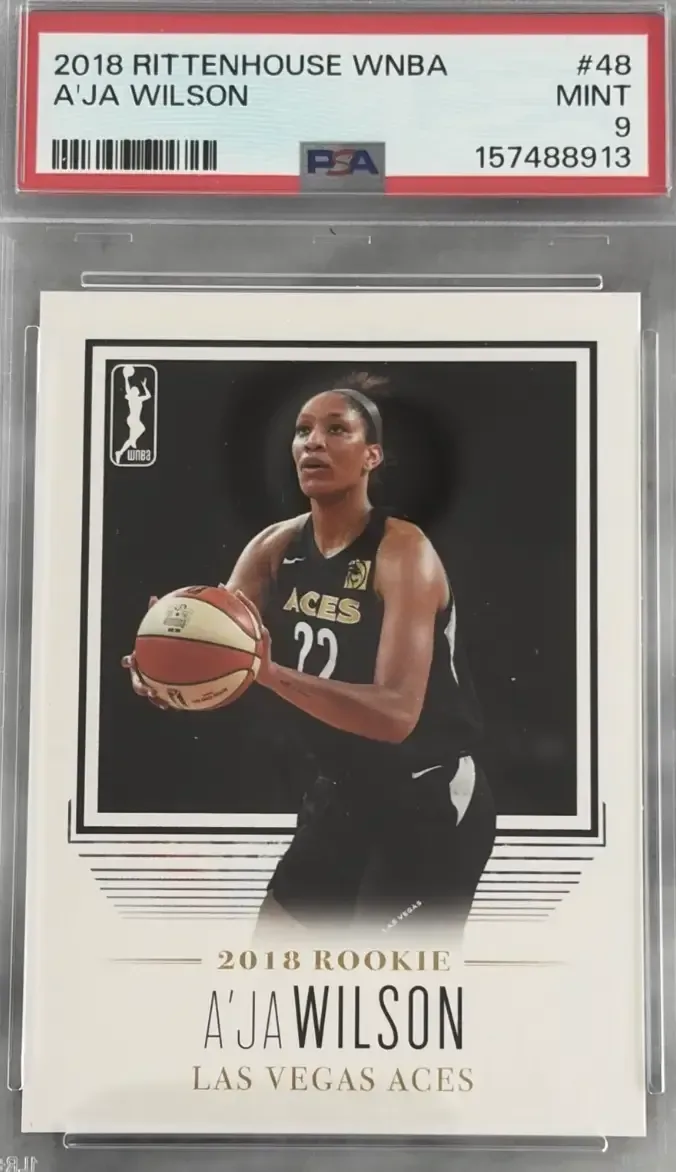
Card to know: 2018 Rittenhouse WNBA Rookie #48
Wilson’s highlighted card is the 2018 Rittenhouse WNBA Rookie #48, specifically a numbered /500 version in PSA 9 that recently sold for $3,500. The “/500” notation means the card is numbered within a run of 500 copies, giving collectors a stated production limit for that version. It does not mean every numbered card has equal demand, but it is a concrete scarcity detail that a collector can verify on the card itself.
Its PSA 9 grade is also part of the cited sale description. A $3,500 result should therefore be understood narrowly: a recent transaction involving a particular 2018 Wilson rookie parallel, numbered to 500, in that grade. It is not a blanket appraisal for all Wilson rookies, all numbered cards or all PSA 9 copies from her catalog.
Wilson is the selection for someone who wants a card tied to a player with championships, MVP recognition, Finals MVP honors and Olympic gold already on the page. In a field filled with compelling playoff stories, that degree of established achievement makes her collecting case unusually direct.
How to follow the final four without losing the plot
The current field offers four distinct collecting lenses: Reese’s record-setting defensive season, Ionescu’s established profile and Liberty leadership, Williams’ international résumé meeting a Valkyries surge, and Wilson’s active all-time legacy. Watching those stories unfold can be rewarding even for collectors who make no purchase at all.
- Match the exact card: Set name, year, card number, parallel, serial numbering and grade all matter. “Rookie card” is a category, not a complete description.
- Separate a sale from a valuation: The cited eBay amounts document individual recent transactions. They are useful reference points, not fixed prices.
- Keep playoff drama in proportion: A big game may increase attention, but a player’s wider record remains central to why a card matters over time.
- Collect the story you actually value: A Reese record season, an Ionescu rookie, a Williams international-and-WNBA arc or a Wilson legacy card can all make sense for different reasons.
Las Vegas remains part of a crowded sports landscape beyond the court, but the Aces’ series gives the city another high-profile October thread alongside a separate Las Vegas entertainment event. In the card world, however, the focus is narrower: four teams, four players with sharply different résumés, and a Finals berth still to be earned.