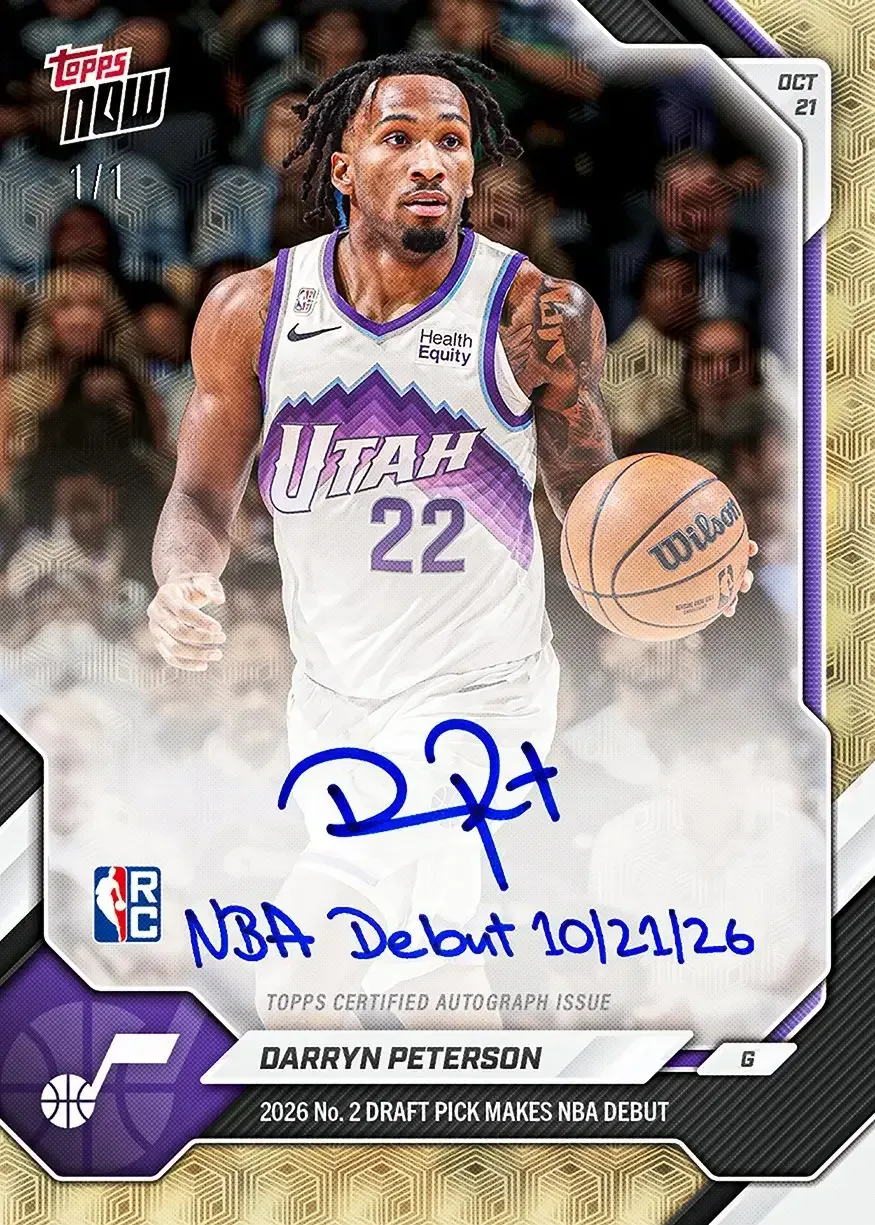
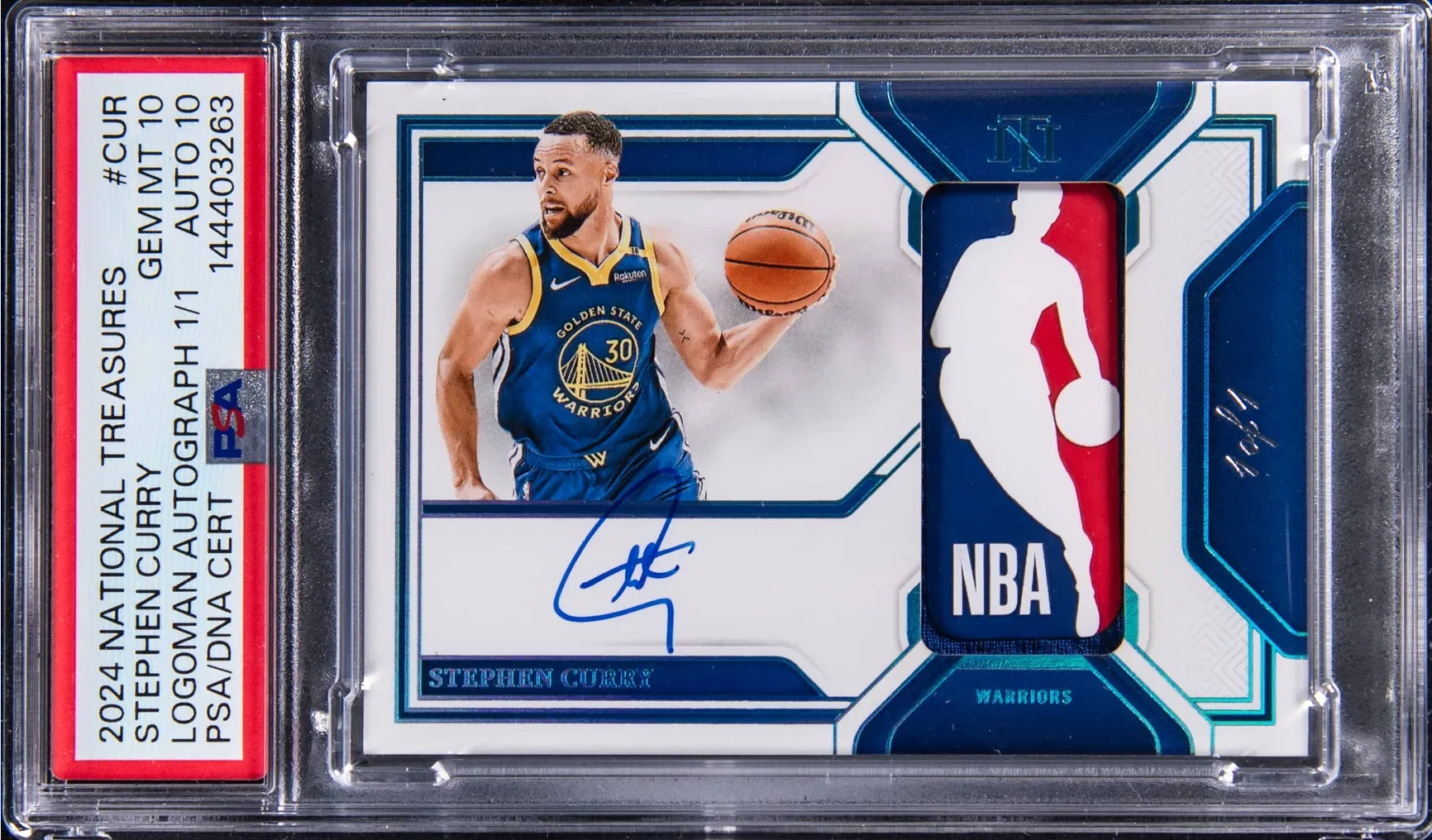
Topps is framing its 2026-27 Flagship Basketball release around a league in motion: a rookie class entering the hobby, established stars appearing with new teams, and a familiar flagship-style checklist designed to give collectors multiple ways into the product. The set has a 300-card base checklist and mixes standard cards with short prints, inserts, autograph cards and memorabilia cards.
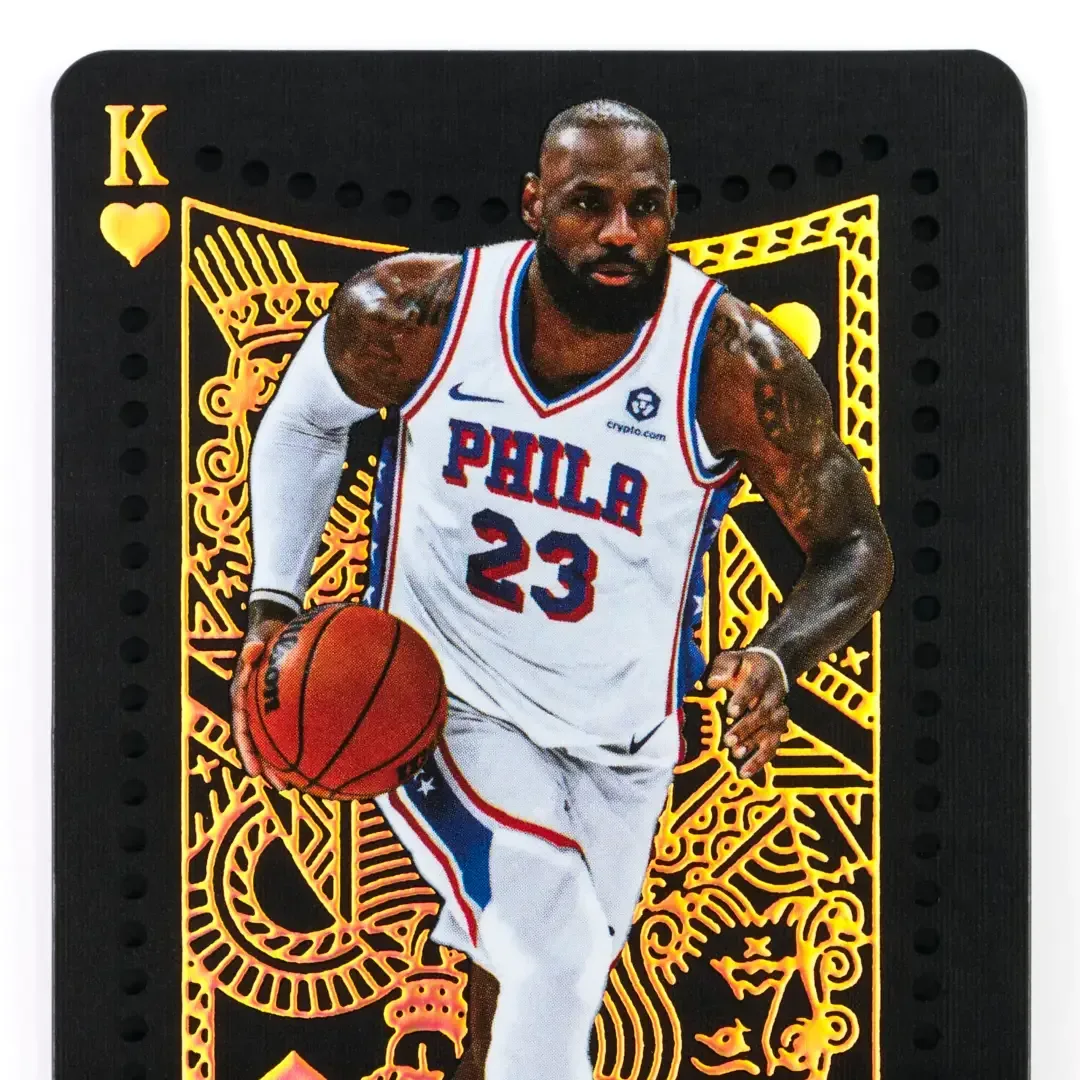
The headline checklist details are substantial. The product includes first official rookie cards for AJ Dybantsa, Darryn Peterson, Cameron Boozer, Caleb Wilson and Yaxel Lendenborg. It also carries the first Topps cards of LeBron James as a Philadelphia 76er and Giannis Antetokounmpo as a Miami Heat player. Those player-and-team combinations are especially important to collectors because a trading card is often a snapshot of a particular career chapter, rather than simply another image of a familiar athlete.
For anyone building a modern NBA collection, that creates several distinct collecting lanes. A collector can pursue the full 300-card base set, focus on the new rookie class, target a favorite veteran’s new-team card, or hunt the product’s rarer inserts and signed or memorabilia-based cards. The design has not abandoned basketball-card history, either: Topps is also bringing back its 1981-82 basketball look for cards of current players and rookies, including autograph versions.
A flagship checklist built around transition
“Flagship” generally describes a broad, foundational release rather than a narrowly themed premium set. In practical checklist terms, that means a wide base set is central to the experience, while inserts, parallels and hits add layers for collectors who want greater rarity or a more specialized card type. Here, the 300-card base set is the backbone.
Topps has identified Jalen Brunson, Stephen Curry, Victor Wembanyama, Cooper Flagg and Shai Gilgeous-Alexander among the established and emerging names included alongside the rookie class and the new-team cards for James and Antetokounmpo. That breadth matters. A set dominated by one draft class can be useful for prospect-focused collectors, but a flagship release with active stars gives team collectors and player collectors more potential entry points.
The roster changes are the visual story at the center of this particular product. James is represented with Philadelphia, alongside Jaylen Brown, while Antetokounmpo is represented with Miami. Whether a collector follows the league’s present-day storylines or simply prefers a player in a specific uniform, first cards tied to a new team can become natural binder anchors. They establish a new section in a player run: before the move, after the move, base card, parallel, autograph, and potentially memorabilia card.
That does not automatically make every first-new-team card scarce or valuable. The base card is part of a 300-card set and should be understood as a core checklist card first. Rarity depends on the individual version. A short print, a one-of-one card, an autograph or a memorabilia card has a different supply profile from a standard base card, even when all of them feature the same player.
The rookie cards are the release’s clearest long-term collecting hook
The first official rookie cards of Dybantsa, Peterson, Boozer, Wilson and Lendenborg are a major reason the product will draw attention. “Official rookie card” is a hobby term collectors use for a player’s first regular, licensed rookie-season cards in a major product line. For many collectors, those cards are the baseline entries in a player collection and often remain reference points long after later cards arrive.
Related coverage includes 2026-27 Topps Flagship Basketball Adds New NBA Eras and Rookie Cards.
That status is not a guarantee of future market performance. Player development, on-court opportunity, collector demand, card condition and the print distribution of a particular variation can all affect how a card is received. Still, rookie cards have a straightforward appeal: they document the beginning of a player’s NBA card career. For collectors who do not want to gamble exclusively on rare pulls, the base rookie cards provide a defined and potentially more approachable checklist goal.
Topps is extending that rookie focus into Rookie Photo Shoot Autographs. An autograph card is a card signed by the athlete, while “photo shoot” denotes imagery produced for the card program rather than an in-game action image. The product also lists Level Up Signatures and New Applicants among its autograph and insert components. These named subsets give collectors a way to distinguish the kind of card they are chasing beyond the player alone.
That distinction is worth keeping in mind while shopping or trading. “Rookie autograph” describes a category, not one single card. Design, numbering, parallel tier and signature placement can all differ from card to card. A collector seeking a particular player should check the exact subset name and card version rather than assuming every signed rookie card has the same rarity or presentation.
All Kings introduces a Gold 1/1 chase
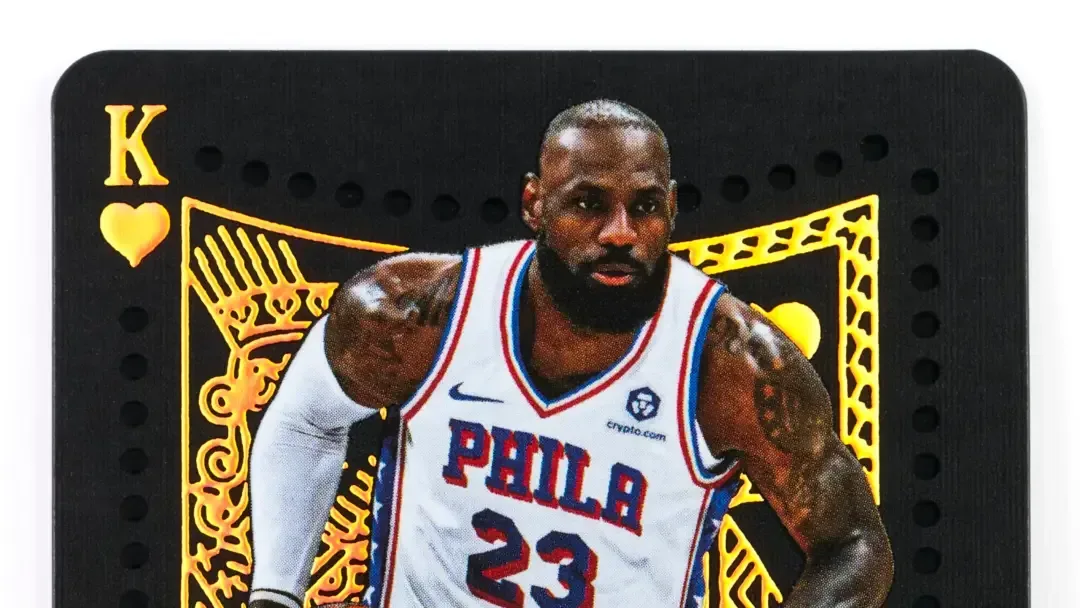
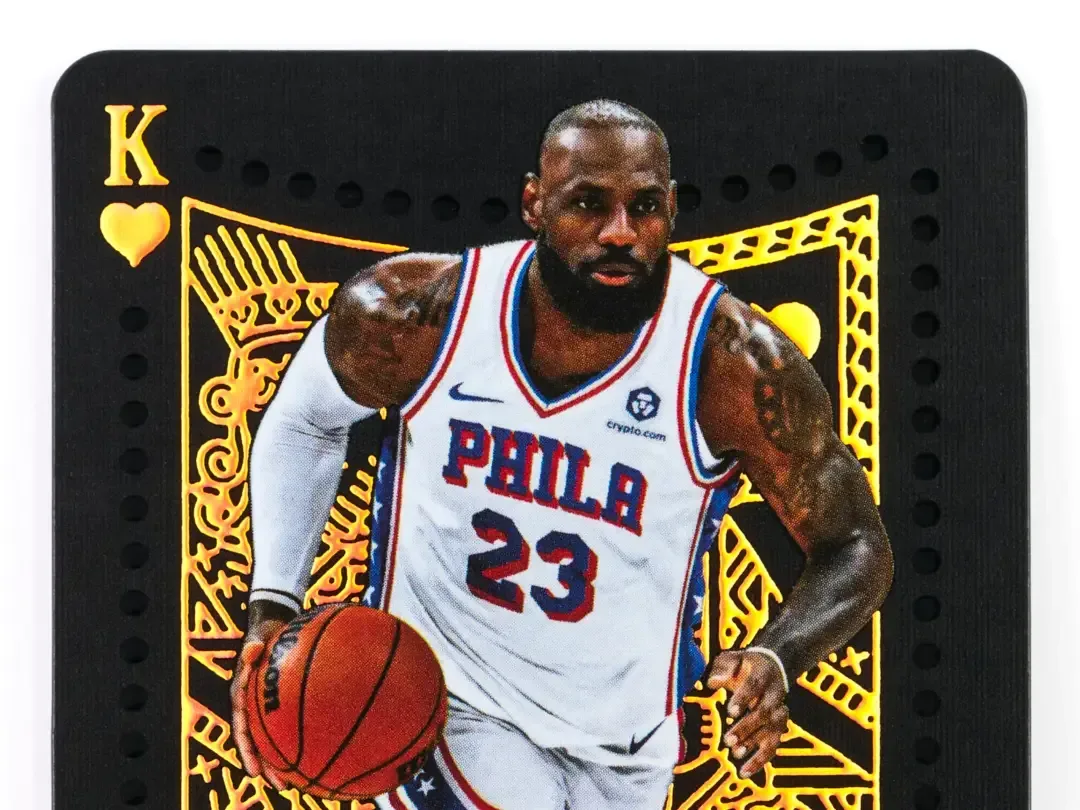
The release’s top stated rarity is the first Gold 1/1 All Kings cards, described as super short prints. A 1/1, or one-of-one, means there is only one copy of that specific card version. It is different from a base card and different from a numbered parallel with a higher stated print run because its supply is singular.
Super short print, often shortened to SSP, is commonly used for a card produced in extremely limited quantity. In this case, Topps specifically identifies the Gold 1/1 All Kings cards as the product’s SSPs. The practical implication is simple: collectors should treat an All Kings Gold 1/1 as an exceptionally difficult pull and not as a realistic expectation from a single box.
One-of-one cards are compelling because the exact version cannot be duplicated, but they are also highly individual items. Their desirability is usually driven by a combination of player, imagery, set identity and buyer interest. A Gold 1/1 of a favorite player may be the centerpiece of one collection, while another collector may prioritize completing a base set or assembling the full 1981-82-inspired insert run. There is no single “correct” flagship goal.
The All Kings concept sits alongside Golden Mirror Image Variations, another named card variation shown for the release. A variation is a deliberately altered version of a card, often changing the image, finish or another visual element from its standard counterpart. Collectors working on master sets should be particularly careful with variations because a checklist can include cards that look related at a glance but occupy different slots in a collection.
Texture, throwbacks and contender-focused inserts
Two other inserts make the product’s design approach clearer. Bounce uses card technology intended to mimic the texture of a basketball. This is a tactile design choice rather than a statistical one: its appeal is rooted in how the card feels and how directly it references the sport’s most recognizable piece of equipment.
Quest for the Crown, meanwhile, turns toward the championship race by featuring the league’s contenders. The subset gives collectors a theme that is broader than individual stars or rookie status. It can appeal to fans assembling a group of contenders, supporters of one particular club, or collectors looking for a season-specific storyline within a larger base set.
The 1981-82 Topps Basketball return is the release’s strongest historical design callback. Rather than presenting only contemporary layouts, the set applies a recognizable older Topps basketball style to today’s players and rookies. The inclusion of autograph variations makes the throwback concept more than a standard insert design; collectors can pursue both unsigned and signed versions where applicable.
For card collectors, retro designs can offer a useful counterpoint to modern parallel-heavy checklists. The appeal is not that the old design changes a player’s rookie status or team association. It is that the design gives the card a different visual identity. A collector may want a player’s conventional base card for a team binder, then choose the 1981-82 design as the display copy.
Autographs and game-used memorabilia add hit-card routes
In hobby-box language, a hit generally refers to a premium pull, most often an autograph or memorabilia card. Each 2026-27 Topps Flagship Basketball Hobby Box is stated to include one auto or relic card. A relic card contains a piece of material, while this release specifically advertises game-used memorabilia cards featuring Curry, Wembanyama, Luka Dončić, Anthony Edwards and other NBA stars.
The “game-used” description is significant because it identifies the memorabilia component as having been used in game context. Still, collectors should distinguish between chasing a category and expecting a named player. A box promise of one autograph or relic is not a promise of a particular athlete, subset or rarity tier. The available evidence identifies featured names and product components, but does not provide a player-by-player odds breakdown.
Franchise Fabrics is among the memorabilia card material associated with the release. On the autograph side, the named options include Flagship Real One Autographs, Rookie Photo Shoot Autographs and Level Up Signatures. Together, those subsets make clear that the product is not solely a base-set release. It has premium chase cards for collectors who want signatures or material cards, while retaining a large enough core checklist for set builders.
Collectors deciding between opening packs and buying individual cards should begin with their actual objective. Someone who wants one specific Curry memorabilia card, a particular rookie autograph, or a LeBron Philadelphia card may prefer to seek that individual card once it is available on the secondary market. Someone who enjoys the uncertainty of opening packs and wants many base cards, inserts and a chance at a hit may value the sealed-box experience differently. Neither approach changes the odds attached to a box; it only changes how directly the collector pursues a target.
Box configuration and what it means for set builders
A Hobby Box contains 20 packs, with 12 cards per pack, for a total of 240 cards before accounting for duplicates, inserts, parallels or hit-card placement. The stated retail price is $179.99, and each Hobby Box includes one autograph or relic card.
That arithmetic provides useful context for base-set collectors. With a 300-card base checklist, 240 total cards in a box does not by itself ensure completion of the set. Some cards will be inserts, parallels or hits rather than standard base cards, and duplicate base cards are a normal possibility in pack-based products. A collector aiming to finish all 300 cards should plan for trading, buying singles or opening more product rather than assuming a single Hobby Box will deliver every base card.
The same caution applies to rare cards. The existence of Gold 1/1 All Kings cards, Golden Mirror Image Variations and signed parallels adds excitement, but it also means a full master collection would be a much more ambitious project than completing the standard base set. Defining the goal first can prevent a collector from confusing a fun base-set build with an open-ended rarity chase.
For basketball-card fans, 2026-27 Topps Flagship has a clear identity: it documents an NBA season presented as an era of roster shifts and rookie arrivals, then surrounds that central checklist with tactile inserts, retro visual language, autographs, relics and ultra-limited one-of-ones. Collectors interested in wider sports-card market context can also compare approaches across sports in this look at NFL backup quarterback card markets.
The most practical way to approach this Topps release is to identify the part of its story that matters most: the five highlighted rookies, a favorite NBA star, the James and Antetokounmpo new-team cards, the 1981-82 throwbacks, or the challenge of an All Kings Gold 1/1. The set offers all of those paths, but they are not the same kind of collection—and knowing the difference is the best way to make the 300-card checklist feel manageable.