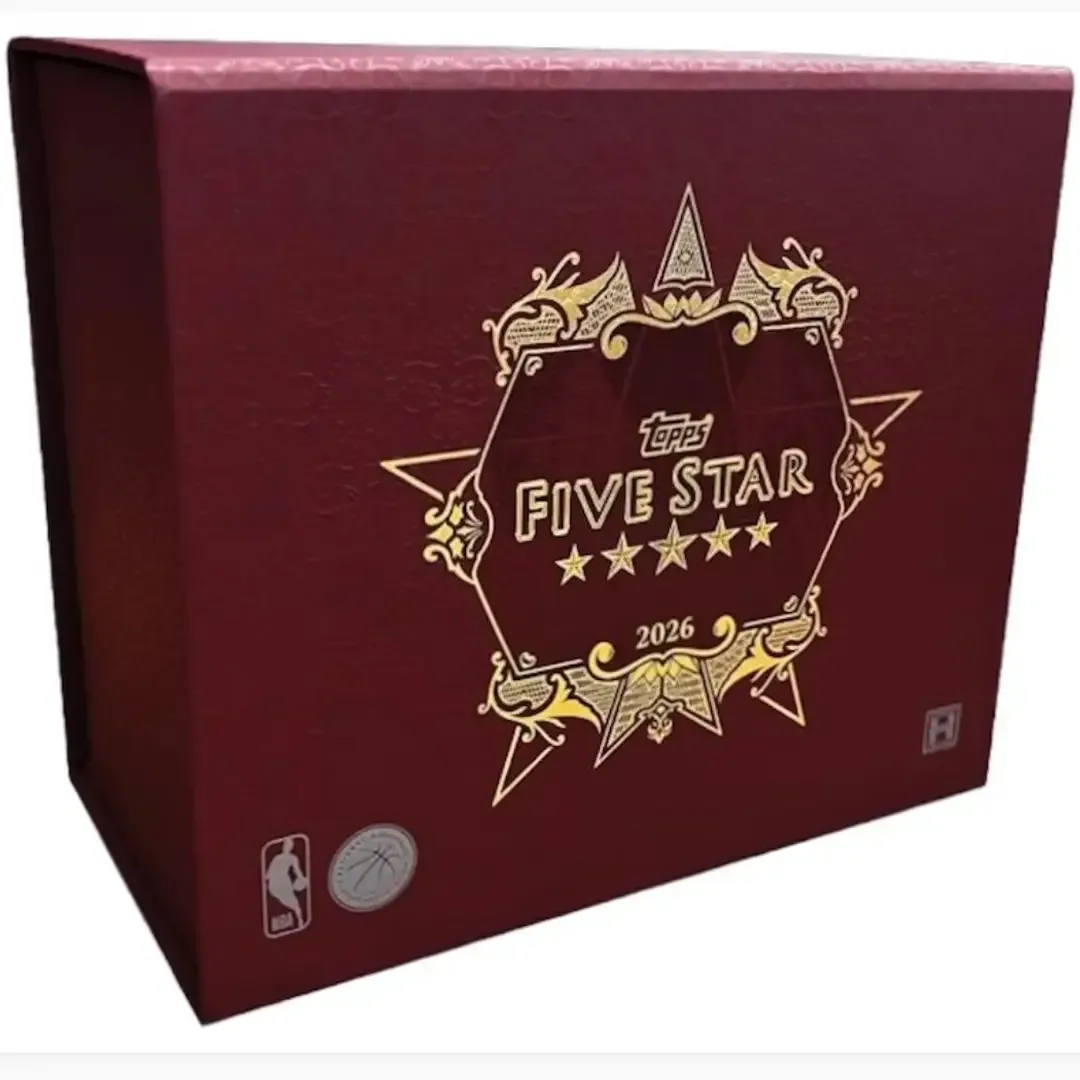
Topps Five Star is heading into basketball as a licensed release for the first time, with a format aimed squarely at collectors who prioritize autographs over large pack counts. The 2025-26 Topps Five Star Basketball release is listed for Tuesday, November 24 at 12 PM EST through Topps’ EQL system. The advertised box price is $1,999.
Every box is configured as one pack containing five autograph cards plus one additional card. That compact six-card format is an immediate statement of intent: Five Star is positioned as a premium, autograph-driven product rather than a conventional rip built around a broad base set, numerous packs and incremental pulls.
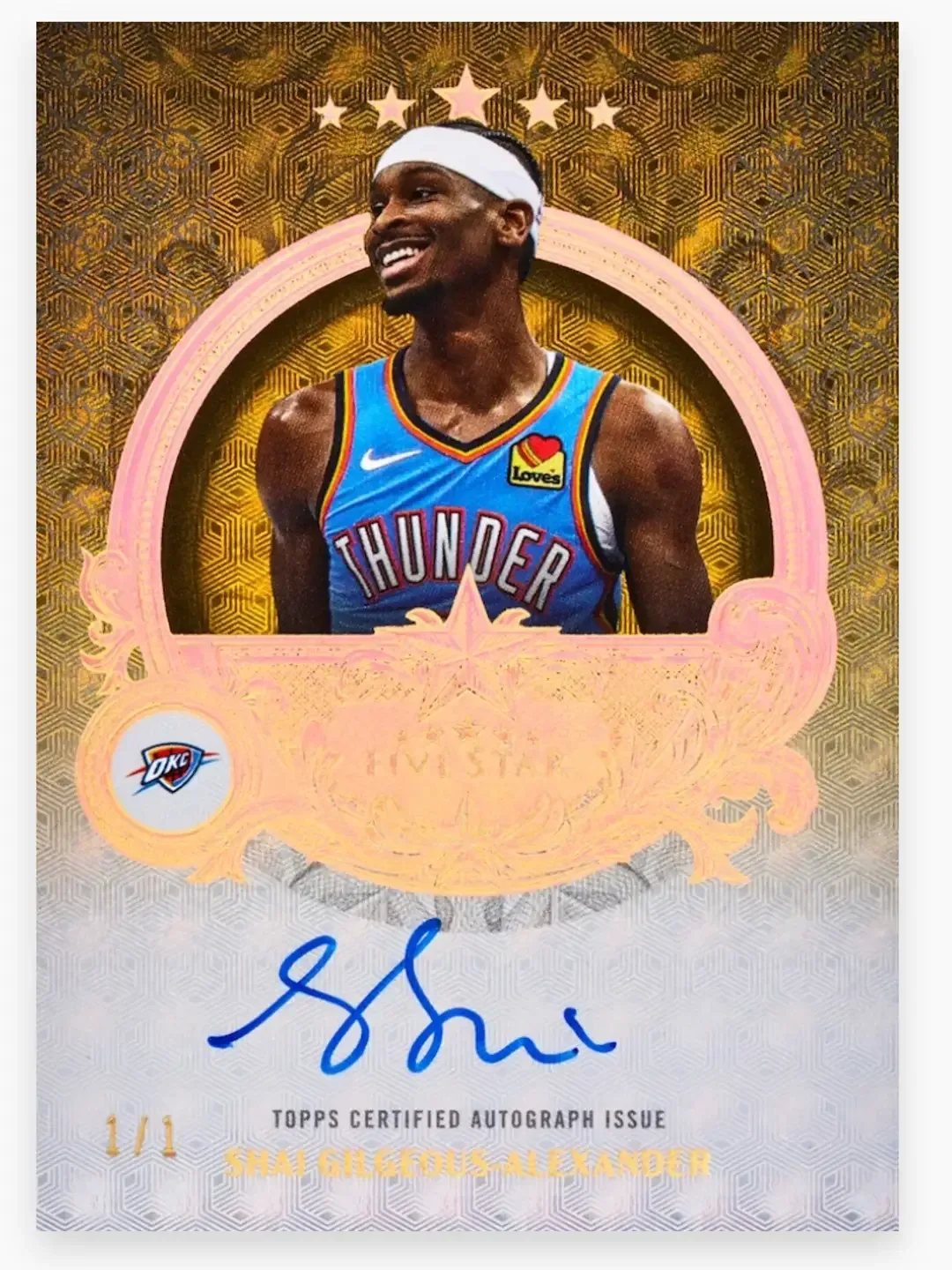
The early player list includes members of the 2025-26 rookie class, established NBA stars and retired greats. Cooper Flagg and Dylan Harper are among the rookies named for autograph content, while Victor Wembanyama, Anthony Edwards, Jalen Brunson, Kevin Durant, LeBron James, Stephen Curry, Shai Gilgeous-Alexander, Cade Cunningham, Jayson Tatum and Tyrese Haliburton are among the current players indicated for the release. Larry Bird, Allen Iverson and Shaquille O’Neal are also on the autograph checklist.
What EQL means for a $1,999 Five Star box
EQL is an online raffle-style allocation process. Collectors enter for a chance to receive the opportunity to buy a box, rather than simply adding one to a cart in a standard first-come, first-served sale. Crucially, an entry is a commitment to purchase if it is selected. For this release, that commitment is at the advertised $1,999 price.
For more context, explore LA Skins Fest’s 20th Year Spotlights Indigenous Film, Language Work and Career Pathways.
That distinction matters. Entering is not merely a no-cost expression of interest or a way to see whether supply remains. Anyone considering an EQL entry should understand the purchase obligation, confirm the listed price and sale terms, and make sure a high-end sealed box fits their collecting budget before submitting an entry.
For a product expected to draw significant attention, an allocation system can give more collectors a route to participate than a very short conventional checkout window. It does not mean that every entrant will be able to buy a box, however. The basic trade-off is clear: the collector exchanges immediate control over purchase timing for a chance at an allocated box.
A small card count changes the decision
Six cards is a deliberately concentrated format. Five of them are autographs, which means Five Star’s appeal rests largely on the names, card designs, memorabilia elements and eventual rarity details of its signed cards. There is little room in a one-pack box for a long sequence of lower-stakes pulls.
Related coverage includes 2025-26 Topps Five Star Basketball Brings Premium Autograph Chase.
For collectors, that makes goal-setting especially useful. Someone building a Cooper Flagg or Dylan Harper rookie autograph collection may value sealed boxes differently from a collector looking only for a specific veteran patch autograph. Likewise, a fan of Bird, Iverson or O’Neal may be interested in the legends portion of the checklist without necessarily needing every other type of card in the product.
A sealed box can provide the excitement of uncertainty, but it cannot promise that a particular player, autograph style or memorabilia configuration will appear. Collectors focused on one exact card should keep that gap in mind when choosing between entering for sealed product and pursuing a card after it emerges through other collecting channels.
Patch autographs lead the visible premium chase
Preview material points to Patch Autographs as a major attraction. A patch autograph combines a player signature with a piece of multi-color patch material, creating a card type that is visually distinct from a standard autograph. In card collecting, “patch” refers to a fabric swatch that includes more than a single plain color; multi-color material is often valued for its stronger visual presentation.
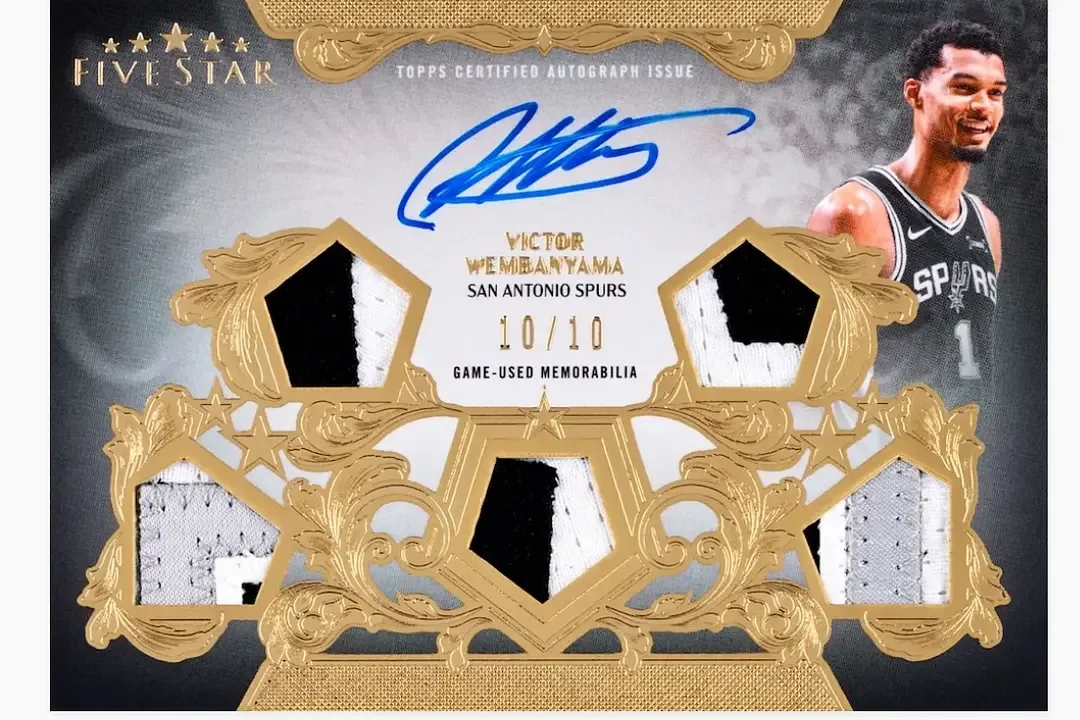
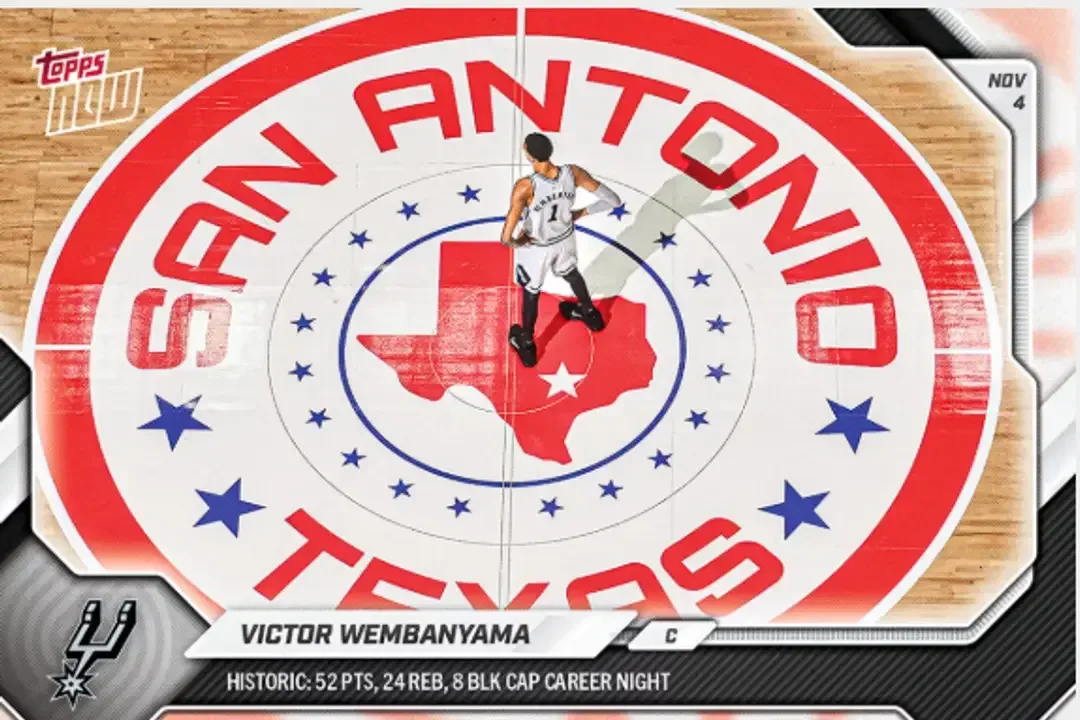
Victor Wembanyama is confirmed for autograph content, including a shown card with five multi-color patches. That configuration puts a sizable memorabilia element alongside the autograph and gives the release an obvious high-end centerpiece. The information currently available establishes the card’s visual concept, but collectors should avoid assuming unannounced details such as serial numbering, print run or the full range of patch-autograph variations until complete product information is available.
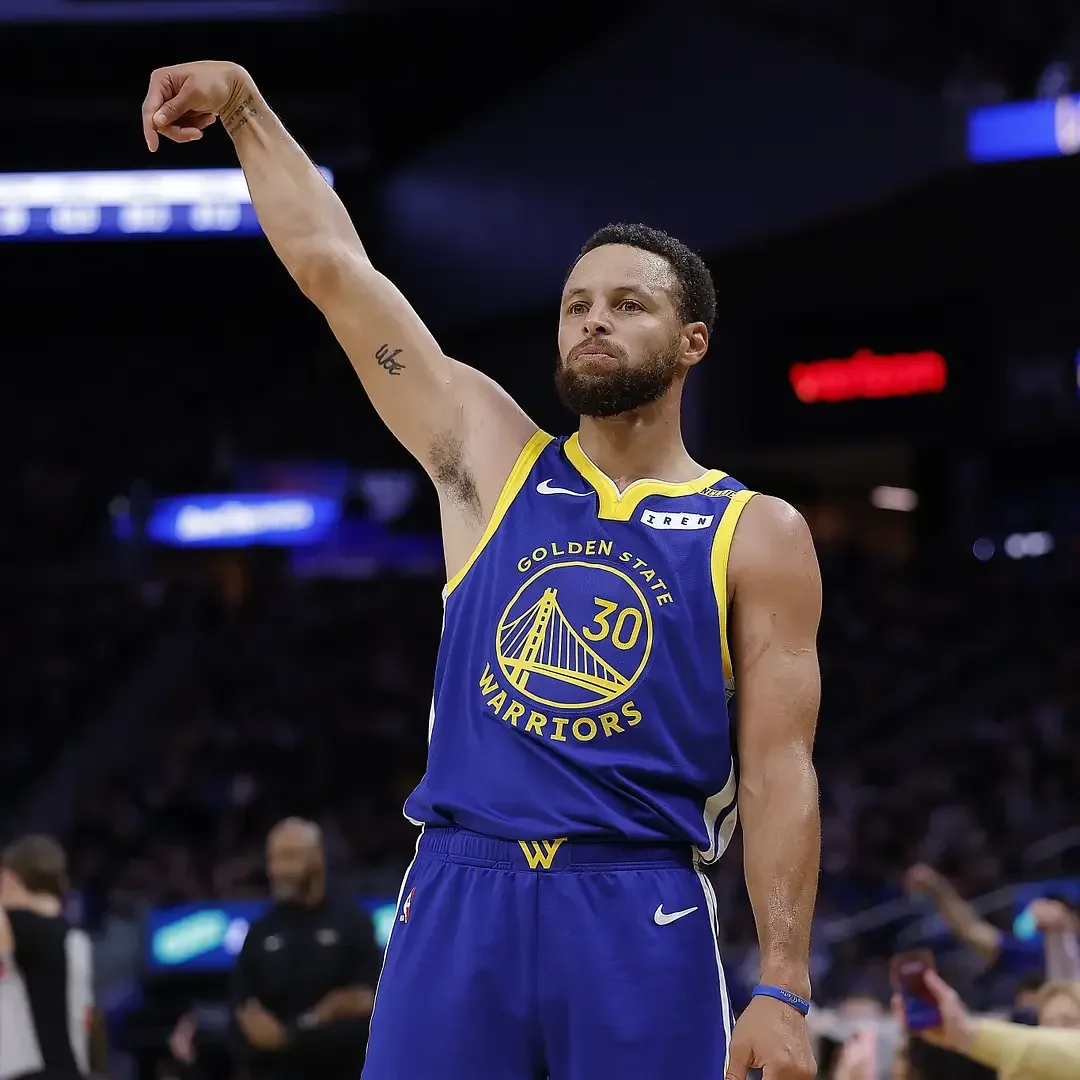
Wembanyama is not the only player associated with patch autographs. Anthony Edwards, Jalen Brunson, Kevin Durant, LeBron James and Stephen Curry are also listed among the veteran signers with Patch Autograph cards. It is a substantial group because it spans several kinds of collector interest: contemporary stars, major award-caliber talent, franchise icons and players with deep established collecting audiences.
Patch cards can be particularly compelling because each one asks collectors to evaluate more than the name on the front. The placement and colors of the memorabilia matter to many collectors, as does the signature. With only preview images presently available, though, the sensible approach is to treat them as an early look at the product’s direction, not a complete accounting of every design, signer or chase tier.
Rookies, active stars and legends make up the autograph proposition
The rookie layer is a key reason the release will draw attention. Five Star’s 2025-26 basketball debut arrives with Cooper Flagg and Dylan Harper among the named autograph subjects. High-end rookie autographs are often a central focus for collectors entering premium basketball releases, and the two are positioned alongside a veteran and legend roster rather than isolated in a rookie-only presentation.
That breadth also means the release does not rely on one kind of collector. Fans seeking present-day NBA signatures have a list that includes Shai Gilgeous-Alexander, Cade Cunningham, Jayson Tatum and Tyrese Haliburton. Collectors pursuing a more established superstar tier can look to Durant, James and Curry. The inclusion of Bird, Iverson and O’Neal broadens the release further with retired-player autographs.
A standard autograph card, in this context, is a card centered on the player’s signature without the patch component highlighted in the premium memorabilia cards. It should not be treated as automatically lesser in every collecting sense. A collector’s priorities may be player-first, signature-first or design-first. An on-card or autograph-focused presentation of a favorite player can be the desired pull even when a patch card receives more initial attention.
The practical lesson is to separate a product’s headline names from an individual collection plan. A box with five autographs offers more signed cards than many configurations, but it also covers a wide player pool. A collector whose main aim is an autograph of one named player should weigh the odds inherent in a broad checklist rather than equating five signatures with five chances at the same desired name.
How to approach a premium release responsibly
At $1,999 per box, Five Star Basketball calls for a more deliberate approach than a casual pack purchase. The advertised configuration is easy to summarize—one pack, five autographs and one other card—but the important questions are personal: Is the goal to enjoy the box-opening experience, assemble a player collection, chase memorabilia autographs, or acquire a particular rookie or legend?
- Read the EQL commitment carefully: An entry can lead to a required purchase, so it should be made only with the listed cost in mind.
- Use the confirmed names as a starting point: Flagg, Harper, Wembanyama, James, Curry and others establish the release’s range, but preview names are not a substitute for a full checklist.
- Distinguish a patch chase from an autograph chase: The shown Wembanyama five-patch card signals a premium target, while standard autograph cards remain a major part of the box format.
- Avoid treating previews as odds information: Preview images show examples. They do not establish how frequently any design, player or card type appears.
- Set the collection objective before entering: A clear target helps determine whether sealed product makes sense for the collector’s interests.
The available details also leave meaningful questions open. Topps has issued preview images, but the public look at the product is limited compared with some other releases. That means collectors do not yet have a complete view of every autograph insert, patch-autograph variation, full checklist breakdown or rarity structure. Those unknowns are not necessarily negatives; they simply mean that early decisions should be based on the confirmed format and visible cards, rather than assumptions about unrevealed contents.
Why Five Star’s basketball debut stands out
Five Star has been used as a high-end Topps brand across multiple sports, and the basketball version brings that identity to a licensed basketball release. The product’s structure follows the premium playbook closely: few cards, an autograph-heavy guarantee, an expensive box price and high-profile names across rookies, active players and legends.
Its appeal will likely be strongest for collectors who enjoy signed cards as the main event. The five-autograph guarantee gives each box a focused identity, while the additional card offers a sixth item without changing the core proposition. The patch-autograph previews, particularly the Wembanyama example, show where the release intends to concentrate its biggest visual chases.
For collectors deciding whether to participate, the most reliable facts at launch are straightforward. 2025-26 Topps Five Star Basketball is scheduled to use EQL on Tuesday, November 24 at 12 PM EST. The advertised box cost is $1,999. Each box has one pack with five autographs and one additional card. The known signer pool reaches from new rookies such as Flagg and Harper to current NBA standouts and Hall of Fame-level names.
Everything else should be approached with appropriate restraint until the rest of the product is detailed. That is especially true of any presumed rarity, card numbering or checklist completeness. For an expensive sealed release, confirmed information—not imagined pull rates or assumed versions—is the best foundation for deciding whether to enter the allocation.