LA Skins Fest has completed its 20th annual gathering, closing a five-day program dedicated to Native American and Indigenous artists with screenings at the TCL Chinese Theatre and a broad set of professional-development efforts beyond the cinema itself. The anniversary edition placed feature films, documentaries, shorts and special events alongside awards, writer grants and a studio tour for students.
That combination matters because a festival can do more than put completed work in front of an audience. Screening programs offer visibility, while training, industry contact and financial support can help people progress from an early project to a sustained career. LA Skins Fest’s partnership with the Native American Media Alliance is central to that wider approach, supporting writing labs, animation programs, showrunner training, development workshops and youth media education throughout the year.
“Showrunner training” refers to preparation for the senior creative and managerial role that guides a television series. A showrunner’s work can span story decisions, writers’ rooms and production leadership. Development workshops, meanwhile, generally concern the process of shaping a project so it can move toward production. Alongside writing and animation programs, those initiatives indicate a focus on several parts of the screen-work pipeline rather than only a finished film’s premiere.
A program built around films and language
The festival’s 2026 lineup included narrative features, documentary work, short films and special screenings recognizing Indigenous artists. It opened with films presented by Amazon MGM Studios. The program also included a Netflix screening of North of North with actor Anna Lambe.
One of the event’s most distinctive sessions was a Cherokee-language screening of The Rings of Power, followed by a discussion involving actors and Cherokee Film’s language revitalization team. Language revitalization describes efforts to maintain, strengthen or renew use of a language, including its presence in education, community life and media. Screen storytelling can be one place where that work becomes publicly visible: viewers encounter a language as part of a contemporary dramatic production, rather than solely as an academic subject or archival artifact.
The screening also illustrates that Indigenous representation in media is not a single category. It can involve who writes, directs and acts; which stories are selected; how a production reaches audiences; and which languages are heard onscreen. The festival program brought those overlapping issues into one event without limiting its attention to any one format.
For audiences, the practical value of a varied slate is straightforward: documentaries, short-form work, features and television-related programming can introduce different creative approaches and career stages. For artists, a setting that includes both screenings and industry-facing activity can create opportunities to show work while meeting professionals and peers. LA Skins Fest has framed its role around those two functions—showcasing Indigenous filmmaking and facilitating access to entertainment-industry connections.
Youth outreach begins before a premiere
The festival began with a Native Youth Studio Tour at Sony Pictures Studios. Students from Sherman Indian High School were introduced to potential careers in media, an early-career component that sits alongside the festival’s support for established creative professionals.
Related coverage includes LA Skins Fest Marks 20 Years of Indigenous Film, Language and Career Development.
Exposure to the range of jobs attached to film and television is significant because screen production depends on much more than directors and performers. The festival’s wider learning programs explicitly include writing, animation and showrunner training, while the studio tour presented students with an entry point into media careers. Taken together, these elements point to a model that treats audience access, skills development and professional networks as connected needs.
There is no claim here that a single tour or festival can resolve the barriers facing new talent. But the structure is important: an event celebrating completed work also made room for students considering where they might fit in the industry later. That is a practical complement to award recognition, which tends to arrive after work has been made.
Native American Media Awards close the event
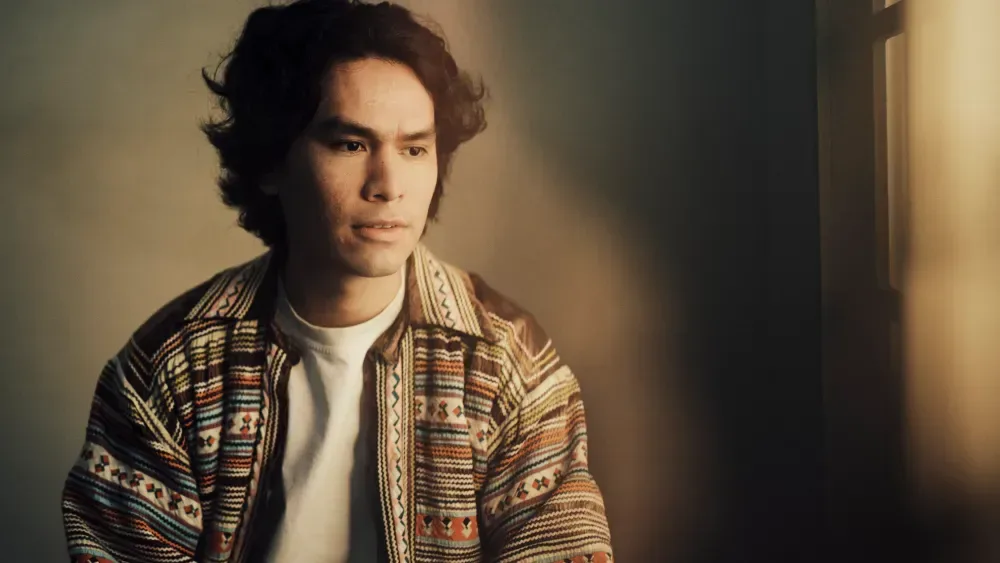
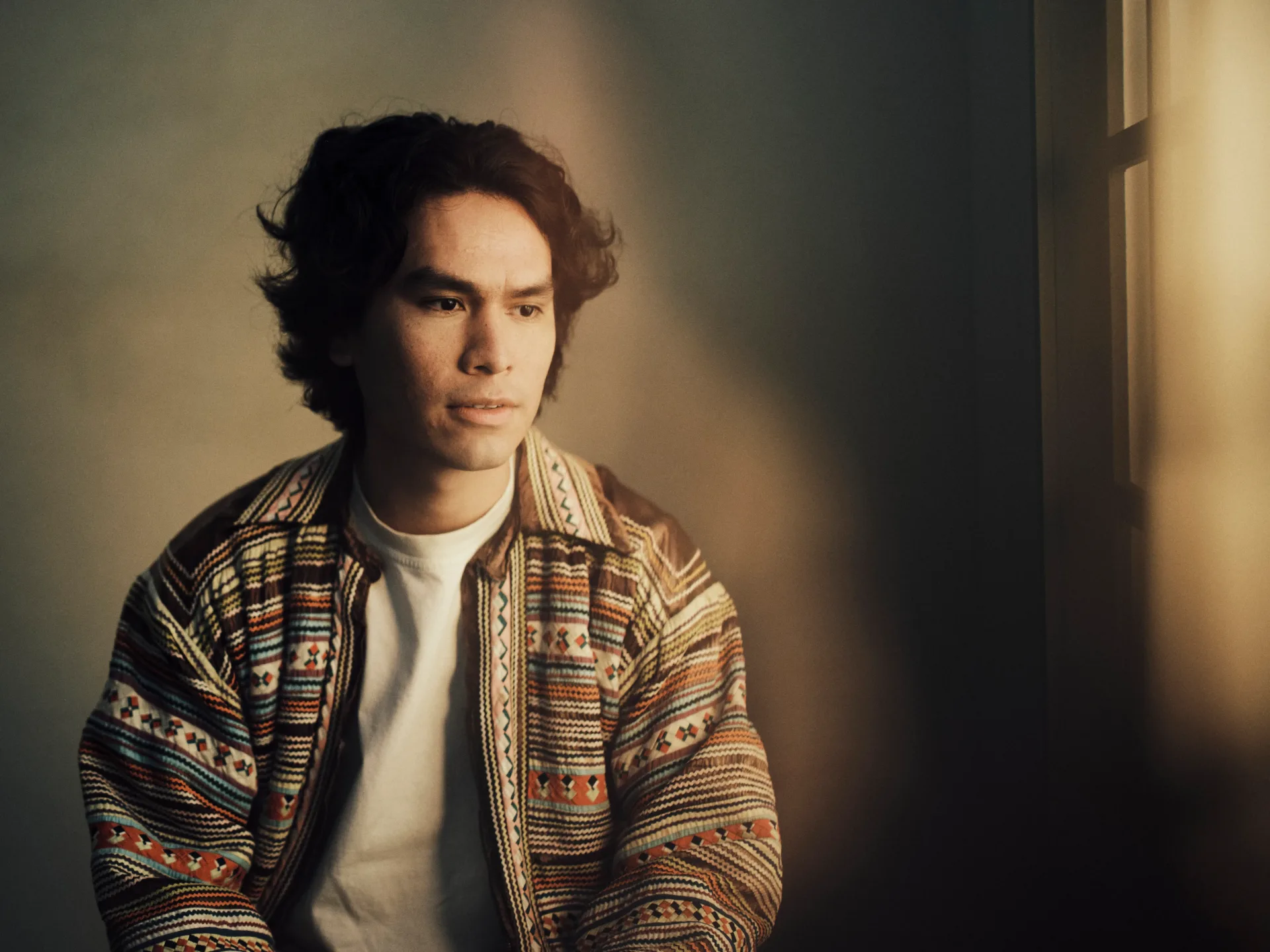
The 15th Annual Native American Media Awards concluded LA Skins Fest. Presented by Paramount Television Studios, the ceremony was hosted by Q’orianka Kilcher and Kiowa Gordon and honored Indigenous filmmakers, writers, actors and other creative professionals.
Gina East received the Emerging Filmmaker Award in the narrative category for What The Crows Saw. Elissa Simons received the documentary counterpart for The Land Still Speaks. Sophia Lindholm was recognized for student filmmaking for Roots of A Cedar Tree, while Orlando Skidmore received the achievement in filmmaking award for Made For Her: A Native American Fashion Film.
The awards list reflects the breadth of work recognized at the ceremony. Acting honors went to Isabella Dionne for Menil and Her Heart and Forrest Goodluck for Native Sin. Jonathan Thunder and Tasha Heart received achievement in writing for Ish Meets A Mermaid. Janet Martinez was honored for documentary filmmaking for Kindred Roots, and Alex Inoruk Sallee received recognition in short documentary filmmaking for Niqipiaq: To Eat Real Food.
Other honorees included Edsel Pete, recognized for community leadership connected to Navajo Nation TV Film and TV; Mark D. Williams, honored for directing Stickball: The Little Brother of War; and Boise Esquerra, recognized for short filmmaking for Shadow in the Desert. Awarding achievements across writing, acting, directing, documentaries, short films, student work and community leadership makes clear that a screen ecosystem depends on varied disciplines and forms of contribution.
Twelve writers receive Accelerator support
The ceremony also recognized the sixth annual Native American Writer Accelerator grantees. Sponsored by Netflix, the program selects 12 Indigenous writers for financial assistance and opportunities intended to advance their media careers.
This year’s grantees are:
- Doane Avery
- Rachel Baldwin
- Ripley Barnes
- Sonny Brava
- C.J. Caughman
- Bryson Chun
- Kelly Lynne D’Angelo
- Yelyna DeLeon
- Marleah Makpiaq LaBelle
- Desiree Leiahloha
- Jason Marcus
- Vlad Perez
A writer accelerator is a career-development program built to help writers advance their work and professional prospects. In this case, financial aid is paired with opportunity, an important distinction from an award that recognizes a finished project alone. The supplied details do not specify individual projects, placements or subsequent deals for the grantees, so it is best understood as support designed to create room for the next step in their careers.
The event’s emphasis on writers also aligns with its year-round activities. Script development, training and professional connection are foundational to the work that may eventually reach a screen, whether that work takes the shape of a short, a feature, a documentary, animation or television. In an entertainment landscape frequently preoccupied with technological change, the core issue remains the people developing stories and building careers; a related industry discussion has examined why creators see enduring value in the human qualities that shape a project’s feel and identity.
At 20 years, LA Skins Fest’s latest edition shows a continuing commitment to Indigenous artists through several routes at once: public exhibition, language-focused programming, youth exposure, recognition for completed work and support for writers still moving their careers forward. The festival has now ended, but its stated mission continues through the Native American Media Alliance initiatives operating beyond the annual event.
For a broader perspective on creative work and technology in games and entertainment, see this discussion of why game feel remains difficult to reproduce.