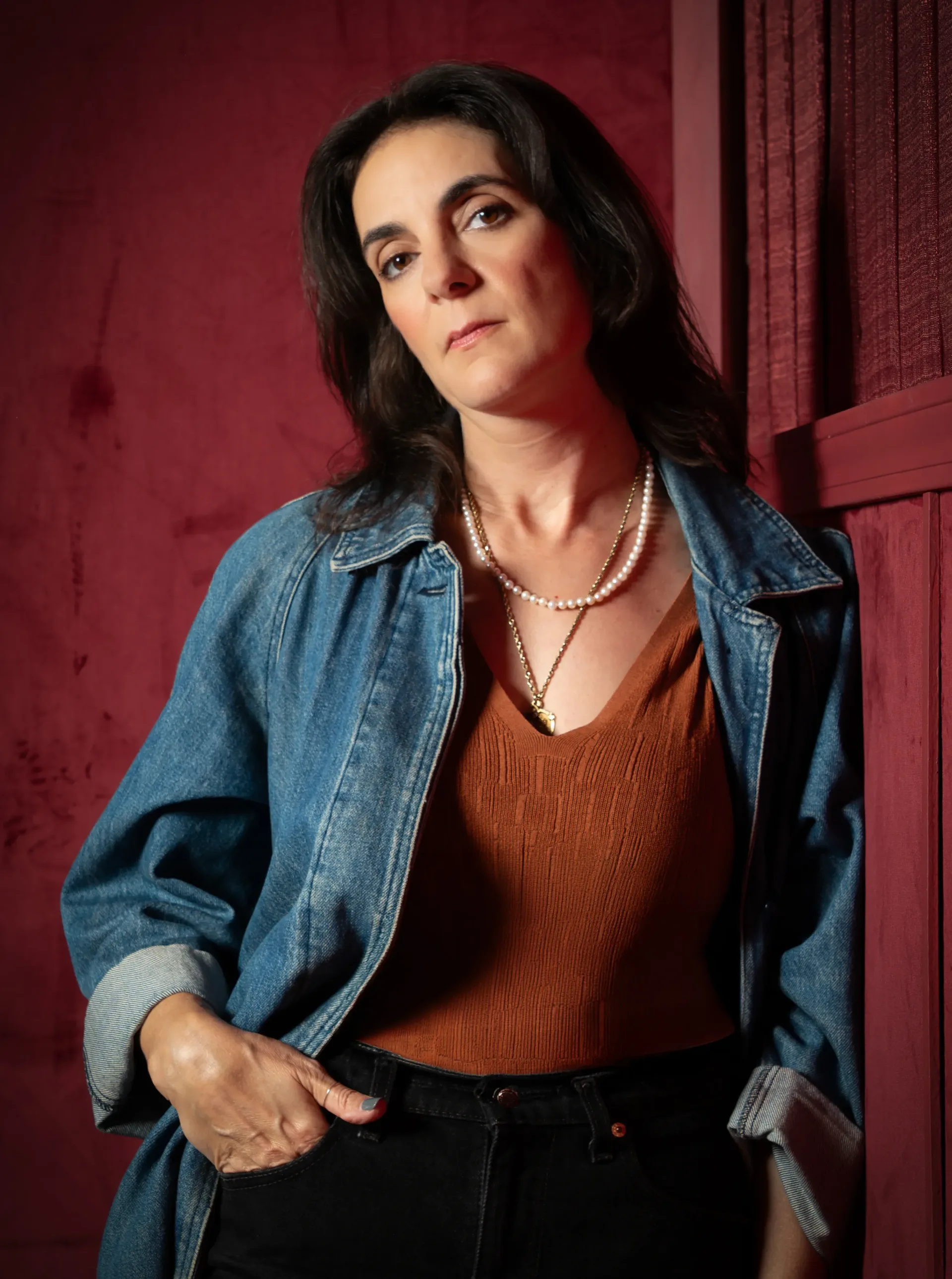
Jessica Edwards has been named executive director of the Woodstock Film Festival, taking over from co-founder Meira Blaustein as the organization’s 27th annual festival concluded. The leadership transition arrives alongside a formal recognition of Blaustein’s long stewardship: she received an Honorary Maverick Award during the Wednesday-to-Sunday event, honoring more than 26 years of work in independent cinema.
Edwards inherits an institution defined, in the words of its outgoing leader and board, by its support for filmmakers, independent character and ties to the Hudson Valley. Her stated plans put the emphasis on connection: bringing filmmakers and industry partners from around the world into contact with regional audiences, and creating spaces where people can meet, exchange ideas and encounter films together.
That is a broad mission, but it identifies a clear continuity point for the festival. The new executive director is not presenting a break with the event’s established identity. Instead, the transition is framed as an effort to preserve the founders’ legacy while pursuing growth.
A successor with multiple sides of the film business in view
Blaustein said Edwards brings experience as a filmmaker, distribution consultant and former publicist. Those are three distinct roles in the life of an independent film, and together they help explain why the appointment is being presented as more than a routine administrative change.
Filmmaking speaks to the creative process: the work of developing and making a film. Distribution concerns the route a completed project takes toward audiences, whether through festival screenings or other release channels. Publicity is about building awareness and communicating with press, audiences and industry contacts. None of those jobs is identical to running a festival, but each can inform how a leader understands the practical needs of filmmakers arriving with finished work and seeking an audience.
The available information does not outline operational changes, programming plans, future dates or new initiatives. What it does establish is the experience Edwards is expected to bring to the post, as well as her familiarity with the organization. Blaustein said the two had worked together at the festival over the past few years. Edwards is also a Hudson Valley resident, a point both Blaustein and the board highlighted in describing her fit for the role.
For a regional film festival, that local knowledge matters alongside industry relationships. A festival has to serve its visiting filmmakers and partners, but it also depends on the audience and community that give its screenings a setting and a reason to exist. Edwards’ stated intention to connect global film figures with Hudson Valley audiences directly acknowledges both sides of that equation.
Continuity is central to the transition
Claude Dal Farra, president of the festival board, described Edwards as the natural person to succeed Blaustein after their first meeting. The board’s reasoning centered on Edwards’ understanding of the event’s defining traits: its filmmaker commitment, independent spirit and connection to the region. Dal Farra also pointed to Edwards’ energy and vision as qualities that could carry the festival into its next phase.
Related coverage includes Jessica Edwards Named Woodstock Film Festival Executive Director.
Those remarks make the succession notable in a specific way. Blaustein is not simply a departing executive; she is the festival’s co-founder and a figure being honored for a legacy built over more than a quarter-century. The task for a successor in that situation is twofold: safeguard what audiences and filmmakers recognize as the festival’s character, while making decisions that keep it active and useful in the years ahead.
Edwards called the executive-director role a dream job and said she was honored to build upon the founders’ legacy. She characterized Woodstock’s history through creativity, innovation and independence, then tied that history to a future based on encounters between filmmakers, partners and audiences. Her goal is not only for people to watch films, but for them to discover them in a shared environment and form relationships that can support artists and inspire future cinema fans.
That focus is especially relevant to a festival setting. Screenings are a core part of the experience, but a festival can also be a point of introduction: a place where a filmmaker finds viewers, where attendees engage with work they might not otherwise encounter, and where industry contacts begin conversations. Edwards’ comments place those human links at the center of her leadership vision.
Blaustein’s Honorary Maverick Award marks the handover
The Honorary Maverick Award given to Blaustein during this year’s event adds a ceremonial marker to the change in leadership. It recognizes her leadership, her more than 26 years of dedication to independent cinema and the legacy she built through the festival.
The timing is meaningful because it lets the 27th annual edition serve as both a current showcase and a handoff point. Rather than separating Blaustein’s recognition from the announcement of Edwards’ appointment, the festival connected them in the same closing stretch. The result is a clear statement of succession: the founders’ work is being acknowledged while a new executive director is entrusted with carrying its values forward.
Blaustein’s own endorsement is similarly forward-looking. She said Edwards has a deep understanding of the field, creative vision and extensive industry contacts, and expressed confidence that Edwards would maintain the festival’s vision while guiding it toward new growth. It is an endorsement grounded in direct collaboration rather than a distant introduction.
The 27th edition’s winners
The festival closed with several films named among its winners. They included Mouse, by Kelly O’Sullivan and Alex Thompson; Rehearsals for a Revolution, by Pegah Ahangarani; Washed Up, by Isabel Moncloa Daly; and They’re Here, by Laura Poitras and Rachel Lauren Mueller.
Only the winning titles and filmmakers have been identified, so it would be premature to draw conclusions about individual award categories or the festival’s full slate from that list alone. Still, the winners are an important part of the transition’s immediate context. They are the films and creators recognized at the very edition that closed with Blaustein’s honor and Edwards’ appointment.
For filmmakers, awards at a festival can create an additional moment of attention around a title. For audiences, winner announcements offer a compact guide to some of the work that stood out during an edition. In this case, they also reinforce the festival’s stated commitment to filmmakers—a commitment the board has explicitly identified as something Edwards is expected to carry forward.
What the appointment does—and does not—tell us
The announcement provides a strong indication of the principles behind the transition, but it does not set out a detailed program for the next edition. There are no confirmed changes to the festival’s format, selection process, partnerships or programming. There is also no reason to treat Edwards’ broad vision of international and regional connection as a specific rollout plan before further details are shared.
What is clear is that the festival’s leadership sees its future in a combination of institutional continuity and active relationship-building. Edwards’ background touches creative work, distribution and publicity; her connection to the Hudson Valley aligns with the event’s local identity; and her stated objective is to create opportunities for filmmakers, industry partners and audiences to come together.
That approach sits within a larger screen-industry conversation about who has the ability to shape creative work and how audiences find it. Questions of creative control have also surfaced in other film-related projects, including Katt Williams’ Kemet Movie Works initiative. Woodstock’s announcement is different in scope, but its emphasis on supporting filmmakers and creating routes to discovery reflects why festival leadership can matter beyond a single annual event.
For now, the key development is straightforward: Jessica Edwards will lead the Woodstock Film Festival after its 27th annual edition, following Meira Blaustein’s long tenure as co-founder and executive leader. The award for Blaustein and the appointment of Edwards make the moment both a recognition of the festival’s past and a statement about the community-oriented, independent future its board and new director want to pursue.