AI-assisted copycats are becoming a major concern for game makers, but tinyBuild CEO Alex Nichiporchik believes developers have a defense that is harder to automate than screenshots, themes or a feature list: game feel.
His position is straightforward. Teams should think about what makes their work difficult to reproduce, rather than treating a superficially similar release as an unbeatable threat. In his view, the combination of great game feel and a satisfying game loop is the meaningful differentiator—not merely an attractive premise that another developer could imitate at a glance.
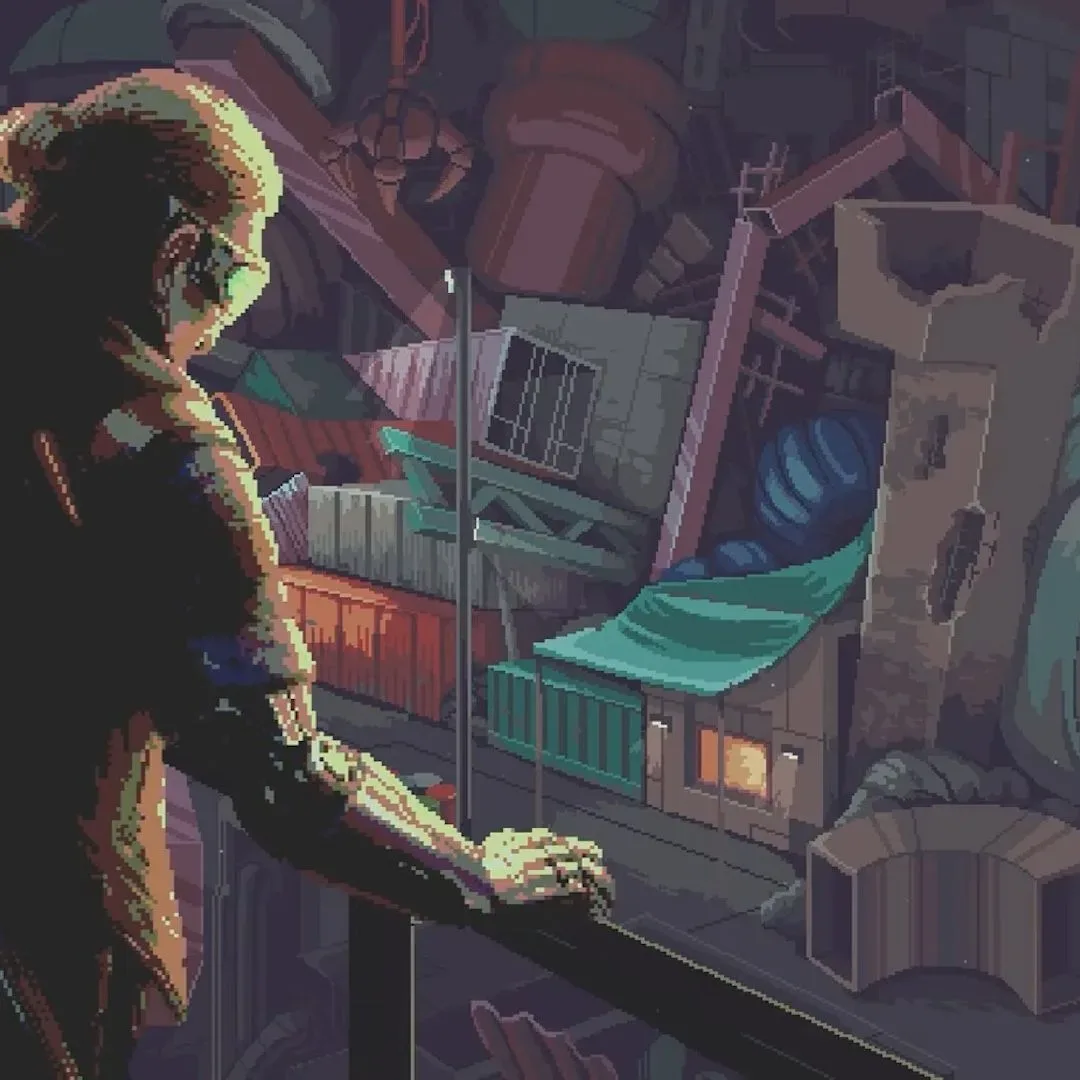
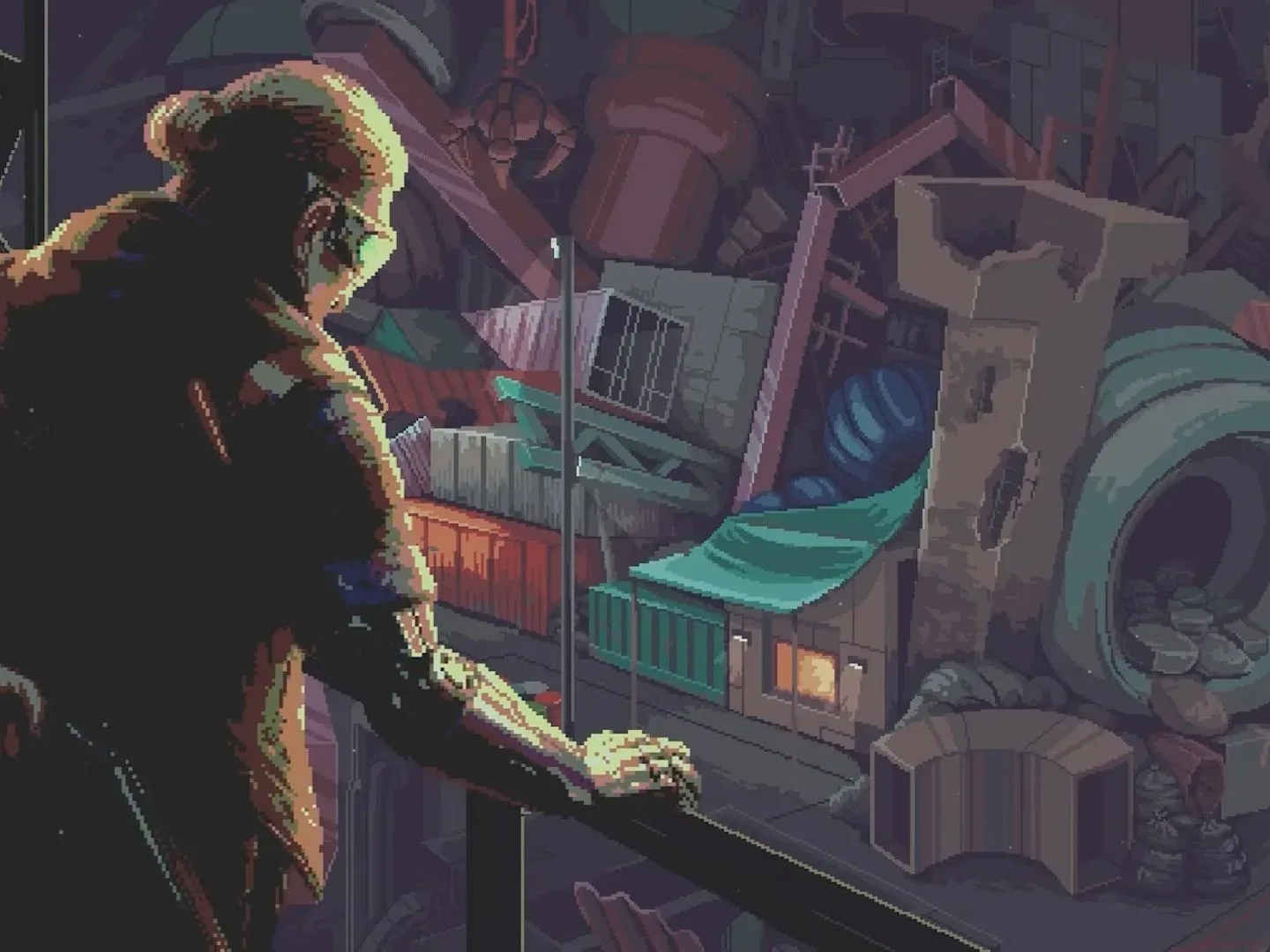
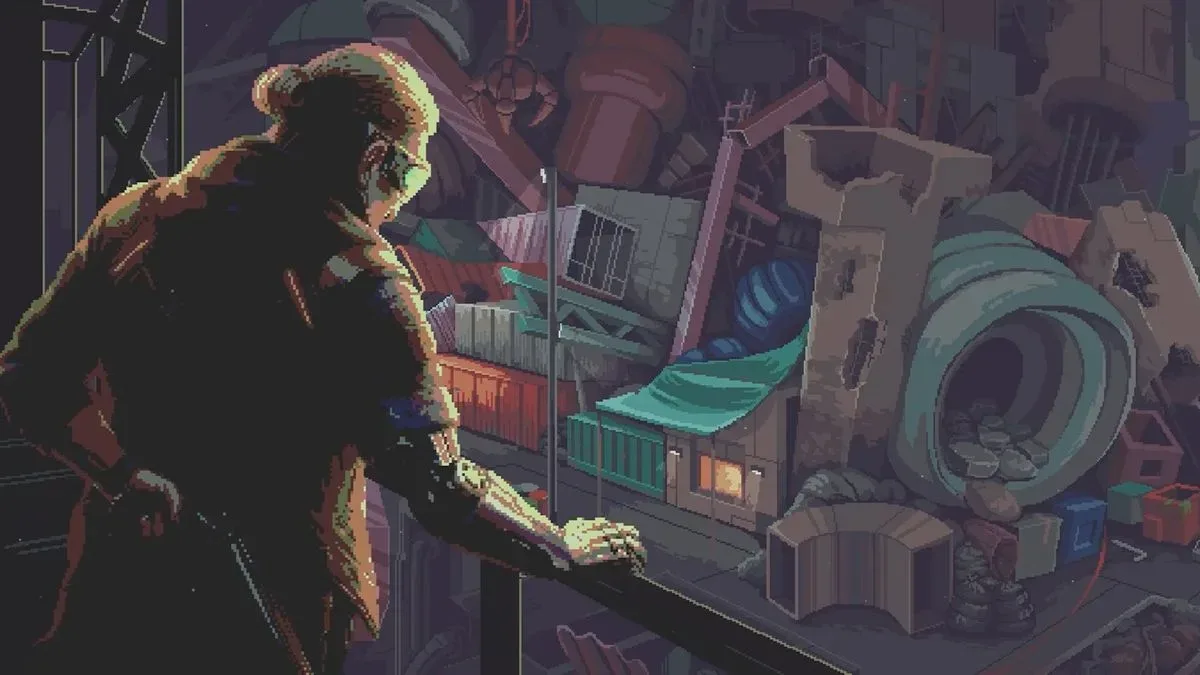
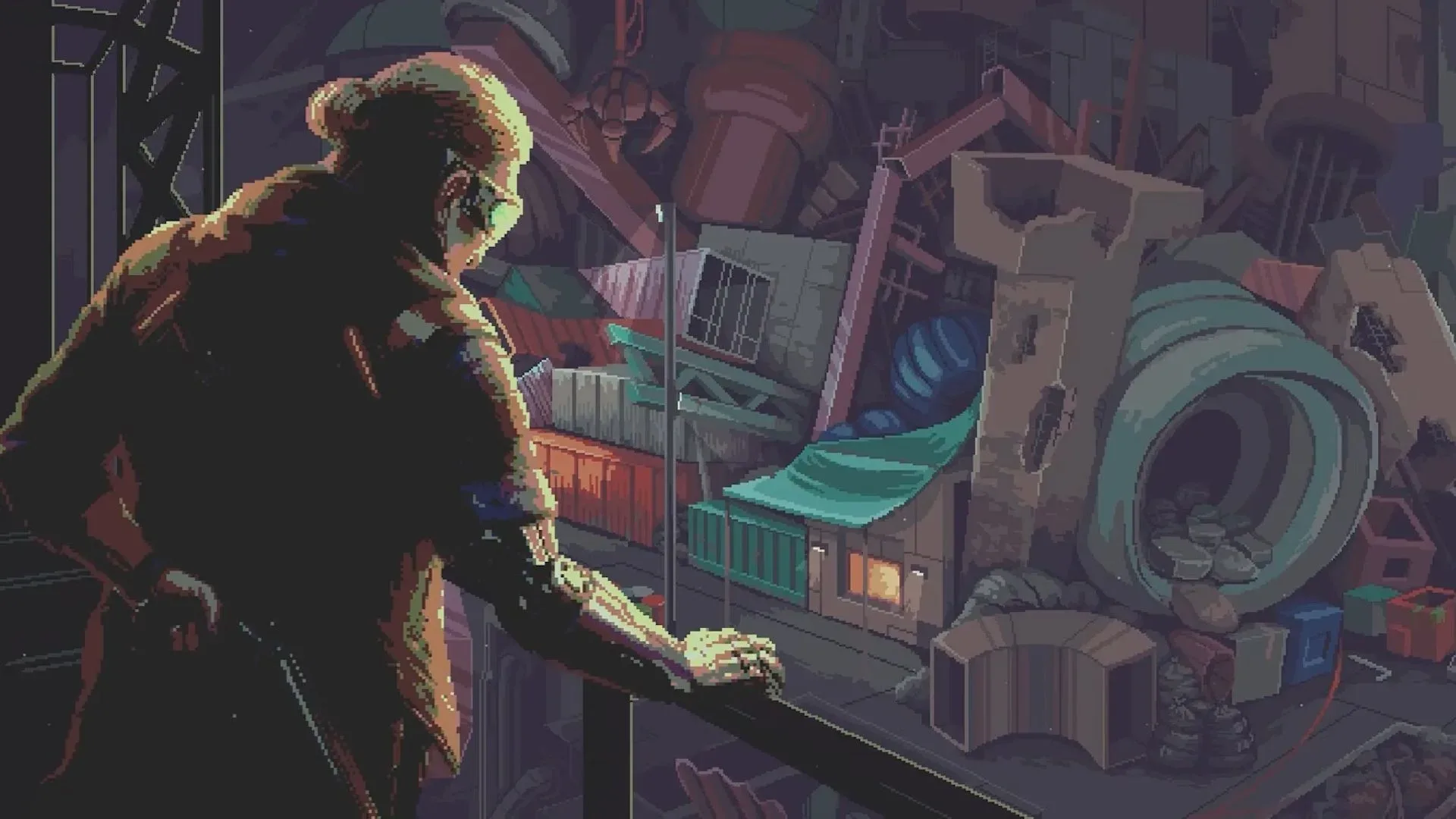
The argument arrives alongside a practical publishing point. Nichiporchik expects time to market—the span between a game’s reveal and its release—to be a major issue as developers worry about AI-made copies. tinyBuild’s own cyberpunk shopkeeper simulation Probably Stolen, made by Questing Goose Studio, had a notably short public runway: it was announced on August 3 and released on October 28. Nichiporchik says it has since sold more than one million units.
What “game feel” actually means
Game feel is a broad but useful term for a player’s immediate physical and sensory relationship with a game. It is the difference between an input seeming to happen on screen and an input feeling as though it belongs to the player. That experience can include responsiveness, animation timing, movement behavior, audiovisual feedback and the way successive actions flow together.
It should not be confused with a game’s visual style or its elevator pitch. Two games may feature comparable characters, menus, settings or core objectives and still play very differently. One may make each movement seem deliberate and legible; another may seem imprecise, slow, awkward or disconnected even if its individual systems sound similar in a description.
That distinction is central to Nichiporchik’s view. He said game feel is “impossible to copy,” arguing that even companies working from plentiful references and using professional designers can miss it. The claim is not that a rival cannot recreate a genre, set of mechanics or marketable premise. It is that reproducing the particular moment-to-moment experience players value is a substantially tougher task.
For a game developer, this is an important framing shift. A clone may mimic the outer shell of a game: its apparent genre, presentation, shop concept, progression language or broad interaction model. But players spend their time engaging with details that are often less obvious in a trailer or still image. How quickly does the game react? Is feedback clear? Are repeated actions pleasant? Does the player understand why something happened? Does the next action naturally invite itself?
Those are design questions, not simply asset-production questions. They also depend on judgment, iteration and consistency across the finished experience. Nichiporchik’s advice is therefore less about attempting to hide an idea and more about making the actual experience worth returning to.
Related coverage includes tinyBuild CEO Says Strong Game Feel Is the Best Defense Against AI Copycats.
Why a fast reveal-to-release window matters
There are two related parts to the tinyBuild chief’s thinking: make the game rewarding to play, and reduce the amount of time in which imitators can respond before players can buy the original.
“The biggest talking point over the next half year is going to be the time to market,” Nichiporchik said, pointing to developers’ concern that AI can help generate copies more quickly. A shorter interval between announcement and launch does not make copying impossible. It does, however, reduce the window in which another project can react to public attention around a concept before the intended game reaches customers.
Probably Stolen provides the example behind the strategy. Its August 3 announcement was followed by an October 28 release, a span of less than three months. Nichiporchik’s claim of more than a million units sold suggests that the release found a large audience without a long pre-launch period in which attention could be diverted by lookalikes.
That does not prove a single cause for the sales result, and it would be a mistake to treat a rapid schedule as a universal prescription. A game still needs to be ready when it ships. But the case makes the narrower point that timing can be part of a project’s defensive plan. If public interest is already forming, a team may benefit from converting that interest into a playable product rather than leaving a lengthy gap for competing responses.
In a broader industry context, timing and production tools are already part of the conversation around game development. For a different perspective on the changing technology that creative work relies on, see how discontinued workstations can retain practical uses.
The game loop is the other half of the defense
Nichiporchik pairs game feel with the game loop. A game loop is the repeating sequence of actions that structures play: what players do, what result they receive and what motivates their next decision. The exact loop varies by genre, but the principle is the same. The player needs a reason to continue, and the repeat cycle needs to remain understandable and rewarding.
Game feel and game loop are closely connected, but they are not identical. Game feel concerns how actions register in the instant they occur. The loop concerns why players keep performing actions over time. A satisfying loop with frustrating controls can lose its appeal; polished moment-to-moment interactions without an engaging reason to continue can also struggle to hold attention.
That is why Nichiporchik’s formulation is more useful than a simple instruction to make something visually distinctive. His standard is about retention: make a game people want to inhabit for longer. He said that the more time people spend in a game, the more sales it is likely to generate, and urged developers to focus on time spent alongside game feel.
There is an important limit to that statement. Time spent is a measure of engagement, not a guarantee that every player will be happy or every project will succeed. Still, the underlying development priority is clear. A studio’s strongest asset is not necessarily the most easily described aspect of its game. It may be the chain of tiny, interdependent decisions that make people want to play one more round, make one more choice or continue one more session.
AI-copycat anxiety is not just a visual problem
The fear surrounding AI clones is understandable because games are visible products. A game’s art direction, premise, characters and interface can be quickly recognized and compared. That visibility can make imitation feel especially threatening, particularly for smaller teams whose original concept may be closely associated with their ability to stand out.
Nichiporchik’s answer is not to deny that copying is a risk. Instead, he advises developers to ask how they can make their work harder to copy. The practical implication is that teams should avoid defining their project solely by elements that can be summarized in a sentence or captured in a screenshot.
A concept can attract attention. A distinctive presentation can help a game be remembered. But neither automatically creates an enduring relationship with the player. The interaction between controls, feedback, pacing and repeated objectives is where an otherwise familiar idea can become a specific game that players recognize as satisfying.
This is also why the term “legally distinct” does not settle the creative question. A release can differ enough in surface-level details while still aiming at the audience of a successful original. Developers concerned about that possibility may get more value from improving what players can directly experience than from trying to make every visible idea impossible to imitate.
A practical reading for developers
Nichiporchik’s comments can be read as a prioritization checklist rather than a promise that AI clones will never matter. First, identify the repeated player actions that define the project. Second, scrutinize whether those actions feel responsive, understandable and rewarding. Third, make sure the loop gives players a compelling reason to repeat them. Finally, consider whether the marketing and launch plan leaves an unnecessarily long interval between public reveal and availability.
- Protect the experience, not just the premise: A concise concept is easier to imitate than a carefully tuned interaction model.
- Evaluate moment-to-moment play: The player’s immediate response to movement, choices and feedback is part of the product’s identity.
- Make repetition meaningful: A loop should do more than recur; it should encourage the player to continue.
- Treat timing as a strategic decision: The period between announcement and release can shape how much room imitators have to react.
The larger lesson is reassuring without being complacent. AI tools may make it easier to chase another game’s visible success, but they do not automatically provide the design judgment required to make a game satisfying over hours of play. tinyBuild’s CEO is betting that players can tell the difference—and that teams which devote their effort to feel, flow and a focused release plan will remain harder to displace than the copycat debate sometimes suggests.