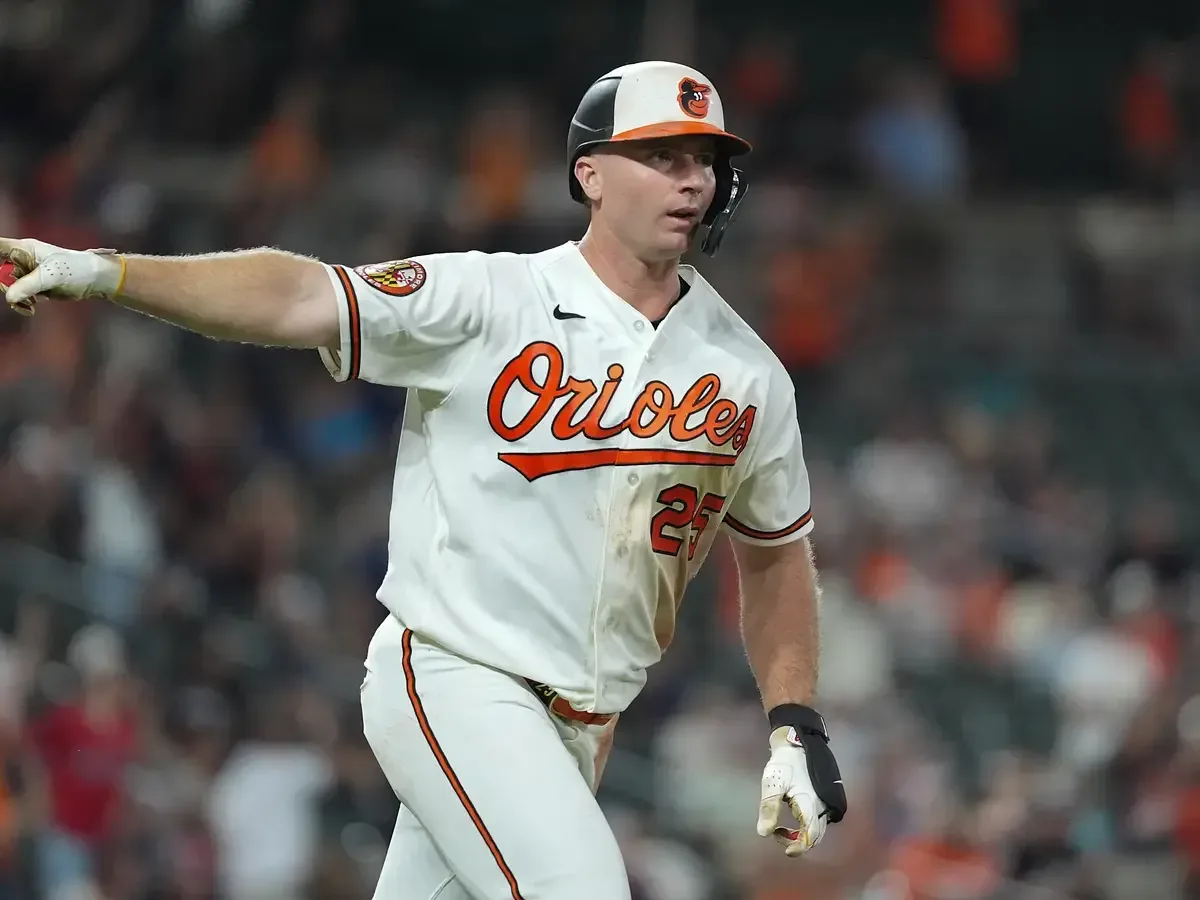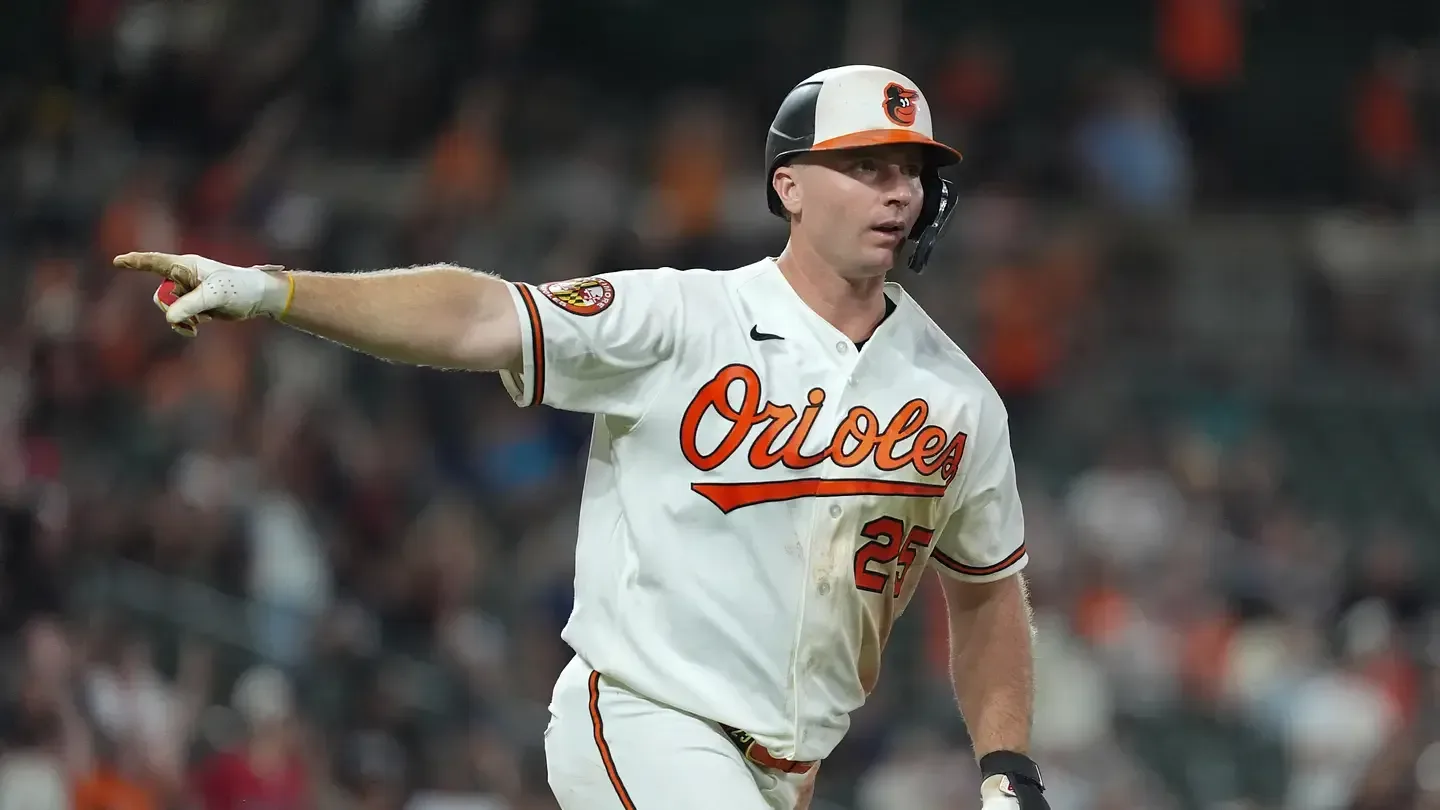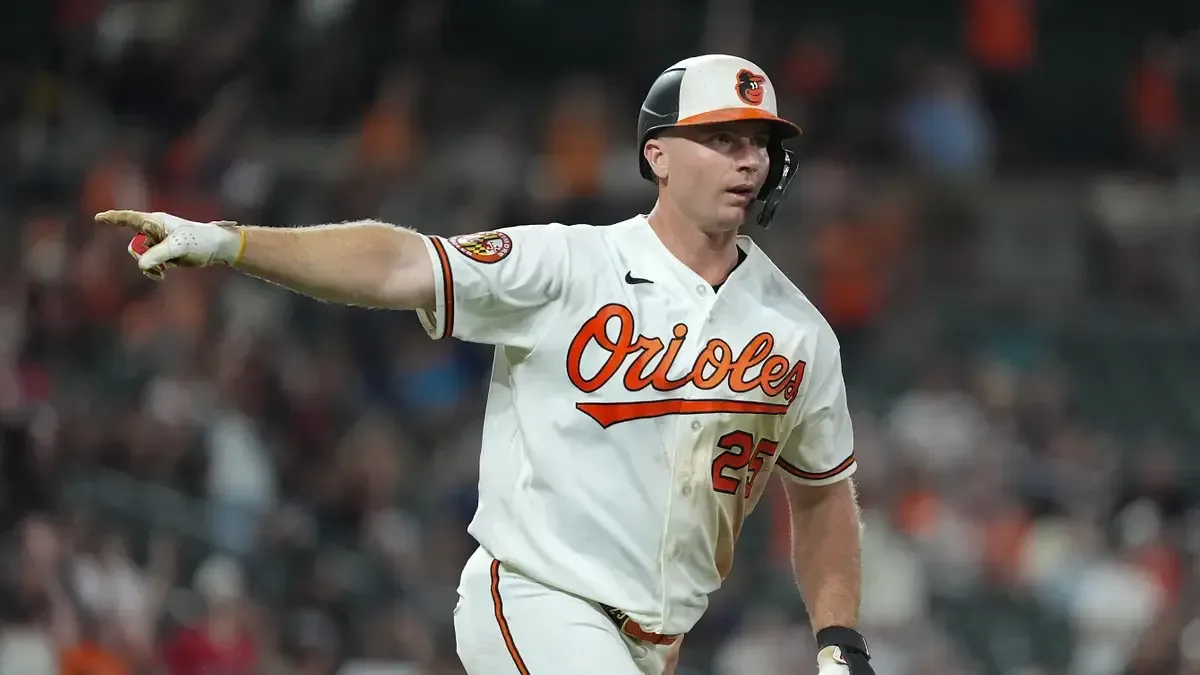
Pete Alonso’s entry into the 300-home-run club has brought fresh attention to the most limited corners of his 2019 rookie-card lineup. He reached the milestone on September 15 at his former home ballpark in New York, becoming the 170th player to do so. He was also the second player to reach 300 career homers this season, following Shohei Ohtani in early July.
For card collectors, a career milestone does not automatically rewrite every price tag. It does, however, give a useful reason to revisit which cards have historically attracted the most serious bids—and why. In Alonso’s case, the three largest reported rookie-card sales are all exceptionally scarce 2019 issues. Two are one-of-one Superfractors, while the third is an autographed Red Refractor limited to five copies.
The reported figures below should be treated as individual sale records, not guaranteed present-day values. Each card is a distinct combination of player, set, serial-numbered scarcity, condition grade, autograph status and eye appeal. That makes direct comparisons useful, but never perfectly clean.
The reported top three Alonso rookie-card sales
- 2019 Topps Chrome Autographed Superfractor 1/1, PSA GEM MT 10 — $6,150. Sold at a Goldin auction on November 2, 2020.
- 2019 Topps Chrome Update Rookie Debut Superfractor 1/1, PSA GEM MT 10 — $6,000. Sold via best offer.
- 2019 Bowman Chrome Red Refractor Autograph /5, BGS Gem Mint 9.5 with a 10 autograph grade — $4,750. Sold via best offer on September 24, 2022.
The narrow spread is notable. The difference between the first and second reported sales is only $150, despite one card carrying both a one-of-one designation and an autograph. The third card is not unique—it is numbered to five—but still finished within $1,400 of the leader. That result underlines a basic collecting reality: rarity matters enormously, yet it is one factor in a much larger equation.
No. 1: 2019 Topps Chrome Autographed Superfractor 1/1
Alonso’s largest reported rookie-card sale is the 2019 Topps Chrome Autographed Superfractor, a one-of-one graded PSA GEM MT 10. It realized $6,150 at auction in November 2020.
“Superfractor” is Topps terminology for a one-of-one parallel recognizable for its gold, swirling vinyl-style surface pattern. A parallel is a version of a card that uses a different finish, color treatment or serial-numbered print run from the standard card. In this case, “1/1” means the manufacturer designated the card as the lone copy of that parallel.
This particular card has several attributes collectors often prioritize at the same time. It is identified as Alonso’s true rookie rather than a Rookie Debut card, it is a Chrome issue, it is the only Superfractor copy, and it is autographed. It also received a PSA GEM MT 10 grade. PSA’s GEM MT 10 designation represents the company’s top numerical condition grade.
The card’s image shows Alonso in a home uniform, a presentation detail that may matter to collectors choosing among ultra-high-end cards. At this tier, the image, uniform, signature placement and general visual balance can all affect how a particular copy is received. A one-of-one prevents a buyer from simply finding another example of the same card, but it does not eliminate preferences about the card’s design.
Related coverage includes Pete Alonso’s 300th Homer Puts Focus on His Top Rookie Card Sales.
A valuation listing puts this card at $5,629.10, below its recorded $6,150 result. That is a data point rather than proof of a universal decline: a one-of-one has no conventional population of identical copies through which to establish a frequent market price. Any estimate is inherently working with limited comparable evidence.
No. 2: 2019 Topps Chrome Update Rookie Debut Superfractor 1/1
The second-largest reported sale belongs to the 2019 Topps Chrome Update Rookie Debut Superfractor, another 1/1 and another PSA GEM MT 10. It sold for $6,000 through a best-offer transaction.
The Rookie Debut designation distinguishes it from the standard rookie issue. This card commemorates Alonso’s first major-league game, played March 28, 2019. It has the gold Superfractor treatment but does not include an autograph.
Its $6,000 sale price offers a particularly useful comparison with the top card. Both are unique Topps Chrome-family rookie-year cards in PSA 10 condition. But one is a signed standard rookie card, while the other is an unsigned Rookie Debut card. The $150 difference in their reported sale results is far too small to support a broad rule about autograph premiums or about true rookies versus Rookie Debut cards. The sales occurred in different circumstances, and each one-of-one card reaches the market only when its owner decides to move it.
Still, the near tie illustrates how a non-autographed card can remain a centerpiece when it combines a recognizable brand, true one-of-one scarcity, a player-focused milestone and top condition. The current listed valuation is $3,689, which sits below the recorded $6,000 transaction. As with the signed Superfractor, that estimate should not be confused with a new completed sale.
Collectors considering cards with “Rookie Debut” language should be precise about what they are buying. A card can be a rookie-year issue and still be treated differently from a player’s standard rookie card. Neither label is inherently bad; they simply describe different places in a product checklist. At the high end, collectors often care deeply about that distinction, especially when comparing cards that otherwise share a design family.
No. 3: 2019 Bowman Chrome Red Refractor Autograph /5
Third on the reported list is a 2019 Bowman Chrome Red Refractor Autograph numbered 1/5. The card is graded BGS Gem Mint 9.5, with a separate autograph grade of 10, and it sold for $4,750 via best offer in September 2022.
Unlike the two Topps Chrome cards above, this is not a one-of-one. Its serial number indicates a five-card print run. That is still exceptionally limited, particularly for a signed rookie card from a major Chrome brand. The card also provides a visual bridge between Alonso’s prospect imagery and his major-league identity: the photo retains a minor-league uniform, with jersey number 74 visible, while the team name and helmet presentation have been altered to reflect his major-league club.
That mixture may appeal differently to different collectors. Some prefer an MLB-uniform image for a player’s key rookie card, while others place more emphasis on the Bowman brand’s prospect-card lineage and the autograph. The market result shows that a /5 autograph can compete closely with unique cards, especially when the grade is strong.
BGS, or Beckett Grading Services, uses a different grading scale and label system from PSA. A BGS Gem Mint 9.5 is not literally interchangeable with a PSA GEM MT 10, so collectors should resist reading the two labels as identical. The BGS autograph grade of 10 separately evaluates the signature’s quality. This distinction matters because the condition of the cardboard and the quality of the autograph are related but separate questions.
The listed valuation for the Red Refractor autograph is $2,677.51, close to half of its 2022 reported sale. Again, that gap is informative but not definitive. It can reflect the limits of estimated value for a card with so few copies, differences in buyer demand at particular moments, or factors specific to the recorded transaction. A completed sale is evidence that a buyer and seller met at a given price on a given day; it is not a promise that the next copy will bring the same result.
Why 2019 remains the focal point
Alonso made an Opening Day roster in 2019, establishing that year as the core of his major-league rookie-card catalog. The three cards in this snapshot all come from that season, but they occupy distinct collecting lanes: standard Topps Chrome rookie, Topps Chrome Update Rookie Debut, and Bowman Chrome autograph.
That variety is important for anyone tracking Alonso cards after his 300th homer. “Rookie card” is a convenient umbrella, not a full description. A collector should identify the product, the card’s designation, whether it is signed, the stated print run, the grading company and grade, and the exact card image before treating one sale as relevant to another.
- True rookie versus Rookie Debut: These labels identify different cards and can carry different collector preferences.
- Serial number: A card marked 1/1 is designated as unique; a card marked /5 has five copies in the stated parallel.
- Autograph: A signature is a major feature, but it does not create a fixed premium independent of grade, card identity and buyer demand.
- Grade: PSA and BGS labels describe third-party assessments, but their scales and markets are not one-to-one substitutes.
- Sale format: An auction result and a best-offer sale both document a transaction, though the bidding context is different.
The milestone’s collecting context
Alonso’s 300th homer adds another durable marker to a career already defined by availability. Excluding the COVID-shortened 2020 campaign, he has averaged 157.5 games per season and played all 162 games in each of the past two seasons. That durability provides context for why collectors will continue to watch his career totals rather than view the 300-homer mark as an endpoint.
It would be speculative to assign a final home-run total or predict how any specific card will perform next. What can be said is that milestones concentrate attention, and Alonso now has one that places his name in a 170-player club. His most expensive reported rookie-card sales also make clear where the premium end of his market has historically been: very scarce 2019 Chrome cards, top grades and, in the leading example, an autograph.
For a wider look at how different collectibles can be framed through a specific release and storyline, see Joking Joystick’s coverage of DNX #1 and its Phoenix-linked X-Men card context. Alonso’s market is a different category entirely, but the same collector habit applies: distinguish the exact item from the broader headline around it.
Practical checklist before treating a sale as a comp
When evaluating the three Alonso results—or any ultra-scarce modern sports card—collectors should avoid reducing the card to a player name and a number. A sensible comparison starts with the exact parallel and works outward.
- Match the product and card designation exactly: Topps Chrome, Chrome Update and Bowman Chrome are not interchangeable.
- Confirm the print run: a 1/1 and a /5 may both be scarce, but they are not the same level of stated rarity.
- Separate signed and unsigned versions.
- Note the grader and the exact grades assigned to the card and, where applicable, the autograph.
- Check whether the figure is a completed sale, a best-offer transaction or a valuation estimate.
- Remember the sale date. The top three transactions occurred in 2020 and 2022, not in direct response to the September 15 milestone.
That final point is especially valuable. Alonso’s 300th home run can renew interest in his cards, but the sale records here predate it. They are a historical leaderboard, not evidence of a post-milestone price move. For collectors, that distinction is less flashy than a giant number next to a card, but it is the difference between using market data carefully and merely using it as decoration.