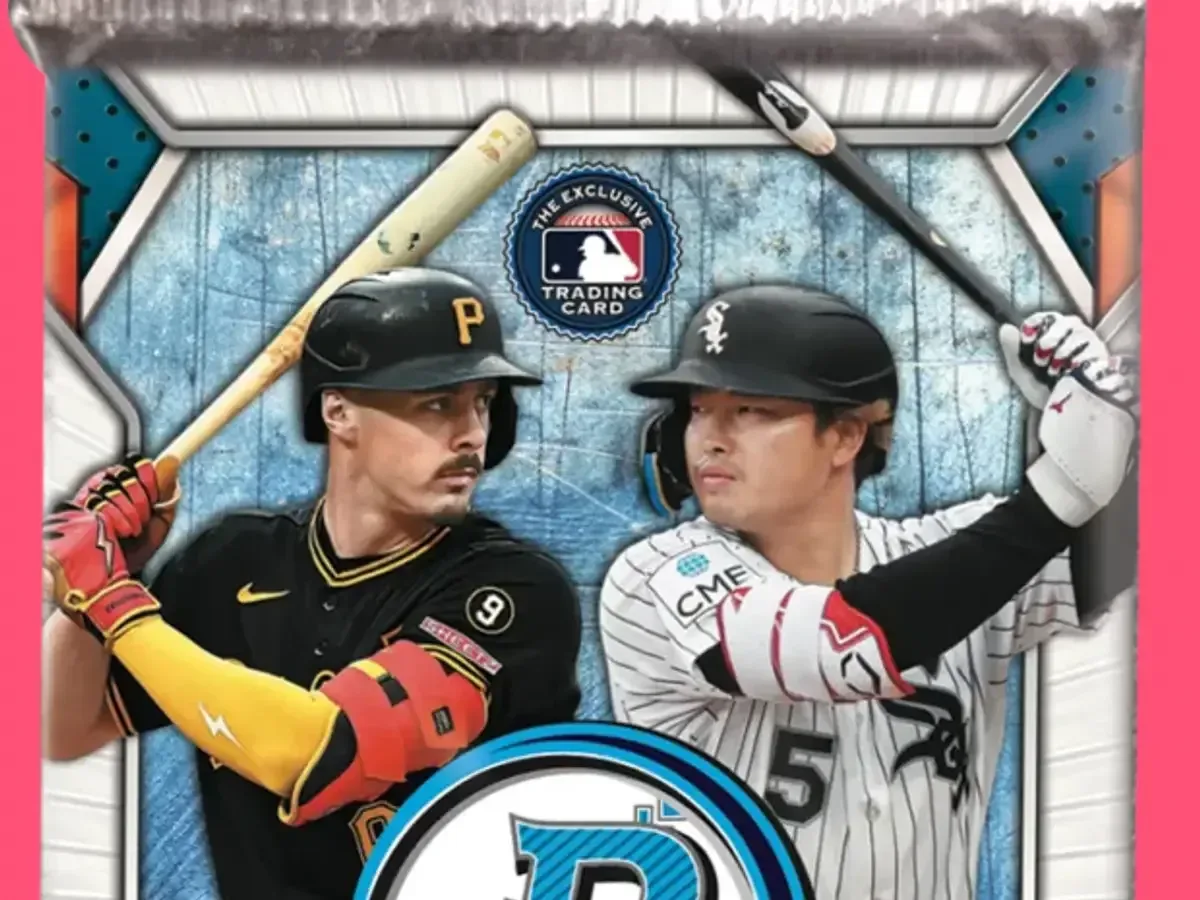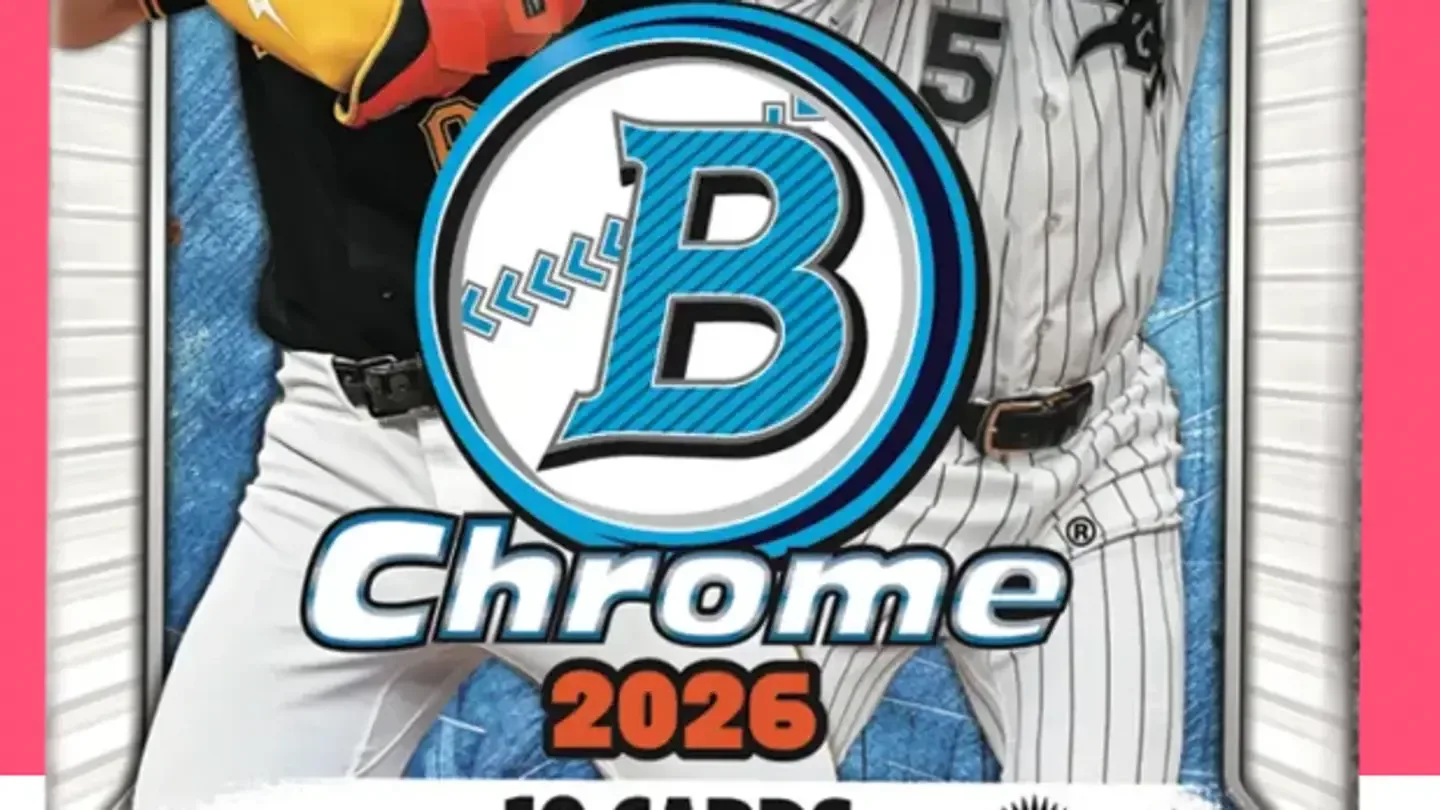
Prospect cards are where collecting meets forecasting, and 2026 Bowman Chrome is built around that uncomfortable, exhilarating proposition. The set is the second of three prospect-centered baseball releases in the Bowman calendar, with a major emphasis on first Chrome autographs from recently signed international talent. That makes the product a particularly volatile sort of chase: many of its marquee names are only 16 or 17 years old when collectors first encounter them in packs.
That uncertainty is not a side note. It is the whole game. A young player can possess loud athletic traits, promising early statistics and a premium defensive profile, then still need years to answer the questions that matter most in professional baseball. How will the hit tool develop? Will power arrive in games? Can the player remain at a high-value defensive position? What happens once the competition gets more advanced? And, for collectors, can that player build enough momentum to keep demand moving?
Three of the early names worth knowing in 2026 Bowman Chrome are Kansas City Royals outfielder Angeilbel Gomez, San Francisco Giants infielder Luis Hernandez and Cincinnati Reds outfielder Angel Nunez. Each arrived through the international market with a meaningful pedigree. Each has attributes that could create collector interest. Each also represents the enormous development risk attached to buying cards of players who are still at the opening miles of a long professional journey.
Why first Chrome autos carry so much weight
For prospect-focused collectors, a first Chrome autograph is often treated as an early landmark in a player’s card history. It gives the market a recognizable starting point: a signed Chrome card tied to the player’s earliest appearance in a major Bowman Chrome release. If a prospect’s profile surges later, collectors frequently revisit those early cards as key pieces of the chase.
But “early” does not mean “safe.” Bowman Chrome prospect chasing has a boom-or-bust identity precisely because so much projection is baked into the purchase. Teenagers can change physically, mechanically and competitively in a short period. Their positions may move. Their early tools may sharpen, level off or take unexpected turns. A strong debut is encouraging, but it cannot settle the bigger question of who a player will become.
Collectors assessing this group should separate what is already evident from what remains projection. Physical ability, defensive athleticism, strike-zone awareness and first professional results can all offer signals. They are not guarantees. The most useful approach is to view a card as a wager on a development path, rather than a trophy for a finished player.
Angeilbel Gomez gives Royals collectors an athletic upside bet
Gomez signed with the Royals out of Maracay, Venezuela, as the organization’s top international addition. His athletic frame immediately stood out in scouting conversations, with comparisons drawn to the build expected from a high-level American football wide receiver. That is not a baseball outcome in itself, of course, but it helps illustrate the physical upside attached to the young outfielder.
More important than looks, Gomez has shown traits that fit the traditional high-ceiling center-field prospect profile. He has been credited with a mature batting eye for his age, possible plus power, and the defensive smoothness to stay in center field. Center field is a premium position, so a player who can remain there while bringing impact potential at the plate has an especially appealing development case.
Related coverage includes 2026 Bowman Chrome Prospect Chases: Why Angeilbel Gomez, Luis Hernandez and Angel Nunez Are Early Targets.
His early Dominican Summer League production supplied an encouraging statistical headline: Gomez posted a .361/.467/.653 slash line and hit nine home runs. Those numbers are impressive, particularly when combined with the reports on his approach and athletic ability. Still, the appropriate phrase is early encouragement, not proof. The sample is small, and Dominican Summer League performance is one stage in a process that will demand much more evidence.
For the card market, Gomez offers the familiar upside recipe: a premium athlete, center-field potential, power projection and a strong initial line. That combination can make a first Chrome autograph compelling for collectors who are comfortable with risk. The counterweight is simply time. Gomez has plenty of it, which means the market may receive many new pieces of information before there is a clear answer on his long-term offensive profile.
Luis Hernandez arrives with pedigree and a position to watch
The Giants followed one prominent international signing period with another. After adding outfielder Josuar Gonzalez the previous year, San Francisco landed Hernandez as the top overall international signing in this cycle. The comparison with Gonzalez is useful for framing Hernandez’s appeal: Gonzalez has been viewed as the player with the more explosive ceiling, while Hernandez has been seen as a prospect who may offer a sturdier floor without lacking substantial upside.
Hernandez has played both shortstop and third base, though his athleticism gives him a plausible chance to remain at short. That matters. A shortstop who can hit with emerging power has a different collector profile from a third baseman with similar offensive traits, because staying at the more demanding position strengthens the overall package.
There is also positive early feedback around Hernandez’s approach and potential to develop above-average power. A disciplined batting eye is especially valuable in a very young hitter because it can be a foundation for later offensive growth. It does not erase the challenge of adjusting to better pitching, but it is one of the traits collectors should want to monitor as a prospect moves up.
San Francisco has reportedly pushed Hernandez aggressively in its early handling of him, and he has responded well so far. That is worth tracking, not because an aggressive assignment guarantees success, but because it can reveal how an organization views a player’s readiness. His future defensive home will remain one of the central checkpoints. If he continues to handle shortstop, the path becomes particularly interesting.
Collectors should also be mindful that player development environments can affect how cleanly a prospect’s talent converts into production. Hernandez’s pedigree and youth give him substantial room to grow, but no organization turns every highly regarded teenage signing into a straightforward success story. His 2026 Bowman Chrome cards are therefore best approached as an investment in both talent and development, not as an automatic payoff tied to his signing status.
Angel Nunez brings speed, center-field defense and Reds-market appeal
Nunez, signed by Cincinnati out of Santo Domingo in the Dominican Republic, was the Reds’ leading international signing. Like Gomez, he is a highly athletic outfielder with the tools to remain in center field. His projected offensive identity appears somewhat different, however. Rather than being defined primarily by top-end power potential, Nunez is expected to bring at least average power alongside an above-average hit tool.
That profile places a greater emphasis on all-around value. His speed and defense are prominent strengths, even if those qualities do not always command the same immediate card-market attention as towering home-run potential. Scouts can place major value on range, athleticism and a player’s ability to hold down center field. Collectors may focus more aggressively on offensive production, but a strong defensive base can be important to keeping a prospect on the field and on a viable path through a system.
Nunez has also begun his professional career well, though the same small-sample caution applied to Gomez belongs here too. Early results can help introduce a player to a wider collector audience; they cannot determine the finish of the story. The next tests will be whether his contact skills remain intact as the level rises and whether his power develops enough to complement his speed-based game.
His team adds another angle. Reds prospects have historically carried active collector interest, and that broader market association could help Nunez attract attention beyond the raw scouting report. Team context should never outweigh the player’s actual development, but it can influence how rapidly a prospect’s cards gain traction when performance creates a reason for the hobby to look closer.
How to follow these chases without treating projection as certainty
Gomez, Hernandez and Nunez offer three distinct versions of the international-prospect chase. Gomez is the physical, power-and-center-field upside play. Hernandez brings elite signing pedigree, a possible shortstop future and a potentially polished foundation. Nunez leans on athleticism, contact potential, speed and defense, with the Reds connection adding a market consideration.
A measured collector can follow all three by watching a handful of concrete developments:
- Position: Does Gomez or Nunez stay in center field? Does Hernandez remain at shortstop rather than shifting permanently to third?
- Approach: Do the positive reports on batting eye and hit ability continue against more advanced pitching?
- Game power: Does projected power begin showing up consistently in professional competition?
- Assignments and adjustments: How do they respond when their organizations raise the level of challenge?
- Time horizon: Are you collecting a favorite player’s first Chrome autograph, or speculating on future market growth? The answer should shape expectations.
Protection matters after the purchase as well. Cards need their own preservation routine, but the broader collector habit of handling prized items carefully is universal; these collector care principles for retro game discs underline why avoiding preventable damage is always preferable to trying to repair it later.
The appeal of 2026 Bowman Chrome is that it lets collectors engage with baseball’s next wave before the answers arrive. Gomez, Hernandez and Nunez are not finished products, and their cards should not be evaluated as though they are. They are promising names at the beginning of their professional timelines—exactly the kind of players who can turn a prospect product into either a thrilling long-term hold or a reminder that projection is baseball’s most expensive ingredient.