G.I. Joe has always had more than one collecting lane. The franchise began with Hasbro’s original 12-inch figure in 1964, then reached a new generation in 1982 through G.I. Joe: A Real American Hero and its 3.75-inch action figures. Comics and animation expanded the appeal still further, putting characters such as Duke, Snake-Eyes, Scarlett, Storm Shadow and Cobra Commander at the center of a wide-ranging 1980s phenomenon.
That history helps explain why the 1986 G.I. Joe Action Cards occupy an intriguing niche today. They are a vintage trading-card set connected to a toy line, a comic-book universe and an animated series, with recognizable characters and vehicles carrying much of the appeal. Recent sales suggest that scarce, high-grade copies can attract meaningful prices, even as the cards remain a comparatively accessible route into vintage G.I. Joe collecting.
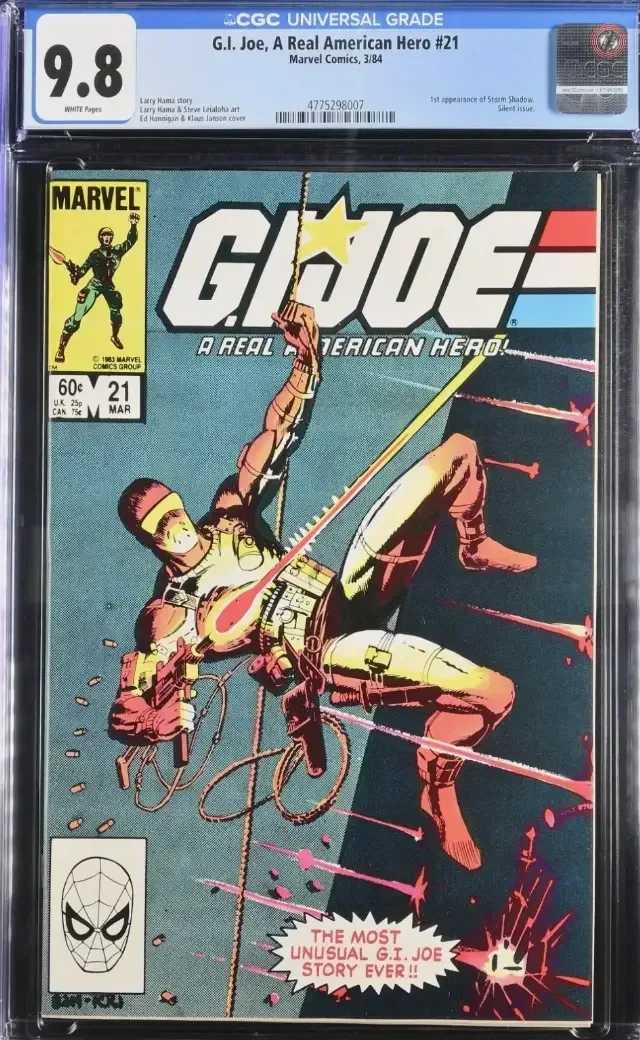
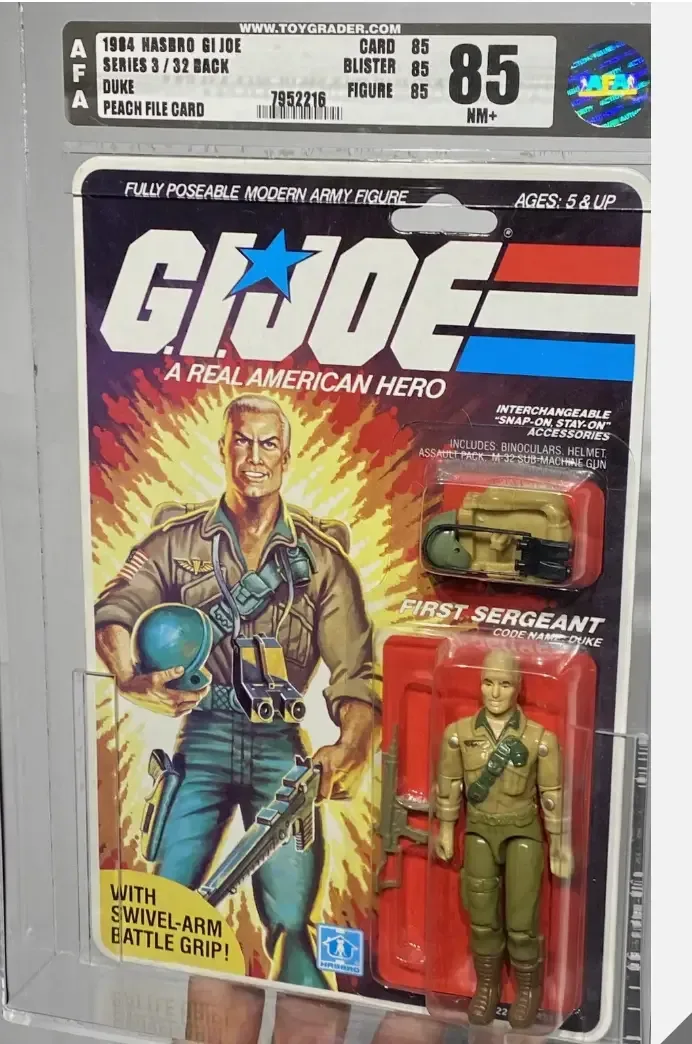
The key word is comparatively. Recent G.I. Joe action-figure and comic-book sales demonstrate how dramatically the market can separate exceptional, professionally graded examples from the loose or well-read material that still circulates at more modest levels. An AFA 85 1984 Duke Series 3 figure sold for $2,999.99 on eBay on Aug. 31. A CGC 9.8 copy of G.I. Joe: A Real American Hero #21, noted for Storm Shadow’s first appearance, sold for $1,700 on Aug. 25.
Against those benchmarks, four-figure card prices are not the story here. Instead, the notable point is that several character cards from 1986 have recently sold from $400 to $600 in PSA holders. That puts the focus squarely on condition, character demand and the distinction between owning an example of a vintage card and owning an example that has survived at an elite grade.
What the grades actually signal
For collectors arriving from action figures, comics or video games, the labels on these card sales deserve a little context. PSA grades trading cards on a 1-to-10 scale. A PSA 10 Gem Mint is the top grade, while a PSA 9 is Mint. Neither grade makes a card automatically valuable; it is a third-party opinion on condition rather than a guarantee of future demand. But the grade can matter enormously for an older issue, where clean corners, centered printing and strong surfaces become increasingly hard to find decades later.
Population is another useful term. It refers to the number of examples a grading company has assigned a particular grade. Scarlett #1’s cited PSA 10 population of five means only five copies had received that top grade in PSA’s records at the time referenced. It does not establish how many pristine copies exist outside grading holders, nor does it make every lower-grade copy rare. It does, however, illustrate why collectors may treat a top-population character card differently from an ordinary raw copy.
CGC and AFA use their own grading systems for comics and action figures, respectively. A CGC 9.8 comic, an AFA 85 figure and a PSA 10 card should therefore not be read as directly interchangeable numerical judgments. They represent graded items in separate collectible categories, each with different physical formats and condition expectations. The useful comparison is not the number on the label, but the broader market pattern: condition and encapsulation can materially change the conversation around familiar 1980s G.I. Joe material.
Recent sales put the spotlight on marquee characters
The strongest reported sales are not obscure names. They center on the characters that have long anchored the franchise’s identity, a reminder that character recognition can be as important as card number when collectors decide where to focus.
Related coverage includes 1986 G.I. Joe Action Cards Find a High-Grade Lane.
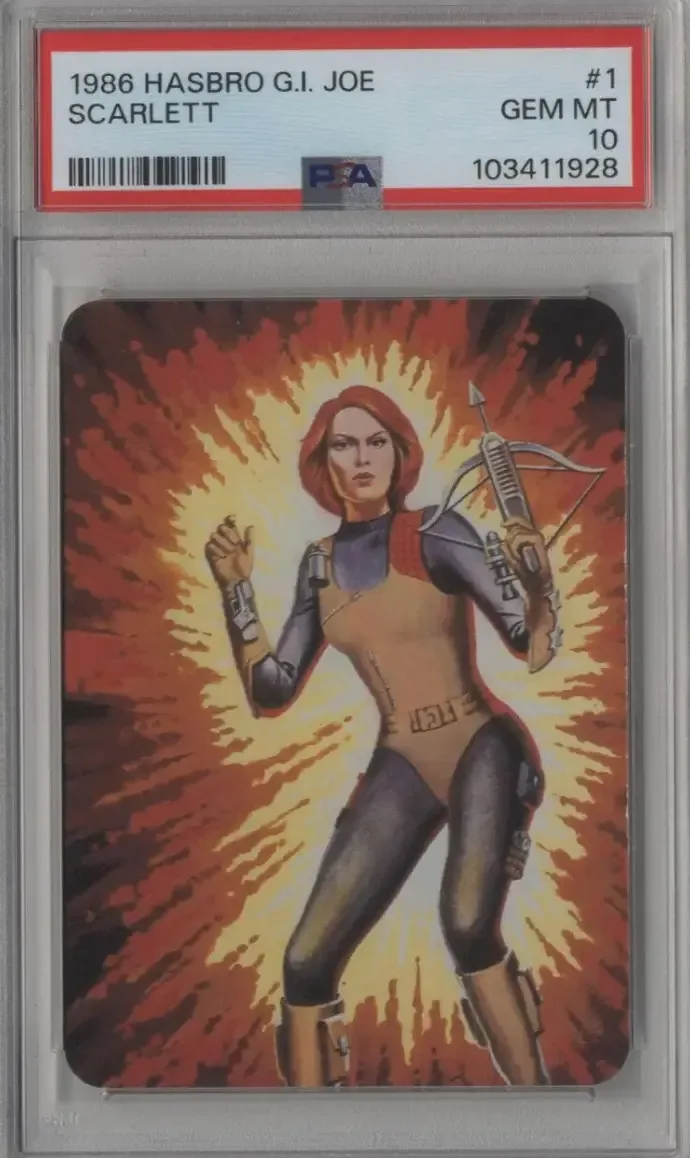
Scarlett #1, PSA 10 — $400
Scarlett opens the set at card #1, and a PSA 10 example sold on eBay for $400 on Aug. 26. The card’s position at the beginning of the checklist adds a simple collecting appeal, but its elite grade and PSA 10 population of five are the more concrete reasons this copy stands apart from a typical ungraded example. Scarlett is also among the core characters associated with the toy line, comics and animated series, so the card benefits from recognition beyond set completion.
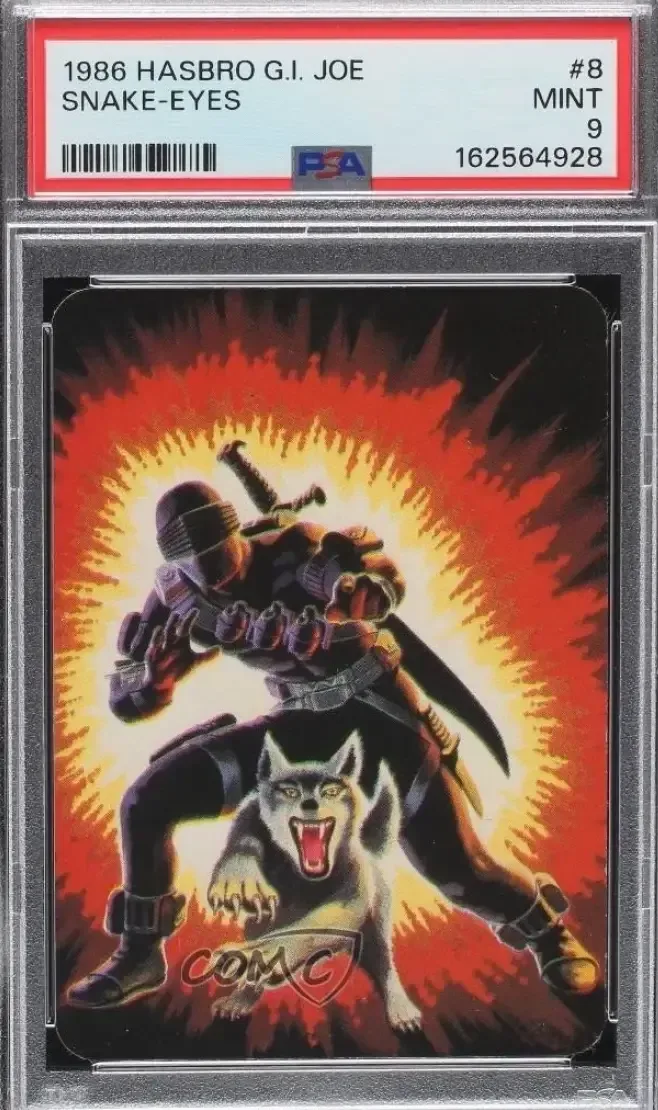
Snake-Eyes #8, PSA 9 — $520.44
A PSA 9 Snake-Eyes #8 sold for $520.44 on Aug. 25. Snake-Eyes remains one of G.I. Joe’s defining characters, making the result especially useful as a measure of character-driven demand. It is also a helpful caution against treating grade as the only variable: this PSA 9 sale exceeded the reported price for Scarlett’s PSA 10. A single result never establishes a full market hierarchy, but it shows why collectors should consider the character, the specific card, the timing of the sale and the buyer pool rather than reducing every comparison to the numeral on a slab.
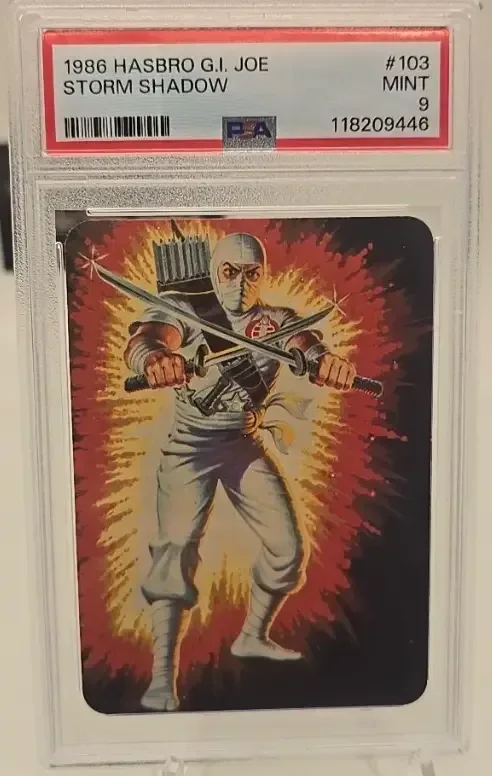
Storm Shadow #103, PSA 9 — $600
Storm Shadow #103, graded PSA 9, sold for $600 on Aug. 26. The character’s longstanding rivalry with Snake-Eyes gives this card a natural place among the set’s more desirable names. It also connects neatly to the wider G.I. Joe market: a CGC 9.8 copy of G.I. Joe: A Real American Hero #21, Storm Shadow’s first comic appearance, had sold for $1,700 one day before the reported card sale.
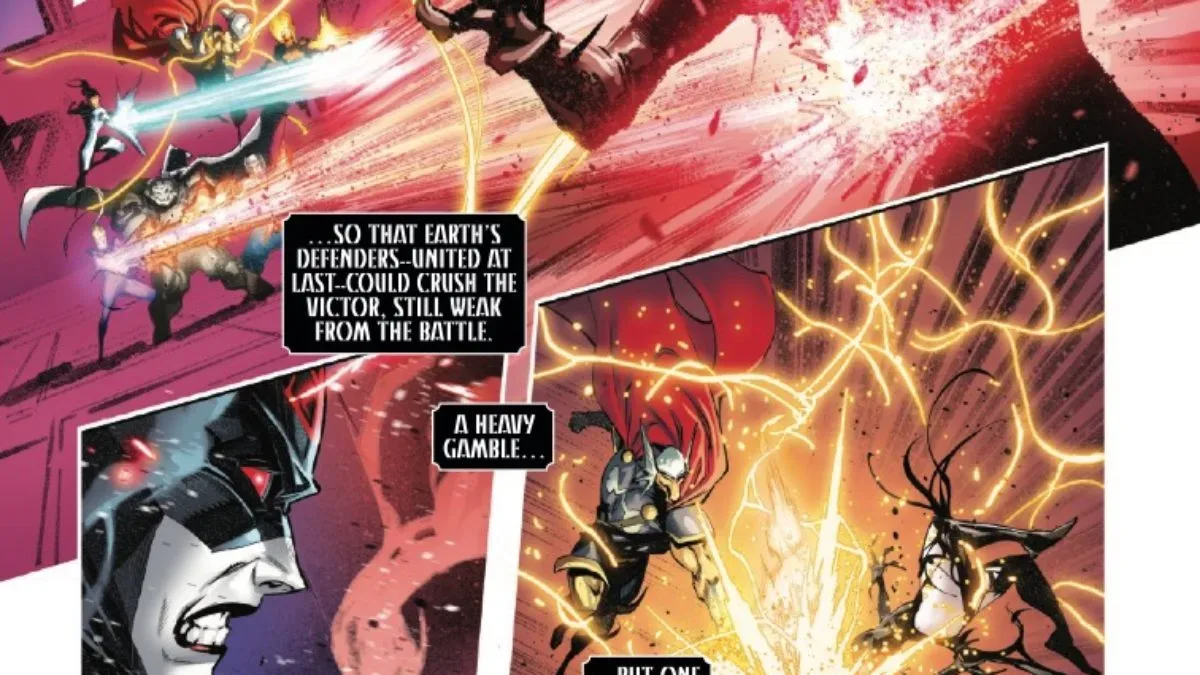
That is not a like-for-like price comparison. A first-appearance comic and a trading card are different collectible propositions, with different supply, grading standards and collecting audiences. Still, the two sales underline the breadth of Storm Shadow’s appeal and show why character-focused collectors may cross between formats. Readers tracking Marvel-adjacent comics can also see how major-character conflict shapes collecting interest in this look at a Hela, Knull and Venomworld collision.
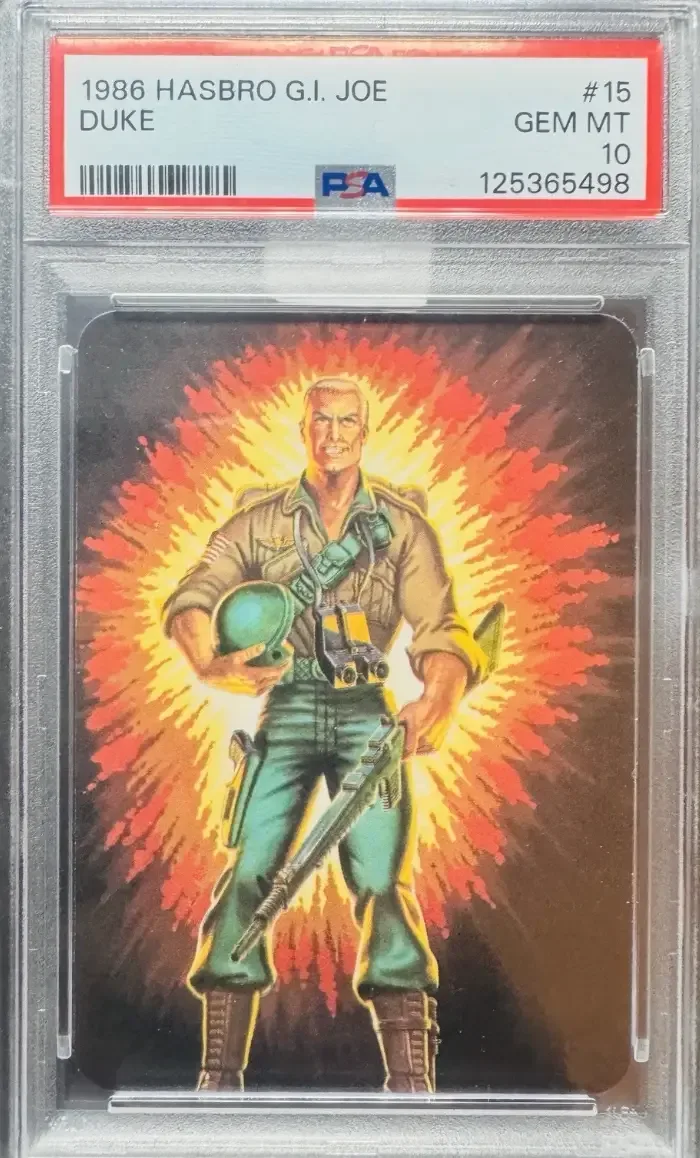
Duke #15, PSA 10 — $600
The most recent of the highlighted sales was a PSA 10 Duke #15, which brought $600 on eBay on Sept. 14. It matches Storm Shadow’s $600 result while carrying the higher PSA 10 grade. Duke’s central role in the franchise makes the result easy to understand, but the key takeaway remains the card’s condition. High-grade vintage cards concentrate collector attention because they combine a familiar subject with the challenge of long-term preservation.
Why the set may be getting a second look
Upper Deck announced a Hasbro licensing agreement in August covering Transformers, Power Rangers, G.I. Joe, M.A.S.K., Jem and the Holograms, among other Hasbro properties. Transformers is leading the partnership with 40th-anniversary products, while future collections inspired by G.I. Joe and the other properties are described as being on the horizon.
It is important not to overstate what that means. A future G.I. Joe card release does not automatically raise the value of 1986 cards, and no evidence says it will. New products can broaden awareness, attract collectors who were not previously looking at older material, or simply create a separate modern market. Vintage and contemporary releases often appeal to overlapping but not identical audiences.
Even so, the agreement gives collectors a practical reason to familiarize themselves with the older set. A new licensed card line can send fans looking for precedent: earlier cards, original character appearances within a trading-card format and vintage artwork or imagery connected to the property. The 1986 Action Cards are well positioned for that rediscovery because they already feature the people and machinery many fans associate with G.I. Joe.
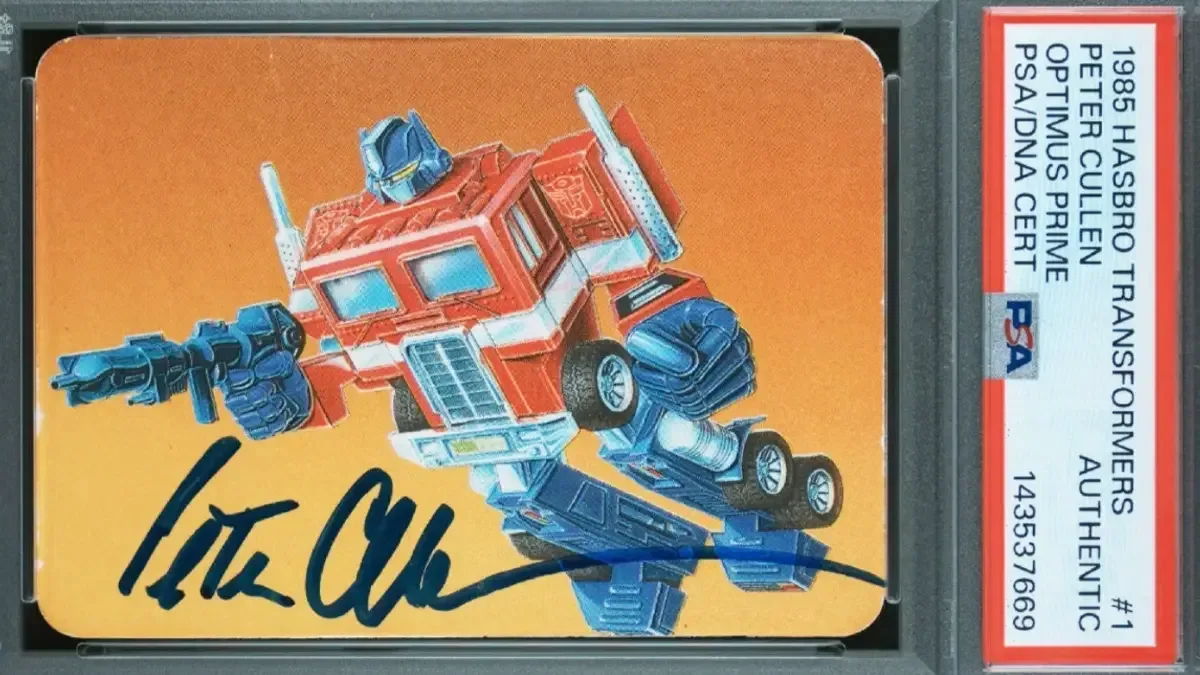
There is a parallel in the franchise’s long relationship with Transformers. Both were major Hasbro properties of the era, and Marvel joined them in a four-issue G.I. Joe and the Transformers comic-book series in 1987. Vintage Transformers cards have also attracted collector attention, particularly in high grades. That does not prove the same trajectory for every G.I. Joe card, but it helps place renewed interest in a familiar pattern: collectors often return to overlooked licensed cards once nostalgia and professional grading make condition differences easier to see.
Practical implications for collectors
The recent sales provide a useful starting point, not a price guide for every copy. A collector considering 1986 G.I. Joe Action Cards should distinguish among several goals:
- Set building: A collector seeking a broad run may prioritize completeness and acceptable eye appeal over top-tier grading.
- Character collecting: Duke, Snake-Eyes, Scarlett and Storm Shadow are logical focal points because the reported premium sales center on them.
- High-grade collecting: This approach requires particular care around the exact grade, the grading company and population information where available.
- Cross-category collecting: Fans who collect figures, comics and cards can build a character-based collection, but should avoid assuming that a strong price in one category dictates the price in another.
Recent results should also be treated as individual transactions rather than automatic valuations. The highlighted $400, $520.44 and $600 figures reflect specific cards sold on specific dates. Graded-card prices can vary with the grade, the character, the card’s presentation, the sales venue and the number of interested bidders at that moment. A PSA 9 and PSA 10 are not interchangeable, and neither is a popular lead character and a less prominent subject.
The broader appeal of the 1986 set is that it lets collectors approach G.I. Joe through a format that sits between the franchise’s larger artifacts. An original figure is a physical toy with packaging and accessory considerations. A comic carries story significance, including first appearances. A trading card is a compact snapshot of the property’s imagery and cast. The cards do not replace the figures or comics; they offer another way to collect the same shared cultural memory.
For now, the evidence supports a measured read: the highest-grade examples of familiar G.I. Joe characters are drawing hundreds of dollars, while the set remains notably less expensive at its peak than the cited high-grade Duke figure and Storm Shadow first-appearance comic. With further G.I. Joe-inspired card collections anticipated through Upper Deck’s Hasbro arrangement, the 1986 Action Cards have a credible chance to become more visible to both longtime fans and collectors encountering them for the first time.