Queen in Black #5 is positioned as the decisive chapter in a conflict with nowhere left to escalate except, apparently, the entire planet. Marvel’s September 30, 2026 release brings Hela and Knull into a fight over the Throne of All, with every life on Earth caught in the outcome. The advertised safeguard is not a conventional team of heroes, a secret superweapon, or one more desperate speech. It is Venomworld: an Earth-scale symbiote defense.
That premise gives the issue a particularly strange kind of final-boss energy. Two cosmic figures are battling for authority, but the response is collective and physical: humanity has been bonded into a single immense symbiote form. The apparent scale is intentionally absurd, yet the stakes remain personal through Mary Jane Watson, whose “last stand” is central to the issue’s setup.
The 32-page, Rated T+ comic is written by Al Ewing, with art by Iban Coello and Paco Medina. Ryan Stegman provides the main cover. It carries a $4.99 US price and is scheduled to go on sale September 30, 2026.
A throne fight with Earth in the middle
The core question surrounding Queen in Black #5 is simple: which combatant has claimed the Throne of All—Hela or Knull? The answer is deliberately being held back, but the premise makes clear that neither outcome is reassuring for Earth. The battle is framed as Light against Dark, and the victor’s prize appears to be power broad enough to endanger all life on the planet.
Hela and Knull are not being presented as rivals in an ordinary superhero dispute. Their confrontation is a struggle over ultimate authority, with the Throne of All functioning as the story’s key symbol and objective. A throne is not merely a place to sit in this kind of cosmic comic; it represents control, legitimacy and the power to impose a new order. That makes the question of who reaches it more important than who wins a single exchange of punches.
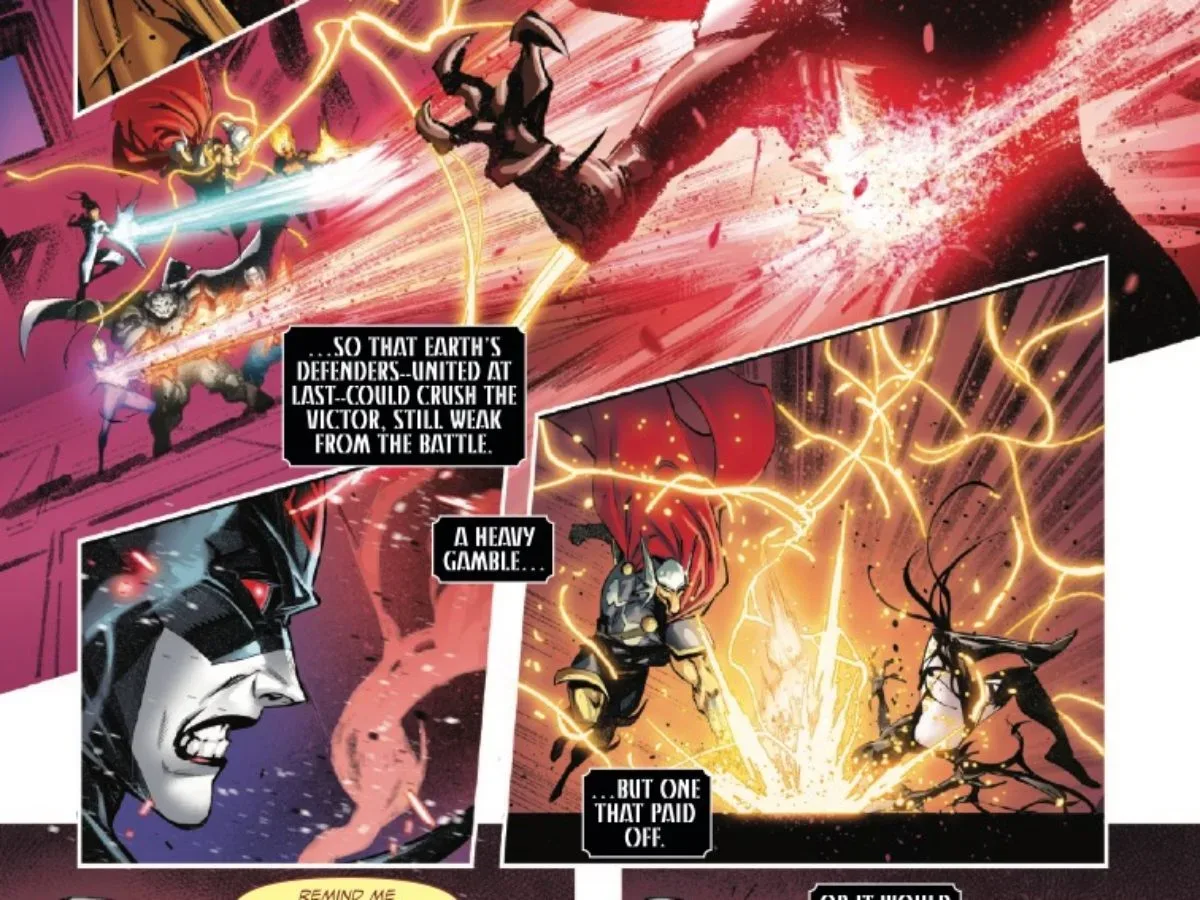
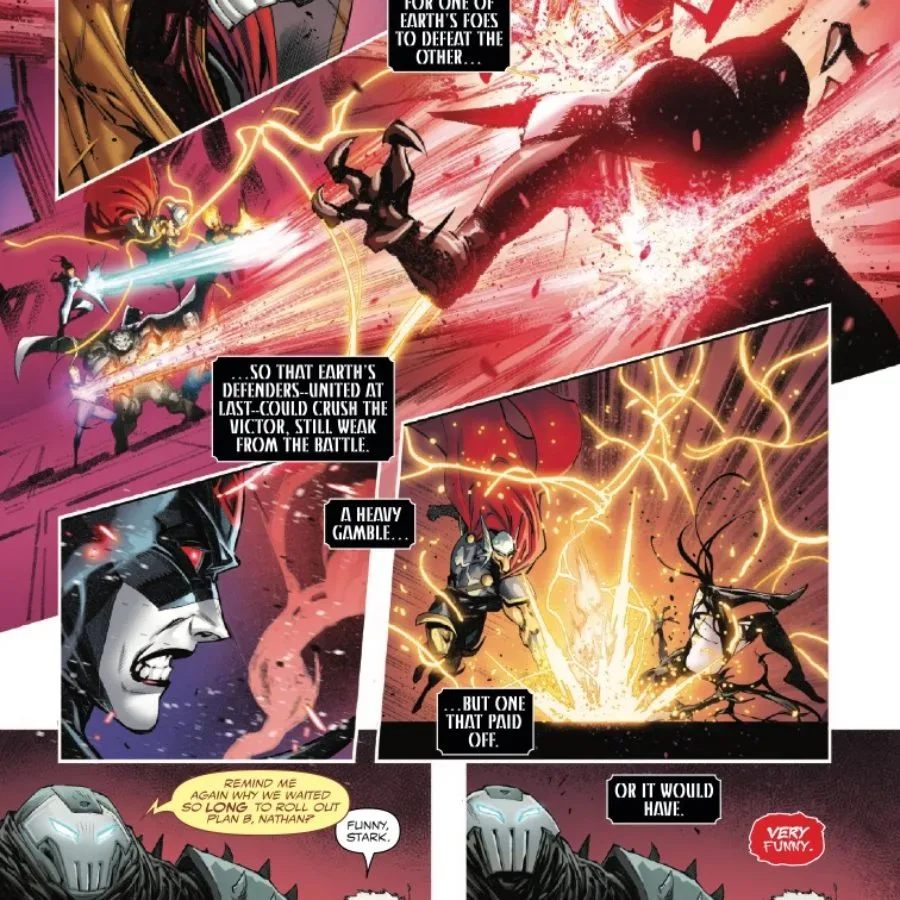
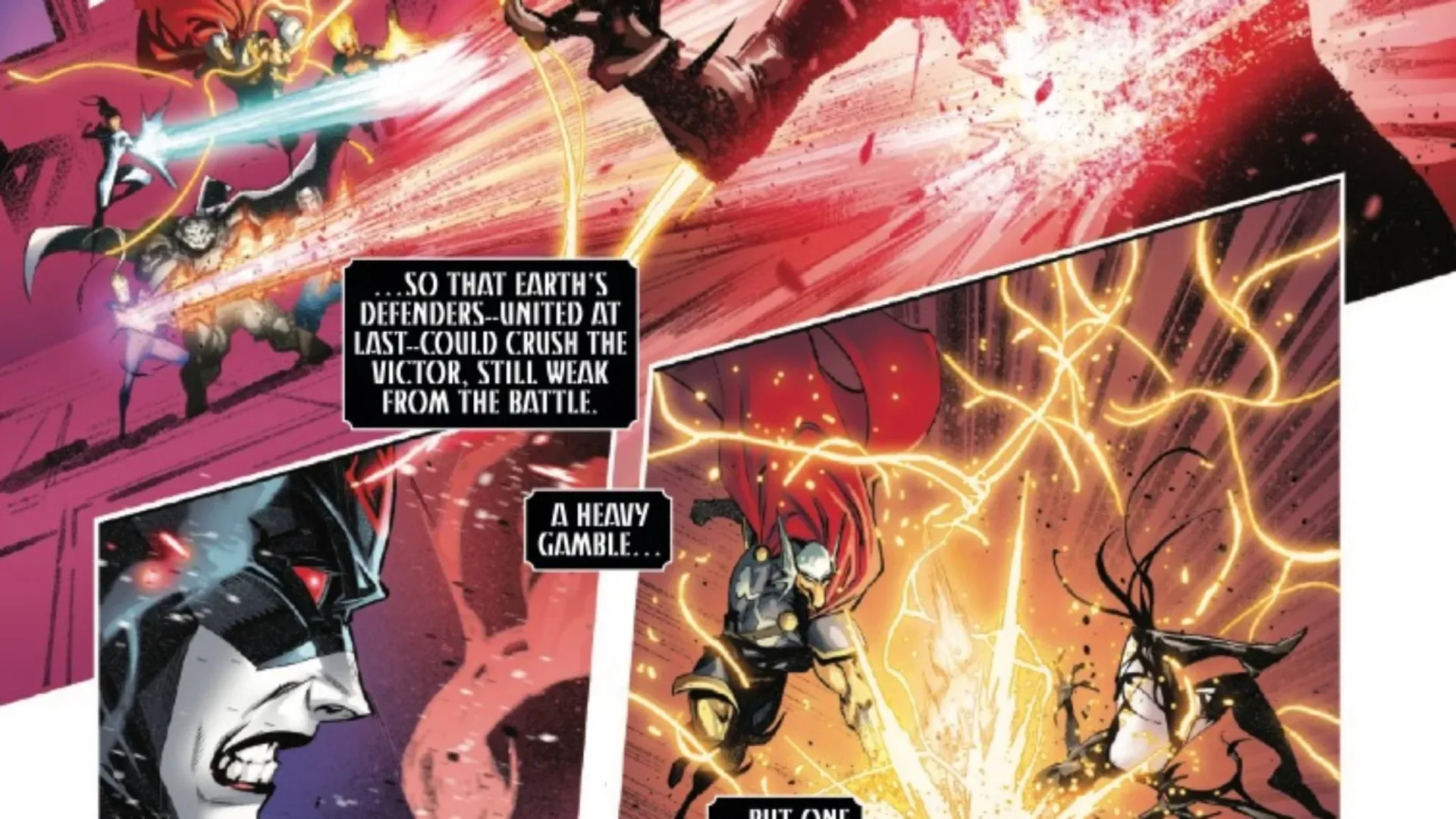
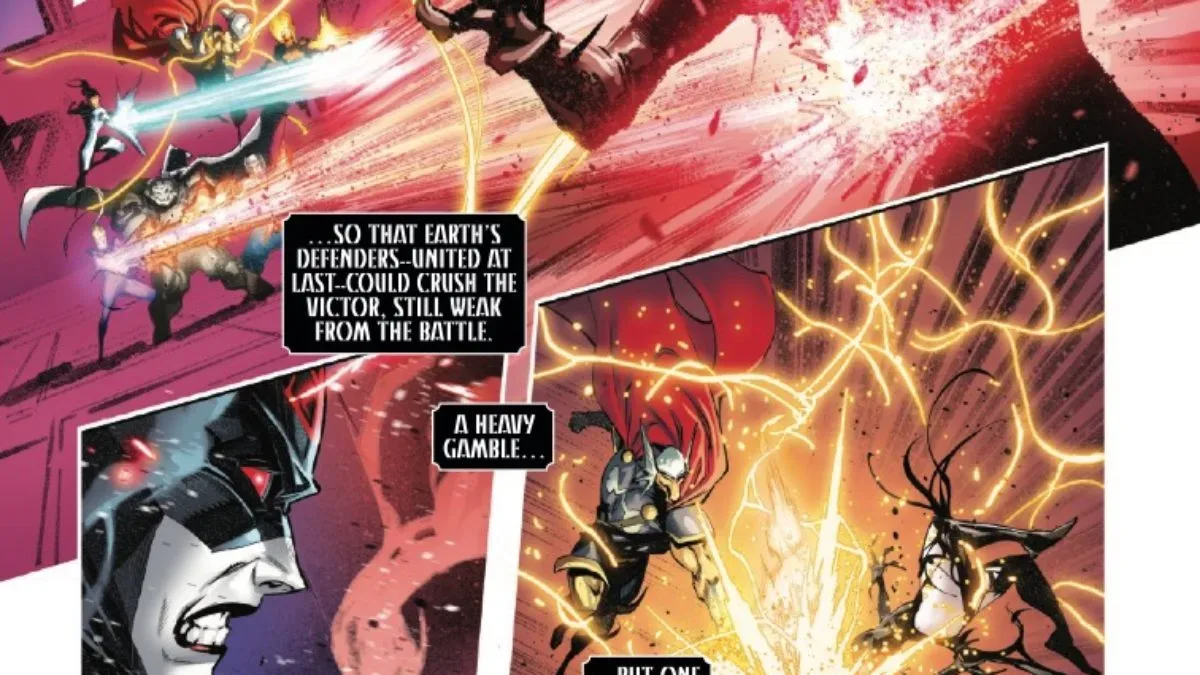
Preview material points to a close-quarters clash amid symbiote imagery, followed by Earth’s defenders attempting Tony Stark’s Plan B against the deity they choose to target. That detail suggests tactical uncertainty as well as raw danger. When the available options are Hela or Knull, backing the “less catastrophic” choice may still be a catastrophe. The story’s tension is not just whether the heroes can stop a villain, but whether they can correctly read a conflict in which both possible rulers may be disastrous.
What Venomworld means here
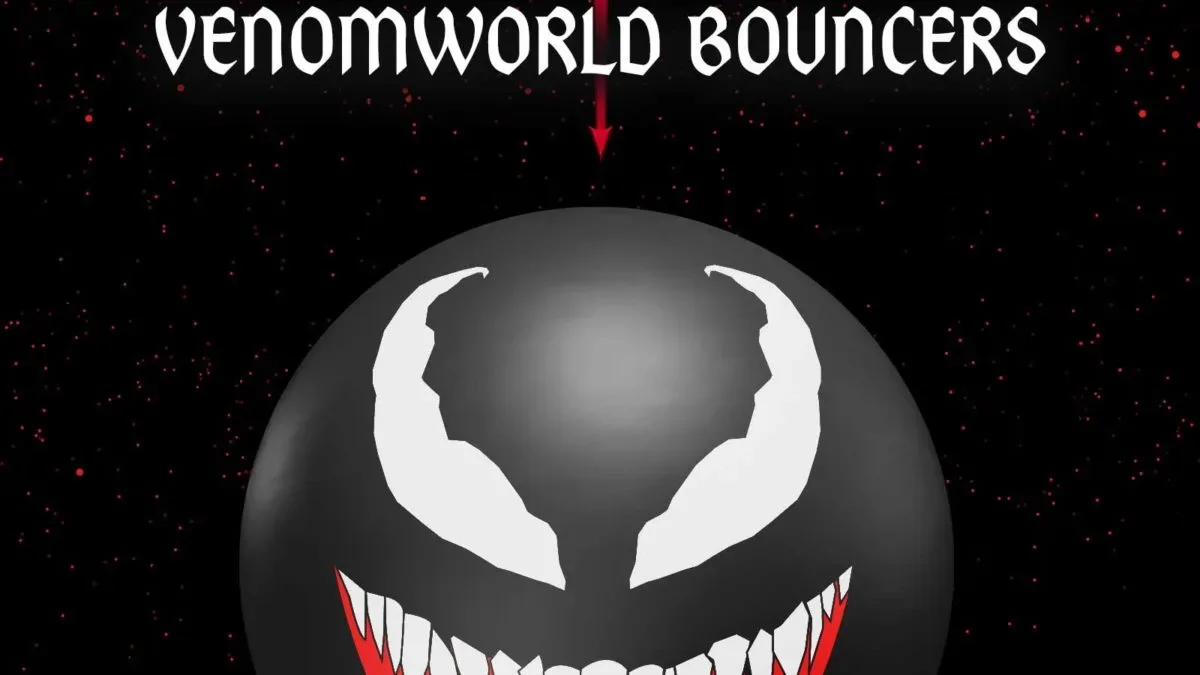
In this story, Venomworld is described as every person on Earth bonded together into one enormous grinning symbiote sphere. A symbiote, in Marvel terminology, is an alien organism capable of bonding with a host. The bond can alter a host’s appearance and abilities, and symbiote stories often explore the line between shared power and lost autonomy.
Venomworld takes that concept to its logical—and visually wild—extreme. Rather than centering on a single host, it turns the population of Earth into a planetary-scale defense. The word “world” is not metaphorical here: Earth itself becomes the opposing force.
That creates a useful contrast with the throne conflict. Hela and Knull represent the struggle for power concentrated in one figure. Venomworld represents power distributed through everyone. Whether that collective form can truly protect its individual participants is one of the premise’s most intriguing unanswered questions. The setup calls it the ultimate symbiote battle, but it also leaves room for the more human question: what does it mean for the people inside that giant defense mechanism?
The imagery also promises a distinctly comic-book answer to an apocalypse. Knull is confronted not just by resistance, but by a giant smiling sphere of teeth that can speak back. It is outrageous on purpose, and it turns the phrase “the whole world is against you” into literal tactical information.
Mary Jane Watson’s place in the last stand
Amid gods, thrones and a planet-sized symbiote, Mary Jane Watson is named as the character making the last stand. That is important framing. The issue does not present the climax solely as a contest of immense beings; it makes room for a character-level decision or act of resistance with potentially decisive consequences.
The available information does not spell out what Mary Jane must do, how she is connected to Venomworld, or what the last stand will cost. Those gaps are worth preserving rather than filling with guesswork. What can be said is that her role gives the finale a focal point smaller than the cosmic machinery around it. If the series resolves its conflict through a choice, it may be Mary Jane’s choice that readers are asked to watch most closely.
That balance between colossal spectacle and a specific person under pressure is often what makes an event-scale story land. The most memorable action narratives use size to intensify character stakes, rather than letting size replace them. For a gaming comparison in another medium, spectacle feels stronger when it remains personal; the same principle is clearly built into this comic’s premise.
Why the finale’s setup stands out
There are three distinct engines operating in Queen in Black #5:
- Cosmic conflict: Hela and Knull battle over the Throne of All.
- Planetary defense: Venomworld is Earth’s answer to an otherwise overwhelming threat.
- Personal stakes: Mary Jane Watson faces a final stand within the wider disaster.
Each part addresses a different scale of the story. The throne establishes the consequences, Venomworld supplies the bizarre and enormous countermeasure, and Mary Jane gives the issue an individual point of emotional and narrative pressure. It is a clean structure for a climactic installment: establish a threat too large for conventional intervention, introduce an answer equally huge, then anchor the result in a character who may still have something vital to lose.
There is also an appealing instability to the setup. The defenders’ Plan B indicates that Earth’s side is acting under pressure and without guaranteed clarity. Venomworld is an extraordinary response, but its emergence does not automatically answer the question of whether it can defeat the being on the other side of the window. The final issue is selling resolution, not certainty.
Release details and cover variants
Queen in Black #5 arrives in comic shops on Wednesday, September 30, 2026. The standard edition is 32 pages, rated T+, and priced at $4.99 US. The listed product code for the main issue is 75960621498300511.
Four $4.99 US variant editions are also listed:
- Ryan Stegman Homage Variant — 75960621498300516
- German Peralta Variant — 75960621498300517
- Stonehouse Variant — 75960621498300521
- Ben Oliver Variant — 75960621498300531
Canadian pricing for each listed variant is $6.25. For readers following the series as a story rather than seeking a specific cover, the key detail is straightforward: issue #5 is the chapter marketed as the culmination of the Hela-versus-Knull conflict. For cover collectors, the variants provide several different presentation options without changing the announced contents of the issue itself.
Whatever claim Hela or Knull makes to the Throne of All, the issue’s most memorable image may be the one that refuses to behave like a normal apocalypse: Earth, united as Venomworld, grinning back.