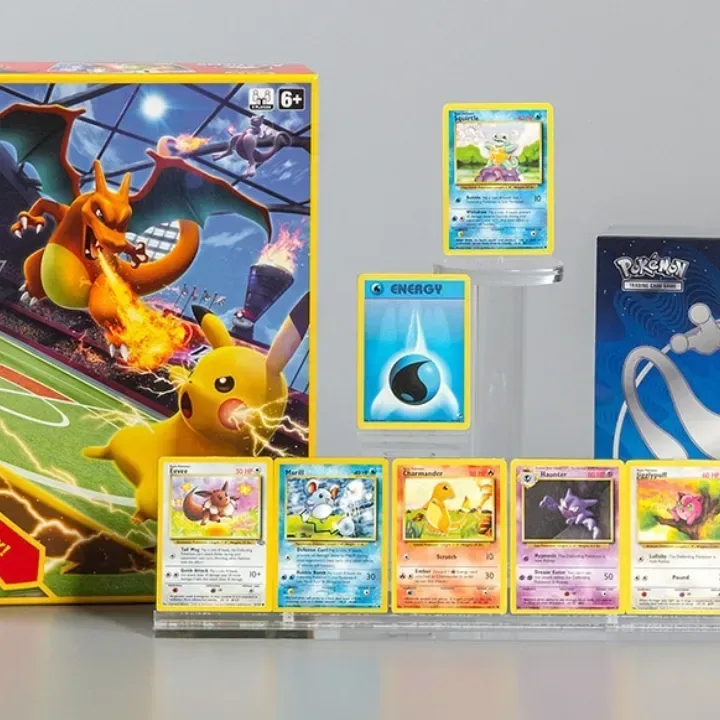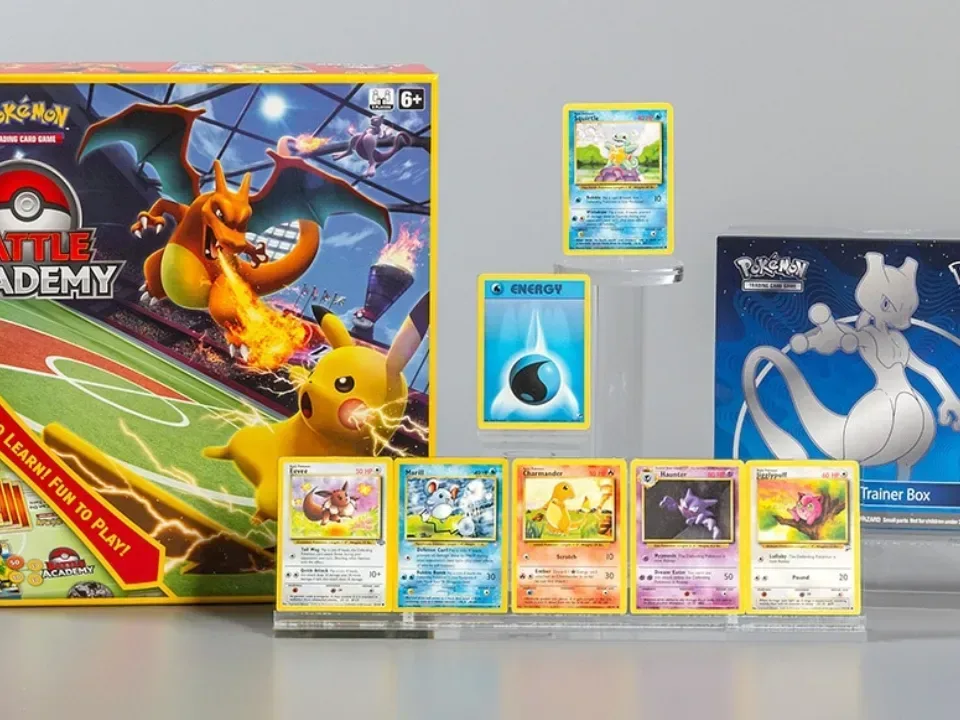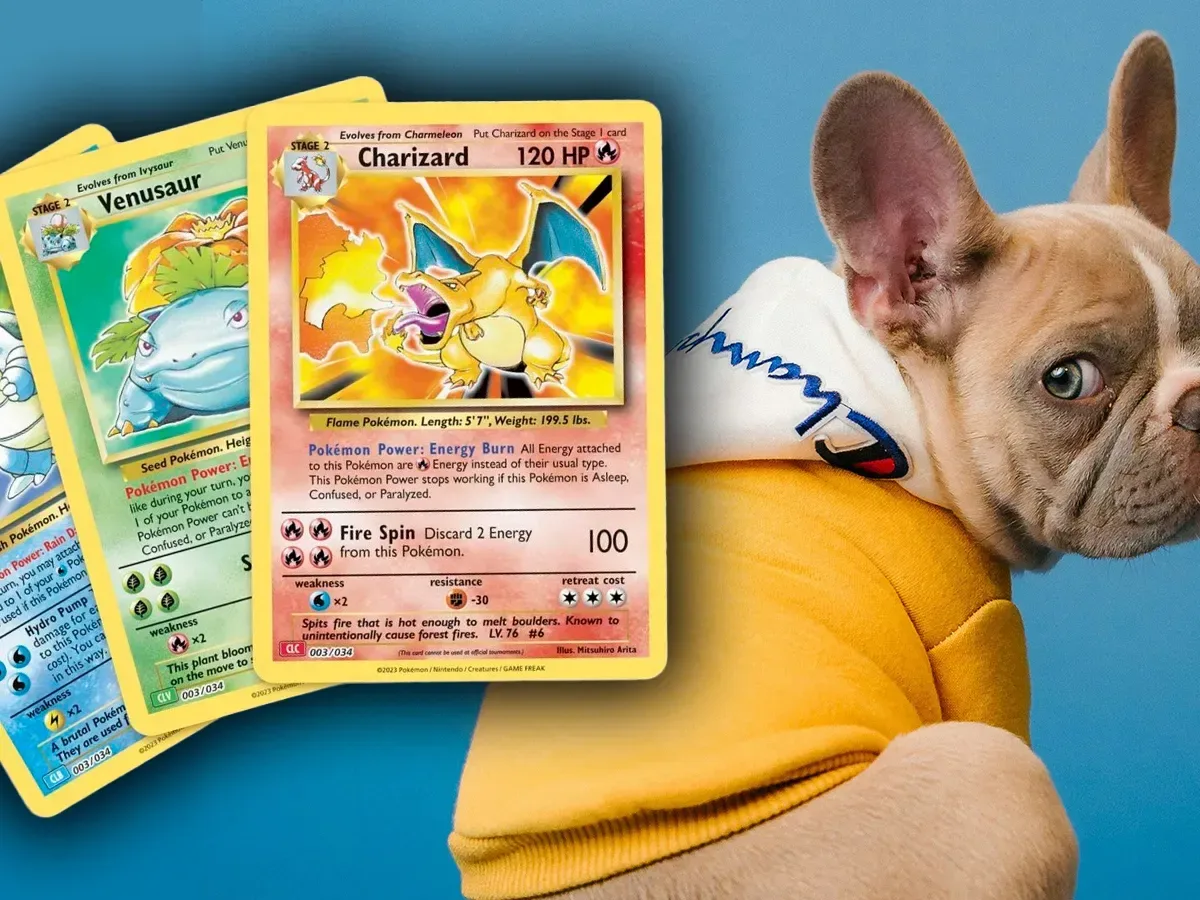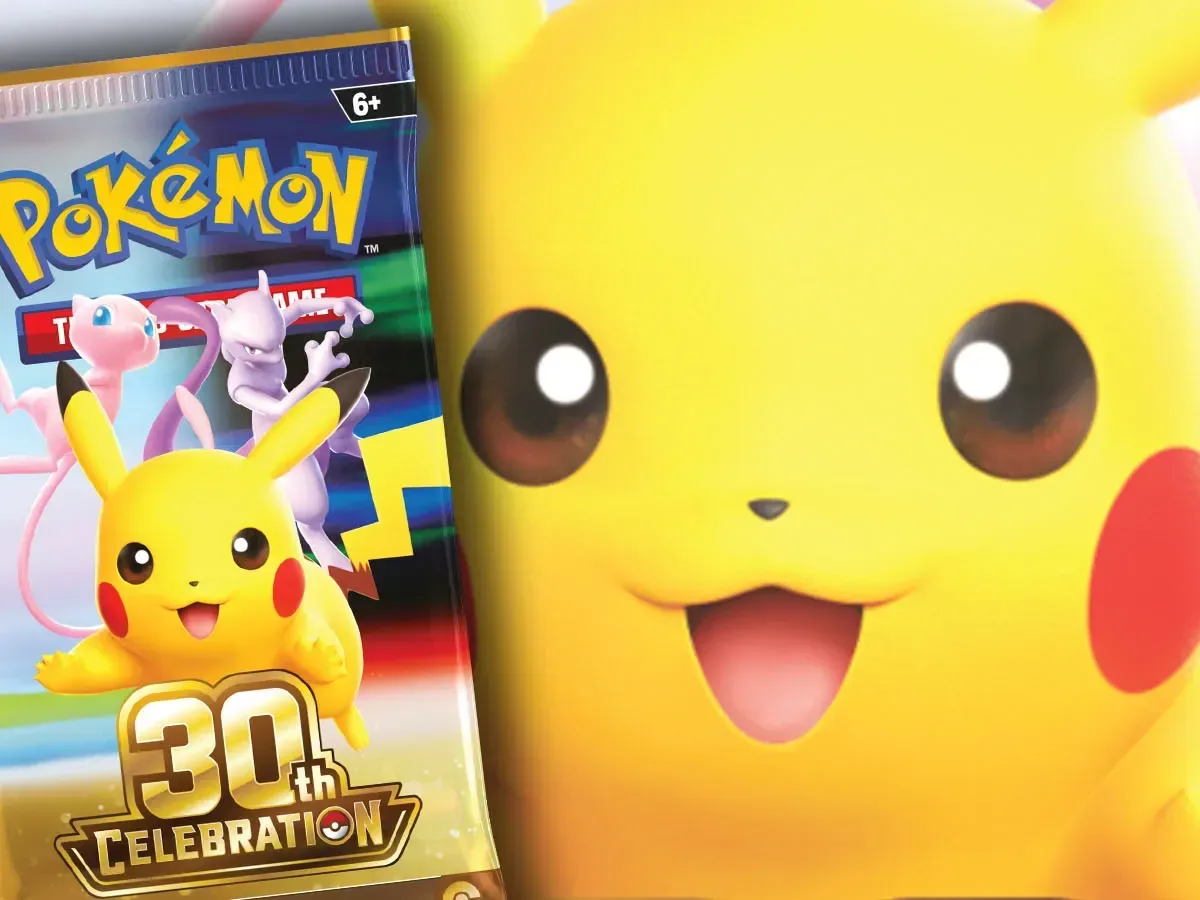
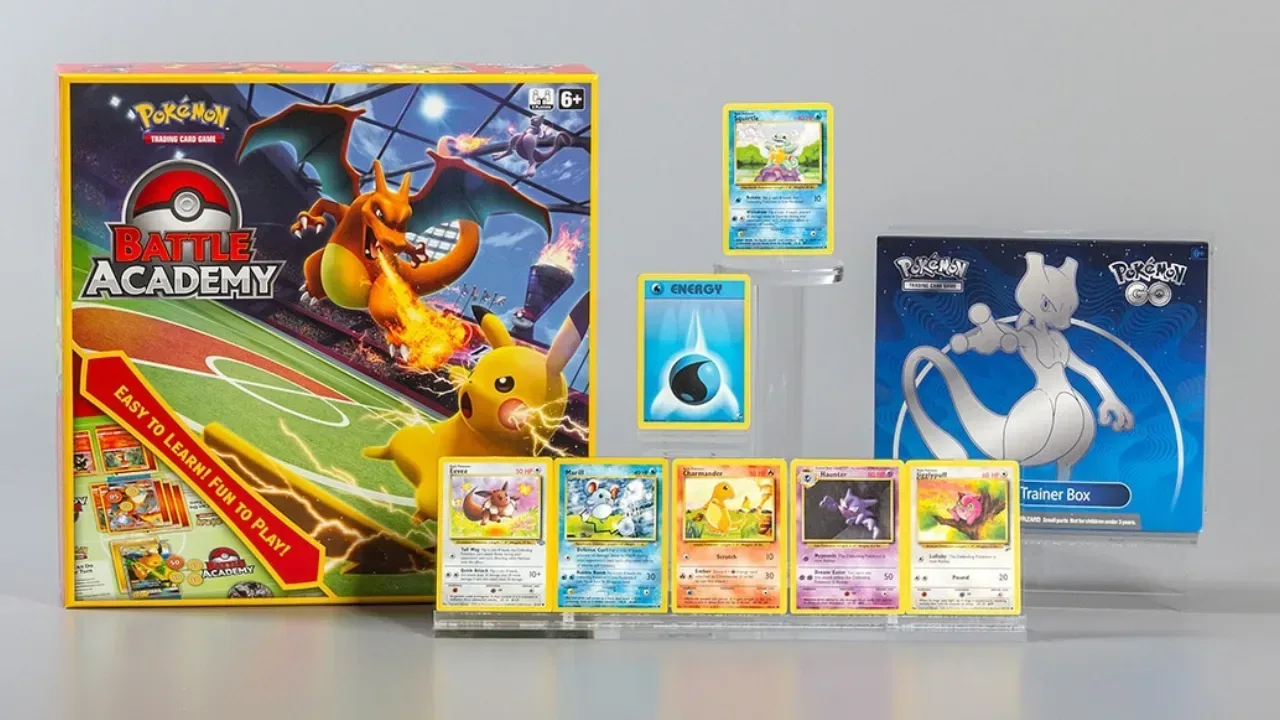
The Pokémon Trading Card Game has been inducted into the National Toy Hall of Fame, giving one of the world’s most recognizable tabletop games a formal place alongside toys and playthings with enduring cultural impact. The induction was announced on Thursday, November 5, during Pokémon’s 30th anniversary year.
Pokémon cards join Bingo, Care Bears and the classic slide among this year’s inductees. They were selected ahead of nominees including Bop It!, mahjong and Polly Pocket. It is a notable honor for a game that has never fit into just one box: Pokémon cards are a competitive rules game, a social hobby, a character-driven collectible and, increasingly, an object of financial speculation.
The Hall of Fame’s recognition is especially meaningful because its criteria extend beyond raw familiarity. Candidates are considered for icon status, longevity, discovery and innovation. In practical terms, that means a successful nominee needs to remain recognizable over time, invite play or exploration, and leave some mark on the way people engage with toys. Pokémon’s card game has clearly reached that threshold on scale alone, but its influence is broader than a print-run statistic.
Why Pokémon cards fit the Hall of Fame
The National Toy Hall of Fame was established in 1998 to recognize toys that have encouraged creative play and maintained popularity over a sustained period. It is housed at The Strong Museum of Play in Rochester, New York, which is also home to the World Video Game Hall of Fame.
Its definition of a toy is intentionally expansive. Previous inductees range from familiar commercial classics such as LEGO, Barbie and Slinky to a cardboard box and even sand. That breadth helps explain why a trading card game belongs here. A Pokémon card can be used in a match, traded with another player, sorted into a binder, admired for its illustration, or simply used as a prompt for conversation about a favorite creature. The same object supports different kinds of play and participation.
“Pokémon TCG’s widespread appeal and global presence are undeniable,” curator Mirek Stolee said. “The Pokémon TCG successfully adapted card game formulas established by its predecessors, making it more accessible and infusing it with the lovable Pokémon creatures.”
That observation gets at a major part of the game’s staying power. A trading card game, often shortened to TCG, is a game built around cards that players collect and use to construct decks. The cards are not merely game pieces distributed from a single fixed box; new products add different cards over time, and participants can trade or acquire cards to alter their decks and collections.
Pokémon did not invent that model. Magic: The Gathering entered the Toy Hall of Fame in 2019, while Dungeons & Dragons was inducted nearly a decade earlier. Pokémon’s achievement was to make a card-game structure approachable through a world that already revolved around instantly identifiable creatures. That connection gave players an intuitive reason to care about individual cards before they had learned a rule or played a match.
Related coverage includes Pokémon Trading Card Game Joins National Toy Hall of Fame in Franchise's 30th Year.
A game, a collection and a bridge back to video games
The Hall of Fame’s description of the Pokémon TCG emphasizes its role as an entry point to the trading-card hobby for millions of people. That framing is useful because Pokémon participation does not demand a single path. Some people learn deckbuilding and play competitively. Others trade duplicates, chase a favorite Pokémon, or maintain binders organized by set, character or artwork. Many do all of the above at different points.
The game also reflects Pokémon’s unusual movement between formats. The franchise began in video games, while the card game later received its own Game Boy video game and now has an app available across multiple platforms. That loop matters: the cards are not a detached spinoff but one part of a larger Pokémon ecosystem where characters, rules and collecting habits can travel between physical and digital spaces.
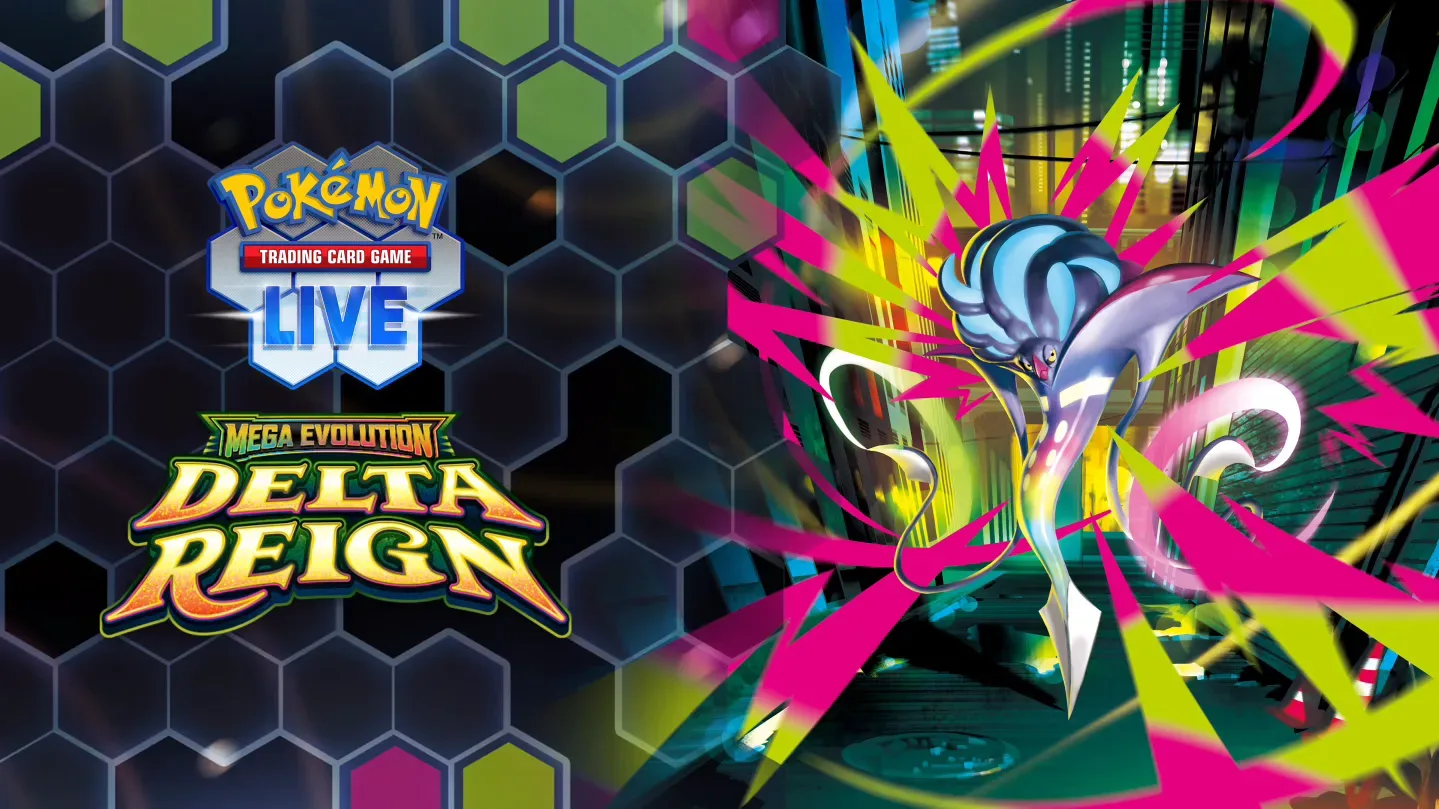
For readers following the game’s current digital side, Mega Evolution—Delta Reign’s arrival in Pokémon TCG Live is one example of how the modern card game continues to connect product releases and play experiences beyond a kitchen-table match.
The scale behind the induction is immense. As of March 2026, more than 85 billion Pokémon cards had been printed and distributed globally. The TCG was being printed in 13 languages, and rough estimates placed its total market capitalization above $15 billion. Those figures illustrate international reach, but they do not fully describe why the game endures. A Hall of Fame case rests on repeated engagement across generations, not on the existence of a large secondary market.
The difficult side of mainstream success
There is an unavoidable tension in celebrating Pokémon cards as accessible while acknowledging the recent pressures around buying them. The same popularity that makes the game an obvious Hall of Fame candidate has encouraged scalping and major financial speculation. In this context, scalping means acquiring limited or high-demand retail products primarily to resell them at a higher price, rather than buying them to play or collect personally.
That practice can make it harder for ordinary players, families and collectors to find products at ordinary retail prices. It can also shift attention from the game’s rules, artwork and character appeal toward the possibility that a sealed pack contains a rare card worth reselling. Online pack-opening content—often called “ripping” packs—has become part of that culture, with audiences watching in hopes that a rare card appears.
Rare cards have always had an obvious allure in a collectible game. The issue is not that people value a difficult-to-find card, or that collectors want to protect items they care about. Rather, intense speculation can change the practical experience of entering the hobby. A new player who cannot find affordable packs or a casual collector who sees every product treated as an investment may encounter a very different Pokémon TCG from the one praised for accessibility.
That does not erase the card game’s social and creative value. It does, however, make the Hall of Fame recognition more interesting than a straightforward victory lap. Pokémon cards have become important enough to be recognized as a landmark toy, yet their current market environment can run against the welcoming qualities that helped establish their appeal.
What increased supply can and cannot address
The Pokémon Company has repeatedly said it intends to increase stock in response to demand. Recent 30th anniversary products appear to show that increased production having an effect, with some scalpers complaining that the products are no longer profitable enough to flip.
For regular buyers, that is a meaningful distinction. More available stock can reduce the advantage held by people who depend on quick sellouts and inflated resale prices. It does not guarantee that every individual card becomes easy to obtain, nor does it eliminate collector demand. But it can help preserve the basic premise that a trading card game should be possible to buy, open, trade and play without every purchase becoming a high-stakes market calculation.
It is also worth separating two meanings of “value.” A card’s resale value is what somebody may pay for it on the secondary market. Its play value is what it contributes to games, friendships, deck experimentation or a collection that is personally meaningful. The two can overlap, but they are not the same thing. The Toy Hall of Fame induction centers the latter kind of value: the capacity to inspire lasting play and discovery.
A museum recognition for a still-changing hobby
Anyone can nominate a toy for Hall of Fame consideration, after which a panel of curators, historians and educators evaluates the candidates. Pokémon’s selection places it in a lineage that includes both traditional toys and forms of play that initially looked unconventional. That is fitting for a hobby which has repeatedly crossed boundaries between card table, collector binder, video-game screen and global pop culture.
The induction arrives at a moment when Pokémon cards are being pulled in multiple directions. They remain a way to learn a game and share a favorite franchise. They are also printed at extraordinary scale, collected across 13 languages and followed by viewers who treat pack openings as entertainment. Meanwhile, the secondary market can make a hobby designed around discovery feel intimidatingly transactional.
Hall of Fame status will not resolve those contradictions. What it does provide is a clear acknowledgment of Pokémon TCG’s long-term place in play culture. For a card game that has brought millions of people into the hobby—and has kept finding ways to meet players on physical and digital platforms—that is recognition well earned.