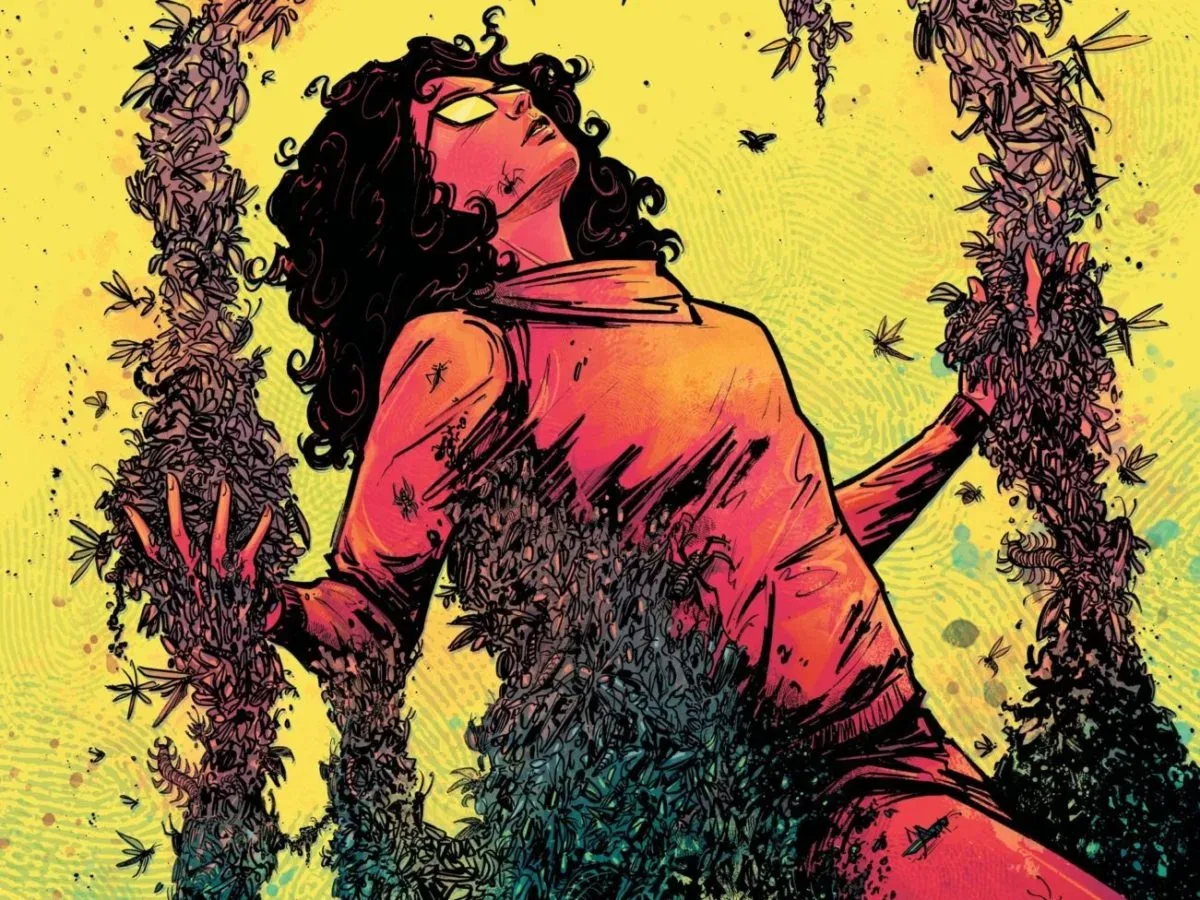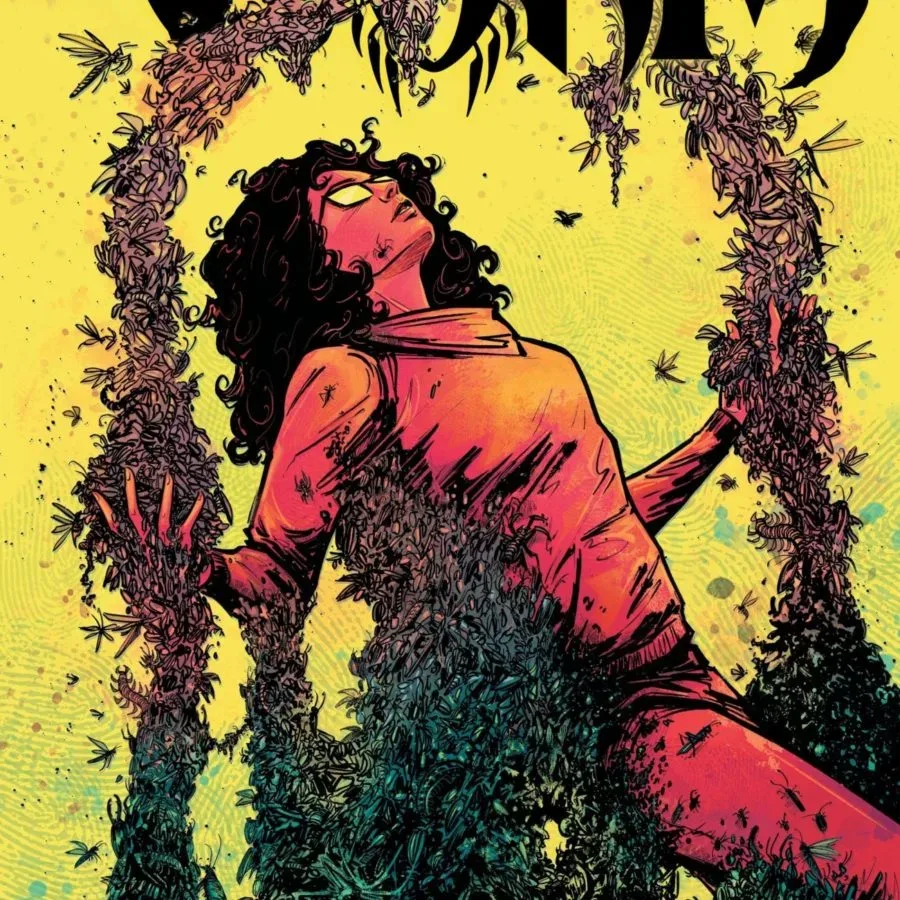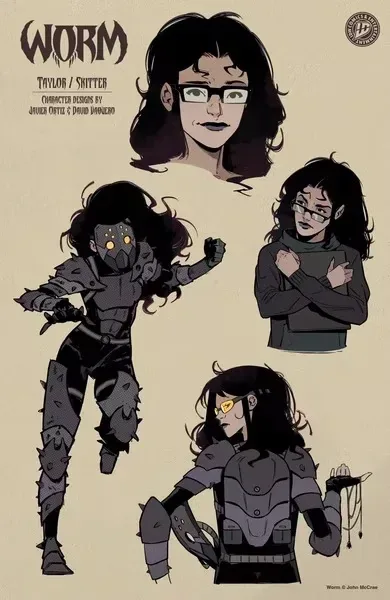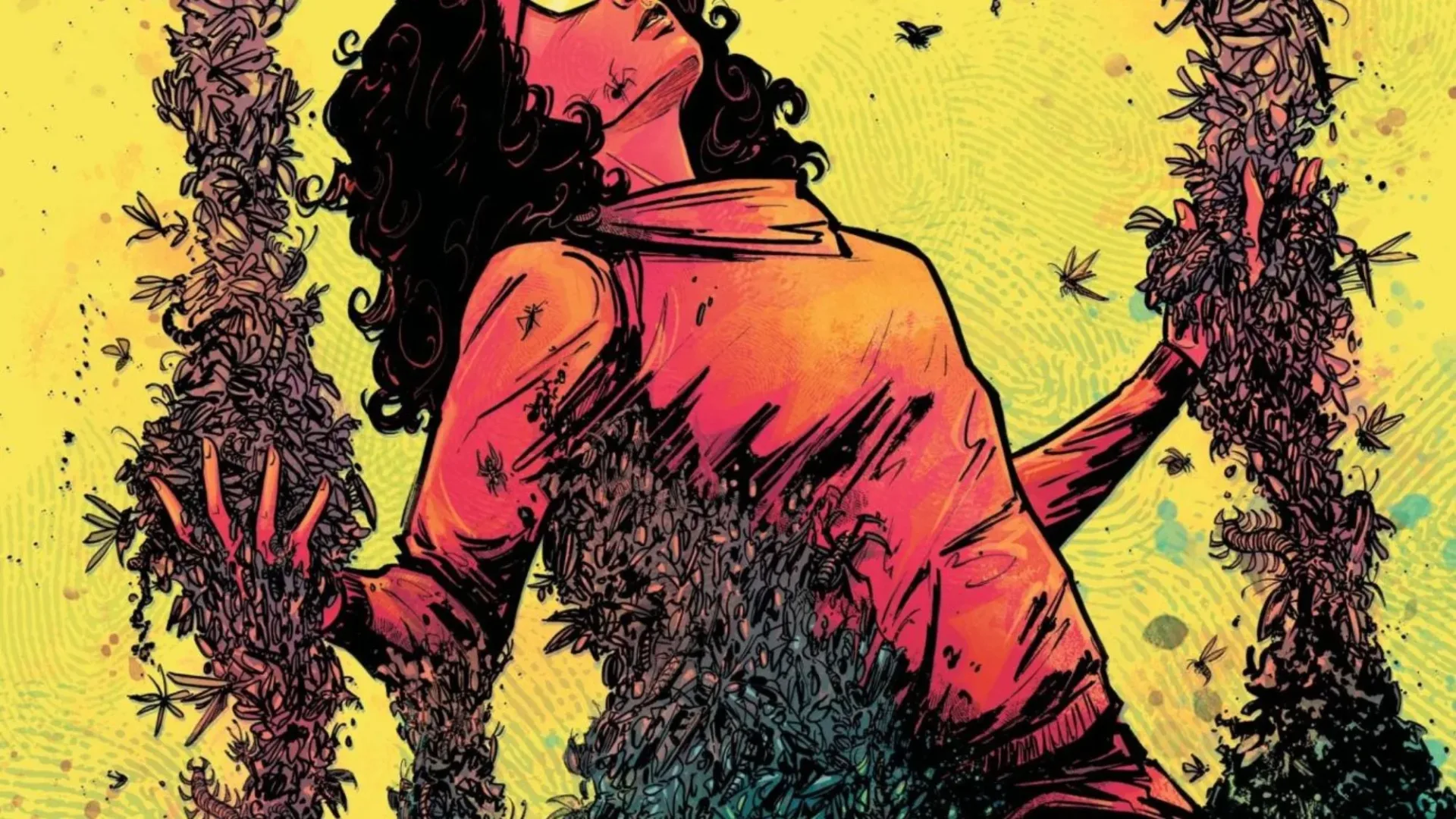
Worm, John C. McCrae’s long-running superhero web serial written under the name Wildbow, is set to receive its first physical release in the form of an IDW comic-book adaptation. The rollout begins with a Free Comic Book Day/Comics Giveaway Day prequel issue on May 1, 2027, before Worm #1 follows in July.
McCrae will consult on the adaptation, while the new comic is written by Meghan Fitzmartin. Javier Ortiz is the artist, David Vaquero handles colours, and Andriy Lukin is the letterer. The Free Comic Book Day issue will additionally contain a new prose piece by McCrae, making it more than a simple sample of the series.
For a work that began online and was published as a serial from 2011 to 2013, the move to a printed comic is a notably fitting circle to complete. Worm was conceived as an effort to bring comic-book-style heroes and villains into prose; now it is heading to the medium that helped inspire its basic premise. The project is also an adaptation rather than a straight reprint, which matters for both returning readers and people encountering Taylor’s story for the first time.
A massive web serial moves to comics
Worm runs to approximately 1.68 million words, an enormous scale for a single serial narrative. It accumulated 80 million views in total and surpassed one million monthly views at its peak. Despite that audience and its long-standing reputation within web-fiction circles, it has not previously had a physical edition of any kind.
That history makes the IDW series less like the launch of a new superhero property and more like a new entry point for a story that already has a substantial readership. A comic adaptation has to make choices that prose can avoid: which scenes need to be pictured, how internal perspective becomes visible action, and where episodes should end to create satisfying individual issues.
Those are especially consequential decisions for a serial of this size. A 1.68-million-word work cannot simply be transferred panel for panel. Comic storytelling works through selection, pace and visual emphasis. An adaptation’s job is not just to preserve plot events, but to find comic-book equivalents for the atmosphere, uncertainty and character pressures that readers associate with the original.
The involvement of McCrae as a consultant suggests the creative team will have direct access to the original creator while shaping the work for a different medium. McCrae has said IDW’s familiarity with Worm, along with shared discussions around updating and revising it, gave him confidence in the project. That wording is important: the comic is positioned as a fresh version of the material, not merely an illustrated archive of the web serial.
The story at the center: Taylor and a murky cape world
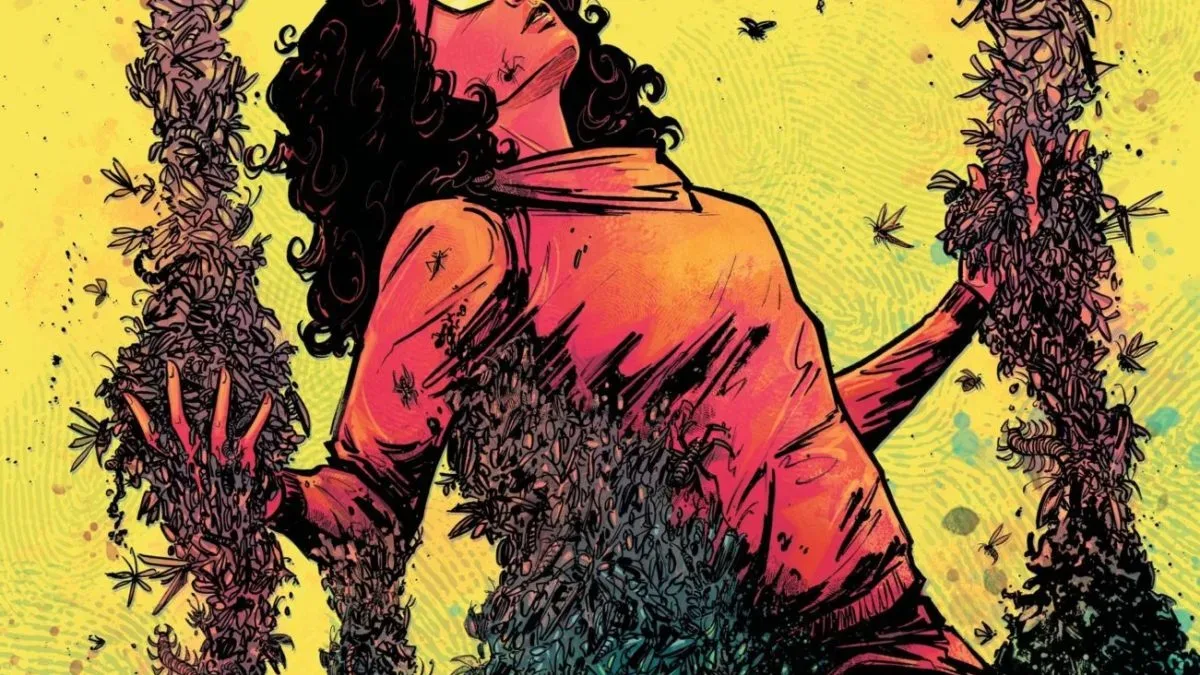
Worm follows Taylor, a teenager subjected to a violent bullying ordeal who develops the ability to control insects. Her power gives her a way to push back against a life in which she has previously had little control, but it does not offer an uncomplicated path to heroism.
She enters a setting populated by superpowered gang members, cults and serial killers, where the local rules surrounding costumed people—called “capes”—are as dangerous as many of the threats themselves. The central tension is not simply whether Taylor can defeat an opponent. It is whether she can pursue protection, justice or revenge without losing sight of the difference between them.
Cape, in this context, is a broad genre term for a costumed superpowered figure, rather than a guarantee that someone is heroic. That distinction is central to Worm’s premise. The conventional divide between hero and villain is unstable, and the series asks what that divide means when people are forced into impossible choices.
The material also ties powers to extreme trauma. That is a grim foundation for a superhero story, and it establishes the stakes before Taylor has made any costumed decisions. Her insect control may sound modest alongside traditional superhero powers, but its dramatic value lies in how she applies it and how other people respond to it. A useful ability can become frightening in the wrong situation; an apparently righteous goal can create collateral damage or compromise.
Fitzmartin described the appeal of the project in terms of complicated women, powers, feminine rage and people trying to do the right thing with uneven results. That is a concise description of why the series has room to work in comics. Superhero visuals can depict kinetic conflict, costumes and power effects, but the strongest material here appears to be the collision between action and consequence.
Why the Free Comic Book Day prequel matters
The May 1, 2027 issue is described as a special prequel, not simply a promotional excerpt from the July debut. That makes it a meaningful part of the launch for readers who want the fullest possible introduction to the comic continuity.
A prequel can establish tone and setting without requiring a new reader to absorb the full burden of an enormous ongoing narrative at once. For a property with an existing, lengthy web-text version, that function is practical. It gives curious comic readers a point of access while creating something additional for established readers through McCrae’s new written contribution.
There are still key details that have not been outlined. No issue count, collected-edition plan, cover information, full synopsis for the prequel, or precise July date for Worm #1 has been specified. Readers should therefore treat the Free Comic Book Day issue and the July first issue as the currently confirmed milestones, rather than assuming a particular release schedule or format beyond them.
The launch is also notable because it is identified as the first confirmed title for the May 1, 2027 Free Comic Book Day/Comics Giveaway Day event. These events are generally designed to put selected comics into the hands of readers through participating comic shops, but details on how this particular issue will be distributed have not been provided here. The safest expectation is simply that the prequel is intended as the first public doorway into IDW’s version of Worm.
The creative team’s respective roles
Fitzmartin’s credit as writer means she will be responsible for turning the source material into comic scripts: deciding scene structure, dialogue flow, page turns and what information needs to be shown or said. With a protagonist whose decisions and moral framing are essential to the premise, scripting will be a major part of establishing how the comic handles Taylor’s perspective.
Ortiz’s pencils and Vaquero’s colours will carry much of the adaptation’s visible identity. In comics, line art determines the shapes, expressions, environments and motion that readers follow from panel to panel. Colour can then establish time, place, focus and emotional temperature, as well as help define powers and separate crowded action. Fitzmartin has praised the force of Ortiz and Vaquero’s pages, describing the visual approach as suited to the story’s brutal and turbulent qualities.
Lukin’s lettering is another foundational part of the package. Lettering is the arrangement of dialogue balloons, captions, sound effects and other written elements on the page. It has a direct impact on whether readers understand the intended order of action and conversation. For a story built around dense social rules and difficult moral decisions, readable visual flow is not an afterthought; it is part of how the narrative remains accessible.
Associate editor Cassandra Jones brought the property to IDW after already knowing the serial, while executive editor Heather Antos has emphasized the team’s connection to the work and the aim of introducing Taylor’s complicated journey to new readers. The announcement’s repeated focus on familiarity with the original is reassuring in a basic sense, though it does not remove the hard creative work ahead. Faithful adaptation is not an exact-copy exercise, particularly when the original is this long and the new version is built for a visual, periodical form.
What readers can reasonably expect—and what remains unknown
Existing Worm readers can reasonably expect the comic to focus on Taylor, her insect-control ability, the hostile cape landscape and the unstable boundary between heroic and villainous action. The creative team has named Armsmaster and the Undersiders among the characters and groups receiving attention in the comic, confirming that familiar parts of the story’s world are part of the adaptation’s frame.
New readers can expect a dark superhero story in which power does not erase vulnerability or solve a character’s personal history. The announced premise does not promise a clean triumph narrative. Instead, it points toward escalating pressure, competing loyalties and choices that can be defensible from one angle and alarming from another.
What cannot yet be known is the adaptation’s exact scope. There is no confirmed indication of how much of the web serial the first run will cover, how closely later arcs will track the original order, or which revisions McCrae and IDW have in mind. Nor has there been a stated digital-release plan. Those details will shape the comic’s identity over time, but they should not be inferred before the publisher provides them.
For now, the clearest news is also the most consequential: a famously immense work of web fiction is moving into its first physical format, with its creator involved and a comic-specific creative team in place. The May prequel and July first issue will reveal how that “full circle” idea works on the page. Readers looking for another newly launched fantasy-comics entry point can also see Dungeons & Dragons #1’s apocalyptic setup.