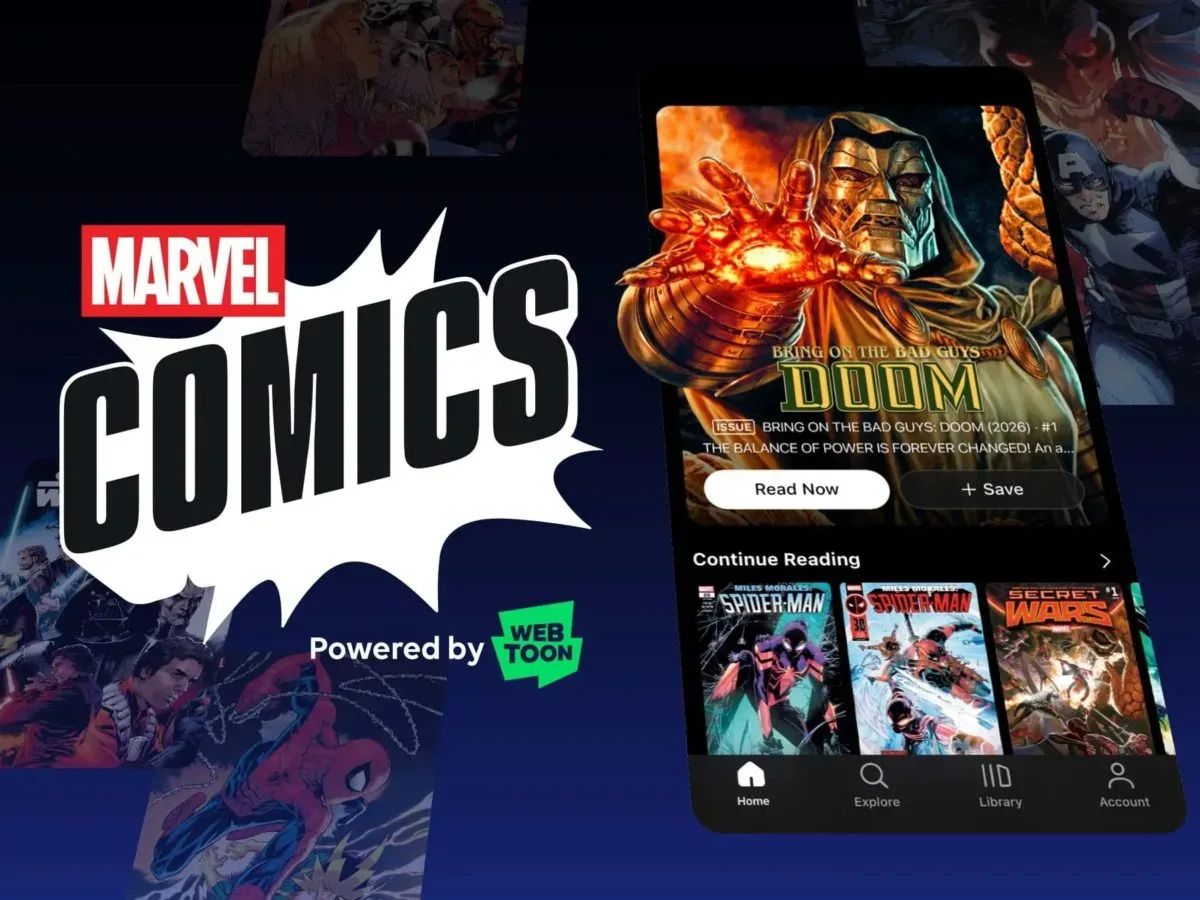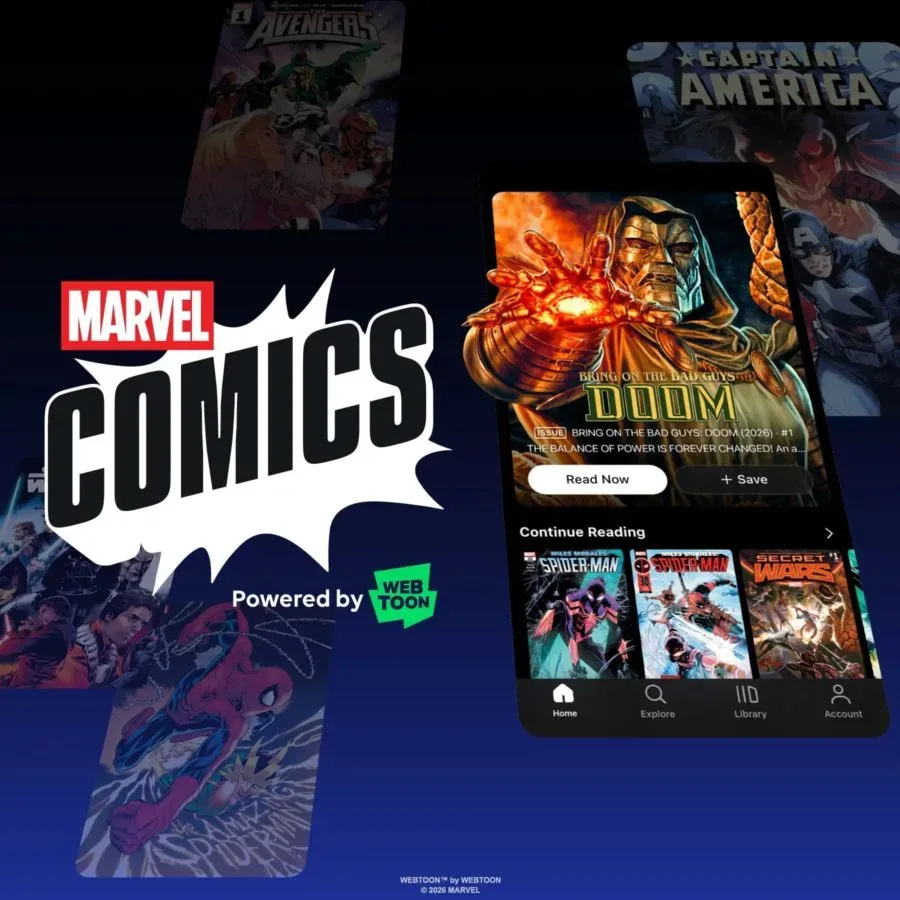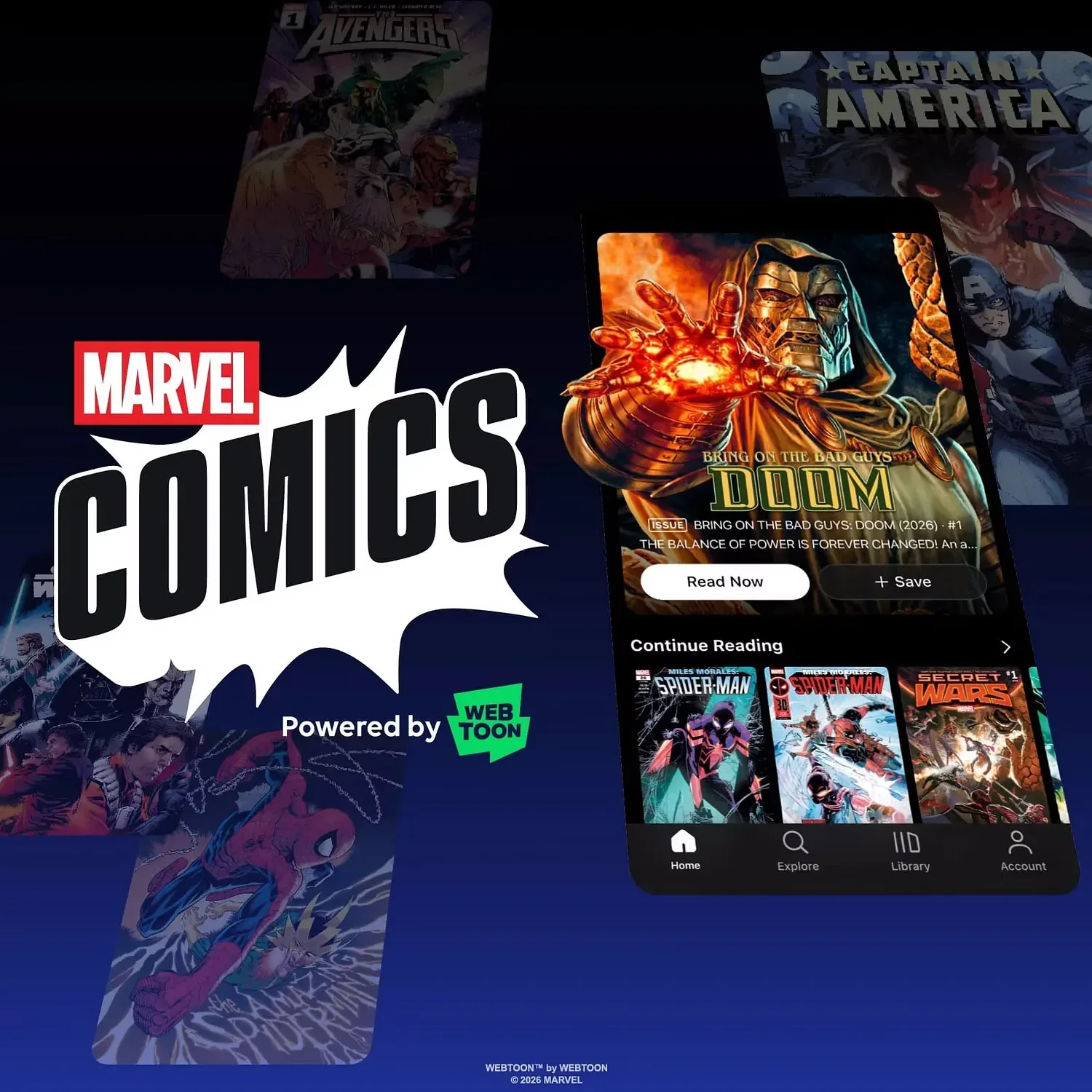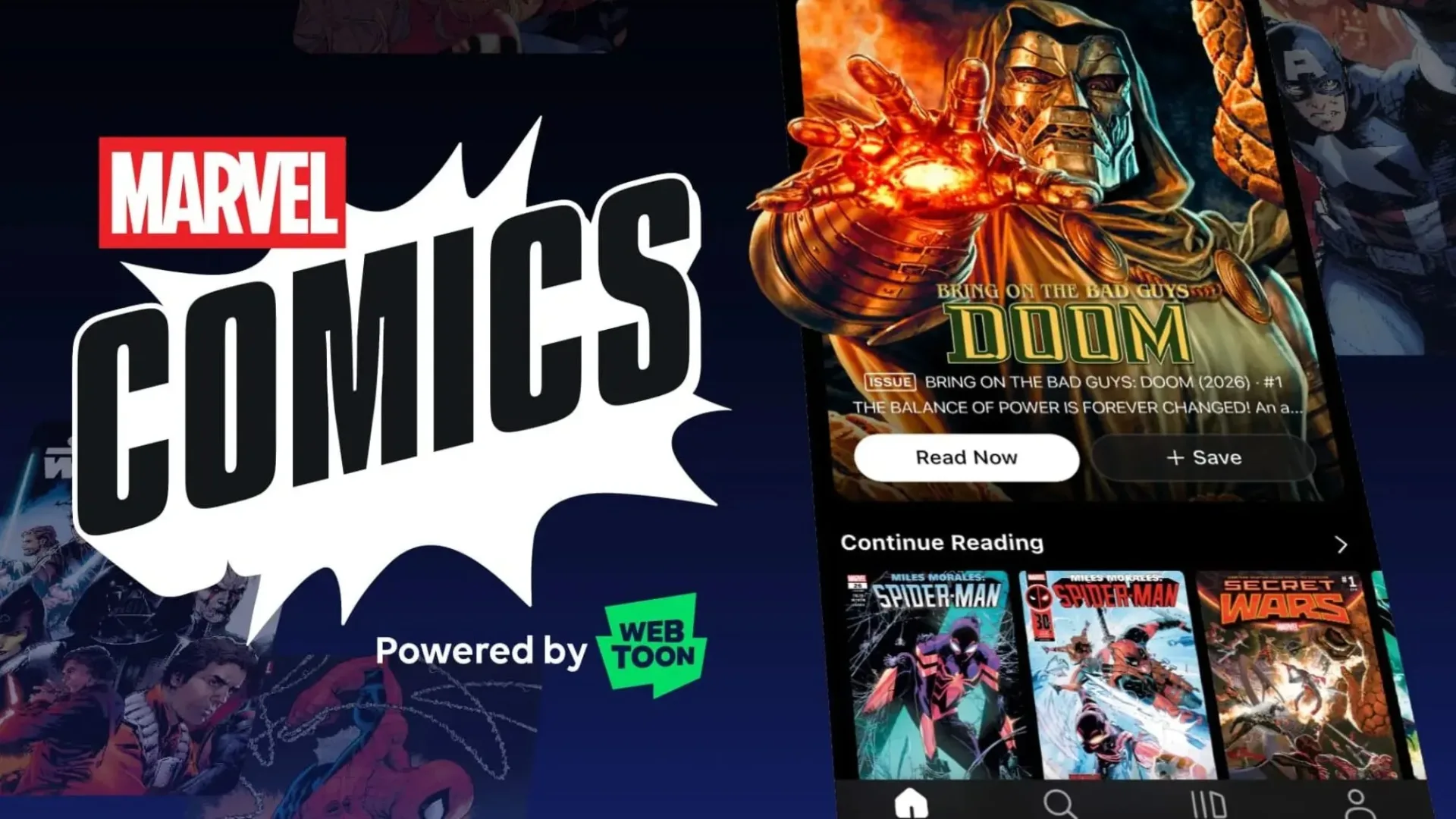
Marvel readers preparing for the move away from Marvel Unlimited have a key detail to consider before paying for Webtoon’s new comics service: the available Founders Offer is not an active subscription at checkout. It is a purchase of a pre-order code for the first year of an Ultimate Annual plan, with the full introductory price charged when the order is placed.
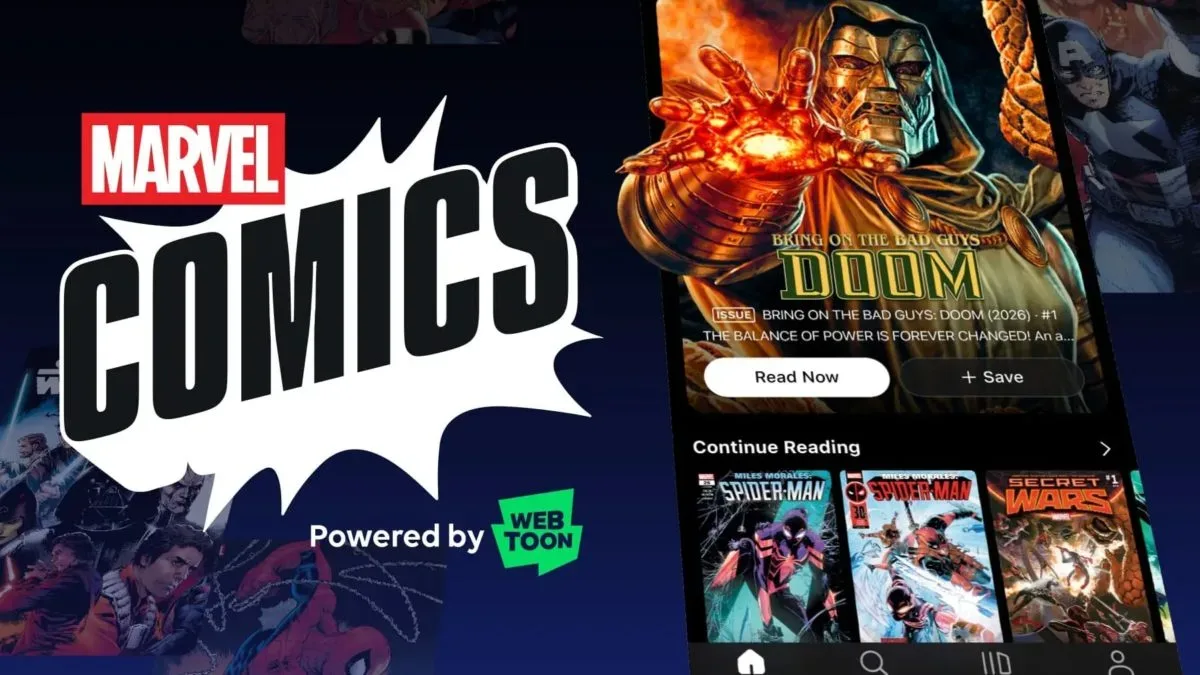
That distinction affects when access begins, when the annual clock starts, which terms a customer ultimately accepts, and what happens if the service does not become available for code redemption. The planned destination is the Marvel Comics Powered by Webtoon app, which Marvel has indicated is scheduled for November 16. Yet the purchase terms do not promise that the service will launch on that date, or on any particular date.
For comics fans, this is less a conventional “subscribe now and read now” transaction than a paid reservation for a future subscription. That does not automatically make it a bad deal, particularly for readers who are comfortable with a pre-launch offer and want the advertised introductory first-year rate. But it does mean shoppers should treat the checkout as a pre-order and understand its safeguards and limitations before entering payment details.
What buyers are purchasing now
The Founders Offer provides a Pre-Order Code, rather than immediate access to a functioning Marvel comics catalogue. Once the relevant service has launched, the purchaser must redeem that code. Only then does access begin.
The one-year term is measured from redemption, not purchase. In practical terms, someone who buys a code before launch is not using up part of their annual subscription while waiting for the app. The year begins when they activate the code after redemption becomes possible.
That is a meaningful customer protection on one side of the transaction: a buyer is not paying for a month of service that cannot yet be used. On the other side, the buyer has paid upfront for a product whose usable start date remains in the future. The difference is important for anyone comparing it with an ordinary annual digital-comics membership, where payment and access generally begin together.
The agreement is with Webtoon Entertainment, Inc., identified as being in El Segundo, rather than Disney. Readers should therefore direct purchase, code, cancellation, and refund questions through the Webtoon support route set out for the offer.
A scheduled date is not the same as a contractual promise
Marvel has pointed readers toward a November 16 launch for the new app. The Founders Offer terms, however, reserve considerably more flexibility for Webtoon: they do not represent that the service will launch on a specified date, or that it will launch at all.
This is the central practical tension in the offer. Promotional timing tells readers when the platform is expected; the contract describes what happens if that expectation changes. For customers, it is sensible to separate those two ideas. A planned launch date is useful for planning a transition. It is not, under these terms, a guarantee that creates access on that day.
If the service does not launch, or if the offer is withdrawn in a way that prevents redemption, the terms say the introductory price will be refunded. The material available does not establish a specific timetable for that refund. Buyers who need a fixed date for service or reimbursement should keep that uncertainty in mind.
This is also why a pre-order code should be stored carefully. A code is effectively the bridge between the payment already made and the subscription that will later start. The available information raises a clear caution: a code used by someone else could leave the original buyer without the benefit they paid for. Treat it as account-sensitive information, not as a casual promotional voucher.
What existing Marvel Unlimited readers need to do
Marvel Unlimited is ending and new Unlimited sign-ups have stopped. Existing members who wish to use the Webtoon-powered service will need to start a new subscription rather than expect their present membership to roll over automatically.
There is, however, a stated migration path for reader data. After creating a Webtoon account, readers can import their libraries, reading progress, redeemed comics, and saved issues. Marvel has asked customers to complete that process before December 7.
“Import” is the important word here. It indicates a process readers must initiate after setting up the appropriate Webtoon account; it is not described as an automatic continuation of the existing subscription. Readers with long reading queues, saved back issues, or a carefully maintained progress history should give themselves time to create the account and complete the transfer before that deadline.
For people following Marvel’s newer publishing initiatives, retaining reading history may be particularly useful when navigating a broader stream of interconnected material. The transition also arrives as Marvel’s comics line continues to spin up distinct corners and event threads, including the horror-leaning setup covered in Marvel’s Midnight Universe. A library migration will not answer every question about the new platform, but it can reduce the risk of losing one’s place in ongoing reading.
Redemption means accepting the terms in force later
The offer includes another point that deserves more attention than it may receive at a checkout screen. Redeeming the pre-order code requires acceptance of Webtoon’s terms that are in effect at the time of redemption. Those may not be identical to the terms linked when the customer originally purchases the code.
Put simply, buying now does not freeze every future rule governing the eventual service. The initial purchase terms govern the code transaction, while actual use of the platform will require the customer to agree to the then-current Webtoon terms.
This is a familiar structure for evolving online services, where policies can be updated between a pre-launch sale and the point a user opens an account or activates access. It still matters here because the interval between purchase and redemption is built into the offer. Anyone who considers a particular provision essential should review the terms again immediately before redeeming rather than assume the earlier version remains controlling.
That advice is not a prediction that the conditions will change. It is simply the consequence of the stated setup: terms accepted at redemption are the terms in effect then.
Cancellation, expiration, and refund routes
The available terms offer two distinct routes by which an unredeemed purchase may result in money returning to the buyer:
- Cancellation before redemption: A buyer can cancel and request a refund of the introductory price before using the code, through Webtoon customer support.
- Expiration without redemption: If an unredeemed code reaches its redemption deadline, it is to be automatically refunded to the original payment method.
- No launch or no redeemable offer: If the service never launches, or the offer is pulled so redemption cannot occur, the terms state that the introductory price will be refunded.
These provisions make the offer different from a simple irreversible charge. Still, each route has conditions. The voluntary cancellation option is available before redemption. Automatic expiration refunds depend on the code remaining unused until the deadline. The no-launch scenario promises a refund but does not provide a timing commitment in the supplied terms.
Buyers should retain their purchase confirmation, keep track of the code, and make a note of the redemption deadline once it is provided. They should also confirm that the payment method used at checkout remains capable of receiving an automatic refund if they plan to leave a code unredeemed.
Disputes: arbitration comes before a lawsuit
The dispute provisions matter even if most subscribers will never need them. The terms require mandatory arbitration before a lawsuit can proceed, with Los Angeles identified for a customer’s court action after that process. Arbitration is a private dispute-resolution process in which a neutral third party decides a conflict outside a conventional court trial.
For an individual comics subscriber, the immediate takeaway is straightforward: a disagreement may not follow the familiar path of filing a court case first. The contract imposes a process that may take time before litigation becomes available. The terms also say Webtoon may sue the customer in any state or country it chooses.
This is not a substitute for personal legal advice, nor does it determine how any hypothetical dispute would end. It is a reason to recognize that “I can always take them to court” may be more complicated than it sounds when agreeing to a digital service contract.
A practical checklist before buying or redeeming
- Identify the purchase correctly. You are buying a pre-order code, not activating a live annual subscription immediately.
- Save the code securely. Do not share it, and retain the order confirmation in case support is needed.
- Watch the app’s launch status. November 16 is the stated target, but the terms do not guarantee it.
- Create a Webtoon account for migration. Existing readers who want their library, progress, redeemed comics, and saved issues transferred need to use the account-based import process.
- Meet the December 7 import request. Do not leave library migration until the final moment.
- Read the terms again at redemption. The service terms that apply then may differ from those visible at purchase.
- Use support before redeeming if plans change. Cancellation and a refund request are available before code redemption.
The move is a consequential change for digital Marvel comics readers: an existing service is ending, account migration has a stated deadline, and the replacement’s advance offer starts with a code rather than immediate reading. The reassuring part is that the annual period begins on activation and that the terms provide refund paths for cancellation, expiration, or a failed launch. The cautious part is equally clear: pay attention to the difference between an expected launch and a guaranteed one, and revisit the governing terms when it is time to redeem.