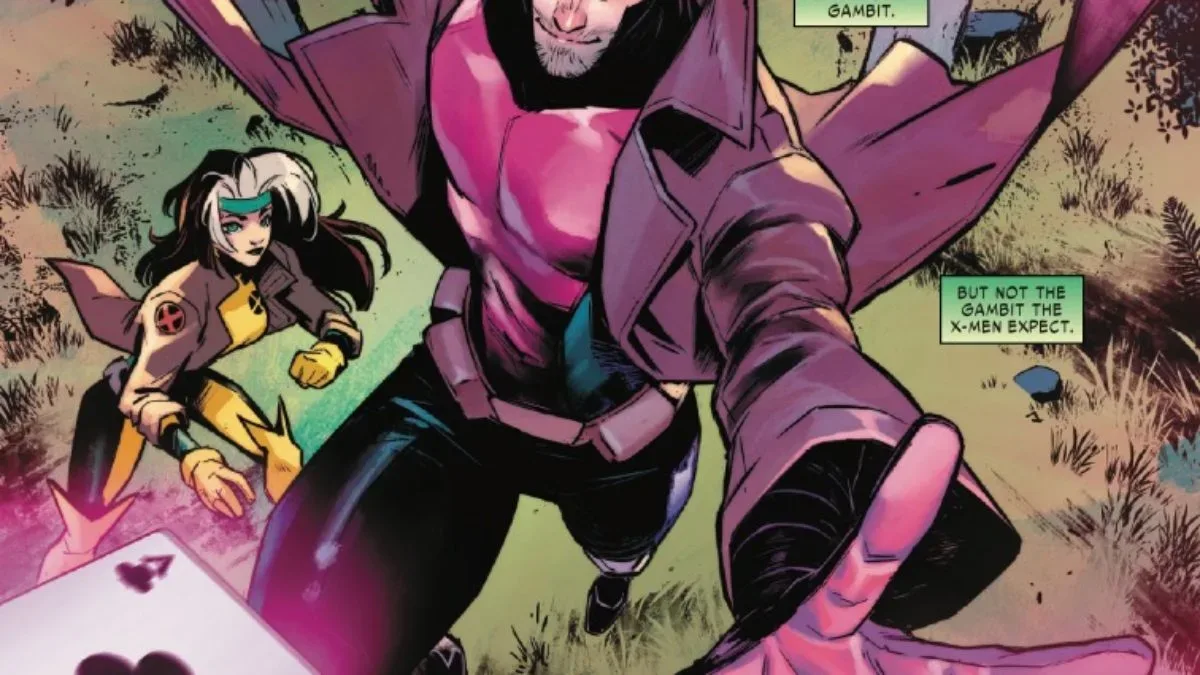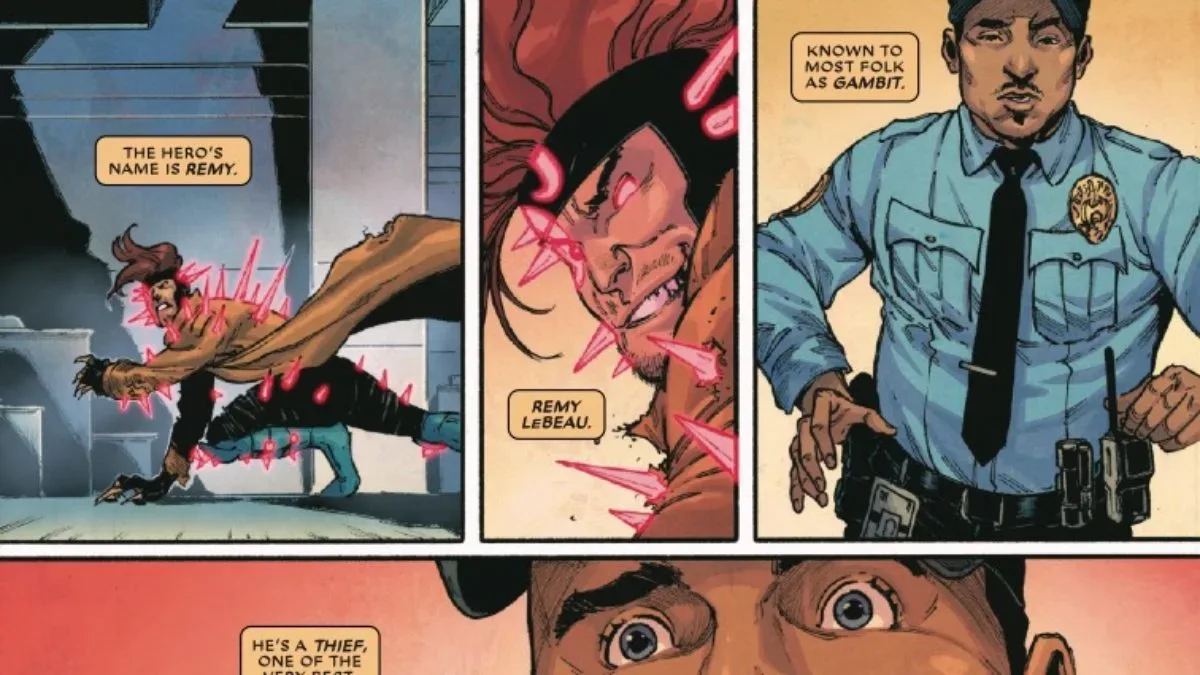
Uncanny X-Men #36 is positioned as the final chapter of “Wild Ride,” sending Rogue, Gambit, Nightcrawler and the demon-hunting Repent into a supernatural crisis with Gambit at its center. The issue is scheduled to go on sale September 30, 2026, from Marvel, with Gail Simone credited as writer and Luciano Vecchio credited for art and the main cover.
The core stakes are bluntly dramatic: Repent believes Gambit is suffering from a homicidal possession and is preparing an ultimate sacrifice to free him. That puts the team in direct conflict with Malice, with the solicitation framing the encounter as a fight for the characters’ eternal souls. It is a setup that makes the finale less about simply winning a battle and more about whether saving one teammate costs another character everything.
What is happening in Uncanny X-Men #36?
“Wild Ride, Part Four” closes the current four-part arc. Its listed cast is notably compact for an X-Men story: Rogue, Gambit, Nightcrawler and Repent are the figures directly facing Malice. Rather than presenting an expansive mutant operation, the premise concentrates on a small group dealing with a spiritual threat, an apparent possession and a proposed act of self-sacrifice.
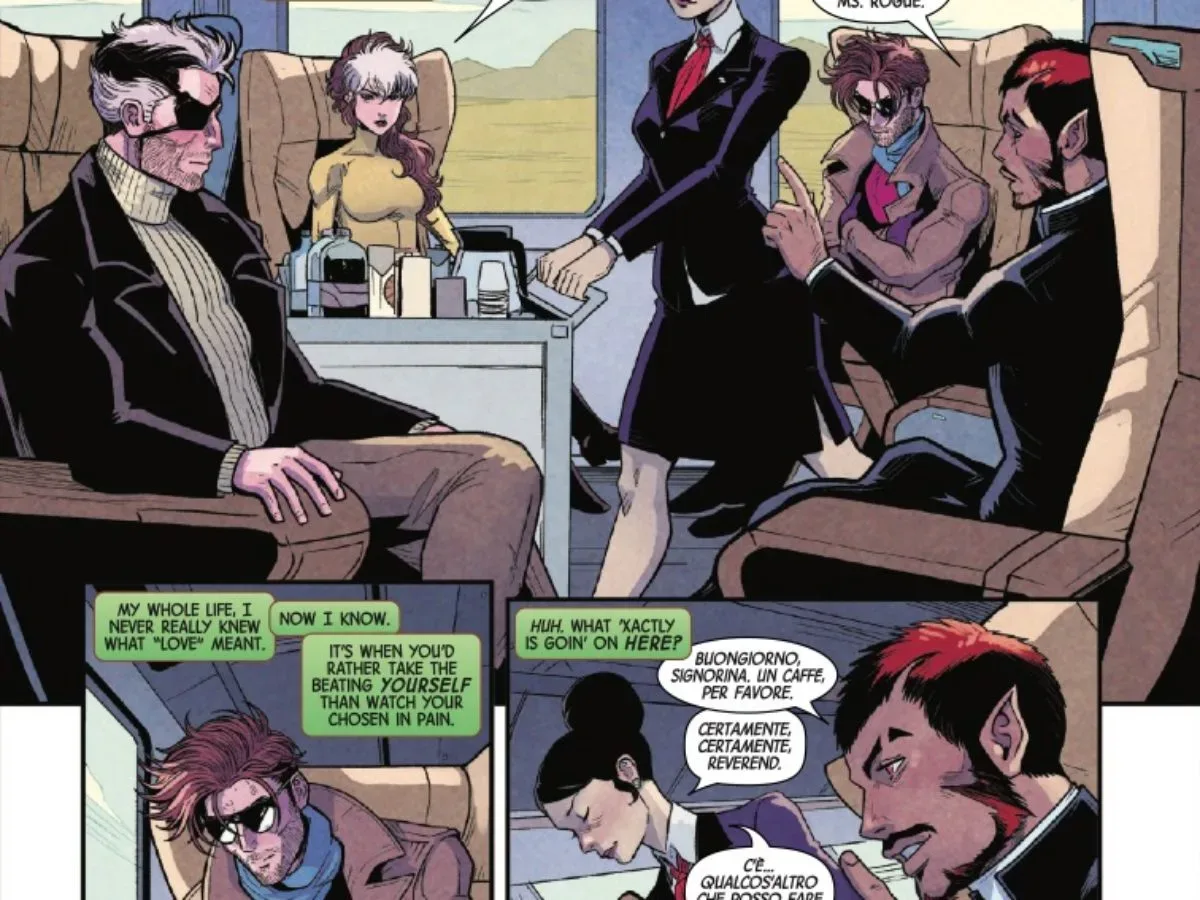
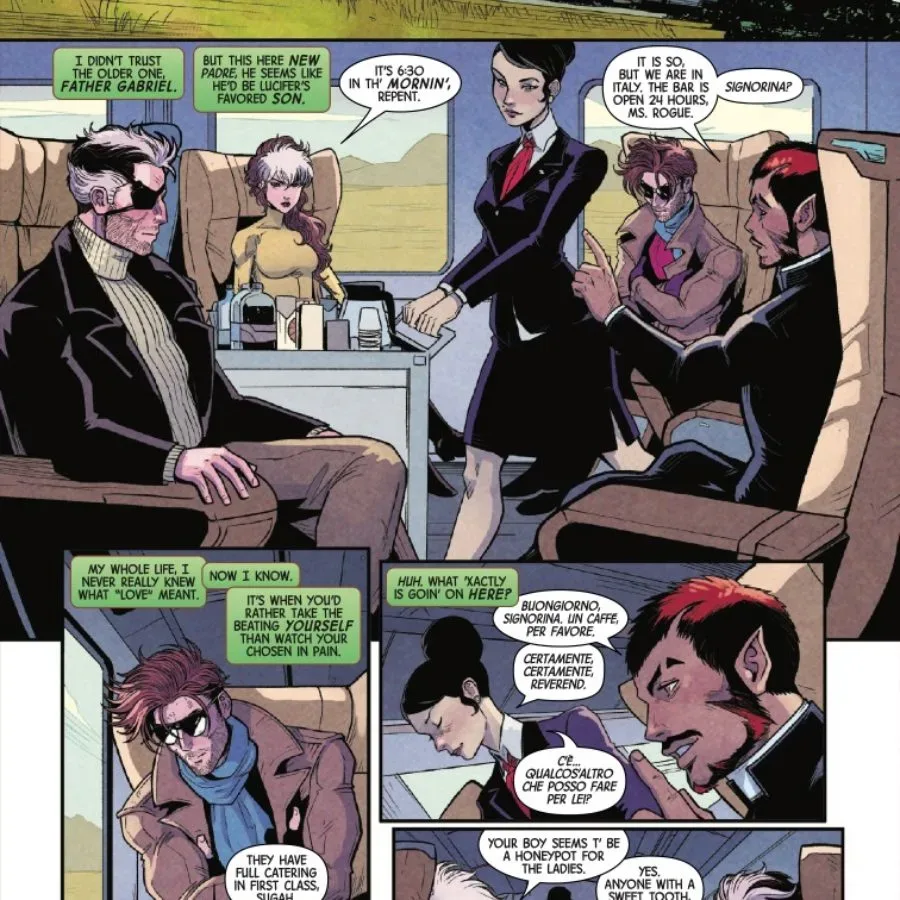
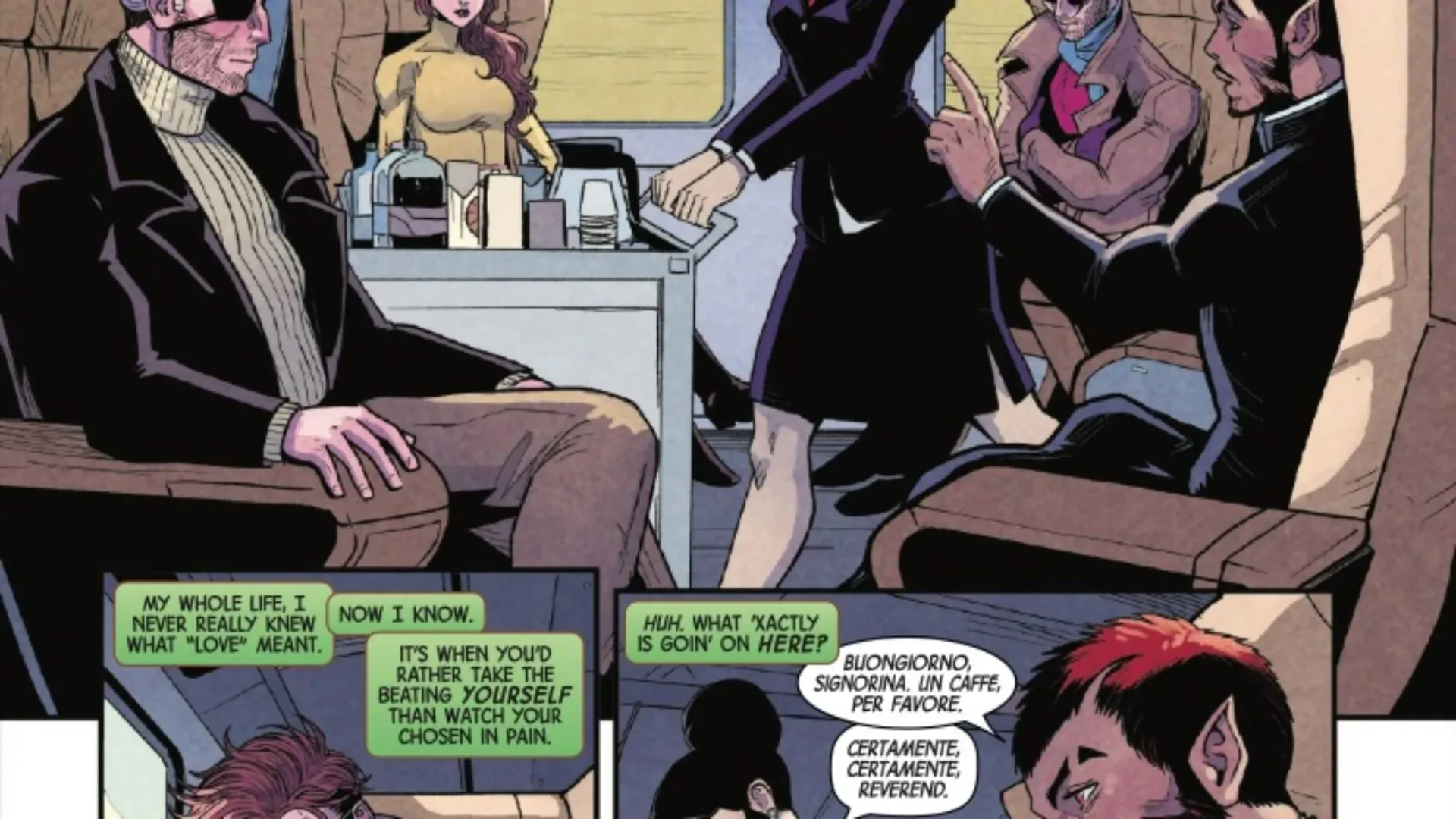
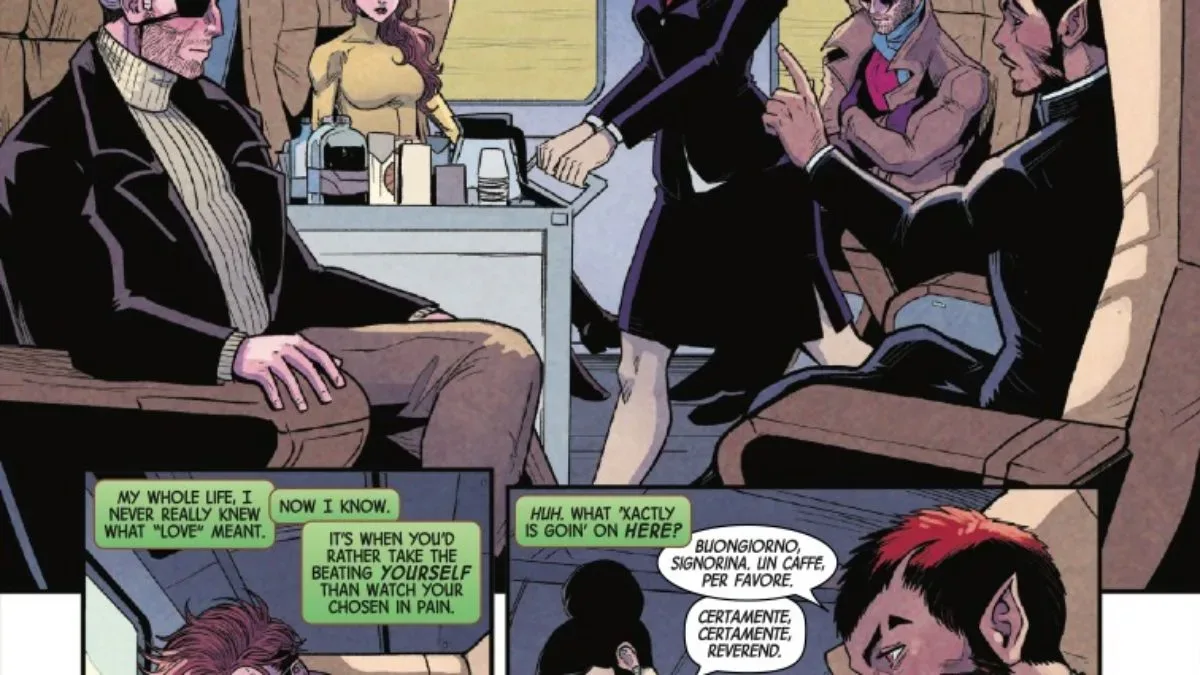
Repent is described as the Harbinger of Demons, and the material establishes that he has already been badly damaged by his history with the entity connected to him. During a 6:30 a.m. train journey through northern Italy, he recounts losing an eye, an arm and his sanity in a previous fight against the demon bound to him. Those details make his willingness to sacrifice himself feel like the culmination of an existing personal burden rather than a sudden heroic gesture.
The essential uncertainty is important. Repent believes Gambit is possessed; the available description does not establish that the diagnosis is unquestionably right, nor does it spell out what his ritual or sacrifice entails. That ambiguity matters in a story built around exorcism. A character’s conviction can motivate decisive action, but it does not automatically guarantee that the action is safe, necessary or survivable.
Why Malice changes the shape of the conflict
Malice is identified as the opposing force, while the language around the issue repeatedly returns to demons, possession and souls. In practical story terms, that shifts the threat away from a conventional physical confrontation. Superhero fights usually ask whether the heroes can overpower an enemy or stop a plan. An exorcism plot raises more complicated questions: Is the person being saved still able to make choices? Can the harmful presence be separated without harming its host? And what price is acceptable if the cure itself carries a lethal risk?
“Eternal souls” is heightened comic-book language, but it clearly signals that the danger is meant to be existential rather than merely tactical. The potential loss is not restricted to the immediate battle or Gambit’s condition. Rogue, Nightcrawler and Repent are all implicated in a situation where spiritual identity and survival are on the line.
That makes Gambit’s role especially precarious. He is not simply another member of the team arriving to help solve a problem; he is the apparent site of the problem. If Repent is correct, Gambit needs rescue from Malice. If the situation is more complicated, Gambit could be forced to confront the possibility that the attempt to save him will also place him in greater danger. The solicitation leaves that question unresolved, as a finale preview should.
A train journey with a purpose
The northern Italy train setting offers more than travel scenery. A train is an inherently constrained space: the passengers are in motion, their route is fixed and getting away is not as simple as walking out of a room. For a story about a group moving toward an exorcism, that confinement can sharpen the tension around Repent’s revelations and Gambit’s vulnerability.
The early-morning 6:30 a.m. detail also gives the sequence a specific, uneasy atmosphere. This is not presented as a grand ceremonial gathering in a mystical stronghold. It begins amid an ordinary mode of transit, with exhausted people traveling through a real-world landscape while confronting a deeply abnormal danger. The contrast is a useful one for the X-Men: characters whose lives are already extraordinary are still placed in recognizably human situations—here, a train ride and a difficult conversation—before the supernatural stakes take over.
Repent’s account of physical and mental loss suggests that he understands Malice through direct experience. His missing eye and arm are not listed as decorative character traits; they are evidence of the consequences of the previous conflict. His damaged sanity adds another complication. It can make his determination more sympathetic, but it can also make readers question whether his judgment is entirely reliable. The issue’s central tension may rest on precisely that divide: the man most prepared to act is also the person most marked by the danger he wants to defeat.
What “ultimate sacrifice” can mean here
Comic solicitations regularly use “ultimate sacrifice” to promise a major emotional turn, not to confirm a specific outcome. In this case, the phrase should be read as an indication of risk rather than a definitive statement that Repent dies, succeeds or permanently changes Gambit’s condition. The provided details do not reveal the mechanics of the sacrifice, who makes it, or whether the outcome will hold after the issue ends.
Still, the phrase tells readers what emotional territory the finale intends to enter. Repent’s willingness to give up something meaningful—potentially himself—is the engine of the issue. That gives Rogue and Nightcrawler more to do than serve as backup in a supernatural brawl. They may need to weigh loyalty to Gambit against concern over the cost of Repent’s solution, all while Malice remains an active threat.
The contrast between Gambit and Repent is also built into the premise. Gambit is the X-Man who may need to be freed. Repent is the specialist willing to undertake a dangerous remedy. One is endangered by a force apparently inside him; the other has lived with the fallout of fighting a demon bound to him. Their situations mirror each other without being identical, which is fertile ground for a finale focused on guilt, agency and survival.
What readers can expect—and what remains unknown
Based on the published description, readers can reasonably expect the following:
- The conclusion of the four-part “Wild Ride” arc.
- A direct confrontation between the X-Men’s group and Malice.
- Repent taking a dangerous step intended to free Gambit.
- Rogue, Gambit, Nightcrawler and Repent as the key characters in the immediate conflict.
- A supernatural storyline where possession and souls are central to the stakes.
Several important pieces remain deliberately unrevealed:
- Whether Gambit is definitively possessed, or whether Repent’s belief proves mistaken or incomplete.
- The exact nature of Malice and how the entity’s hold on Gambit functions.
- What Repent’s sacrifice requires and whether it succeeds.
- Which characters, if any, emerge from the confrontation unchanged.
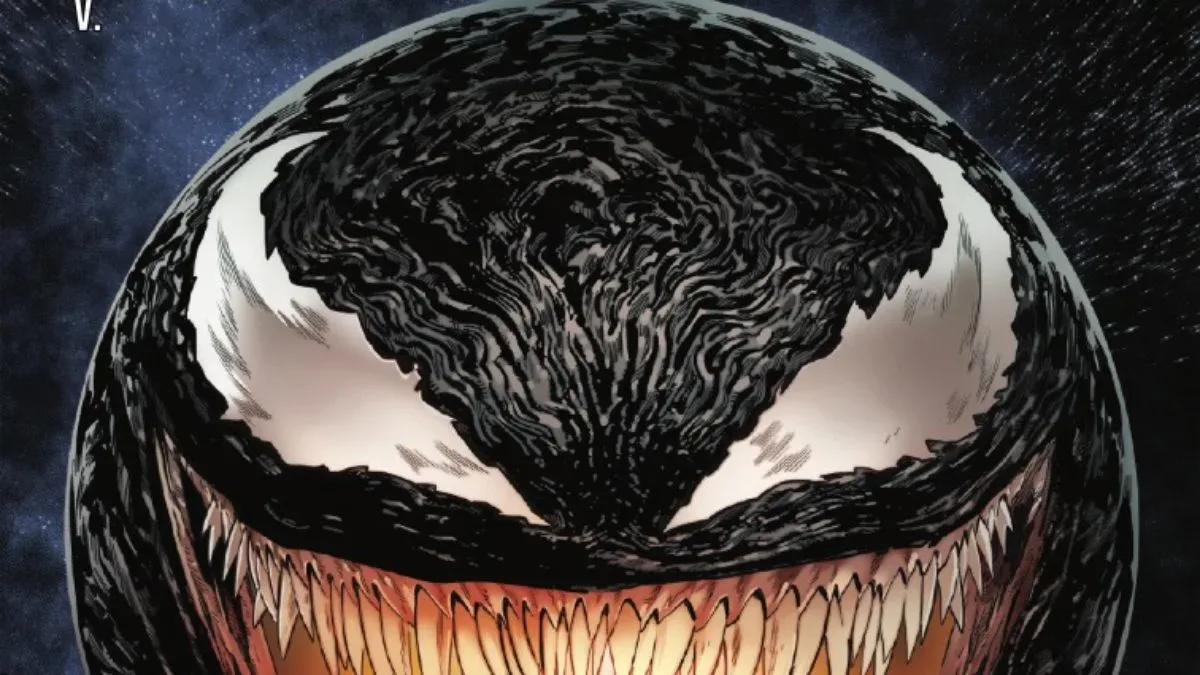
That combination of clear stakes and withheld answers is appropriate for a final issue. The premise tells readers why the confrontation matters without turning the issue’s central revelation into advance copy. For anyone following Marvel’s broader supernatural corners, it also lands near another current-looking threat built around symbiote-scale transformation: Venom #262’s “Venomworld” setup likewise frames a personal crisis in terms of a much larger danger.
Release details and variant covers
Uncanny X-Men #36 is listed as a 32-page, Rated T+ issue with a US price of $4.99. The scheduled on-sale date is September 30, 2026. Luciano Vecchio provides the main cover in addition to interior art.
Four variant editions are listed, each priced at $4.99 in the US and $6.25 in Canada:
- Greg Land variant
- Juan Frigeri Fall Fantasies variant
- Ben Su Muppets variant
- David Lopez variant
The issue’s appeal will likely depend on how well it delivers on the premise’s personal cost. A demon battle is the visible hook, but Repent’s damaged past and Gambit’s uncertain condition provide the sharper dramatic edge. “Wild Ride” has reached the point where belief, sacrifice and possession can no longer remain abstract ideas; the finale has to show what they take from the people involved.