Supernatural: Dean Winchester #1 is set to put the elder Winchester brother at the center of a new comic-book mystery when it reaches shops on October 7, 2026. Published by Dynamite Entertainment, the debut issue is written by Chuck Brown and drawn by Rapha Lobosco. Its stated premise is suitably grim: Dean is injured, isolated, and working through a Mardi Gras-era New Orleans crawling with supernatural danger as he pursues a case his father could not finish.
The apparent scale of that unfinished business is substantial. Dean’s attempt to close the case may require him to kill a god. That is the hook offered for the first issue, rather than a confirmed account of exactly which entity he faces or how the encounter will unfold. Still, it establishes the intended stakes quickly: this is not merely a local monster hunt, but a personal investigation with a potentially mythic adversary.
A solo spotlight built around an unresolved family case
The issue is billed as Dean Winchester’s first solo series. That distinction matters because the premise uses Dean’s separation from his usual support structure as a central source of tension. The available description explicitly frames him as hurt and alone, placing a familiar character in a situation where the emotional and practical burden of the case falls squarely on him.
The connection to his father gives the investigation a more personal purpose than a routine assignment. John Winchester’s inability to solve the case becomes the story’s motivating loose end, while Dean’s determination to finish it suggests a conflict shaped by inheritance, duty, and unresolved family history. Those are interpretive implications of the setup, not plot points confirmed beyond the solicitation, but they fit the personal framing supplied for the series.
Calling this an unsolved case is important. In mystery storytelling, the term does not simply mean that a threat remains active; it means there is an unanswered question at the heart of the narrative. The first issue’s promotional description does not identify the god, explain the original investigation, or say why John failed to close it. Those omissions leave room for the comic to develop its own version of the case rather than treating the debut as an already-explained detour.
Why Mardi Gras New Orleans is a strong setting for the premise
New Orleans during Mardi Gras provides a setting built around crowds, spectacle, noise, costumes, and movement. In a supernatural-horror story, those qualities can make a hunt more complicated: concealment becomes easier, witnesses become harder to parse, and the normal strangeness of a massive celebration can blur into something genuinely threatening.
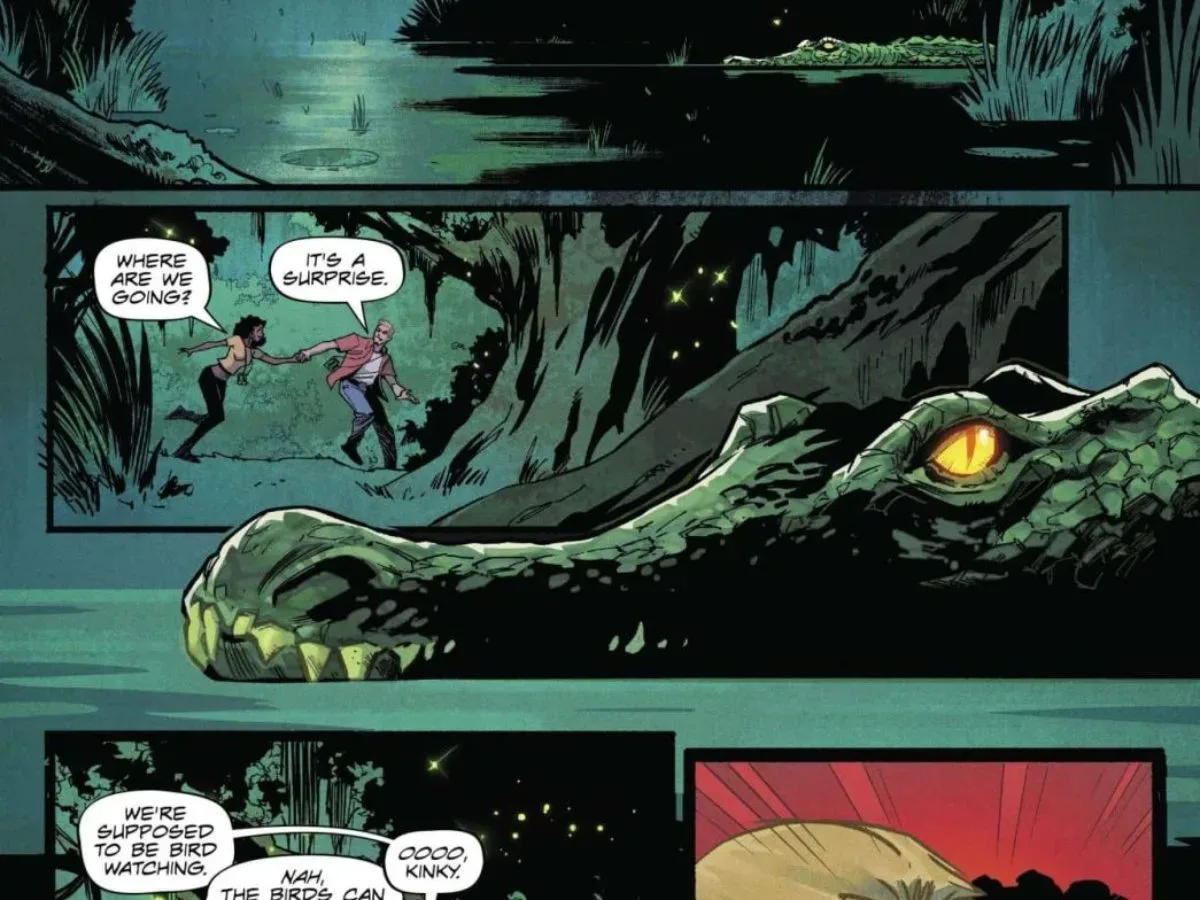
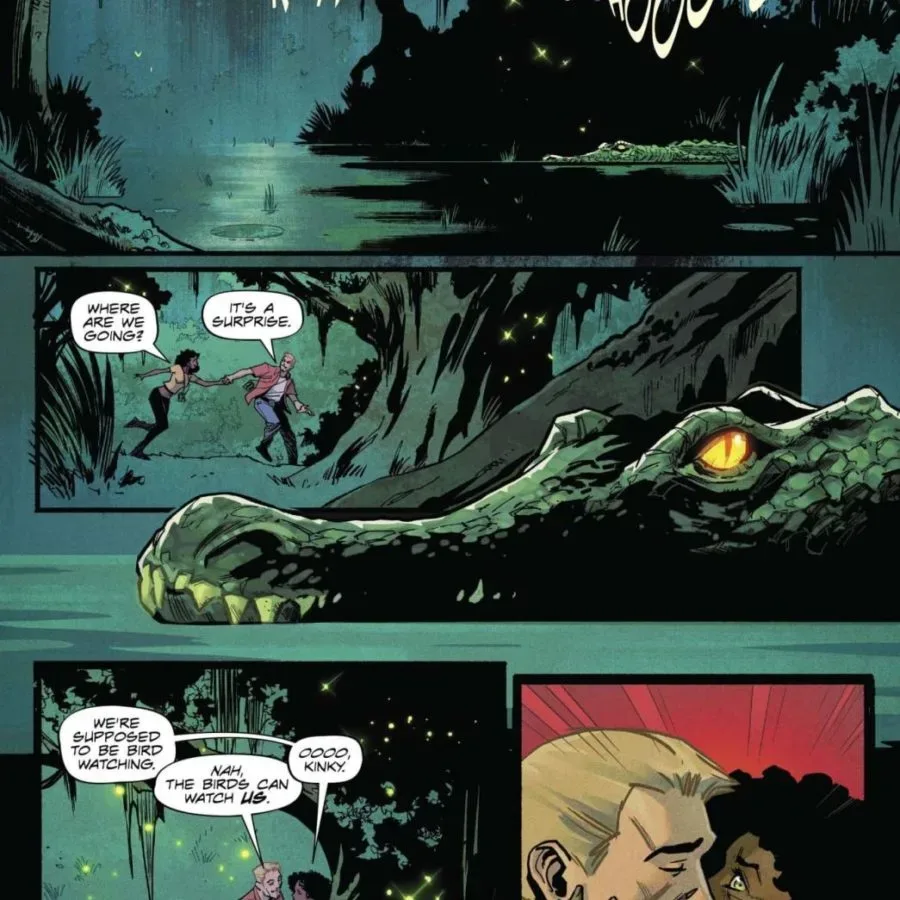
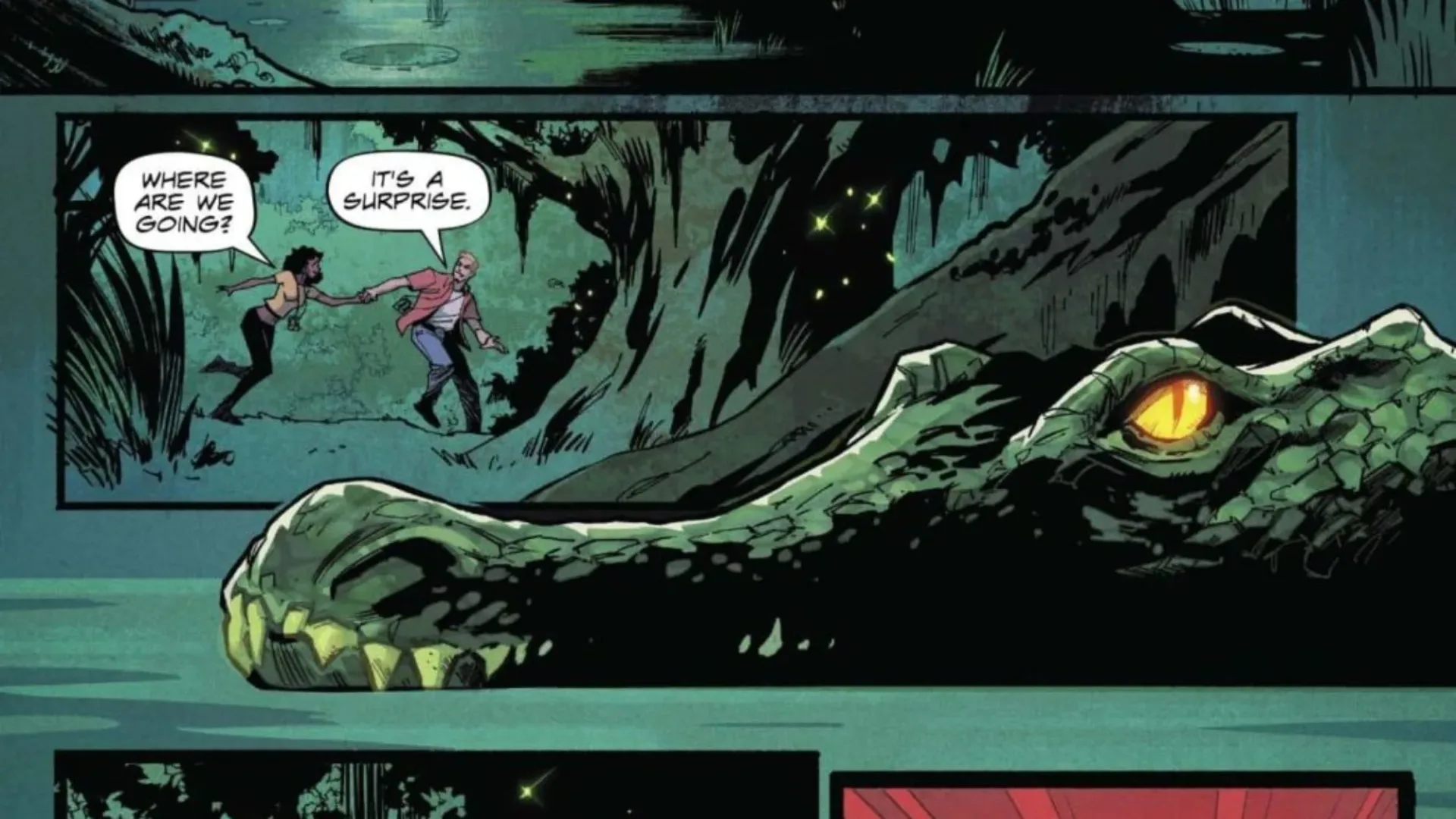
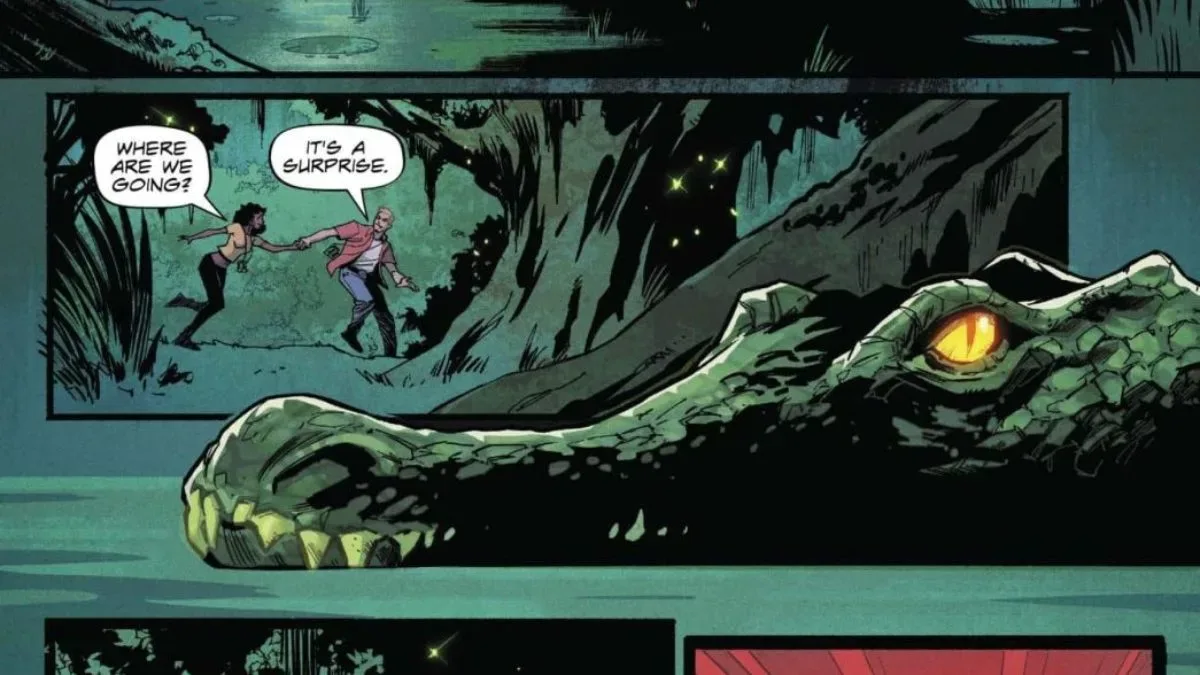
The issue description specifically says the streets are full of “creepiness,” though it does not provide a catalogue of monsters, rituals, or set pieces. A preview-page reference does indicate an alligator appears. Beyond that, readers should be careful not to treat the setting as confirmation of particular supernatural folklore or story mechanics. The stated facts are that the story takes place in Mardi Gras New Orleans, Dean is hunting through the city, and the investigation could bring him into conflict with a god.
That restraint is useful for a first issue. A location can carry atmosphere before it supplies answers. The advertised combination of a wounded lone hunter, a packed festival environment, and an old Winchester family failure gives the book a focused horror-mystery lane without revealing the full mystery in advance. Readers interested in other unsettling genre premises can also see how horror games use atmosphere and uncertainty in this look at the P.T. fan project for native Windows PC.
The creative team
Chuck Brown writes the issue, with Rapha Lobosco on art. Brown is identified as an Eisner Award-winning writer and is noted for Bitter Root; Lobosco is noted for Mumm-Ra The Ever-Living. Those credits establish the announced creative team, although they should not be read as a promise that the new series will match the tone, format, or visual approach of either earlier work.
In comics, the writer generally shapes the script, including plot, dialogue, pacing, and scene construction, while the credited artist creates the sequential art that turns those beats into panels and pages. For a story whose published setup emphasizes a single protagonist moving through a crowded, ominous city, the art has a particularly practical job: it must distinguish celebration from menace and isolation from simple physical solitude. That is an expectation rooted in the format, not a claim about pages beyond the limited preview material.
The main cover is credited to Marguerite Sauvage. Stephen Byrne has a variant cover that connects with a cover for Supernatural: Sam Winchester #1. A connected cover is a pair of images designed so that, when placed together, they form a wider composition or visually complementary scene. It is a presentation feature, not evidence that the two issues tell one uninterrupted plot or must be purchased together to understand the story.
Cover choices, including the blank edition
Several editions of Supernatural: Dean Winchester #1 are listed at a $4.99 suggested retail price:
- Regular cover by Marguerite Sauvage
- Keyla Valerio cover
- Stephen Byrne cover, designed to connect with Supernatural: Sam Winchester #1
- Photo Cover 1
- Photo Cover 2
- Blank Authentix cover
These are cover variants: editions carrying the same issue’s interior comic but different cover art or cover treatments. The listing does not state print runs, retailer allocations, scarcity, or resale value, so none of the variants should be described as rare on the available information alone.
The blank Authentix edition is especially worth defining for readers unfamiliar with the format. A blank cover generally leaves a large open area intended for original convention-style sketches or signatures. It is an option for people who value a personalized piece of comic art, but the solicitation does not confirm that any specific artist will draw on it, nor does it establish a particular event use.
Photo covers, meanwhile, typically use photographic imagery rather than newly illustrated cover art. The listing names two photo-cover options but does not identify their images or subjects. Likewise, the available information establishes that Byrne’s piece links visually to the Sam Winchester #1 cover, but it does not describe the combined artwork. The sensible approach for buyers choosing among editions is therefore simple: choose the cover image or connected-cover concept that appeals most, rather than assuming a difference in story content.
What the first issue confirms—and what remains unknown
The announced details provide a clear foundation: Dean leads the series; the setting is New Orleans during Mardi Gras; the mission involves a case John Winchester never closed; and a god may be Dean’s ultimate target. The issue has a named writer, artist, main-cover artist, and a defined lineup of additional cover editions.
Much remains deliberately unrevealed. There is no confirmed identity for the god, no named supporting cast, no stated series length, and no detailed explanation of when the story sits relative to other Supernatural material. The solicitation also does not specify how directly Dean’s solo title intersects with Supernatural: Sam Winchester #1 beyond the connected Byrne covers. A shared visual promotion is not the same thing as a confirmed crossover.
That uncertainty is not a flaw in the announcement. It is a normal part of a first-issue pitch, which needs to sell a scenario and its tension without dissolving the mystery before publication. Here, the core scenario is unusually clean: a battered Dean Winchester follows an old family case into an exuberant city that may be hiding something divine and deadly.
Release details
Supernatural: Dean Winchester #1 is scheduled for comic shops on Wednesday, October 7, 2026, from Dynamite Entertainment. The suggested retail price is $4.99 across the listed cover options. Readers planning a specific cover purchase may want to ask their local comic shop about ordering preferences, since the provided listing identifies editions but does not guarantee individual store stock.
For readers, the debut’s appeal rests on the combination of a tightly focused character spotlight and a case large enough to test its lead’s resolve. Dean’s pursuit is framed as both an effort to defeat a supernatural threat and an attempt to succeed where his father could not. Whether that means confronting a literal god, the legacy of an unfinished investigation, or both, the first issue has a strong question at its center: what is Dean willing to risk to finally put the case to rest?