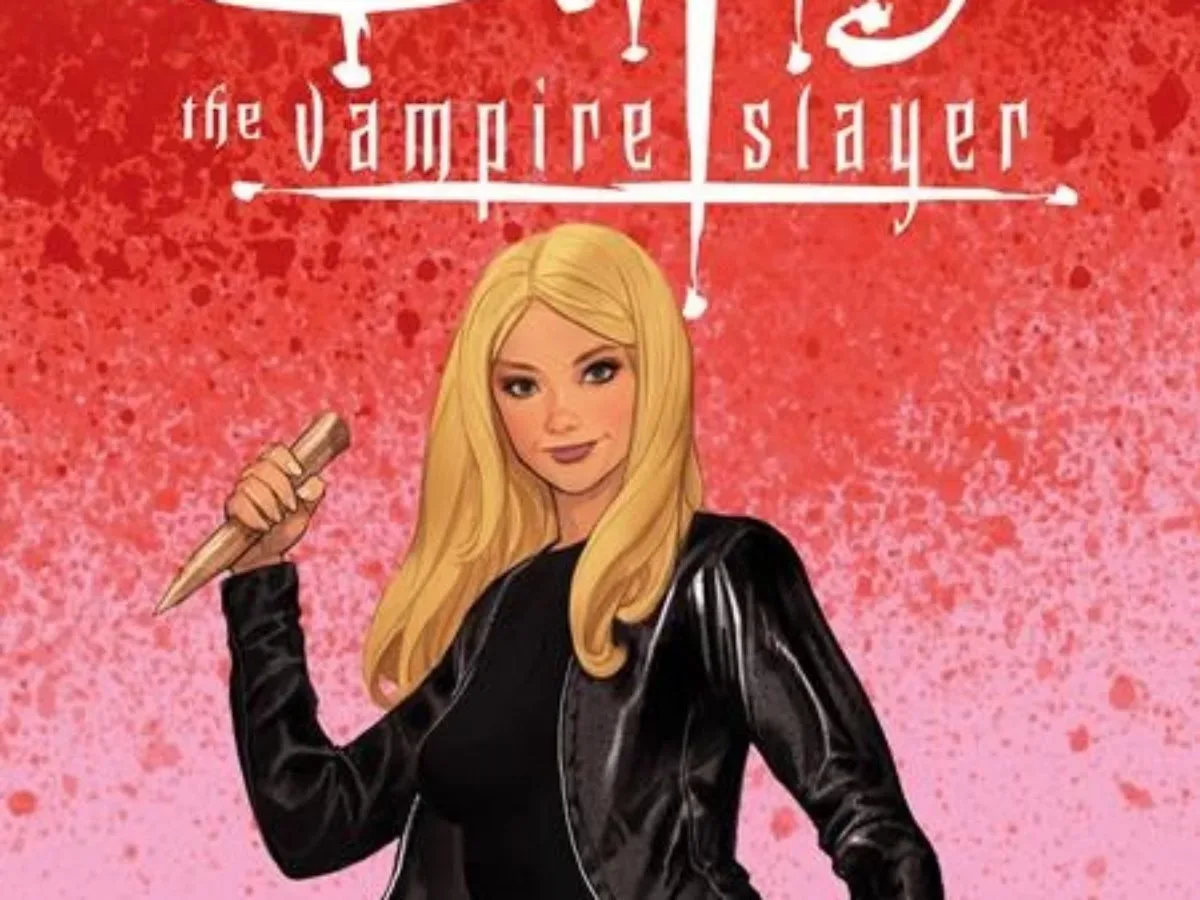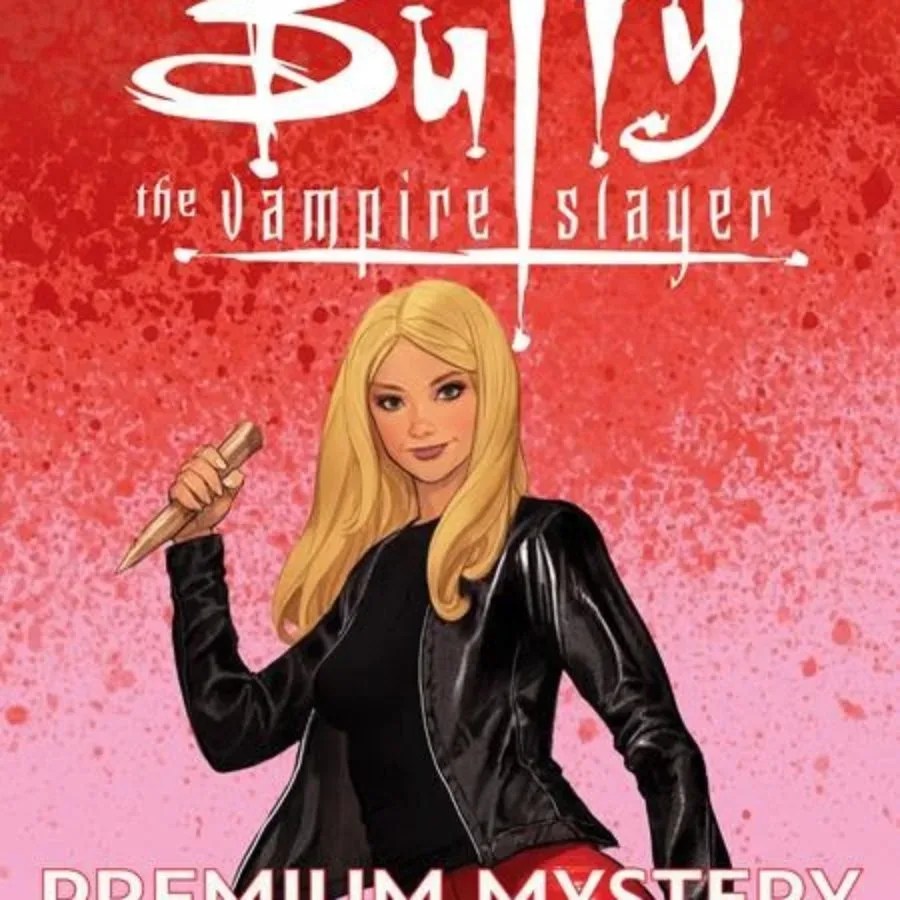
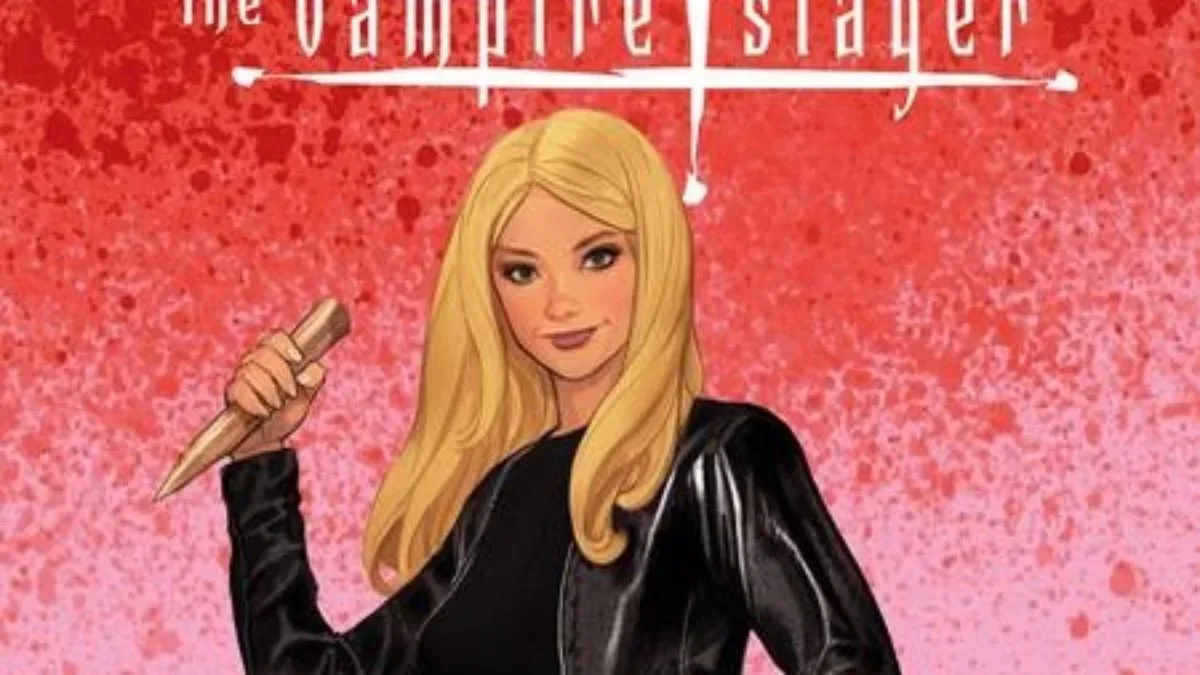
Kelly Thompson’s new Buffy the Vampire Slayer and Angel comics have a new, more closely aligned starting point: Buffy the Vampire Slayer #1 is scheduled for March 10, 2027, with Angel #1 due later that same month. The launch had previously been planned for summer 2026 before orders were cancelled in August and the project was reframed as a larger Buffyverse event. While the extra wait has created obvious complications, Thompson sees one meaningful upside in the revised plan: the two series will now begin close enough together to be read as the linked story they were designed to be.
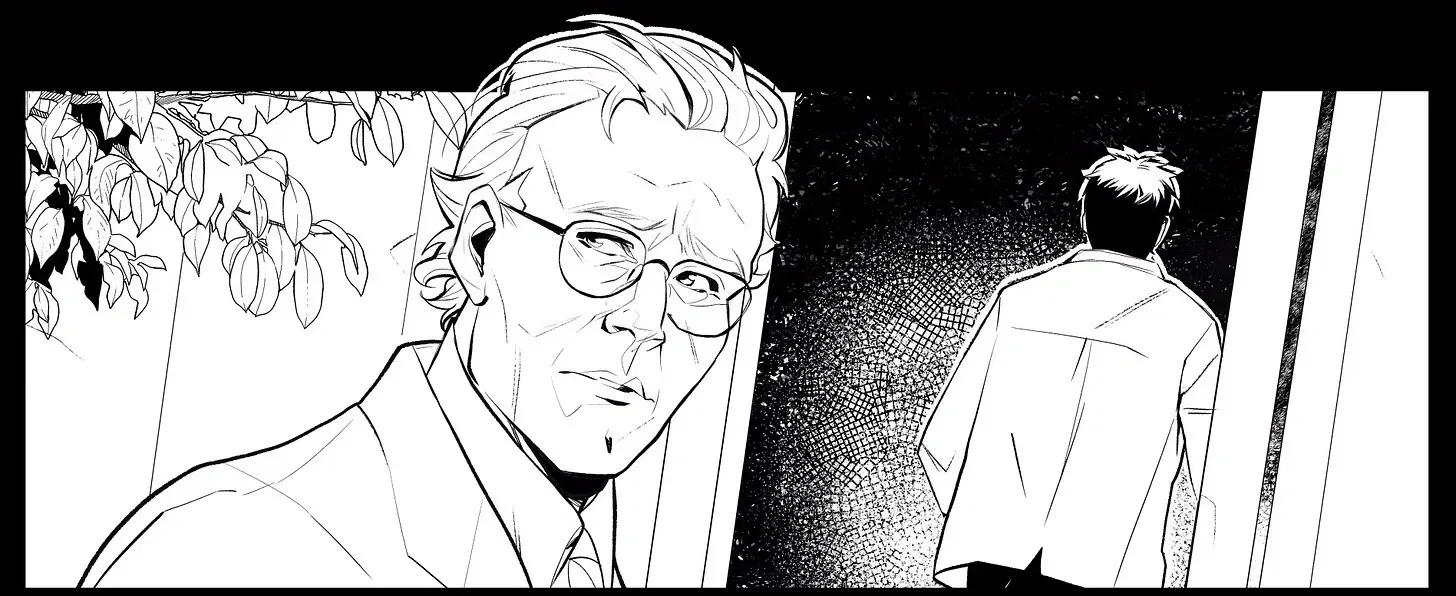
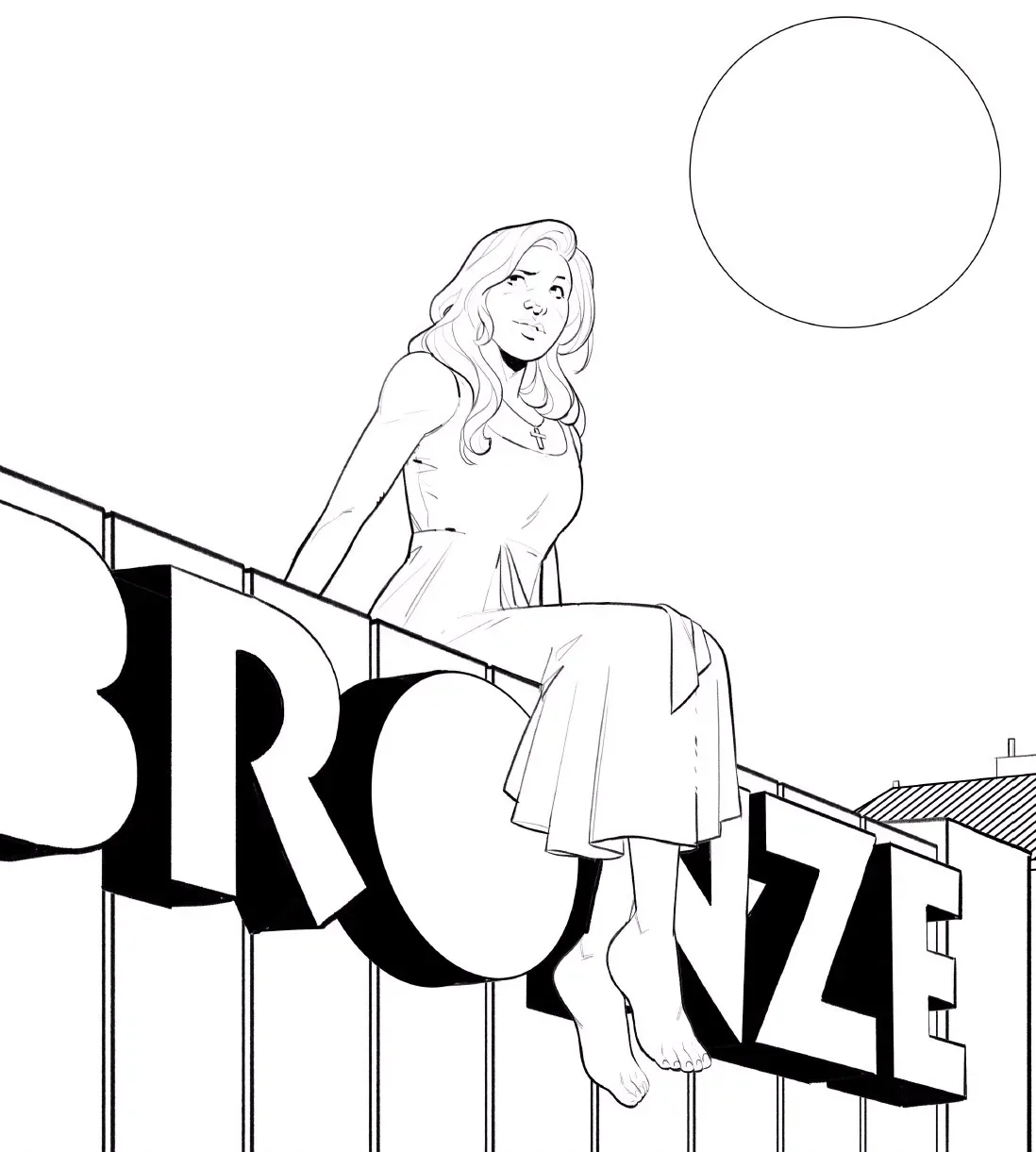
Thompson writes both books. Stephen Byrne is drawing Buffy the Vampire Slayer, while Giulia Giacomino is on Angel; David Nakayama is listed as cover artist for the issues described so far. The first arc is intended to bring the casts together and make substantial changes within this version of the Buffyverse, rather than operate as two wholly separate, parallel comics.
A paired launch rather than two optional series
The most practical guidance from Thompson is unusually direct: readers interested in the story should pick up both first issues. In comics, a crossover is a storyline that moves between more than one title, with plot developments in one book informing or continuing in another. That can range from a loose shared setting to an event where reading order matters. Thompson has characterized this launch as much closer to the latter.
Originally, the proposed timing would have placed Buffy #1 in July and Angel #1 in August. Even one month between premieres was not Thompson’s preferred setup because the opening installments connect directly. Both arriving in March does not mean they will release on the same day, but it narrows the gap considerably and better supports the intended experience.
That distinction matters for anyone deciding what to reserve. A reader who treats Buffy and Angel as separate purchases may encounter a story that assumes familiarity with the companion premiere. Thompson’s recommendation is not simply that fans sample both ongoing titles; it is that the first two issues collectively establish the event.
What “resolicited” means here
The project’s path has included cancelled orders and revised listings, a process often called resolicitation. In direct-market comics, publishers solicit forthcoming issues so retailers can place orders before release. When a book is delayed, significantly revised, or moved to a different date, it may be solicited again with updated information. For readers, the useful takeaway is simple: old dates and earlier product descriptions may no longer be reliable. The March 2027 schedule is the current plan outlined for these books.
The delay also coincides with a larger scope. The initial paired launch grew beyond a standard two-title debut into an event positioned as a major change for the Buffyverse. The revised approach includes increased page counts without an added cover-price increase for the premiere issues described in the available listings.
Why the schedule moved
Thompson has acknowledged that the delays were difficult and that responsibility was not limited to one factor. She said her own scripts had not always arrived on schedule, but also described a moving target created by complicated issues around licensed material and legal considerations. Specific details have not been disclosed.
That caveat is important. Neither the nature of the legal matters nor a complete production timeline has been made public, so it would be unwise to reduce the delay to a single cause. What is clear is that shifting deadlines made it harder to keep momentum on a book whose eventual publication date kept moving.
Thompson contrasted that situation with her work on Absolute Wonder Woman, where artist Hayden Sherman works quickly and needs scripts at a steady pace. In practical terms, the Buffyverse delay affected how Thompson could distribute her writing time. A series with an uncertain release path can be challenging to prioritize beside one moving through an active production cadence.
Licensed comics also bring a separate layer of coordination compared with creator-owned work. A license is permission to make stories using another party’s characters and setting. Thompson referred broadly to the legal side of working with a complicated intellectual property. The available information does not identify which parties or approvals were involved, but it does establish that the process affected the project’s timetable.
The spoiler problem of a delayed event
Delays can be especially awkward for a story marketed around surprise developments. Thompson said this project has been hard to discuss because it contains the material she is least able to spoil. That leaves a promotional challenge: readers need enough information to understand why the books are connected, yet the creators cannot explain the core turns that make the event notable.
The current solicit copy offers a few carefully selected pieces of setup without revealing the full shape of the plot. Buffy the Vampire Slayer #1 centers on Buffy Summers after she gave her life to save the world, with the people closest to her unable to accept that loss. The listing also promises the comics debut of an unnamed fan-favorite Buffy character.
Angel #1, meanwhile, returns Angel to the history and people he once left behind. It also identifies Leviathan as a new major antagonist connected to both Angel and Buffy. The first issue is listed as a 48-page premiere with additional story and art pages plus a sketchbook section.
Those are meaningful details, but they are not a complete roadmap—and that appears deliberate. Thompson’s description of the project emphasizes a broad, character-gathering story with consequences, while the solicits preserve the surprises that will explain precisely how and why those characters collide.
What the first issues and follow-ups indicate
The current material lays out an early progression without giving away all its context:
- Buffy the Vampire Slayer #1: Kelly Thompson and Stephen Byrne begin the new Buffy story, built around the aftermath of Buffy’s sacrifice and a reunion driven by those who care about her.
- Angel #1: Kelly Thompson and Giulia Giacomino launch Angel’s side of the event, including the debut of Leviathan and a return toward Buffy-related territory.
- Buffy the Vampire Slayer #2: The reunited group faces dangerous minions, while the apparent comfort of everyone being together begins to feel wrong.
- Angel #2: Angel forms an “Away Team” and heads into what the description calls hellish chaos.
- Buffy the Vampire Slayer #3: Darla searches for Angel but instead encounters an angry Buffy.
All five listed issues carry a $4.99 price. The early descriptions are intentionally selective, so readers should view them as premises rather than a promised complete reading order or a full account of how the crossover will unfold. Still, they reinforce the central point: Angel’s absence, Buffy’s return, Darla’s search, the new threat and the assembling of characters are not isolated pieces of storytelling.
Artists settling into familiar faces
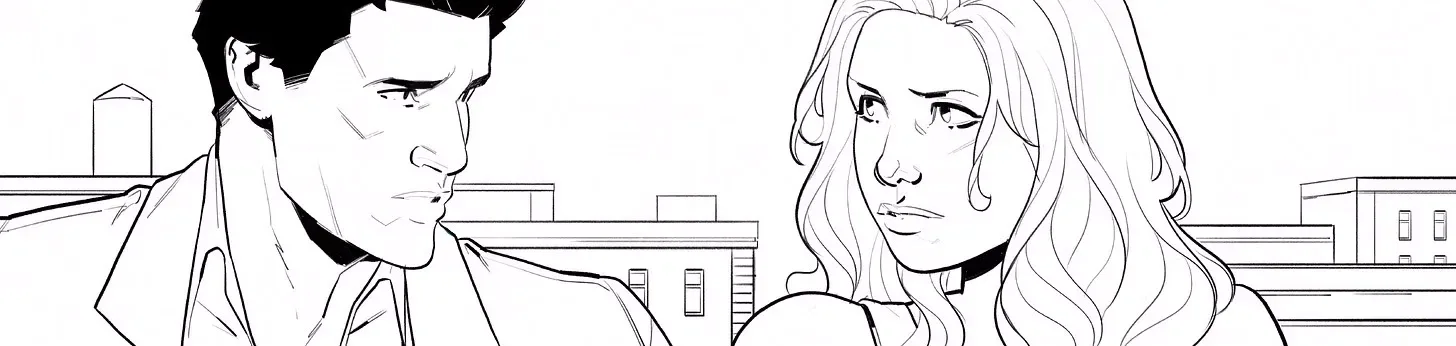
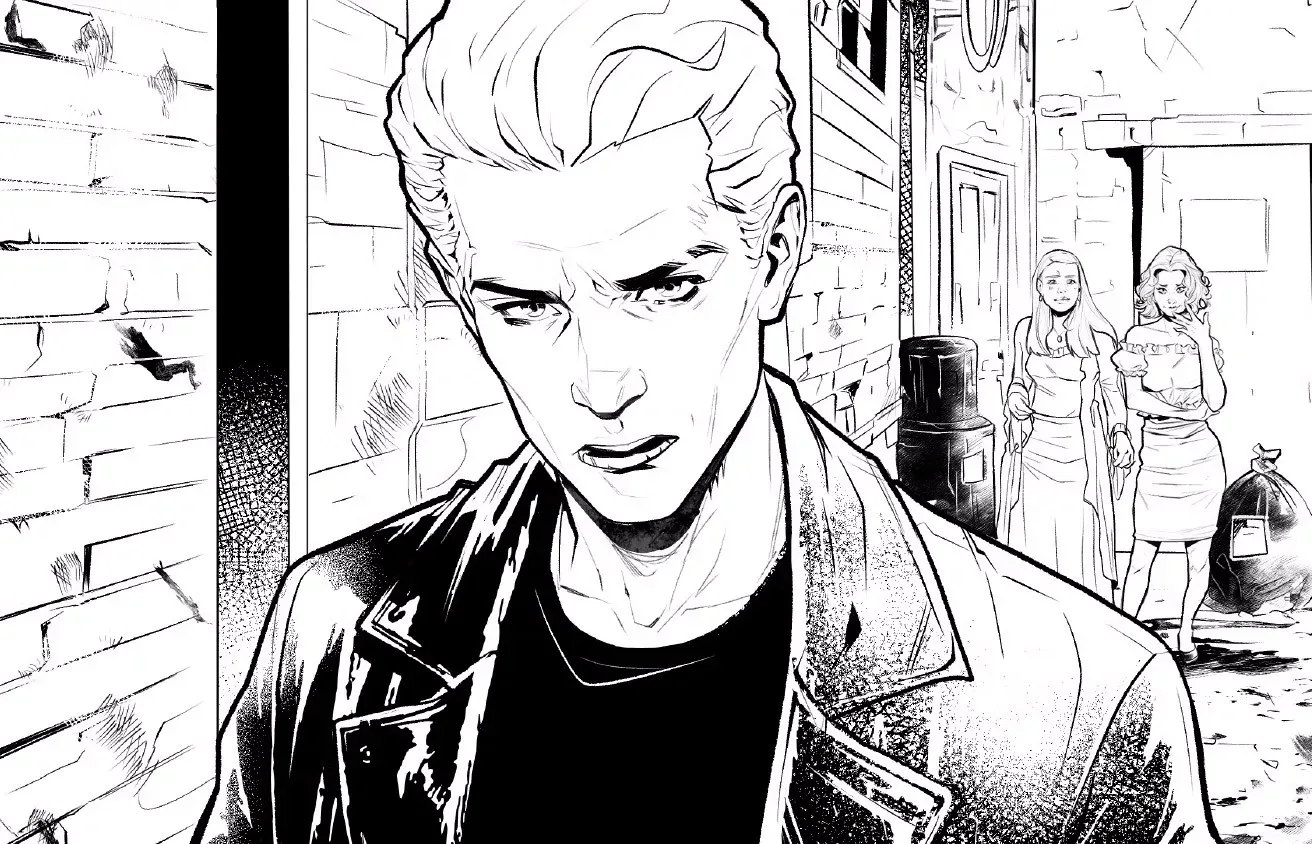
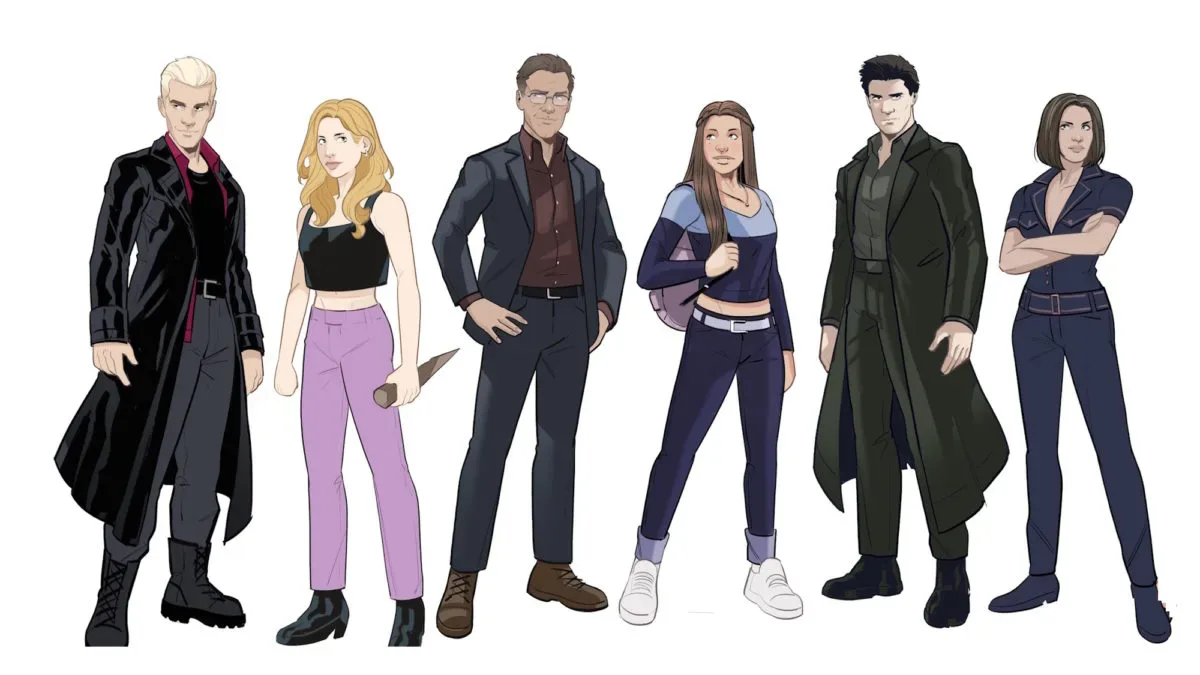
Thompson has also highlighted an artistic reality specific to adaptations with recognizable casts: drawing likenesses takes repetition. Byrne and Giacomino each have to establish a visual approach that evokes performers and characters viewers know while functioning in a comics medium with its own demands for acting, movement and page-to-page storytelling.
A likeness is the visual resemblance between a drawing and a real person or an established screen portrayal. It is not merely a matter of a character having the right haircut. Artists must make faces recognizable from changing angles and under different expressions, lighting conditions and emotional circumstances, all while keeping them readable in sequential panels.
Thompson believes Byrne and Giacomino grow more confident after their debuts as they become more familiar with that work. That does not diminish the first issues; she has praised the opening art as beautiful. Rather, it is a reason not to judge either series solely from its premiere. The first issue carries the largest sales spotlight, but an artist’s command of an ensemble and its likenesses can develop rapidly through subsequent chapters.
That creative continuity is another argument for approaching the books as runs instead of one-shot curiosities. Byrne remains on the announced Buffy follow-ups, while Giacomino continues on Angel #2, allowing each artist to build momentum with their respective cast.
What readers should do ahead of March
The clearest plan is to treat the titles as a pair from the outset. If a local comic shop takes advance reservations, readers who want the whole opening event should ask about both Buffy the Vampire Slayer #1 and Angel #1, then consider the announced second issues as well. This is particularly useful for a delayed, resolicited project, where an earlier reservation or an old listing may not reflect the final release month.
Readers who prefer to wait should keep in mind that Thompson has framed the first issues as complementary. Sampling only one may still offer a readable chapter, but it is not the route the writer recommends for understanding the launch’s full design. Anyone following publisher activity around similarly long-running supernatural properties can also find more comic-book context in this look at Christopher Priest’s plans for Vampirella.
For now, the crucial update is not a newly revealed twist. It is a scheduling change that may finally serve the narrative structure Thompson wanted in the first place. Buffy arrives first on March 10, 2027; Angel follows later that month. After a long period in which the story could only be described in broad terms, the paired releases are set to give readers the connected entrance point the event requires.