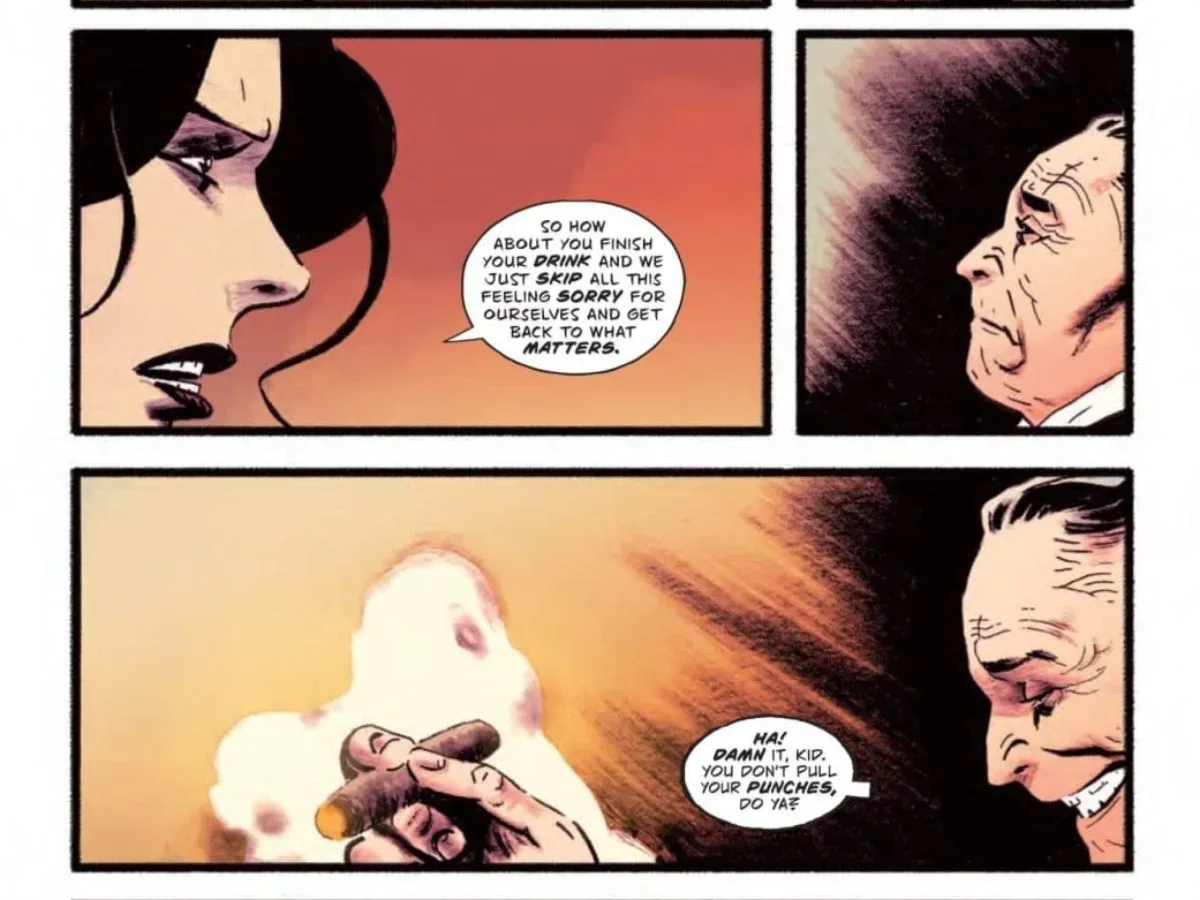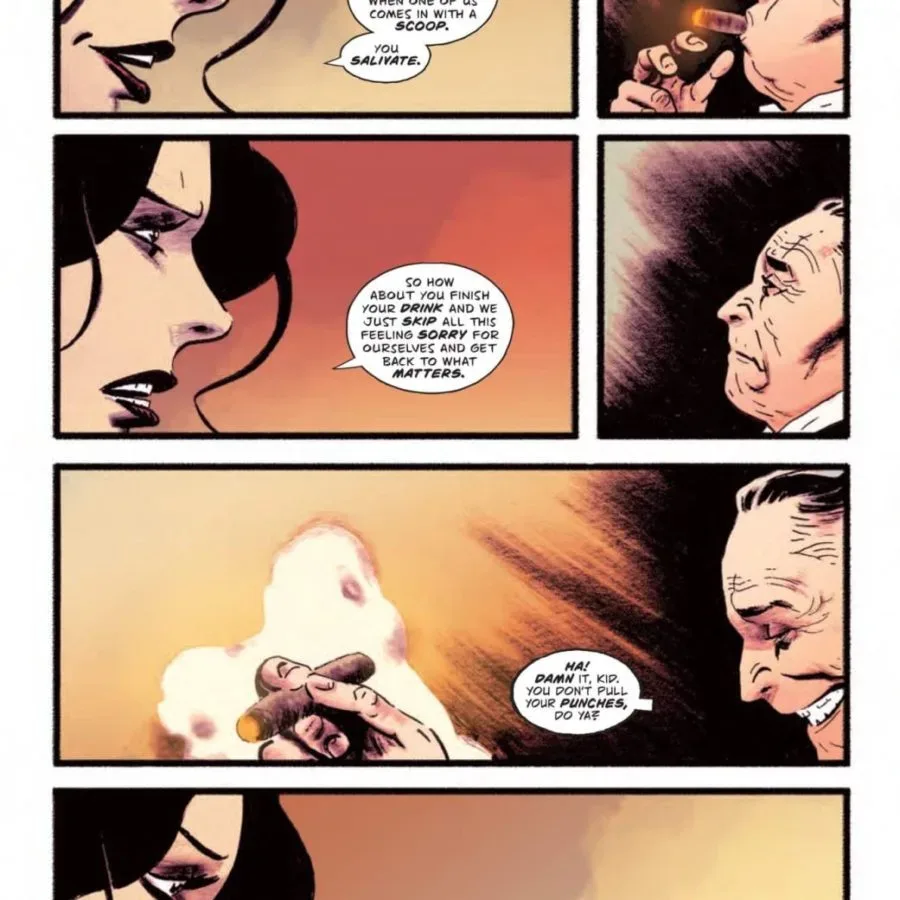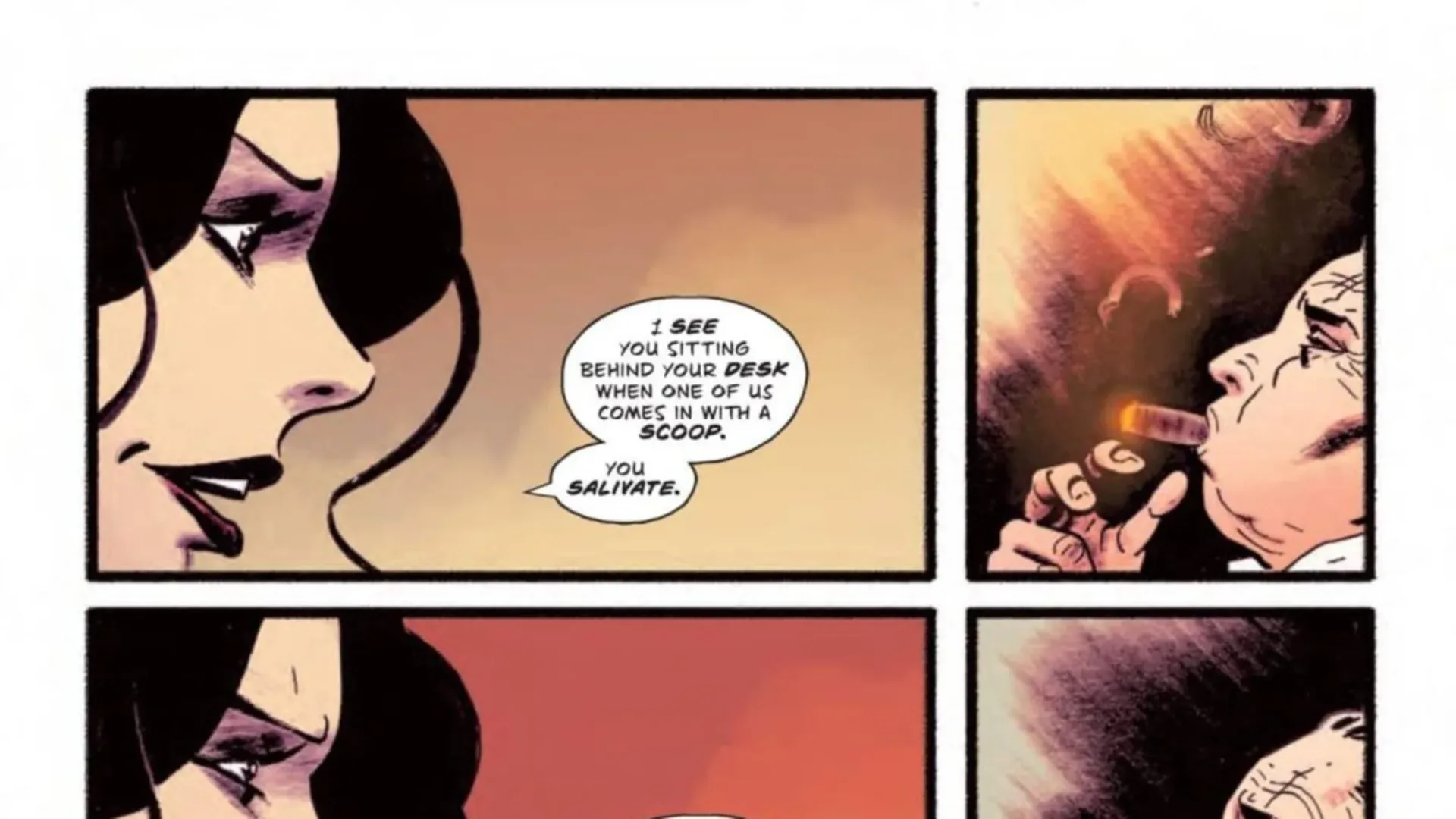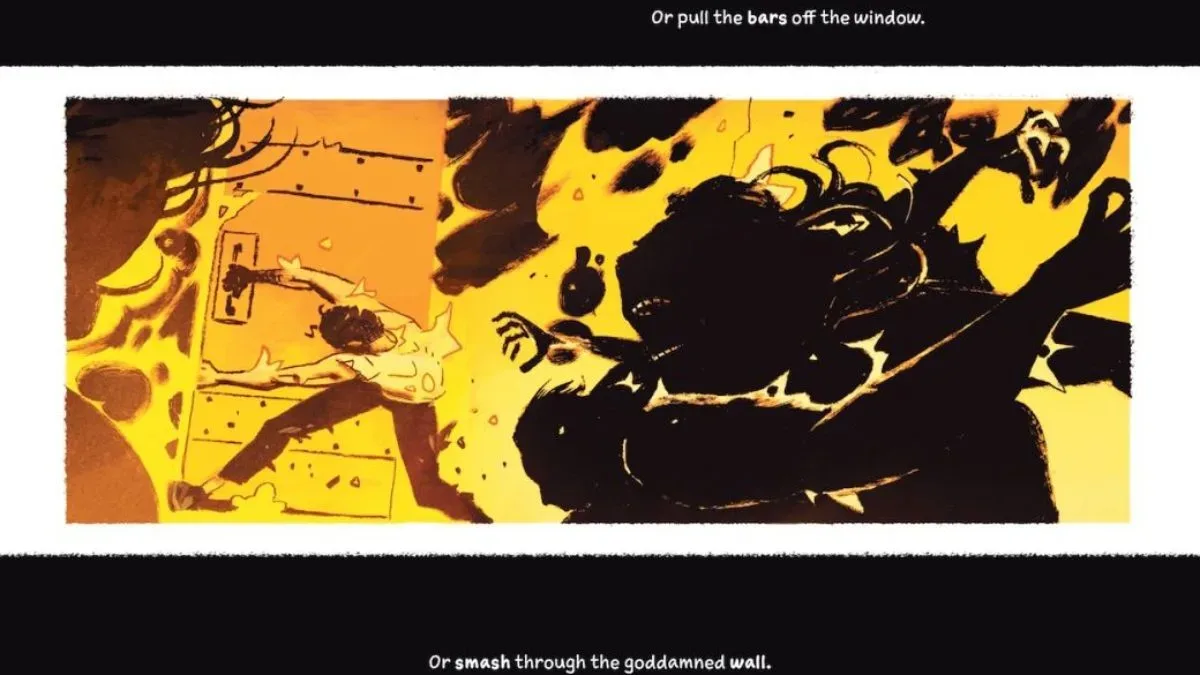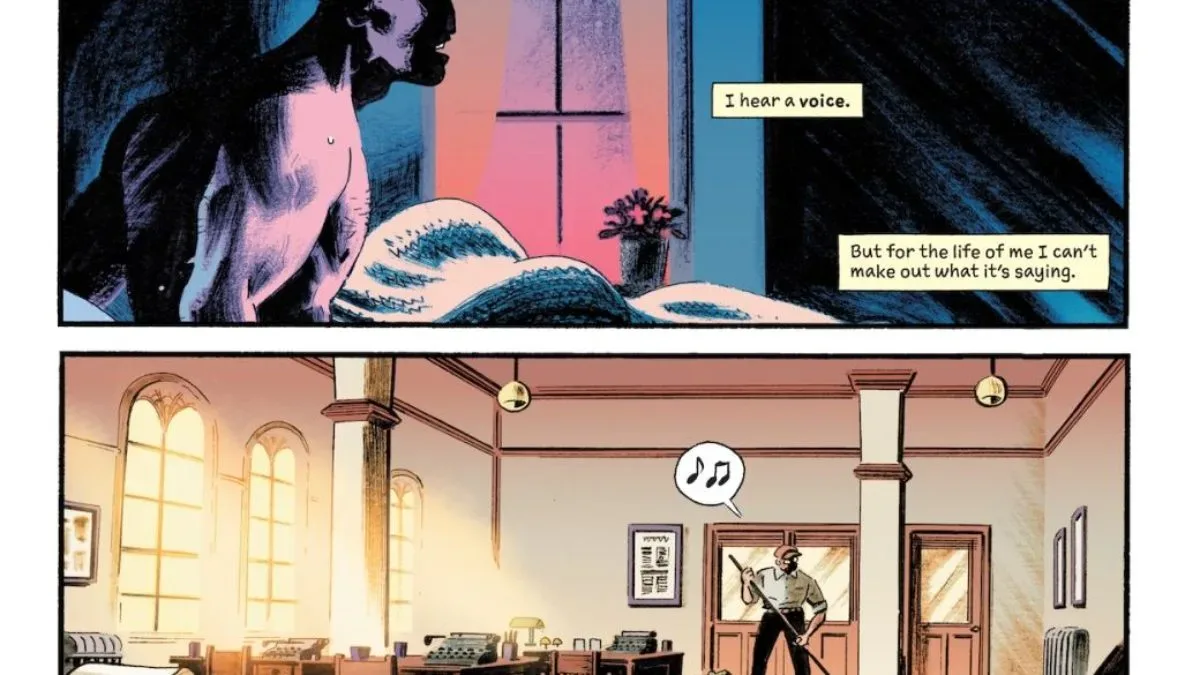
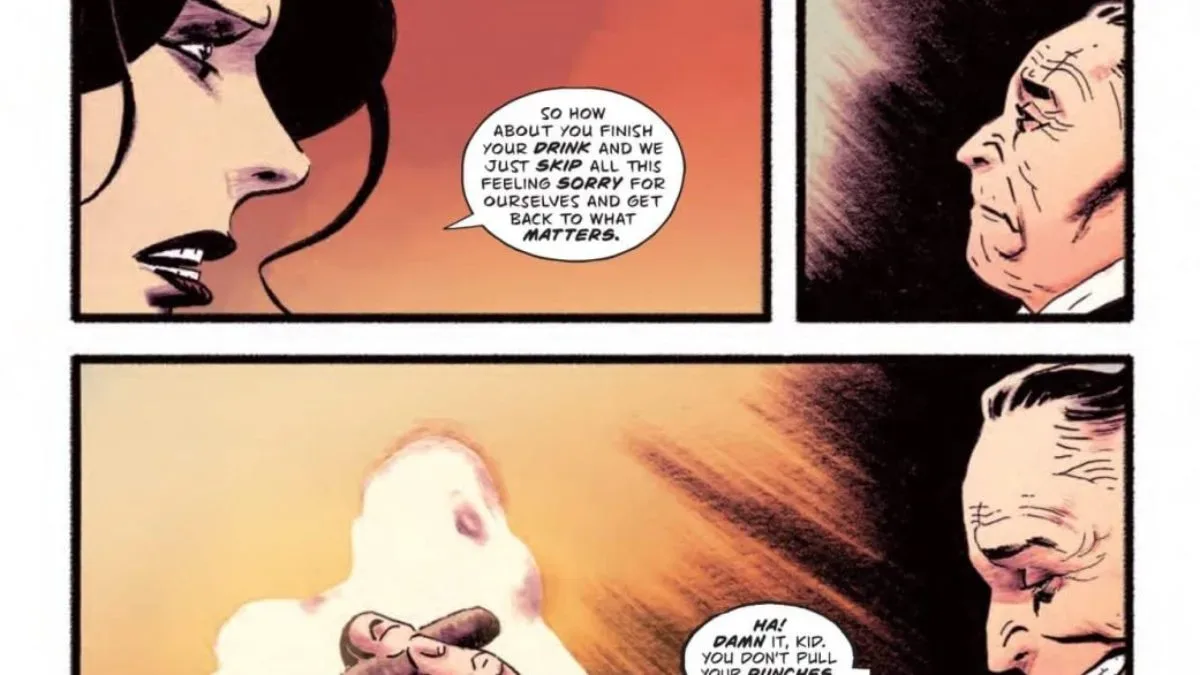
Superman’s first encounter with Lex Luthor is the central promise of Superman: The Stranger #4, scheduled to reach comic shops on December 2, 2026. DC lists Wes Craig as both writer and artist, putting one creator in charge of the issue’s story and visual direction.
The premise is deliberately clean: a young Superman meets Lex Luthor for the first time, with the solicitation asking whether the still-inexperienced hero is ready for what the scientist has planned. That is a useful dramatic frame for a Superman story. The conflict is not presented merely as another physical obstacle for a character famous for extraordinary strength; it introduces a foe whose danger is expected to come from planning, knowledge and leverage.
Alongside the Superman–Lex setup, Lois is pressing her fired editor to continue investigating stolen mineral reserves and missing scientists. Those threads give the issue a mystery structure beyond the headline showdown. They also suggest that Superman’s first crisis with Luthor may unfold through reporting and investigation as much as through direct confrontation.
A formative Superman-versus-Lex moment
“First clash” stories matter because they establish the terms of a rivalry. Superman and Lex Luthor are names that immediately signal opposing kinds of power: the hero’s ability to act openly and directly, and the antagonist’s capacity to shape events before the hero arrives. Here, the available setup specifically calls Lex a mad scientist and asks whether a young Superman is prepared for his plan. That wording makes Superman’s lack of experience part of the stakes, rather than simply background flavor.
It is important not to read more into the premise than the published details support. There is no confirmed description of Lex’s invention, no declared explanation for the disappearances, and no revealed outcome for the confrontation. What is known is that the issue will connect Superman’s first meeting with Lex to an investigation involving minerals and scientists. Whether those elements are one scheme, parallel plotlines, or clues that converge remains for the comic itself to establish.
That restraint is part of what makes the setup appealing. A first encounter has room to define what each character notices about the other. For Superman, the question is not simply whether he can stop a threat, but whether he can recognize a threat built around information, resources or people who have vanished. For Lex, confronting a young hero leaves open the question of what he will learn from the encounter—and what kind of adversary he intends to become afterward.
Why Lois’s investigation is more than a side plot
The solicitation’s Lois detail is unusually specific: she wants her fired chief to keep pursuing a story involving stolen mineral reserves and missing scientists. A mineral reserve is a known deposit of material that can potentially be extracted for use. In practical terms, stolen reserves point toward control of a resource rather than a single stolen object. Missing scientists, meanwhile, raise the possibility that specialized knowledge is as important to the plot as the material itself.
Those details naturally suit a Lex Luthor story without confirming exactly what Lex is doing. A scientist villain can be threatening because of expertise, but expertise needs a purpose, equipment or access to scarce materials before it becomes a larger operation. The mineral thread therefore gives the story a grounded investigative lead, while the missing-scientist thread adds a human consequence to what could otherwise sound like an abstract industrial crime.
Lois’s role also keeps the story tied to reporting. Rather than waiting for Superman to discover every problem through superhuman perception, the setup gives an investigation a place in the narrative. The fired editor’s reluctance adds a smaller, human-scale obstacle: a lead can be important even when the person expected to follow it would rather walk away from it. That creates friction before the superhuman stakes fully arrive.
Wes Craig handles both words and art
Craig is credited as writer, artist and cover artist for the standard edition. A single writer-artist credit means the same creator is responsible for scripting the comic and drawing its interior pages. It does not automatically tell readers how the issue will read or look, but it does make the project’s authorship especially concentrated. The pacing of a scene, how much information appears in a panel, and the visual rhythm of a Superman-versus-Lex encounter can all be shaped through the same creative hand.
Two additional cover editions are listed: one by Chris Samnee and one by Mark Chiarello. A variant cover is an alternate cover image attached to the same issue; it is not, by itself, evidence of extra story pages or a different plot. For readers who simply want the chapter, the key choice is the issue itself. For buyers selecting an edition based on cover art, the creator credits provide the practical distinction between the listed versions.
- Standard edition: Wes Craig credited for writing, art and cover.
- Chris Samnee cover edition: listed as an alternate cover.
- Mark Chiarello cover edition: listed as an alternate cover.
All three listed editions carry a suggested retail price of $4.99. A suggested retail price, often shortened to SRP, is the publisher’s stated price rather than a guarantee that every store will stock every cover. Readers interested in a particular variant should check with their local comic shop early, since store orders and shelf selection can differ. For a broader reminder that shop availability and store operations can change, see our coverage of the temporary Coventry closure and delayed Reading opening.
What readers can confirm before release
The concrete details currently available are relatively straightforward:
- Title: Superman: The Stranger #4.
- Publisher: DC.
- Release date: Wednesday, December 2, 2026.
- Creative credit: Wes Craig writes and draws the issue.
- Core setup: young Superman faces Lex Luthor for the first time.
- Investigation thread: Lois pushes continued reporting into stolen mineral reserves and missing scientists.
- Price: $4.99 SRP for the listed editions.
There are also listed catalog identifiers for the issue and its covers: 1026DC0162, 1026DC0163 and 1026DC0164. Such codes are useful for retailers and readers trying to specify the exact edition they want, especially when multiple covers share the same title and issue number. They should not be treated as story clues.
The practical appeal of issue #4
For ongoing-series readers, the issue’s appeal is obvious: it advances a version of Superman early enough in his path that meeting Lex is still an event. For readers considering a single issue, the solicitation provides a clear hook—Superman versus Lex—while the Lois investigation gives the chapter a second entry point. The latter is especially valuable because it suggests the action is connected to consequences in the ordinary world: vanished people, missing resources and a news story someone is trying to keep alive.
For collectors, the sensible takeaway is more modest than predicting rarity or future value. There are three specifically listed cover choices at the same SRP. Pick the cover art or creator credit that appeals most, and confirm a shop’s ordering options if a particular edition matters. Nothing in the available listing establishes print quantities, retailer-exclusive status, or any basis for making claims about scarcity.
Superman: The Stranger #4 arrives with a familiar rivalry but a useful angle: this is not Superman and Lex Luthor meeting after years of entrenched history. It is a young hero facing a formidable new opponent while Lois follows evidence of a broader mystery. The comic’s eventual answers—what Lex has planned, where the scientists are, and how the mineral thefts connect—are the parts still being held back for the issue itself.