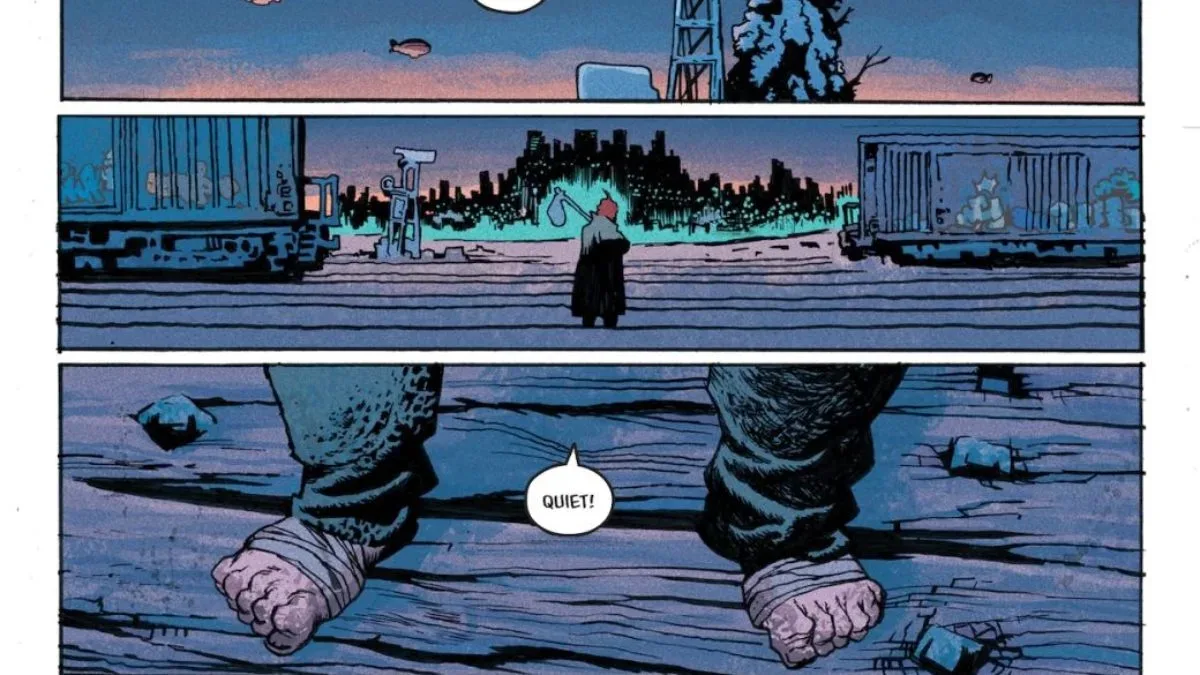
Superman: The Stranger #2 is scheduled to arrive in shops on October 7, 2026, and its central development is a fittingly fundamental one for a Superman story: Lois Lane enters the picture. But the issue’s stated concern is not a supervillain scheme, an extraterrestrial crisis, or a contest of raw strength. Clark is trying to reach the people of Metropolis who are most easily overlooked—and discovering that wanting to help is not the same thing as knowing where help is needed.
That is where Lois comes in. The solicitation positions her as an investigative reporter whose mission is to make unseen people visible. Her work gives Clark information that could help him advance his effort to uplift the city’s downtrodden residents. It is a premise that puts journalism and superhuman intervention alongside one another rather than treating them as competing answers.
Wes Craig is credited as writer, artist and cover artist for the DC Black Label issue. The standard edition is listed at $4.99, with variant covers by Riley Rossmo and Matt Taylor also listed at $4.99.
Clark’s problem is visibility, not power
The key word in the setup is “invisible,” and it is being used socially rather than literally. Clark’s crusade has encountered obstacles because the people most in need may be the hardest for a high-profile hero to find. A person can live in a city full of activity, institutions, wealth and superheroes while still being ignored by systems that are meant to serve the public.
That framing creates a useful limitation for Superman without weakening him. He may have extraordinary abilities, but he cannot automatically know every person’s circumstances, needs or wishes. The issue’s premise recognizes that effective assistance starts with attention, trust and reliable information. In other words, the challenge is not simply reaching a location quickly. It is identifying a problem that others have failed to recognize.
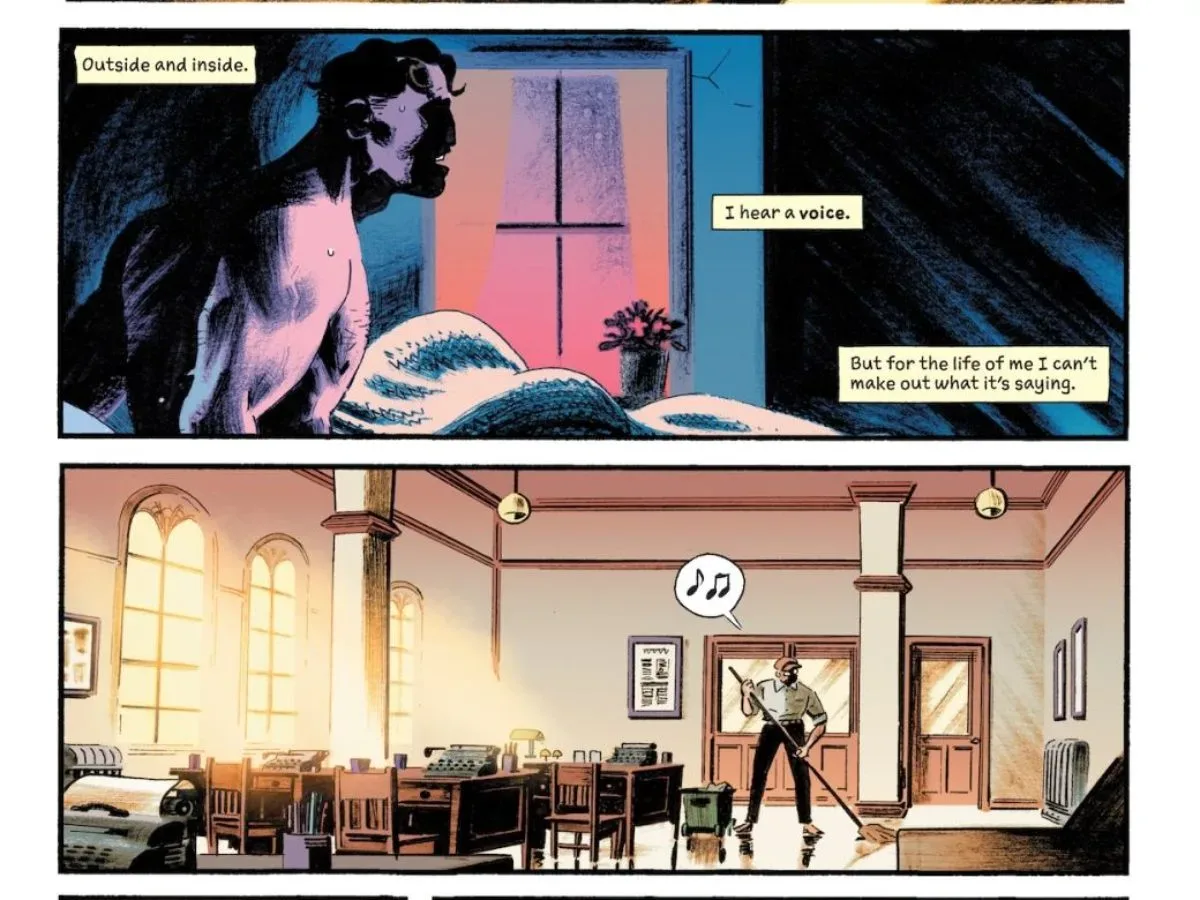
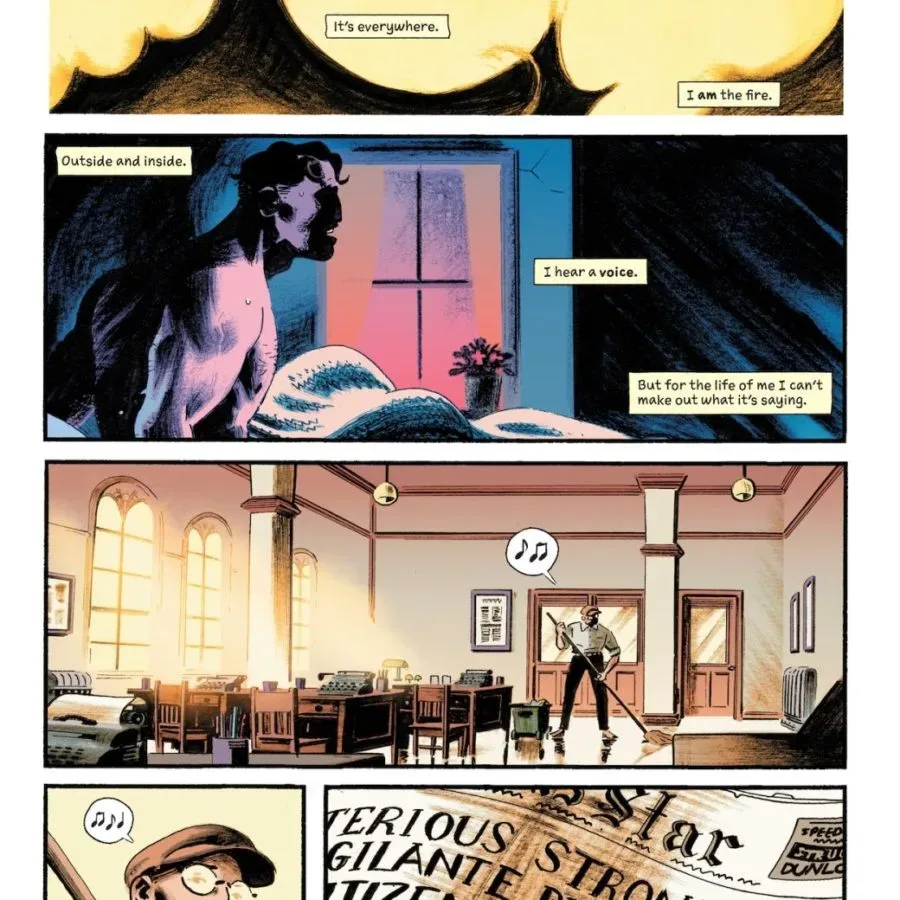
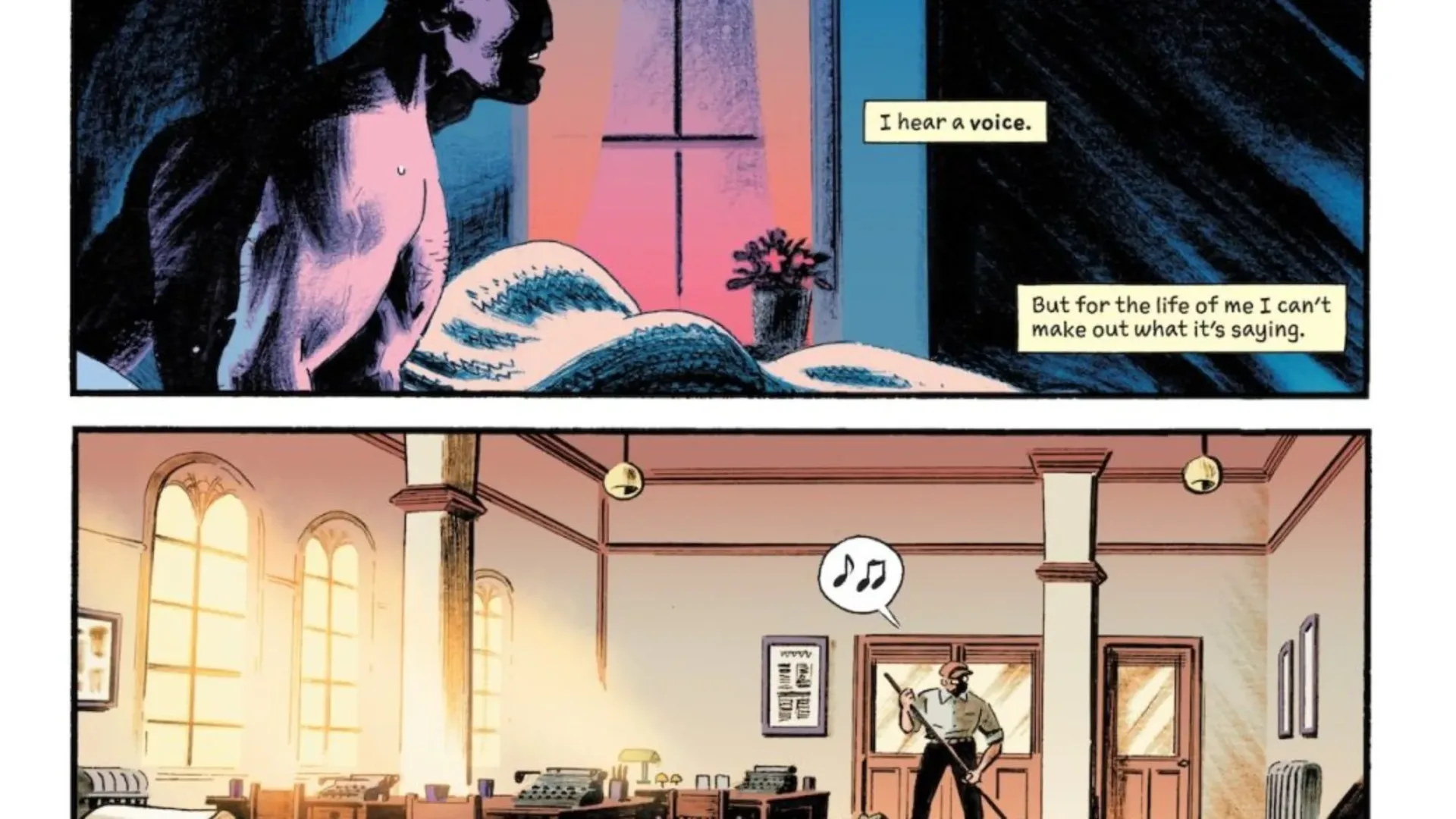
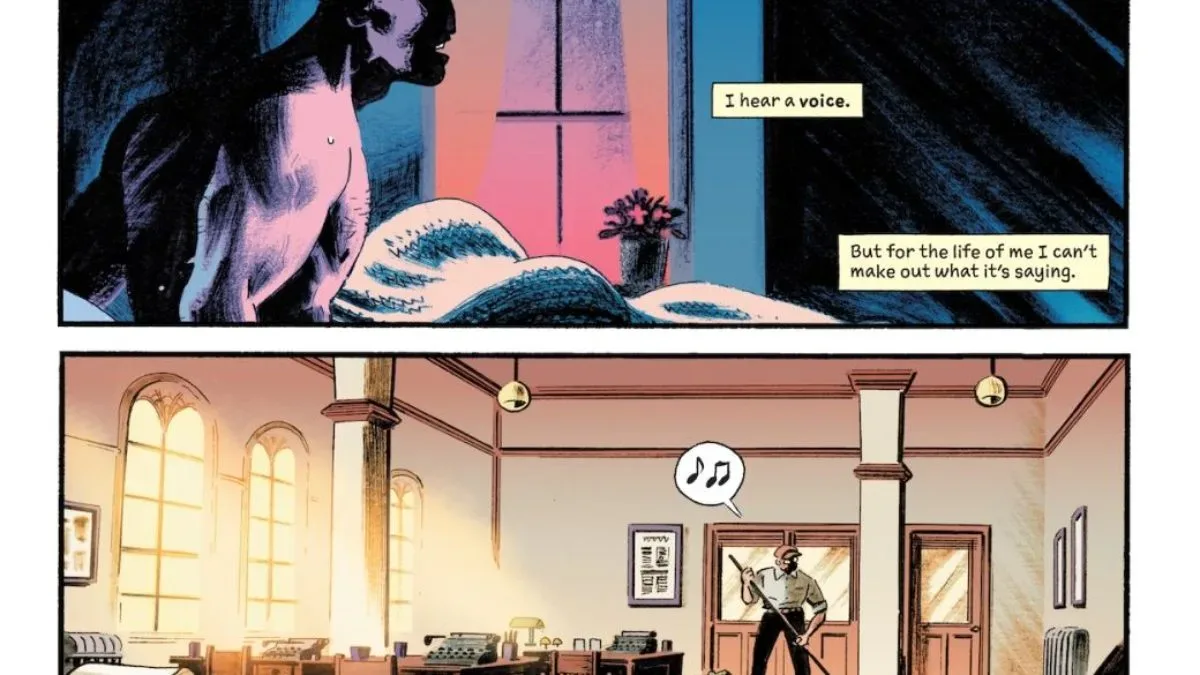
Preview material reportedly shows Clark working as a janitor at a newspaper. That detail reinforces the apparent ground-level approach. Rather than beginning from a perch above Metropolis, the story places him in a role that may let him observe daily life from inside one of the city’s information centers.
Why Lois Lane is essential to this premise
Lois is described as an intrepid reporter, a role that matters beyond familiar Superman mythology. Reporting, in this context, means gathering information, speaking with people, connecting individual accounts to broader conditions, and publishing findings so an audience cannot easily look away. The solicitation’s language suggests that her articles provide Clark with the insight he lacks.
That does not mean journalism becomes a magical shortcut or that a single article fixes the conditions affecting Metropolis. Instead, it establishes a division of strengths. Lois can investigate, document and amplify. Clark can respond to what is brought into view. The story’s question is whether those complementary approaches can begin to change the direction of Clark’s mission.
For readers, this is also a potentially meaningful use of Lois Lane. She is not presented merely as an observer of Superman’s actions. The stated setup gives her a practical role in defining the work that needs to be done. Her reporting may be the catalyst that helps turn Clark’s broad desire to do good into targeted action.
A street-level Superman story
“Street-level” is often used to describe superhero stories focused on everyday communities and immediate civic problems rather than cosmic stakes. That does not inherently make a story smaller in emotional terms. If anything, it can make the consequences more intimate: the focus shifts from saving an abstract population to recognizing people who have been treated as background figures.
Superman: The Stranger #2 appears positioned in that space. Its conflict is introduced through a barrier of awareness. Clark is confronting the reality that the people he wants to help can be difficult to locate precisely because they are being neglected. Lois’s investigative work addresses that blind spot.
It is a particularly natural tension for a character identified with public hope. Hope has practical limits if it never reaches people who have been excluded from public attention. The issue’s setup therefore asks a grounded question: how does a hero help when the city itself has not made room to see everyone living in it?
What Black Label signals—and what it does not
DC Black Label is the imprint under which this issue is being released. Based on the supplied listing, readers should treat that as the series’ publication label, not as evidence for specific plot details that have not been announced. The available description supports a Clark-and-Lois story centered on Metropolis, reporting and overlooked communities; it does not provide further information about antagonists, the full series arc, or how Clark’s work as a janitor factors into every issue.
That distinction is important with preview coverage. A solicitation establishes the premise and credits, but it deliberately leaves major turns of the story off the page. Readers can reasonably expect Lois’s arrival and the central focus on Metropolis’ unseen residents. They should not assume outcomes, character revelations or larger continuity implications from the setup alone.
Release details for Superman: The Stranger #2
- Title: Superman: The Stranger #2
- Publisher: DC
- Imprint: DC Black Label
- Writer/artist/cover artist: Wes Craig
- Variant cover artists: Riley Rossmo and Matt Taylor
- In shops: October 7, 2026
- Listed price: $4.99
The issue arrives during an active period for Superman-related projects more broadly. For a separate screen-side update, see the latest on Superman: Man of Tomorrow entering editing.
What to watch for in issue #2
The immediate draw is the Clark-and-Lois partnership taking shape around a shared civic purpose. The solicitation makes clear that Clark has already run into limits and that Lois holds knowledge capable of changing his approach. That gives the issue a clear dramatic hinge: not whether Superman cares, but whether he can learn how to see Metropolis through the people and reporting that its usual narratives leave out.
It also places value on the unglamorous parts of making change. Listening, researching, publishing and paying attention are not substitutes for direct action in the premise; they are what make direct action more informed. For a Superman comic, that is a notably human-scale starting point, and it allows Lois Lane’s profession to carry real narrative weight.
With Wes Craig handling both writing and interior art, Superman: The Stranger #2 will continue its approach to a Superman story concerned with who gets noticed, who does not, and what it takes to close that gap. Readers can find the issue in comic shops on October 7 for the listed $4.99 price.