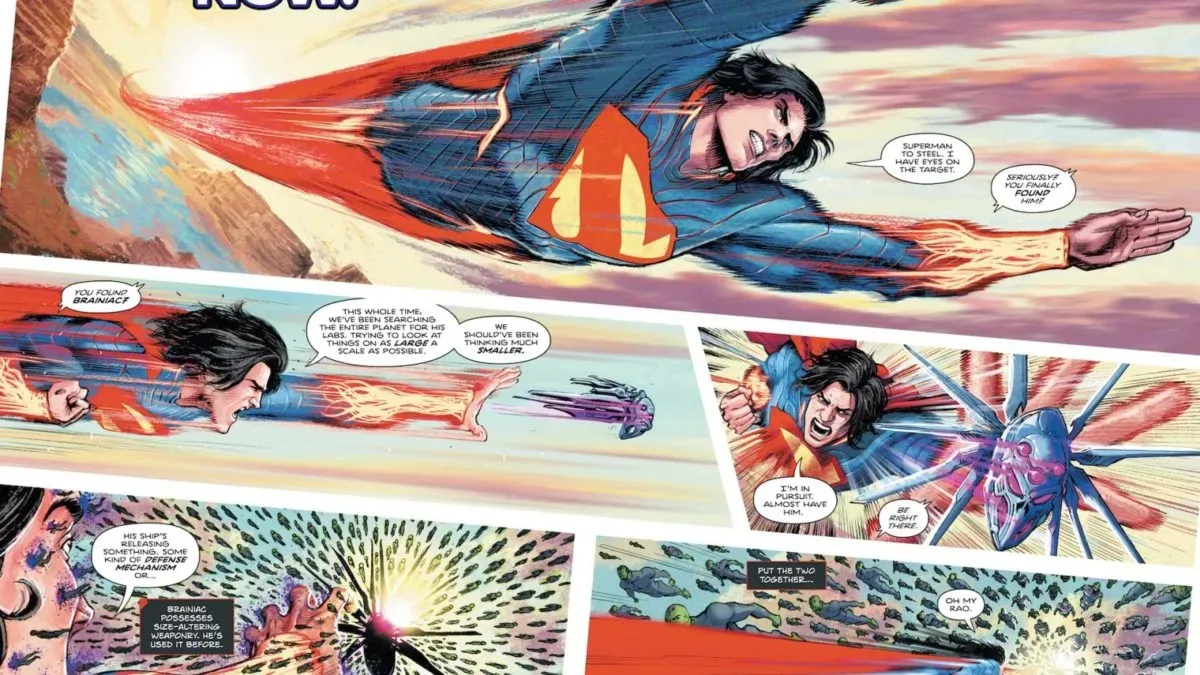
Superman: The Stranger #3 is scheduled to reach comic shops on November 4, 2026, and its central idea is unusually direct: Superman can stop criminals, but he cannot single-handedly make the public understand what he has uncovered. That gap leads him to Lois Lane, the reporter positioned to turn the information behind his interventions into something Metropolis can see, assess and act upon.
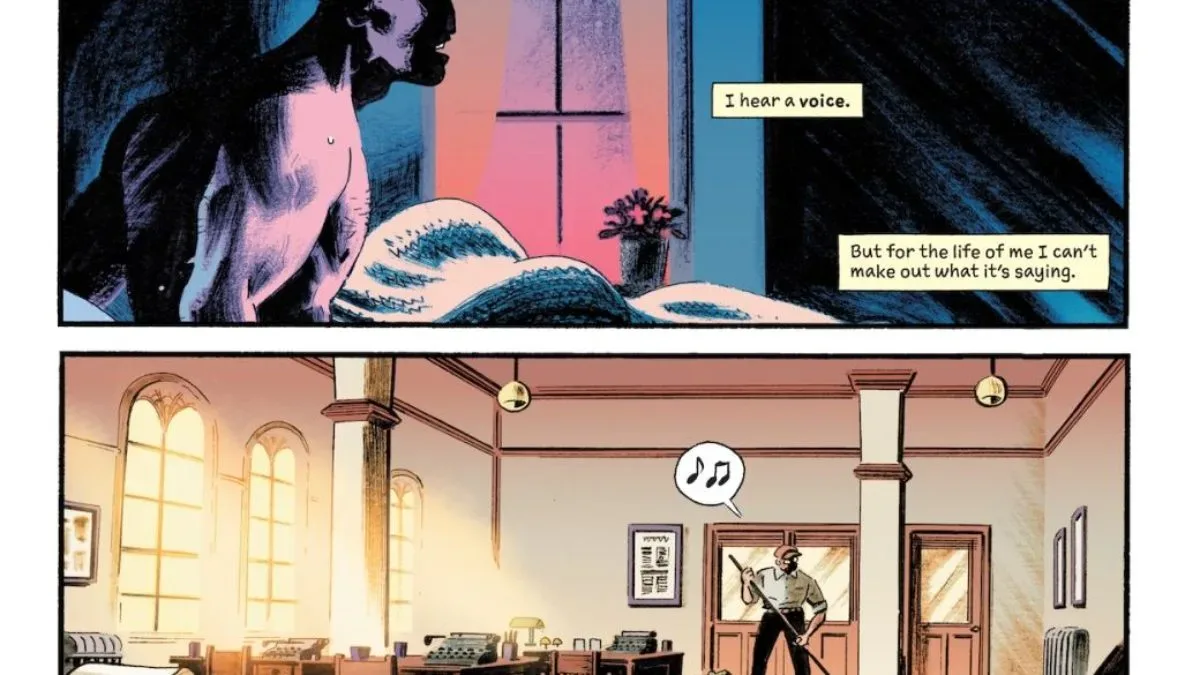
The issue is written and drawn by Wes Craig. It carries a $4.99 suggested retail price, with additional Bryan Hitch and Jeff Lemire cover variants listed alongside the main release. The premise also continues to frame this as an early chapter for Clark Kent: preview material places him at the Saturn Building and shows him testing or displaying the invulnerability that will become inseparable from Superman’s public identity.
A Superman problem that punches cannot immediately solve
The setup for issue #3 is rooted in an awkward consequence of superhero intervention. Superman has been cleaning up Metropolis, yet the people he stops keep ending up back on the street. The comic’s solicitation does not spell out the specific legal, political or criminal mechanisms behind that outcome, so readers should not assume more than it states. What it does establish is a practical frustration for Superman: physical captures are not creating the durable change he expected.
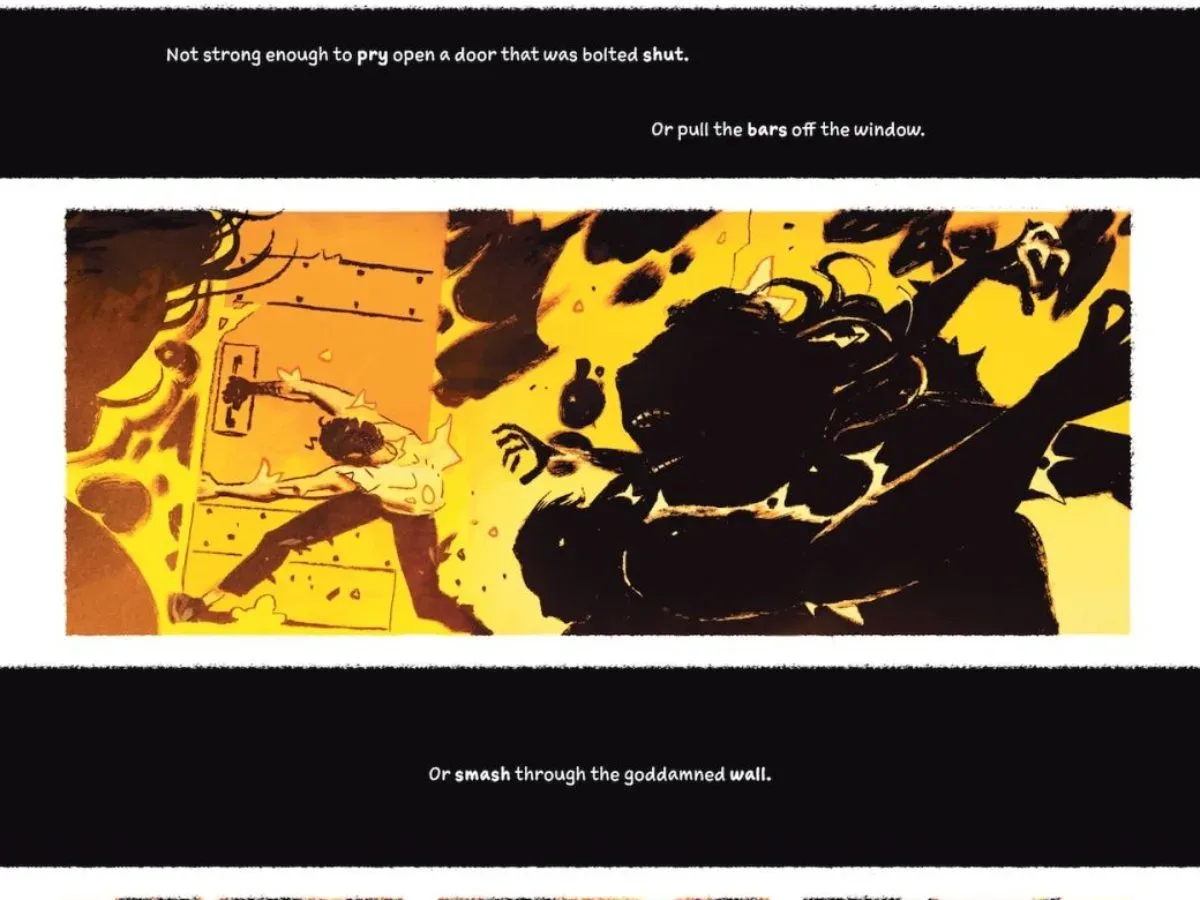
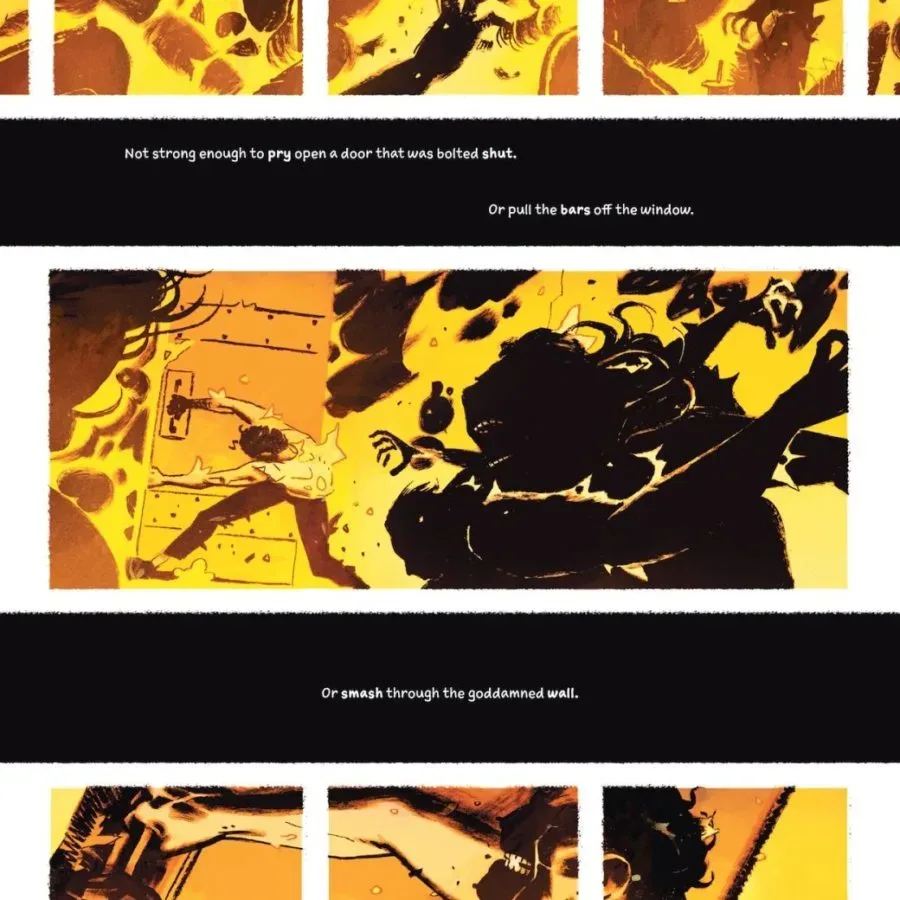
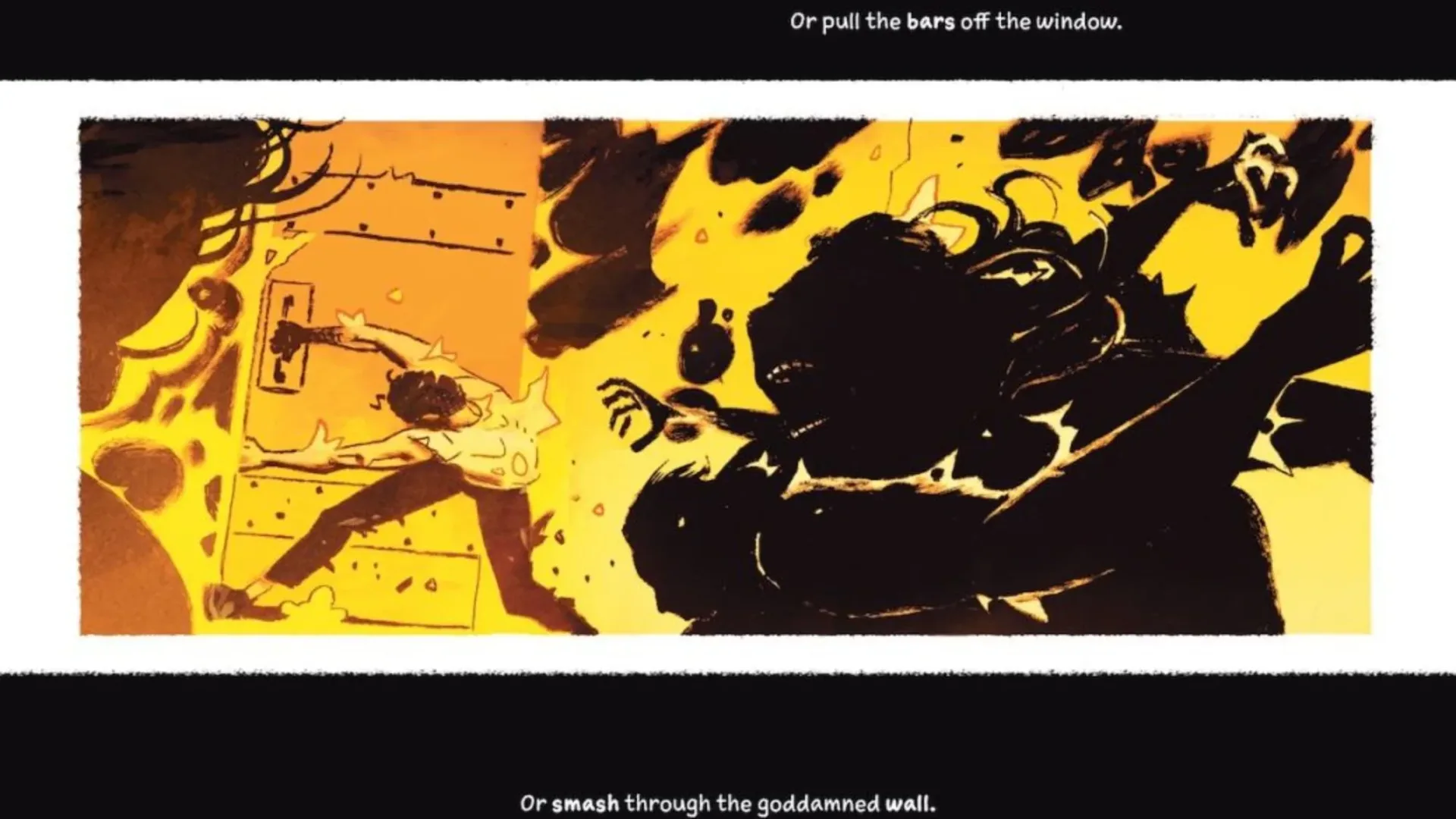
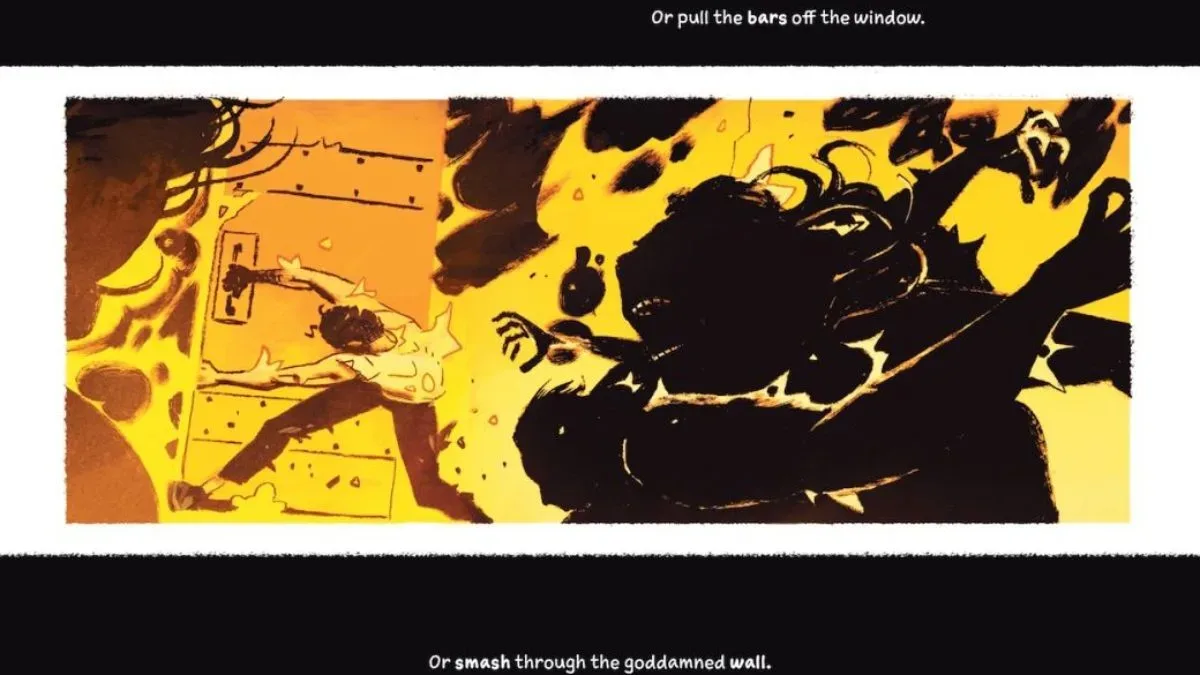
That is a compelling pressure point for a character usually defined by overwhelming capability. Invulnerability, in this context, means an ability to resist physical harm. It is tremendously useful in a rescue or confrontation, but it offers no automatic answer to incomplete evidence, public confusion, institutional failures or a city that lacks the facts needed to respond. Superman may be able to halt an immediate threat, while still needing other people and systems to determine what happens next.
The move to recruit Lois therefore has a logic beyond simply adding a familiar name to the cast. The stated need is for someone who can get the information Superman obtains out to a broad audience. That makes reporting part of the issue’s engine rather than decorative background. Superman can encounter wrongdoing; Lois can investigate, organize details, communicate them and put those details before Metropolis.
“Everyone he’s stopped ends up back out on the streets. He needs someone who can help get the information he acquires out to the masses, and Lois Lane is just the reporter to do it!”
Lois Lane is more than Superman’s amplifier
It would be easy to describe Lois’s role here as publicity, but the solicitation’s emphasis on information makes that too narrow. Publicity is primarily about directing attention. Reporting, at least as the premise presents it, is about making facts understandable and consequential. Those are related jobs, but not identical ones.
That distinction gives Lois a potentially active role in the problem. If Superman is holding criminals for a few minutes but the relevant facts never reach citizens, officials or anyone with the authority to act, then the cycle continues. A reporter can connect events that otherwise look isolated. She can establish patterns, ask questions Superman might not ask, and make hidden conduct visible. Whether this particular issue will follow all of those avenues is not confirmed, but the premise clearly makes information distribution a necessary companion to superhuman action.
There is also a useful tension in the pairing. Clark Kent’s work life and Superman’s public interventions sit close together in this early setting, while Lois arrives as a professional whose job depends on observation. A young Clark who is visibly invulnerable at the Saturn Building is already someone with a difficult boundary to manage. The preview description does not reveal how much Lois knows, if anything, about Clark and Superman’s connection. That uncertainty is part of the hook: bringing a sharp reporter nearer to Superman’s operations can help his mission while making his private life harder to contain.
Why an early-days setting matters
Stories about a developing Superman can take advantage of a question later versions often answer in advance: what does he think his responsibility actually is? The power set may be familiar, but the methods are still being worked out. Issue #3’s premise suggests that this Superman is learning the difference between confronting a problem and changing the conditions that let it persist.
That is not a claim that Superman is responsible for repairing every part of Metropolis by himself. Rather, it makes room for a more grounded limitation. Strength is immediate. Journalism is slower, dependent on evidence and public attention, and often messier. The two approaches can complement one another. Superman can provide access to danger and discoveries no ordinary person could safely obtain; Lois can help make sure those discoveries do not vanish once the immediate crisis ends.
The choice also creates a meaningful contrast with the preview’s image of Clark’s invulnerability. A body that cannot be hurt is one kind of protection. A city that has reliable information is another. The former may save someone during a single emergency. The latter may make it harder for the same abuses or crimes to stay obscured. That is analysis of the premise, not a confirmed plot outline, but it explains why Lois’s arrival has more weight than a routine supporting-character entrance.
What the issue is confirmed to include
- Superman facing the unintended problem of criminals returning to the streets after he stops them.
- Lois Lane entering the story as the reporter suited to disseminating information Superman acquires.
- Early Clark Kent material set at the Saturn Building.
- Preview imagery involving Clark’s invulnerability.
- Wes Craig as writer, artist and cover artist for the standard edition.
- Bryan Hitch and Jeff Lemire cover variants.
Just as important is what remains unconfirmed. The available material does not identify the specific antagonists, explain why those Superman stops fail to last, disclose the full nature of the Saturn Building sequence, or establish how quickly Lois and Clark will work together. It also does not reveal whether Lois’s reporting succeeds in altering the situation within this issue. Those are reasons to treat this as a premise-led preview rather than a complete account of the story.
Practical details for comic readers
Superman: The Stranger #3 is listed for release on Wednesday, November 4, 2026, at a suggested price of $4.99. Readers who prefer a particular cover should check with their local comic retailer, since the listed Hitch and Lemire editions are separate variants. The standard issue is credited to Wes Craig as writer, artist and cover artist.
For readers tracking DC’s wider lineup of character-driven supernatural conflict, there is also a look at The Demon #2 and Jason Blood’s clash with a Prince of Hell. Its subject is very different, but it is another example of a DC protagonist whose challenges cannot be solved through straightforward force alone.
Issue #3’s strongest promise is not merely that Lois Lane appears, but that the comic treats her profession as materially useful to Superman’s mission. Metropolis needs more than a hero capable of catching the bad guy. This chapter proposes that it also needs someone capable of making the truth stick.