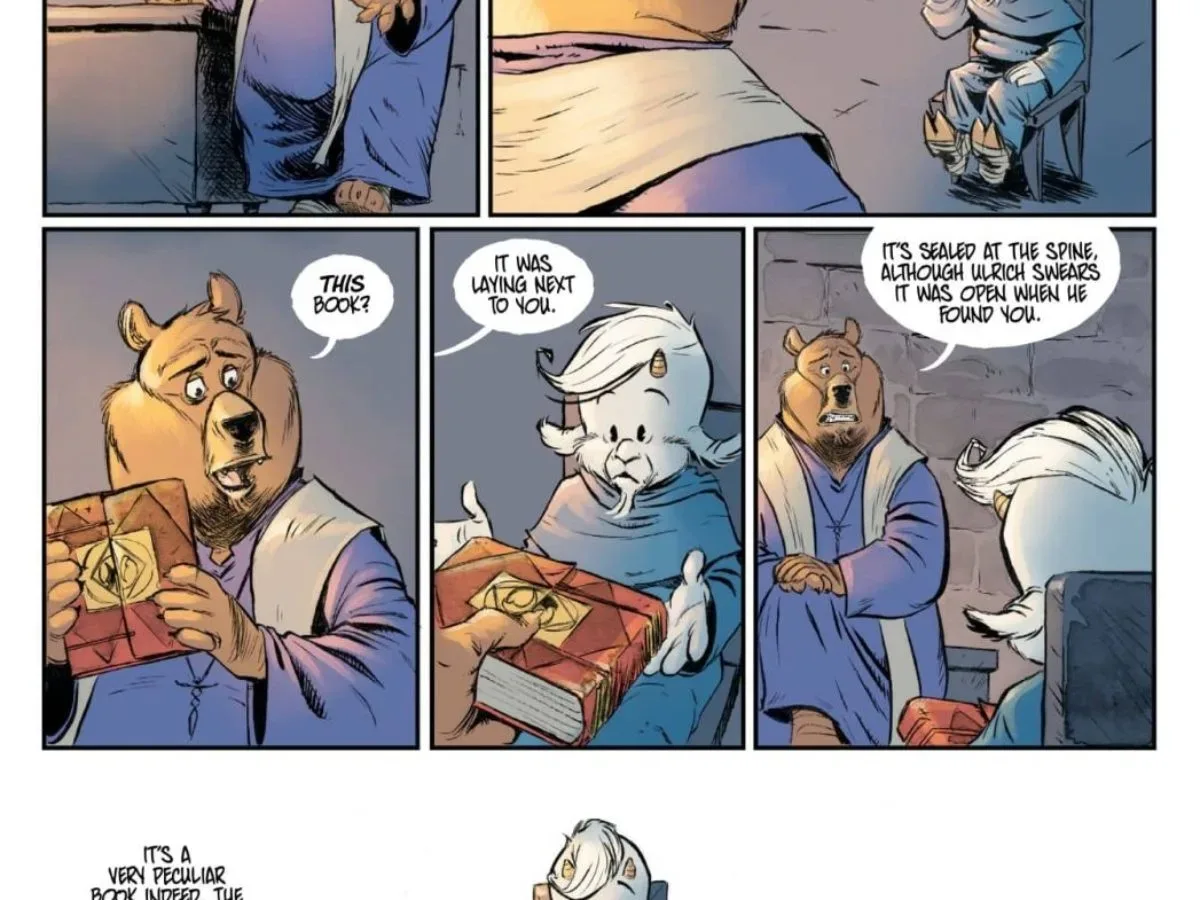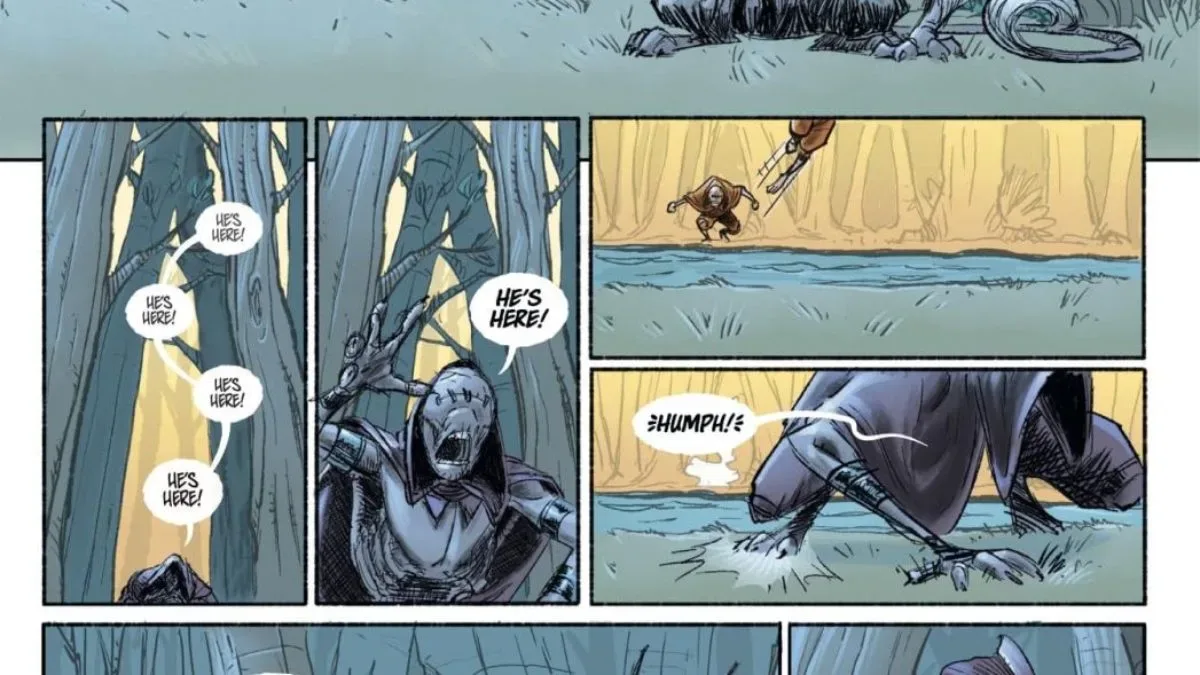
Sunder #2 is set to put its central mystery in motion when it reaches comic shops on November 4, 2026. The issue follows Zeek as a newly arrived magical book turns into his first proper adventure: find the book’s rightful owner before another seeker reaches it first.
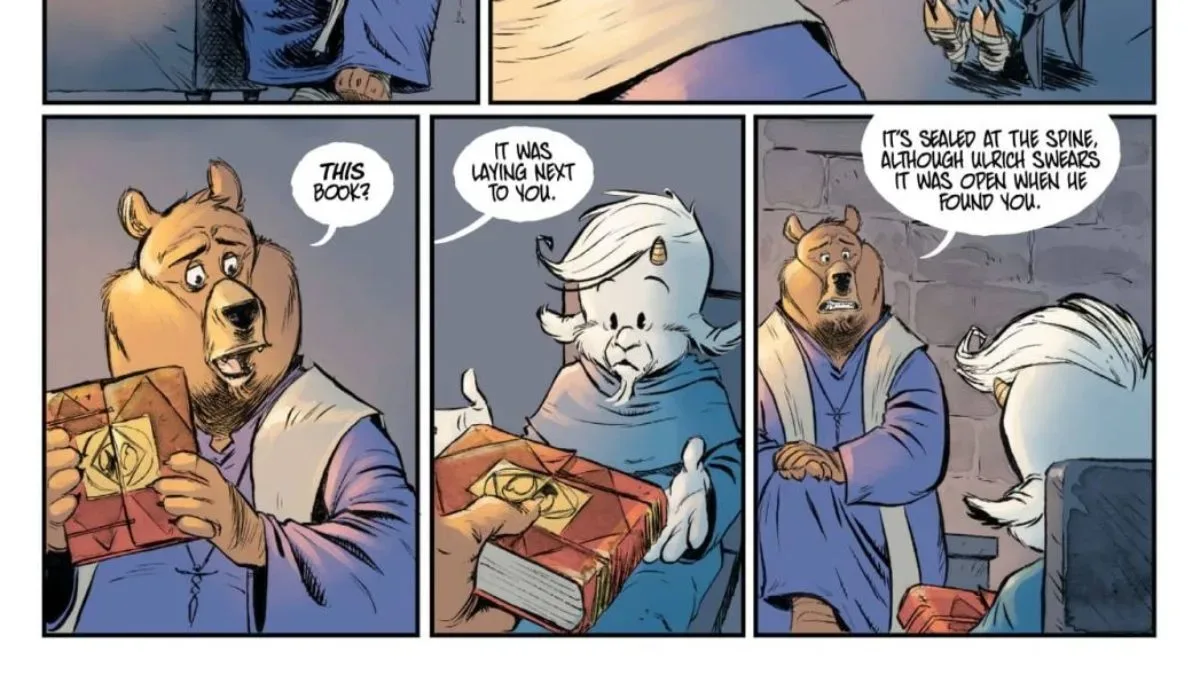
The premise hinges on a nicely immediate fantasy problem. A strange tome has surfaced, its ownership is unknown, and its contents appear to be inaccessible—at least by ordinary means. Zeek is sent into town to seek help from an apothecary who is an old friend of the Abbott. That contact may know something about a wizard said to have lived nearby, making the search less a simple delivery mission than a chain of uncertain leads.
Meanwhile, the book’s reappearance has consequences far beyond Zeek’s local errand. Mollock, described as an ancient creature, has been searching for it for a very long time and is now back on its trail. The issue therefore positions the same object as both the beginning of a personal quest for Zeek and the focus of a potentially much larger threat.
What happens in Sunder #2
Zeek’s assignment is straightforward in wording but complicated in practice: identify and locate the person to whom the mysterious book belongs. The Abbott’s suggested route is to consult the apothecary owner in town, who might have knowledge of an old wizard from the area.
An apothecary is traditionally a person or shop associated with preparing and selling medicinal remedies. In a fantasy setting, that role can naturally overlap with local lore, obscure ingredients, magical expertise, or knowledge passed among unusual customers. The available setup does not establish precisely what this apothecary knows, whether the wizard is still nearby, or whether the book is connected to that wizard at all. Those unanswered questions are the engine of the issue.
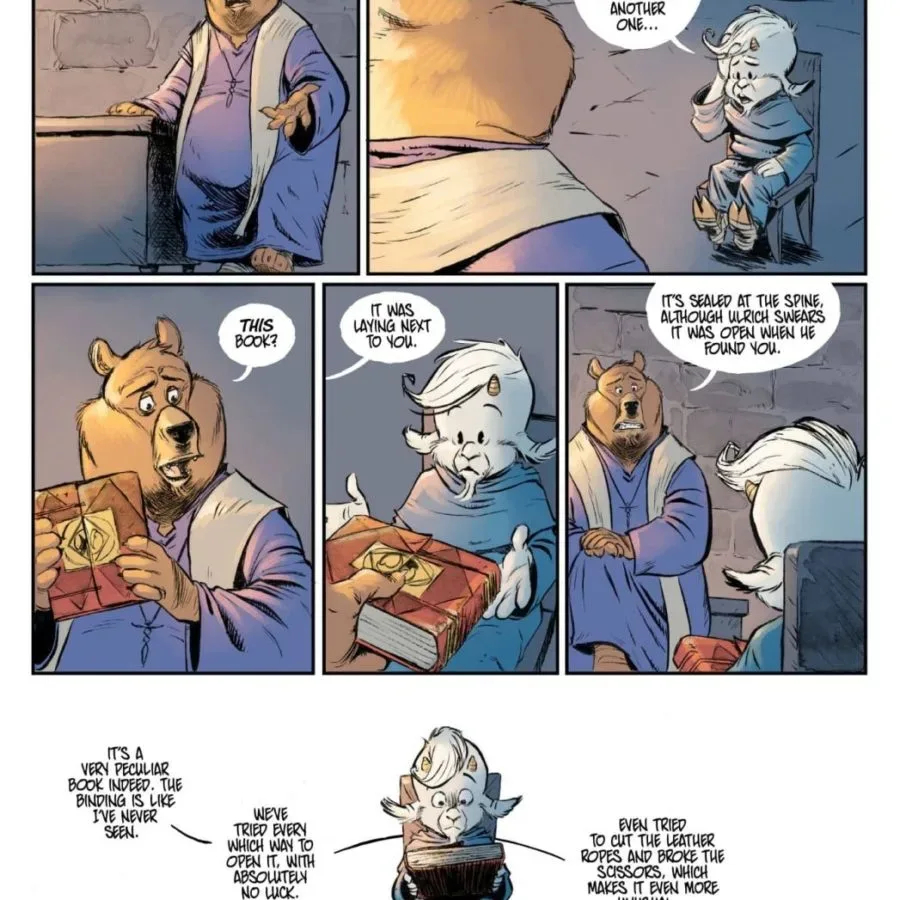
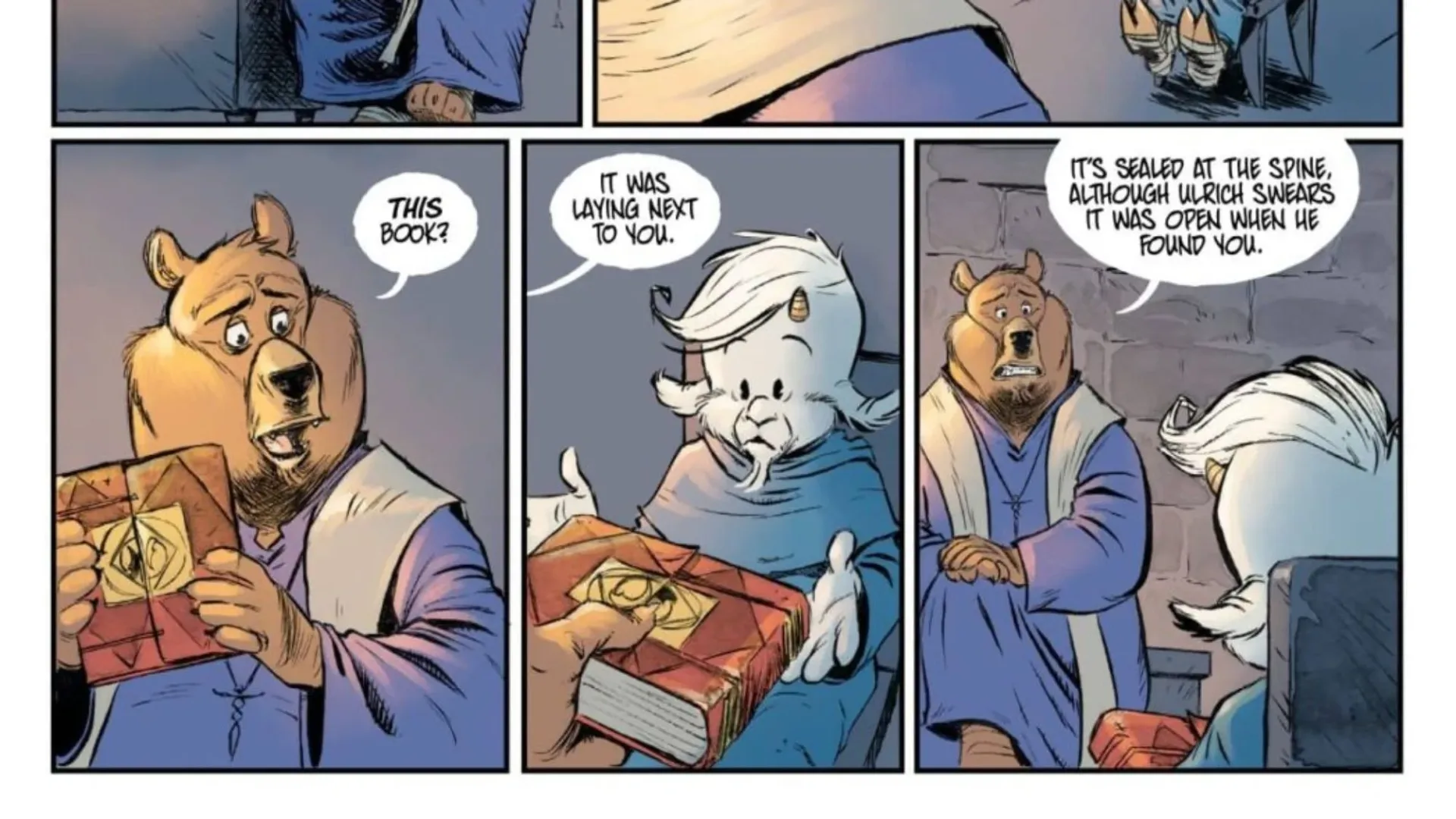
The book itself is more than a passive clue. It has reportedly resisted attempts to open it, even breaking a pair of scissors. That detail suggests a physical or magical safeguard around the object, though the nature of that protection has not been explained. It also creates an important distinction: Zeek is not merely trying to return lost property. He is handling an item whose secrets may be deliberately protected from the people currently holding it.
Zeek’s first adventure centers on finding the magical book’s rightful owner, while Mollock resumes a long hunt for the same object.
A rookie quest with galaxy-sized stakes
The strongest element of this setup is the contrast in scale. On one side is Zeek’s first adventure, which begins with a trip into town and a conversation with a local specialist. On the other is Mollock’s search from elsewhere in the galaxy. Sunder #2 is built around the possibility that an intimate, ground-level task is tied to a danger much older and broader than its hero initially understands.
That structure is familiar because it is effective: the protagonist receives a manageable objective, but the audience knows the object in question matters to forces operating on another level. Zeek’s perspective can keep the story approachable while the pursuit by Mollock supplies urgency. The book does not need to reveal all its answers immediately for the stakes to feel real; the fact that an ancient creature has hunted it for an extended period is enough to establish that its return is consequential.
It is also worth separating what is known from what remains speculation. Mollock is confirmed to be ancient and to be pursuing the book. The information currently available does not establish why Mollock wants it, what the book contains, whether Mollock created it, or whether the old wizard has any connection to the creature. Those are open story questions rather than details to assume in advance.
The sealed-book mystery
Stories built around locked texts often make the object itself function like a character. A sealed book has a history, rules, and agency of a sort: it determines who can access it and forces everyone around it to react. In this case, the resistance to scissors suggests that normal tools are not enough to bypass its closure.
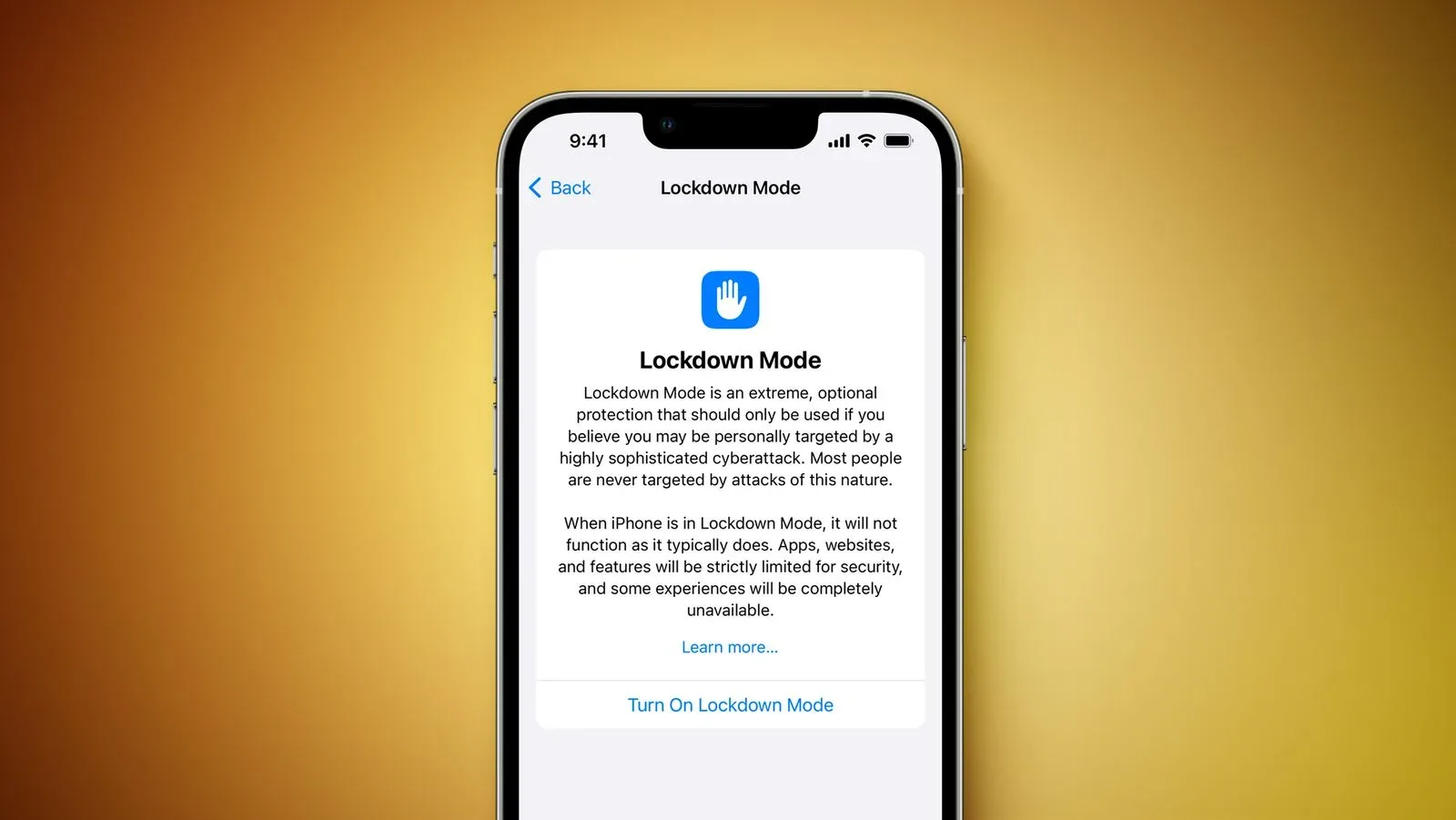
That is a fantasy version of access control, the general idea that a system restricts entry to approved people or methods. The comparison is a useful one, even if the book’s mechanism is magical rather than digital. Modern devices also rely on layers of protection intended to prevent unauthorized access; that ongoing tension between protection and bypassing safeguards is central to a recent report on an iPhone security bypass. In Sunder, the question is less about technical exploits and more about identity: who is supposed to open this object, and what happens if the wrong person gets there first?
The phrase “rightful owner” matters, too. It implies the book may have been separated from someone it belongs with, rather than simply hidden or abandoned. That language leaves room for several possibilities. Its owner could be the wizard Zeek is being directed toward; the owner could be someone the characters have not yet met; or the ownership question itself could prove more complicated than it initially appears. The issue’s premise establishes the destination as uncertain, not guaranteed.
What Mollock changes about the mission
Without Mollock, Zeek’s trip could read as the beginning of a local mystery. Mollock changes the shape of the story by adding a pursuer with an apparently longstanding investment in the book. A hunt that has lasted a long time suggests persistence, and the creature’s return is directly tied to the book resurfacing.
That does not automatically mean Zeek and Mollock will meet in this installment. Nor does it confirm that Mollock is the book’s owner, its enemy, or its creator. It does establish a collision course: Zeek is tasked with locating the person who should possess the book, while Mollock is actively trying to locate the book itself. Those goals may overlap, conflict, or lead the characters to entirely different answers.
For readers, the practical appeal is in watching how much Zeek learns before the wider danger catches up. First-quest stories have particular pressure because the protagonist is still figuring out how to operate in the world. Sending a newcomer after an evidently important magical artifact creates room for discovery, mistakes, and unexpected allies, without requiring the issue’s premise to disclose every rule at once.
Release and creative details
Sunder #2 is published by Mad Cave Studios and arrives in shops on Wednesday, November 4, 2026. Pierre-Alexandre Comtois is credited for writing, art, and cover art. The issue is listed at $5.99.
- Title: Sunder #2
- Publisher: Mad Cave Studios
- Release date: November 4, 2026
- Creator credit: Pierre-Alexandre Comtois (writing, art, cover)
- Cover option listed: Derek Laufman cover
- Suggested retail price: $5.99
As a second issue, Sunder #2 appears focused on escalating the series’ initial premise rather than resolving it. Zeek now has a concrete reason to leave his starting point, a possible source of answers in town, and an object whose significance reaches beyond his immediate surroundings. Mollock’s renewed pursuit gives the adventure a ticking-clock quality, even if the exact timetable and scale of the confrontation are still unknown.
The central question for this chapter is not simply what is inside the book. It is whether Zeek can determine who should have it before the ancient being that has waited so long finally finds it.