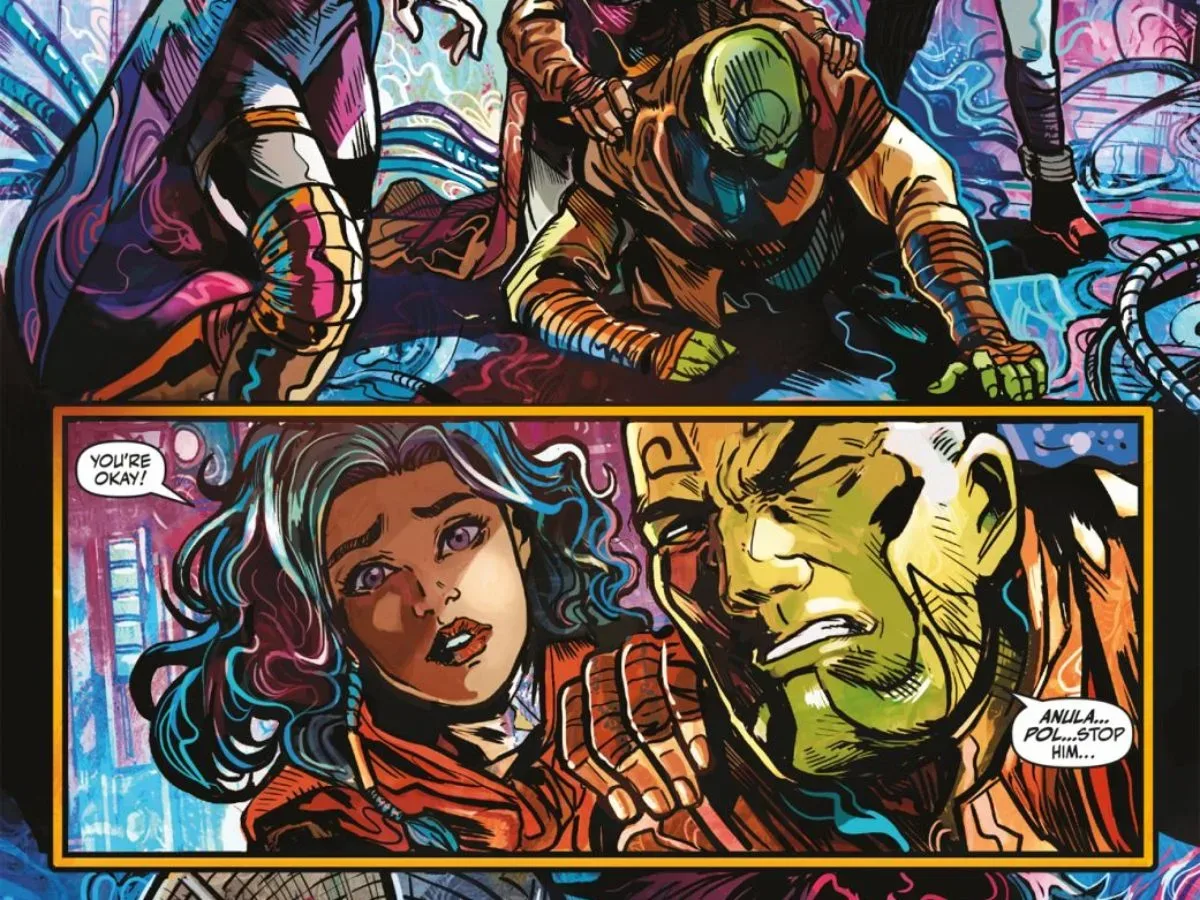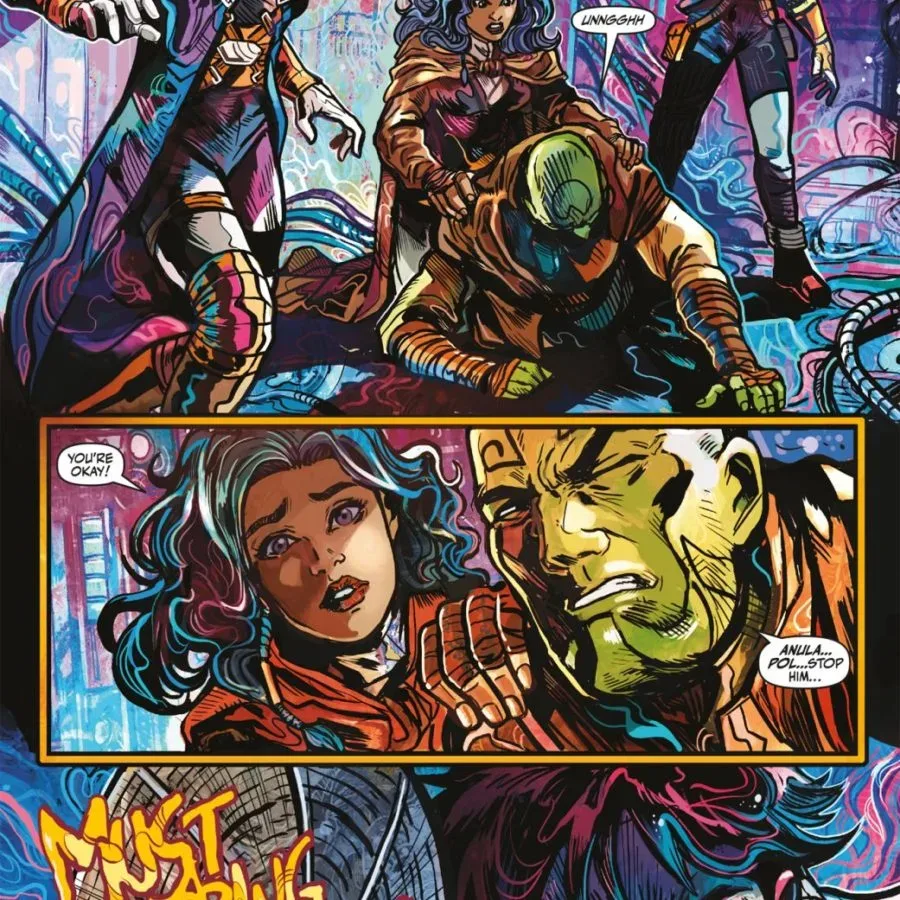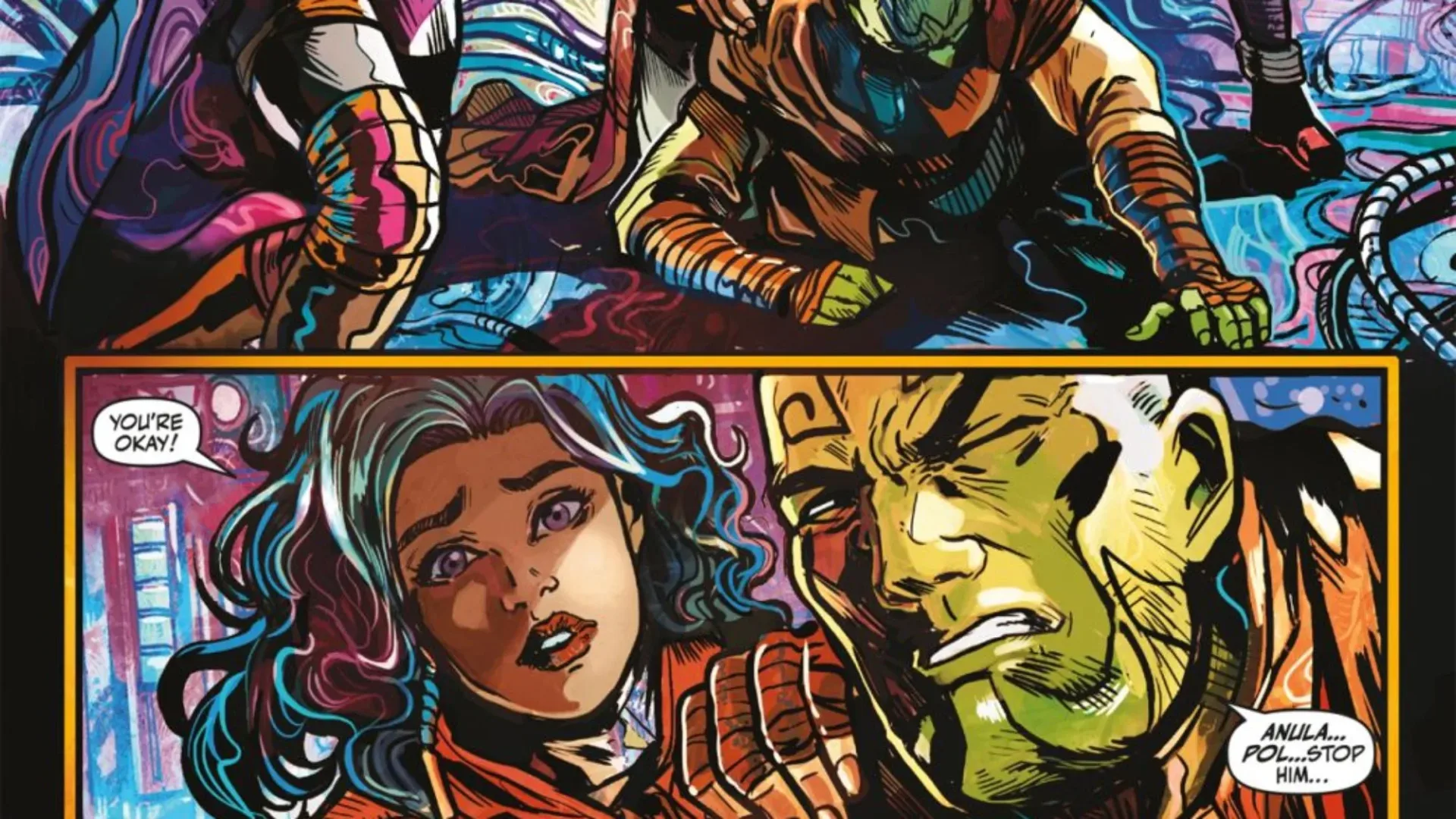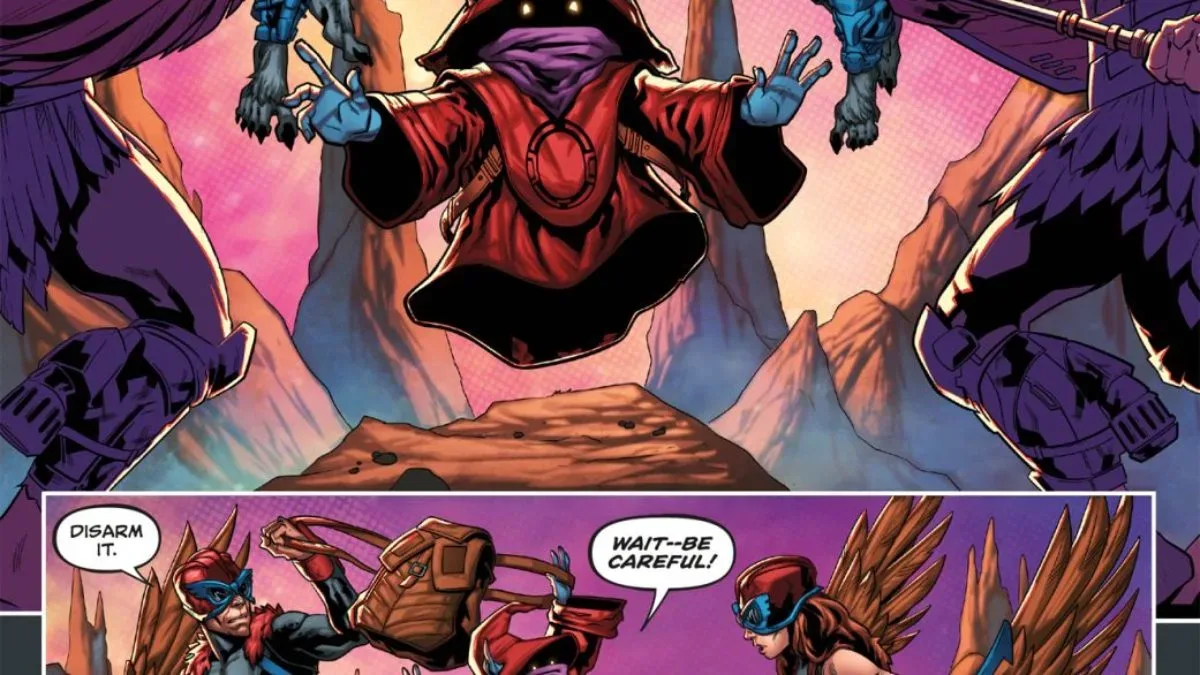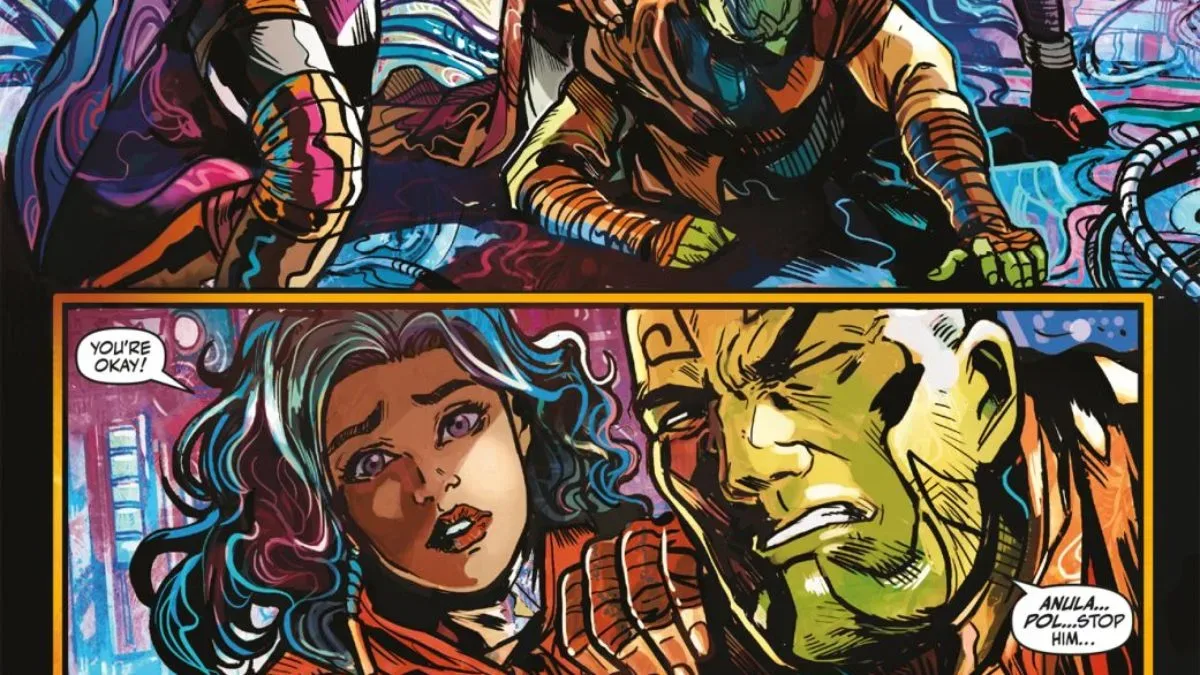
Star Wars: The High Republic Adventures—Pathfinders #6 is set to bring its central mystery to a head on October 21, 2026. The 32-page Dark Horse Comics issue places Jedi Master Temesh, his Padawan Anula, Pol, and the rest of the Pathfinders opposite the rogue comms team at the center of the crisis.
The immediate stakes are unusually direct: a frightening new, mutated villain is attempting to bring silence to the galaxy, while the Pathfinders must protect both their wider mission and themselves. As issue #6, this chapter is billed as the action-focused finale, meaning the confrontation is positioned as the resolution to the communications-team plot rather than simply another escalation.
A finale built around communication failure
“Comms” is shorthand for communications: the personnel, equipment, stations, and systems that allow distant people or groups to send and receive information. In an interstellar adventure setting, compromising those systems has consequences beyond a single fight. It can isolate teams, prevent warnings from reaching allies, obscure the truth of unfolding events, and leave people unable to ask for help.
That gives the Pathfinders’ enemy a threat that is broader than ordinary physical destruction. The stated danger is not merely an attack on a place or a person, but an effort to impose silence across the galaxy. The premise turns communication itself into something the heroes must defend.
The solicit specifically identifies a rogue comms team as the heart of the mystery. “Rogue” signals a group operating outside its expected loyalties, rules, or mission. The issue’s dramatic question, then, is not only whether Temesh’s team can stop the mutated antagonist, but whether they can untangle the threat from within the network responsible for keeping people connected.
Who is in the confrontation?
The issue centers on a compact group of named protagonists:
- Jedi Master Temesh, the Jedi leading the group.
- Anula, Temesh’s Padawan, or Jedi apprentice.
- Pol, who joins them in the confrontation.
- The remaining Pathfinders, facing the rogue communications team together.
That arrangement gives the finale both a mentor-and-apprentice element and an ensemble survival problem. The copy does not lay out the precise role each character plays, nor does it reveal how the rogue team or mutated villain came to be involved. What it does establish is that every member of the mission is exposed to the same danger: their work could be destroyed, and they could be destroyed with it.
For readers coming to the finale, the key narrative setup is simple: the Pathfinders have traced their galactic mystery to a rogue comms operation, and now they have reached the people behind it. The climax will decide whether the heroes can prevent a disaster rooted in corrupted or compromised communication.
Why the premise suits a Pathfinder story
A pathfinder is, in the broadest sense, someone who explores, charts a route, or helps others find their way. That role depends on reliable information. Coordinates, warnings, status reports, and contact with other teams all become vital when a group is operating across a large and hazardous setting.
That makes a communications-based antagonist a natural obstacle for a group called the Pathfinders. If the ability to transmit and receive information is damaged, even capable heroes can be left acting with incomplete knowledge. The threat can turn geography and distance into obstacles without needing to change the setting itself. A listening station or comms hub, for example, can become a point of control: whoever holds it may influence what messages travel, which messages are withheld, and who is cut off.
The mutated-villain detail adds another dimension. Mutation generally describes a substantial physical or biological alteration. Here, the supplied setup uses that idea to characterize the antagonist’s state of “madness,” tying the technological threat to a personal, unpredictable adversary. The story therefore appears to combine a systemic crisis—galactic silence—with a face-to-face conflict against the figure driving it.
What is confirmed, and what remains under wraps
Several basics are confirmed. The issue is the sixth installment of Star Wars: The High Republic Adventures—Pathfinders, it is presented as the finale, and it goes on sale October 21, 2026. George Mann is credited alongside Vincenzo Riccardi and Comicraft, with a cover by Jake Bartok. Dark Horse Comics lists the issue at 32 pages, for readers described as Kids to Adults, with a $4.99 price.
The supplied details do not identify the mutated villain by name, explain the origin of the mutation, specify the rogue team’s motives, or reveal the outcome of the showdown. They also do not state whether the communications threat will be fully resolved or whether any fallout will extend beyond this miniseries. Those omissions preserve the actual final-act answers for the comic.
That restraint matters in a preview of a concluding issue. The premise provides a clear sense of urgency—stop the people who could silence the galaxy—but does not give away the solution. Readers know where the Pathfinders are headed and the kind of catastrophe they are trying to avert, while the mechanics of the rescue remain unrevealed.
Creative credits and release details
The creative listing names George Mann, Vincenzo Riccardi, and Comicraft. In comics, credits of this kind can cover the writing, artwork, and lettering functions that shape how an issue reads page to page. Comicraft is credited here alongside Mann and Riccardi, while Jake Bartok is credited for the cover.
For collectors and regular readers, the practical information is straightforward:
- Title: Star Wars: The High Republic Adventures—Pathfinders #6
- Publisher: Dark Horse Comics
- On sale: October 21, 2026
- Format: 32-page comic book
- Price: $4.99
- Audience listing: Kids to Adults
- Cover: Jake Bartok
The comic is also listed with variants, although no individual variant covers or artists are detailed in the available information. Anyone specifically tracking cover editions will need to check the final retailer listings for the particular versions offered.
The larger appeal of a self-contained climax
Issue finales have a different job from middle chapters. Rather than introducing a new mission, they need to convert the existing conflict into a decisive test. In this case, the unresolved thread is the rogue comms team, while the threat is framed on two levels: the personal risk to Temesh, Anula, Pol, and their allies, plus a potentially enormous communications catastrophe.
That dual structure can make the stakes easy to grasp. The Pathfinders are not fighting only to win an encounter; they are fighting to stop a condition of isolation from spreading outward. “Silence” functions as more than an absence of noise. In the context provided, it means the dangerous loss of contact between people who may need one another.
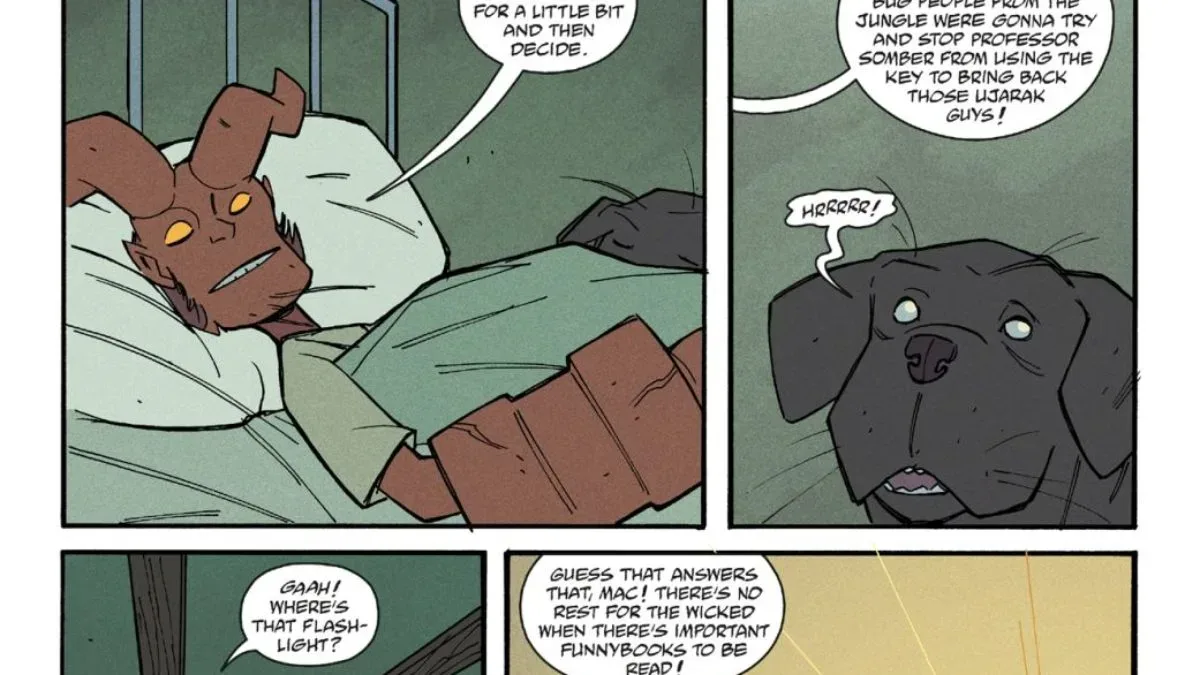
Readers interested in another comic-book finale with an adventure mystery at its center can also see Young Hellboy: Thrilling Sky Adventures #4. The settings and characters differ, but both releases are built around bringing a serialized mystery to its closing chapter.
Star Wars: The High Republic Adventures—Pathfinders #6 arrives with its central conflict clearly drawn: the Pathfinders have found the rogue comms team, a mutated villain is willing to end galactic communication at any cost, and the final encounter will determine whether the group’s mission survives. The conclusion is due in comic shops on October 21, 2026.