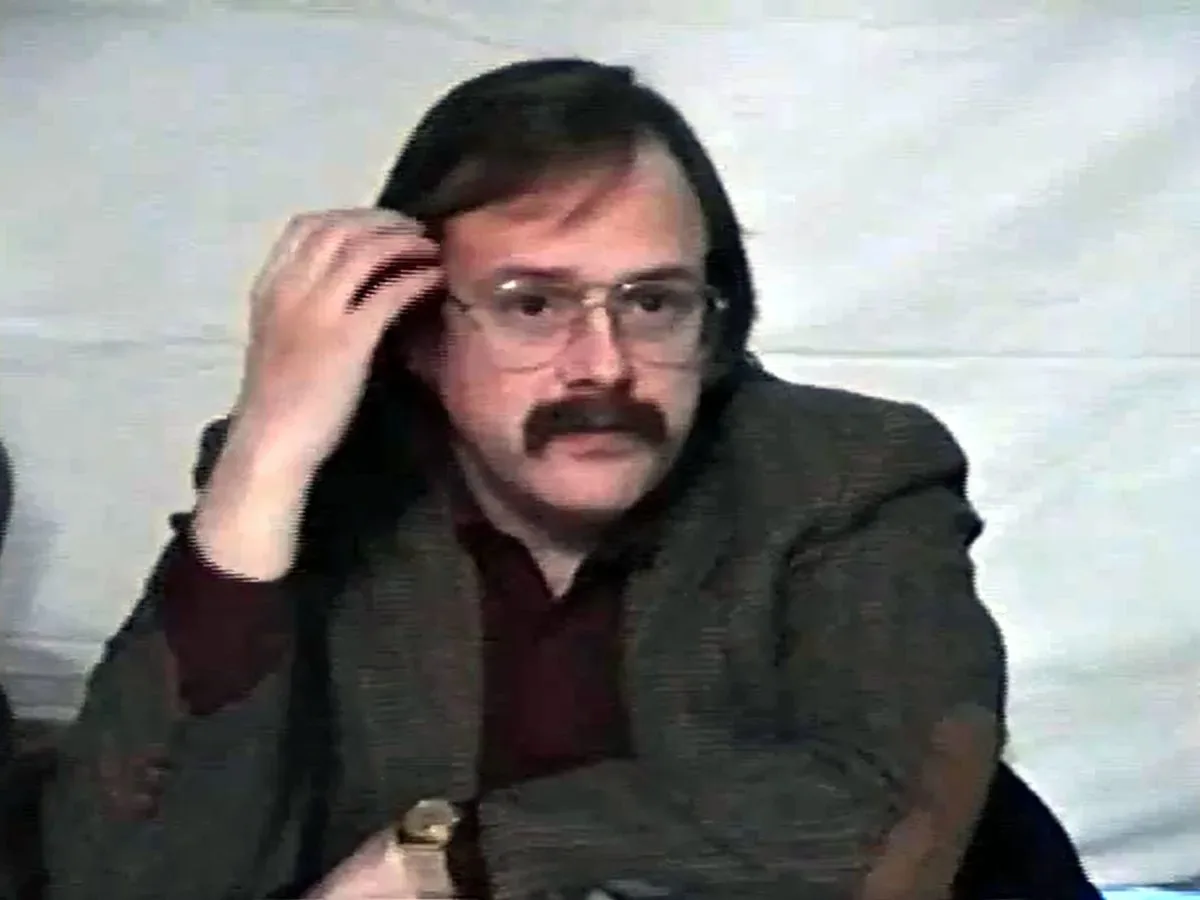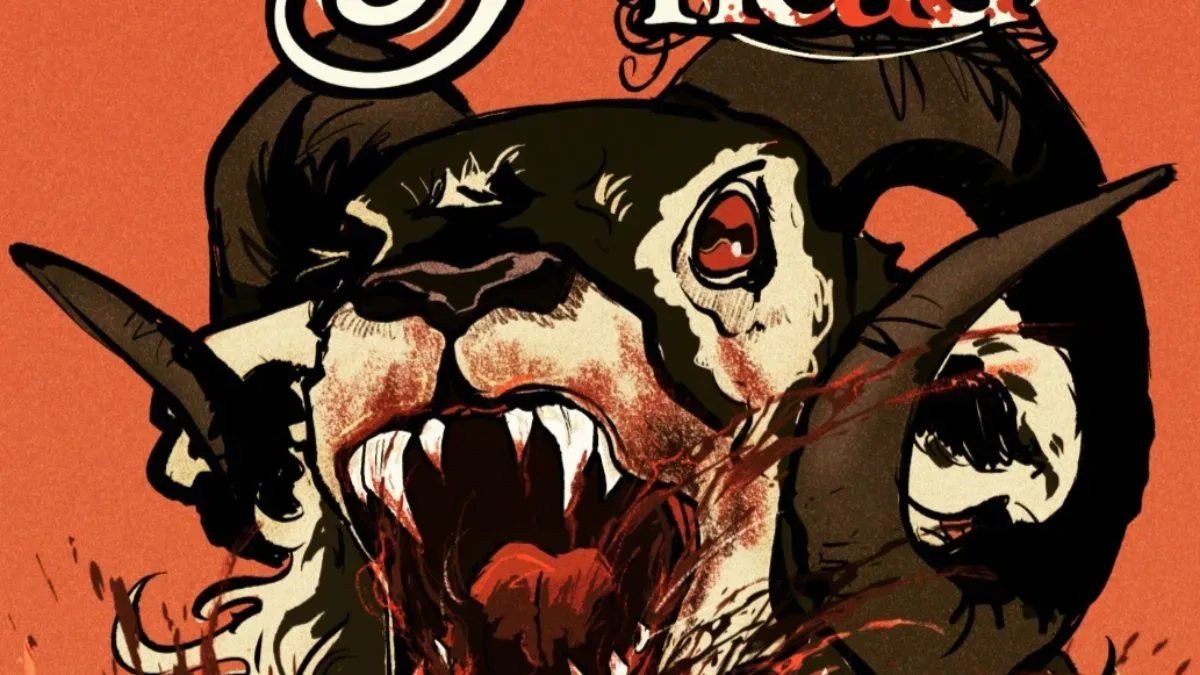
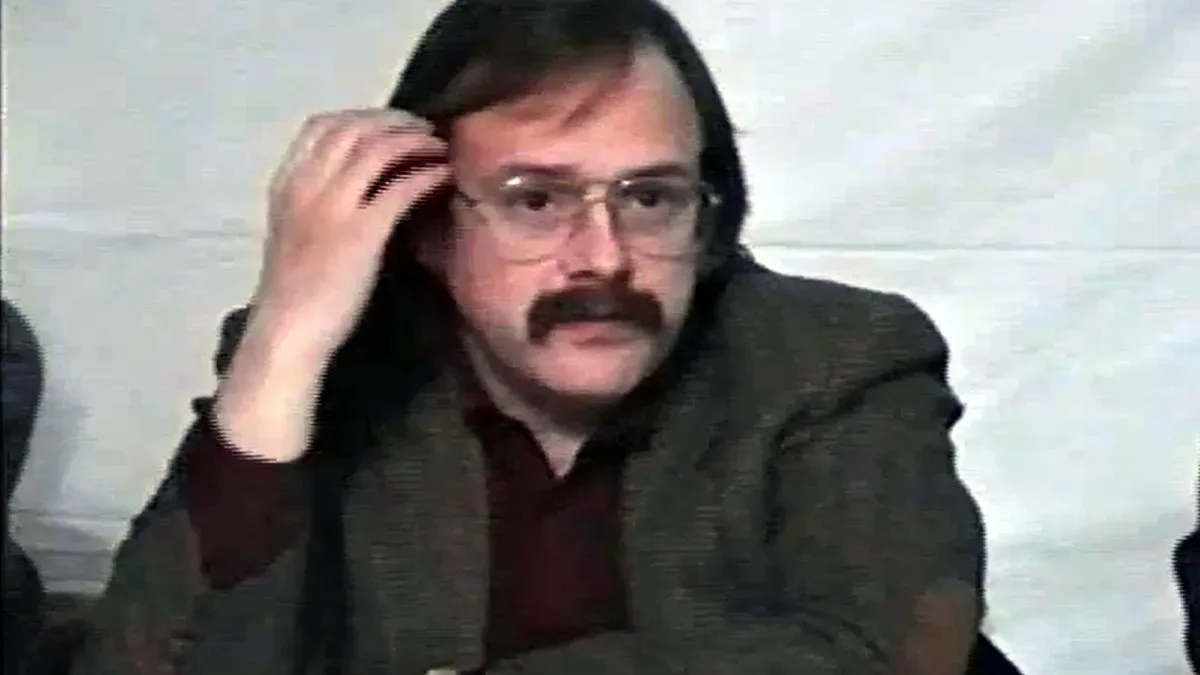
Reed Douglas Waller, the cartoonist who created Omaha the Cat Dancer, has died at the age of 77. Waller died on November 17, 2026. A Celebration of Life is being planned in New Richland, Minnesota, where he was born on August 3, 1949.
Waller’s name is inseparable from Omaha the Cat Dancer, the adult anthropomorphic comic that began in the late 1970s and ultimately became a long-running, character-led serial. Its premise was initially straightforward: Omaha was a cat who worked as a stripper in the fictional Mipple City. But the comic developed far beyond an erotic-strip format. With Waller on art and, for much of its most important run, Kate Worley scripting, it grew into an extended drama about friendship, romance, work, sex, power and corruption.
That combination made Omaha unusual within the independent-comics world. It was explicit adult work, but its sexuality was part of the lives and relationships of its cast rather than a detachable attraction. The series also became a notable example of anthropomorphic comics—stories populated by humanlike animal characters—being used for adult drama rather than exclusively for comedy, children’s entertainment or parody.
From underground comix to Vootie
Waller came up through the underground comix environment. In 1976, he and Ken Fletcher co-founded Vootie, an adult “funny-animal” APA. APA stands for amateur press association: a contributor-driven publishing group in which participants circulated their work among members, often outside mainstream commercial channels. Before digital self-publishing, that format gave cartoonists and readers a way to build specialist communities around material that conventional publishers might not print.
Vootie was important to Waller’s career because it provided the setting for Omaha’s first appearance in 1978. The character emerged amid several influences: the Air Pirates’ high-profile legal struggles over adult parodies of Disney characters, Robert Crumb’s Fritz the Cat, and local Twin Cities disputes over strip clubs. Those ingredients help explain the strip’s early charge. It joined a comics tradition willing to use animal figures for adult social satire, while placing its heroine in a profession that was already a subject of public argument.
The term anthropomorphic can sound academic, but it simply describes animals given human bodies, speech, emotions and social roles. In Omaha, that device did not keep the material at a safe cartoonish distance. Instead, it let Waller and Worley stage recognisable adult concerns through a cast of cats and other animal characters. The visual premise was fantastical; the emotional stakes were intended to be grounded.
Early Omaha strips also appeared in Kitchen Sink publications, including Bizarre Sex. Following a period of writer’s block for Waller, his then-partner Kate Worley began writing the series. Worley was also a songwriter, and her involvement changed the scale of the project. Short erotic stories gradually gave way to a continuing soap opera, a form built around interlocking character arcs and developments that accumulate over time rather than resolve neatly in one episode.
A partnership that expanded the series
Waller and Worley’s collaboration was central to what Omaha the Cat Dancer became. Waller’s art established its setting and cast, while Worley’s scripting helped turn the work into an expansive serial concerned with interpersonal relationships, labour and civic wrongdoing as well as sexuality. The result was not simply an adult comic with a plot attached; it was a continuing narrative in which sexual relationships were among the many forces shaping people’s choices.
The series was published at different times by Kitchen Sink Press, Fantagraphics and later NBM through Eurotica/Amerotica. Its release schedule was irregular across the years, reflecting the practical difficulty of sustaining an independent serial, particularly one operating outside more commercially comfortable genres. Still, the work drew major recognition in 1991, when it received Eisner Awards for Best Black-and-White Series and Best Writer.
Those awards matter in part because they recognised a book that did not fit neatly into the usual boxes. “Black-and-white series” identifies a production format, but it also points to an independent-comics ecosystem where creators often worked without the economics of full-colour mainstream periodicals. The Best Writer honour additionally underscored the value readers and peers found in Worley’s serial storytelling, even as Waller remained the series’ defining visual creator.
For readers looking at the era’s wider comics conversation, the industry continues to overlap with film, posters and other pop-culture publishing; this look at a busy day for comics and pop-culture attention offers a separate example of how comic-related material reaches audiences in many forms. Waller’s career, however, was rooted in a more independent and creator-led tradition.
Why Omaha became part of a legal fight
Omaha also occupied a meaningful place in debates about obscenity, retail access and comic-shop distribution. In 1986, police purchased Omaha and other comics from Friendly Frank’s, a comic shop in Lansing, Illinois. The store’s manager, Michael Correa, was subsequently arrested. In 1988, he was convicted of possessing obscene material with intent to distribute, but the Illinois Appellate Court later reversed that conviction.
The case was consequential well beyond one shop and one set of books. It helped spur the formation of the Comic Book Legal Defense Fund, an organisation created to support free-expression issues in comics. Waller took part in early fundraising efforts for the fund, including benefit portfolios. That participation placed him not merely among the creators whose works were vulnerable to censorship, but among those who helped build a response to it.
It is useful to distinguish obscenity from the broader idea of material being sexual, controversial or offensive. The Friendly Frank’s case was about whether works could be treated as criminally obscene for distribution. The reversal did not erase the pressures that adult comics faced, but it demonstrated that retailers could not be assumed to be criminally liable simply because they stocked sexually explicit graphic storytelling.
Waller’s series encountered other obstacles as well, including distribution and binding problems. These are easy to overlook when discussing a completed work in retrospect, but they matter for serial comics. Distribution determines whether readers and shops can obtain issues at all; binding problems can affect the physical quality of a printed book. For an irregular independent series, either difficulty can interrupt momentum and make it harder for a readership to follow a complex ongoing story.
A later ruling in New Zealand found that Omaha was not indecent, specifically observing that the work placed sex within continuing emotional relationships rather than treating it as pure exploitation. That distinction closely matches the quality for which the comic remains best known. Its adult content was plainly part of its identity, but the series argued through its form that explicitness and character-driven storytelling were not opposites.
Illness, community support and a completed ending
In the early 1990s, Waller was diagnosed with colon cancer. Without health insurance, he received assistance from the comics community through two 1992 volumes of Images of Omaha, published by Kitchen Sink Press. The books included contributions from a broad group of creators and writers, among them Will Eisner, Alan Moore, Frank Miller, Neil Gaiman, Dave Sim and Harlan Ellison.
That support was tangible rather than ceremonial: the collections were made to help Waller during a medical crisis. It also illustrates the close-knit networks around independent comics, where anthologies and portfolios could become a means of direct aid. At the same time, publication of the regular Omaha series slowed, and Waller and Worley later separated.
Kate Worley died of cancer in 2004. Her husband, James Vance, completed the remaining storyline using her notes and outlines, while Waller returned to provide the art. The eventual finish was significant because long-running serial fiction does not always receive a planned ending, especially when publication has been irregular and its creators have faced illness, financial strain or personal loss. The Complete Omaha the Cat Dancer Volume 8, released by NBM in 2013, brought the series to a conclusion.
Waller’s body of work extended beyond Omaha. He contributed to anthologies including Gay Comix, Critters, Strip AIDS USA and Grateful Dead Comix. Kitchen Sink also published The Erotic Art of Reed Waller in 1990. Together, those credits show an artist engaged with varied independent-comics spaces, not solely one signature character.
A foundational figure in furry comics
Waller was also an early figure in what became furry fandom. His role as co-creator of the first furry APA and his long participation in the community make that connection more than a retrospective label. The same small-press structures that helped Vootie circulate also gave creators and readers room to explore anthropomorphic art outside the expectations of mass-market publishing.
In 2023, Waller received a Lifetime Achievement Good Furry Award, recognising more than 25 years of involvement and the impact of Omaha. The award reflected both his community presence and the series’ longer influence on adult funny-animal comics. Waller helped demonstrate that animal characters could carry sustained stories about adult lives, including tenderness, exploitation, work, politics and grief.
His legacy therefore reaches across several connected histories: underground comix, independent serial publishing, legal advocacy for comics retailers and creators, and the development of furry creative communities. Omaha the Cat Dancer was not frictionless in its path to readers, nor was it designed to be universally comfortable. Its importance lies in how insistently it treated its characters as people with ongoing emotional and social lives, even within a form frequently dismissed because of its explicit content.
Waller’s death closes the life of an artist whose work moved from an APA in 1978 to a completed eight-volume story in 2013, while leaving a lasting mark on the communities that formed around adult independent comics and anthropomorphic storytelling.
Shop the products
Check current price, model and availability at the retailer.