Popverse is staying online, but not in the same form. The ReedPop-owned fandom platform will no longer operate as an editorial news outlet, a change arriving ahead of New York Comic Con. The wider Popverse brand is expected to continue as a hub for streamed convention panels, community-oriented material, members-only content and Superfan benefits.
That distinction matters. Reports of staff layoffs and the end of the site’s news coverage naturally created the impression that Popverse itself might disappear. ReedPop’s clarification instead draws a line between two functions that had existed under the same name: editorial publishing on one side, and a convention-connected fan service on the other. The first is ending; the second is intended to continue.
For readers, the immediate change is straightforward: Popverse will no longer be a place for ongoing editorial news reporting. For convention attendees and Superfan members, the stated plan is that core access benefits will remain in place, including presale tickets, photo opportunities, autograph access and merchandise discounts.
What is ending, and what remains
The element being retired is Popverse’s editorial news platform. In plain terms, that means the regular reporting and written coverage operation is stopping. This is more than a change in article volume or publishing schedule: ReedPop has said the platform will no longer serve that editorial-news role.
That does not mean every Popverse-branded activity is going away. ReedPop says it will continue to serve fans through several areas:
- Streaming access to panels
- Members-only content
- Community and fandom-focused platform features
- Superfan presale access for tickets
- Superfan access tied to photo ops and autographs
- Superfan merchandise discounts
A fandom hub, as described here, is not necessarily a newsroom. It is a destination built around participation, access and material tied to fan interests and events. Streaming convention programming, exclusive member material and ticket-related perks all fit that model. Original reporting, criticism and daily news coverage are a different kind of operation, requiring an editorial staff and a steady publishing mandate.
“Popverse is not shutting down. While Popverse will no longer serve as an editorial news platform, we remain committed to our original mission to provide our passionate fans with a hub for content, community, and fandom in all its forms.”
ReedPop’s statement also says the platform will continue to develop new ways to serve its communities. That is an intention rather than a detailed product roadmap. No further specifics were given about what future community features or content formats may look like, so fans should avoid reading unannounced services into the statement.
Why the timing is notable
The update comes before New York Comic Con, one of the major events connected to ReedPop’s convention portfolio. That makes the survival of panel streaming especially significant. Convention coverage has a live component that does not map neatly onto traditional written news: audiences want to watch announcements, creator discussions and franchise presentations as they happen, including when they are not able to attend in person.
Keeping streaming and gated access active preserves a direct connection between Popverse and the show floor. It also maintains a practical reason for a fan to interact with the platform beyond reading articles. For a convention business, tools that support access, memberships, programming and fan engagement can be central to the event experience.
New York Comic Con is only one part of the wider slate of events associated with ReedPop. Popverse launched in May 2022 alongside a convention business that includes C2E2, Emerald City Comic Con, PAX, Star Wars Celebration and MCM as well. Its original purpose was to be a year-round digital companion to communities that come together at those shows, particularly around comics and broader pop culture.
That original mission helps explain why the brand can remain active despite the closure of its editorial operation. The event-linked and membership-linked parts of a platform can continue even after the newsroom portion does not. It is still a substantial change, however, because an editorial outlet and an event companion perform different services for the same audience.
What the change means for Superfans
For existing or prospective Popverse Superfans, the most important part of the clarification is the promise that the program’s named benefits remain available. ReedPop specifically says Superfans will continue to receive exclusive access to presale tickets, photo ops and autographs, along with merchandise discounts.
Those benefits concern the logistics and privileges of participating in conventions. Presale access is early access to ticket purchasing before a wider on-sale window. Photo ops generally refer to scheduled attendee photographs tied to guests, while autograph access concerns opportunities connected to signing sessions. The update does not provide new details on individual events, guests, eligibility rules or availability, so the statement should not be treated as a guarantee of any particular ticket, guest appearance or appointment.
The practical takeaway is narrower but useful: the end of written news coverage does not, by itself, end the listed Superfan benefits. Anyone planning around a specific show will still need to check the relevant event information and membership terms, particularly because convention activities can have their own schedules and limits.
A shift from publication to platform
The most accurate way to view this is as a business-model shift within a single brand. Popverse had operated both as a publisher of news and as a convention-adjacent fan platform. ReedPop now says the latter continues while the former ends.
That may sound like a technical distinction, but it has meaningful consequences for the kind of relationship audiences have with the site. Editorial coverage is designed to inform readers through reporting, features, analysis and updates. A fan-access platform is oriented around viewing programming, receiving exclusive material, participating in a community and using event-related benefits. There can be overlap in subject matter, but the priorities are not identical.
For comics and pop-culture audiences, the loss of an editorial venue is distinct from losing access to convention programming. News reporting can follow a story between events, cover industry changes and provide a written record that readers can return to later. A streamed panel is immediate and communal, while members-only material is defined by access. Both can be valuable, but they are not interchangeable.
The update also arrives alongside confirmation that writers were laid off. That context makes it clear that this is not merely a relabeling of the same newsroom. The reporting operation is ending, even as the Popverse name remains associated with fan programming and convention services.
What has not been detailed
ReedPop’s statement offers clear guidance on the central question—Popverse is continuing—but leaves several operational questions unanswered. It does not outline the exact future editorial status of past material, identify a timetable for new community features, or explain how the surviving platform will be staffed and organized. It also does not set out a full schedule of streamed programming beyond saying that panel streaming will continue.
Those are important unknowns, particularly for people who used Popverse chiefly as a reading destination rather than for event access. The safest interpretation is limited to what has been stated: no continuing editorial news platform, continued streaming and members-only offerings, and continued Superfan benefits as described.
It is also worth separating certainty from inference. The confirmed information is that the brand remains active and its news operation is ending. It is reasonable to see this as a move toward an event-and-membership-focused platform, but the company has not provided a detailed explanation of every strategic or financial consideration behind the decision.
The comics-convention connection remains
Popverse was built with comics and fan conventions at its center, and the remaining services keep it connected to that space. Panel streaming is particularly relevant to comic conventions, where publisher presentations, creative-team conversations and franchise announcements are often major draws. A digital route into those panels can extend the event beyond the physical venue.
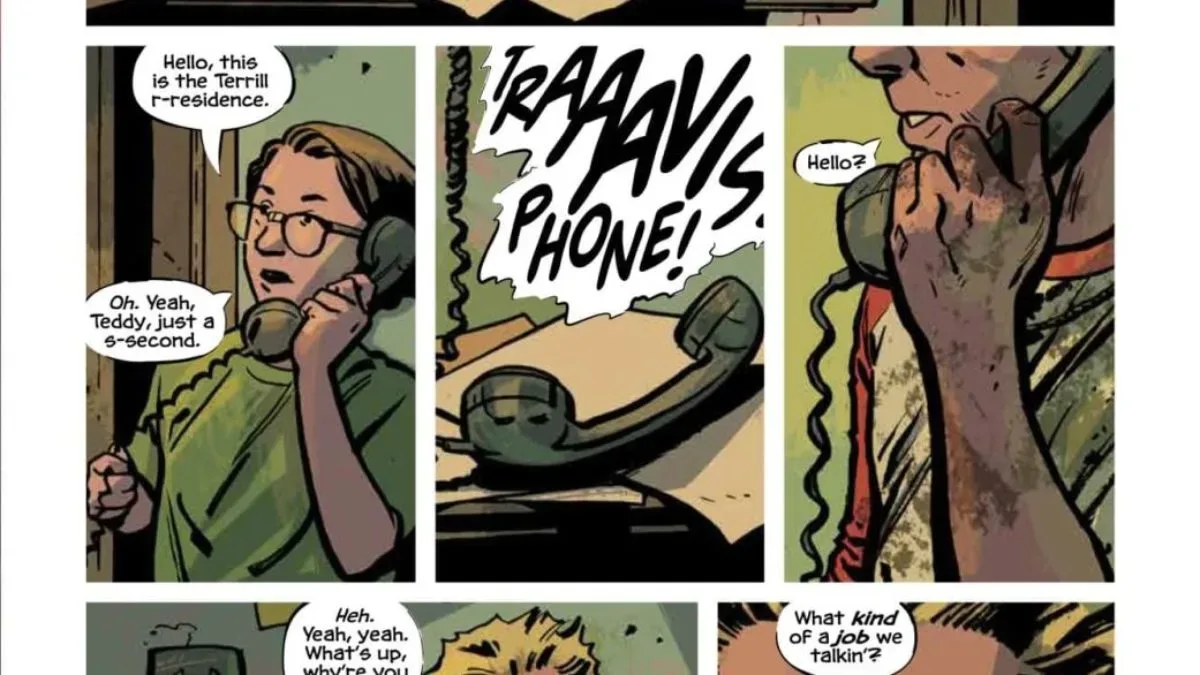
That ongoing convention role is also relevant to readers following comics coverage more broadly. That Texas Blood: Hell Comes to Allison Ranch #1 is one example of how comics news and discussion live beyond an event calendar: readers still look for focused coverage of series, creators and new releases throughout the year. Popverse’s future, based on the information available, will be geared more toward access and engagement than toward supplying that ongoing editorial layer.
For now, fans should treat the clarification as both reassurance and a real reduction. Popverse is not disappearing. Its streamed panels, exclusive content, community focus and Superfan program are set to remain. But the written editorial-news site that accompanied those services is ending, changing what the Popverse name will represent going forward.