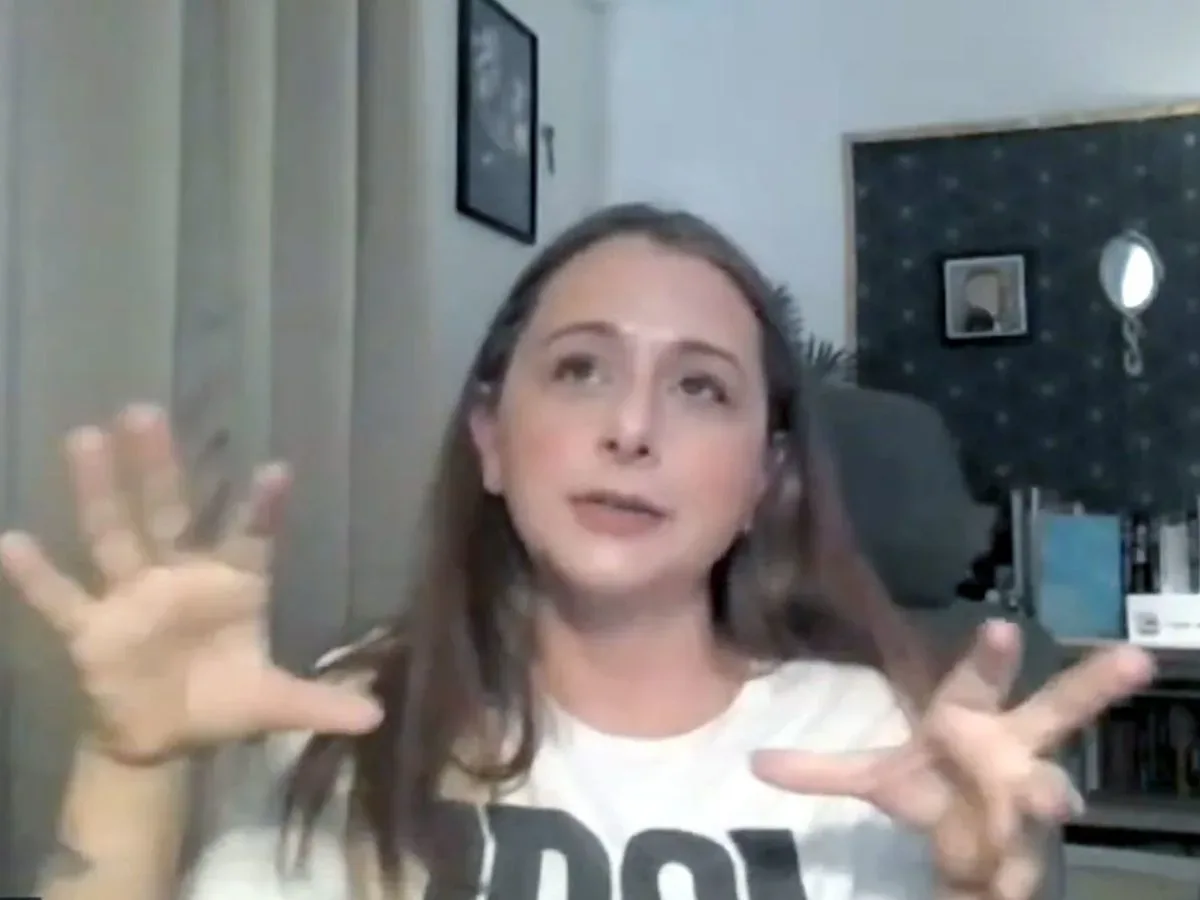
Moni Barrette is the new executive director of ComicsPRO, succeeding the departing Marco DaVanzo in a role centered on comics retail advocacy. The appointment is a notable change for the organization: Barrette is the first librarian to lead it, rather than coming from a comic-book retail background.
That distinction is more meaningful than a résumé curiosity. Comics shops, publishers, libraries and schools all put graphic novels and comics in front of readers, but they do so through different systems and with different day-to-day pressures. Barrette’s career has focused on library collections, programming, publisher relations and the practical work of making comics accessible to more people. Her move to ComicsPRO places that experience directly within an organization associated with retailers.
A leadership change with a different route into comics
Barrette brings roughly 16 years of public-library experience to the position. In later parts of that work, she specialized in comics collection development and programming. Collection development is the process through which a library selects, acquires and maintains materials for its users. In comics, that can mean evaluating formats, age suitability, demand, series continuity and the needs of a particular community—not simply deciding whether a title is popular.
Programming, meanwhile, refers to the events and activities libraries offer around their collections. For comics, that can include creator conversations, reading initiatives, educational sessions and community events. The supplied background does not set out specific programs Barrette ran, but it establishes a professional foundation built around the ways readers discover and use comics beyond a direct purchase.
She holds a Master of Library and Information Science degree from San José State University. Her experience also includes serving as past president of the American Library Association’s Graphic Novel & Comics Round Table. The group’s work included tackling stigma around comics as well as book challenges and censorship, topics Barrette has addressed in panels and presentations at library conferences, San Diego Comic-Con, New York Comic-Con and other venues.
The phrase book challenge generally describes an attempt to restrict, remove or reconsider access to a book in an institution such as a school or library. It is not interchangeable with a ban: a challenge is the action or complaint, while outcomes can differ. That distinction matters in conversations about comics because format, visual content and audience assumptions can become part of how books are assessed. Barrette’s prior advocacy therefore gives her experience with an issue that affects readers, librarians, publishers, educators and creators alike.
Why library expertise may matter to comics retail
ComicsPRO’s executive director role is a retailer-advocacy position, so the immediate focus remains the comic-shop side of the business. Still, Barrette’s background reflects the overlap between retail, library and school ecosystems. A reader may encounter a series at a library or in a classroom long before choosing to follow a creator, seek out a collected edition or visit a local comics store. Conversely, shops can be community hubs that host events and help readers find work that is difficult to spot through a general library catalogue.
That does not mean libraries and retailers serve the same purpose. Libraries provide access through lending, while retailers sell physical and other products to customers. Their budgets, collection policies and measures of success differ. But both rely on readers being able to discover comics and understand the format’s breadth, from children’s material to adult graphic novels and genre work. A leader who has worked across those conversations may be positioned to recognize where collaboration is useful without treating the channels as identical.
Barrette has previously worked with ComicsPRO and publishers to help connect libraries and retail, and has been involved in the group’s events and networking. That existing history is significant because it suggests she is not arriving as an outsider to the organization’s relationships. The leadership appointment expands a bridge-building role she had already undertaken.
For comic shops, the practical question is not whether libraries replace retail; it is how reading pathways can develop. A library display, school recommendation or digital lending platform can introduce a reader to a character, genre or creator. A specialist store can then offer curated recommendations, ongoing series knowledge, events and a way to buy books. The available information does not identify any new ComicsPRO initiatives under Barrette, so it would be premature to predict a specific program or policy. The appointment does, however, make library-retail connection an unusually relevant part of the organization’s leadership profile.
Work across libraries, schools and digital comics
Barrette is currently Director of Collection Development and Publisher Relations for Comics Plus, the LibraryPass digital platform serving libraries and schools. Publisher relations commonly involves working with publishers around how their materials are presented, accessed and supported on a platform. Combined with collection development, the role sits at an intersection of content supply, institutional purchasing decisions and reader access.
Digital platforms are especially relevant to the broader circulation of comics because they can place material within the systems used by libraries and schools. Yet the supplied information does not provide details on licensing terms, participating publishers, usage figures or how any individual title performs. Those unanswered questions are worth keeping in mind when discussing the potential impact of Barrette’s digital-comics experience. The clear fact is her work connects her to the institutional side of comics distribution as well as to publisher relationships.
In 2020, Barrette co-founded Creators Assemble!, an initiative designed to connect educators, librarians, independent creators, publishers and others around bringing comics, tabletop role-playing games and related pop culture into libraries and classrooms. Its formation during the pandemic placed it in a period when educators and librarians were finding new ways to maintain programming and community connections.
That mix of participants is useful context for the executive-director appointment. Independent creators, publishers, educators, librarians and retailers often approach comics from different professional angles, but each affects whether work reaches an audience. Creators need ways to be found; publishers need paths to readers; educators and librarians need material and context appropriate to their communities; retailers need engaged customers and durable relationships. Barrette’s work has involved convening people across those categories.
Credentials in criticism, programming and advocacy
Barrette has also served as an Eisner Awards judge. The Eisner Awards are a major comics honors program, and judging entails evaluating work within that awards context. It is a credential that speaks to familiarity with comics as a field of creative work, alongside her library and industry roles.
Her public speaking has included discussions of comics stigma, censorship and challenges. Stigma in this setting refers to the persistent assumption that comics are less serious, less educational or less culturally valuable than prose books. That assumption can influence acquisitions, classroom adoption and public discussions of what belongs on shelves. It can also overlook the fact that “comics” is a form spanning a wide range of genres, intended ages and storytelling approaches.
The timing of Barrette’s appointment also arrives amid continuing attention on superhero and comics properties across entertainment. For a broader look at the shifting screen side of that landscape, see this report on possible plans involving Batman, Wonder Woman and the Justice League. ComicsPRO’s remit is distinct from film and television development, but cultural visibility can shape the curiosity that leads some audiences toward comics, graphic novels and local stores.
What is known—and what remains to be seen
There is ample evidence for why Barrette’s experience is relevant: public-library work, comics-focused collection development and programming, national library leadership, advocacy on access issues, publisher relations, digital-platform work, and prior connections with ComicsPRO. She has also contributed a short story to the Horror Not Hate anthology and is writing Enhance Your Library, Enhance Your Wellbeing: How to Fight Burnout and Reclaim Library Joy for Bloomsbury.
Those activities demonstrate a career that extends beyond a single institution or format. They do not, on their own, establish what ComicsPRO’s next strategic priorities will be, how the organization will change under new leadership, or which projects will be announced. No such plans are detailed in the available information.
What can reasonably be said is that ComicsPRO is gaining an executive director whose professional path has been shaped by access, discovery, advocacy and relationships across the comics ecosystem. The organization’s retailer focus remains central, but Barrette’s selection makes the connection between comic shops, libraries, schools, publishers and creators more visible at the leadership level.
For readers and industry observers, the appointment is worth watching not because it guarantees a particular outcome, but because it brings a comparatively uncommon perspective to a traditional retailer-advocacy role. Barrette’s experience is grounded in helping people encounter comics where they learn, borrow, gather and explore—experience that may inform how ComicsPRO builds relationships in the years ahead.