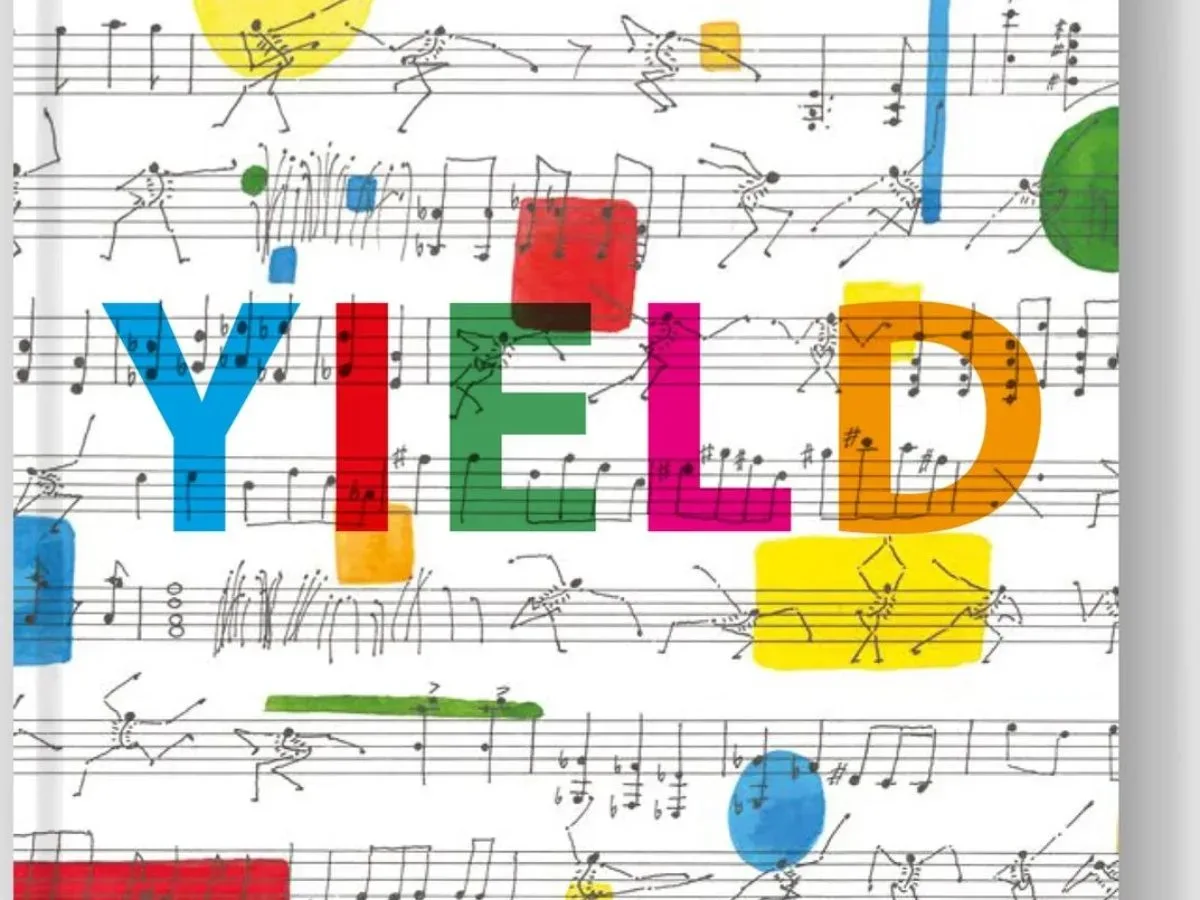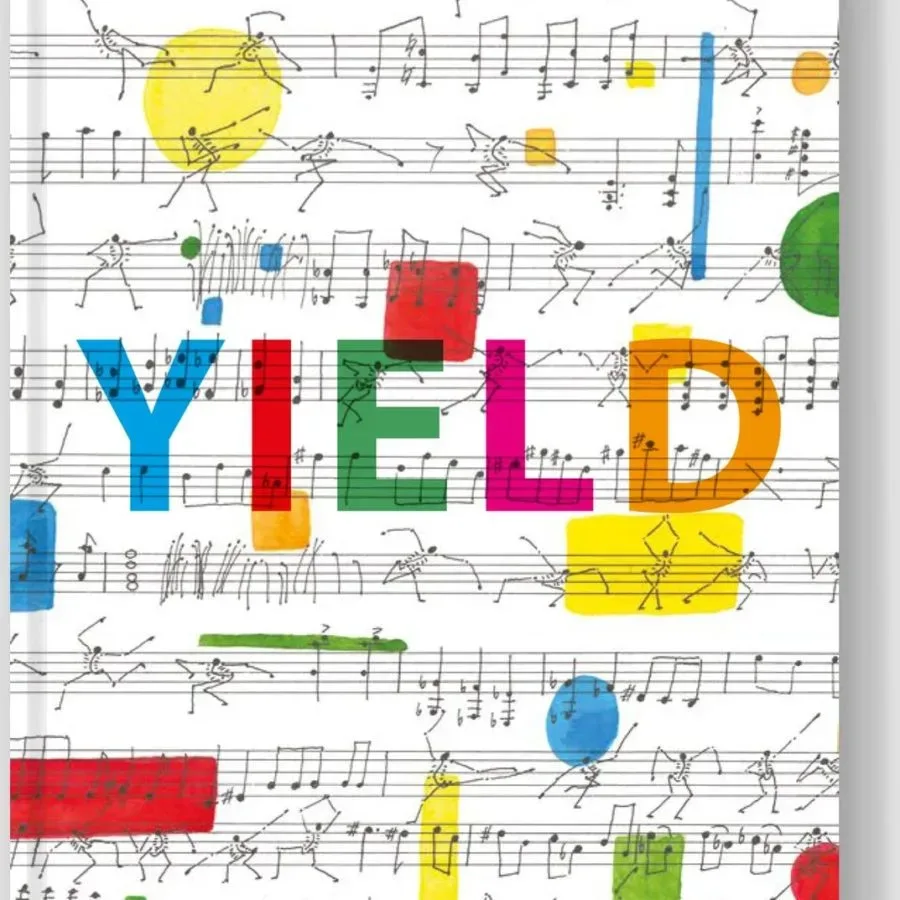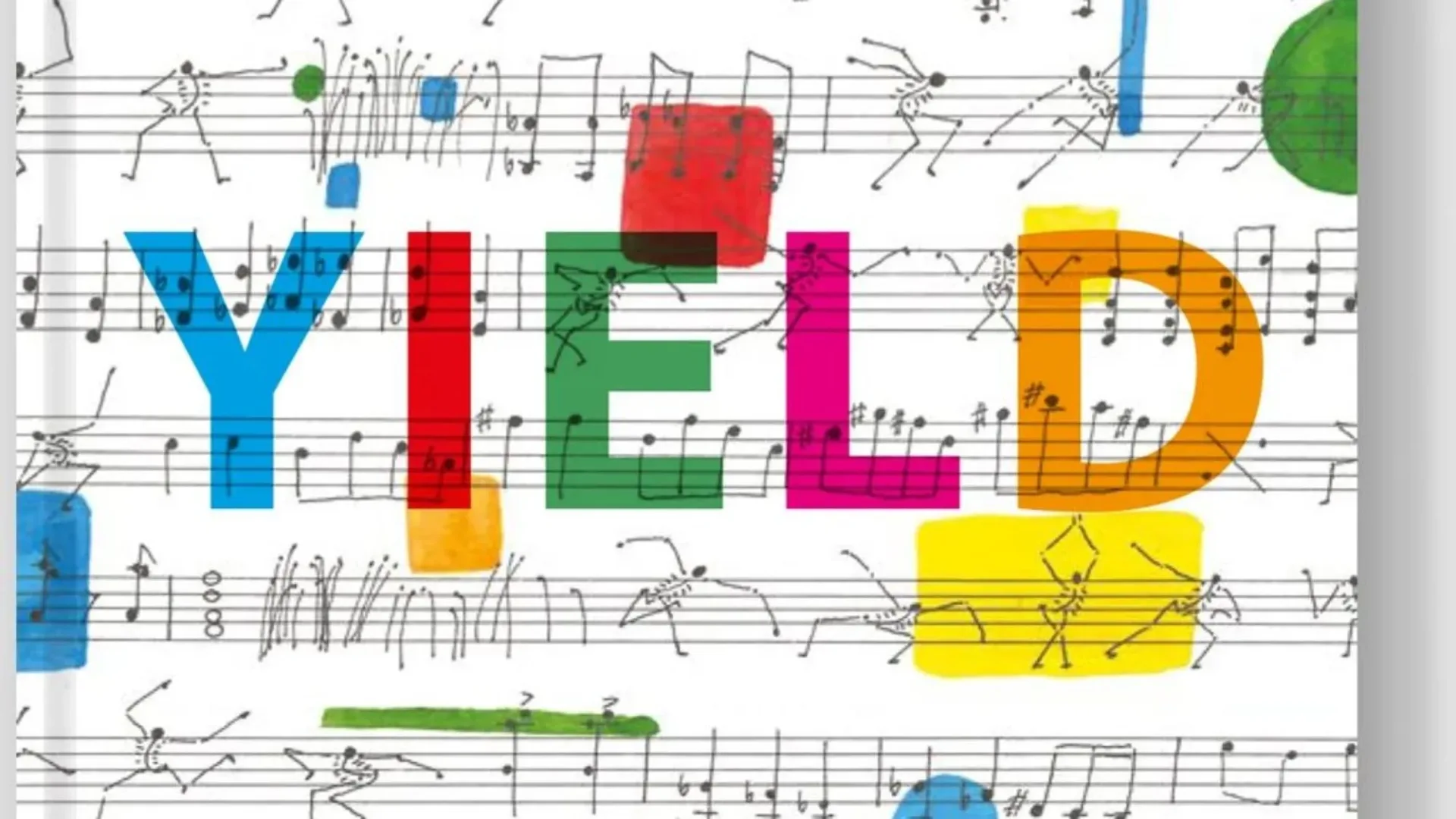
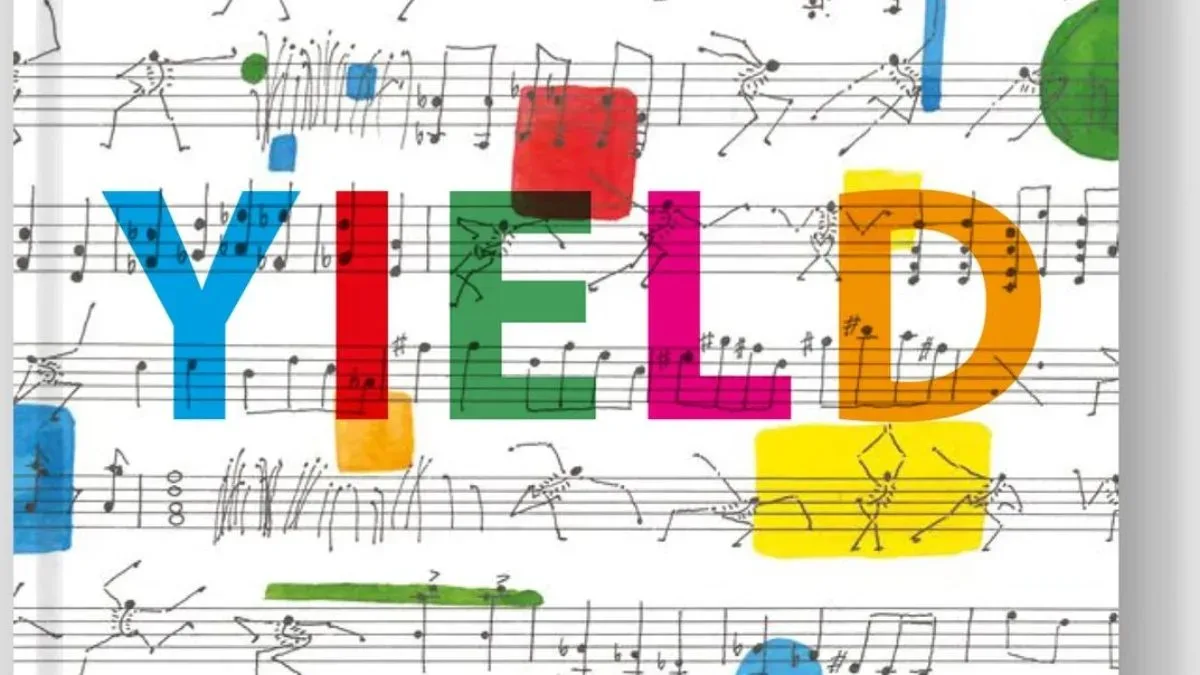
Nicola Streeten is bringing Yield, her new graphic novel from Plowman Press, to Thought Bubble in Harrogate. The book arrives at the festival as a 228-page, full-colour hardback and turns to the life of Streeten’s great-uncle, John Evarts: a founding member of Black Mountain College, the influential North Carolina experiment in arts and education that operated from 1933 to 1957.
Rather than presenting Evarts’ story as a straightforward biography, Yield combines archival research, family memory and fiction. Its stated interests are queer history, creative freedom and repression, with a particular focus on the friction between publicly progressive ideals and the private constraints people may still live under. That framing makes the book’s subject bigger than a single family connection: it considers how an institution can stand for artistic freedom while the people around it remain shaped by silence, expectation and self-denial.
A graphic novel built from archive, memory and fiction
The phrase “archival research” signals work with historical records and surviving documents. Family memory, by contrast, is personal and inherited: stories that can carry emotional truth, omissions or uncertainty across generations. Fiction gives an author another tool, allowing the gaps between those forms of evidence to be explored rather than disguised. In Yield, those strands are not merely background material; they are central to the book’s approach to Evarts and queer history.
That is significant for a story concerned with repression. Historical records do not always preserve private experience cleanly, particularly when identity or intimacy was something a person could not safely state openly. A graphic narrative can place documented material, remembered detail and imagined reconstruction in conversation, making the reader aware of both what is known and what may be difficult to recover. The supplied description does not promise a definitive account of every aspect of Evarts’ life. Instead, it establishes a work interested in the tensions involved in looking backward through incomplete evidence.
Black Mountain College supplies the historical setting. Described as a radical experiment in art and education, the college existed in North Carolina between 1933 and 1957. Evarts was among its founding members. Streeten’s focus on him connects family history to an institution associated here with creative freedom, while also asking how freedom can be unevenly experienced in personal life.
What Yield’s themes suggest
Creative freedom can mean the ability to make art, exchange ideas or build alternative ways of learning. Personal repression refers to the pressure—internal, social or cultural—that limits what someone feels able to express about themselves. By putting those ideas together, Yield appears set to examine a difficult contradiction: progressive environments and progressive language do not automatically eliminate private fear, restraint or exclusion.
That is an especially productive concern for comics. Sequential art can move between times, viewpoints and kinds of material without requiring every transition to be verbalised. A page can juxtapose an archival trace with an intimate recollection, or let a visual echo connect the historical record to a fictionalised passage. The result can make interpretation part of the reading experience. Readers are not simply handed a completed historical argument; they can see, in form as well as content, how memory and documentary evidence may overlap or diverge.
It also gives the term queer history an important breadth. In this context, it is not simply a label attached to a historical figure. It describes an effort to consider lives, desires and constraints that may have been obscured by the way records were made, kept or discussed. The family relationship at the heart of Yield adds another layer: Streeten is approaching history that is both culturally significant and personally connected.
Thought Bubble’s 20th edition
Yield will be part of Thought Bubble’s 20th show, taking place on November 14 and 15 at Harrogate Convention Centre. The convention is the culmination of a wider week of events across Yorkshire devoted to comics, illustration, animation and related work.
Thought Bubble has an artist- and writer-focused identity, with particular support for small press creators. That makes it a fitting environment for a graphic novel such as Yield: a substantial author-led work whose subject reaches across family history, archival investigation and comics storytelling. Attendees looking across the event’s independent-comics side may also be interested in the free all-ages robot-repair sampler covered in our Thought Bubble preview of Uncle Zaxlor.
The festival began in 2007, founded by Yorkshire artist Lisa Wood, who is also known as Tula Lotay. Its first event was held in the basement of Leeds Town Hall and drew a few hundred attendees. It was initially organised as part of the Leeds International Film Festival, with the aim of raising the profile of comics in the area. As the event grew, the convention eventually required more room. It moved from Leeds to Harrogate in 2019, following space needs and issues involving Leeds City Council.
Its history matters because it explains the festival’s scale without losing sight of its origins. Thought Bubble developed from a local effort to champion the medium into a major UK comic-art gathering, while retaining an emphasis on the people who make comics and on smaller presses. A full-colour, 228-page hardback such as Yield sits comfortably within that remit: it is a graphic novel that uses the possibilities of the form to engage with history rather than treating comics as an illustration-heavy substitute for prose.
Why the Harrogate appearance matters
Festival appearances give readers a point of connection with books that may be difficult to reduce to a single genre label. Yield is rooted in biography through John Evarts; it is historical through Black Mountain College and archival research; it is personal through Streeten’s family connection; and it uses fiction as part of its method. Presenting it at a comics festival puts the emphasis on how those elements are shaped through visual storytelling.
For prospective readers, the key expectations are clear. This is a long-form graphic novel rather than a short pamphlet or serial issue. It is presented as a hardback edition in colour. Its focus is not only on Black Mountain College’s experimental reputation, but on the distance between a community’s ideals and the personal realities that can remain unresolved inside it. Anyone looking for a conventional institutional history should bear in mind that the book expressly blends research with memory and fiction; that blend is part of its subject, not a detail to be set aside.
Streeten’s choice of subject also underscores what comics can do with family and cultural history. The medium can hold documents, remembered fragments and invented connective tissue within the same reading space, encouraging readers to consider how each contributes to the story. With Yield, that formal flexibility is directed toward questions of creative liberation, queer lives and the costs of repression—questions that remain meaningful precisely because a progressive ideal does not guarantee a liberated private life.