Archive of Our Own, commonly called AO3, has returned online and is described as almost fully functional for readers. The restoration became a major point of attention in a pop-culture news cycle otherwise packed with superhero comics, Star Wars merchandise, television, wrestling and convention coverage.
That breadth is worth noting. Online communities do not divide their interests as neatly as storefront categories do: the same audience that follows a new X-Men development may also be looking at a Star Wars figure reveal, catching up on Saturday Night Live clips, or checking whether a large online archive is accessible again. AO3’s return cut through that crowded mix, suggesting that access to a familiar reading destination can be as immediately important to readers as the latest announcement or spoiler-heavy comics conversation.
What is known about AO3’s status
The available update is straightforward: AO3 is back online, and reader-facing functionality is almost fully restored. That final qualifier matters. “Almost fully functional” is not the same as a blanket confirmation that every part of a service has returned to normal. It indicates a substantial recovery while leaving room for remaining issues, limitations or work still in progress.
For users, the practical takeaway is equally straightforward. The archive can again be approached as a reading destination, but it is sensible to expect that some parts of the experience may not yet be operating exactly as usual. The material available does not identify which functions, if any, remain affected, nor does it set out a timetable for a complete return. Readers should avoid treating the phrase as evidence for technical details that have not been specified.
In internet-service language, a restoration means that a site has been brought back into operation after it was unavailable or impaired. Functionality refers to the actions a visitor can perform on the site. In this case, the update expressly emphasizes readers, so the clearest supported conclusion concerns reading access rather than any other possible activity on the platform.
Why a restoration story can dominate attention
A new comic issue, a collectible reveal and a celebrity appearance each speak to a particular segment of the entertainment audience. A major online archive returning, by contrast, concerns a place people use directly. That difference can make a recovery update unusually prominent: it is not only a topic to discuss but a change in whether visitors can resume a routine.
There is also an important distinction between a story about an archive and a story that affects access to it. The latter has immediate practical stakes for people attempting to read. It can therefore attract attention from readers regardless of whether they are currently following a particular publisher’s solicitations, a TV episode recap or a new toy line.
That does not mean the return settles every question around the interruption. The supplied information confirms the site’s return and the near-complete state of reader functionality; it does not provide a cause, a detailed technical account, or a full list of remaining limitations. Keeping those boundaries clear is especially useful when a short status update starts circulating quickly.
A crowded day for comics readers
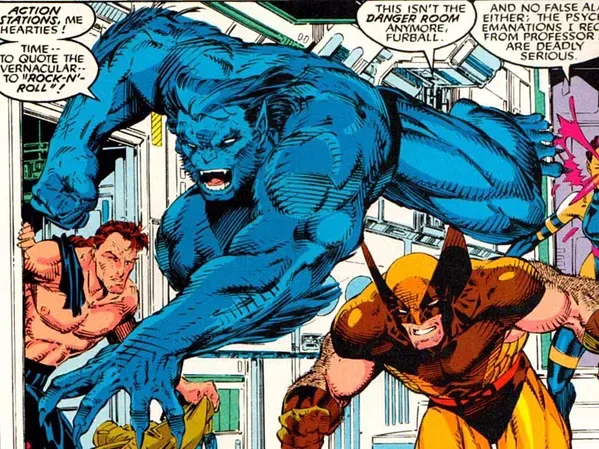
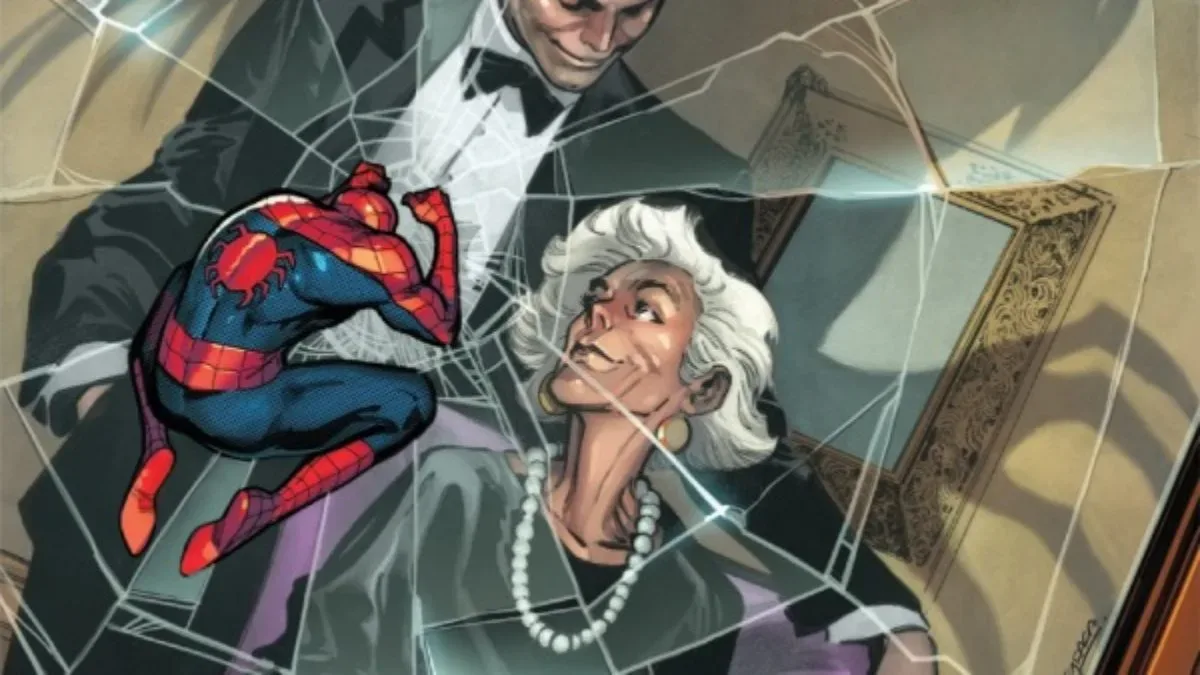
AO3’s recovery shared attention with a particularly broad set of comics-adjacent subjects. X-Men material featured prominently, including discussion of Cyclops and Beast in X-Men and DNX #5, as well as newly revealed covers for Midnight X-Men #2 and Midnight Spider-Man #2. A list of anticipated comics also placed Absolute and Midnight titles at the front of the week’s conversation.
Those items demonstrate two recurring engines of comics coverage. The first is the ongoing story: readers react to events involving established characters, sometimes in spoiler-marked discussions. The second is the release calendar: anticipated-title lists and cover reveals help audiences decide what they may want to follow next. A solicitation, another term that appeared in the wider roundup, is publisher-facing advance information about forthcoming comics. It is useful for previewing plans, but it is not the same as the finished story on the page.
That blend of immediate access news and forward-looking comics news creates a useful snapshot of contemporary fandom. Some readers were looking for confirmation that a familiar archive could be used again. Others were parsing hints around mutant characters, considering upcoming releases, or following superhero publishing plans. The unifying factor is not a single format but an audience moving between reading, collecting and discussion.
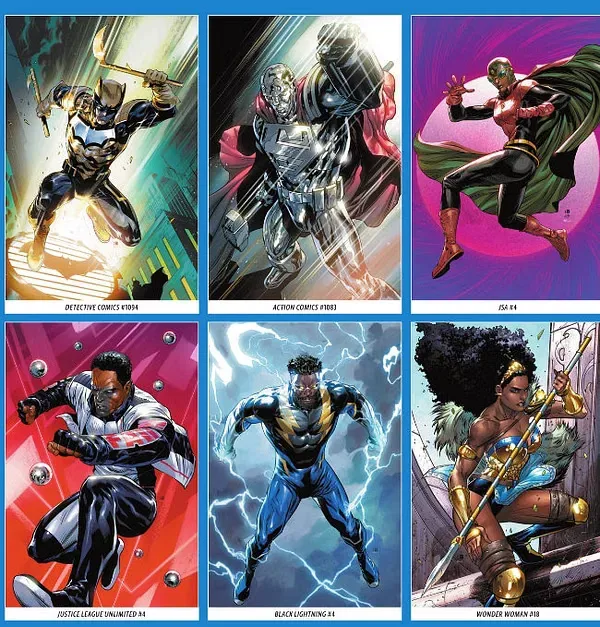
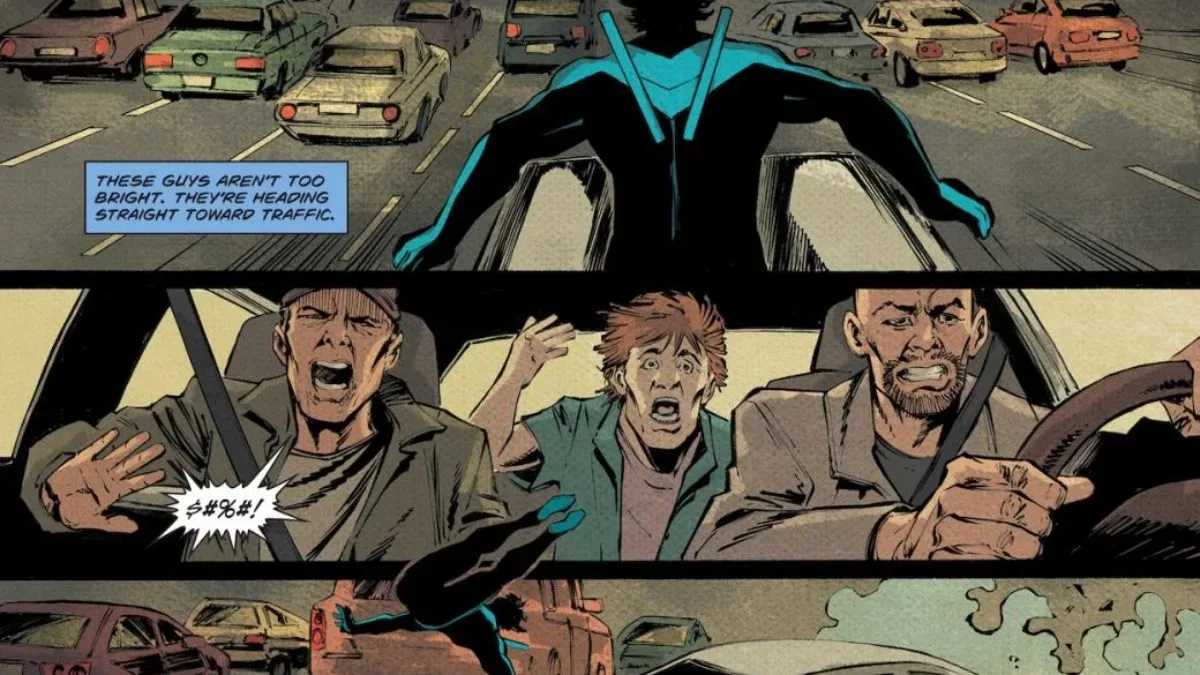
DC-related conversation in the same wider mix ranged from older discussions around Batman, Nightwing and Superman to release-planning coverage. For readers keeping an eye on Dick Grayson’s current corner of DC, Nightwing #144’s Blüdhaven story setup is another example of how individual-character developments can generate interest alongside wider publishing news.
Star Wars, toys and screen culture in the same mix
The day’s other prominent subjects underlined how porous the borders of comics culture have become. Star Wars appeared in multiple forms: a Princess Leia Black Series figure connected to the franchise’s 50th anniversary, discussion of a Star Wars comic said to be hidden in the Lucas Museum, and prior material involving Star Wars comics and collecting. These are distinct kinds of news. A figure unveiling is product news; a comic-related museum item is archival or cultural-interest news; and a story development in a licensed comic is narrative news.
Collectors should be careful not to collapse those categories into one another. The existence of a new figure, for instance, establishes that a product has been unveiled; it does not by itself tell prospective buyers its price, release timing, distribution, availability or long-term market behavior. None of those details are established here. The same discipline applies to comics: a cover reveal can signal an upcoming issue, but does not reveal the whole story unless further information is explicitly provided.
Screen culture was equally present. Mentions included Tracker, Saturday Night Live sketches and cut-for-time material, while professional wrestling entered the roundup through the Creed Brothers’ Kasper Brothers debut at AEW Full Gear. This is less a single news narrative than a reminder that fandom attention is distributed across many forms of entertainment at once.
Thought Bubble and the value of convention reporting
Thought Bubble-related items also formed part of the day’s coverage, including comics debuts, a video moving across the event, and retrospective references to previous convention coverage. Convention reporting serves a different role from a standard announcement. It can put smaller projects, creators and unusual discoveries in front of audiences who were not physically present, while also documenting the scale and atmosphere of an event.
That role is especially relevant when comics coverage includes work beyond the best-known shared universes. The roundup mentioned Flamevolt, described as “Walking Dead With Superhumans,” as debuting at Thought Bubble, alongside references to graphic-novel awards and a forthcoming Cassandra Darke prequel by Posy Simmonds. Such items suggest a field where superhero continuity, original projects, graphic novels and festival discoveries all compete for attention.
The main limitation is one of detail. The available material names these projects and topics but does not provide comprehensive creative-team, publication or release information for each. It is more useful to view them as leads within a wider cultural map than as complete product guides.
Looking backward without mistaking old headlines for new news
The roundup also revisited November 15 stories from several previous years. That format is valuable because it shows how recurring comics-news patterns can be. Publisher solicitations, reprints, cancellations, character shifts, auctions, Free Comic Book Day plans, Pokémon GO events and television speculation all surfaced in different years.
But a retrospective list needs to be read carefully. An older headline is a record of what was being discussed at that time, not necessarily a statement about the present. A 2025 solicitation, a 2023 character arc, or a 2020 Pokémon GO event should not be interpreted as a current release schedule or live event simply because it appears in a current-day roundup. Date context is essential.
That is also why the current AO3 update stands apart from the archive of older links. It is a present-tense service-status item: AO3 is back online, reader functionality is nearly fully restored, and no further technical specifics are supplied. For anyone whose main concern is whether they can return to reading, that is the central news.
What readers can reasonably take away
- AO3 has returned online. The reported status says it is almost fully functional for readers.
- Near-complete is not necessarily complete. The update does not identify remaining limitations, so users should not assume more than it confirms.
- Comics discussion remains diverse. X-Men story talk, forthcoming-book anticipation, DC conversations and convention discoveries all appeared alongside the service update.
- Product headlines require precision. A Star Wars figure reveal confirms an unveiling, but not unreported details such as cost or availability.
- Older roundup entries are historical references. Their dates matter, particularly for solicitations, events and past publishing decisions.
For now, the clearest development is also the simplest one: Archive of Our Own is accessible again for readers, with its restoration close to complete. In a daily entertainment conversation full of teasers, covers, collectibles, old headlines and franchise debates, the ability to return to a favored place to read proved to be the day’s most immediate story.