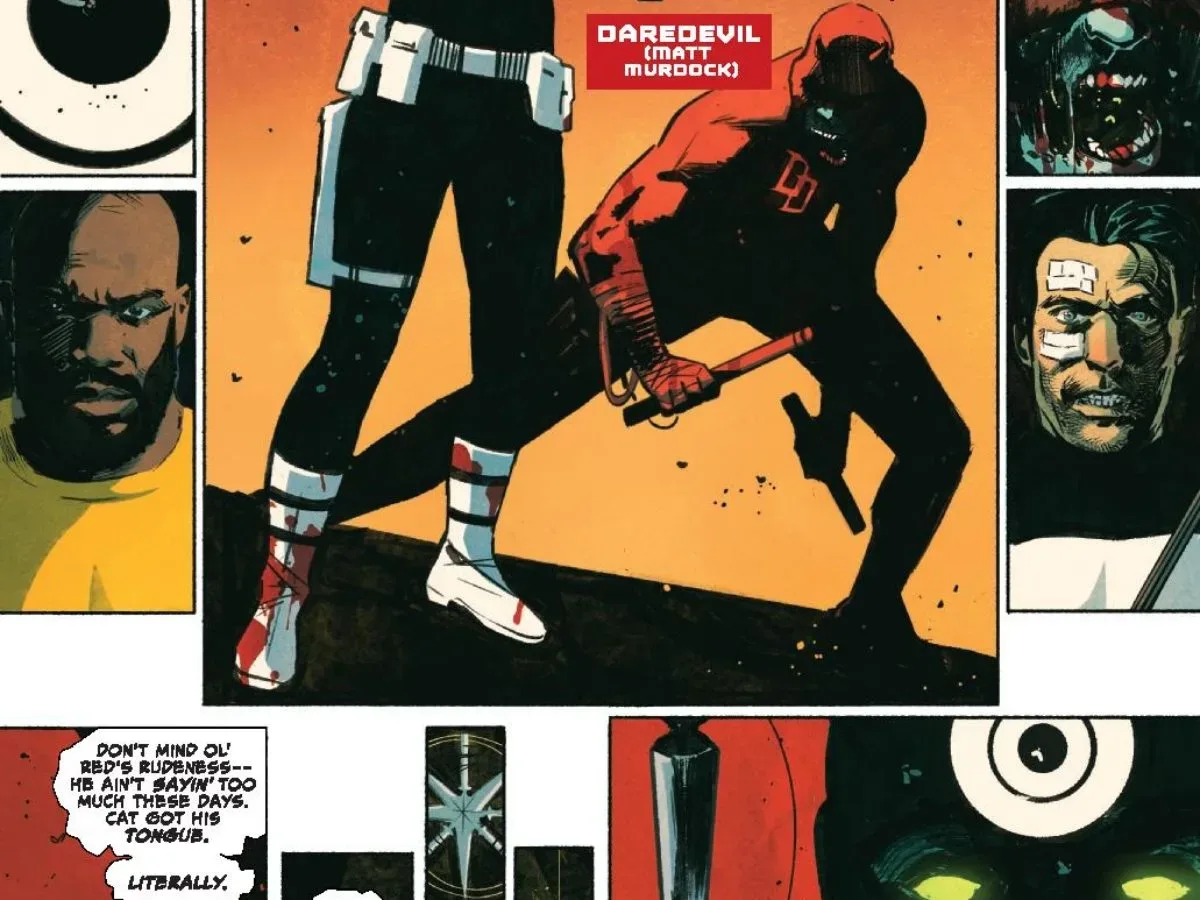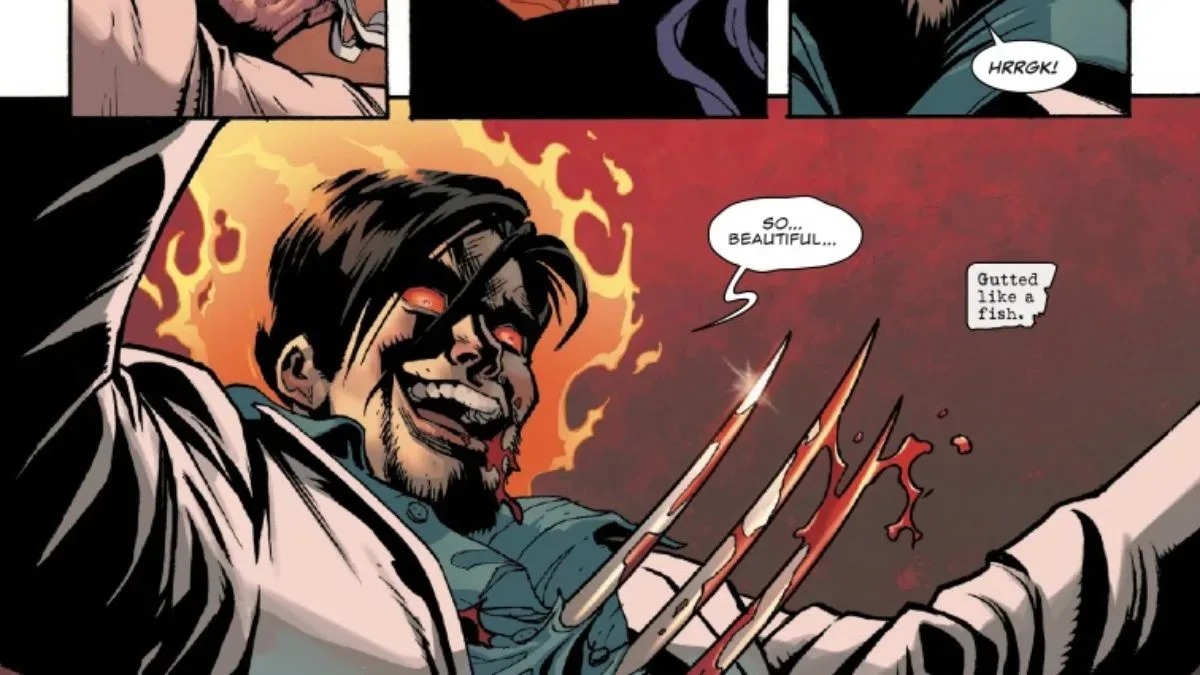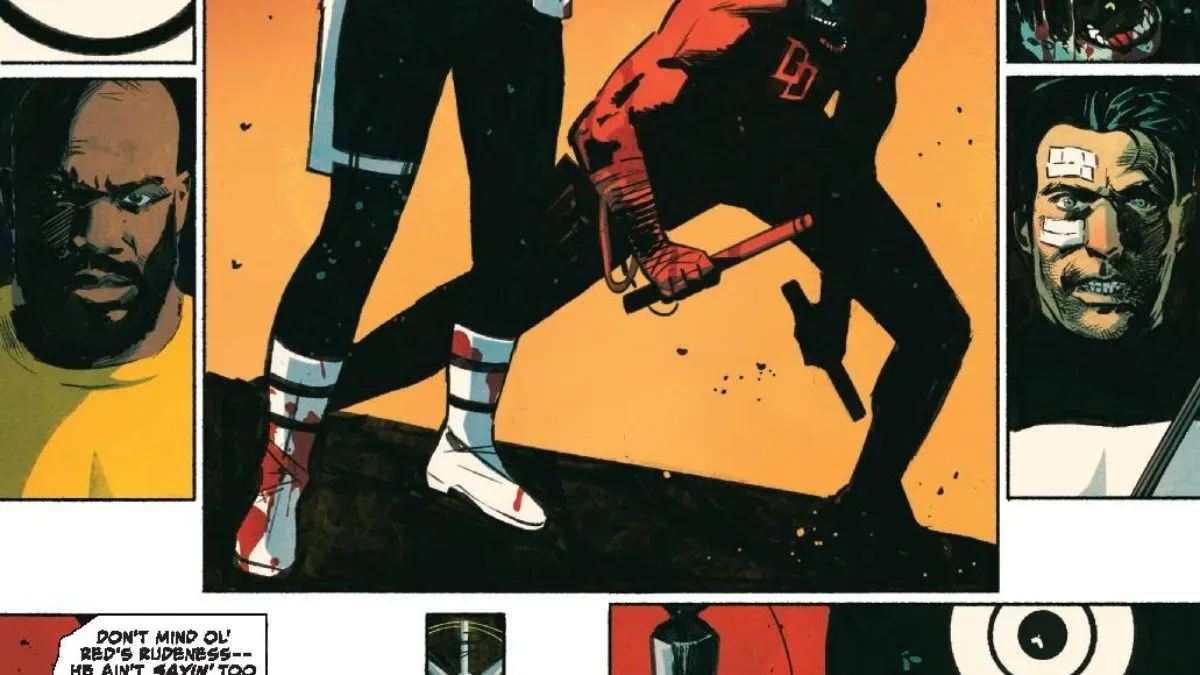
Marvel Zombies: War Zone #3 is set to bring Frank Castle’s particular brand of grim determination to a Hell’s Kitchen that has gone far beyond ordinary street-level chaos. The 32-page Marvel issue goes on sale November 25, 2026, with Tom Waltz writing, Jaime Infante and Fran Mariscal Mancilla on art, and Tony Parker credited for the cover.
The premise places the Punisher in the middle of a zombie epidemic that appears to have more behind it than an outbreak alone. Frank heads into the depths of Hell’s Kitchen looking for answers, but the route is guarded by an especially nasty pairing: zombified versions of Daredevil and Bullseye. The solicitation also puts Elektra at the center of Frank’s next impossible decision. He is forced into a deal, and the key uncertainty is whether he and Elektra can suppress their differences long enough to survive it.
A horror setup built for Punisher’s corner of Marvel
Hell’s Kitchen is a fitting setting for a Punisher-focused chapter of a zombie story. In this setup, however, the neighborhood is not simply a familiar backdrop for a confrontation between vigilantes and criminals. It is described as empty, with danger instead emanating from the people and forces that remain. That flips the usual logic of a dense city setting: there is no crowd for Frank to disappear into, no stable community to protect, and no clear assurance that an old ally is still an ally.
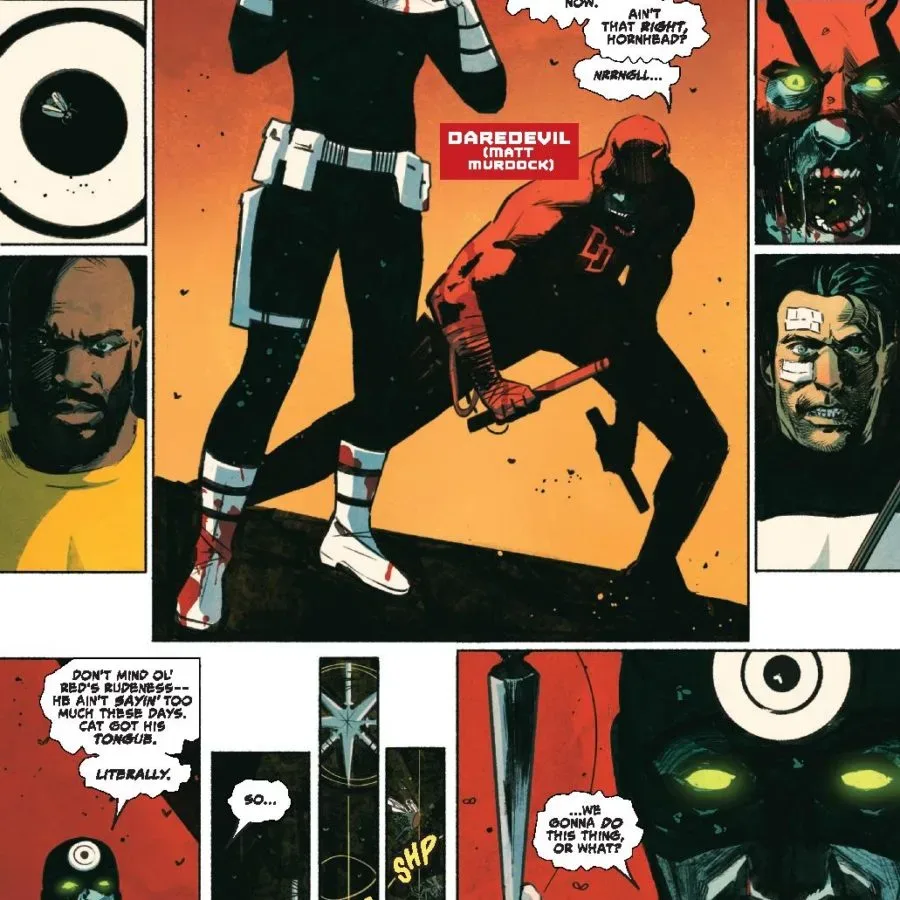
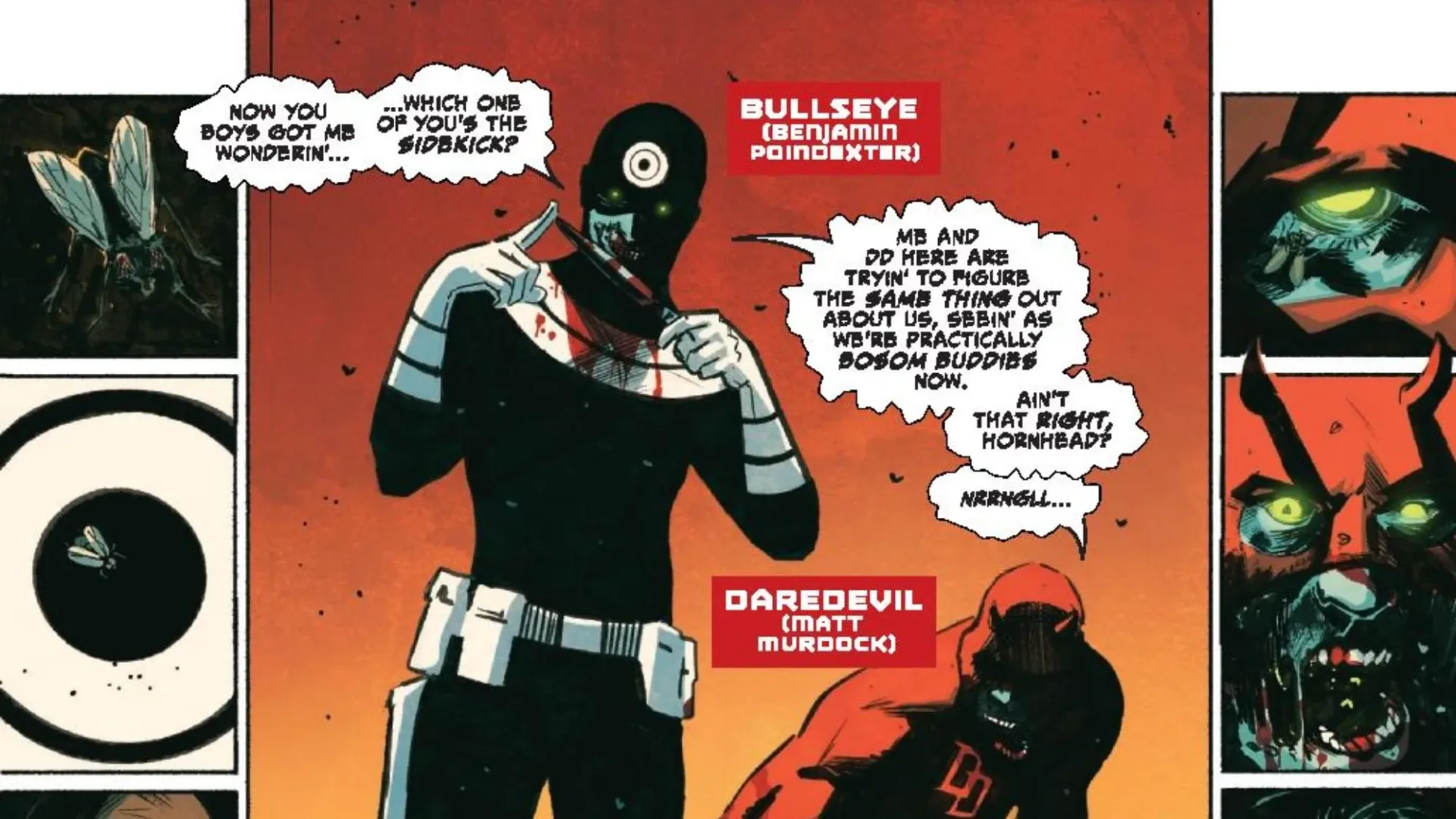
The issue’s most immediate threat is the alliance of Daredevil and Bullseye. Those names carry obvious dramatic weight even before the undead angle is considered. Daredevil is inseparable from Hell’s Kitchen, while Bullseye is one of the characters most closely associated with tormenting him. Turning both into zombified adversaries makes the situation less about settling a familiar rivalry and more about navigating a distorted version of the territory and its history.
The solicitation calls their partnership an “unholy alliance,” language that underlines the horror tone while leaving the practical details intentionally open. Readers know the pair is terrorizing the streets and closing in on Frank; the exact nature of their coordination, their condition, and the broader cause of the epidemic are details the comic itself will need to unpack.
Frank Castle’s deal, and Elektra’s difficult role
Frank’s response to the crisis is not presented as a clean victory or an uncomplicated mission. He is cornered and must make a bargain. That matters because the Punisher is usually defined by directness: identify a target, apply force, endure the consequences. A deal introduces dependence, compromise, and the possibility that an apparent solution will create a more dangerous obligation.
Elektra is the other half of that equation. The issue asks whether she and Frank can put aside their differences or whether their conflict will be the thing that breaks the arrangement. The wording stops short of confirming what either character wants from the bargain, who is offering it, or whether their goals are compatible. Still, it establishes the core tension clearly: the zombie threat may be external, but the interpersonal pressure inside Frank and Elektra’s temporary alignment could be just as destructive.
That is a useful distinction for readers considering what kind of Marvel Zombies story this may be. The advertised conflict is not only a survival scenario with recognizable heroes and villains recast as monsters. It is also a problem of trust under extreme pressure. Frank needs information about the epidemic; reaching it apparently requires cooperation with someone he may not be able to work beside for long.
What the “more than meets the eye” hook suggests
The central mystery is deliberately broad. The solicitation says it becomes clear that there is more to the zombie epidemic than first appears, but it does not identify a source, a cure, a mastermind, or any wider stakes outside Hell’s Kitchen. That makes it important not to treat the preview language as a promise of a specific twist. What it does establish is an investigative thread for Frank: he is descending into the neighborhood’s “bowels” to find answers rather than merely clearing a path through infected enemies.
In comics terminology, a solicitation is advance sales copy: it tells prospective readers the premise, the featured characters, and a few major pressures likely to shape the issue. It can highlight a cliffhanger question without resolving it. Here, the questions are the selling point. What is really happening with the epidemic? What is the nature of Frank’s deal? Can Elektra and Frank cooperate? And how can the Punisher handle an undead Daredevil-and-Bullseye threat inside the area most associated with Daredevil?
Those unanswered points make issue #3 sound positioned as an escalation chapter. The advertised situation is already severe, but the focus on hidden answers indicates that the series is not treating the outbreak as background scenery. Frank is chasing an explanation, and the cost of that pursuit is an agreement he would seemingly prefer not to make.
Creative team and release details
Marvel lists Tom Waltz as writer, with Jaime Infante and Fran Mariscal Mancilla providing the art. Tony Parker is credited on the cover. The issue is rated T+ / parental advisory and carries a $4.99 US price. It has a 32-page count and is scheduled for November 25, 2026.
- Title: Marvel Zombies: War Zone #3
- On sale: November 25, 2026
- Writer: Tom Waltz
- Artists: Jaime Infante and Fran Mariscal Mancilla
- Cover artist: Tony Parker
- Format: 32 pages
- Rating: T+ / parental advisory
- US price: $4.99
An E.M. Gist variant is also listed at $4.99 US and $6.25 CAN. For collectors, that listing confirms a variant edition exists, but it does not establish print quantities, retailer allocation, aftermarket value, or comparative rarity. The practical choice is therefore chiefly a cover-preference decision based on the currently available information.
Why this issue could appeal beyond zombie-comic regulars
The appeal is in the collision of several Marvel street-level figures with an overt horror premise. Punisher, Daredevil, Bullseye, and Elektra bring built-in character friction, while the zombie setting removes the normal assumptions that define their relationships. An enemy can become less predictable; familiar territory can become hostile; an uneasy collaborator can become essential.
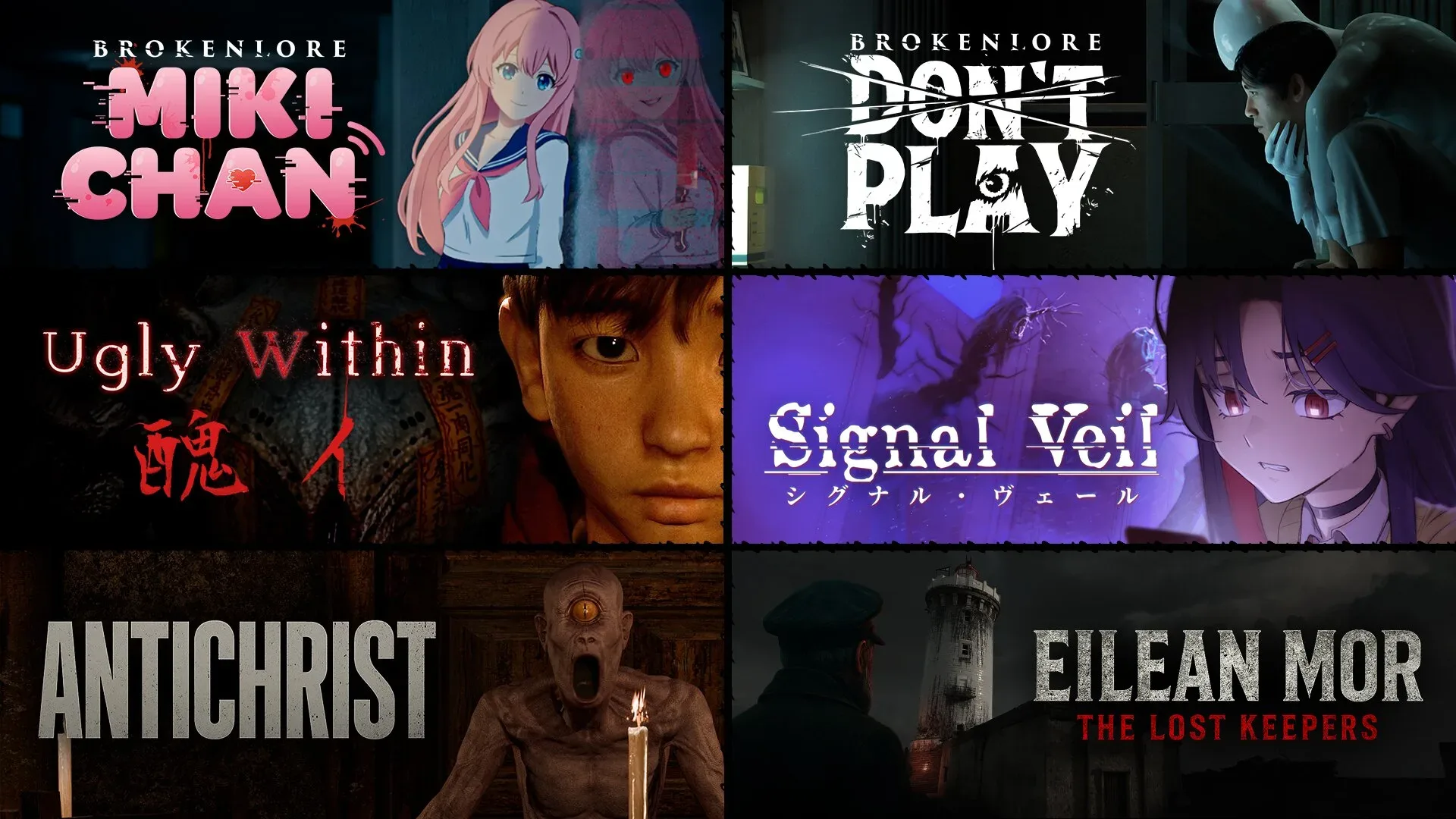
For readers in the mood for more horror-oriented entertainment, the broader genre is also getting attention in games, including a recent six-game horror showcase. Marvel Zombies: War Zone #3 approaches that appetite from the superhero-comics side: recognizable characters, a quarantined-feeling urban setting, and the promise that violence alone will not immediately solve the underlying problem.
The biggest question heading into the issue is not whether Frank Castle will fight. The premise all but guarantees that he will. It is whether fighting can get him past a zombified Daredevil, Bullseye, and the hostile streets of Hell’s Kitchen before his agreement with Elektra collapses—or demands a price he cannot accept.