Lucca is moving to give its celebrated comics-and-games identity a year-round home. Italy’s Culture Ministry, the Tuscany regional administration and the Municipality of Lucca have signed an agreement establishing the framework for a permanent Museo del Fumetto: a museum devoted to comics, illustration, games, animation and interactive work.
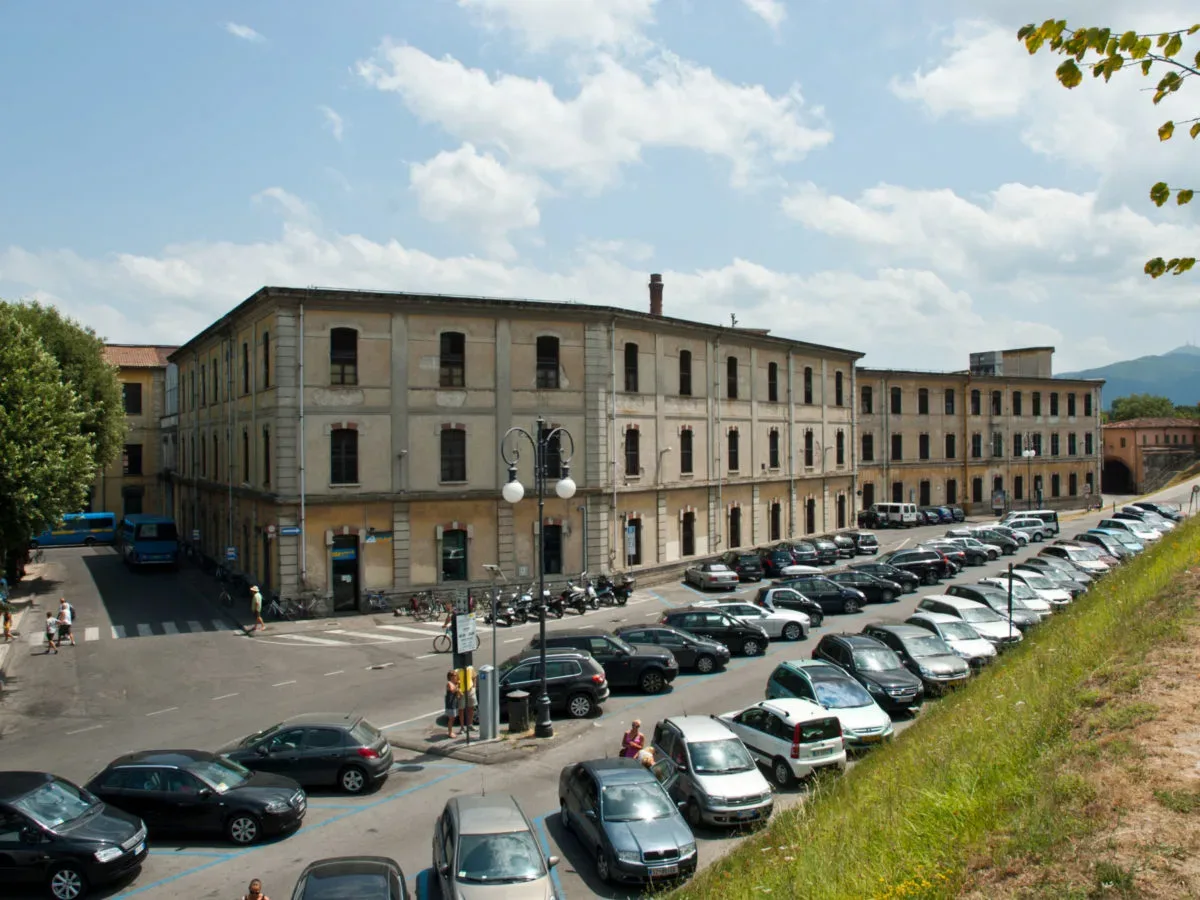
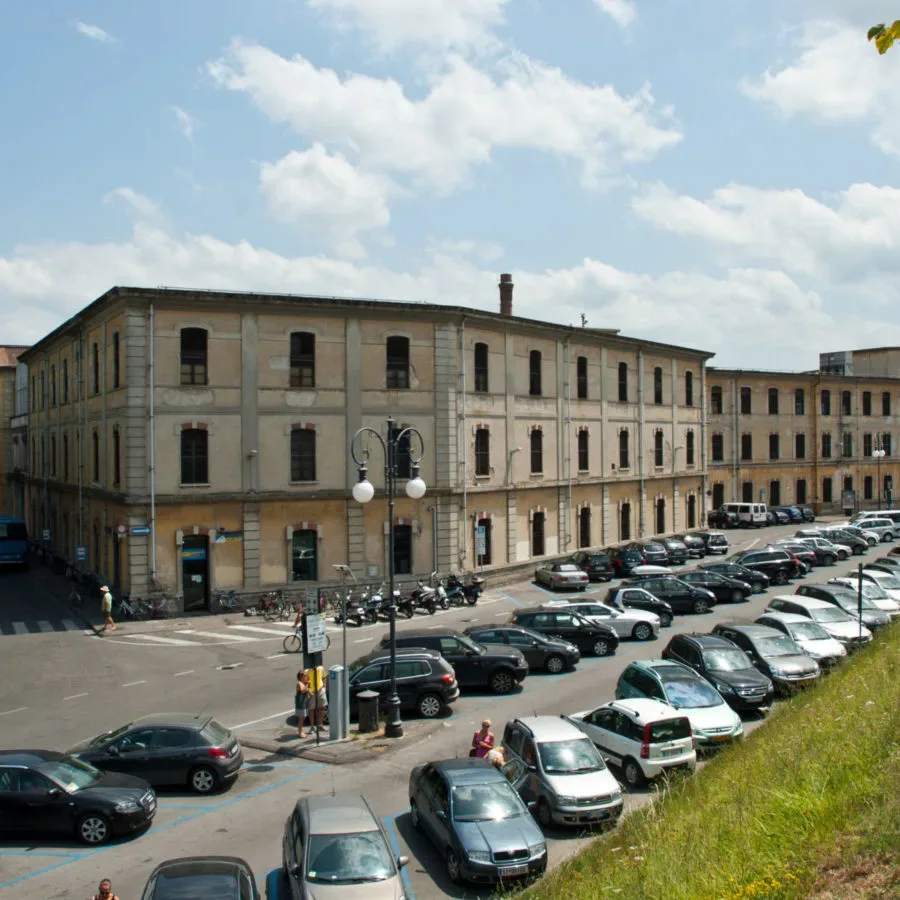
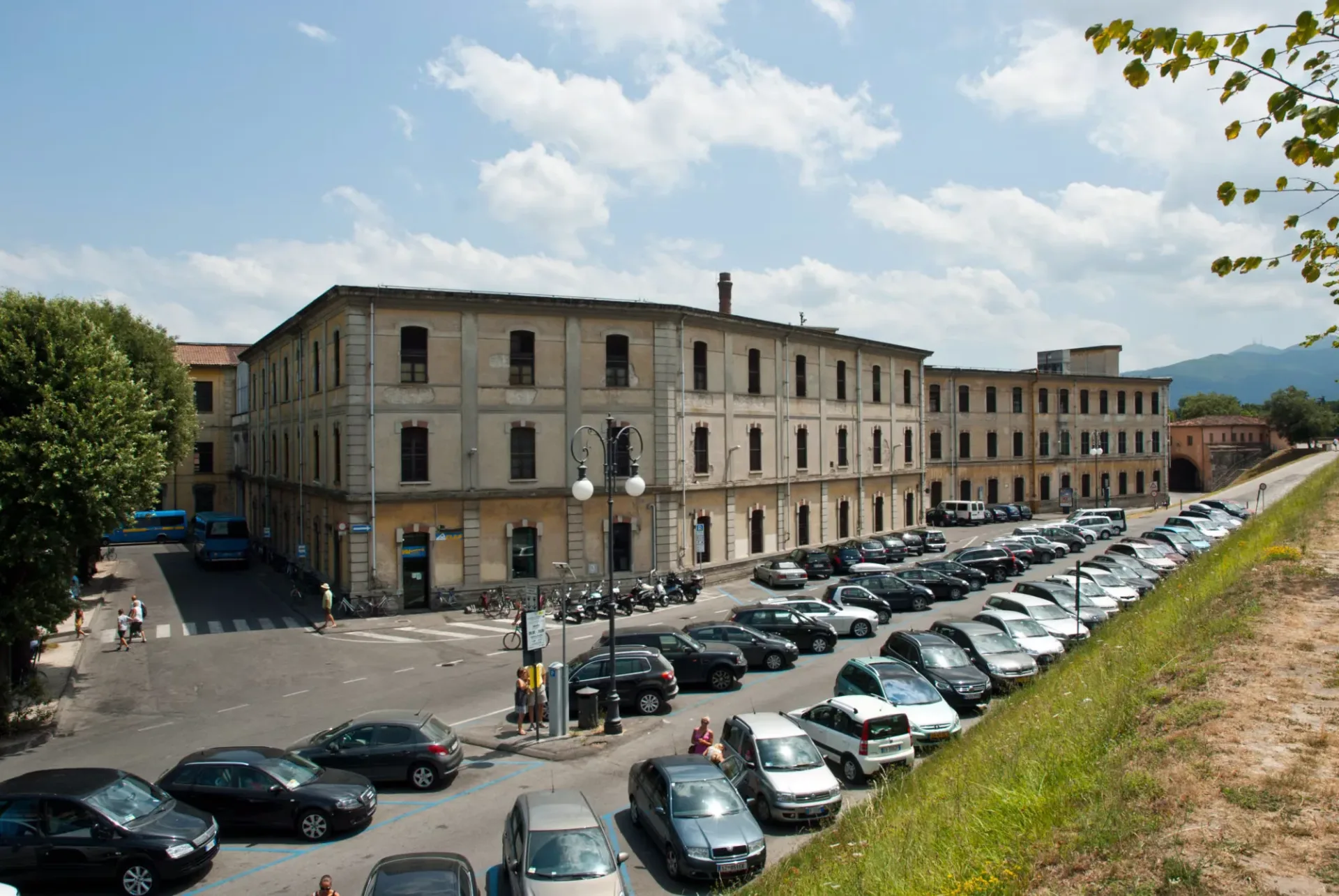
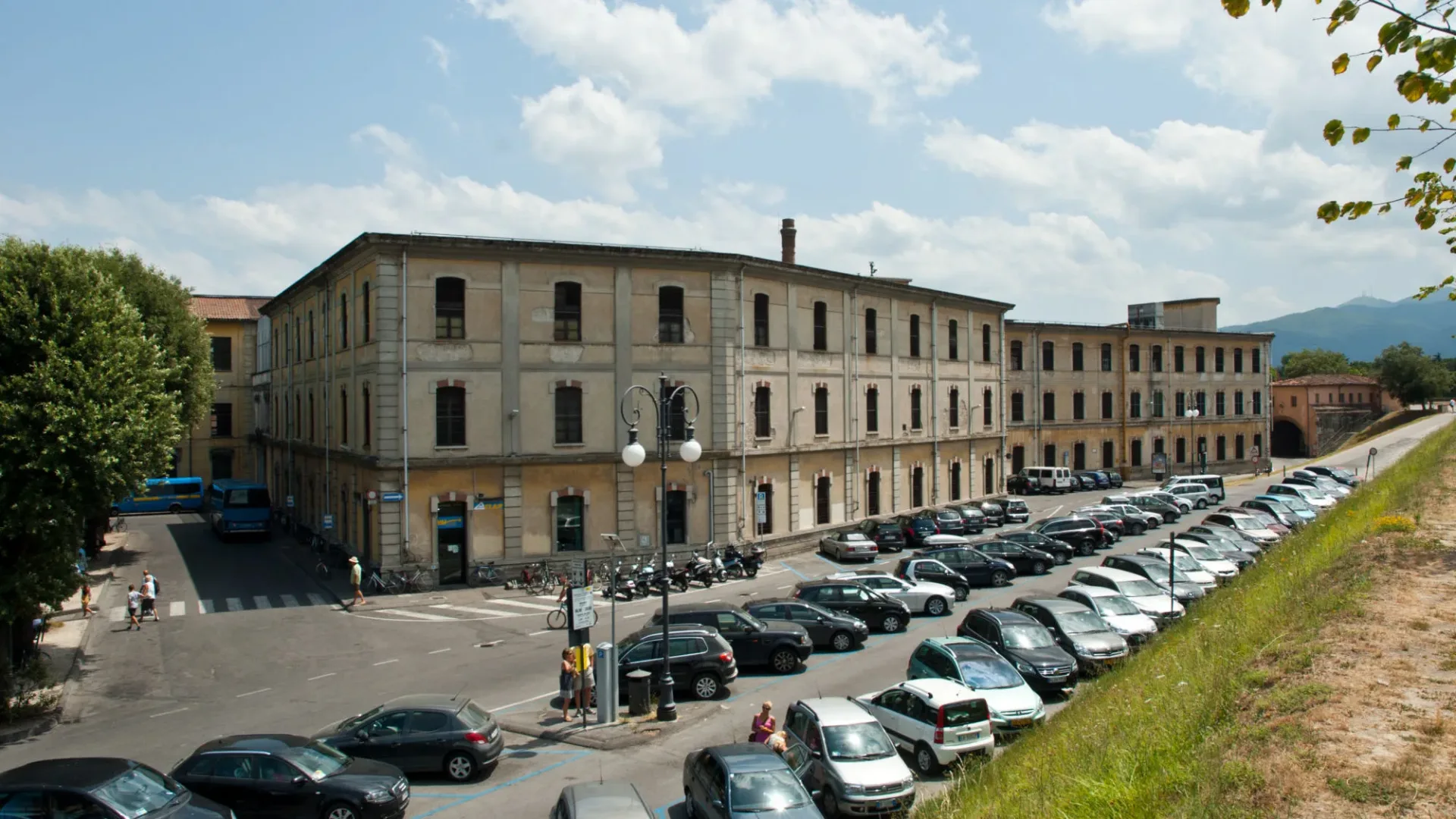
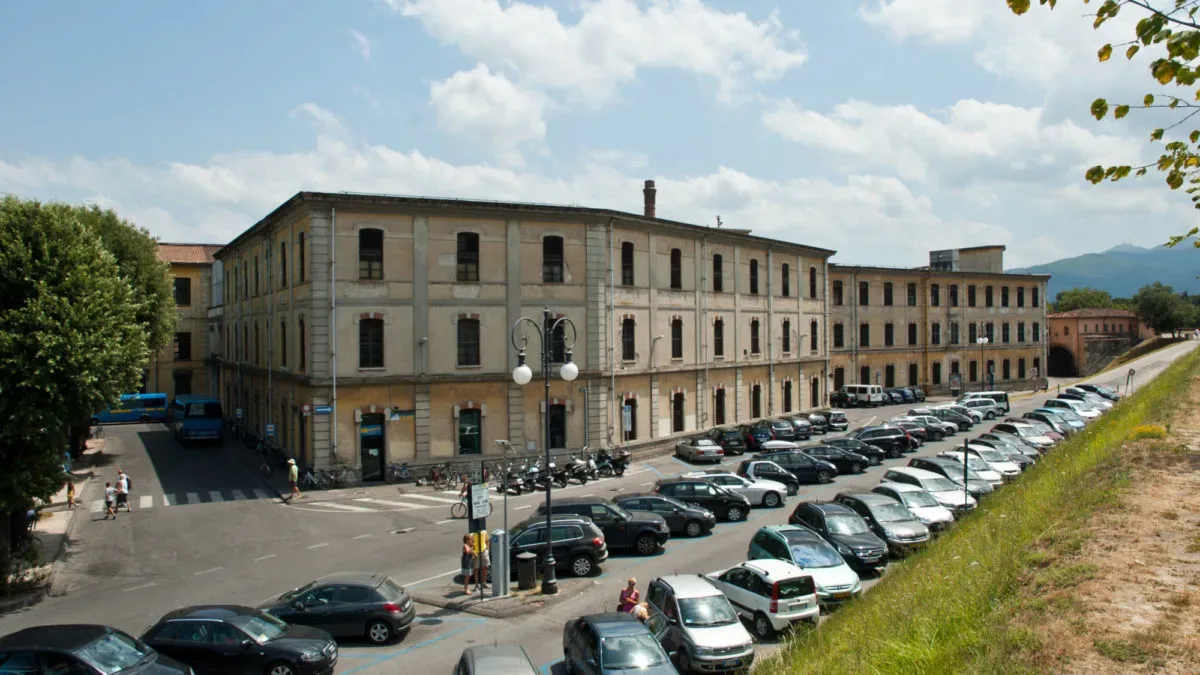
The planned Lucca Comics Museum is to be housed in the city’s former tobacco factory. Before that permanent venue is operating, project activity will begin at Palazzo Guinigi, where Lucca Legacy – A Comics and Games Story is already on view through September 30, 2027.
The agreement is an important step, but it is not the same thing as a completed museum opening. Its central next milestone is institutional: the participating bodies are committed to establishing the Fondazione Expo Comics Museum by March 31, 2027. That foundation is intended to operate both the museum and connected cultural programming.
What the agreement establishes
A promotion agreement creates the legal and organizational basis for public institutions to work toward a shared cultural project. In this case, the national government, Tuscany and Lucca are aligning behind a permanent institution rather than limiting comics-related activity to the annual Lucca Comics & Games event.
The future museum’s stated scope is notably broader than comic books alone. It includes:
- comics and the Italian tradition of fumetti;
- illustration;
- games;
- animation; and
- interactive art.
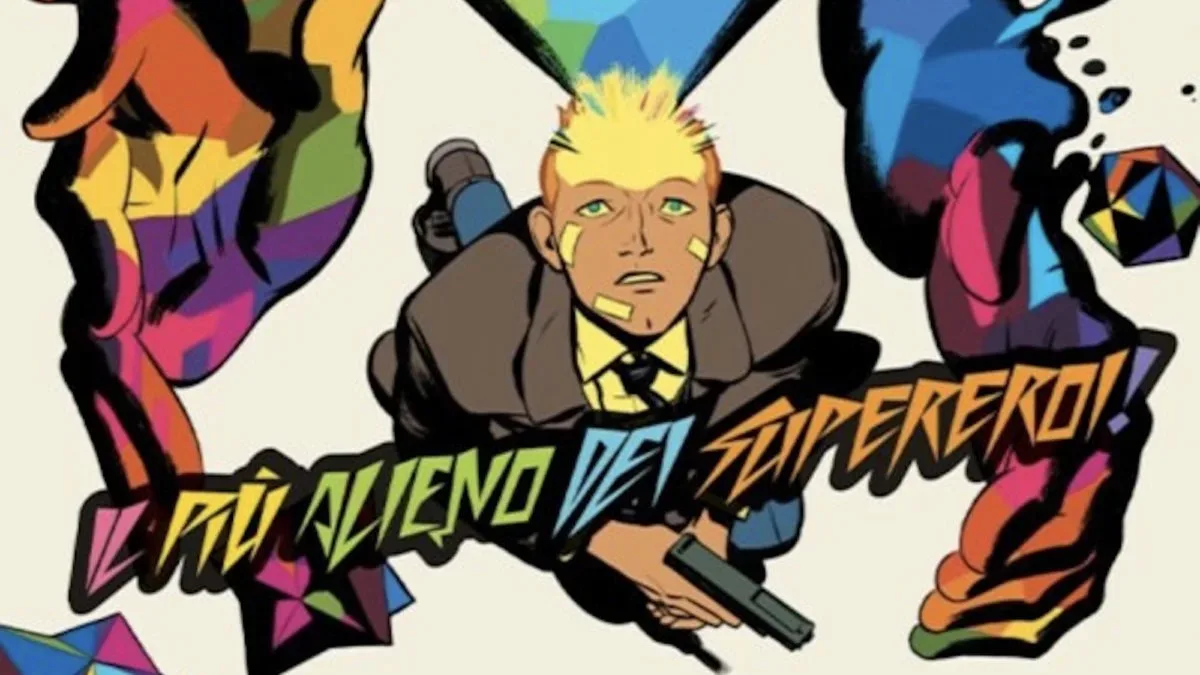
Fumetti is the Italian word commonly used for comics. The term is associated with the speech balloons that carry dialogue on a comics page. In practical terms, the museum’s remit recognizes that visual storytelling can move between printed panels, drawn art, animation, games and interactive formats rather than fitting neatly into one medium.
The initiative arrives during the 60th anniversary of Lucca Comics & Games, an event that has long made the city a gathering place for creators, publishers and fans. The proposed museum would extend that cultural role beyond the event calendar, providing a permanent focus for exhibitions and related activities.
A foundation is the key next step
The required Fondazione Expo Comics Museum is more than a nameplate. A foundation is the body expected to run the museum and its cultural work. Its creation by the March 2027 deadline will be a meaningful indicator of progress because it turns the agreement’s intent into an operating structure.
That distinction matters for anyone reading the news as a museum-opening announcement. The supplied plans identify the future location, the participating public institutions, the intended subject areas and a deadline for forming the foundation. They do not set out an opening date for the former tobacco factory site, admission information, a collection list or a program schedule. Those are details still to be established as the project develops.
For visitors and enthusiasts, the immediate, confirmed public-facing component is Palazzo Guinigi’s Lucca Legacy – A Comics and Games Story, which remains open until September 30, 2027. It provides a bridge between Lucca’s festival legacy and the longer-term museum plan while the permanent institution takes shape.
Why a permanent home matters for comics and games
Festivals excel at bringing people together in a particular place and time. A permanent museum has a different job: it can support continuing exhibition, interpretation and cultural activity across the year. Tuscany president Eugenio Giani described the goal in terms of giving residents and visitors a way to encounter the evolution of creativity throughout the year, linking the city’s artistic heritage to the work found in a comics panel or drawing.
That approach is especially relevant to the project’s inclusion of games and interactive art. A game is not solely an object to display; it is also a set of rules, visuals, sound, hardware and player interaction. “Interactive art” similarly signals work whose experience depends in part on audience participation. The agreement therefore points toward a museum concept that can address creative disciplines with different forms and different ways of being experienced.
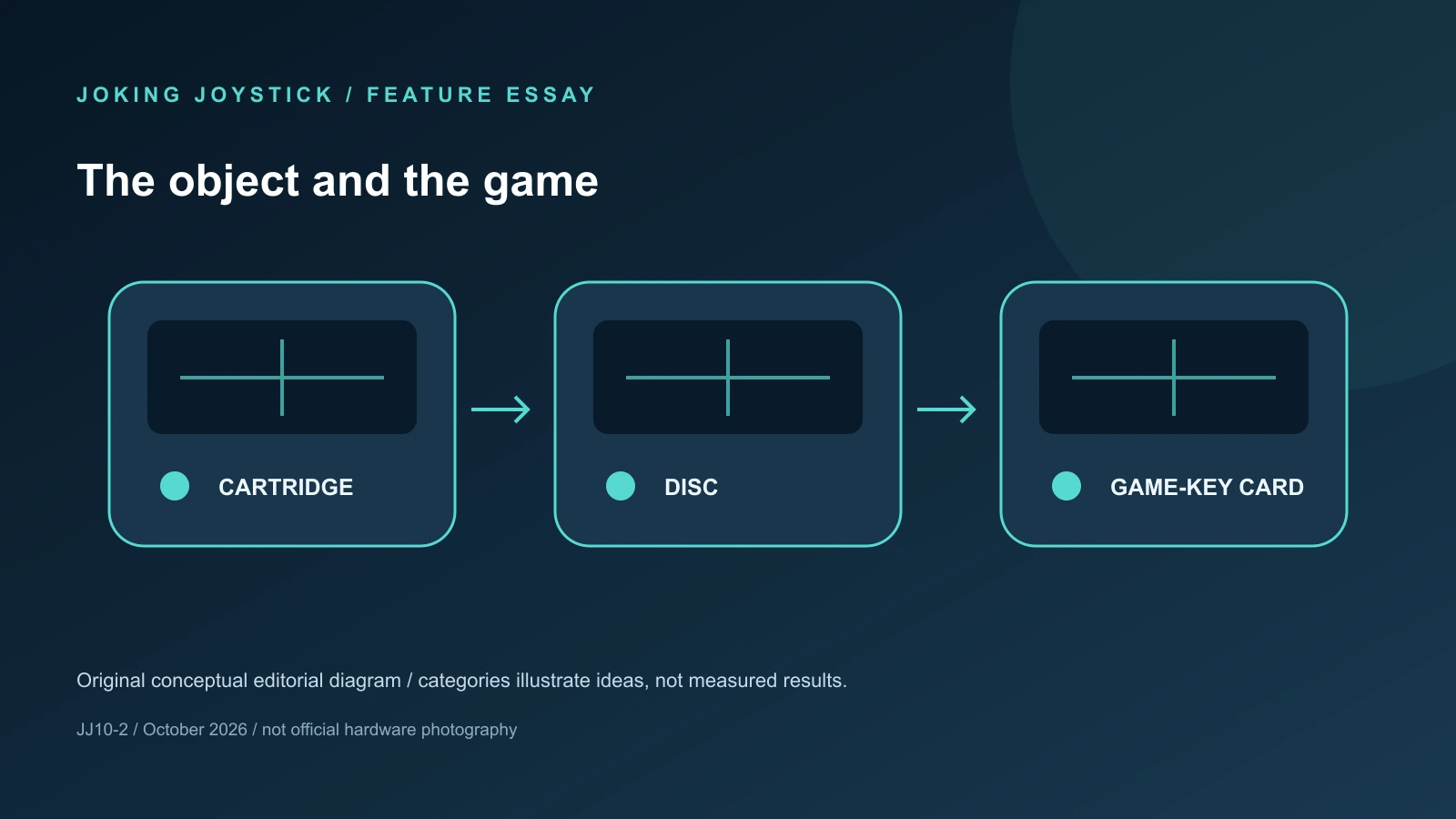
It also sits alongside wider discussions about how culture is preserved when it spans physical and digital formats. Printed comics and original illustrations have clear material forms, while game-related work can involve cartridges, discs, software, platforms and changing access systems. The continuing shifts in physical game media are part of that larger context, as explored in this look at Nintendo physical media from cartridges to Switch 2 Game-Key Cards. Lucca’s museum proposal does not specify its collecting or preservation methods, but its deliberately cross-media mandate makes those questions relevant to how the institution may eventually present its subject matter.
The former tobacco factory and Palazzo Guinigi
The selection of Lucca’s former tobacco factory gives the future museum a defined home in the city, though no additional details about its conversion or visitor facilities have been set out. The connection has a playful linguistic resonance: fumetti can evoke “little puffs of smoke,” a wordplay that feels particularly apt for a museum in a former tobacco facility. The location, however, is primarily the practical site named for the permanent project.
Meanwhile, Palazzo Guinigi is serving as the near-term venue for activity. The agreement was signed at Palazzo Guinigi, a setting chosen during the festival’s 60th-anniversary celebrations. Mayor Mario Pardini characterized the signing as the result of collaborative work among the Ministry, Region and Municipality, presenting it as a long-awaited project for the city.
For Emanuele Vietina, director of Lucca Comics & Games and a member of the project’s Technical Scientific Committee, the agreement represents a decisive move toward making the museum real. His involvement also emphasizes the connection between the museum proposal and the festival’s established creative identity.
What to watch next
The most concrete date attached to the plan is March 31, 2027, when the Fondazione Expo Comics Museum is due to be created. The next useful updates will be those that clarify how the foundation is organized and how it will oversee the museum and related programming.
Other questions remain open on the available information: when work at the former tobacco factory will be complete, when the permanent museum will welcome visitors, what its inaugural exhibitions will cover, and how comics, games, animation and interactive work will be represented in practice. None should be assumed before they are formally detailed.
What is clear is the direction of travel. Lucca is seeking to convert the energy and heritage associated with its comics-and-games celebration into a standing cultural institution, supported jointly by city, regional and national authorities. If the foundation is formed on schedule and the venue plan advances, the city’s annual festival legacy will gain a permanent public counterpart dedicated to the many forms of visual and interactive creativity named in the agreement.