Lucca Comics & Games has presented its 2026 comics awards, with the festival’s major Yellow Kid and Gran Guinigi honors spanning superhero serials, independent graphic novels, translations and the often-unseen craft that turns international books into Italian editions.
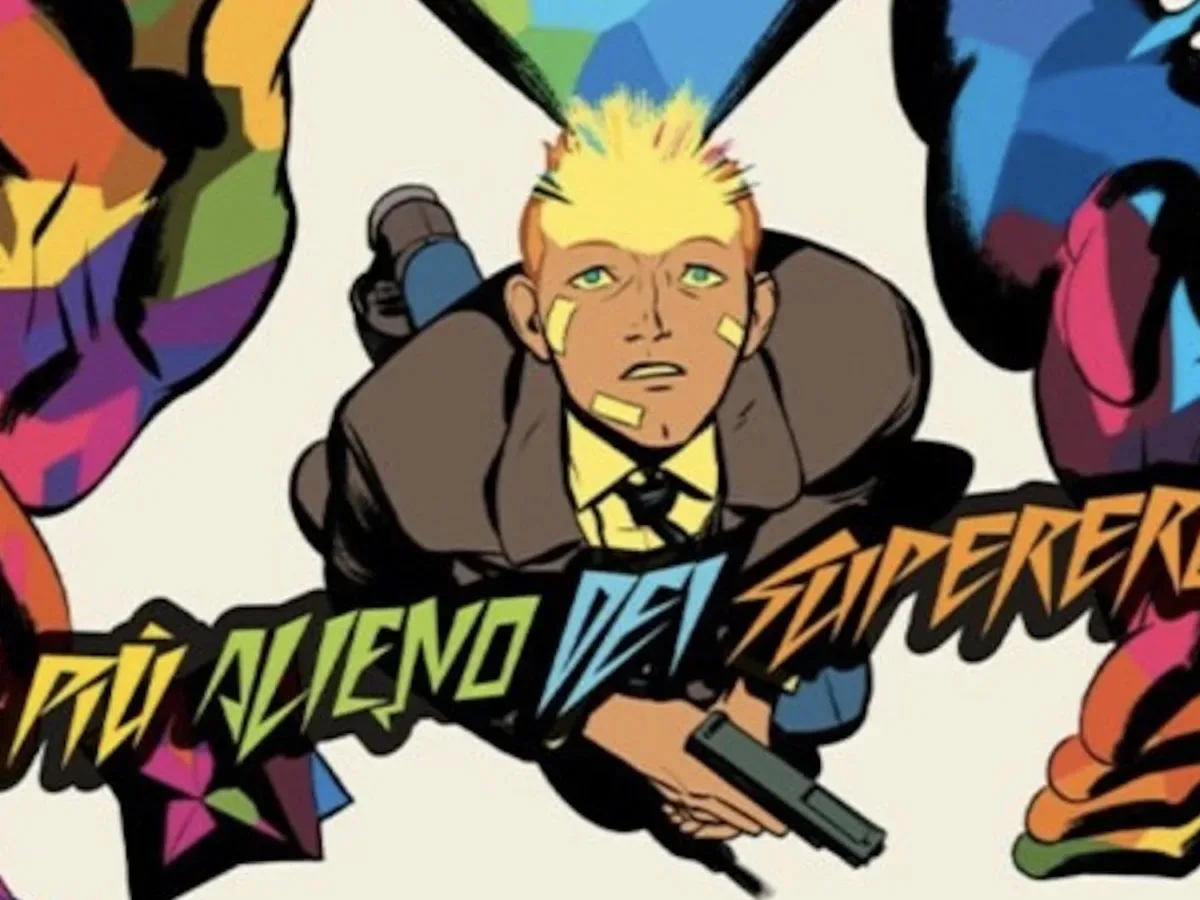
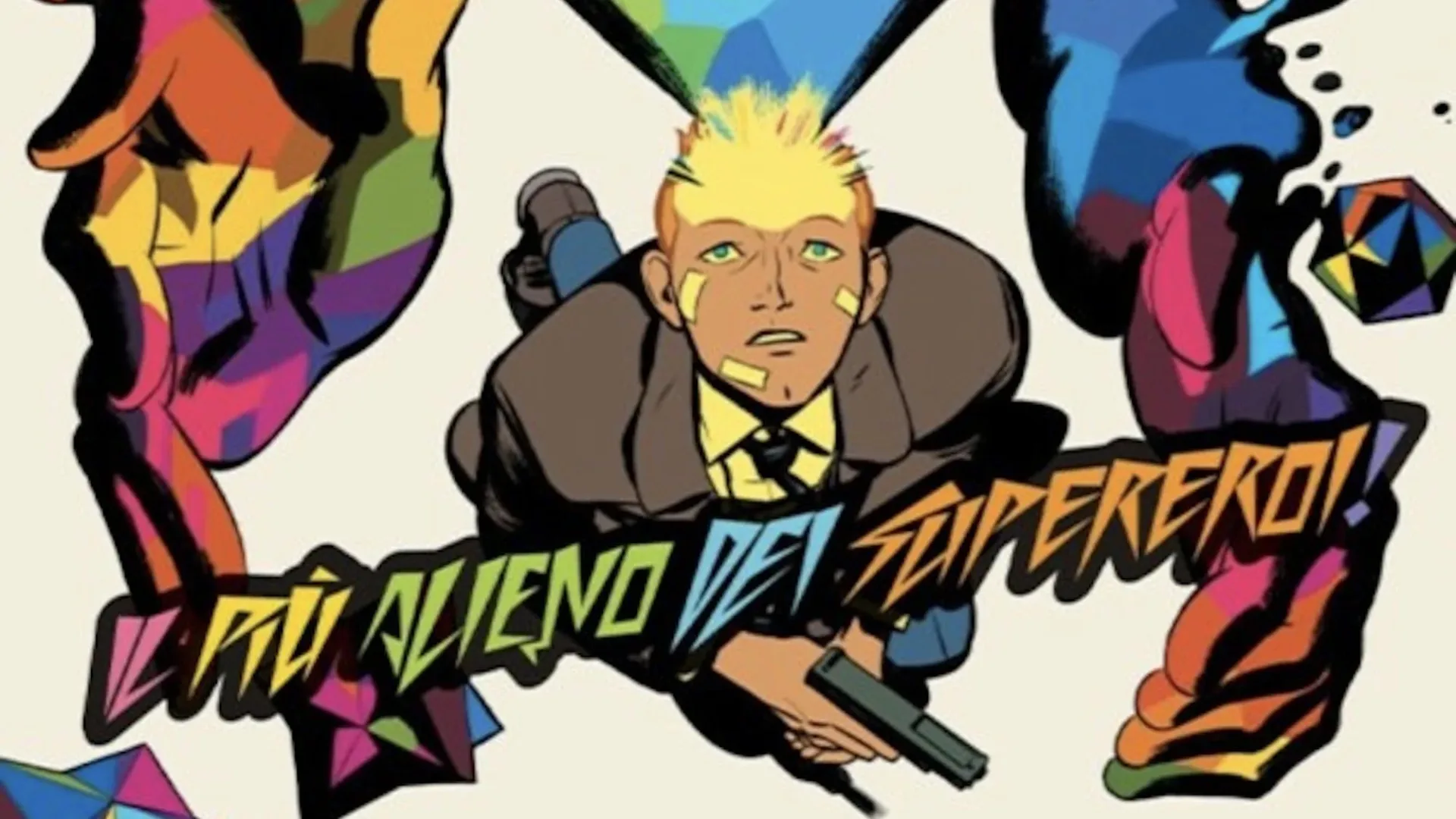
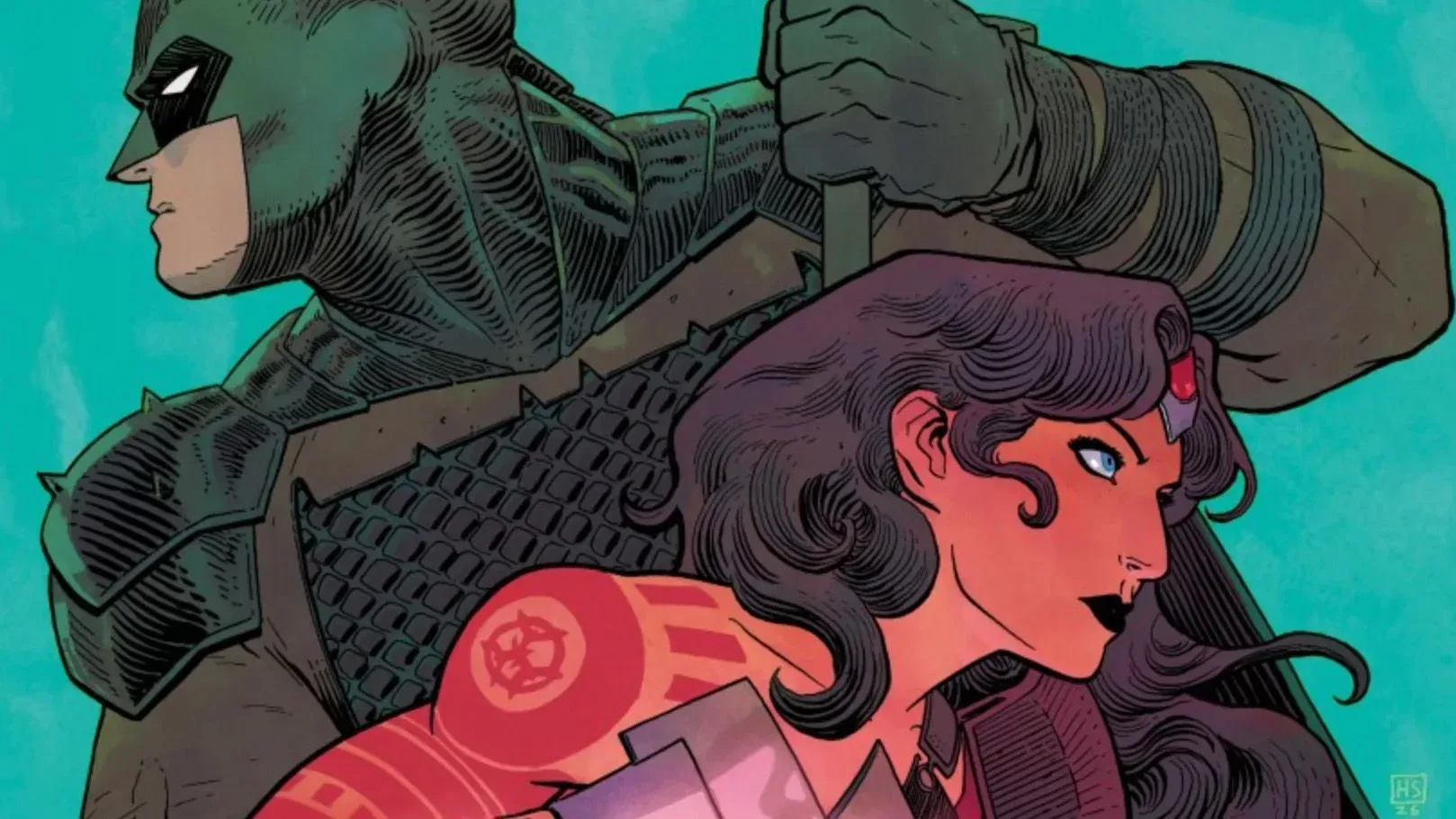
Absolute Martian Manhunter, by Deniz Camp and Javier Rodríguez, won the Gran Guinigi for Best Serialised Comic for its Panini Comics Italian edition, translated by Lorenzo Corti. Tessa Hulls received Best Writer for Ombre di famiglia – Feeding Ghosts, while Danijel Žeželj took Best Artist for Guerra giusta.
At the top of the Yellow Kid awards, Olivier Schrauwen’s Domenica won Comic of the Year. English-language readers may know the work as Sunday; the honored Coconino Press edition was translated by Olga Amagliani and Claudia Cozzi. Leo Ortolani was named Author of the Year for Tapum, his Feltrinelli Comics work addressing the First World War through both comic sensibility and horror.
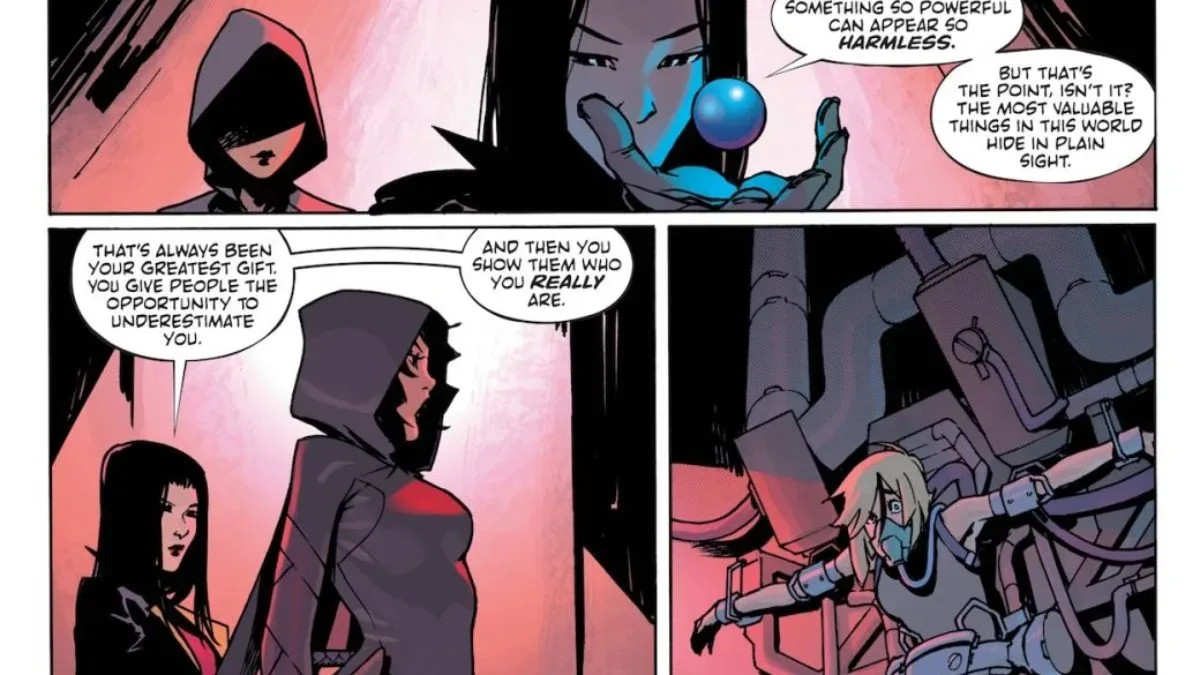
Absolute Martian Manhunter wins Best Serialised Comic
The Gran Guinigi award for Absolute Martian Manhunter is an honor for a translated edition of a continuing comic, rather than a claim about an individual issue or a separate new project. “Serialised” describes a story released in installments, a format that asks creators to balance the momentum of a chapter with a larger narrative running across multiple releases.
Camp and Rodríguez’s win places a superhero book alongside awards that strongly emphasize graphic novels, literary work and international publishing. It also highlights the role of the Italian edition: Corti is credited as translator, and the category’s winning book was published in Italy by Panini Comics.
The result arrives as the Absolute line continues to be a point of attention in DC’s broader comics output. Readers tracking the line can also see how another corner of that setting is developing in the latest news on Absolute Catwoman #4.
Translation matters especially in serialized work. A translator must preserve plot clarity and character voice while fitting dialogue into balloons, captions and page layouts created for another language. That practical constraint is one reason the festival separates book awards from its professional awards for translation, lettering, color, covers and editorial packaging.
Yellow Kid honors: Schrauwen, Ortolani, Nagai and Brandoli
The Yellow Kid awards are Lucca’s highest-profile honors. Domenica won Comic of the Year after the jury praised its use of an ordinary day as material for a shifting exploration of time, memory and perspective. The distinction is important: the award recognizes not merely a subject or a plot, but an approach to the grammar of comics—how panels, sequence and changing viewpoints shape an experience that prose or film would handle differently.
Schrauwen’s book has an English edition titled Sunday. For the Italian prize, the honored edition credits Amagliani and Cozzi for the translation. That is a useful reminder that a translated comic reaches readers through several creative layers: the original artist and writer, the publisher responsible for the local edition, and translators whose choices must work with both language and images.
Ortolani’s Author of the Year award went to Tapum. The work addresses the First World War while retaining room for humor alongside the subject’s brutality. At the ceremony, Ortolani responded with characteristic modesty, saying, “It’s not a given that someone would give me an award.”
Lifetime Yellow Kid awards went to Go Nagai and Anna Brandoli, named Master of Comics and Mistress of Comics respectively. Nagai was recognized for an oeuvre that includes Mazinger, Devilman and Goldrake, works cited for their influence on popular imagery across borders. Brandoli’s recognition centers on the precision of her linework and historical storytelling. The lifetime honor also gives recipients the chance to contribute a self-portrait to the Uffizi’s permanent collection.
Gran Guinigi winners across books, young readers and self-publishing
Beyond the winners for serialized comics, writing and art, the 2026 Gran Guinigi list reflects a festival program built to recognize different scales of publishing. Chihoi’s Sto con il mio santo, translated by Anastasia Genovese and published by Canicola, won Best Short Comic or Collection. Rina Jost’s Mentre ero via, translated by Giulia Bertoldo for Diabolo Edizioni, won Best Debut.
The Stefano Beani Award for Publishing Initiative went to La fine del mondo from il manifesto. The First Generation Award, intended for readers ages six to 12, went to Kurt! by Sabine Lemire and Rasmus Bregnhøi, published by Sinnos. Il mondo degli animali perduti by Noémie Weber, published by Diabolo Edizioni, received a special mention.
Dust Marrow by Pastaacolazione won the Self Publishing Award. Self-publishing is distinct from simply being a small publisher: it generally means the creator or creators take on the publishing responsibility themselves, including the work of bringing the project to readers. An award in that area acknowledges that comics can reach an audience outside the conventional publisher-led route.
2026 Gran Guinigi award winners
- Best Artist: Danijel Žeželj, Guerra giusta (Eris Edizioni), translated by Valerio Stivè.
- Best Writer: Tessa Hulls, Ombre di famiglia – Feeding Ghosts (Tunué), translated by Martina Fermato.
- Best Short Comic or Collection: Chihoi, Sto con il mio santo (Canicola), translated by Anastasia Genovese.
- Best Serialised Comic: Deniz Camp and Javier Rodríguez, Absolute Martian Manhunter (Panini Comics), translated by Lorenzo Corti.
- Best Debut: Rina Jost, Mentre ero via (Diabolo Edizioni), translated by Giulia Bertoldo.
- Self Publishing Award: Pastaacolazione, Dust Marrow.
Professional awards put the spotlight on the production process
The Gran Guinigi Pro awards recognize the specialists who help a comic travel from original art and text to a finished local publication. Those categories are not afterthoughts. In comics, lettering affects pacing and readability; coloring can define mood and visual hierarchy; covers frame a reader’s first encounter with a book; and editorial packaging concerns the physical and design presentation of an edition.
Stefano Formiconi won Best Translation from English for Le case del Male, the Italian edition of Ed Brubaker and Sean Phillips’ Houses Of The Unholy, published by saldaPress. Vania Vitali and Andrea Toscani won Best Translation from French for Asterix in Lusitania, by Fabcaro and Didier Conrad, published by Panini Comics.
Christine Minutoli won Best Translation from Japanese for Waki Yamato’s La storia di Genji, issued by J-POP Manga. Prisco Oliva received a special mention for La voce della strada by Kei Usuba, also from J-POP Manga.
Other Pro honors went to Topolino e il mistero dell'uomo nuvola, by Ted Osborne and Floyd Gottfredson, for Best Editorial Packaging; Marco Daeron Ventura for lettering Peter Kuper’s Insectopolis; Takashi Murakami’s Pino for Best Cover; and Matheus Lopes for the color in Helen di Wyndhorn.
A festival-wide view of comics, not one market segment
The awards were presented on October 29 at Teatro del Giglio Giacomo Puccini during the 60th edition of Lucca Comics & Games. The main Yellow Kid and Gran Guinigi jury consisted of Lorenzo La Neve, Bianca Bagnarelli, Alessandro Tota, Leonardo Merlini and Veruska Motta. Its selections came from a 33-title shortlist assembled by the festival’s readers’ committee.
The winners demonstrate the range being recognized at Lucca: a DC superhero serial in Italian translation, an experimental work about time and perception, a First World War book, a memoir-related writing prize, material for young readers, self-published work, and production specialists across English, French and Japanese translations.
That breadth is fitting for an event whose program extends beyond comics to manga, animation, tabletop games, role-playing games, video games and cosplay. Held annually in Lucca, Tuscany, the festival marks its 60th anniversary in 2026. Its origins trace back to the Salone Internazionale dei Comics in Bordighera in 1965, before the event moved to Lucca the following year and later developed into Lucca Comics & Games.
The 2026 event features more than 80 publishers and over 400 international guests, alongside pavilions, exhibitions, tournaments and family-focused programming. Within that wider gathering, the awards make a focused statement: comics are created not only by writers and artists, but by translators, letterers, colorists, designers and publishers whose work determines how—and whether—readers encounter a story.