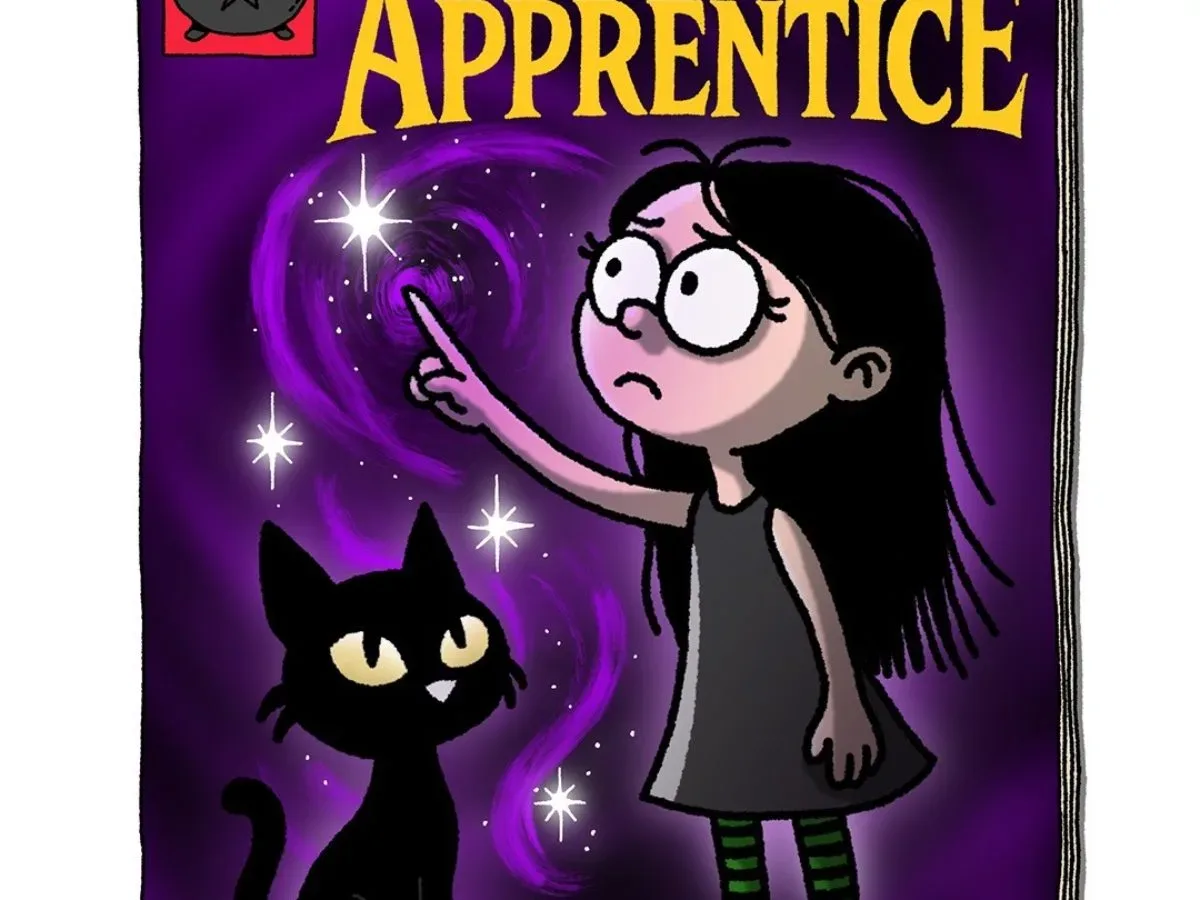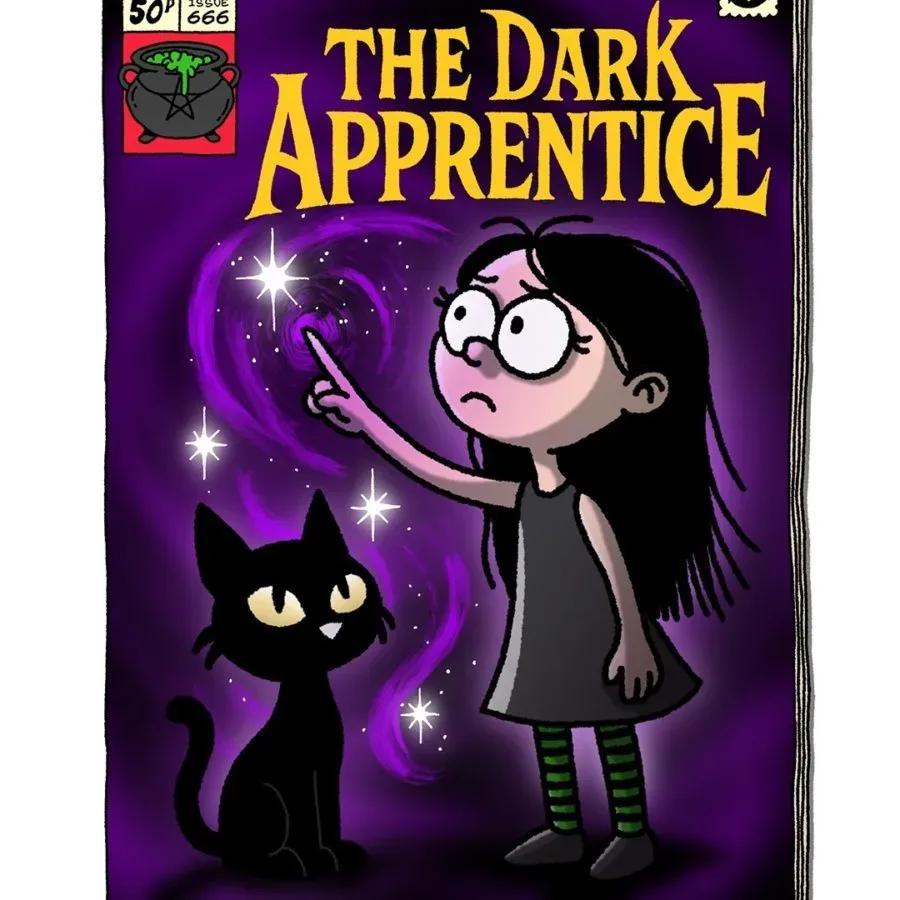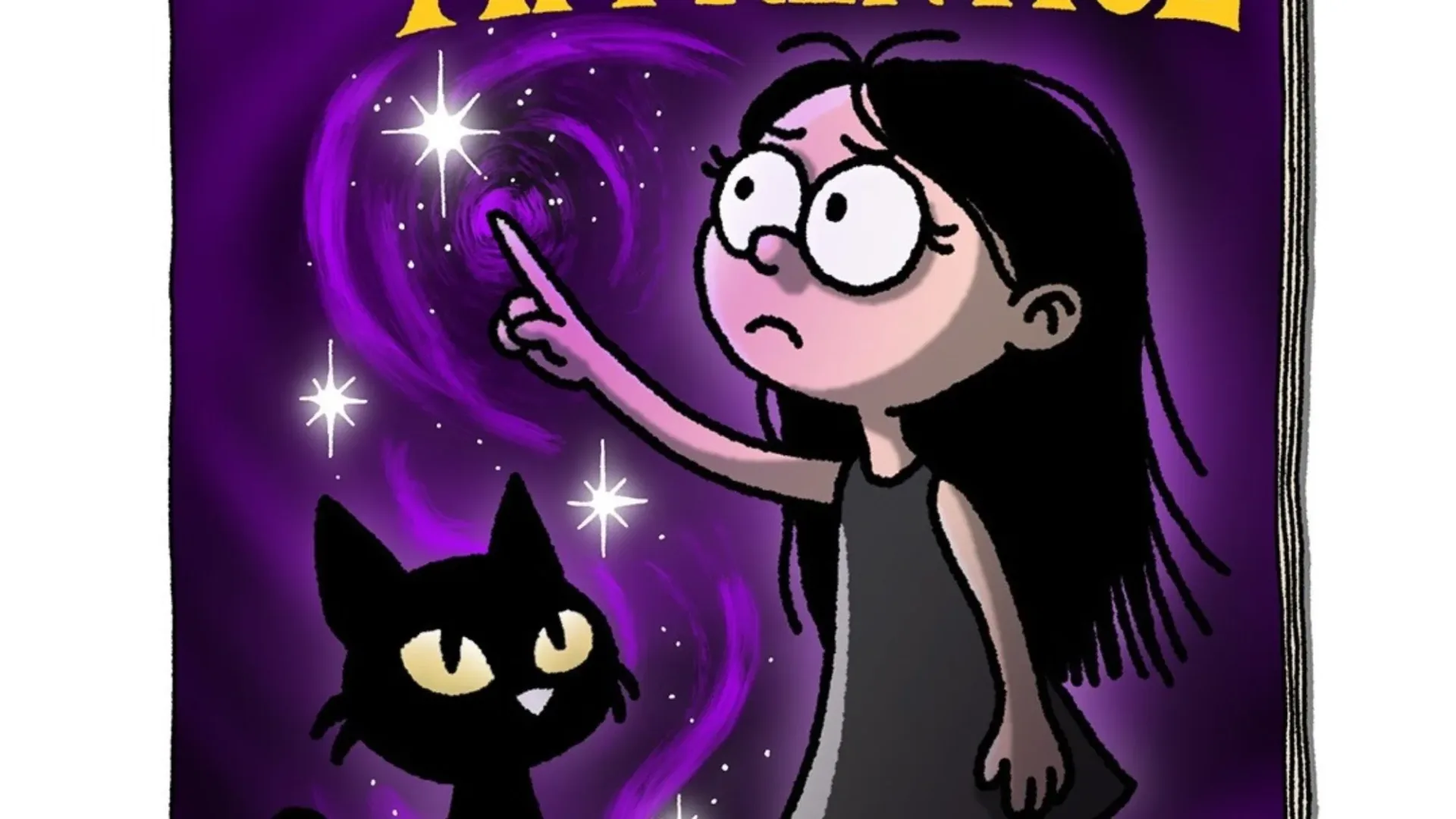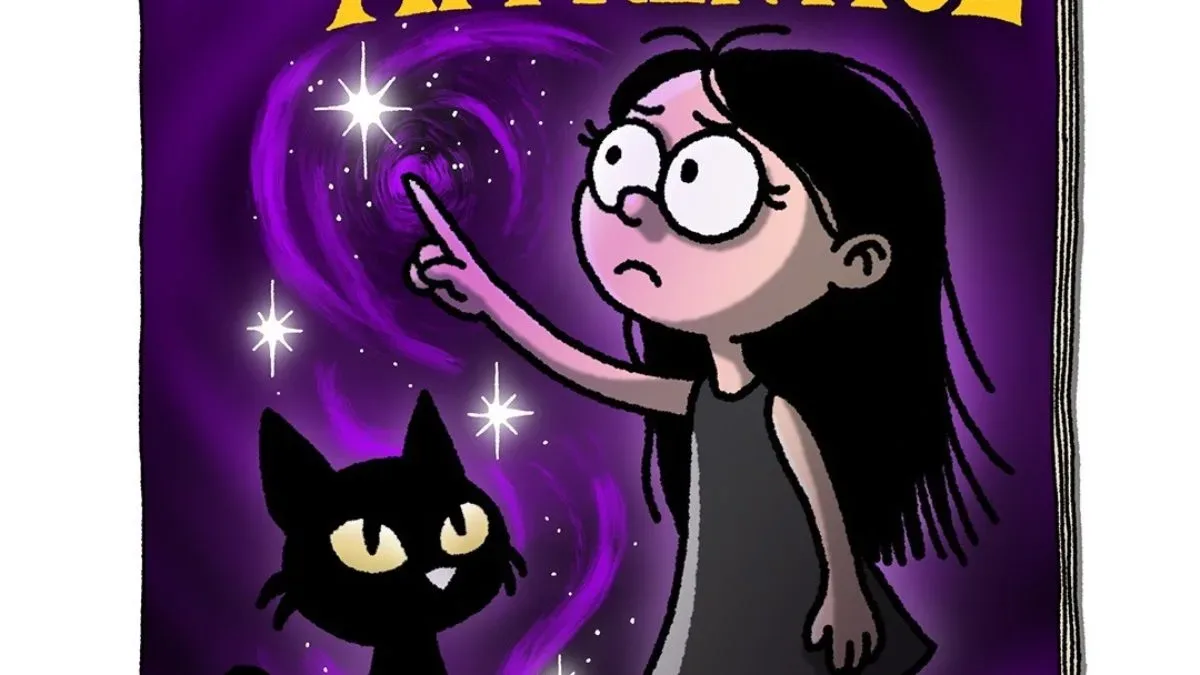
Young readers will soon meet a witch whose confidence far outstrips her spellcasting: The Non-Magical Adventures of Bella Crumb, a three-book graphic novel series by children’s author and illustrator Kirk Slater, has been acquired by Piccadilly Press.
The first paperback is scheduled for September 2027, with two further volumes planned for 2028 and 2029. Piccadilly Press, an imprint of Bonnier Books UK, acquired world rights through Slater’s agent, Alice Williams of Alice Williams Literary.
That rights detail matters because it means the publisher has secured the ability to publish the series internationally, rather than only in a single territory. It is not a confirmation of every future edition or market, but it establishes a broad publishing foundation for Bella’s planned three-book run.
A witch with a plastic wand and very real determination
Bella Crumb believes she is an exceptionally powerful witch, even if the evidence has not entirely caught up with the claim. Her wand is plastic and battery-powered, her broom does not fly, and her magic has an unfortunate tendency to explode. Her familiar, a grumpy cat, is also notably unwilling to follow instructions.
The premise frames those failures as the engine of the comedy rather than an obstacle to Bella being the story’s hero. Bella’s imagination and certainty remain intact despite the persistent gap between what she wants to achieve and what actually happens. That makes the “non-magical” in the title do double duty: the series plays with witchy iconography while grounding the jokes in an ordinary child’s improvised make-believe.
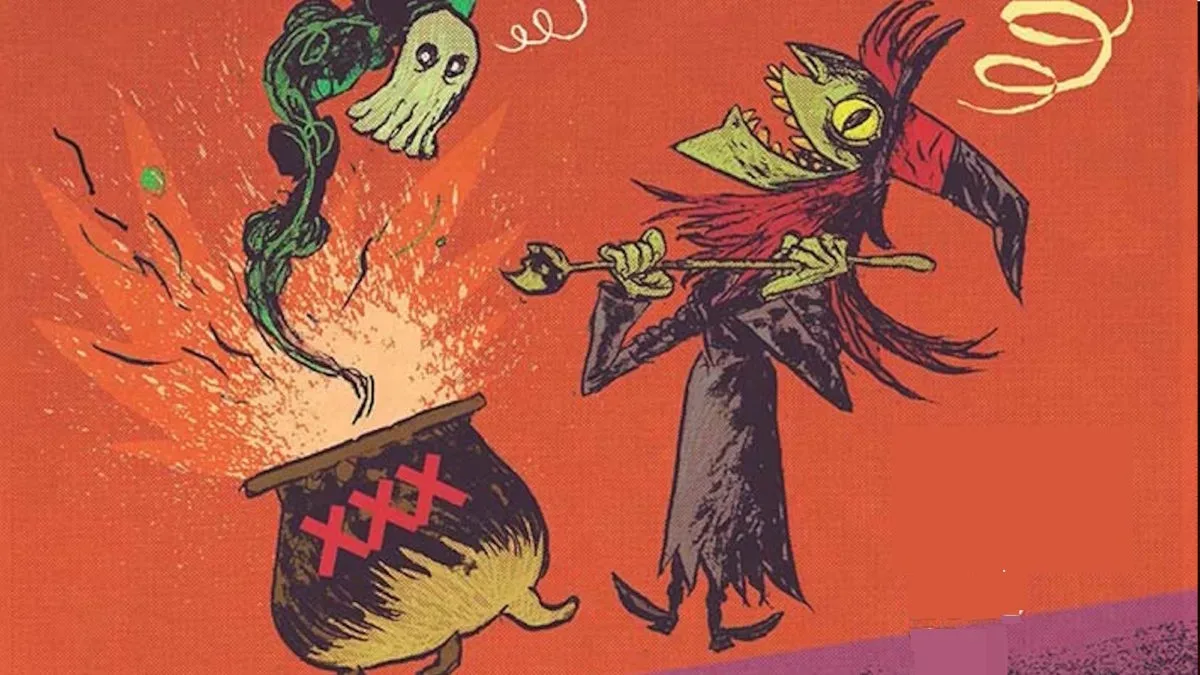
In the first story’s setup, Bella becomes convinced that her grandmother is secretly a formidable witch. Determined to impress her, Bella gives herself one week to demonstrate that she has genuine magical talent. The resulting lessons include foul-smelling pretend potions, uncooperative ghosts and a neighbour whose glitter obsession turns “help” into another source of disorder.
The central question is suitably direct for a young-reader comic: can Bella prove herself, or will another ambitious magical scheme dissolve into chaos? Slater’s setup gives the character a clear deadline and goal, while leaving plenty of room for individual visual gags and escalating mishaps along the way.
What the comparisons signal
The series has been described as Horrid Henry meets The Worst Witch. That is a tonal shorthand, not an indication that Bella shares a setting or continuity with either property. The comparison points to a mischievous, unruly child protagonist on one side and a comic fantasy-school-adjacent magical sensibility on the other.
For prospective readers and parents, the useful takeaway is that Bella is not presented as a polished fantasy prodigy. She is a would-be witch with grand plans, unreliable tools and a gift for turning small missions into disproportionate disasters. The character’s appeal appears to be her refusal to surrender to embarrassment or common sense, rather than mastery of supernatural rules.
That approach suits the graphic novel form. “Comic-strip storytelling” refers to narrative told through sequential panels: readers gather meaning from dialogue, captions, expressions, panel-to-panel action and the timing created by page layout. In a comedy about a spell going wrong, an illustration can deliver part of the joke before or after the text does—the overconfident pose, the ominous potion, the reaction from a cat that has clearly had enough.
Editorial director Ella Whiddett highlighted Slater’s comic storytelling, humour and the personality of the central character, describing the project as a fit for graphic-novel fans, emerging readers and anyone after chaotic comedy. “Emerging readers” generally describes children building reading confidence and independence; comics can offer an especially welcoming format because visual context supports the text without reducing the importance of the story itself.
Three books, released one year apart
The announced publishing plan is unusually clear at this early stage: book one is due in September 2027, followed by installments in 2028 and 2029. No individual titles, cover art, page counts or detailed plot information for the later books have been provided.
The annual cadence suggests readers who enjoy Bella’s first week-long effort will have more adventures to anticipate, but the available information does not establish whether the books will tell one continuous overarching story or function as separate comic misadventures. For now, the confirmed fact is a three-book graphic novel series, not the specific structure of books two and three.
Slater said creating the graphic novel with the Piccadilly Press team had been a joy and expressed excitement for readers to encounter Bella and her adventures. Whiddett’s comments similarly put the emphasis on Bella’s “wonky spells,” imagination and relentless self-belief—the qualities likely to define the series’ comic voice.
From design work to a new comics series
Slater works as a graphic designer, producing websites and business branding, and also runs The Upturned Cauldron, an online shop for witchy gifts. Those details do not reveal the content of the forthcoming books, but they provide some context for the creator’s connection to visual design and playful witch-themed imagery.
That visual background is particularly relevant to a graphic novel, where character design, readable staging and a confident sense of expression are integral to how a story works. Bella’s premise relies on recognizable objects—the wand, broom, potions, ghosts, glitter and an unimpressed feline—and these are all strong raw materials for panel-based physical comedy.
It is also worth separating a graphic novel from a prose novel with occasional illustrations. In a graphic novel, the artwork carries the narrative alongside the words. A reader is not merely shown a decoration of an event; the sequence of images is part of how the event is paced, understood and made funny. For a character whose plans regularly produce collateral chaos, that distinction could be central to the reading experience.
A character built for setbacks
Bella’s strongest apparent trait is not magic but conviction. She sees herself as extraordinary before she has the skills to justify it. That creates a flexible comedy framework: every failed potion, failed flight or reluctant ghost can be treated as a temporary complication in Bella’s much larger mental picture of herself.
The grandmother mission gives that confidence an emotional direction. Bella is not simply chasing magical status in the abstract; she wants to impress a family member she suspects has a hidden connection to the world Bella desperately wants to join. The available synopsis does not reveal whether Bella’s suspicion is correct, and the answer is best left as part of the eventual story rather than assumed from its witchy setup.
For now, the announced trilogy promises energetic fantasy-flavoured comedy rather than a conventional tale of a naturally gifted young magician. Bella’s battery-powered wand, disobedient cat and increasingly messy attempts at witchcraft place the emphasis on imagination, persistence and the entertainment value of plans going spectacularly sideways.
Readers following comic-book storytelling across formats can also find broader character-and-adaptation discussion in this look at an alternate character decision involving Black Widow and Hawkeye. Bella Crumb, however, is its own forthcoming all-ages graphic-fiction project, with its first confirmed volume still set for 2027.