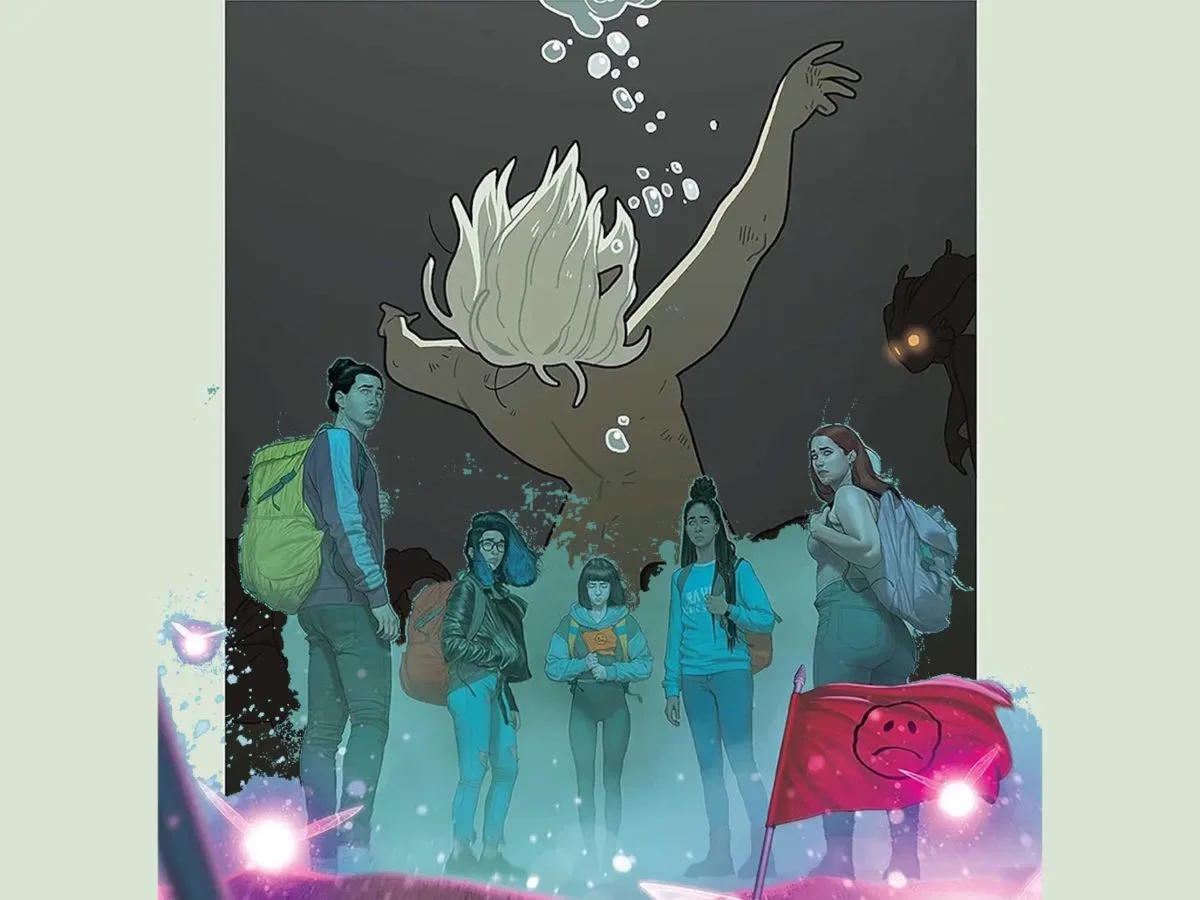
Kelly Thompson has offered an unusually direct account of the financial pressure behind creator-owned comics, saying that Black Cloak and The Cull brought pride in the finished work but not a return that matched the money invested to make them.
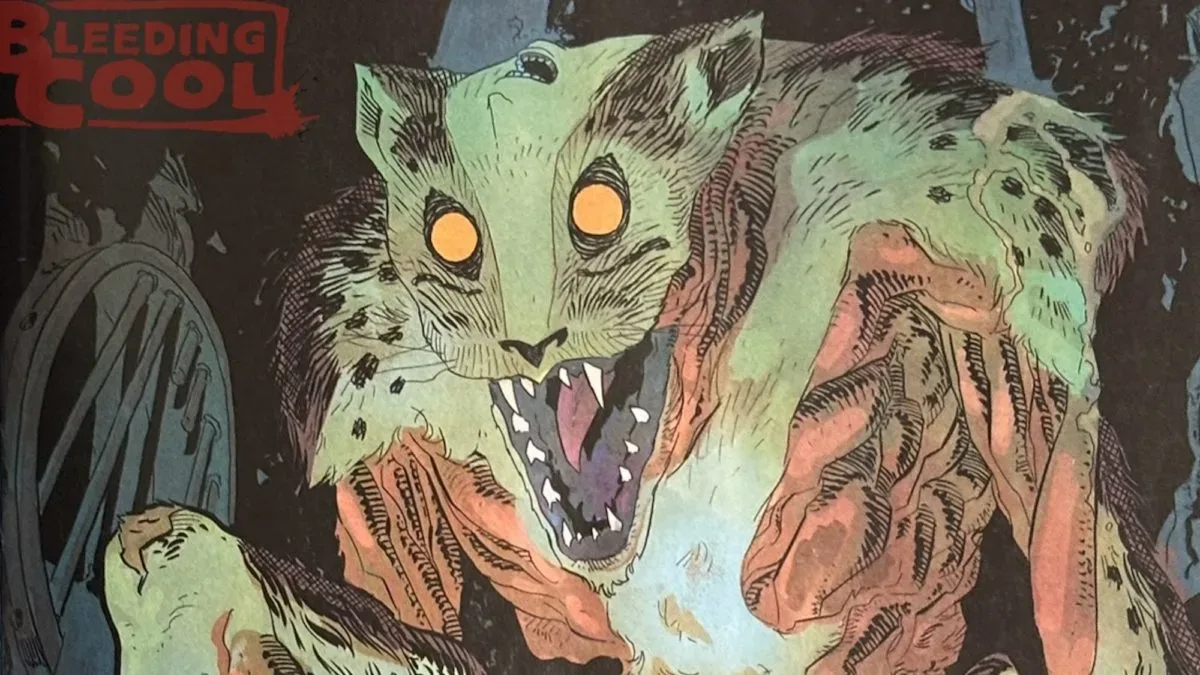
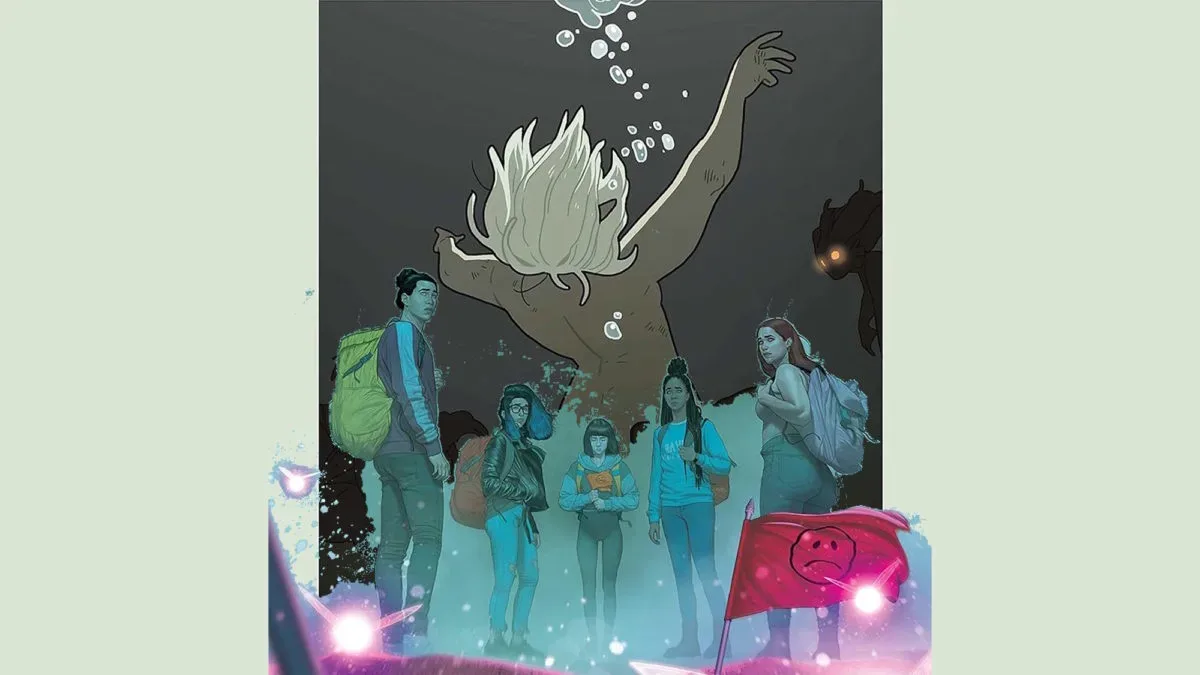
The writer collaborated with Meredith McClaren on Black Cloak and Mattia de Iulis on The Cull. Both projects began on Substack in 2021, later received print editions through Image Comics, and earned Eisner nominations. Those markers of recognition did not translate into a sustainable financial result, Thompson said. The pair of series amounted to 11 issues of Black Cloak, five issues of The Cull, plus smaller work, and Thompson said the revenue fell well short of the initial outlay.
That gap is the core of the story. Critical attention, nominations, and a print release can all matter creatively and professionally, but they do not automatically mean a project has recovered its costs. Thompson’s comments are a useful reminder that “successful” can mean very different things in comics: a book can be admired, find an audience, and still leave its makers unable to fund more of it on the same terms.
What creator-owned means in this context
A creator-owned comic is a project in which the creators retain ownership of the underlying work, rather than producing a story around a publisher-controlled character or property. That ownership can carry meaningful long-term value. Future collections, adaptations or options, and further editions may potentially create additional revenue later. It also gives collaborators a level of creative control that work-for-hire arrangements generally do not offer.
But ownership does not eliminate upfront cost. Thompson described having to fund the work herself, with Substack money helping make the initial run possible. In practical terms, that means the project must first generate enough income to cover the money already spent before it can be considered financially self-sustaining. If the recovery is substantially below the investment, the creators may still have an acclaimed comic, but they are left carrying the risk.
Thompson’s assessment was blunt: she could not understand how independent comics can routinely be funded on an individual’s own dime. She said the results from these books were not close to covering what had gone in. Her comments do not dismiss the creative value of the series; in fact, she said the work itself was the part she felt happy with. They instead distinguish the art from the business model that paid for it.
Why The Cull’s result was especially frustrating
Thompson said she expected The Cull to break through more forcefully. She characterized it as among her more direct and adaptable ideas, and singled out de Iulis’ art as a major strength. In her view, the project achieved a modest hit rather than the larger one she had anticipated, with five issues becoming its endpoint.
That uncertainty is central to creator-owned publishing. There is no simple spreadsheet that can reliably predict what a new number one will sell, how long it will hold attention, or whether it will reach the kind of broad readership needed to change the economics. Thompson said she has never fully understood why certain projects take off while others do not, even when the latter appear to have strong ingredients.
Her example also pushes back against the easy assumption that quality is the lone variable. Awards recognition and attractive artwork can help a comic stand out, but neither guarantees that readers will arrive at the volume required to offset production spending. A series may need a much bigger cultural moment—or what Thompson called a “crazy weird hit”—to move from modest success to a meaningful financial win.
The work-for-hire safety net
After these experiences, Thompson said she returned to work-for-hire, the category of comics work in which creators are paid to produce stories for a company-owned property. The advantage, in the terms Thompson laid out, is immediate stability: the work pays the rent and creates a cushion that a self-financed project may not provide.
She described a common piece of career advice: combine the two paths where possible. Work-for-hire can provide dependable income, while creator-owned work may offer long-range ownership and the possibility of later earnings through an option or a new collection. That blended strategy is not a guarantee, but it recognizes the separate jobs each kind of project can perform in a creator’s career.
For Thompson, however, the losses on Black Cloak and The Cull made the prospect of immediately returning to pure creator-owned publishing feel too risky. She compared the scale of the investment to money that could otherwise support major life goals, including a house, retirement, or education. That framing makes clear that this is not merely a complaint about disappointing sales. It is a question of whether a creator can responsibly put substantial personal resources into a project when the likely recovery remains uncertain.
Thompson said that, in the end, the part she was satisfied with was the work itself—even as the overall experience was frustrating.
Profile can help, but it cannot guarantee a result
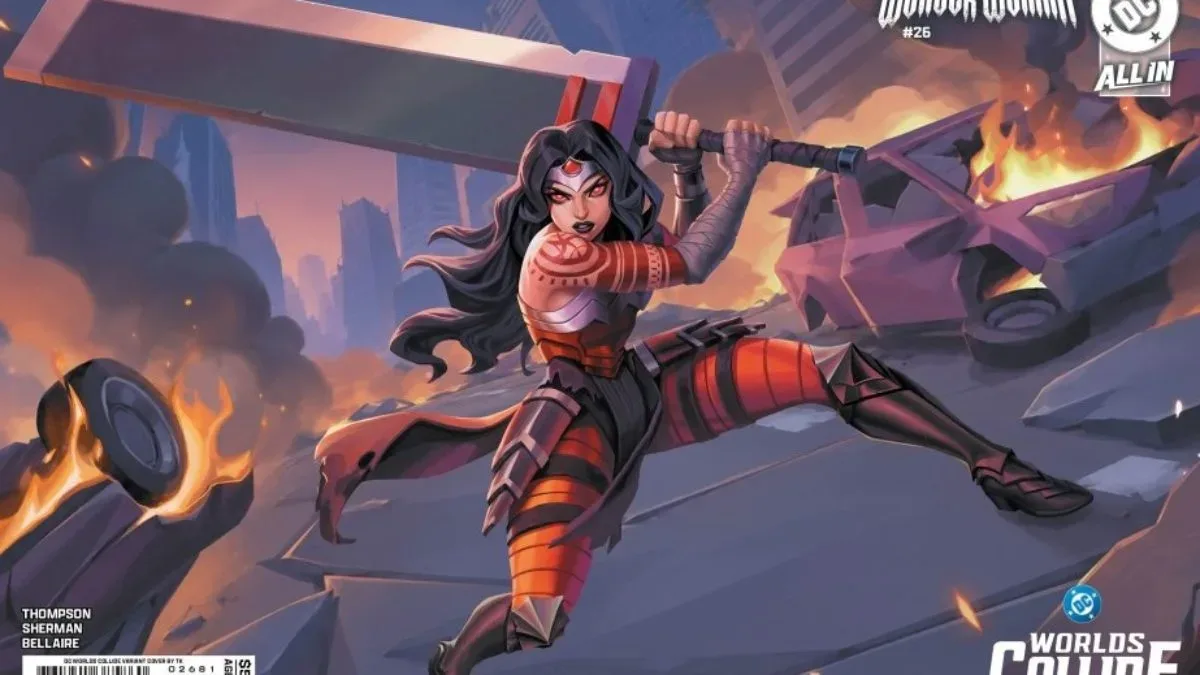
Thompson has not ruled out another creator-owned comic. She suggested that a higher profile from Absolute Wonder Woman and It’s Jeff! could alter the sales equation for a future launch. The important qualification is that she does not claim to know that it will. Greater visibility may bring more attention to a new book, but she noted that nobody can offer a reliable forecast for what a fresh creator-owned first issue would earn.
That caution is valuable for readers as well as creators. Attention to a writer’s current high-profile work does not mechanically transfer into demand for every future project. Readers have to discover the book, decide that its premise appeals to them, and continue supporting it. The uncertainty remains even when a creator arrives with a larger audience.
There may still be room for collaboration across the two sides of Thompson’s work. She said she would like to bring McClaren into Absolute Wonder Woman, potentially including the Trinity and a Superman segment. No confirmed assignment or timetable was supplied, so it is best understood as an expressed ambition rather than a formal project announcement.
What readers can take from Thompson’s comments
For readers who want more independent and creator-owned books, the practical takeaway is straightforward: enthusiasm matters most when it becomes sustained support. A debut issue can create interest, but continued readership is what helps a series justify its next installment, later collection, and long-term future. Thompson’s experience shows why critical praise alone cannot be treated as a financial safety net.
It also helps explain why a creator may move between publisher-owned superhero work and wholly owned originals rather than choosing one lane forever. This is not necessarily a creative retreat from personal projects. It can be a way to preserve the ability to make more comics at all, without placing every major financial risk on the people making them.
Thompson’s perspective lands especially clearly because it contains both sides at once. She remains proud of Black Cloak and The Cull, values the joy of creating work she and her collaborators own, and has not closed the door on doing so again. Yet the projects also made the cost of that independence impossible for her to ignore. For more comics coverage, see our report on Batman: Shadow of the Bat #1.
Shop the products
Check current price, model and availability at the retailer.