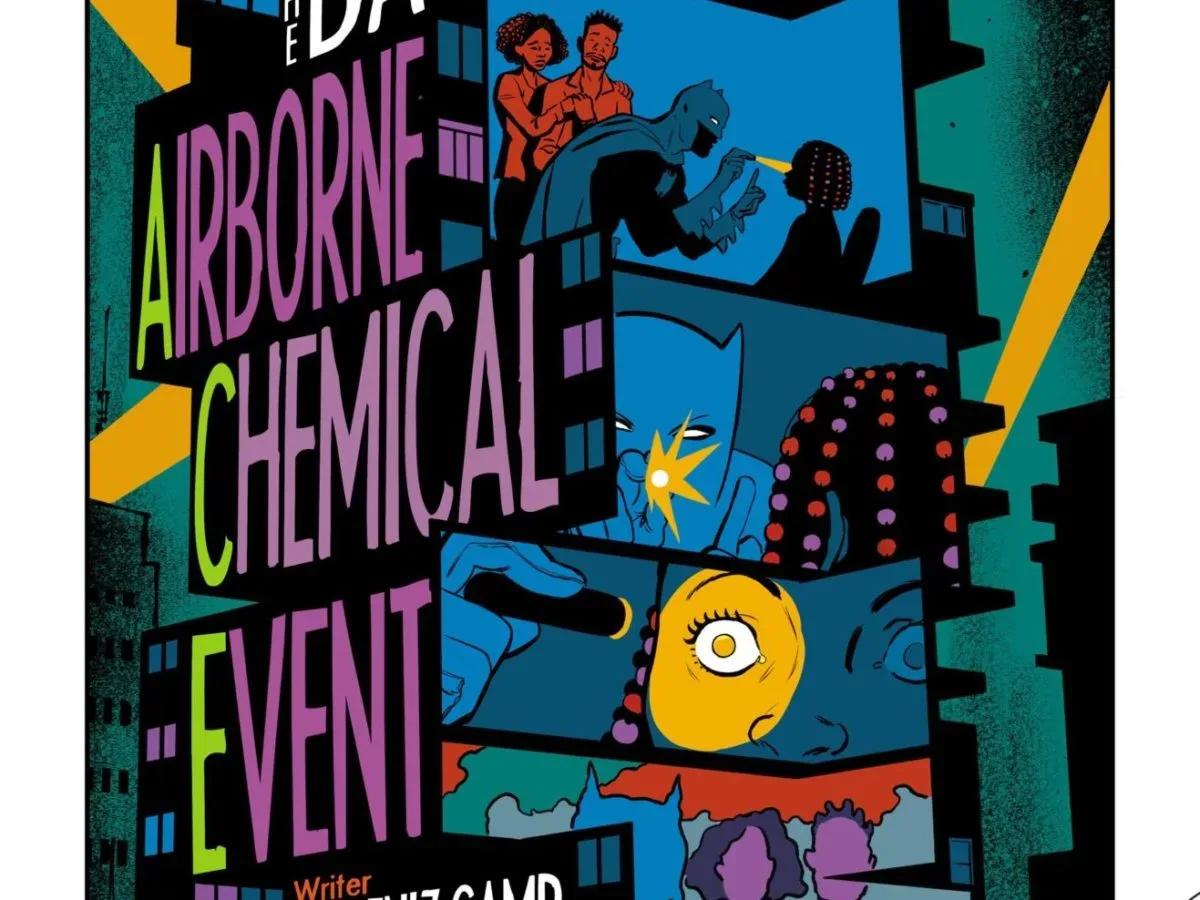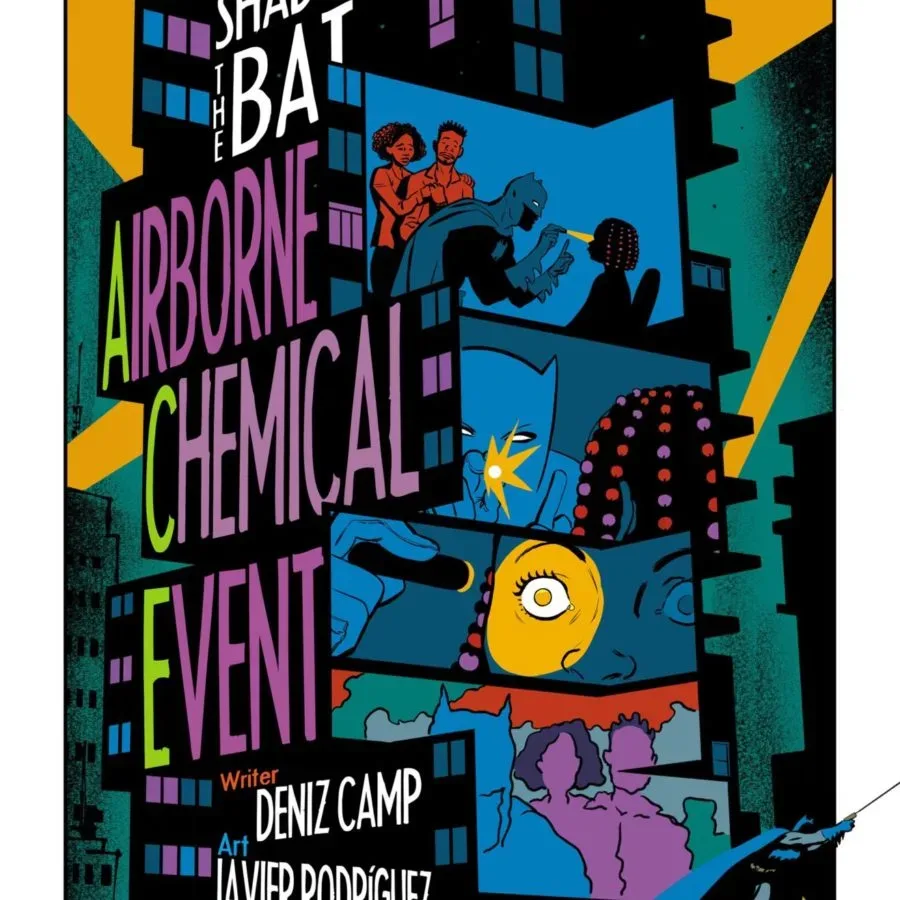
Batman is heading into a contaminated Gotham in Batman: Shadow of the Bat #1, a new ongoing series from writer Deniz Camp and artist Javier Rodríguez. The first issue is scheduled for February 24, 2027, as part of DC Next Level.
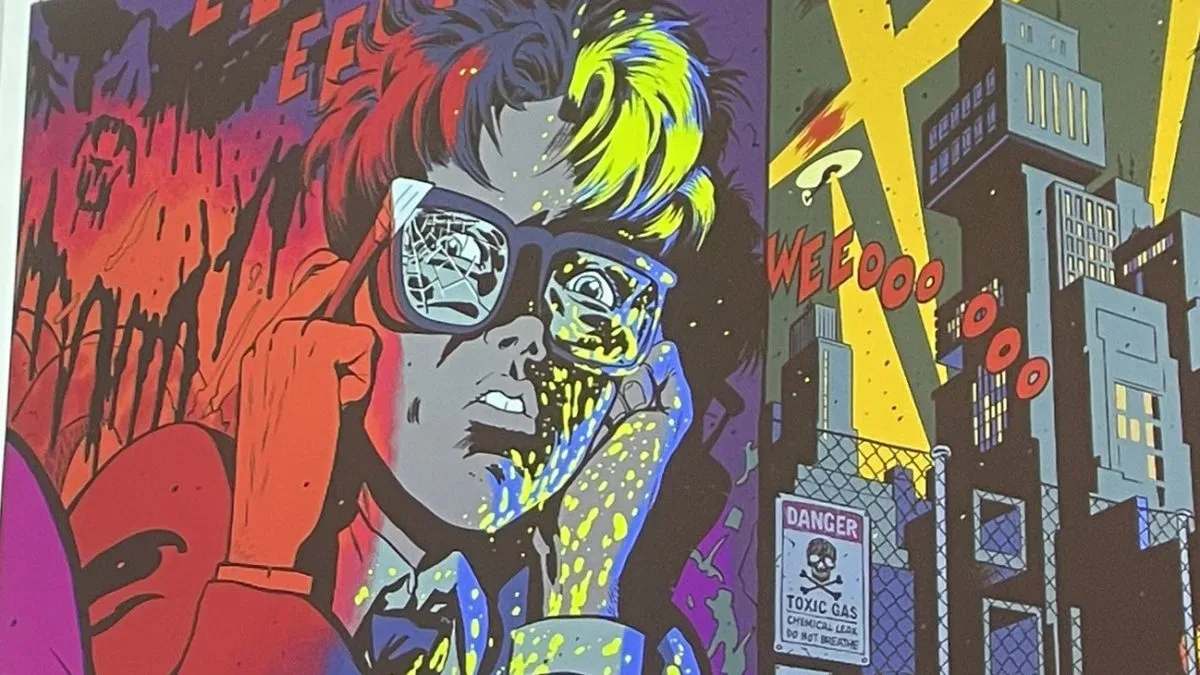
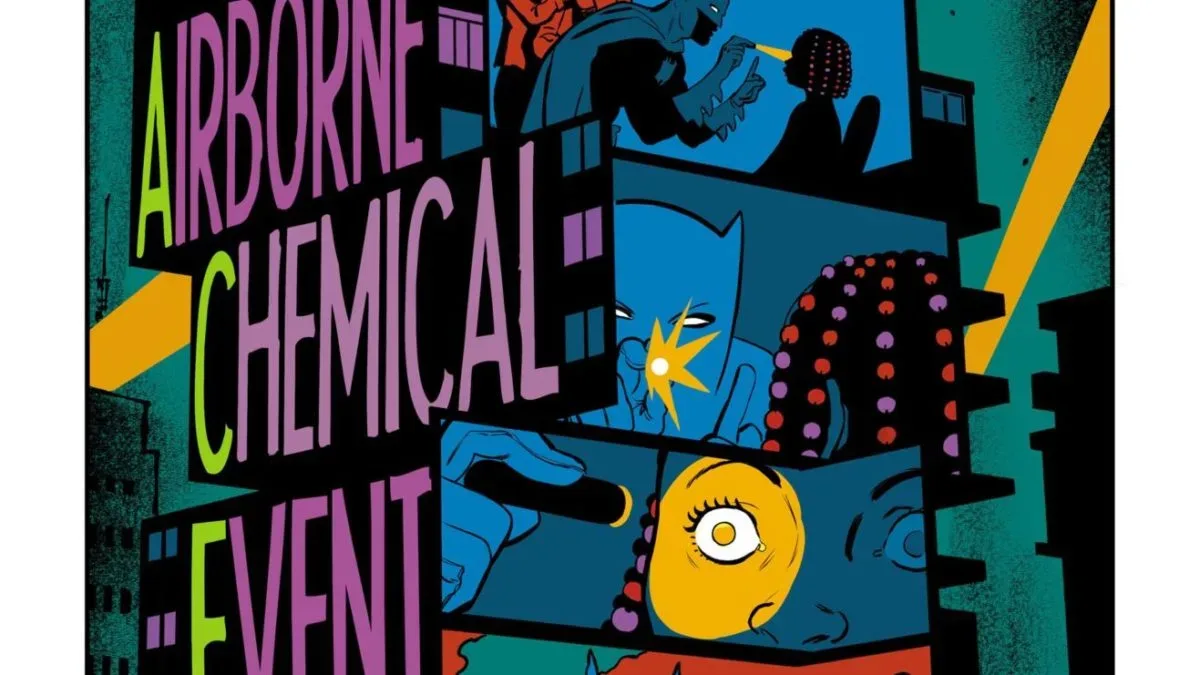
The premise puts an explosion at an abandoned ACE Chemical plant at the center of the crisis. A green cloud spreads over Gotham City, a quarantine zone is established, and people inside begin changing in frightening and unpredictable ways. Batman’s immediate job is recognizably Batman: determine what happened, identify the danger and get people out alive. The complication is that the force affecting Gotham may also affect the detective trying to solve it.
That makes this more than a standard chemical-disaster setup. The series is explicitly positioned as a story that takes Batman into the darkest reaches of the human mind, with the threat potentially carrying a cost to his own mental state. Camp has described the setting as a world of continual disasters, where Batman is trying to preserve his humanity amid the fallout.
A Gotham mystery with a psychological hazard
ACE Chemicals is not merely a convenient industrial landmark in this setup. The abandoned facility is identified as the factory that once created the Joker, giving the site substantial weight in Batman lore. That connection does not confirm the Joker’s involvement in the new series, nor does it reveal what caused the explosion. It does, however, make the unexplained green cloud especially ominous: Gotham’s past is embedded in the location before the investigation even begins.
The known story details leave key questions deliberately open. Nobody knows the source of the blast or what is concealed within the cloud. The people caught inside are transforming, but the nature, limits and cause of those changes have not been specified. Likewise, “quarantine zone” establishes the stakes without explaining how large the affected area is, who is enforcing the boundary, or whether Batman has a reliable way in and out.
In practical narrative terms, a quarantine is a strong pressure device. It separates those in danger from the rest of the city, restricts information and creates urgency around rescue. Here, it also gives the book room to treat Gotham’s citizens as more than background spectators. The people changing inside the zone are the core human stakes of the case, while Batman faces the possibility that solving it could compromise the mind he relies on to solve it.
The phrase “psychological threat” can cover many kinds of superhero storytelling, so it is worth separating what is known from inference. Confirmed: Batman will confront a force changing Gotham’s residents and putting his own mind at risk. Not confirmed: the exact mechanism of that danger, whether it is chemical, supernatural, technological or something else. The creative team’s stated interest in the human mind points to a more interior kind of Batman story, but readers will need to wait for the comic to establish its rules.
Camp and Rodríguez reunite
Shadow of the Bat reunites Camp and Rodríguez after their work on Absolute Martian Manhunter. Their new project is intended to bring the same creator-owned energy to a major Batman book. That description is important because it speaks to approach rather than continuity: the series is still a Batman title, but the team is aiming for a distinct creative identity.
The book is also meant to complement the regular Batman and Detective Comics series rather than duplicate them. For readers following several Gotham books, that signals a separate lane for this title: a disaster-struck city, a contained mystery and a more direct focus on the strain placed on Batman’s humanity and mind. It is not being framed as a replacement for either of the established ongoing series.
Camp has said that an initial 24-issue run has been approved. That is a meaningful amount of runway for an ongoing comic. It suggests the team can build a sustained story rather than needing to resolve the ACE Chemicals incident immediately in the debut issue. Still, no issue-by-issue outline, arc titles or later plot details have been provided, so it would be premature to assume the first disaster is the full shape of all 24 issues.
For broader comic-book context, February 2027 is already shaping up to include other notable releases; Titan’s February 2027 comics lineup includes returning and expanding series of its own. Batman: Shadow of the Bat, though, is built around a much more specific promise: a Gotham emergency whose physical contamination and mental consequences cannot be easily separated.
What the launch issue will offer collectors
Batman: Shadow of the Bat #1 will have several cover options. The main cover uses a fifth-colour ink treatment, an added ink colour beyond a standard four-colour process. This is a production detail that can give the cover a distinct visual effect, though the exact appearance has not been described.
Additional editions include variant covers by Jorge Jiménez and Chris Samnee, a DC Next Level variant by Rodríguez, a 1:25 variant by Stipan Morian, a blank sketch cover and a foil variant by Jiménez.
- Main cover: features fifth-colour ink treatment.
- Variant covers: art by Jorge Jiménez and Chris Samnee.
- DC Next Level variant: art by Javier Rodríguez.
- 1:25 variant: art by Stipan Morian.
- Blank sketch cover: a minimally printed cover designed for original sketch work.
- Foil variant: a Jorge Jiménez cover with a foil finish.
For newer readers, a variant cover is an alternate cover edition of the same comic issue; it does not mean a different story. A 1:25 incentive variant is generally tied to retailer ordering ratios: retailers may be eligible to order one copy for a specified number of qualifying copies ordered. The provided details identify Morian’s cover as a 1:25 edition, but they do not state print quantities, retailer policies or prices.
A blank sketch cover is similarly not a separate narrative edition. Its appeal is the open space on the cover, which can be used for commissioned or convention sketches. The source material confirms the format is planned for issue #1, but provides no information on whether any signing or sketch opportunities will accompany it.
Why the premise fits Batman
Batman stories often work best when the central problem has both an external and internal dimension. The external side here is easy to see: a citywide-feeling emergency beginning at ACE Chemicals, people in danger and an unknown source behind the catastrophe. The internal side is more personal. Batman is being asked to enter a situation that may alter his perception or undermine the stability needed for his investigation.
That dual pressure can make every piece of evidence less certain. If the contamination has consequences for the mind, then identifying the truth becomes inseparable from determining whether Batman can trust his own conclusions. Again, the series has not explained precisely how that danger functions. But the announced setup clearly treats Batman’s mental resilience as part of the stakes, not simply a piece of flavor text.
There is also an appropriate tension in placing this story at ACE Chemicals. The facility’s connection to the Joker gives Gotham a location already associated with transformation, catastrophe and the long shadow of a past crime. By setting a new unidentified disaster there, the book can use familiar mythology without confirming that it is retelling an old incident. The premise points forward: Gotham is changing now, people are trapped now, and Batman has to find an answer before the danger reaches further into the city—or into him.
What remains unknown
The announcement supplies a clear release date, creative team, format and opening crisis, but a great deal remains intentionally unrevealed. There are no disclosed supporting characters, no confirmed villain, no page count, and no explanation of the green cloud or its mutations. There is also no stated relationship between the story and any particular prior Batman arc beyond the ACE Chemicals setting’s established Joker connection.
That uncertainty is part of the hook. Batman: Shadow of the Bat #1 arrives with a durable ongoing commitment, a creative team returning from a previous collaboration and a premise that turns Gotham itself into a volatile crime scene. Readers looking for a conventional case will find the detective framework. Readers looking for a darker, more psychological Batman story will find the book’s clearest promise in the possibility that Gotham’s latest disaster may change the person attempting to save it.
Shop the products
Check current price, model and availability at the retailer.