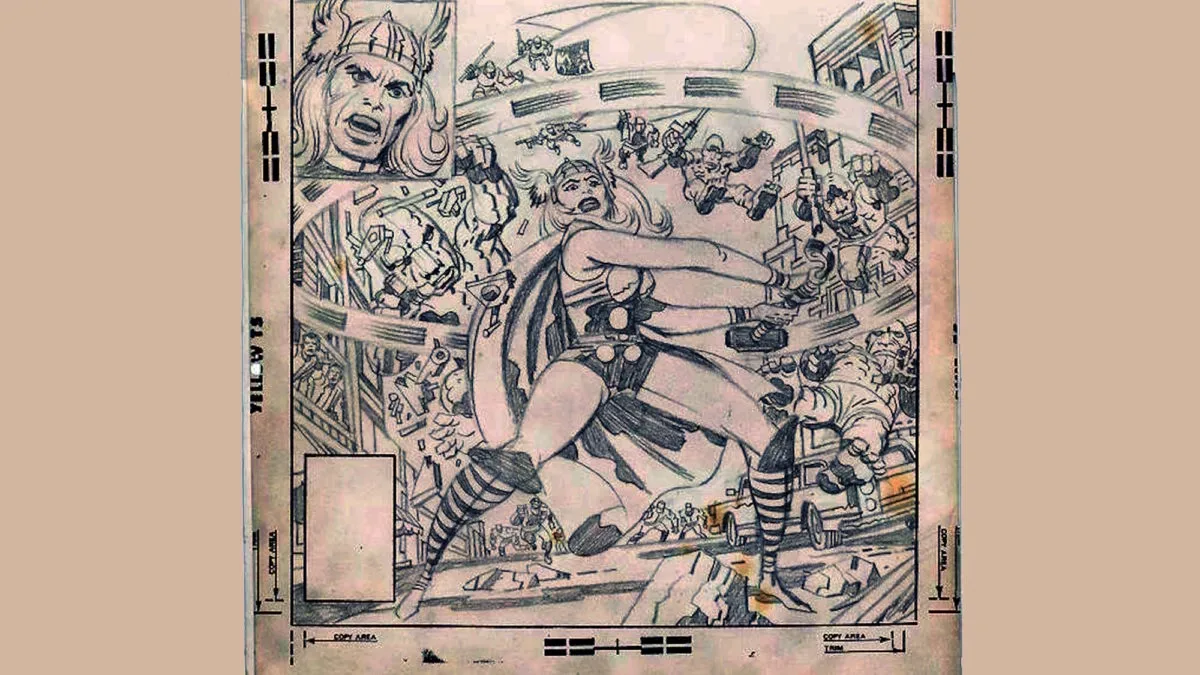
The Jack Kirby Museum and Research Centre has received more than 50 pages of original Jack Kirby artwork from comic creator, editor and Claypool Comics co-founder Richard Howell. Drawn from the Kalish/Howell collection, the donation is the museum’s largest original-art gift to date and covers an unusually wide range of Kirby’s work: 1950s western material, 1960s Marvel superhero pages, 1970s DC and Marvel work, an unpublished cover, and early-1980s animation concepts.
That breadth is the headline as much as the page count. A single artist’s career can be represented by a famous cover or a handful of recognizable superhero pages; this group instead reaches across formats, publishers and decades. The museum says selections will be included in an exhibition planned for 2027, while the full works are also intended for its online archive, which remains in development.
A permanent home for a wide-ranging Kirby collection
Howell assembled the collection with his partner, Carol Kalish, Marvel’s first Direct Sales manager. Kalish died in 1991 at age 36. Howell’s gift includes material from major points in Kirby’s career, including pages from Fantastic Four, X-Men and Thor from the 1960s; DC material from the mid-1970s 1st Issue Special; and Kirby’s later return to Marvel through 2001: A Space Odyssey and Devil Dinosaur.
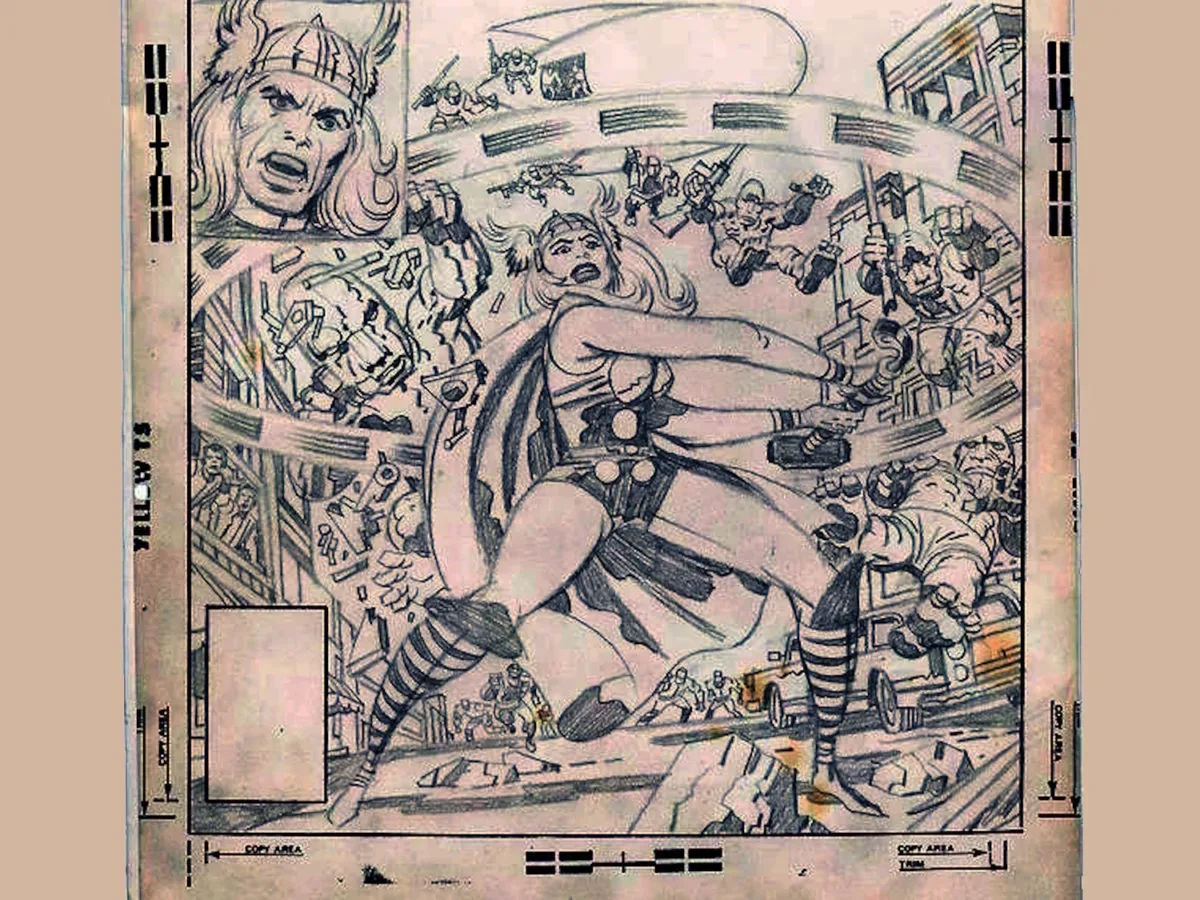
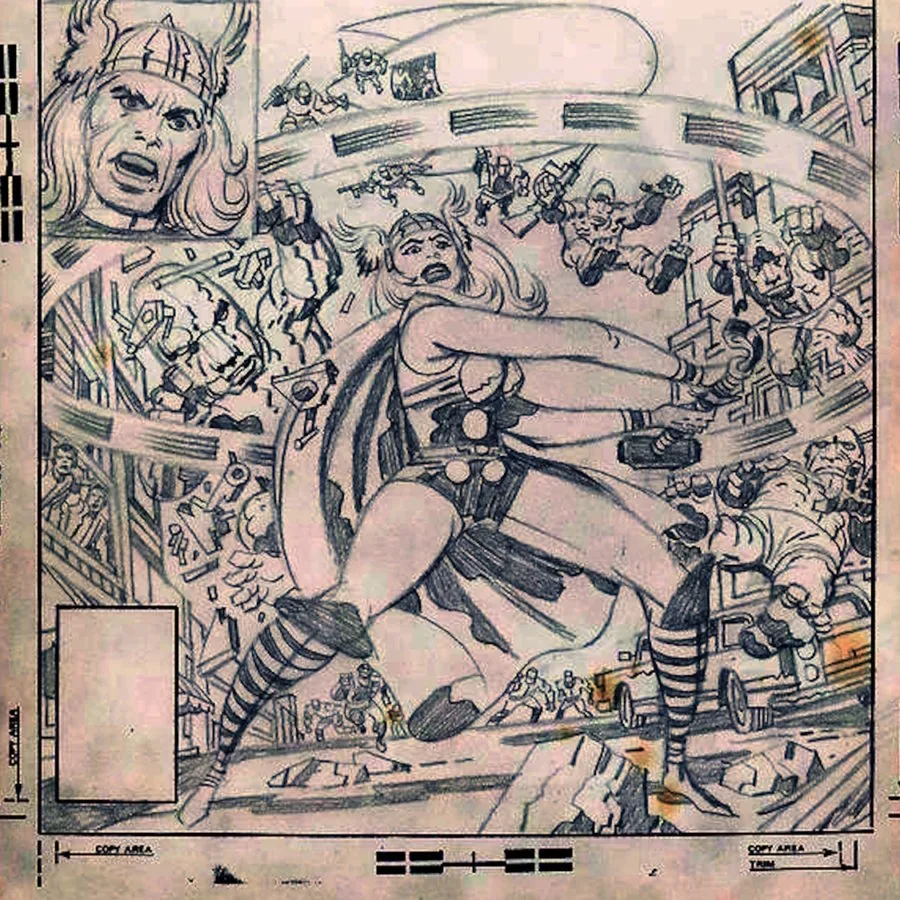
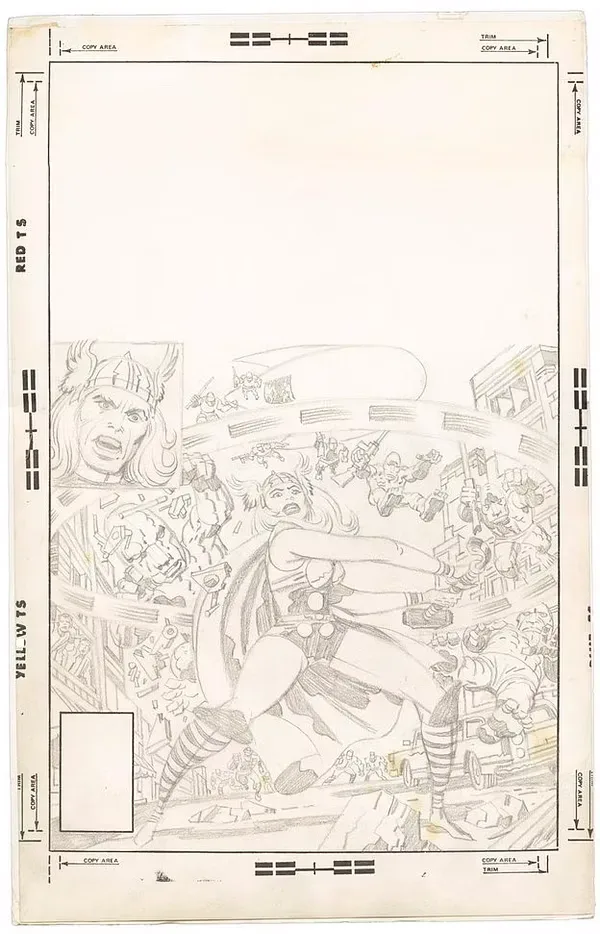
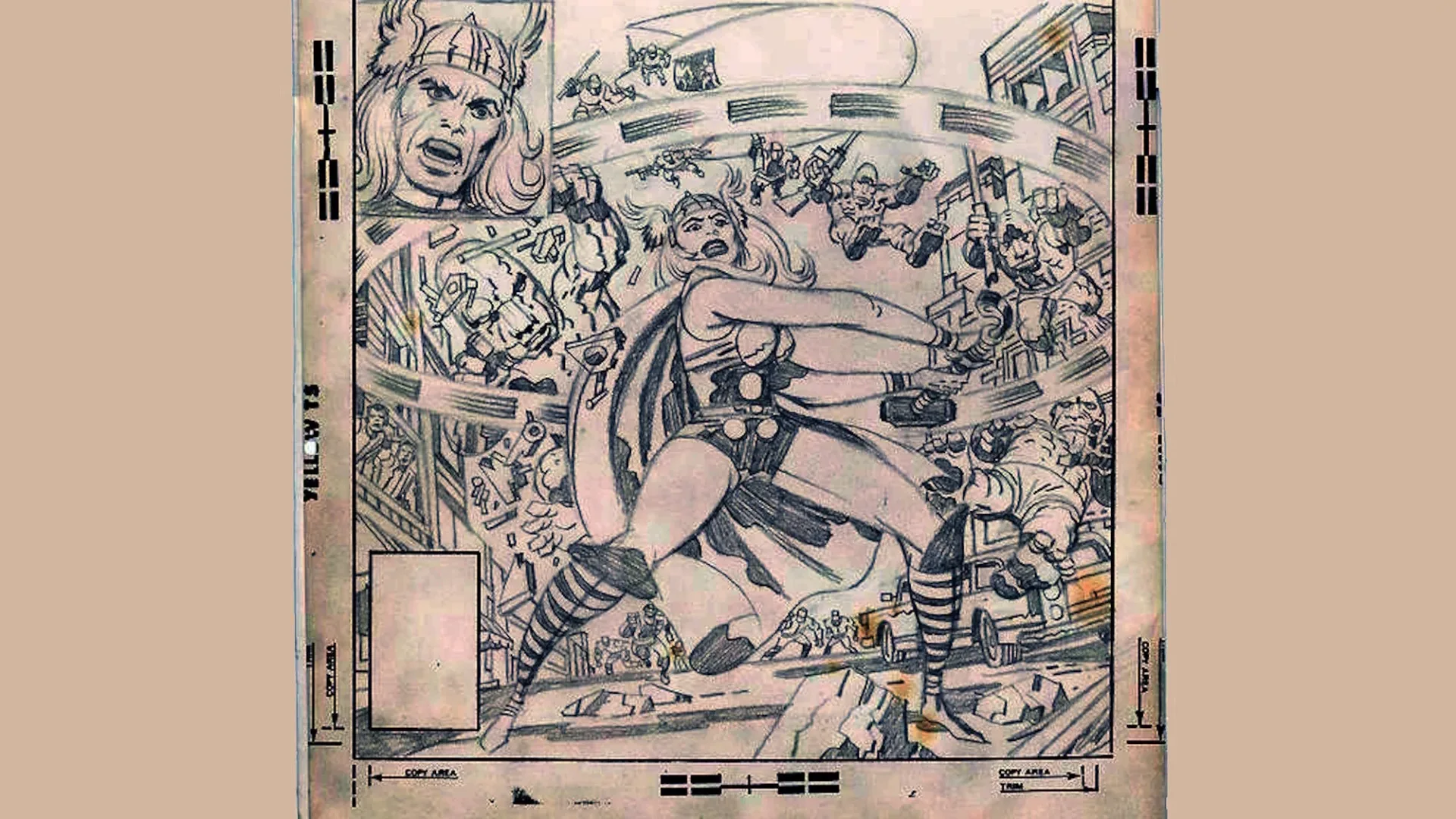
It also includes two complete original stories from the 1950s Boys’ Ranch series, Hanna-Barbera concept art from the early 1980s, and pencils for an unpublished 1978 cover to What If? #10. The latter is described as the first Marvel comic to feature Jane Foster as Thor, making the unused cover especially notable as a record of an idea that existed at the original-art stage but did not become a published cover.
Howell said Kirby had inspired his own approach to comic art and storytelling for as long as he could remember, and explained that he wanted the pages to be seen and studied. In that sense, this is not simply a transfer of valuable paper from one owner to another. It shifts a substantial body of work from a private collection to an institution whose stated purpose is public preservation, exhibition and research access.
Why original comic art matters
Original comic art is the physical production artwork used to create a comic page or cover. It is not the same thing as a printed issue, even when the final printed image is familiar. A printed comic presents the finished reproduction; an original page can preserve evidence of how that image was made, including pencils, ink lines, lettering and the working relationship among contributors.
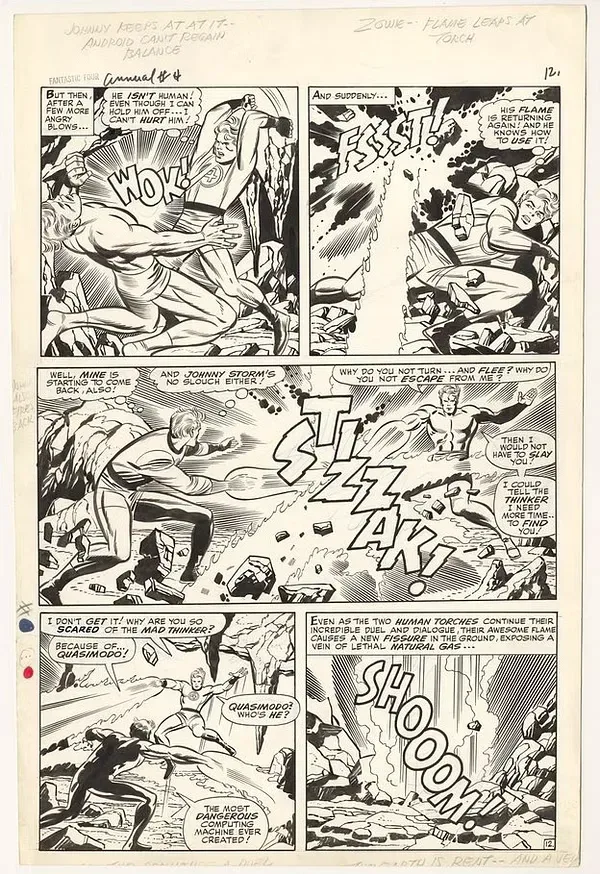
One highlighted page in the donation is page 12 from Fantastic Four Annual #4, published in 1966. Kirby provided the art, Joe Sinnott supplied inks, and Sam Rosen handled lettering. Those credits matter because the page is a collaborative object. Pencilling establishes the underlying drawing, panel-to-panel action and staging. Inking finalizes the line art for reproduction and can affect the weight, texture and clarity of the image. Lettering carries dialogue, captions and sound effects, but also helps regulate how a reader moves through the page.
Studying an original page therefore offers a different route into comic storytelling than reading a collected edition. It can make the labor divisions behind a finished page more visible. For researchers, artists and readers, seeing an original is an opportunity to consider how line, layout and text combine before a work is reduced to a printed page.
The unpublished What If? #10 cover pencils offer a related but distinct value. “Unpublished” should not be mistaken for unimportant. It means the cover art did not appear as a published cover, not that it lacks historical interest. A surviving unused design can document a creative direction, character treatment or editorial possibility that readers could not encounter on the newsstand version. Its existence alongside published pages underscores that the donation includes both familiar comics history and material from its margins.
From western stories to cosmic superheroes
The donated works cut across genres that illustrate the range of Kirby’s output. The 1950s Boys’ Ranch stories sit far from the superhero work most closely linked with his name. The collection’s Marvel material reaches into characters and series that became foundational parts of that publisher’s shared universe, while the DC material connects to another major phase in his career. The Hanna-Barbera concepts extend beyond comic-book pages altogether, showing work made for animation.
That cross-section is useful context for understanding Kirby as more than a creator of individual characters. Born Jacob Kurtzberg in 1917 at 147 Essex Street on New York’s Lower East Side, Kirby worked in superhero, crime, war, romance and science-fiction comics. By his death in 1994, he had created or co-created a long list of central Marvel and DC characters and concepts, including the Fantastic Four, Avengers, X-Men, Hulk, Captain America, Silver Surfer, Eternals, Darkseid, Fourth World and New Gods.
Those credits explain the enduring cultural profile of the name, but the new donation’s practical importance lies in its variety. It creates opportunities to place superhero material beside western stories or animation concepts, rather than treating each period as separate. An exhibition can use that range to examine how an artist’s visual thinking adapts to different genres and production demands. The museum has not detailed the 2027 exhibition’s final checklist or curatorial approach, so any specific themes remain to be announced.
What the 2027 exhibition and archive could change
The museum has confirmed that selections will appear in a 2027 exhibition. The planned online archive could widen access further once it is available. A physical exhibition is necessarily limited by location, time and the number of works that can safely be displayed. An online archive has the potential to make materials available to readers, students and researchers who cannot attend in person, while allowing the museum to preserve a record of works beyond a temporary show.
Importantly, the archive is still being developed. That means readers should view online access as an announced destination for the art, rather than an immediate database to browse. Still, the donation gives that effort more substance: more than 50 newly acquired pieces that represent several periods and media in Kirby’s career.
The collection may also prove useful in explaining technical distinctions to newer comics readers. Pencils for an unpublished cover, a fully produced superhero page with credited inker and letterer, two original western stories, and animation concept art are not interchangeable artifacts. Each belongs to a different point in the wider creative process. Seeing them gathered under one institutional roof can help demonstrate that “comic art” encompasses layouts, finished pages, cover concepts, genre work and designs made for other media.
Donation, preservation and the next stage of the museum collection
Museum director Rand Hoppe described the gift as a significant addition to the permanent collection and said it will provide a strong foundation for future exhibitions and programs. The museum also disclosed that it has been named beneficiary of a trust established by another longtime collector, who has chosen to remain anonymous for now.
Both developments point to a straightforward reality of archival collecting: permanent collections are often built through gifts during a collector’s lifetime and through bequests made in wills or trusts. For institutions focused on creators whose work is dispersed across many private collections, those decisions can determine whether original art remains privately held or can eventually be preserved and made accessible to the public.
For collectors thinking about the long-term future of original comic art, Howell’s decision offers a clear example of one route: placing a coherent body of work with a specialist institution so it can be studied rather than simply stored. The Jack Kirby Museum says prospective donors or people considering a bequest can contact Rand Hoppe at info@kirbymuseum.org or 201-204-0532.
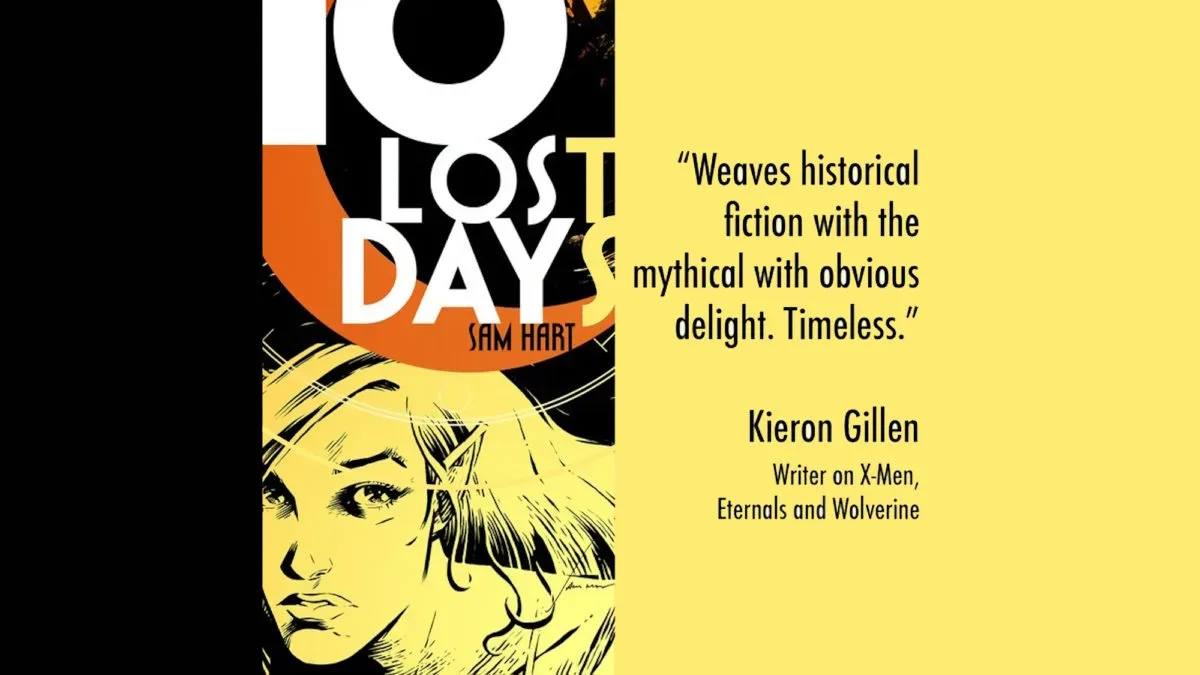
The gift also arrives at a moment when interest in comics as both storytelling and cultural history remains broad. Readers following new graphic-novel projects can also see how the format continues to evolve in this update on Sam Hart’s 10 Lost Days. The Kirby donation, though, is about protecting the hand-made evidence behind an earlier generation of comics: pages and concepts that trace a creator’s work across superhero universes, western stories and animation.