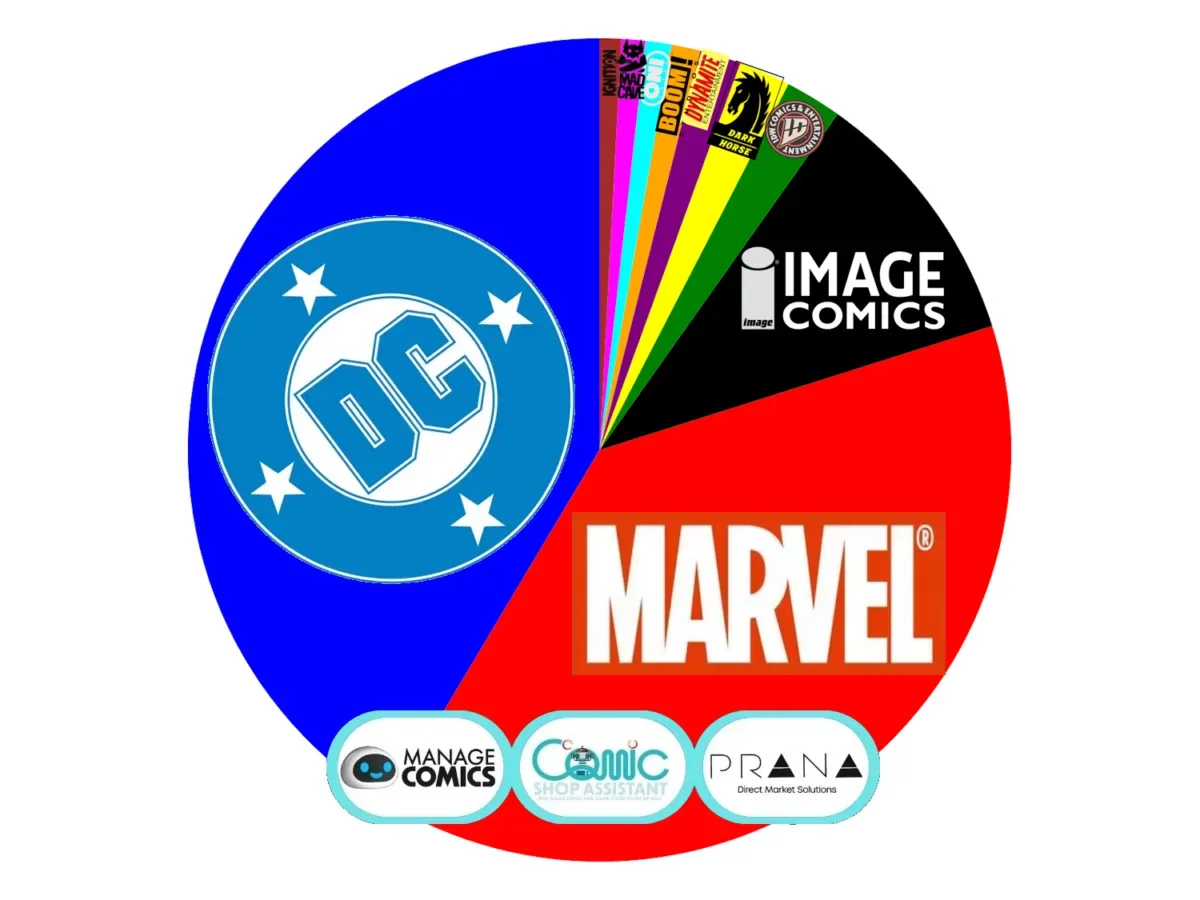
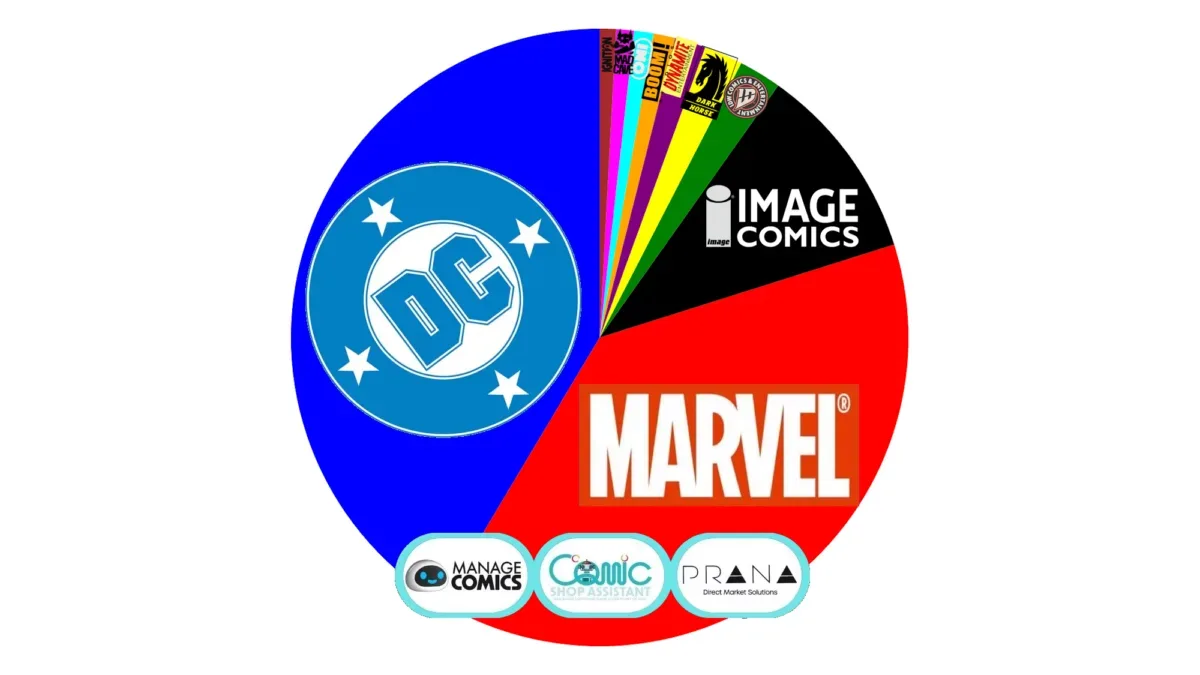
DC Comics narrowly led Marvel in comic-shop sales share during the reported November 3–11, 2026 sales window, taking 41.44% of the measured market against Marvel’s 38.43%. The difference is 3.01 percentage points: a meaningful edge in a closely contested week, but hardly a runaway result.
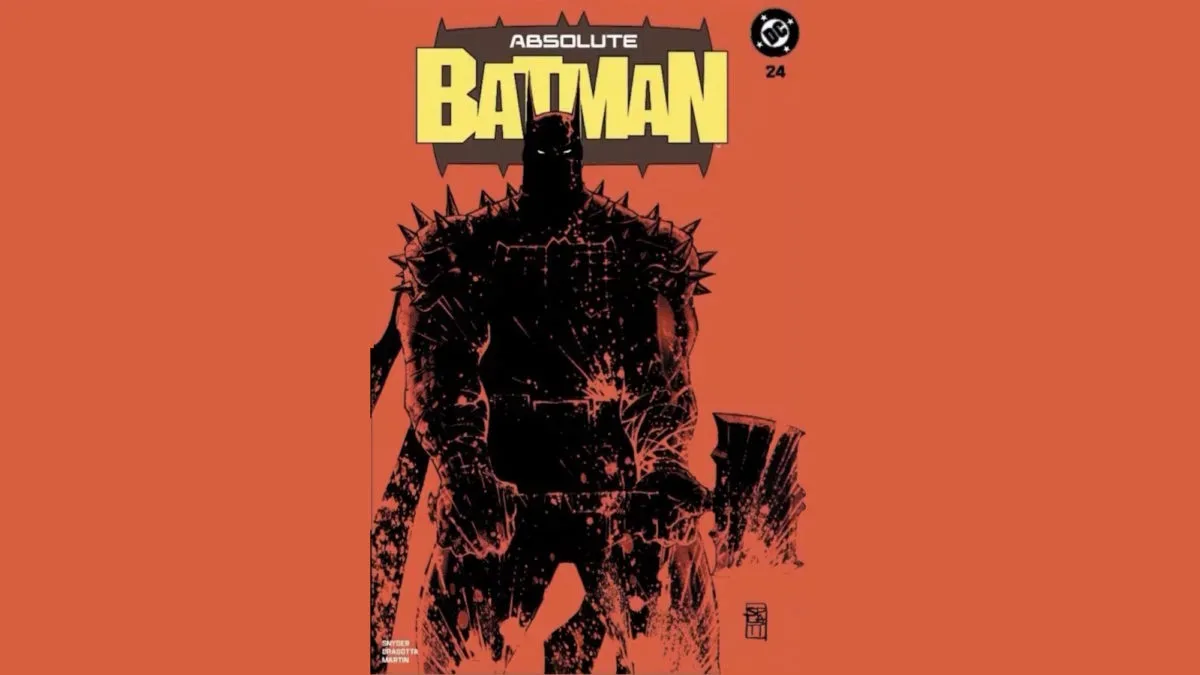
Marvel did secure the top-selling individual comic with Avengers #1. Its blind-bag format helped push it past Absolute Superman #25. Yet publisher market share is not a one-book race. DC’s broader contribution from the Absolute line, including three Absolute titles in the mix and continued sales for Absolute Batman #25, appears to have given it enough collective weight to finish ahead overall.
For readers who follow weekly comic charts, the split is a useful reminder of what the numbers can and cannot say. A chart-topper establishes that one issue sold strongly. Market share, by contrast, tracks how much of the total measured comic-shop sales activity belonged to each publisher across its full catalogue. One enormous debut can win a title race while a competing publisher wins the wider week through several high-ranking releases.
DC and Marvel claimed nearly four-fifths of measured sales
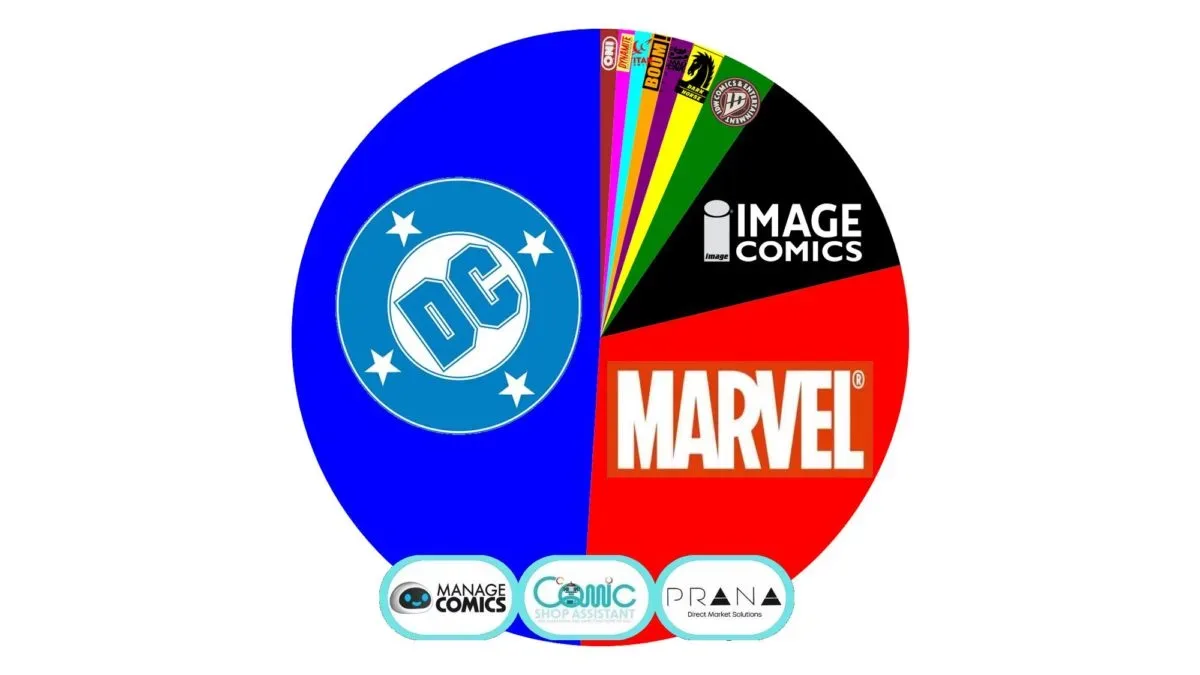
Combined, DC and Marvel accounted for 79.87% of the reported comic-shop market. That left a far smaller portion for every other publisher in the dataset.
- DC Comics: 41.44%
- Marvel Comics: 38.43%
- Image Comics: 10.32%
- IDW Publishing: 2.23%
- Dark Horse Comics: 2.03%
- Boom Studios: 1.14%
- Oni Press: 1.01%
- Mad Cave Studios: 0.94%
- Ignition Press: 0.84%
Image remained the clear third-place publisher at 10.32%, but that number also illustrates how heavily the week leaned toward superhero releases from the two largest publishers. IDW and Dark Horse were the only other companies above the 2% mark. Boom, Oni, Mad Cave and Ignition each registered, though none reached 1.5%.
The result does not mean that nearly four in five comics everywhere were necessarily DC or Marvel books. It means nearly four in five sales in this particular reported point-of-sale sample were attributed to those publishers. That distinction is important whenever a weekly retail snapshot is used to discuss the wider comics business.
Why Avengers #1 could win the issue chart without delivering publisher leadership
Avengers #1 benefited from blind bags, sealed packages that conceal which version or variant a buyer receives. In comics, that kind of presentation can create added collector interest because the purchase contains an element of uncertainty. It can also concentrate demand around a launch, particularly when a new #1 is already a prominent release.
The weekly outcome shows the limits of treating that demand as a complete verdict on the market. Marvel’s top issue outperformed Absolute Superman #25, but DC had multiple Absolute books supporting its weekly total. Absolute Batman #25 also reportedly sold better than Infernal Hulk Vs Spider-Man #1. Those placements matter because market share is cumulative: a publisher benefits from every sale across its books, not only from the highest single entry.
That is why the DC-versus-Marvel gap is best read as a catalogue story. Marvel had the week’s biggest individual hit. DC had enough successful books behind its own headline title to create a slightly larger aggregate share. The top 10 was dominated by the two companies, with Batman, Absolute Superman and Spider-Woman among the prominent names, reinforcing that the contest was driven by a relatively compact group of recognizable superhero properties.
What “direct market” and point-of-sale data mean here
The figures concern the direct market: the specialist comic-shop channel. It is not a measure of every possible place comics can be purchased, such as digital storefronts, mass retail, bookstores, libraries or subscription services.
More specifically, the report uses point-of-sale data from more than 600 shops operating through the Manage Comics and Comic Shop Assistant systems. Point-of-sale data records completed retail transactions, making it different from distributor ordering information. That matters because retailer orders describe what stores decided to bring in, while sales data aims to reflect what customers actually bought during the stated period.
The participating sample is substantial, but it is still a sample. The reported estimate places the number of shops ordering through the direct market at roughly 1,800 to 2,000. As a result, these percentages provide a focused picture of activity from reporting stores rather than a census of every comic retailer. A publisher’s share in this dataset should therefore be interpreted as a strong weekly signal, not an all-channel statement of total reader demand.
There is another timing consideration. The data is organized as a Monday-to-Sunday retail week. Comics sales can be influenced by exactly when a major first issue, variant program or line of related releases arrives within that window. One week can spotlight a hot debut; several weeks are generally more useful for identifying whether a publishing line has sustained momentum.
The Absolute line supplied DC’s crucial depth
The reported results point to the value of depth within a shared publishing initiative. DC did not depend on Absolute Superman #25 alone. Three Absolute titles contributed to the week, while Absolute Batman #25 continued to sell strongly. That kind of multi-title representation gives a publisher several ways to accumulate sales across a chart rather than putting the entire burden on a single launch.
It also changes the practical read of the 41.44% result. DC’s lead was slim, so it would be excessive to frame the week as a decisive shift in the long-running competition between the two companies. But it does suggest the Absolute range was commercially consequential during this sales period. The line’s performance helped DC convert several successful individual releases into a weekly publisher win.
Marvel’s result remains formidable. At 38.43%, it finished just over three percentage points behind DC while placing Avengers #1 at the head of the individual-sales conversation. A narrow margin can move quickly from week to week as release calendars change. The more immediate takeaway is that both publishers commanded attention, while their close contest compressed the room available to independent and mid-sized competitors.
What the smaller-publisher numbers reveal
Image’s 10.32% share stands apart from the rest of the non-Big Two group. It was the only publisher outside DC and Marvel to reach double digits, although it remained far behind both. IDW at 2.23% and Dark Horse at 2.03% were next, followed by a cluster of companies at approximately one percent.
Those percentages should not be mistaken for a judgment on creative importance or the quality of any publisher’s catalogue. They are a retail-sales share for one period, in one specialist-sales sample. A week centered on high-profile DC and Marvel superhero books can disproportionately alter the mix, especially when a major #1 uses a collector-oriented blind-bag program.
Still, the concentration is commercially significant. When DC and Marvel together account for almost 80% of the measured sales, retailers may experience the week as one driven primarily by familiar characters, franchise visibility and event-level release attention. For smaller publishers, the challenge is not merely selling books; it is competing for a limited portion of customer spending during a week when multiple major superhero releases land at once.
Comics readers looking beyond the weekly print-shop race may also encounter Marvel material through other formats and services. For example, the company’s digital-comics ecosystem has recently been in the news over a UK VAT refund issue involving a Webtoon founder offer. That is a separate market from this direct-market report, but it underlines why comic retail data should always be tied to the channel it measures.
A close weekly result, not a permanent hierarchy
This week’s ledger is straightforward: Marvel had the leading individual comic, while DC led the reported publisher market-share table. The latter victory came from a broader mix of effective releases, particularly the Absolute titles, rather than from a single issue eclipsing everything else.
The 3.01-point difference also provides the right scale for the result. DC won the measured week, but Marvel remained within striking distance and was supported by the strongest individual seller. Image held a distinct third position, while the remaining publishers fought over a much narrower slice of sales.
For collectors and regular shop customers, the immediate practical lesson is to avoid collapsing title rankings and publisher rankings into the same claim. A book can be the bestseller without its publisher taking the week. Conversely, a publisher can lead by placing several books consistently high. In this case, DC’s portfolio won the aggregate battle; Marvel’s Avengers #1 won the single-issue spotlight.