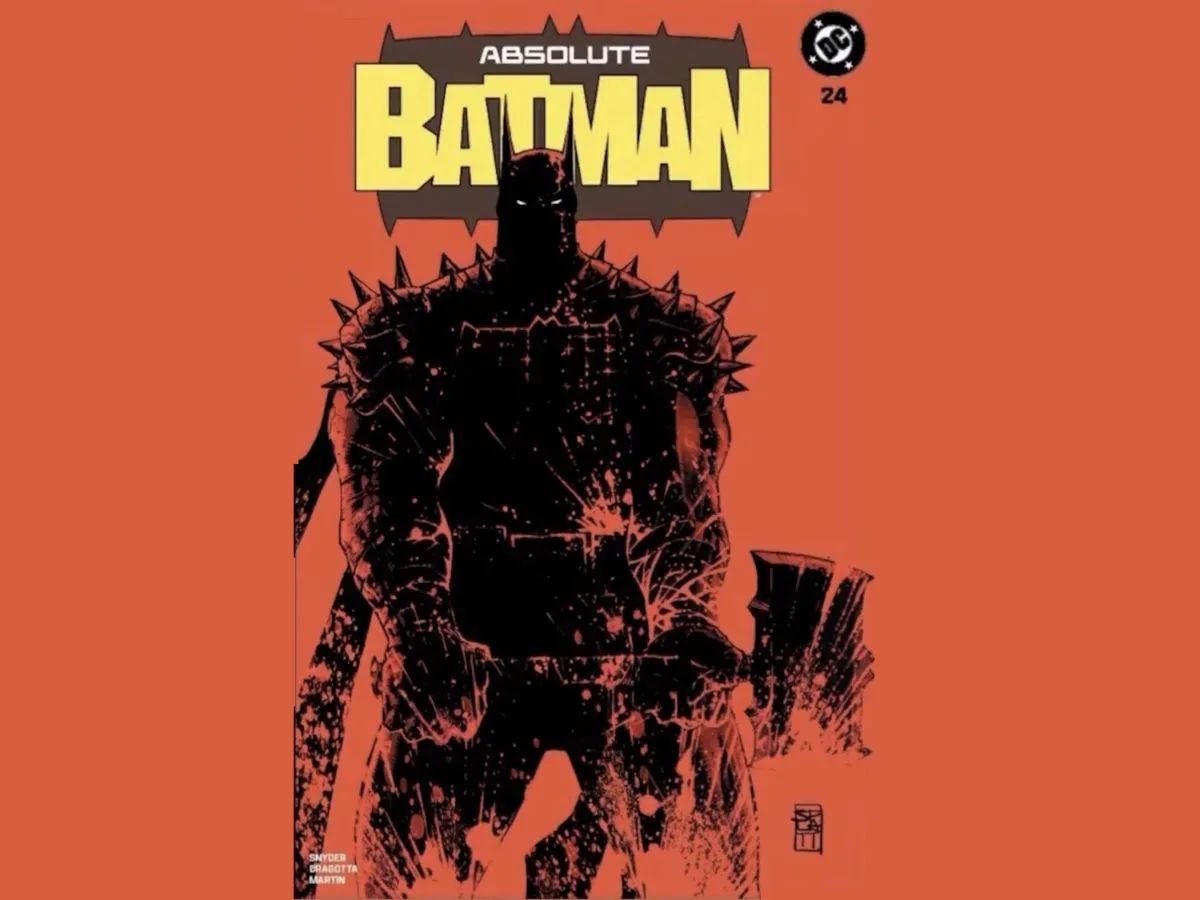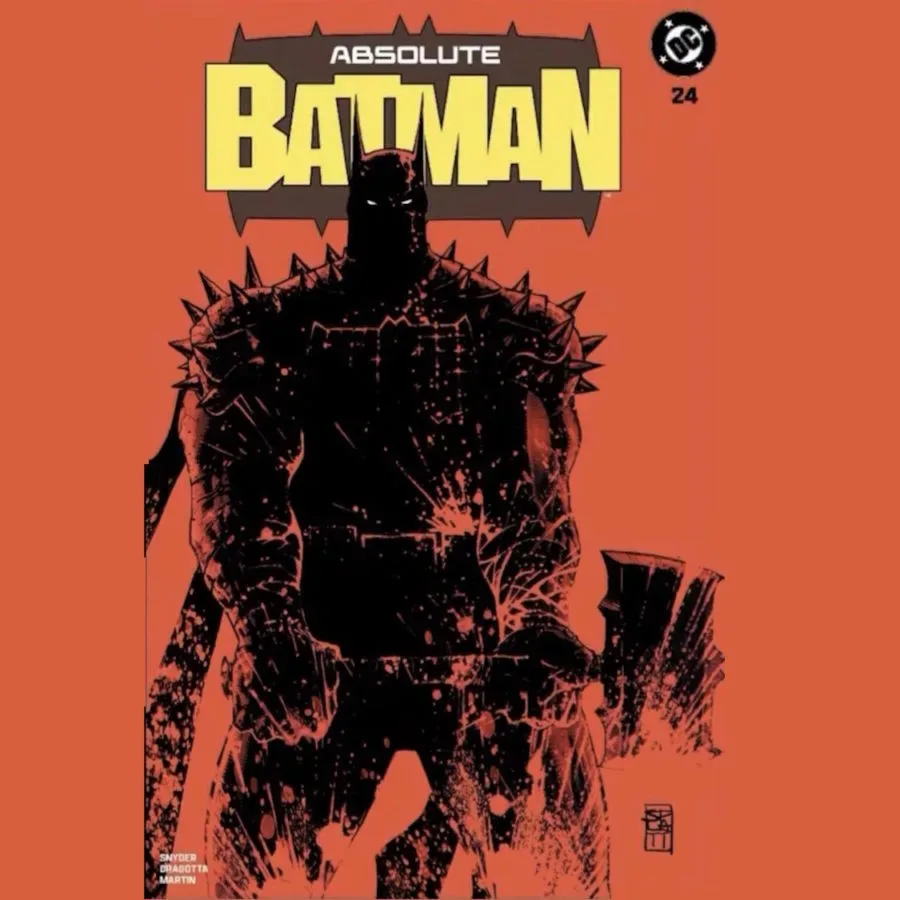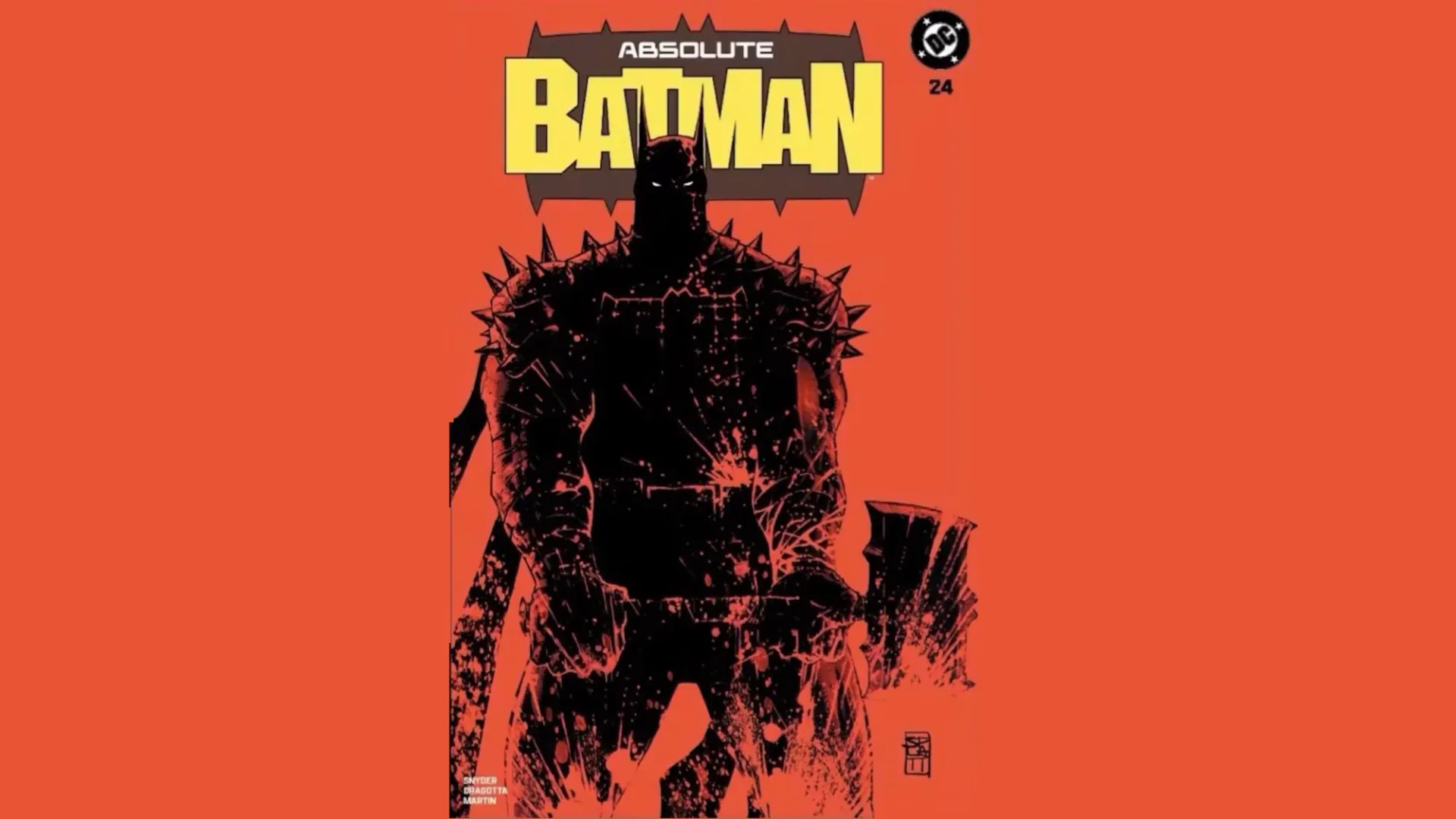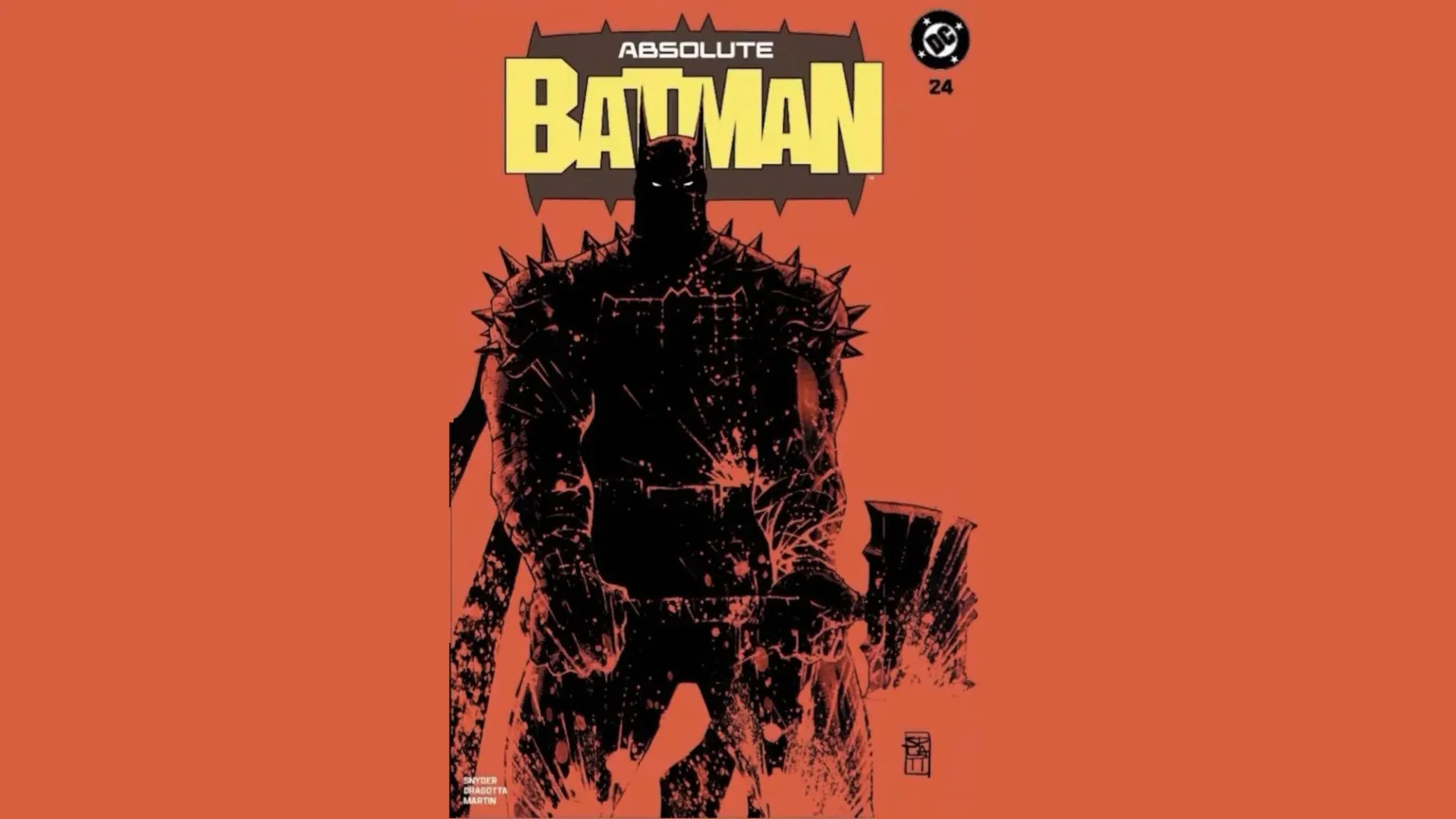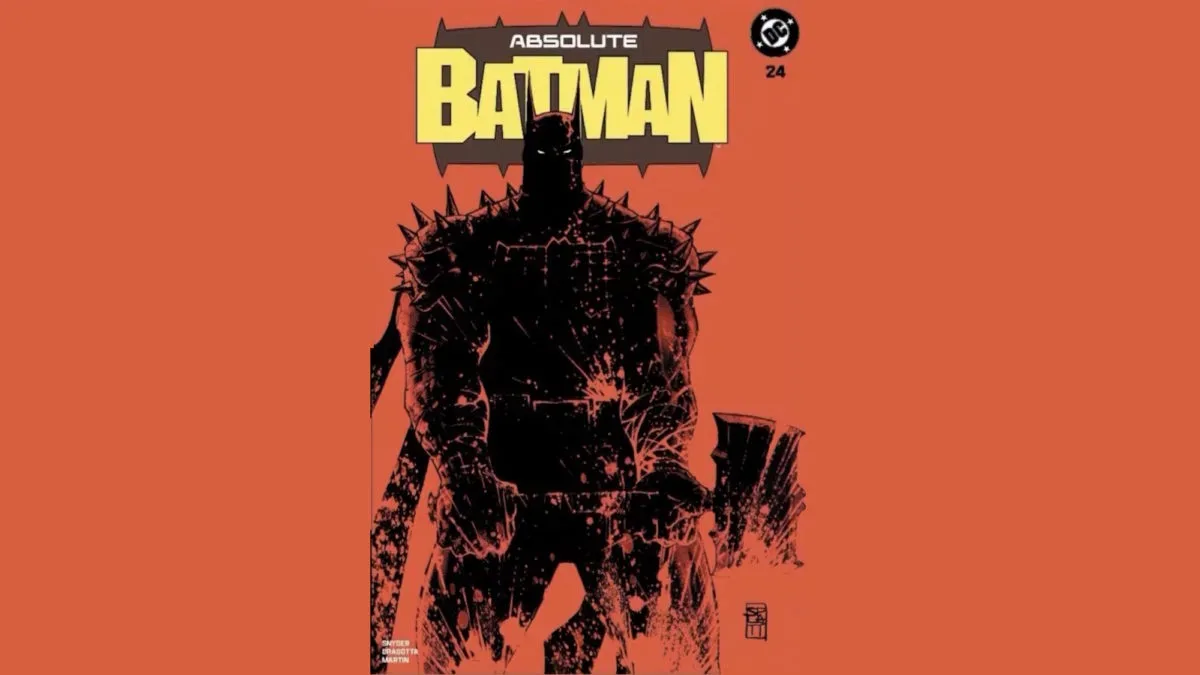
Absolute Batman #24 was the clear leader in a new Wednesday-to-Friday snapshot of participating comic-shop sales. The issue outperformed its nearest listed competitor, Absolute Wonder Woman #24, by 150%, giving DC a decisive one-two result in a chart where the publisher ultimately claimed six of the top 12 places.
Marvel accounted for four of the remaining top-12 positions and Image took two. The strongest specifically identified Marvel debut was Muppets Take the Marvel Universe #1, which placed third, ahead of Infernal Hulk Vs. Wolverine #1. It is a notably eclectic top end: Batman and Wonder Woman sit at the front, while a Muppets-meets-Marvel premise is immediately behind them.
The result is especially emphatic because the chart measures reported retail sales, rather than advance orders submitted by stores to publishers. That distinction does not make it a complete census of every comic store, but it does make the list useful for discussing what was moving across participating shops during its opening sales window.
What the 150% gap means
On this chart’s index, the week’s top seller is assigned a score of 100.0 and other books are expressed as percentages relative to it. The report describes Absolute Batman #24 as selling 150% more than Absolute Wonder Woman #24.
Put simply, if the second-place issue sold 100 copies within a comparable group of reporting stores, a 150% lead would correspond to 250 copies for the leader. Those figures are only an illustration, not a disclosed sales total. No unit count for either comic is provided, and the index should not be mistaken for total market circulation.
Still, the proportional comparison matters. A narrow win can signal two closely matched releases. A 150% advantage indicates a far more separated first and second place within the measured sample. Absolute Wonder Woman #24 was itself the nearest challenger, so the Batman issue did not merely lead a crowded field; it created considerable distance from the next highest-ranked book.
How this sales list is assembled
The ranking draws on point-of-sale data from roughly 120 to 150 comic shops using ComicHub services. The participating stores are primarily in North America and the United Kingdom, and the data covers sales from Wednesday through Friday. The reporting group represents more than one hundred named direct-market retailers, while the broader direct-market shop count is described as approximately 1,800 to 2,000.
Point-of-sale data means sales registered when customers actually buy an item at a store. That is different from a retailer’s initial order from a distributor or publisher. Retail orders can reflect expectations, incentives, and stock planning; point-of-sale information instead records customer purchases in the stores that report data.
That is the key practical value of this kind of ranking. It offers a view of immediate sell-through momentum in a specific retail sample. For readers deciding what books are generating conversation at local shops, it can be more revealing than a list based only on quantities ordered before release.
It also has clear limits. The reporting stores are not every comic retailer, the time frame is only Wednesday through Friday, and the published information gives a relative index rather than raw units. A strong performance here demonstrates strength in the tracked group and early-week window; it does not, on its own, establish lifetime sales, all-market sales, or the full performance of a title across every format and retailer.
DC owns half of the top 12
With six entries, DC held exactly half of the top 12. The publisher’s lead begins with Absolute Batman #24 and Absolute Wonder Woman #24, but the supplied results do not identify the other four DC books by title or exact rank. It would be a mistake to fill those gaps with assumptions.
What can be said is that the publisher combined a commanding chart leader with substantial breadth across the wider 12-book selection. That is a stronger statement than a single number-one finish alone: the list also shows multiple DC releases finding enough customer demand to reach the same upper tier of the participating-store sales sample.
Absolute Batman’s performance also arrives after the series earned recognition as Best Series at the 2026 Ringo Awards. For more on that awards result and the related wins for Matt Garvey and Absolute Martian Manhunter, see our coverage of Absolute Batman’s Ringo Awards win. An award and a retail chart measure different things, of course: one reflects recognition, while the other reflects sales in a limited period. Together, they indicate that the title has both critical visibility and notable shop-floor momentum.
Marvel’s unusual third-place entry
Muppets Take the Marvel Universe #1 reached third place, putting it ahead of Infernal Hulk Vs. Wolverine #1. The supplied data does not provide comparative percentages for those issues, so the ordering is the firm takeaway rather than the size of the gap.
For Marvel, that third-place placement is an intriguing reminder that the sales chart is not defined solely by conventional superhero matchups. A first issue pairing the Muppets with the Marvel Universe clearly drew enough early retail demand to land immediately behind the two Absolute books in the reported ranking.
It would be premature to treat one placement as proof of long-term demand. A #1 issue can attract readers for numerous reasons, and a three-day sales sample cannot answer whether purchasers will return for subsequent releases. But in the narrow question this list asks—what customers bought at participating comic shops from Wednesday to Friday—the book made an immediate impression.
What readers and collectors should take from the ranking
For readers, the chart is best used as a discovery tool rather than a verdict on quality. The most visible signals are straightforward: Absolute Batman #24 led decisively, Absolute Wonder Woman #24 followed, and Muppets Take the Marvel Universe #1 took third. Anyone planning a comic-shop visit who is interested in the week’s strongest sellers now has a concise starting point.
For physical-comic collectors, the data is relevant but incomplete. Strong shop sales can make an issue easier to spot in the near term if retailers ordered and stocked heavily, while brisk demand can also make a book harder to find locally. Neither outcome is guaranteed by this chart. The report does not include print-run information, variant-cover breakdowns, inventory levels, later reorders, condition data, or aftermarket pricing. Those are separate questions from whether an issue performed well at participating registers over its first three days.
The cleanest reading is therefore also the most useful: Absolute Batman #24 had an exceptional early retail showing in this sample, far ahead of the runner-up; DC occupied half of the top 12; Marvel’s Muppets crossover took third; and Image held two positions in the same group. The numbers point to a strong week for DC, led by a Batman issue that did not merely win the chart—it dominated it.
Key figures at a glance
- Chart leader: Absolute Batman #24
- Nearest named challenger: Absolute Wonder Woman #24
- Reported margin: Absolute Batman #24 sold 150% more than Absolute Wonder Woman #24
- Third place: Muppets Take the Marvel Universe #1
- Other named Marvel title: Infernal Hulk Vs. Wolverine #1, behind Muppets Take the Marvel Universe #1
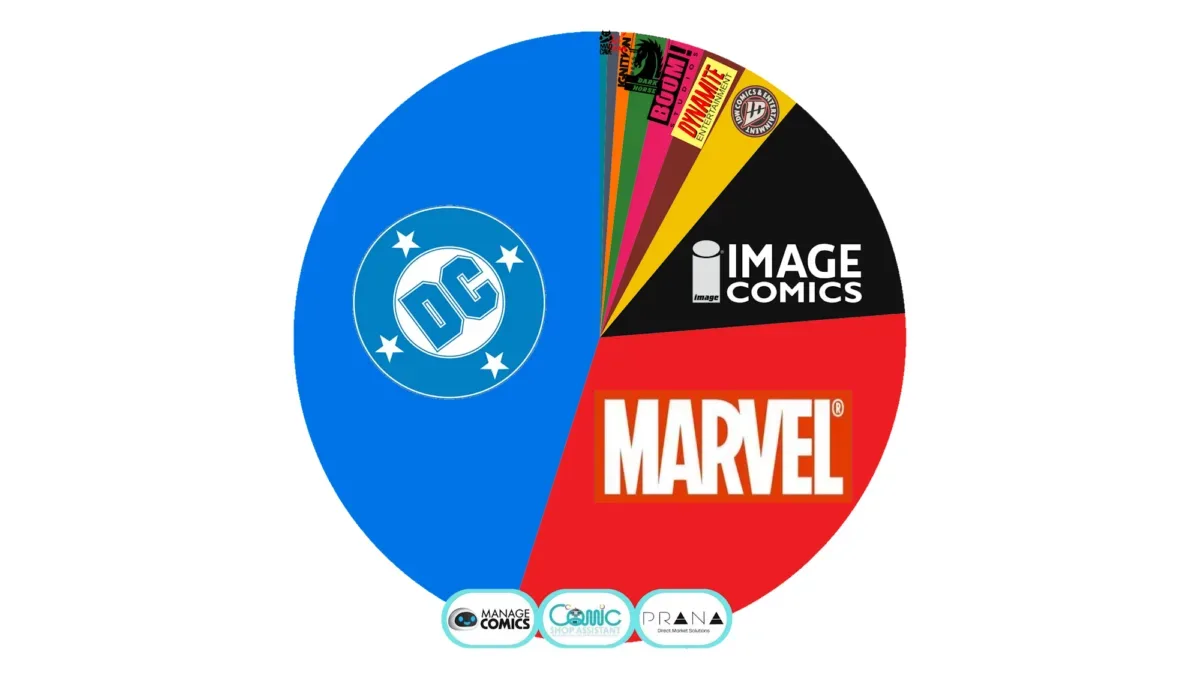
- Top-12 publisher split: DC six, Marvel four, Image two
- Measurement window: Wednesday through Friday
- Data base: Point-of-sale reporting from approximately 120 to 150 comic shops