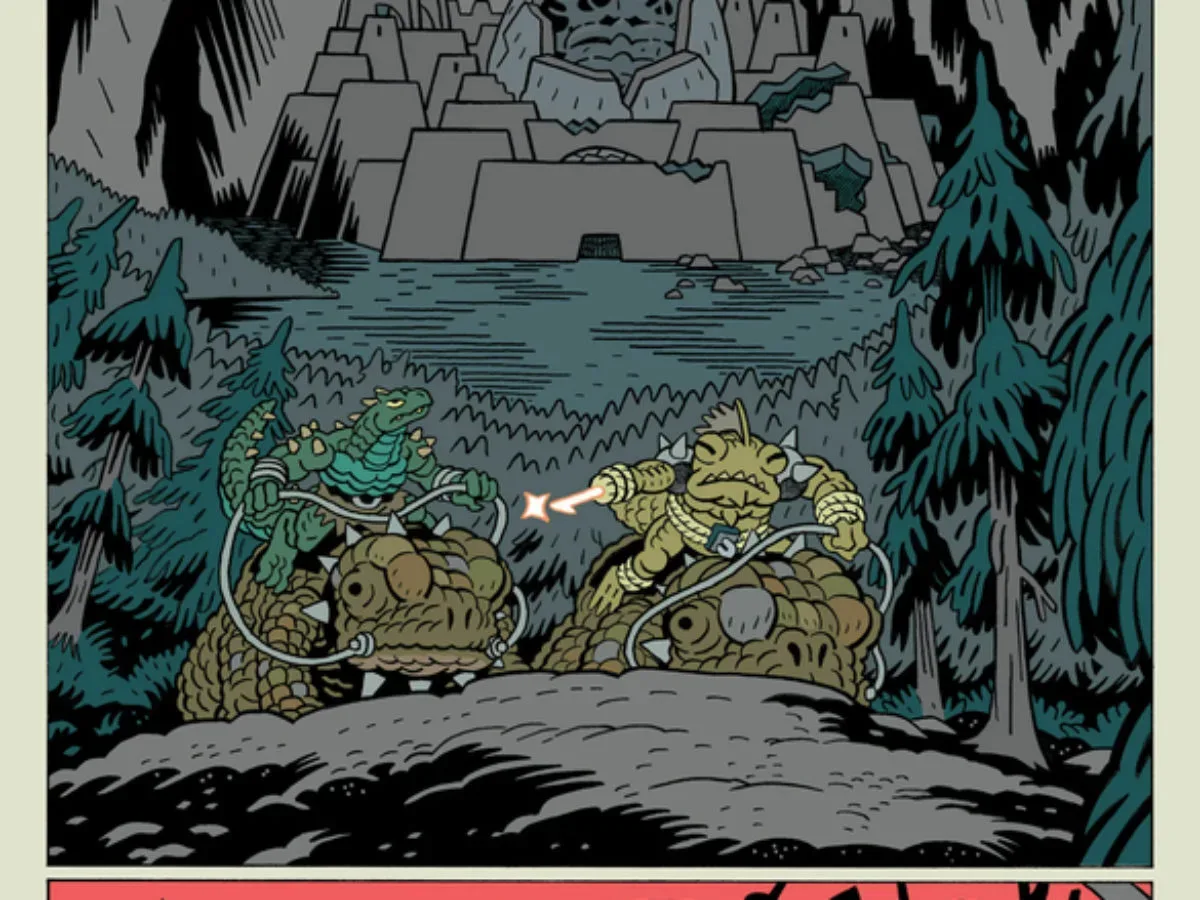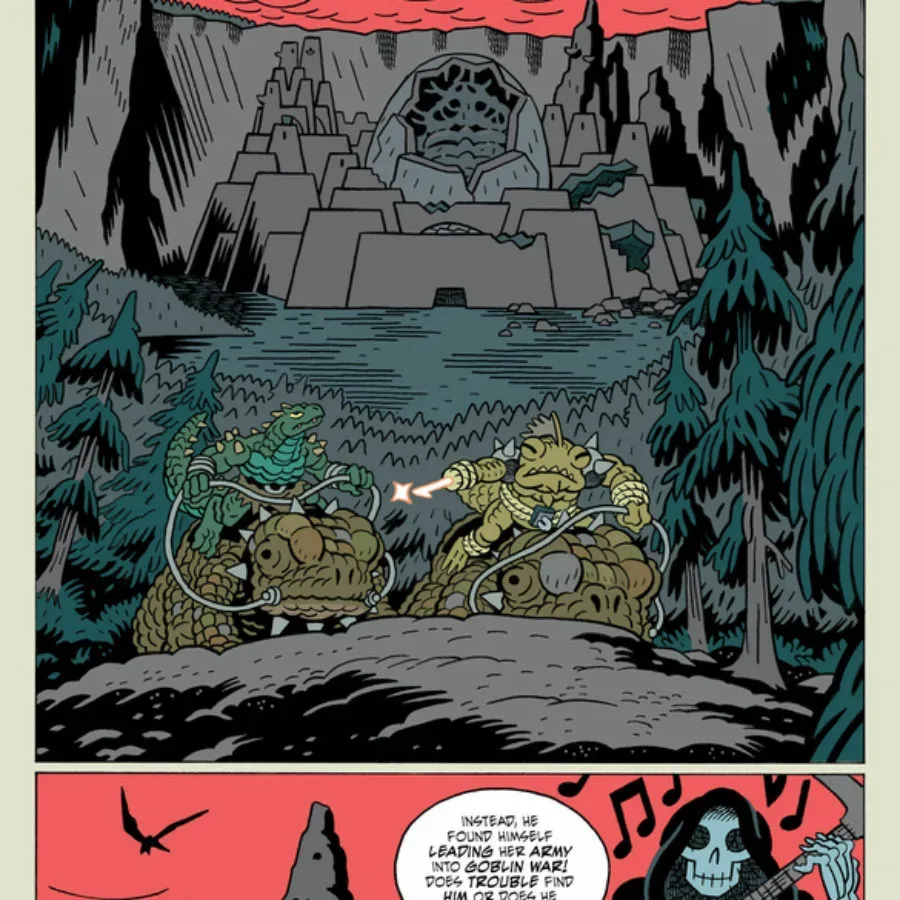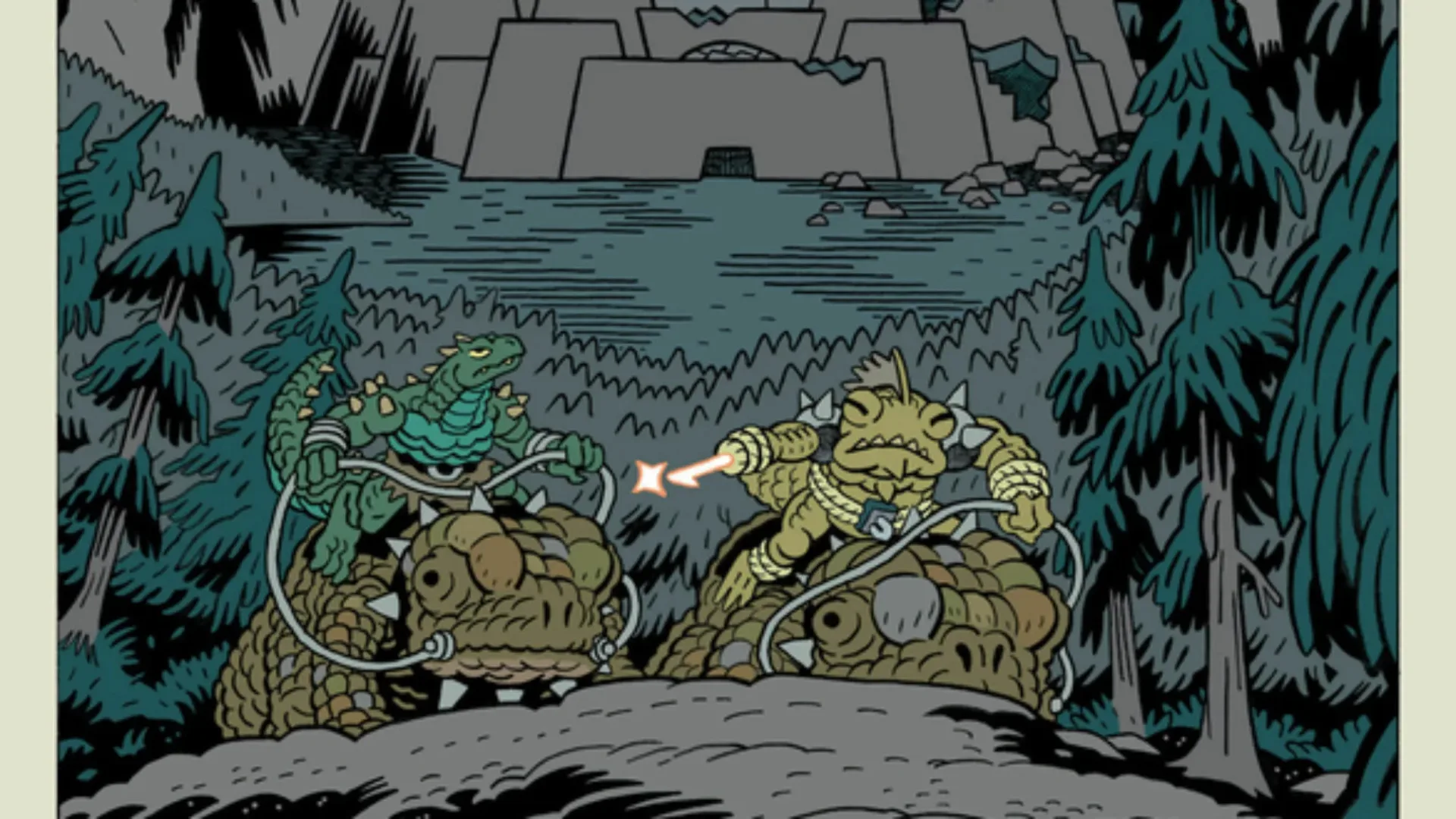
Head Lopper #2 is scheduled to reach comic shops on November 18, 2026. The Image Comics release continues a particularly direct fantasy premise: a legendary warrior travels with the magically significant, disembodied head of a witch, and neither party appears remotely pleased by the arrangement.
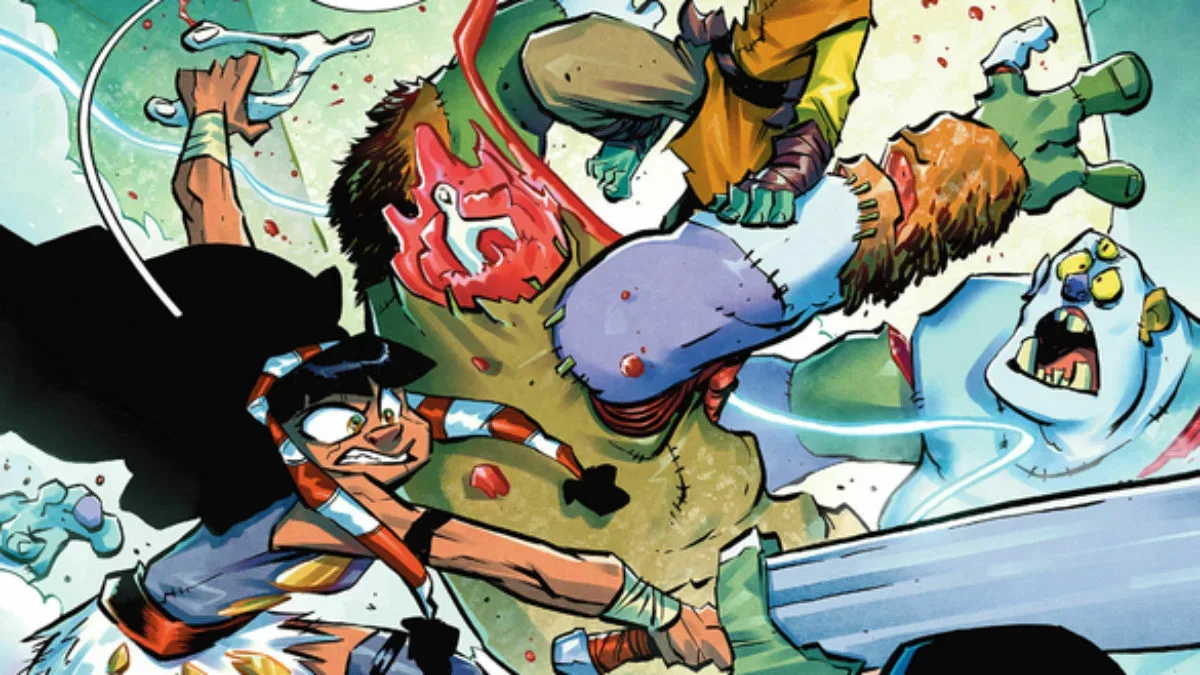
The immediate danger is much larger than the duo’s mutual hostility. Beasts, assassins, wizards and gods are all pursuing the witch’s head. Their objective is to seize its magic and use it to bring about an age of darkness, putting the traveling pair between an unusually broad range of threats and a potentially world-changing outcome.
A fantasy partnership built on friction
The central setup gives the issue two conflicts at once. On the external level, the warrior and witch are under attack from enemies with very different abilities and motives. On the personal level, the two companions actively dislike one another. That means their survival depends on cooperation that the premise itself suggests will be difficult.
A talking severed head is not simply a grim visual detail in this story’s description. It is the reason the antagonists converge, the source of the larger threat, and the warrior’s constant companion. The head’s magical importance turns it into a prize that other forces want to possess, while its ability to speak means it can remain an active participant rather than an object being carried from battle to battle.
That distinction matters. In fantasy adventure, a character carrying a sought-after artifact is often protecting something silent. Here, the magical object has a perspective and apparently a sharp disagreement with its protector. The result is a story engine that can shift from argument to combat without abandoning its core relationship.
What the stakes mean in Head Lopper #2
The solicitation frames the danger as an “age of darkness,” language that establishes a large-scale consequence without spelling out every mechanism behind it. Readers should not take that broad phrase as confirmation of a particular magical event, ruler or apocalypse beyond what has been stated. What is clear is that the head’s theft would be consequential enough to motivate monsters, killers, spellcasters and divine figures alike.
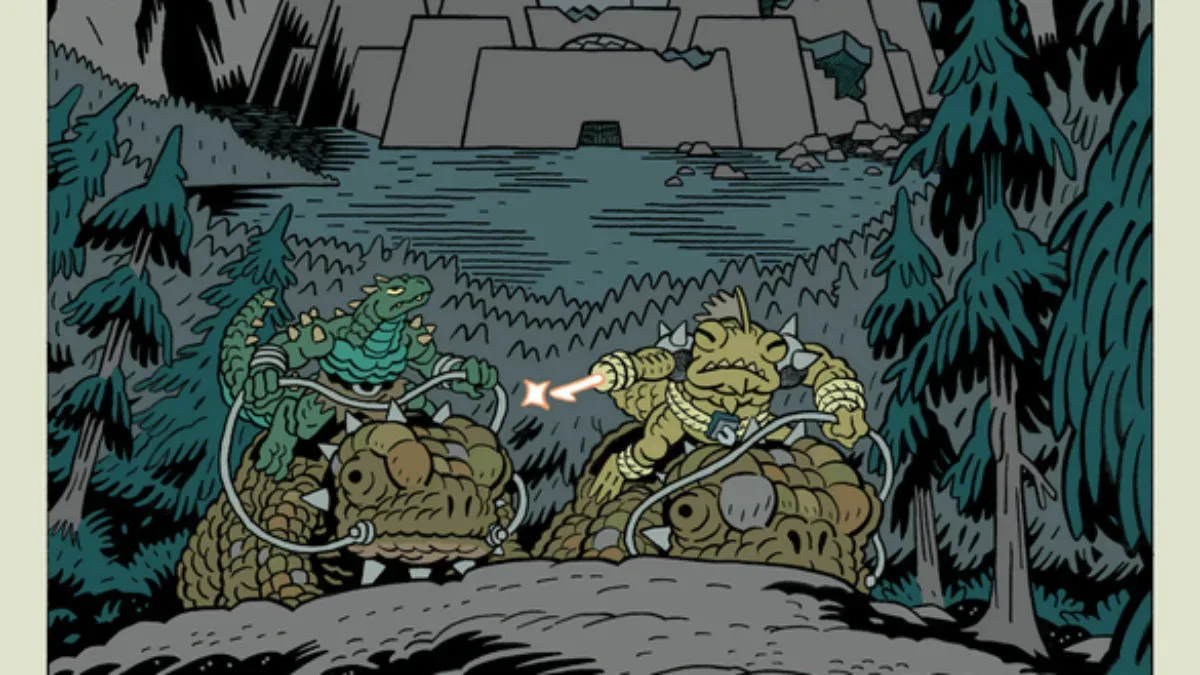
That enemy list also signals a varied action framework. Beasts imply physical confrontation; assassins bring the prospect of targeted pursuit; wizards point toward supernatural opposition; and gods raise the scale still further. The issue’s conflict is therefore not described as a single duel or a narrowly defined mission. It is a gauntlet built around keeping one powerful captive—or perhaps unwilling companion—out of hostile hands.
The warrior is described as having a habit of decapitation, an intentionally exaggerated character detail that aligns with the book’s title and violent fantasy tone. It also makes the arrangement with the witch’s head more striking: a fighter associated with taking heads is now responsible for carrying and defending one. Whether that irony becomes a point of dialogue or remains part of the book’s visual premise is not detailed in the available issue information.
Creative team and edition details
Andrew MacLean is credited as the writer and artist of Head Lopper #2. Jordie Bellaire is credited on art alongside MacLean. MacLean also provides the main cover. A Jesse Lonergan cover is listed separately, giving readers another cover option associated with the issue.
- Publisher: Image Comics
- On sale: November 18, 2026
- Suggested retail price: $7.99
- Writer: Andrew MacLean
- Art: Andrew MacLean and Jordie Bellaire
- Main cover: Andrew MacLean
- Additional listed cover: Jesse Lonergan
- Item codes: 0926IM0374 and 0926IM0375
For readers navigating comic-shop listings, an item code is a distributor-facing identifier used to distinguish a specific product entry. When multiple codes and covers are listed for one issue, it is worth confirming the exact cover desired with a local retailer rather than assuming every location will have the same selection on the shelf.
The $7.99 suggested retail price is also useful planning information, particularly for readers picking up the issue alongside other weekly releases. It is a suggested price rather than evidence of a retailer’s stock level, reservation policy or online availability. Checking with an individual shop remains the practical way to confirm whether a particular cover can be obtained.
Why the premise stands out
There is a bluntness to this issue’s setup that works in its favor. A warrior must protect a witch’s severed, talking head from creatures and powerful would-be thieves. The danger is immediate, the object everyone wants is obvious, and the heroes’ bickering adds an interpersonal obstacle to every encounter.
The premise also supports a tonal mix of horror imagery, sword-and-sorcery action and hostile comedy. “Bickering” does not guarantee a specific kind of humor, but it establishes that the relationship is not merely solemn. The witch’s voice can challenge the warrior’s decisions, while the warrior’s tendency toward lethal action can keep the partnership volatile even when both characters need the same basic thing: to prevent their enemies from taking the head.
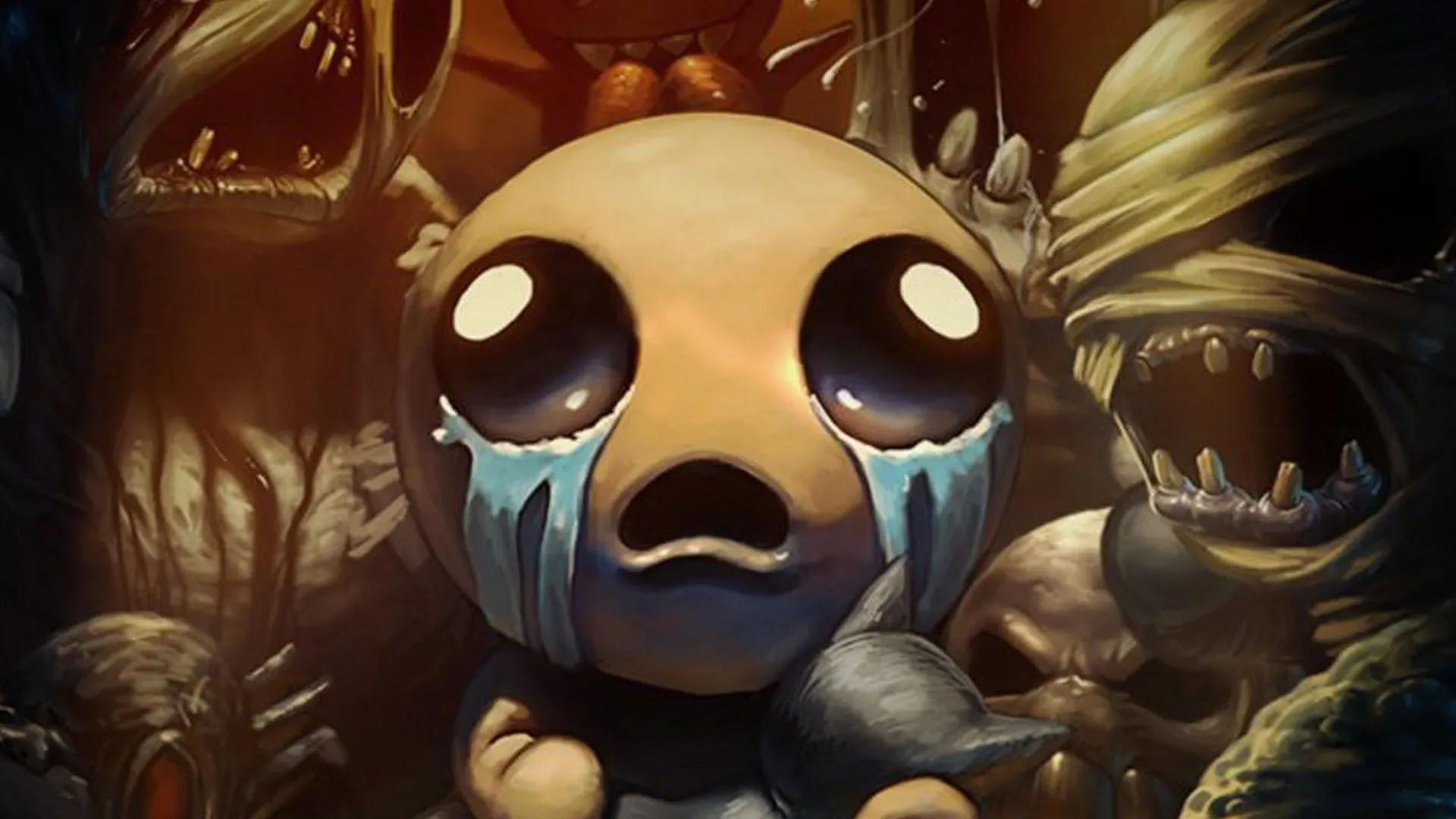
The cover information reinforces the issue’s emphasis on its distinctive duo while allowing collectors and regular readers a choice between credited cover artists. Readers interested in a separate story about an unusual release-date collision in games can also see how Binding of Isaac: Repentance+ is heading to consoles on GTA 6 launch day.
What is confirmed—and what remains open
The confirmed details are straightforward: Head Lopper #2 arrives November 18, 2026; it costs $7.99 at suggested retail; MacLean writes and contributes art, with Bellaire also credited on art; and the adventure centers on protecting a magical witch’s head from an array of supernatural and mortal enemies.
Beyond that, readers will need the finished issue for answers. The available description does not identify the warrior or witch by name, explain the head’s specific magical properties, establish why the pair hate each other, or clarify which antagonist becomes the principal danger. It also does not reveal how much of the issue is spent on any individual threat type. Those omissions leave the book’s essential hook intact: two unwilling allies, one extremely inconvenient magical head, and a line of enemies eager to turn their argument into a catastrophe.