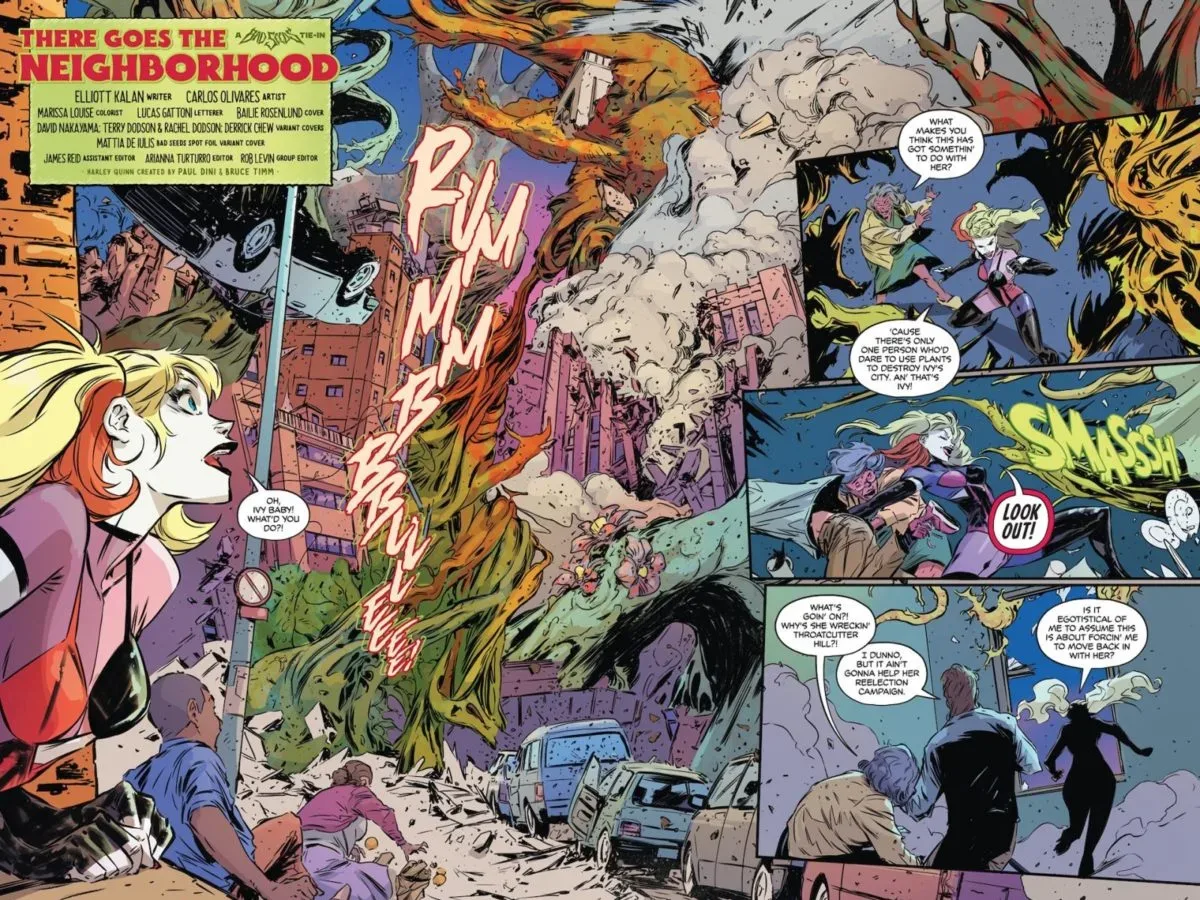
Harley Quinn #66 is set to bring a full-scale botanical emergency to Gotham when it arrives in comic shops on September 23, 2026. The new issue finds Throatcutter Hill overwhelmed by prehistoric plants and poisonous pollen, turning what Harley describes as a return to normal life into another urgent trip across a collapsing city.
And Harley has a strong idea who might be at the roots of the disaster: Poison Ivy, identified in the issue’s setup as Harley’s “one true love.” That framing makes the apparent attack more than a standard Gotham crisis. Harley is not simply responding to a dangerous supervillain incident; she is confronting the possibility that the person closest to her is responsible for the destruction tearing through the neighborhood.
The issue is written by Elliott Kalan, with interior art by Carlos Olivares and a main cover by Bailie Rosenlund. It carries a $3.99 suggested retail price.
A Gotham emergency with a personal complication
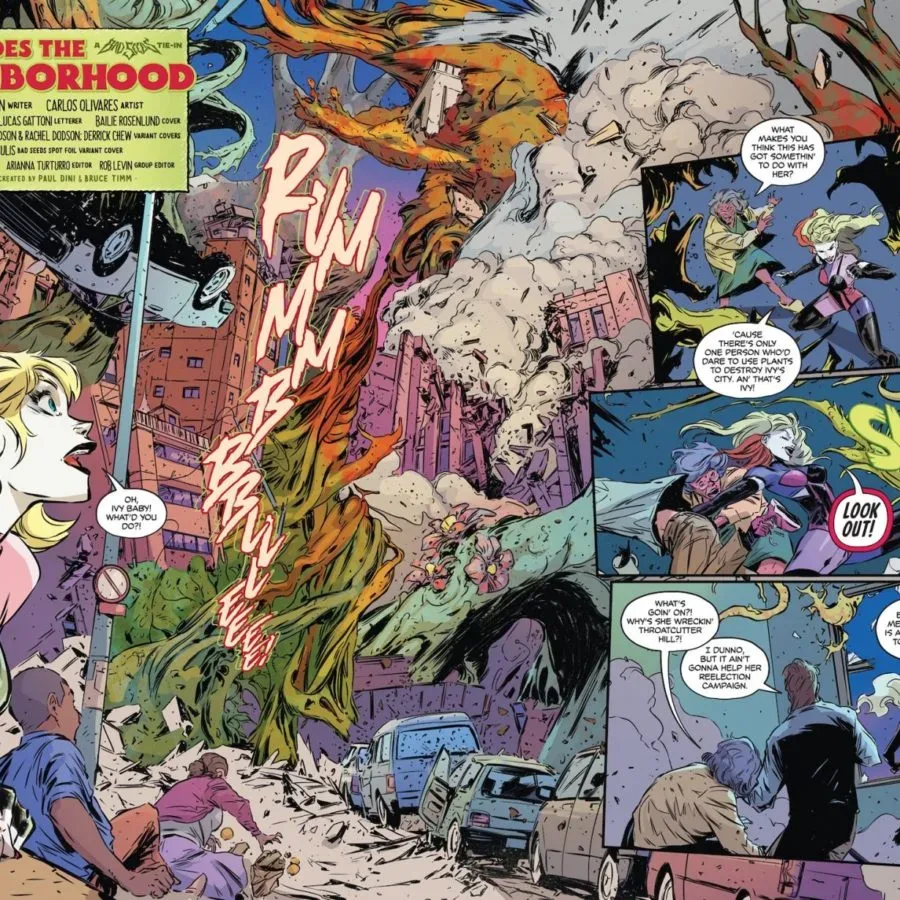
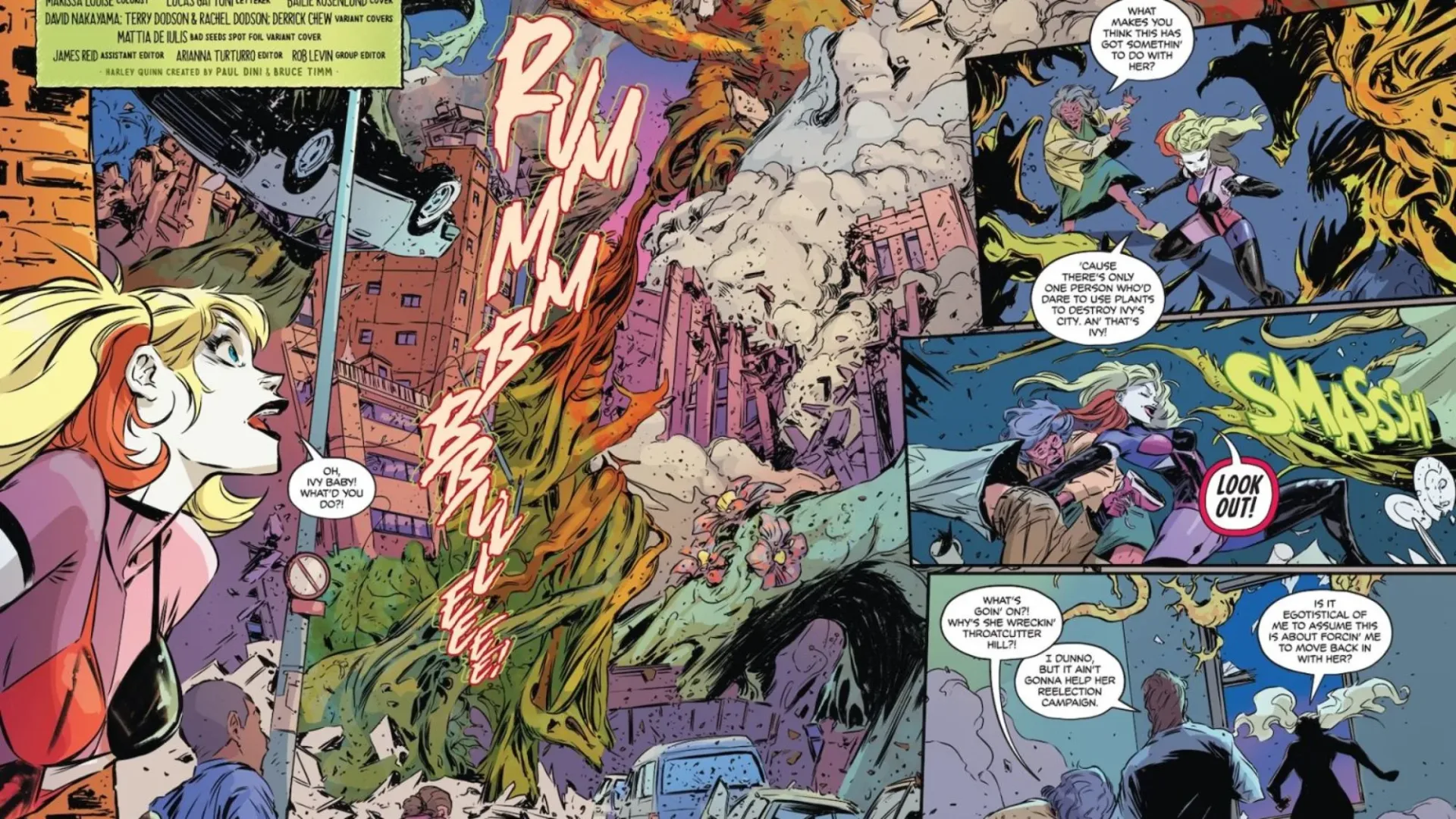
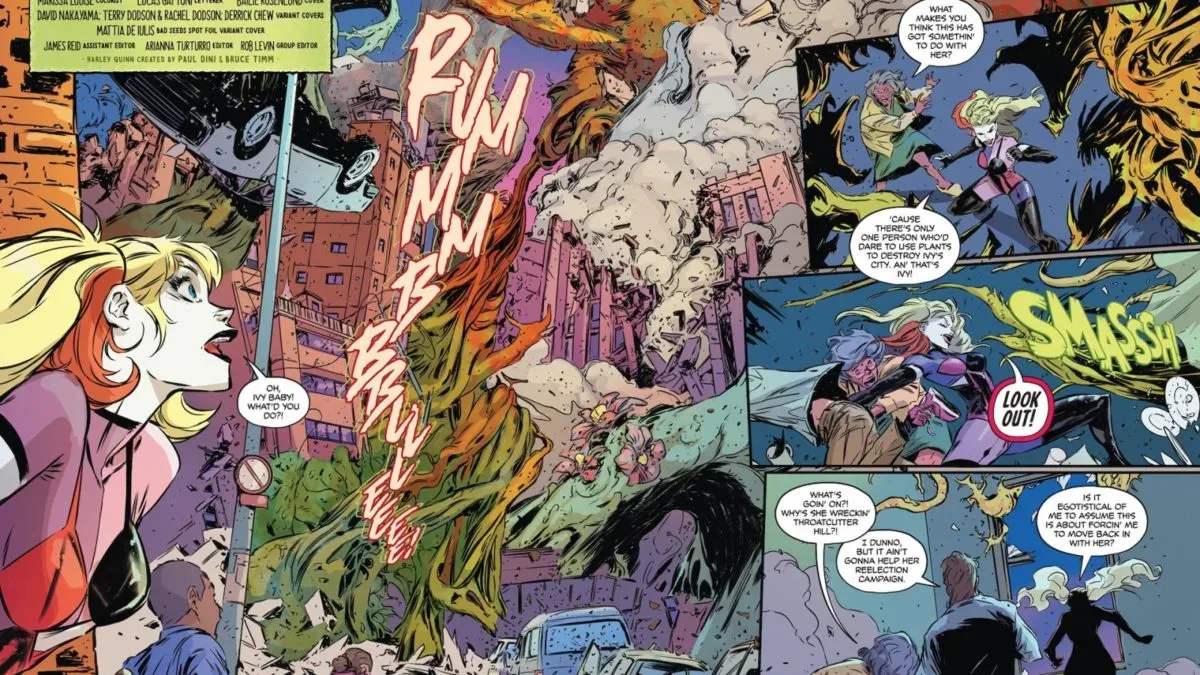
The central premise is direct: a wave of ancient-looking vegetation and hazardous pollen has taken over Throatcutter Hill, and Harley heads to City Hall to deal with it. The description emphasizes citywide disruption rather than a small, contained incident. Buildings are shown being threatened by massive vines and plant growth, making the environmental threat physically destructive as well as biologically dangerous.
“Prehistoric plants” is an especially useful bit of comic-book shorthand here. It signals flora that is not merely overgrown or aggressive, but seemingly primal, outsized, and out of place in an urban neighborhood. Paired with poisonous pollen, the disaster has two dimensions: visible property damage from the plants themselves and a potential airborne danger affecting anyone nearby.
That combination gives Harley a problem that cannot necessarily be solved by simply knocking down one monster. Pollen is made of tiny particles released by plants; in the real world it can travel through the air, while in this fictional setup its poisonous nature turns the surrounding environment into part of the danger. Meanwhile, plant growth on the scale described could block streets, destabilize structures, and make ordinary movement through Throatcutter Hill difficult.
Harley’s response, however, is not presented in dry disaster-management terms. Her narration leans into frantic alliteration, comic frustration, and the kind of sudden escalation that suits a Harley Quinn story. A quiet breakfast with Richie and Mrs. G is interrupted when the crisis arrives at her doorstep. The shift from domestic calm to collapsing infrastructure establishes the issue’s intended rhythm: a personal, comedic opening that is immediately overwhelmed by enormous, messy superhero stakes.
Why Poison Ivy is the natural suspect
Poison Ivy is the obvious person for Harley to suspect whenever Gotham becomes a battleground for deadly plant life. The more interesting question is whether the issue will treat that suspicion as correct, incomplete, or deliberately misleading. The available setup does not confirm Ivy’s responsibility. It only makes clear that Harley believes Ivy may be behind the chaos.
That distinction matters. A character’s suspicion is not the same thing as a confirmed plot revelation, especially in a story built around a relationship with as much emotional weight as Harley and Ivy’s. The premise can work on several levels at once: it can deliver giant vines, toppled buildings, and poisonous hazards, while also putting Harley in the uncomfortable position of wondering whether Ivy has become the source of the catastrophe.
The solicit language calls Ivy Harley’s one true love, which places the relationship at the center of the issue’s tension. If Ivy is responsible, Harley must weigh her loyalty and affection against the immediate danger to Gotham. If Ivy is not responsible, Harley’s rush to judgment could become a source of conflict all its own. Either way, the issue has a clearer emotional hook than a routine villain-of-the-month scenario.
It is also a setup that fits Harley’s voice. Rather than presenting a solemn meditation on ecological disaster, the issue frames the emergency through Harley’s energetic, rambling reaction to increasingly absurd circumstances. The humor is not separate from the stakes; it is the lens through which the stakes are delivered. An enormous plant disaster can be both alarming for Gotham and ridiculous enough for Harley to label with improvised, increasingly strained alliteration.
What Throatcutter Hill means for the issue’s scale
Setting the action in Throatcutter Hill gives the crisis a specific Gotham location instead of leaving it as a vague citywide threat. The neighborhood is named as the site being torn apart, while City Hall is the place Harley believes she needs to reach. That creates a simple directional structure for the issue: disaster in one part of the city, a destination tied to civic authority, and Harley trying to get there through the consequences of the attack.
City Hall can carry practical and symbolic importance in a Gotham story without the setup stating exactly what Harley will find there. Practically, it is a location associated with city government and public response. Symbolically, sending Harley there places her chaotic problem-solving style against the formal machinery of a city under pressure. The contrast is fertile ground for comedy, whether Harley is seeking answers, demanding action, or simply trying to survive the route.
The preview material also points to a story that will place supporting characters around Harley before the action accelerates. Richie and Mrs. G appear during the early breakfast scene, giving the opening a sense of Harley’s current everyday orbit. Their presence reinforces Harley’s claim that life had just become normal again—an assertion Gotham is evidently ready to disprove almost immediately.
Creative team and cover options
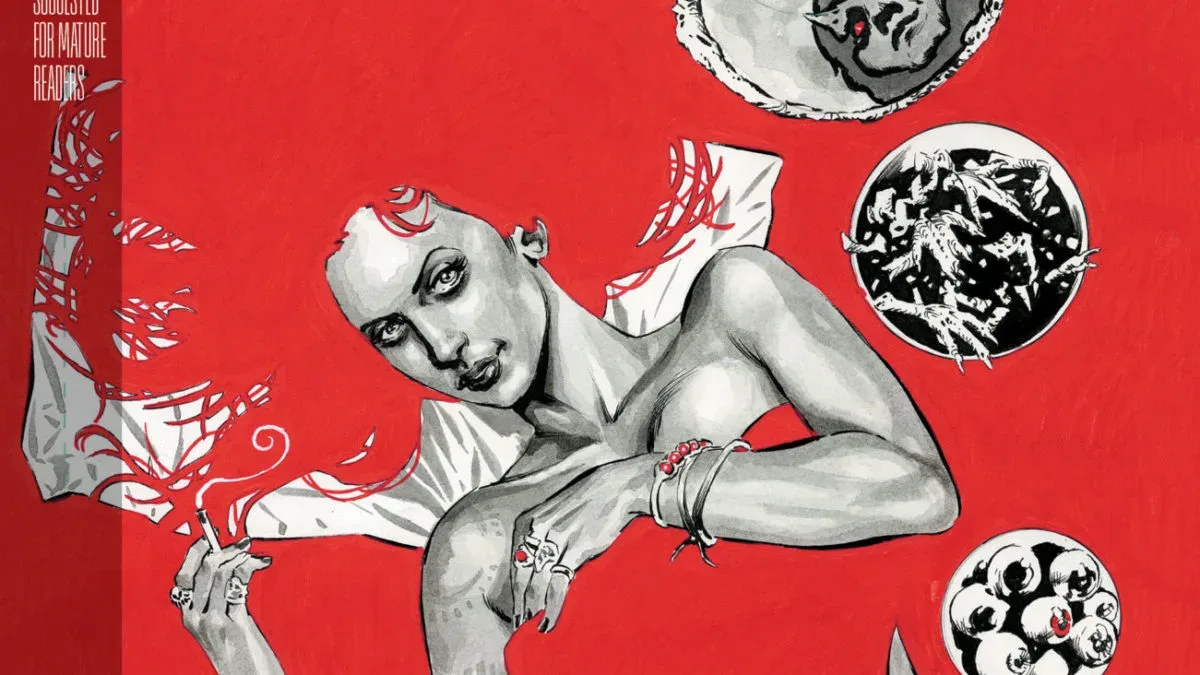
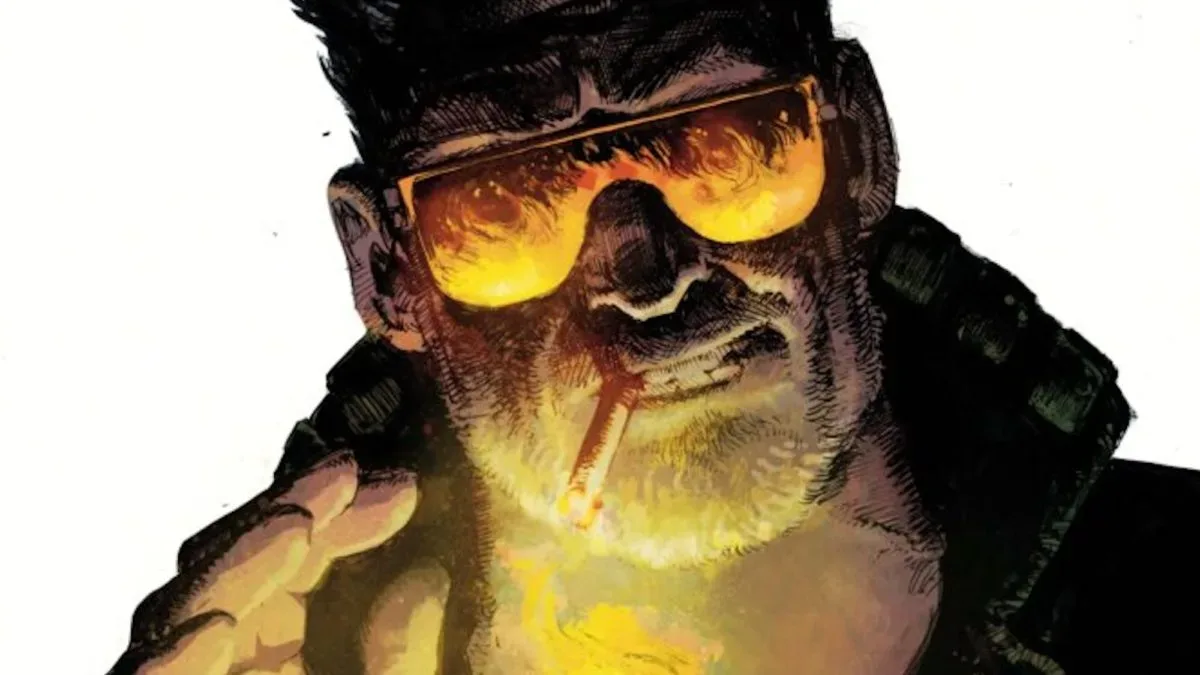
Kalan writes Harley Quinn #66, while Olivares handles the interior art. Rosenlund provides the main cover. Readers interested in alternate cover art will have several options listed for the issue:
- David Nakayama cover — $4.99
- Terry Dodson and Rachel Dodson cover — $4.99
- Derrick Chew cover — $4.99
- Mattia De Iulis cover — $6.99
These editions are cover variants of the same numbered issue, not separate installments of the story. For readers following Harley’s series primarily for the narrative, the standard $3.99 edition is the baseline release. For those choosing based on cover art, the listed variants offer different presentation options at higher suggested prices.
As with any comic-shop release, local stock can vary by store and by cover. Readers planning to pick up a particular variant may want to check with their preferred retailer ahead of release rather than assume each option will be on the shelf.
What readers can reasonably expect
The confirmed ingredients are substantial: Gotham destruction, enormous prehistoric vegetation, poisonous pollen, a rush toward City Hall, and Harley’s suspicion that Ivy is tied to it all. Those facts support expectations of a loud, visually expansive issue with Harley at the center of an environmental disaster that is inseparable from her personal life.
What remains deliberately open is the explanation. There is no confirmed account yet of why the plant outbreak began, what Ivy’s precise role may be, or whether Harley’s suspicion will hold up. That uncertainty is the issue’s strongest hook. The disaster has a familiar signature, but its emotional context makes it less straightforward than a typical Poison Ivy attack.
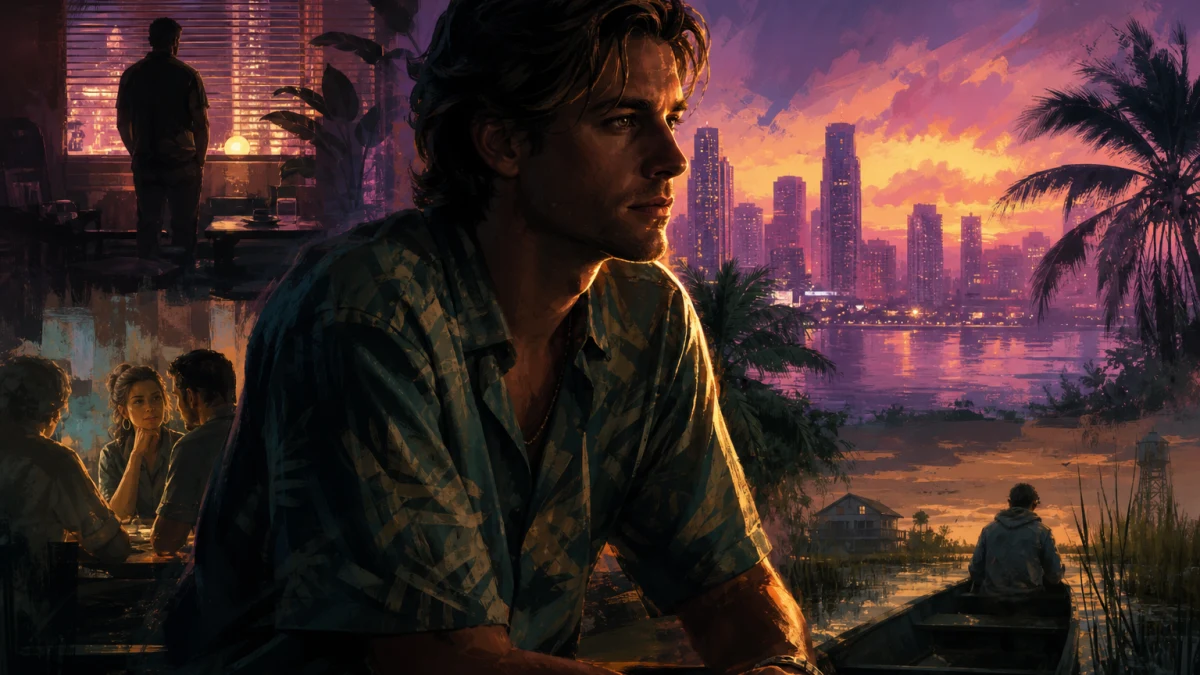
For a broader example of how character profiles and limited official details can shape expectations without settling every narrative question, see our look at what an official GTA VI character profile suggests about the story. The same basic reading discipline applies here: distinguish the concrete setup from the unanswered questions designed to bring readers into the next chapter.
Harley Quinn #66 arrives September 23, 2026, from DC Comics. Harley may have wanted a calm life, a stick of dynamite, and Ivy at her side, but the issue’s setup suggests Gotham has other plans—especially if the person Harley loves is connected to the roots of the city’s newest disaster.