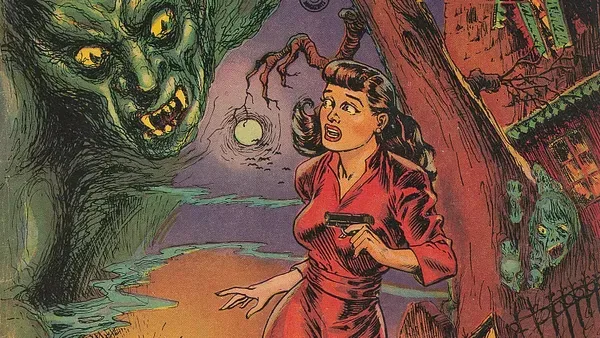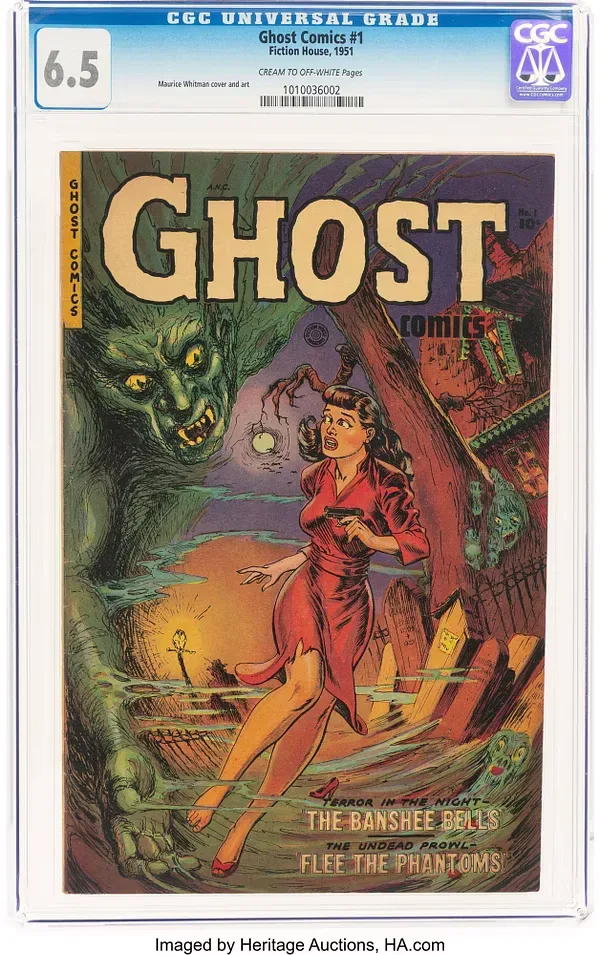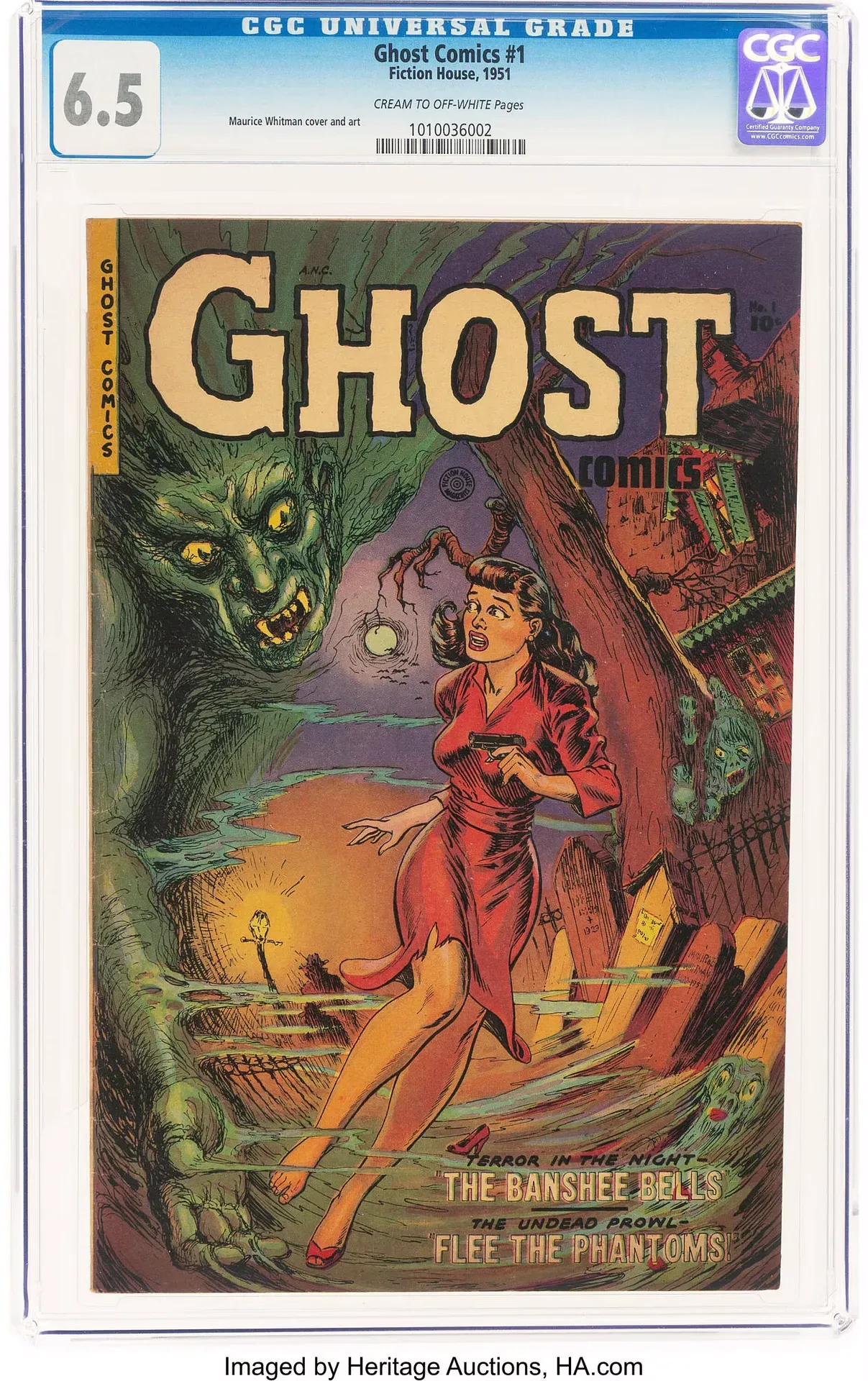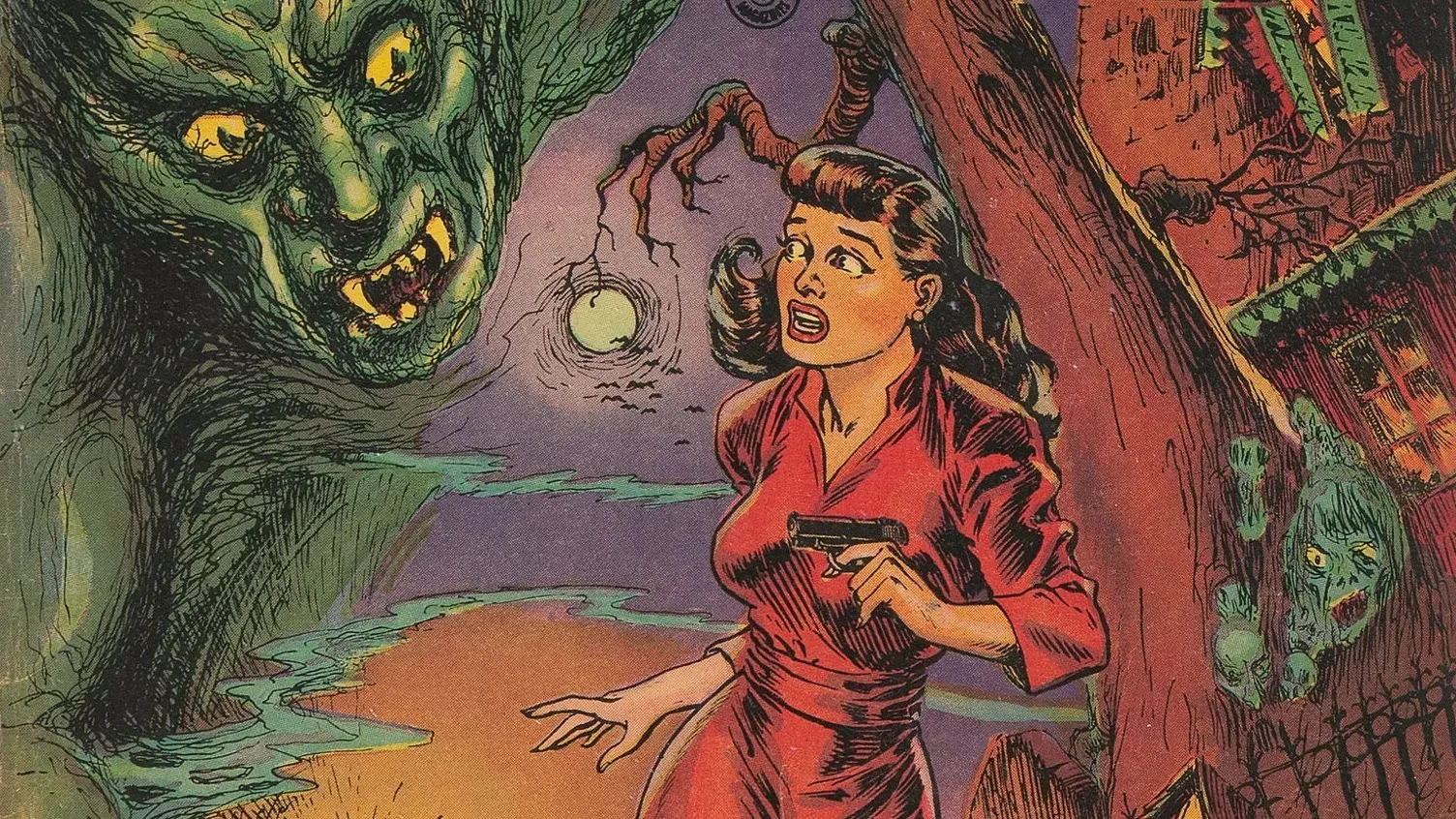
Ghost Comics #1, published by Fiction House in 1951, is a particularly clear example of why a comic can matter for more than a first-issue designation. The supernatural title did not emerge from nowhere: Fiction House had already run ghost material in adventure books including Jumbo Comics and Wings Comics between 1944 and 1946. But this debut gave that material a dedicated home—and, crucially, placed it behind a cover by Maurice Whitman.
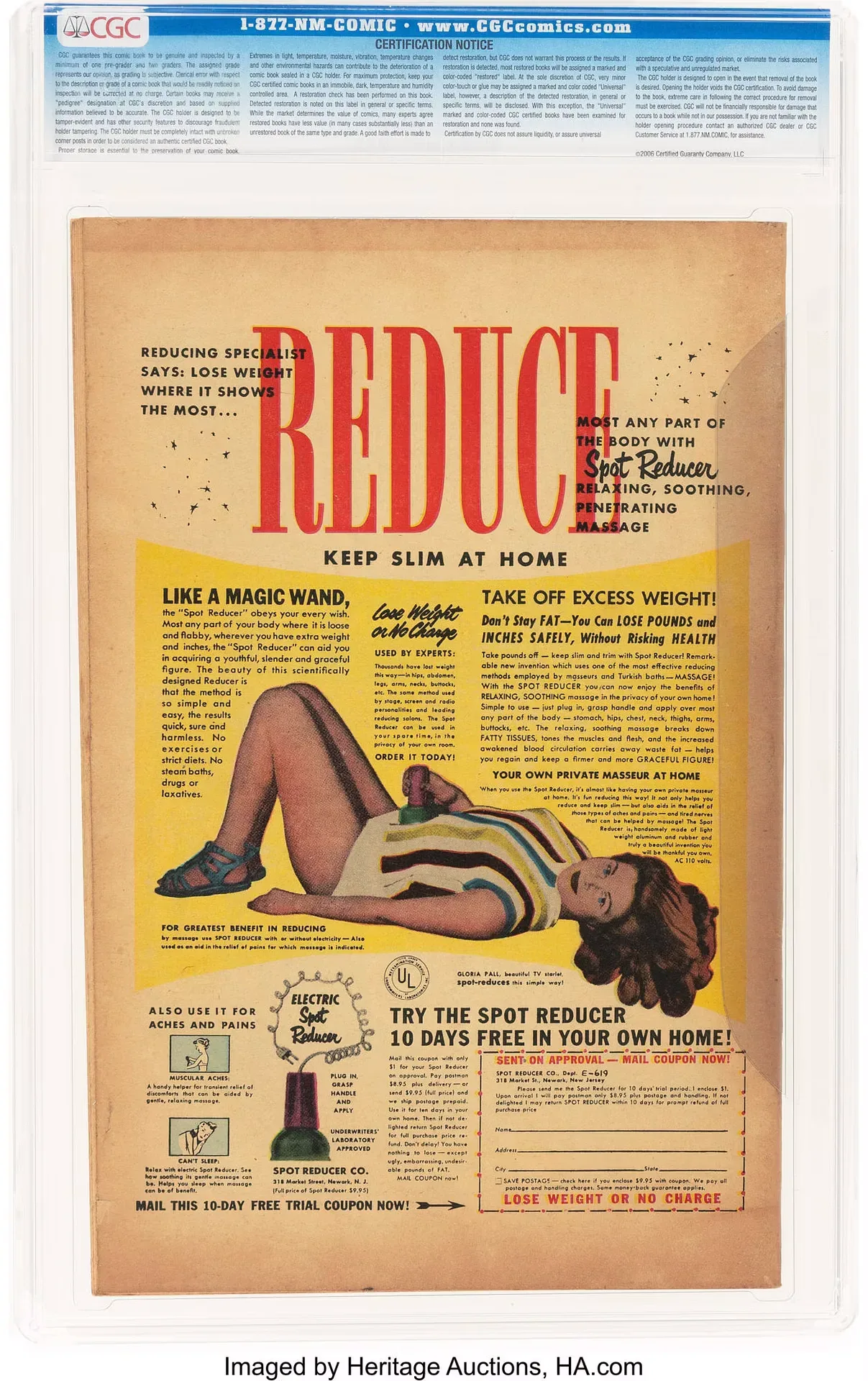
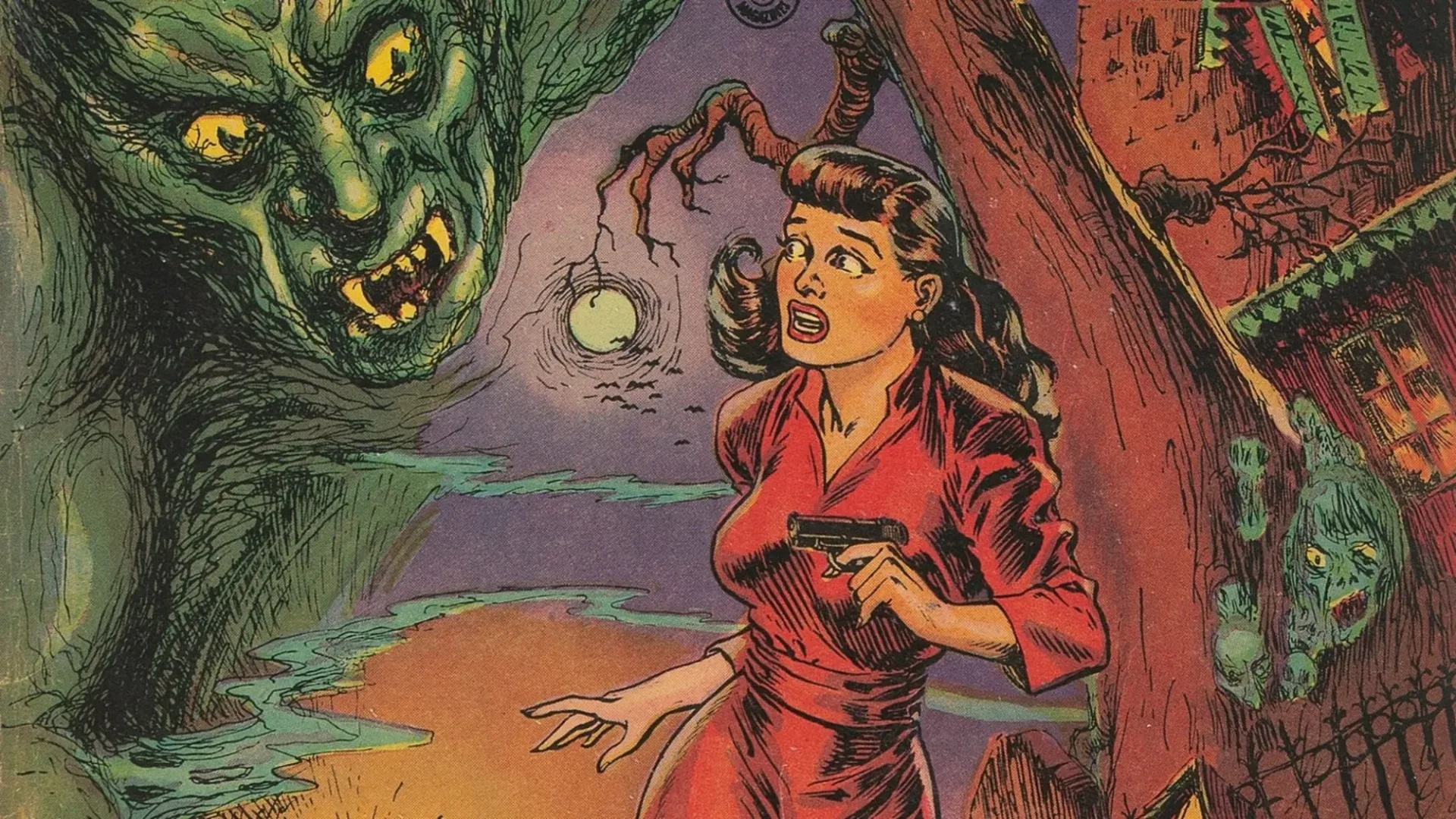
That combination is the issue’s central appeal. The book establishes a title, represents a late-Golden-Age supernatural release, and carries one of Whitman’s better-known images from his Fiction House period. A CGC Universal FN+ 6.5 copy with cream to off-white pages was included in the September 24–26, 2026 Comic Books Signature Auction #7469, drawing attention back to an issue whose visual impact is often the first thing a collector notices.
A new title built from existing supernatural material
The history behind Ghost Comics #1 is more interesting than a simple “new series begins here” label suggests. Fiction House’s ghosts had appeared within other adventure-comic settings years before they received a standalone title. The material in this inaugural issue is largely credited to Alex Blum, with one story credited to Rafael Astarita, and its stories were typically condensed from their earlier versions.
That makes the issue both a debut and a repackaging project. In practical terms, it is not best understood solely as the first chapter of entirely fresh mythology or an all-new creative line. Its importance is tied to how Fiction House reframed supernatural stories already associated with its catalog, placing them under an unmistakable series identity.
For readers interested in how comic-book horror and supernatural anthologies took shape, that distinction matters. A publisher could take material introduced in broader adventure titles and present it differently once a genre had proved it could support its own cover branding and series name. Ghost Comics #1 captures that transition in a compact form: earlier ghost stories supplied the foundation, while a new Whitman cover supplied the face.
Maurice Whitman’s Fiction House era
Whitman entered comics after serving in World War II. In the mid-1940s, he worked for Harry Chesler, Lloyd Jacquet and Jerry Iger before joining Fiction House in 1947, the publisher with which his name became most closely associated.
His initial Fiction House work was interior art. From 1947 through 1950, he contributed stories to titles including Wings Comics, Planet Comics and Jungle Comics, among other books. He subsequently moved into cover assignments. Between 1950 and 1954, Whitman created dozens of covers for Fiction House, a run widely regarded as a high point of his work.
Ghost Comics #1 arrives close to the beginning of that cover-focused period. That timing elevates its place within a collection of Fiction House material. It is not merely a supernatural debut with an attractive image; it sits at the start of a creatively productive stretch in which Whitman produced standout work across the publisher’s line.
The point is especially relevant for collectors who organize acquisitions around artists rather than characters or issue numbers. A first issue can be historically useful, while an artist’s cover can be the element that gives it lasting visual distinction. Here, those two collecting lanes meet. Whitman’s image made the title immediately recognizable, and that cover identity remains a major reason the book is discussed.
What “pre-Code” means in this context
Ghost Comics #1 is described as a pre-Code comic. In comic-collecting language, that refers to material published before the mid-1950s crackdown that reshaped the American comic-book business. Fiction House itself stopped operating shortly after Whitman’s tenure ended in the summer of 1954, caught in the anti-comics moral panic of that period.
The term should not be treated as a guarantee that every pre-Code comic has the same content, scarcity or market profile. It is a historical category, not a condition grade and not a substitute for examining a specific issue. For this book, the label helps position its 1951 supernatural material within a publishing era that soon faced sweeping cultural and commercial change. The more specific draw remains the combination of Fiction House, Whitman’s cover work and the series’ debut status.
Whitman continued his career after Fiction House, producing work for Charlton, Warren Publications and others. Yet his Fiction House output is the period most strongly associated with his peak abilities. That broader career path gives the Ghost Comics #1 cover additional context: it belongs to the publisher relationship that defined his reputation, even though it was not the end of his work in comics.
Interpreting the CGC census without overstating it
The CGC census records 103 Universal copies of Ghost Comics #1. Of those, six are graded 6.5, while 19 are graded higher. Those figures are useful reference points, but they need careful reading.
Universal is CGC’s designation for a standard unrestored comic; it is not a synonym for “perfect” or “rare.” A census is likewise a count of copies submitted and recorded by that grading company, rather than a total count of every surviving copy. It can show how many examples have entered that grading population, but it cannot prove the complete surviving population, nor can it tell a buyer how many copies are currently available.
The stated FN+ 6.5 grade means the auctioned example occupies a mid-range certified condition tier, with six recorded Universal copies at that same numerical grade and a limited number recorded above it. Its cream to off-white pages are a separate description of paper quality. Page color and structural grade are related to a comic’s physical preservation but are not interchangeable: the number communicates CGC’s overall assessment, while the page descriptor focuses on the interior paper.
That distinction can keep the conversation grounded. The census supports the idea that 6.5 is not the top of the currently recorded range. It does not diminish the book’s historical and artistic case. In an issue where Whitman’s cover is the primary attraction, a collector may weigh presentation, page quality, certification, the cover’s centering and overall eye appeal alongside the number on the label.
Why the cover remains the issue’s focal point
The debut’s interior credits and reused-story structure offer important context, but the Whitman cover is the book’s most immediate statement. Covers had to work at a glance on a newsstand, identifying a title and signaling its genre before a reader ever reached the contents. For a new supernatural series, that job was especially important: the image had to give the book a distinct identity even as the underlying ghost material had appeared elsewhere in the publisher’s output.
Whitman accomplished that identity-setting role at a moment when Fiction House was giving him more cover opportunities. This is why the issue holds interest beyond a checklist entry for a 1951 series launch. It represents an artist’s developing prominence at a major publisher, a publisher’s effort to give its supernatural stories an independent banner, and a surviving artifact from the closing years of a particular comics era.
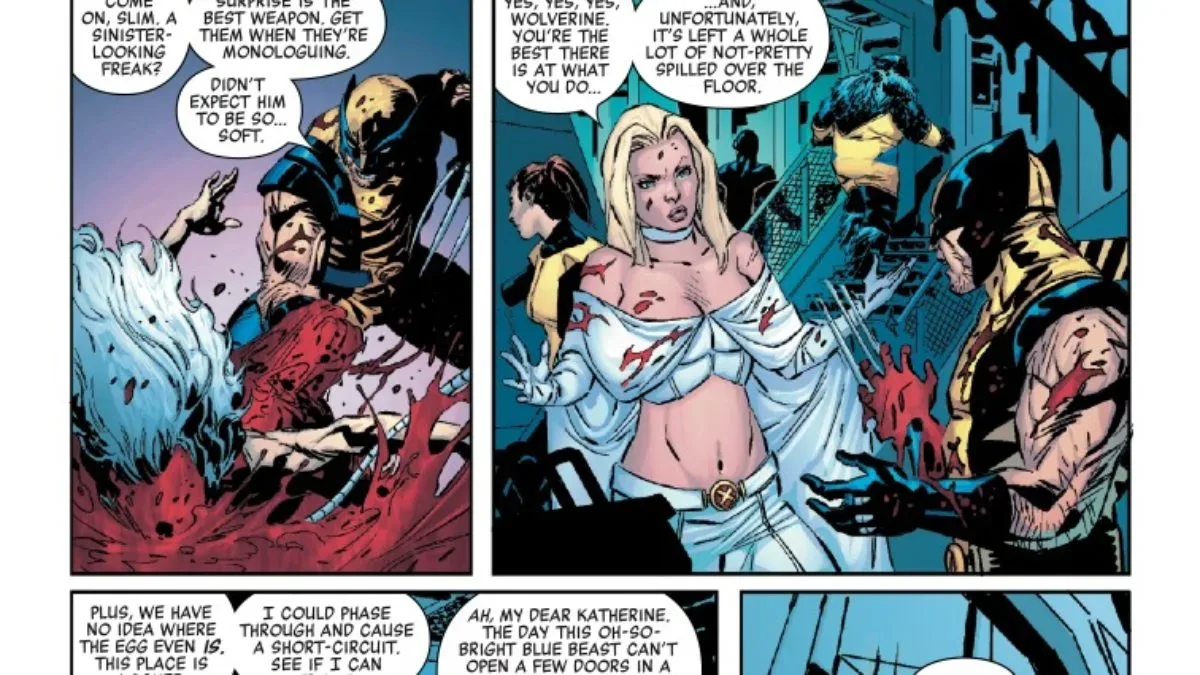
Modern comic announcements still lean heavily on the cover as the visual promise of a story, including horror-tinged crossover setups such as the Xenomorph-focused premise of Alien vs. X-Men #1. The parallel is not that the projects share a publishing history or format; rather, it illustrates how enduring the cover’s basic job remains. It must make a title legible and compelling before the reader knows what waits inside.
Key points for comic collectors
- Artist attribution is fundamental: Whitman’s cover is the defining feature of this issue’s appeal, especially within his 1950–1954 Fiction House run.
- First issue does not mean wholly new material: the debut repackaged supernatural stories associated with earlier Fiction House titles, generally in condensed form.
- Read grading data precisely: 103 Universal copies in the CGC census is a graded-population figure, not a final survival count.
- Keep grade and paper quality separate: FN+ 6.5 describes the certified overall grade, while cream to off-white describes the pages.
- Place the book in its era: its 1951 publication and pre-Code status help explain its historical position, but the Whitman image is its clearest individual calling card.
For Fiction House collectors, late-Golden-Age cover-art collectors and readers tracing the publisher’s supernatural output, Ghost Comics #1 offers several intersecting reasons to look closer. Its stories reach back to earlier adventure titles, its publication history leads into a turbulent mid-1950s industry shift, and its cover marks an early milestone in Whitman’s strongest period for Fiction House. The issue’s lasting identity is therefore unusually direct: the ghosts were already there, but Whitman gave them a cover they could haunt for decades.