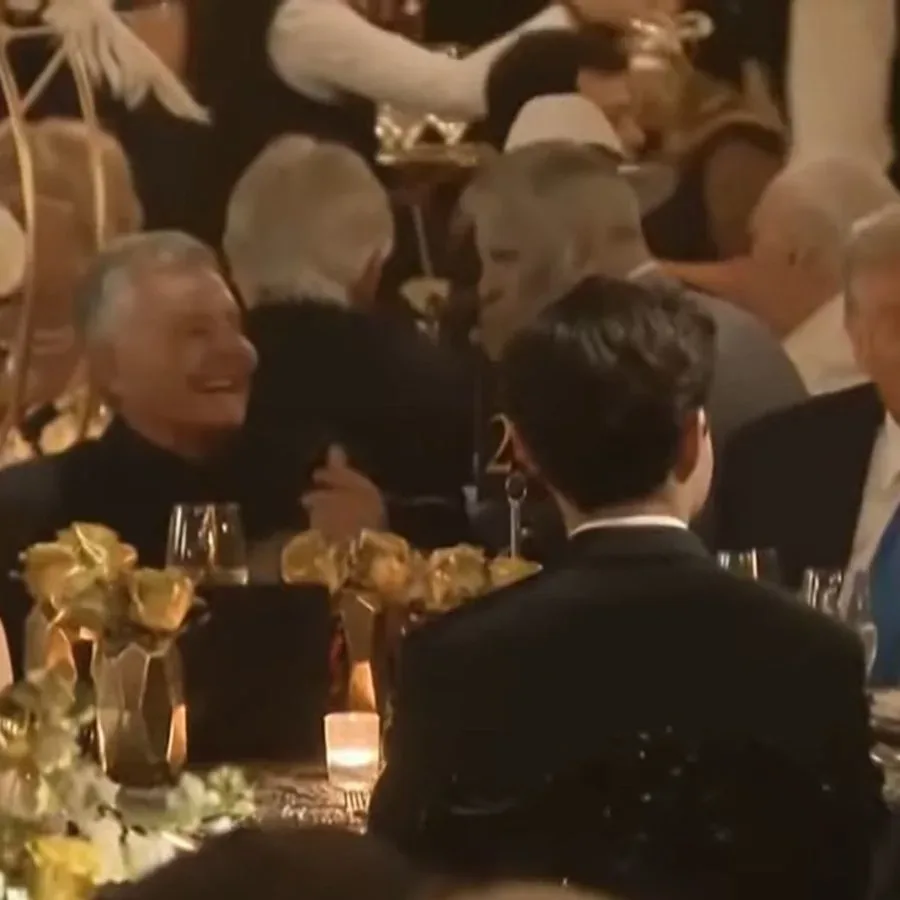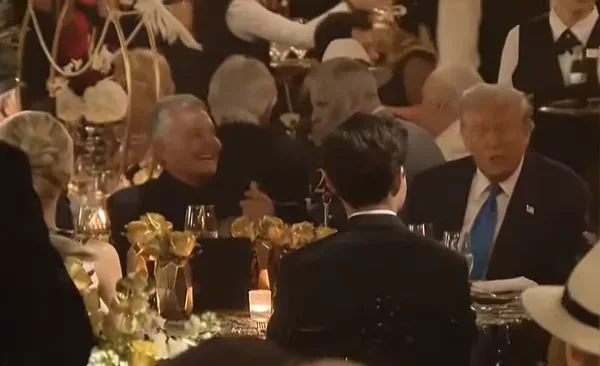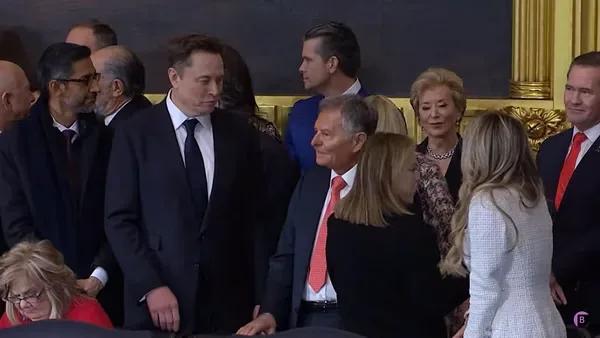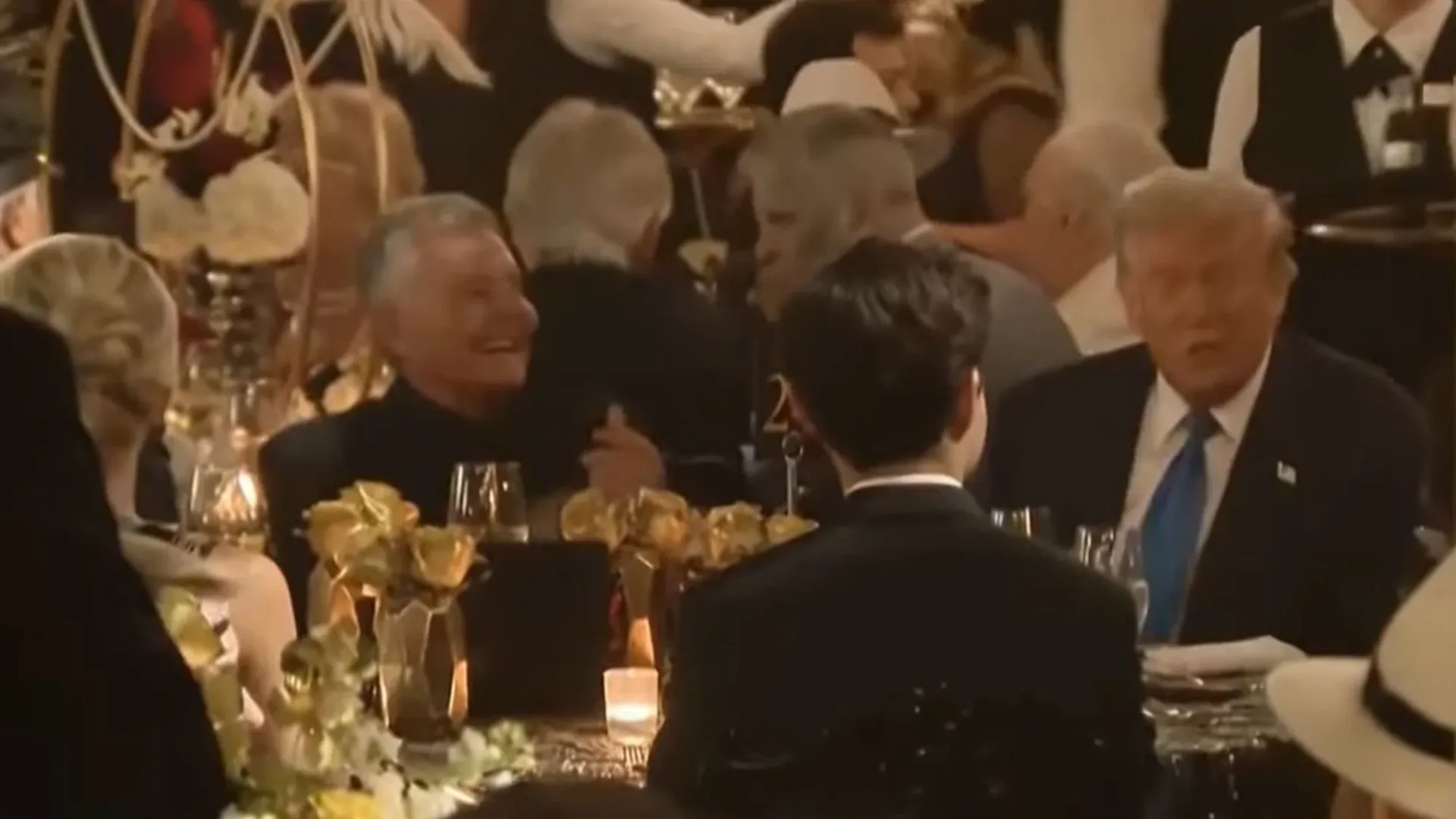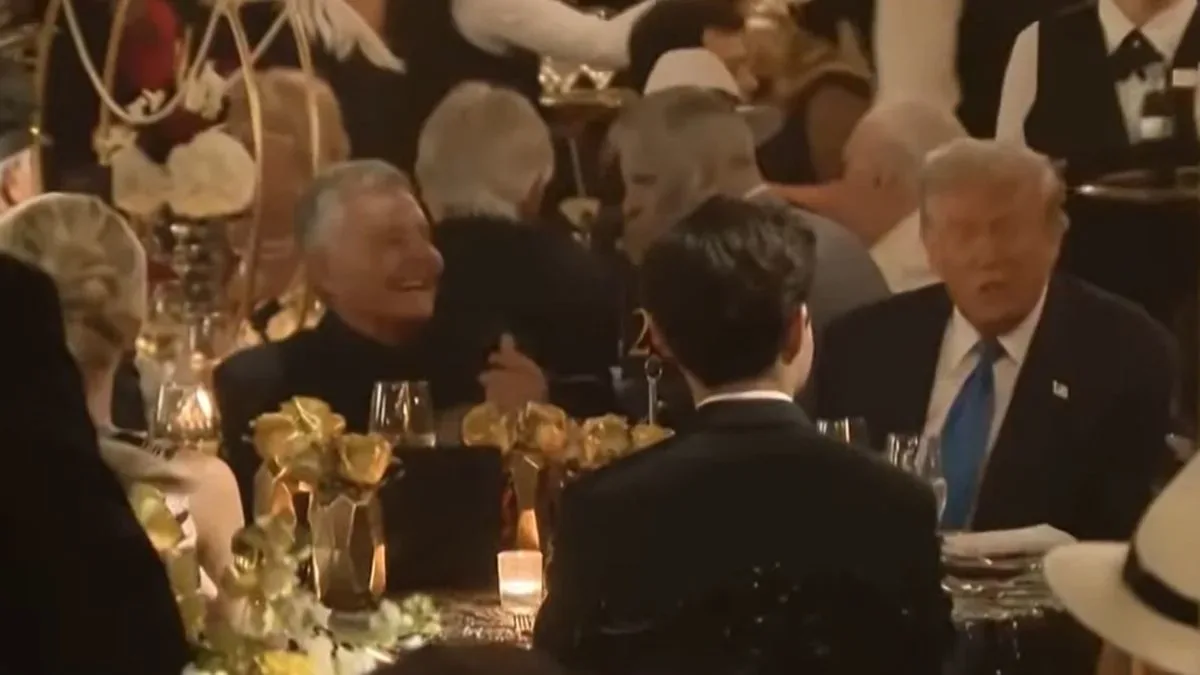
Ike Perlmutter, the former Marvel Entertainment chief executive and chairman, and his wife Laura Perlmutter have each contributed $250,000 to Friends of James Uthmeier, a political committee supporting Florida Attorney General James Uthmeier. The combined $500,000 contribution represented most of the nearly $750,000 the committee raised in the reported week.
Uthmeier is seeking a full four-year term after taking the office following Ashley Moody’s appointment to the U.S. Senate. His Democratic opponent is former state senator José Javier Rodríguez. The donation puts the Perlmutters among the most consequential identifiable donors connected with the contest so far—not simply because of the dollar amount, but because it arrives in a race where each side’s ability to communicate with voters appears central.
A large share of one week’s fundraising
The $500,000 total was split evenly between the couple, with $250,000 from Ike Perlmutter and $250,000 from Laura Perlmutter. For Friends of James Uthmeier, that means the two contributions accounted for roughly two-thirds of the nearly $750,000 reported in that week.
That framing matters. A campaign fundraising total can be made up of many smaller contributions, a few large contributions, or some combination of both. Here, two donations from the same household formed the clear bulk of a single week’s intake. It is a notable example of how major-donor support can quickly change the resources available to a political committee.
A political committee is an organization that raises and spends money to support a candidate or political cause. It is distinct from a candidate’s own campaign account, although both may operate in support of the same election effort. Looking at the campaign and its affiliated committee together can therefore provide a fuller picture of a candidate’s financial position than focusing on one account alone.
Uthmeier’s financial advantage
Across his campaign and committee, Uthmeier has reportedly raised more than $11.6 million and held more than $9.5 million in available funds. That cash-on-hand figure is particularly important during an election: money raised is a measure of fundraising capacity, while money on hand describes how much remains available after expenditures.
Rodríguez has raised approximately $2.8 million. His side has spent nearly $1.7 million, including money on television advertising. The figures indicate a substantial financial gap between the candidates at the point described by the available reporting, especially in remaining resources.
Financial strength does not settle an election, but it can influence the scale and frequency of voter outreach. Television advertisements are one visible example. Campaigns can also devote resources to staffing, mail, digital ads, events, polling and other forms of communication. The supplied information does not detail how Friends of James Uthmeier plans to deploy the Perlmutters’ money, so it would be premature to assign it to any particular ad buy or activity. What is clear is that the contribution increases the committee’s potential capacity.
A close poll despite the money gap
A St. Pete Polls survey conducted in mid-September placed Uthmeier ahead of Rodríguez by 43% to 42%. That one-point difference was within the poll’s margin of error, meaning the survey was not precise enough to establish a reliable lead between the two candidates.
Margin of error is a statistical range attached to a poll. It recognizes that a survey samples only part of the electorate rather than every voter. When the difference between candidates falls inside that range, the apparent advantage may reflect sampling variation rather than a meaningful separation in public support.
The poll and the fundraising numbers describe different parts of a campaign. Polling is a snapshot of measured voter preference at a particular time; fundraising and cash on hand measure organizational resources. They should not be treated as interchangeable. Still, a near-even survey alongside a major imbalance in available money helps explain why a half-million-dollar donation has drawn attention: in a contest that looks competitive in one measure, additional resources may carry practical weight as the campaign develops.
Perlmutter’s longstanding place in Marvel’s corporate history
Perlmutter is widely associated with a pivotal corporate era for Marvel Entertainment. He served as the company’s CEO and later its chairman, and his tenure included Marvel’s emergence from bankruptcy, the development of the Marvel Cinematic Universe and Marvel’s sale to Disney.
Disney removed Perlmutter from his Marvel role in 2023 as part of a broader restructuring. He later sold his remaining Disney shares. That history is why a contribution in a Florida statewide race has resonance beyond ordinary campaign-finance coverage: Perlmutter remains a prominent figure for many readers interested in the business decisions that shaped modern superhero entertainment.
Marvel’s wider screen presence continues to intersect with games and other media. For a recent example of the brand’s current impact in the game market, Marvel’s Wolverine was linked to a strong September hardware push for PS5. That does not connect the game’s performance to Perlmutter or this Florida election; it simply underscores the continued reach of the Marvel name long after the corporate changes that ended his Disney role.
A familiar political donor enters another high-stakes Florida race
The Perlmutters have a long history as major political donors, including substantial support for Donald Trump and other Republican causes. Ike Perlmutter also advised on veterans’ affairs during Trump’s first administration. Their giving has not been limited to politics: the couple have made philanthropic contributions, including support for the Perlmutter Center for Legal Justice at Cardozo Law.
Those separate strands—Marvel executive history, philanthropy and Republican political giving—make the Uthmeier committee donation part of an established public pattern rather than an isolated appearance in campaign finance. The current contribution is, however, unusually easy to quantify in its immediate effect on one committee’s fundraising: $500,000 from the couple within a reported nearly $750,000 weekly total.
What to watch next
The key figures will continue to change as campaigns raise money and report expenditures. For Uthmeier, the questions are whether his existing cash advantage holds and how his campaign and committee allocate their resources. For Rodríguez, future reports may show whether television advertising and other spending translate into a more competitive financial position or an altered polling picture.
The available mid-September survey suggests that neither candidate could regard the contest as settled. Meanwhile, the Perlmutters’ contribution has placed $500,000 behind Uthmeier’s supporting committee and added another notable chapter to Ike Perlmutter’s public life after Marvel: no longer a Disney executive, but still a donor whose political spending can materially affect the financial shape of a closely watched race.