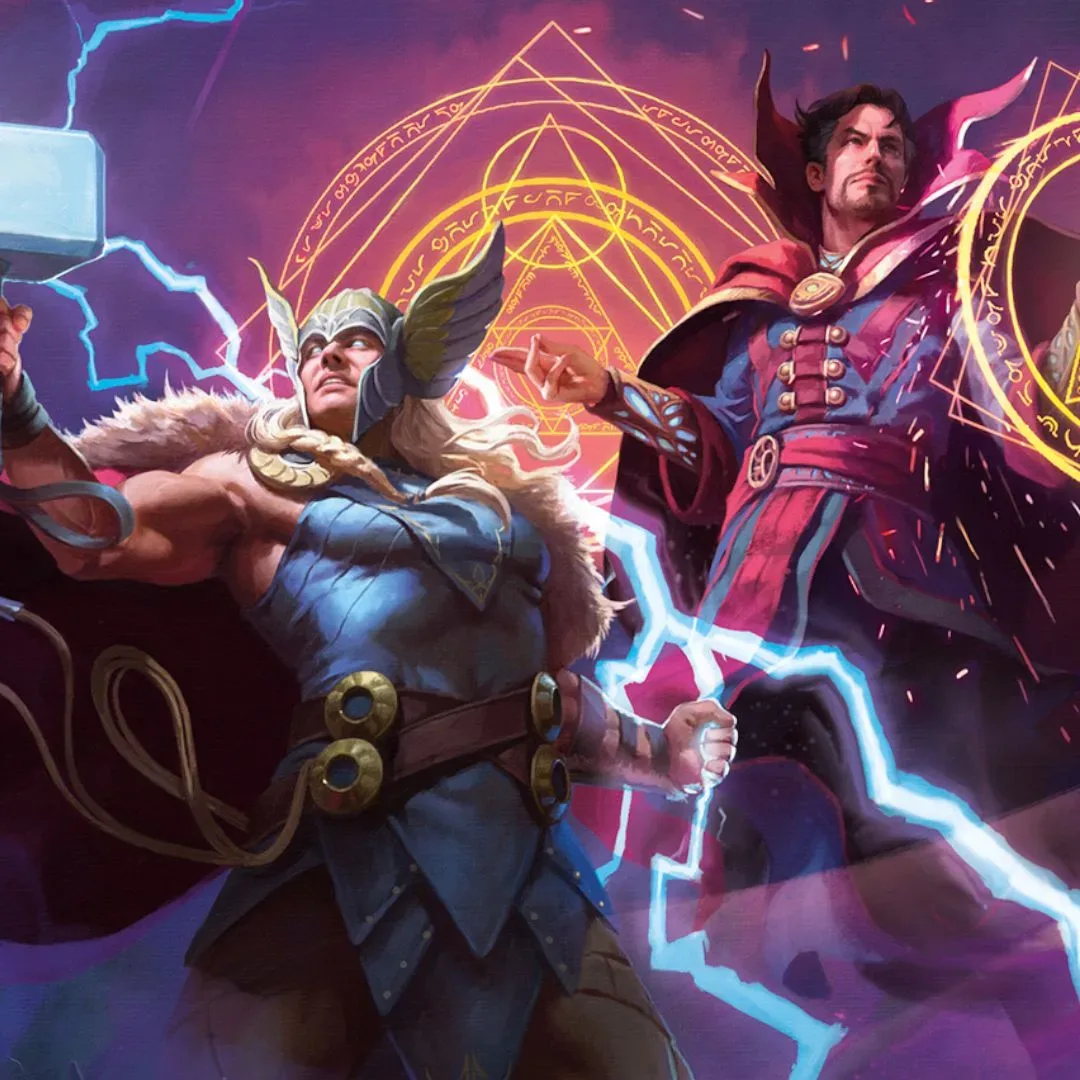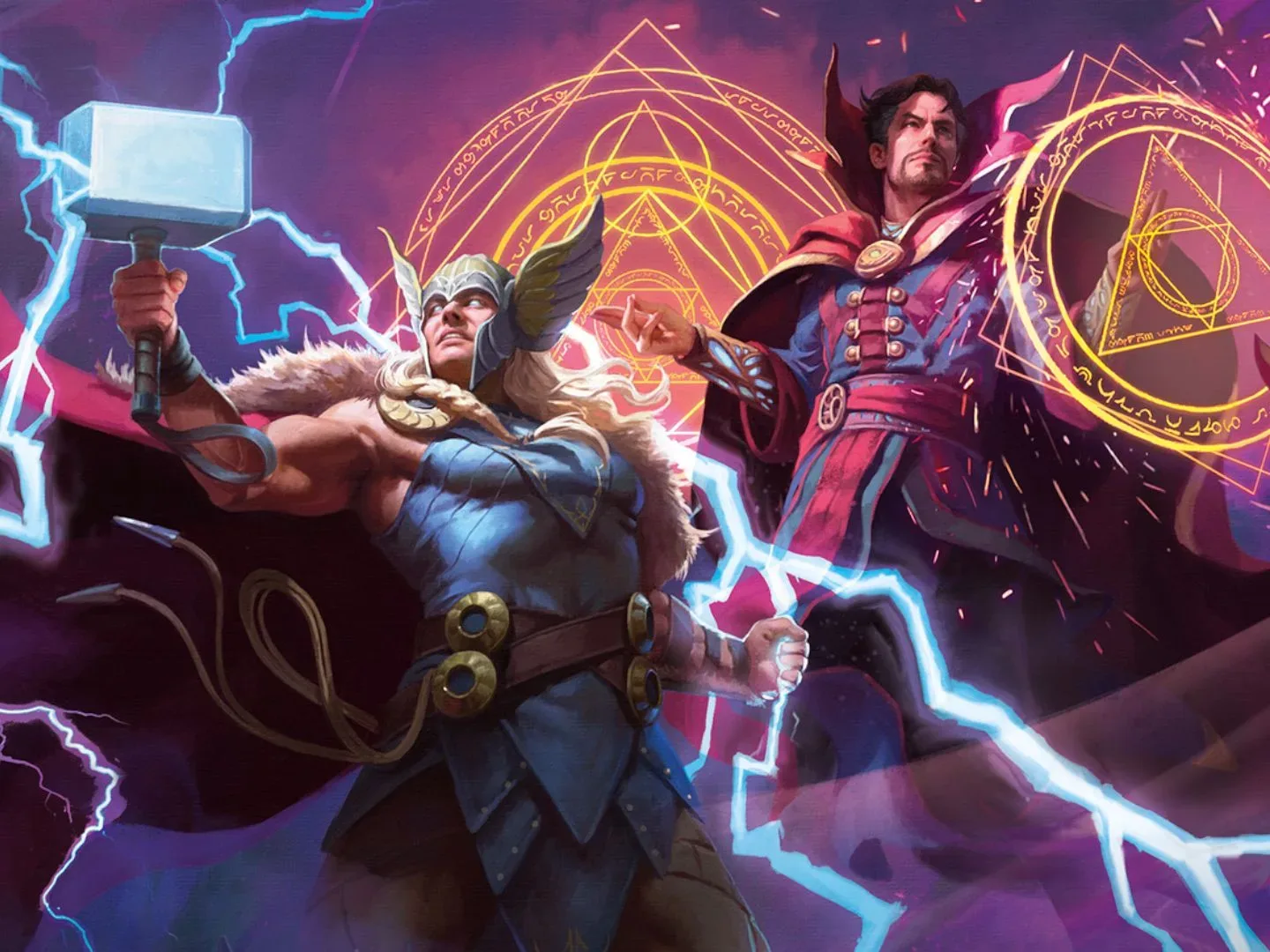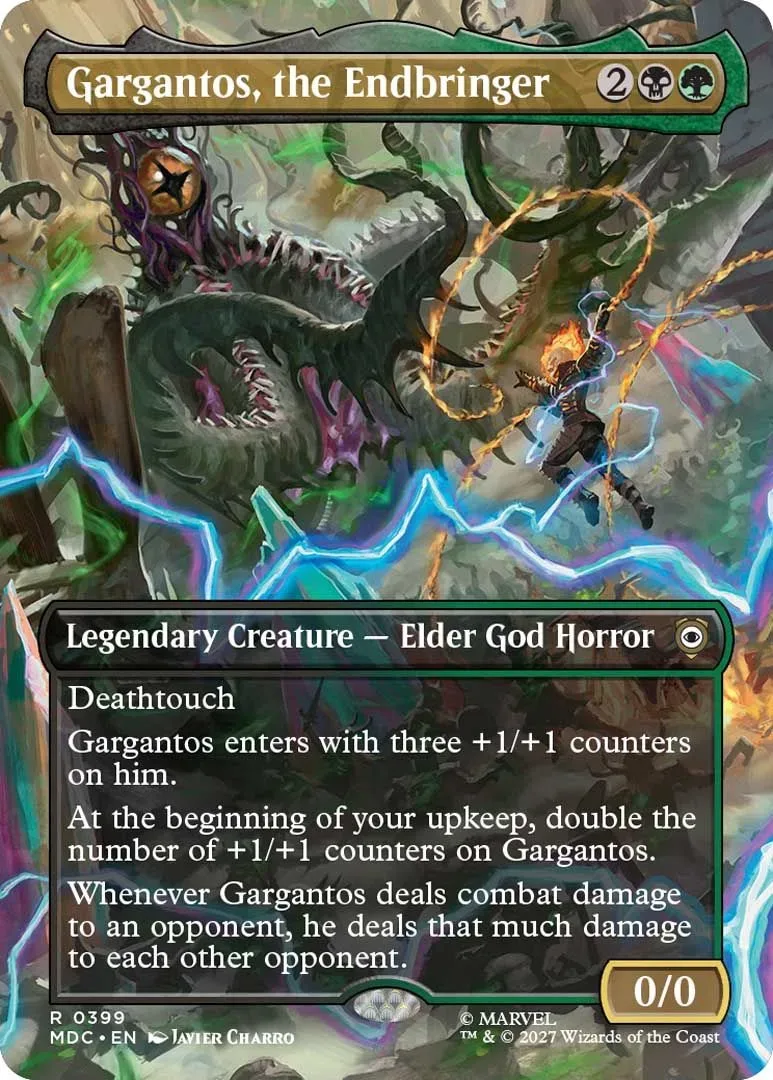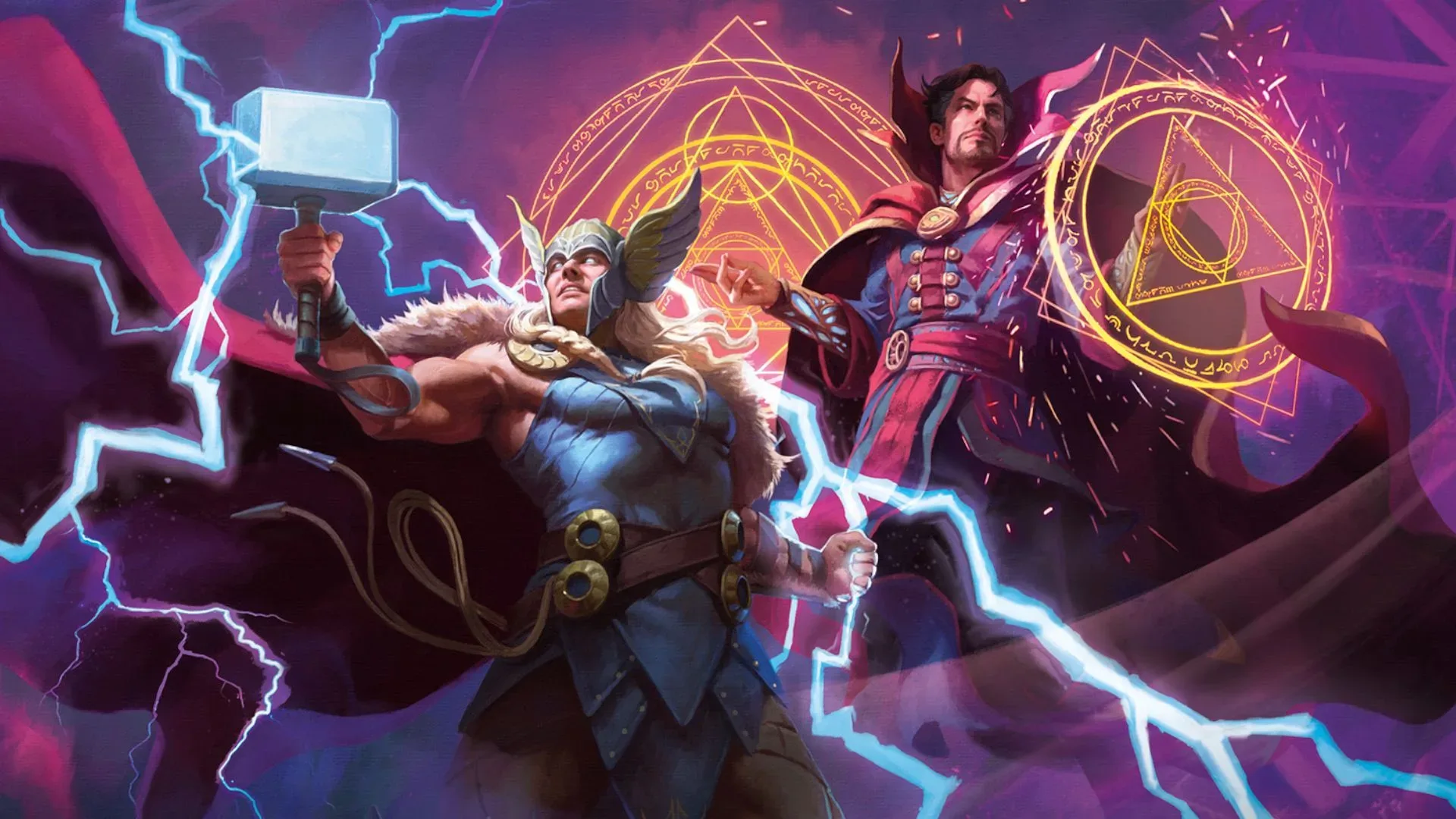
Magic: The Gathering—Marvel Darkhold Destiny is scheduled to arrive on April 9, 2027, and its pitch is notably different from the Marvel Magic sets that came before it. Where earlier releases centered on Spider-Man and a broader superhero celebration, Darkhold Destiny is leaning into werewolves, vampires, witches, devils, sorcerers and Marvel’s more ominous corners.
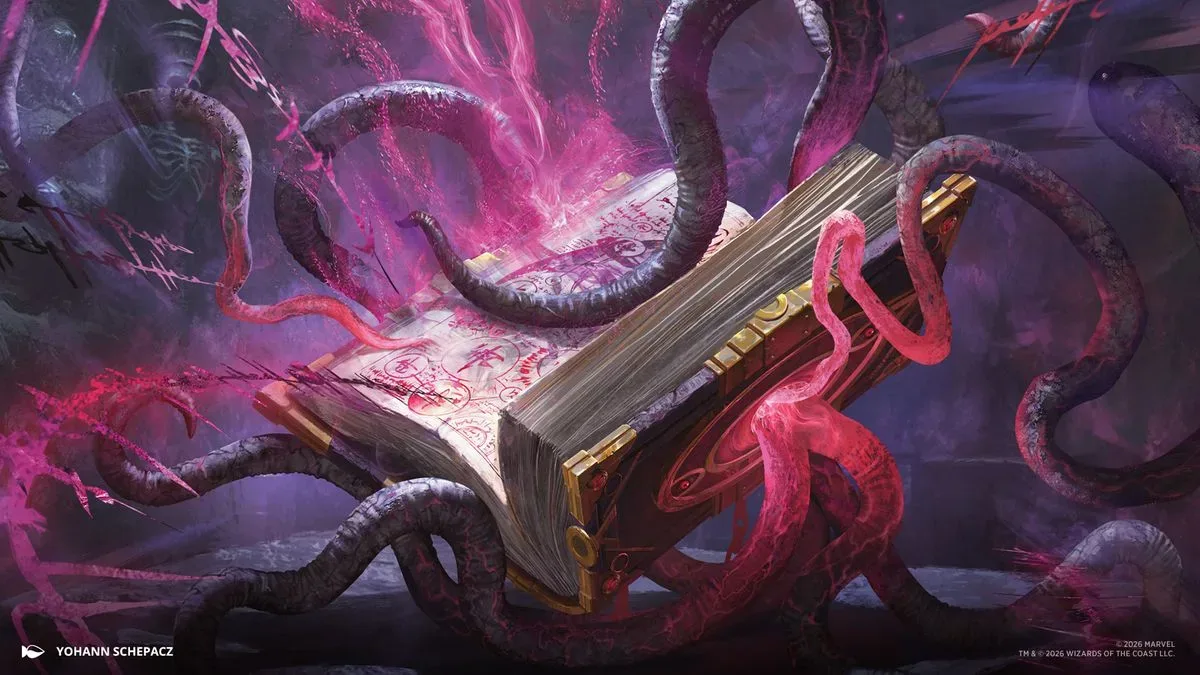
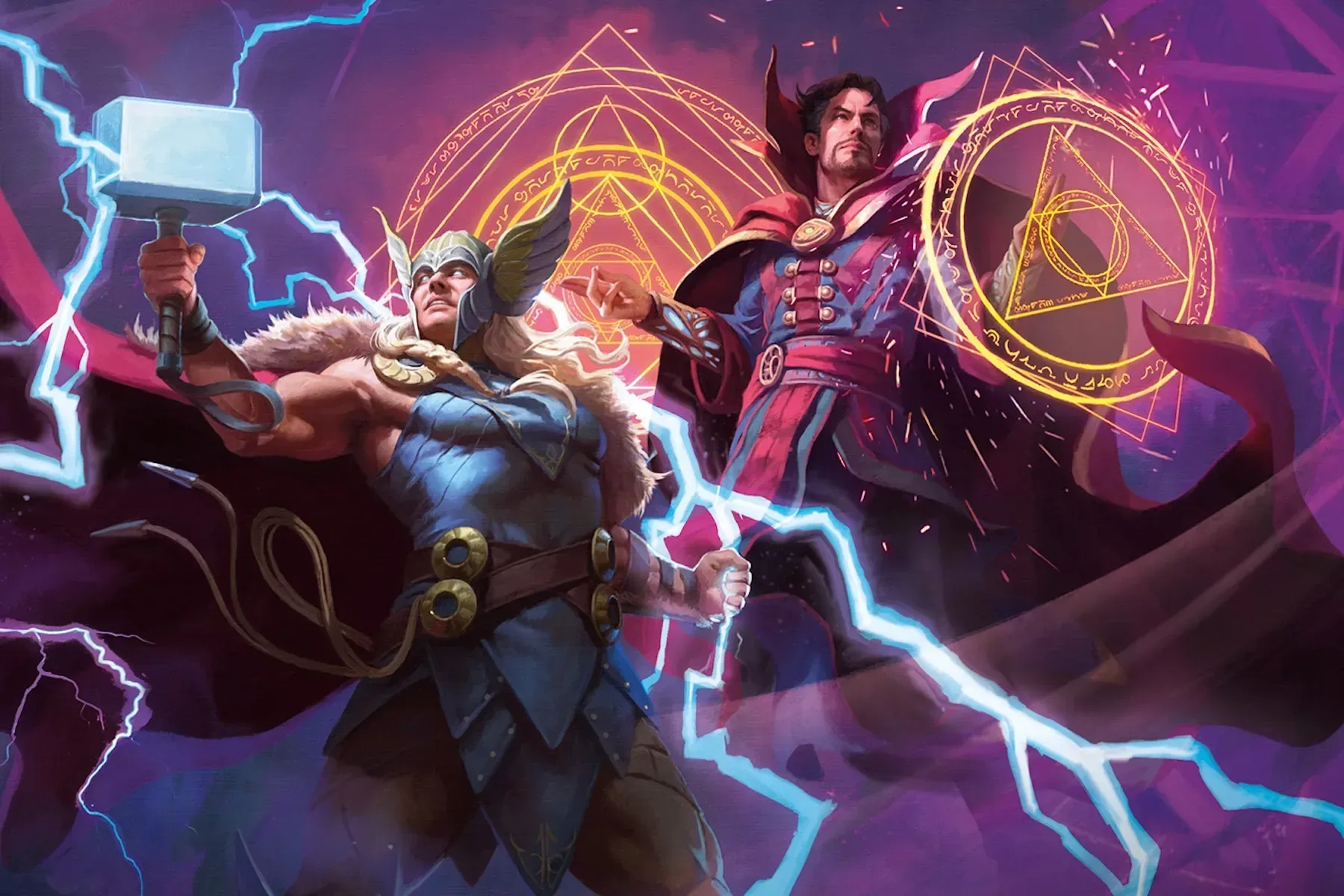
That thematic move is a natural fit for the Darkhold itself: Marvel’s infamous evil grimoire, or book of magical knowledge. The set’s setup points toward characters associated with mystical danger and monster hunting, including Doctor Strange, Blade and Scarlet Witch. Yet the premise is not limited to a single haunted location or a parade of gothic villains. Darkhold Destiny also promises a story that moves between dimensions, explores the Dark Dimension and brings players into contact with Marvel’s pantheon of gods.
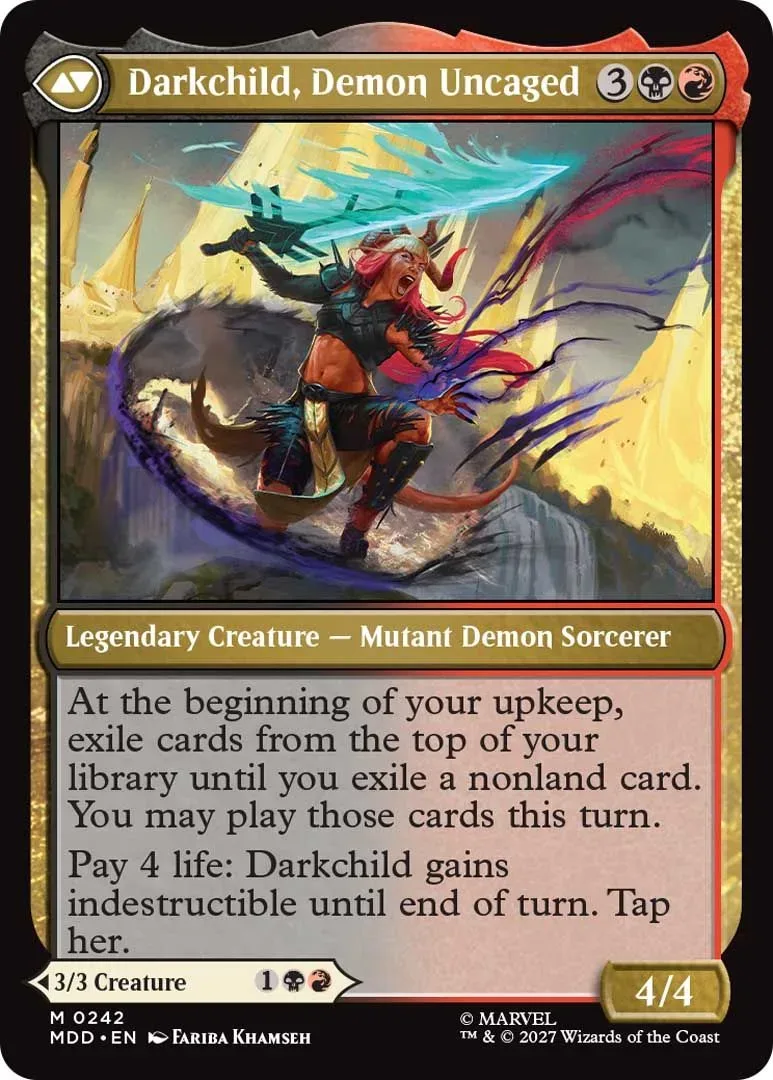
For a crossover line often built around recognizable characters and collectible treatments, the more consequential detail is that Darkhold Destiny is positioned as the first Marvel Magic release with an original story. A new character will be introduced in a comic planned for February, ahead of the set’s April release. Jackson Lanzing and Collin Kelly are writing that comic, while Magic’s narrative team developed the story specifically for the trading-card game.
That does not tell players what any individual card does, which characters will lead decks, or how the narrative will appear in game mechanics. Those details remain undisclosed. But it does establish a clearer creative ambition: Darkhold Destiny is meant to be a Marvel story made for Magic, rather than solely a selection of Marvel figures adapted into cards.
A horror-first Marvel set, with room for cosmic scale
The initial description makes the supernatural angle unmistakable. Vampires, witches and werewolves are not merely decorative references; they are the language being used to define the set’s tone. That gives Darkhold Destiny a focused identity at a glance, particularly beside the more conventional superhero framing attached to Spider-Man and the Avengers-adjacent Marvel Super Heroes release.
The Darkhold is an especially useful focal point because it can support several kinds of Marvel storytelling at once. It suggests corrupting magic, dangerous knowledge and occult threats, while the named heroes create space for sorcery, vampire hunting and moral conflict. Blade’s inclusion is an obvious signpost for the monster-hunting side of Marvel, while Doctor Strange and Scarlet Witch point toward the mystical side.
At the same time, the set’s dimension-hopping setup broadens the scope beyond a straightforward supernatural-horror story. The Dark Dimension is specifically named, as is an alliance with Marvel’s gods. In plain terms, “dimension-hopping” means the story is expected to move between distinct realms rather than stay in one setting. It is a framework that can connect magic, horror and godlike figures without requiring all of them to come from the same corner of Marvel continuity.
That combination could be the set’s strongest identity: local, tactile horror imagery on one side, and massive multiversal stakes on the other. The announced material supports that general direction, but it does not yet explain the actual plot, the identity of the new character, or which gods will be involved. Those are meaningful gaps, so the early concept should be read as a promise of tone and scale rather than a complete story outline.
Related coverage includes Magic: The Gathering Marvel Darkhold Destiny Brings Supernatural Horror to the Multiverse.
Why an original story matters here
Magic has long used story and setting as part of how its releases are understood, but a licensed crossover raises a different challenge. A recognizable character can make for an immediately appealing card; it does not automatically make the collection feel like a coherent world or event. An original narrative is one way to address that problem.
Darkhold Destiny’s creative structure is therefore worth watching. The comic introducing the new character is being written by Lanzing and Kelly, but the account of the set was made by Magic’s narrative team with the card game in mind. That distinction matters because it suggests the comic is not simply an unrelated tie-in with a card product attached. The stated intent is for the story to be tailored to the needs of the Magic release.
There is still no basis to assume how closely the comic, cards and eventual gameplay will connect. Players have not been given card text, mechanics or a breakdown of the products’ contents. But a narrative designed for the set could give the release connective tissue: a reason for its heroes, monsters, magic and gods to occupy the same conflict beyond the broad fact that they all belong to Marvel.
It also creates a practical entry point for people who know Marvel but have not followed Magic’s earlier crossover sets. A pre-release comic and a new protagonist can offer a beginning, rather than expecting audiences to arrive with a working knowledge of every existing character relationship. Whether it succeeds will depend on execution, but the approach is more deliberately story-led than the previous Marvel sets described so far.
Readers looking for the currently named figures and the broader set framing can find additional context in this overview of Darkhold Destiny’s announced Marvel roster.
The products confirmed so far
Darkhold Destiny is expected to receive a full product spread. Alongside regular boosters, Wizards of the Coast has identified Commander decks and Scene Boxes. Pre-orders are available through Amazon, TCGPlayer and other tabletop retailers.
For newcomers, a booster is a sealed pack of cards intended for opening and collecting, and often for building decks in limited formats when a product supports those play styles. The announcement does not specify the contents, rarity structure, special treatments or formats tied to Darkhold Destiny’s boosters, so collectors should avoid treating the existence of pre-orders as a confirmation of any particular chase card or design.
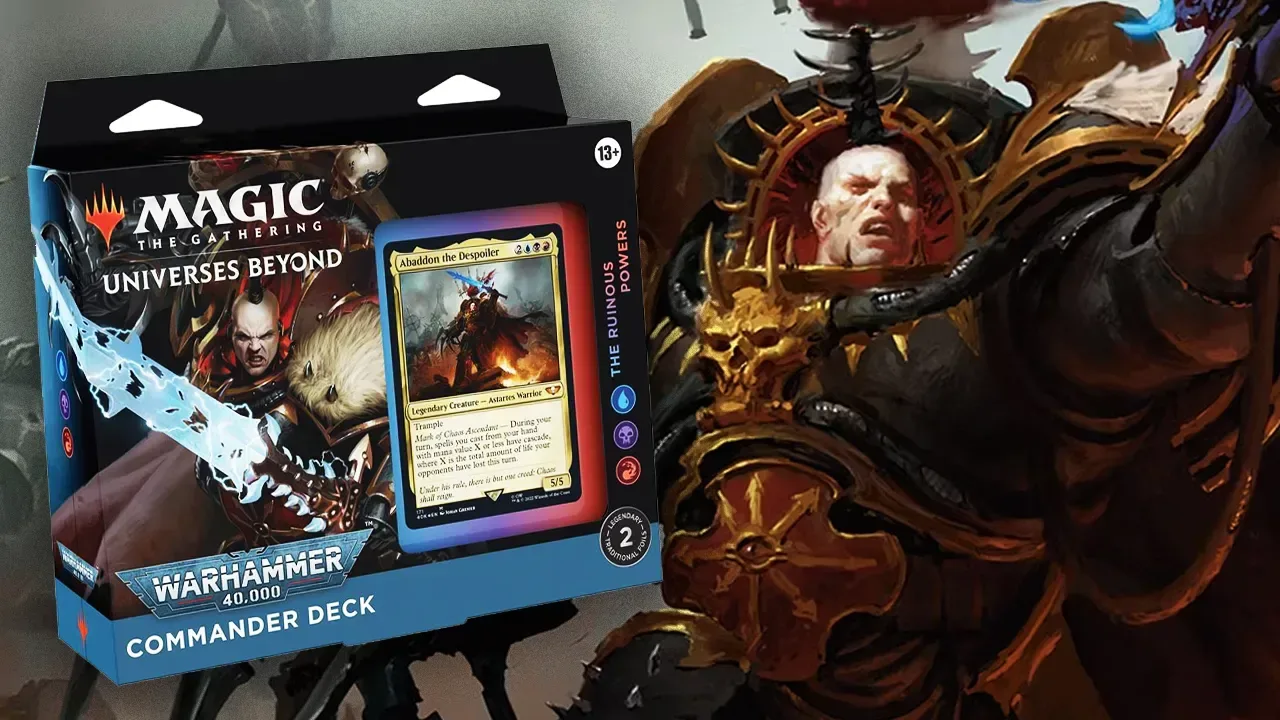
Commander is Magic’s multiplayer-focused format, and Commander decks are preconstructed decks made for that format. Their presence means Darkhold Destiny is planned to have products aimed at people who want a ready-made way to play rather than only individual booster cards. However, the announced information does not identify the decks’ commanders, colors, strategies or featured characters.
Scene Boxes are also listed, though no specific scenes, card counts or display details have been provided. At this stage, the useful takeaway is simply that the release will serve different audiences: players opening packs, Commander players seeking preconstructed decks, and collectors interested in a presentation-oriented product. The exact value proposition of each will have to wait for a fuller product reveal.
A crossover release arriving amid an ongoing debate
Darkhold Destiny will be the third Marvel Magic set mentioned in the current run. A Spider-Man release arrived previously, followed by Marvel Super Heroes. That pace has helped make Marvel a major part of Magic’s crossover strategy, but it has also sharpened an argument within the game’s community about Universes Beyond.
Universes Beyond is Magic’s label for crossover releases built around outside properties. These sets are popular, but some players are uneasy with their scale and frequency. One concern raised by critics is that crossover products could comprise half of annual releases, leaving less room for Magic’s own original settings and characters.
The disagreement became more visible in 2026 when Magic head designer Mark Rosewater said that fans who disliked Universes Beyond would need to adapt or walk away. That response did not resolve the underlying tension. For some players, the issue is not whether individual crossover cards are well made, but whether the ongoing balance of Magic’s release calendar still reflects the game’s original identity.
Darkhold Destiny will not settle that debate by itself. A supernatural Marvel set remains a licensed crossover, regardless of how much story work goes into it. Still, its original narrative gives it a potentially different answer to the frequent criticism that crossover releases can feel like quick, disconnected showcases of familiar intellectual property.
If the cards, comic and character introduction ultimately support one another, Darkhold Destiny could demonstrate that a crossover can be built as a distinct Magic event instead of functioning only as a collection of recognizable names. If they do not, the story-first pitch may simply make the scrutiny more intense. Either way, the set is likely to be judged on more than art, character selection and collectible appeal.
What has not been revealed
The April 9, 2027 release date, supernatural focus, original-story premise, comic creative team and broad product categories are all established. Much of the information that players and collectors usually use to plan purchases is not yet public.
- No card list has been announced.
- No gameplay mechanics have been detailed.
- No deck leaders or Commander deck strategies have been identified.
- No full explanation of the new character’s identity or role has been provided.
- No contents or specifications have been announced for boosters or Scene Boxes.
- No complete account of the gods, dimensions or story’s central conflict has been released.
That uncertainty is important. The current reveal is a thematic and narrative introduction, not a comprehensive card preview. For now, Darkhold Destiny’s clearest promise is its willingness to put Marvel’s monsters, mystics and divine forces in the same sprawling conflict—and to try telling a purpose-built Magic story while doing it.