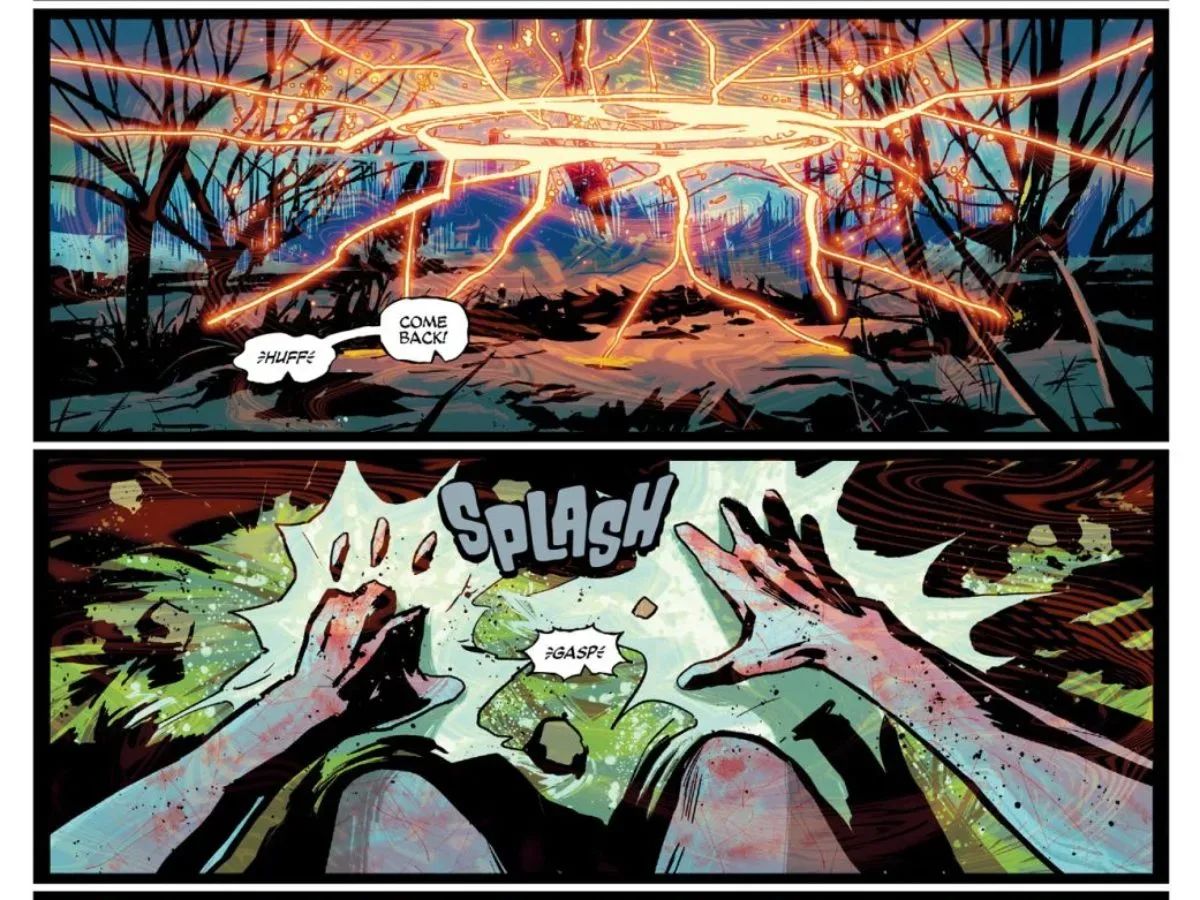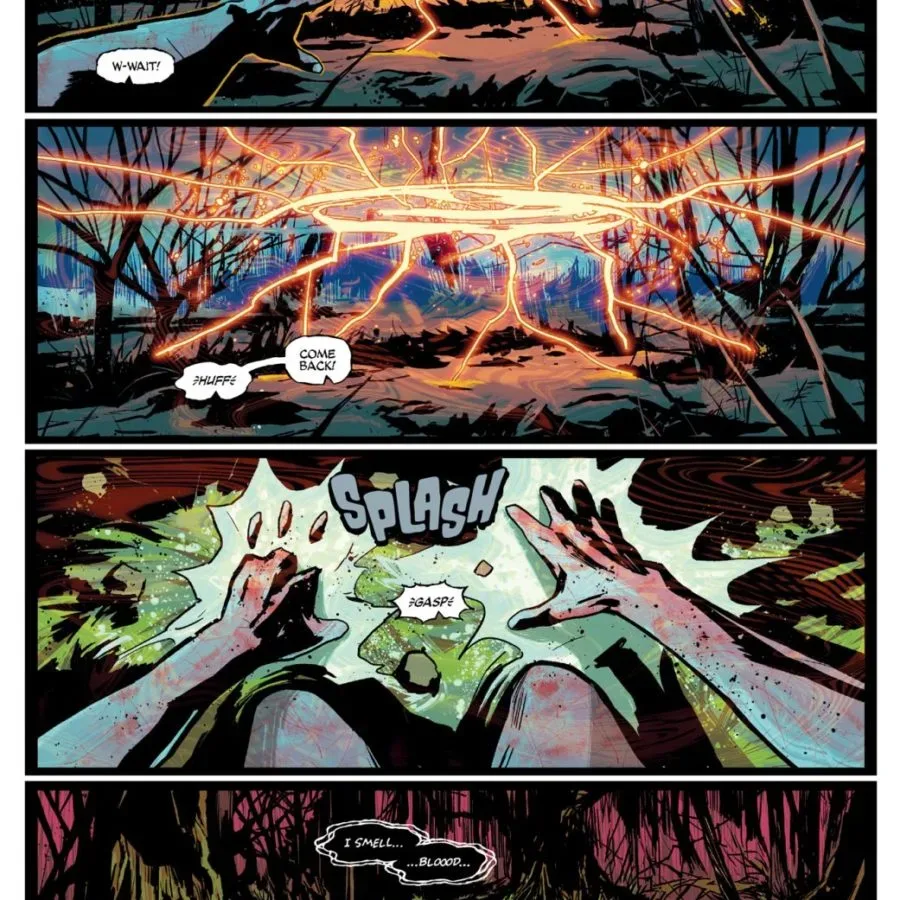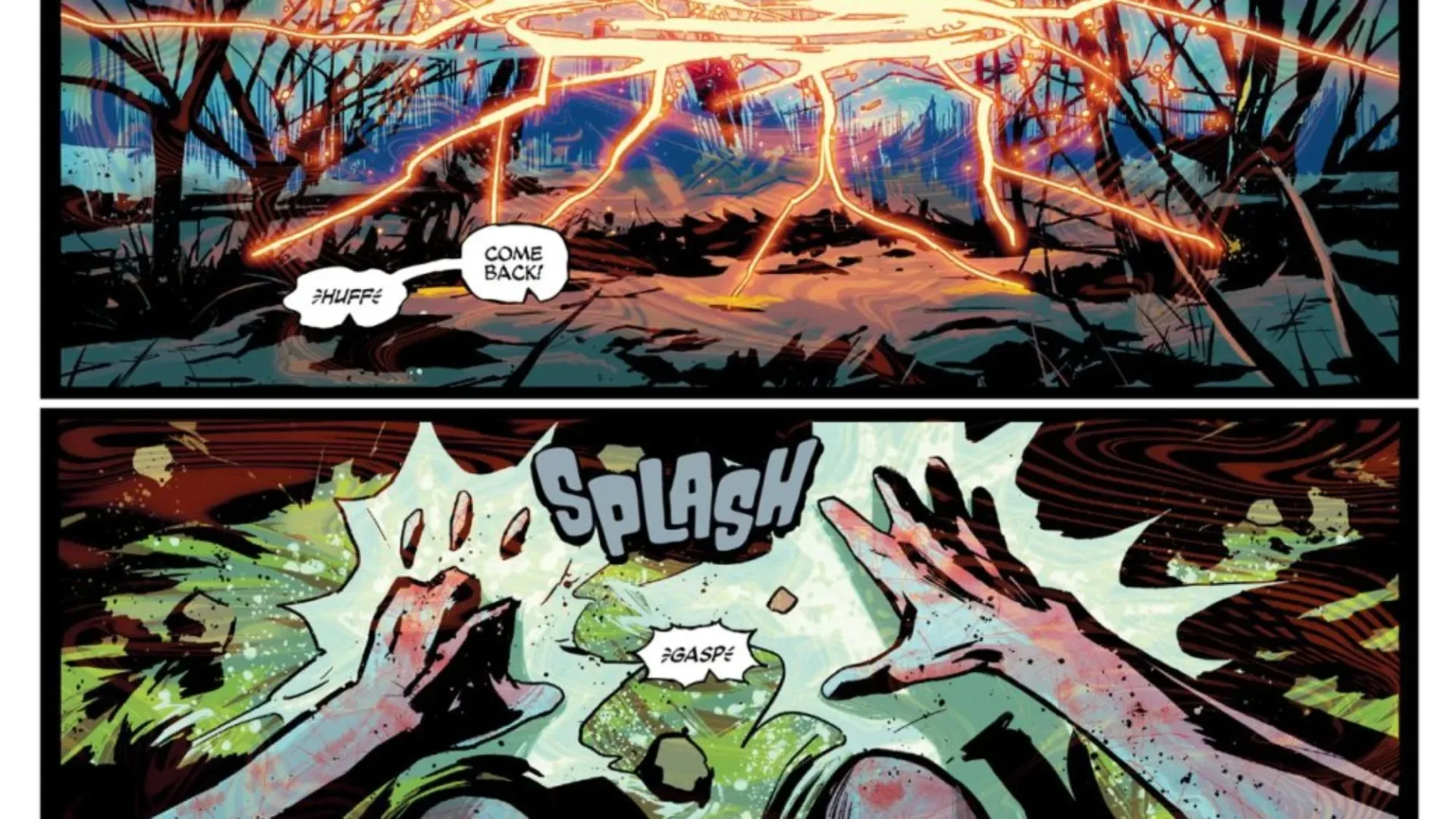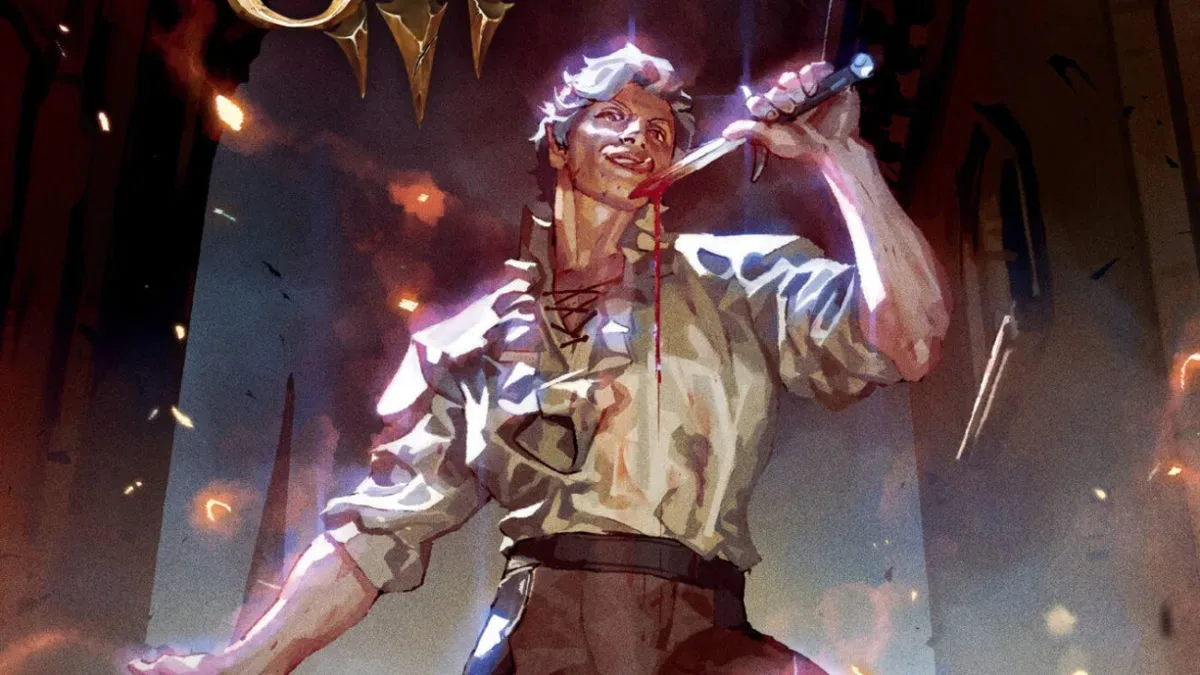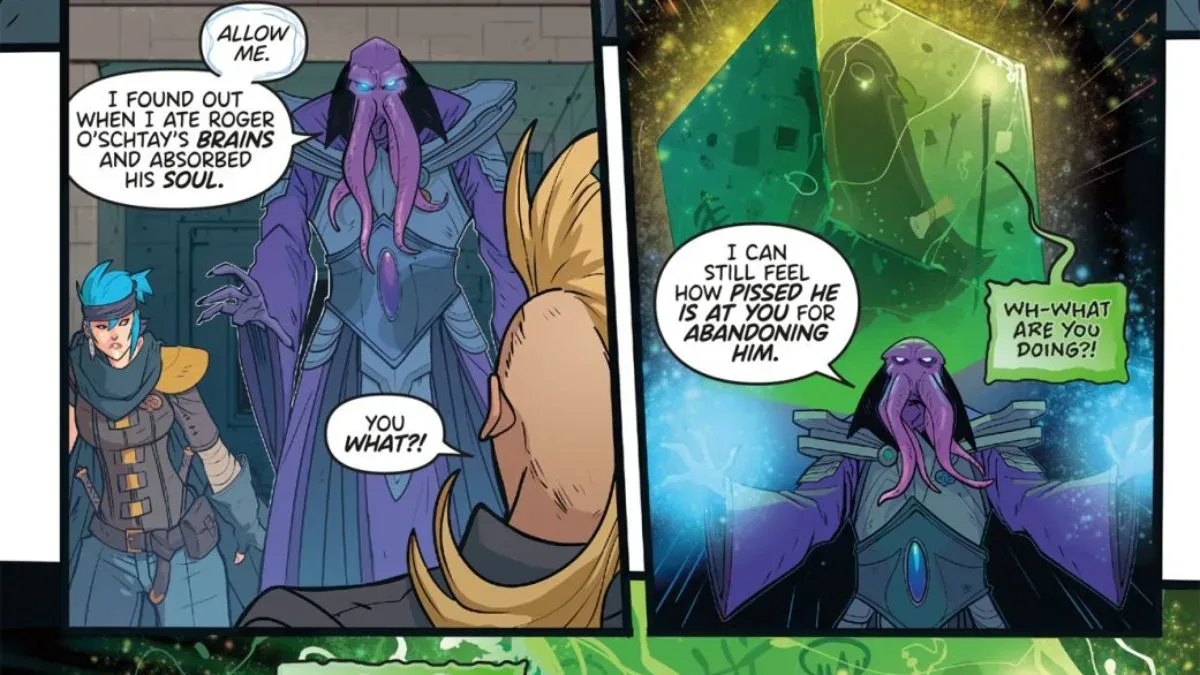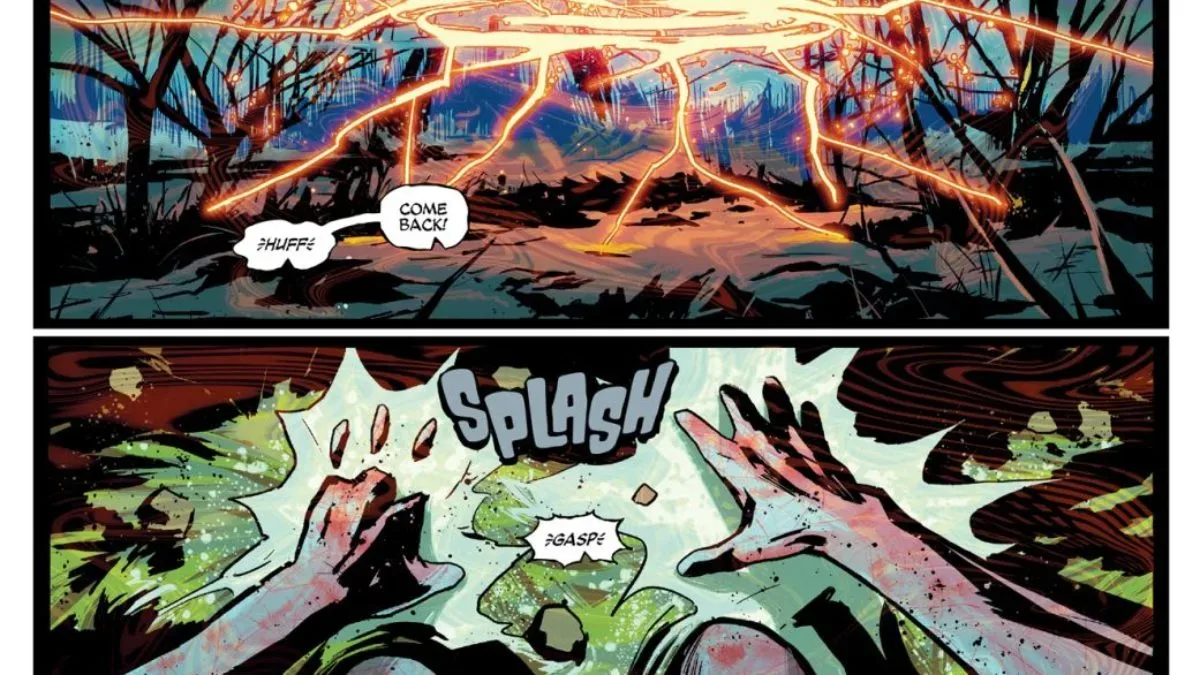
Dungeons & Dragons: Ravenloft #2 is scheduled to go on sale October 28, 2026, continuing a four-issue horror mystery set across D&D’s Domains of Dread. The 32-page Dark Horse Comics issue brings the action to Mordent’s misty moors, where the Weathermay-Foxgrove twins encounter an undead figure with no memory of their past—or, apparently, of why they have arrived.
The issue’s central question is bigger than the stranger’s identity. The official setup asks whether the amnesiac Reborn could help prevent Ravenloft from collapsing entirely. That puts a personal mystery and a setting-wide threat on the same path: identifying the newcomer may be necessary to understanding what is happening to the Domain.
An amnesiac at the center of a horror mystery
The second issue positions the unidentified Reborn as both someone in danger and a possible key to the larger crisis. The Weathermay-Foxgrove twins move to rescue the figure from Mordent’s horrifying inhabitants, using swordplay and magic against the threats they find there. The description also points toward Mordent’s spirits as potential holders of the answers the twins need.
“Reborn” is the term used for the undead amnesiac in the issue’s official description. No fuller explanation of the character’s origin, abilities, or former identity has been provided, so readers should treat the label as part of the mystery rather than a complete answer. That restraint is important in a story built around lost memory: the premise establishes what the character does not know without prematurely supplying the missing history.
The setup also gives the issue a clear horror structure. An isolated moor, an undead stranger, hostile local inhabitants and potentially informative spirits are all narrative pieces that can produce different kinds of uncertainty. The physical threat is immediate, while the supernatural evidence may be harder to interpret. The twins are not simply fighting to extract someone from danger; they are likely trying to decide who, or what, can be trusted amid a crisis whose scope reaches beyond Mordent.
What “Ravenloft’s collapse” means for the series
The solicitation frames Ravenloft as being at risk of total collapse. It does not explain the mechanism behind that danger, its timeline, or which parts of the setting are already affected. Still, the phrase establishes that this is not being presented as a self-contained monster encounter. The series is described as a genre-bending mystery spanning the Domains of Dread, and the second installment appears to move that broader plot forward through the events in Mordent.
In practical reading terms, the stakes create two parallel questions for issue #2:
- Who is the Reborn? The character’s amnesia makes their identity, history and connection to the moors unresolved.
- What is happening to Ravenloft? The potential collapse raises the possibility that the stranger’s arrival is connected to a threat affecting more than one location.
Those questions need not have the same answer. The unknown figure could be a witness, a victim, a catalyst, or something more directly tied to the danger facing Ravenloft. The issue description deliberately leaves that uncertain. What it confirms is that the twins’ intervention places them at the intersection of both mysteries.
That approach fits the advertised blend of sword-and-sorcery action and Gothic-leaning horror. The rescue provides momentum, while the missing memories and spirit-world clues support investigation. Rather than promising a straightforward battle comic, the series is being positioned around discovery: each encounter can reveal information while also increasing the danger.
Mordent supplies the immediate setting
Mordent is the named location for this chapter, described through its misty moors and supernatural inhabitants. The setting details are concise, but purposeful. A moor is open terrain rather than a sealed dungeon corridor, which makes the mist especially significant as an atmosphere-building element: it obscures surroundings, isolates characters and limits certainty about what lies ahead. Paired with an undead stranger who has no reliable recollection of events, the environment reinforces the story’s emphasis on incomplete information.
The spirits of Mordent are another notable part of the premise. Their role is not defined as friendly, hostile, or neutral. They may have answers, but possessing knowledge and freely providing it are very different things in a horror mystery. The solicitation’s wording leaves room for revelations that are partial, costly, or difficult to understand.
For readers following serialized comics, that distinction matters. An issue advertised around a rescue could resolve the immediate danger while withholding the truth behind the Reborn. Likewise, a conversation with the spirits might clarify the wider collapse without fully identifying the stranger. The available information supports expectation of clues, not a guarantee of complete resolution in the second chapter.
Creative team, covers and release details
Amy Chu and Ariela Kristantina are credited on Dungeons & Dragons: Ravenloft #2, with a main cover by Guillem March. A Cover B variant by Riley Rossmo is also listed.
- On sale: October 28, 2026
- Publisher: Dark Horse Comics
- Format: 32 pages
- Rating: T
- U.S. price: $4.99
- Cover B price: $4.99 U.S. / $6.99 Canada
- Series length: Four issues
The main edition is identified by the code 76156801608600211. The Riley Rossmo Cover B is identified by 76156801608600221. These identifiers can be useful for readers who want to distinguish the standard edition from the variant when asking a comic retailer about availability.
Who this issue appears to be for
The series is explicitly being recommended to readers interested in Hellboy, Universal Monsters and DIE: Loaded. Those comparisons communicate tone more than plot: supernatural horror, monsters, occult-flavored mystery and fantasy conflict are the common ground suggested by the promotional material. They should not be read as confirmation that this comic shares story continuity, characters, or specific narrative devices with those works.
For D&D readers, the strongest draw is the return to Ravenloft and the Domains of Dread. For comic readers without a tabletop background, issue #2’s hook is accessible on its face: two protagonists attempt to save an undead amnesiac while a larger supernatural world seems to be failing. The available details do not establish how much knowledge of the first issue is required, but the four-issue format indicates this is a serialized narrative rather than an anthology of unrelated horror stories.
It is also a reminder that a recognizable game setting can support stories that are not about a game session or a rules explanation. Nothing in the provided details promises game mechanics, character sheets, or campaign material. Instead, the creative focus is on a comic-book mystery using a horror-fantasy setting, a pair of rescuers, and a vulnerable unknown whose past may reshape the conflict.
Why the small-scale rescue matters to the larger premise
The most effective part of the premise is its contrast in scale. On one level, the heroes have a tangible problem: get the Reborn away from the inhabitants threatening them on Mordent’s moors. On another, the series raises the possibility that Ravenloft itself is approaching collapse. A four-issue structure benefits from that arrangement because each chapter can alternate between immediate survival and broader revelations.
Issue #2 is therefore set up as more than a bridge between an opening installment and later answers. Its stranger is the story’s living—or undead—evidence that the wider disturbance has reached Mordent. The Weathermay-Foxgrove twins’ decision to intervene gives the mystery a human center: before they can determine how to save a Domain, they must protect someone unable to explain why they matter.
As games and comics compete for attention in crowded genre spaces, the question of whether distinctive work gets seen remains relevant well beyond Ravenloft; recent discussion of a potential AI-driven flood of games similarly focuses on discoverability. For this comic, the pitch is suitably direct: a recognizable horror setting, a contained four-issue run, an undead amnesia mystery, and stakes that promise to expand from the moors of Mordent to the Domains of Dread at large.