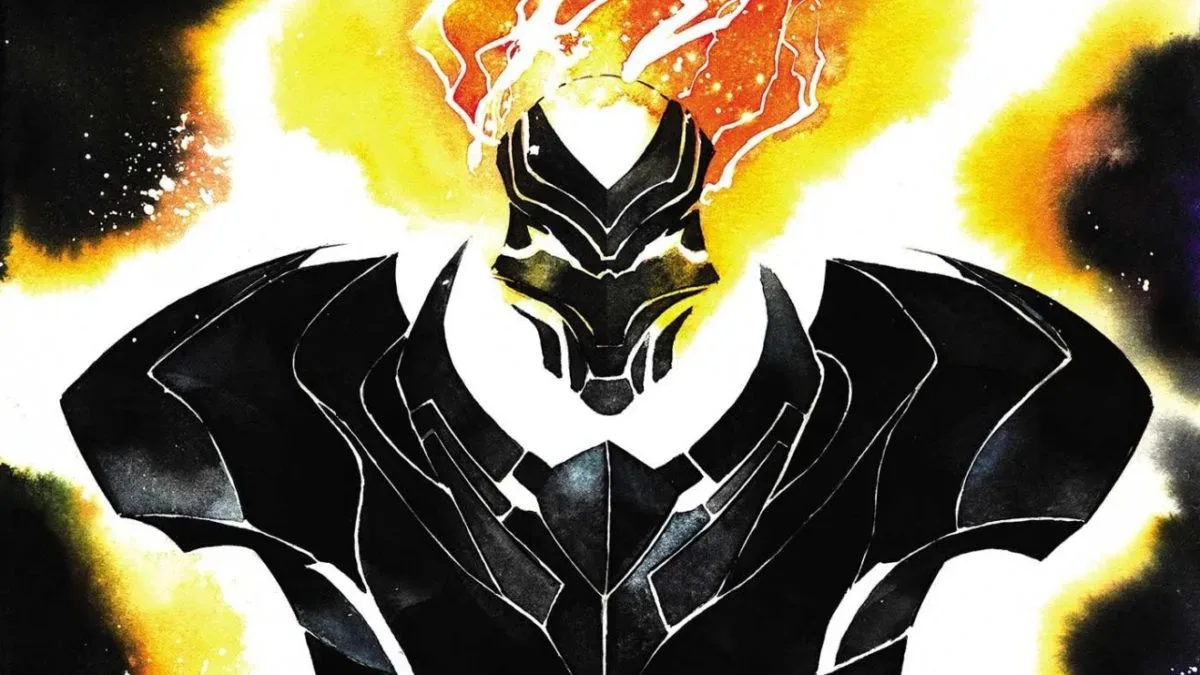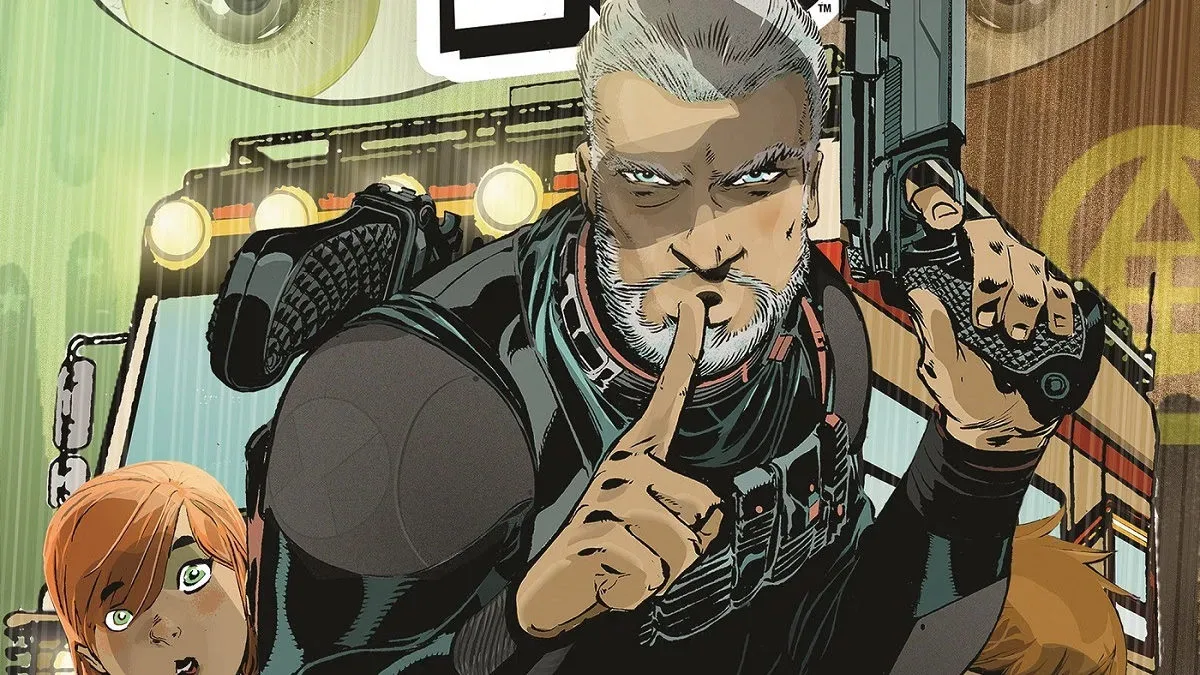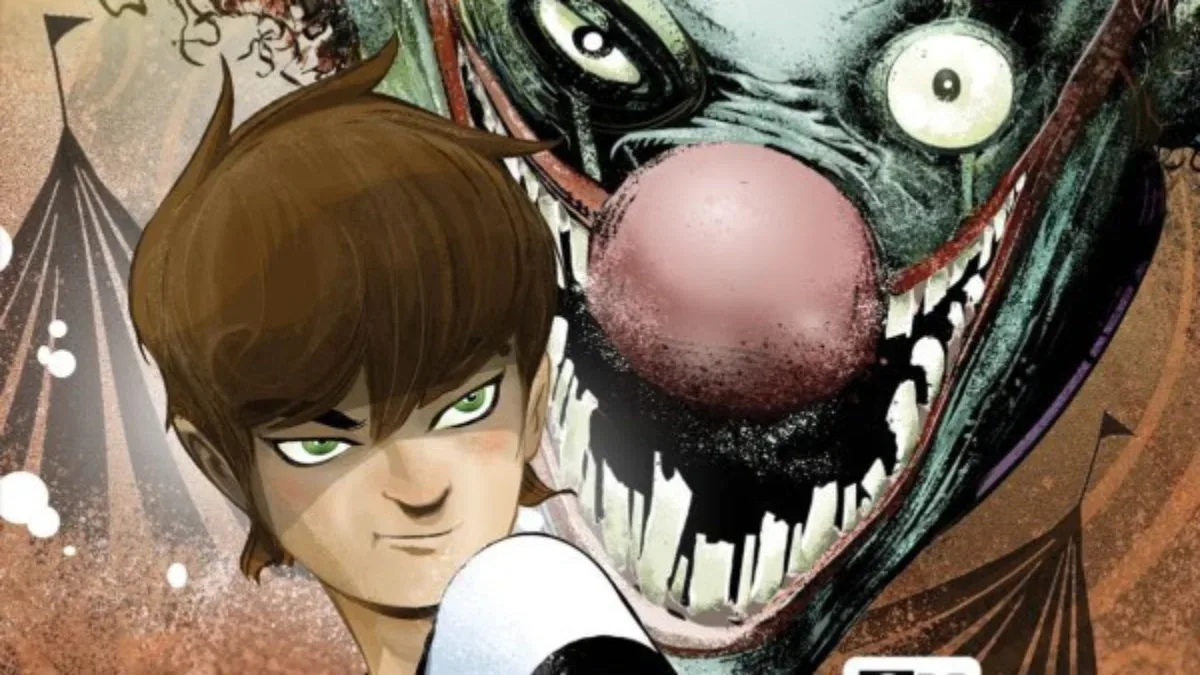
Ben 10 #9 is planned for February 2027 from Dynamite, and it will hand a singular creative assignment to one of the franchise’s original architects. Man of Action co-founder Duncan Rouleau is credited as both writer and interior artist on the issue, which places recurring antagonist Vilgax at its center.
The setup makes #9 distinct within the current comic run. Rouleau has provided covers across the relaunch, but this issue marks his first return to drawing interior comic pages in nearly a decade. More importantly, the assignment is not merely a cover spotlight or a guest contribution: Rouleau is handling both the script and the primary sequential art for a chapter built around Vilgax’s violent pursuit of blood, battle and conquest.
For a character-driven franchise such as Ben 10, that is a meaningful creative combination. Writing establishes the events, dialogue and character priorities; interior art is the visual storytelling that determines what readers see panel by panel, including the pacing of action, expressions, locations and page turns. When one creator performs both jobs, the issue can potentially have a more direct connection between its narrative intent and visual execution. That does not guarantee a particular result on the page, but it gives Rouleau unusual authorial control over this installment.
A villain chapter with an original creator at the helm
Vilgax has been positioned as the focal point rather than simply an obstacle for Ben to overcome. The available description frames the chapter around conflict and conquest, signaling a story interested in the antagonist’s agenda and momentum. A villain-focused comic can mean several things: it may follow that character’s actions directly, explain the stakes driving a threat, or use the antagonist as the lens through which the issue’s conflict is developed. Specific plot details have not been provided, so readers should not assume a particular setting, opponent, transformation or outcome.
What is clear is that the issue is designed as a spotlight. That matters because an antagonist-centered structure can alter an ongoing series’ rhythm. Rather than beginning from the hero’s immediate problem, the comic can build tension by showing the threat gathering force. It can also make the villain’s goal more legible before the protagonist is placed in direct opposition to it. In a franchise whose premise frequently balances personality, action and larger-scale alien danger, concentrating on Vilgax creates room for a more confrontational issue without requiring the broader run to permanently change course.
Rouleau’s role carries extra weight because he is a Man of Action co-founder and an original Ben 10 creator. The assignment therefore joins a foundational creative voice with a prominent franchise villain. It is not a claim that the issue will revisit any specific earlier story or continuity point; no such connection has been detailed. Instead, the significance lies in the personnel: an original creator is both writing and drawing a self-contained-looking chapter within the relaunch’s rotating team structure.
How the relaunch has shared writing duties
The Dynamite series has been distributing scripting responsibilities among members of the Man of Action team. Joe Casey wrote issues #1 through #3, then returned for #6 through #8. Steven T. Seagle wrote issues #4 and #5, identified as the Zombozo arc. Joe Kelly is also due to write issues later in the series.
That rotating approach makes issue #9 feel deliberate rather than incidental. Different writers can offer different emphases while operating within the same property: one stretch may work as an arc, another may spotlight a particular character, and future issues may shift the voice again. Rouleau’s issue adds another variation by pairing his script with his own interiors, rather than separating those responsibilities.
For readers following the series issue by issue, the practical takeaway is simple: #9 is a natural point to expect a distinct visual identity as well as a change in narrative lead. It may be especially appealing to readers interested in creator-driven installments, Vilgax stories, or the craft of comics in which the writer and artist are the same person. Newer readers should still keep expectations measured until fuller story and format details are available. The announced credits establish the creative premise, but they do not establish whether the issue is fully standalone, how much prior knowledge it will require, or what role Ben will play in the finished plot.
The supporting creative credits
Although Rouleau is writing and drawing the central material, the issue also includes a two-page contribution scripted by Joe Casey and illustrated by Cormac Hughes. Two pages is a small portion of a standard comic’s storytelling space, yet such a segment can serve many possible functions: a brief backup, a framing scene, a tonal counterpoint or a short supplementary sequence. No purpose for the pages has been specified, so it would be premature to label them as any one of those things.
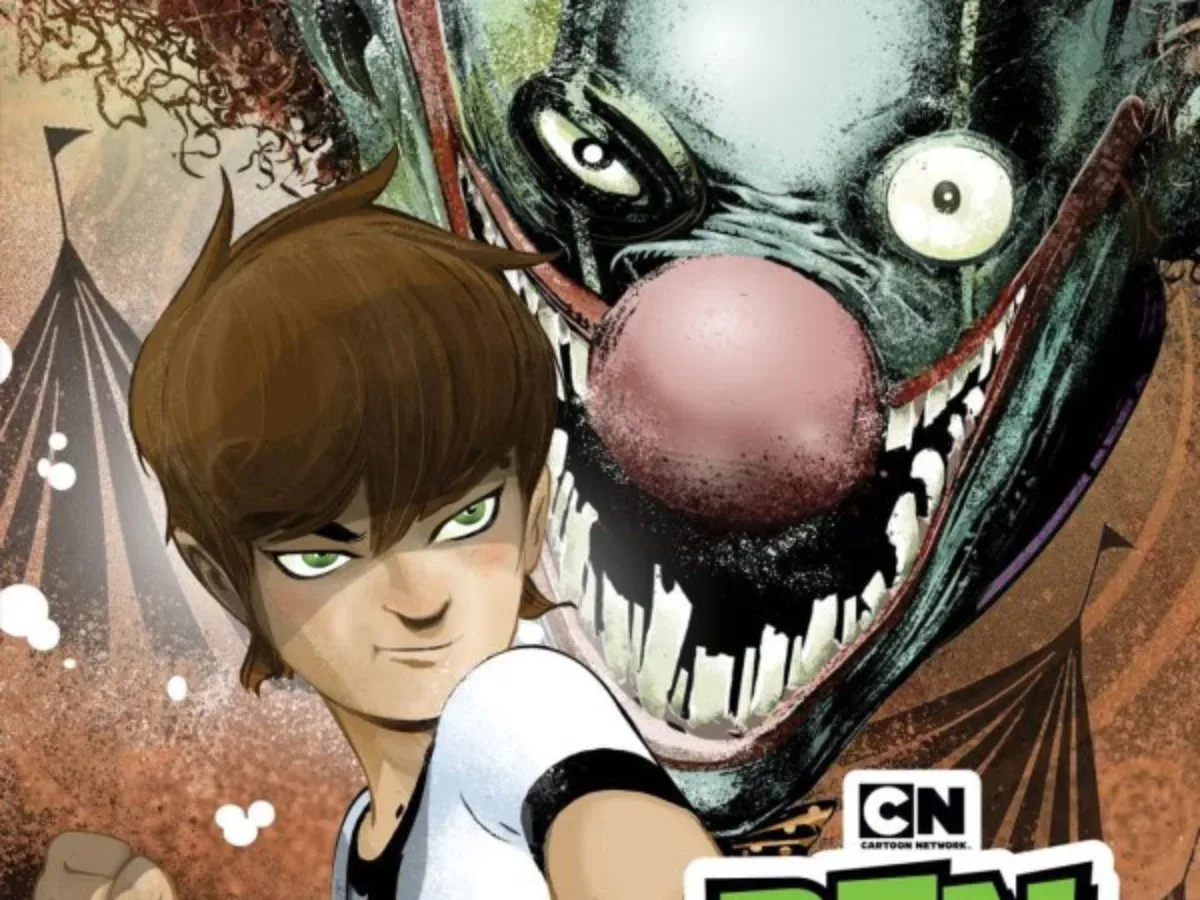
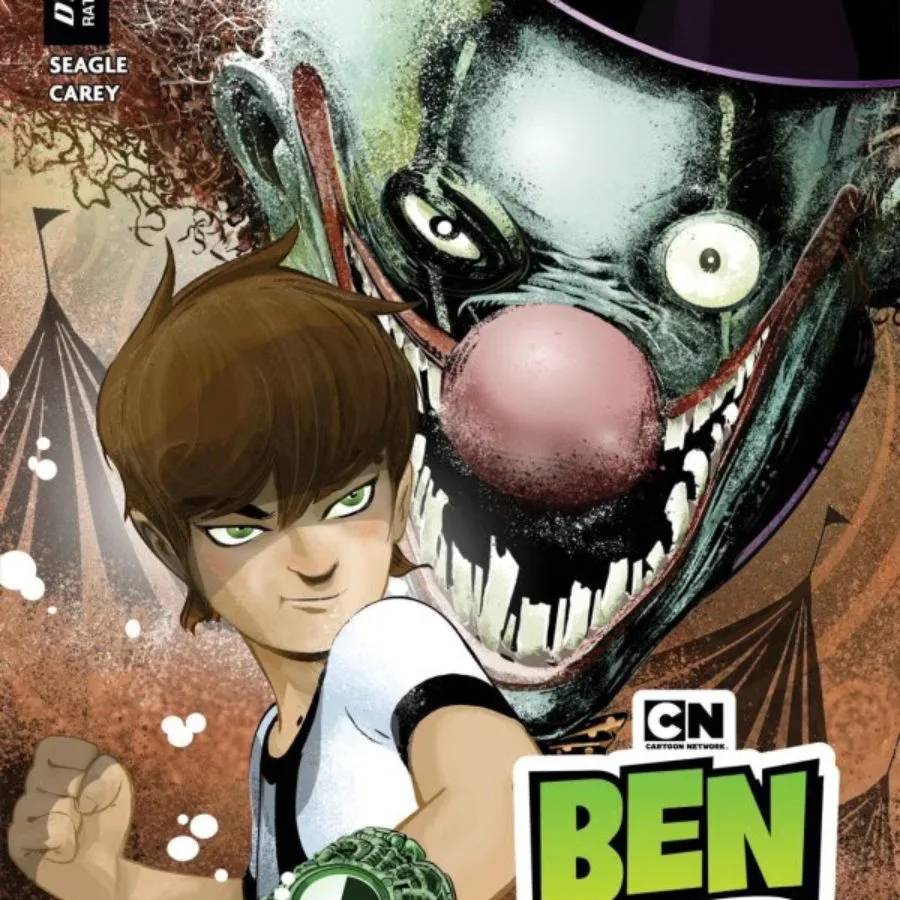
The cover lineup includes Rouleau, Robert Carey and Dustin Nguyen, among others. Variant covers are separate pieces of cover art offered for the same comic issue, often giving buyers choices in style or composition without changing the principal interior story. The supplied information confirms multiple artists are involved on covers, but does not list every cover, identify their final configurations, or establish any purchasing details. Readers primarily interested in the story should distinguish interior credits from cover credits; collectors choosing among editions should wait for the complete cover and ordering information.
The broad cover bench also fits the issue’s dual appeal. Rouleau’s involvement is the headline creative hook, while Vilgax offers a visually clear center for promotional art. Carey and Nguyen’s participation means the release will not be represented by a single artistic interpretation at the cover level. Until images and a full solicitation are available, however, it is best not to infer designs, costumes, scenes or variant ratios.
Why Rouleau drawing interiors is the key detail
Comic-book credits are sometimes discussed as though “artist” is a single, interchangeable label. In practice, interiors and covers serve different jobs. A cover must make an immediate impression and communicate identity at a glance. Interior pages have to carry the actual sequence: readers need to understand movement, spatial relationships, reaction, timing and the transition from one moment to the next.
Rouleau’s cover work across the entire relaunch means his visual contribution has already been part of the series’ public face. His move to interiors for #9 changes the nature of that contribution. The art will not only introduce an issue; it will be responsible for sustaining its story. Given that the story itself is Vilgax-focused, the issue is positioned to be a concentrated expression of Rouleau’s approach rather than an isolated image attached to someone else’s pages.
That combination is also why “full creative control” is a useful shorthand with limits. Rouleau is credited for writing and drawing the main issue, which is substantial control over its story and visual storytelling. Yet comics remain collaborative productions, and the announced material also names Casey, Hughes and several cover artists. The accurate point is not that nobody else contributes, but that Rouleau occupies both core creative roles for the principal Vilgax chapter.
What has and has not been announced
The confirmed details are the February 2027 window, Dynamite as publisher, Rouleau’s writing and interior-art duties, Vilgax’s central role, Casey and Hughes’ two-page material, and covers by Rouleau, Carey, Nguyen and others. The series’ prior writing distribution has also been outlined, including Casey’s issues #1–3 and #6–8, Seagle’s #4–5 Zombozo arc, and the prospect of later Joe Kelly issues.
Many reader questions remain open. There are no supplied plot specifics beyond the villain emphasis and themes of battle and conquest. There is no stated page count, full variant list, release-day detail, creative breakdown beyond the named credits, or confirmation of how #9 connects to the issues before and after it. Those omissions do not lessen the interest of the announcement; they simply define its scope.
Ben 10 has long been a property whose creators and changing interpretations invite attention across comics and animation. Readers interested in another comic-book adaptation story can also see the announced voice cast for DCU’s animated Mister Miracle.
For Ben 10 #9, the central promise is more specific: an original creator returning to interior art for a villain-led chapter, with Vilgax placed squarely in the spotlight. The issue’s eventual impact will depend on the finished pages, but its creative identity is already unusually clear.