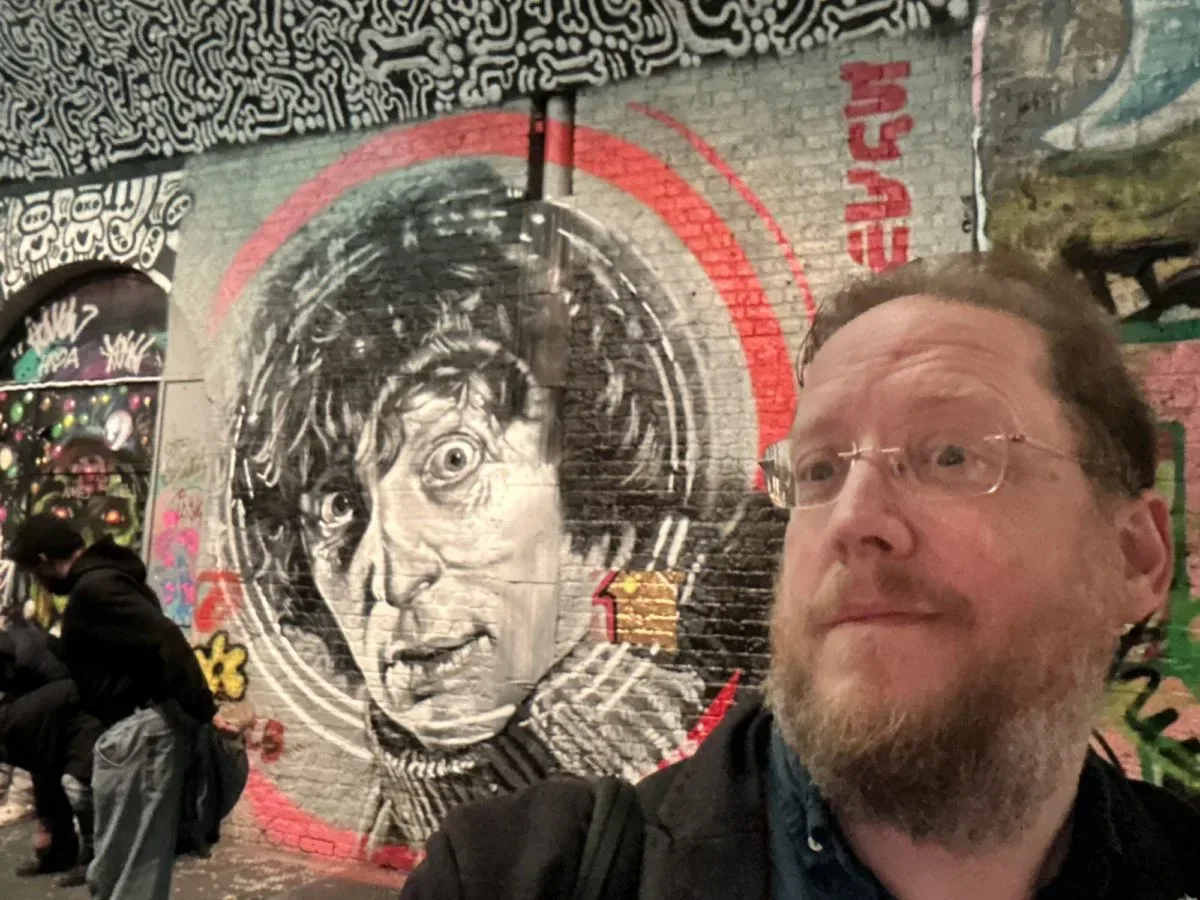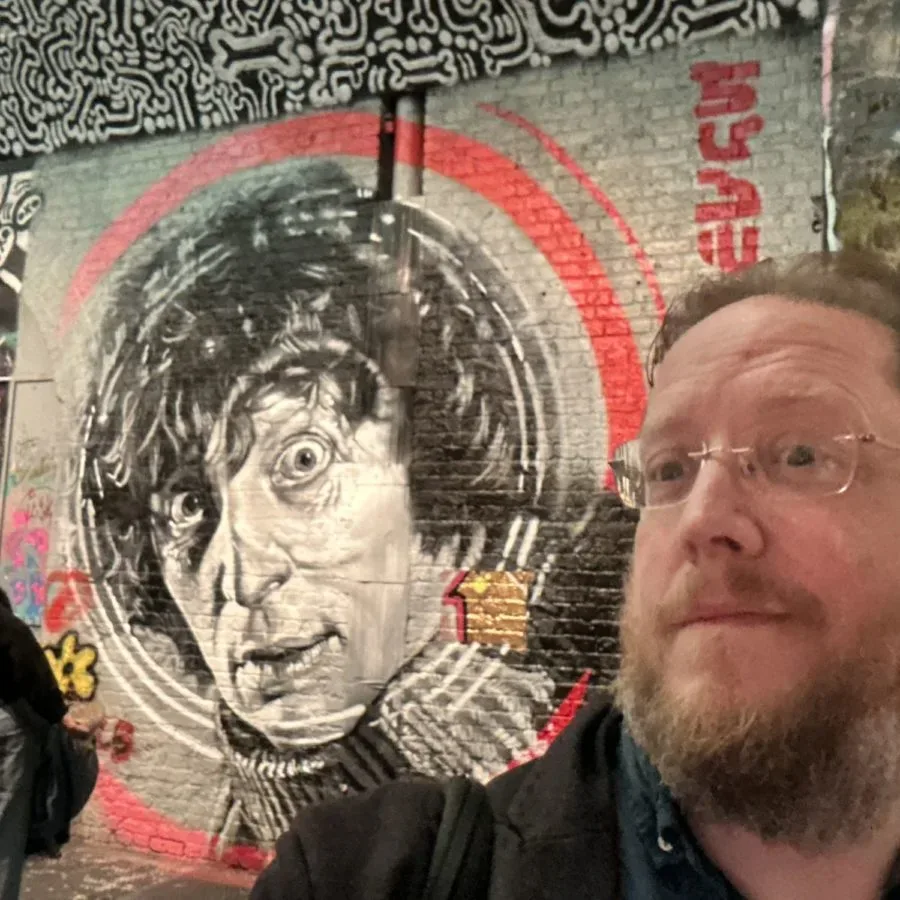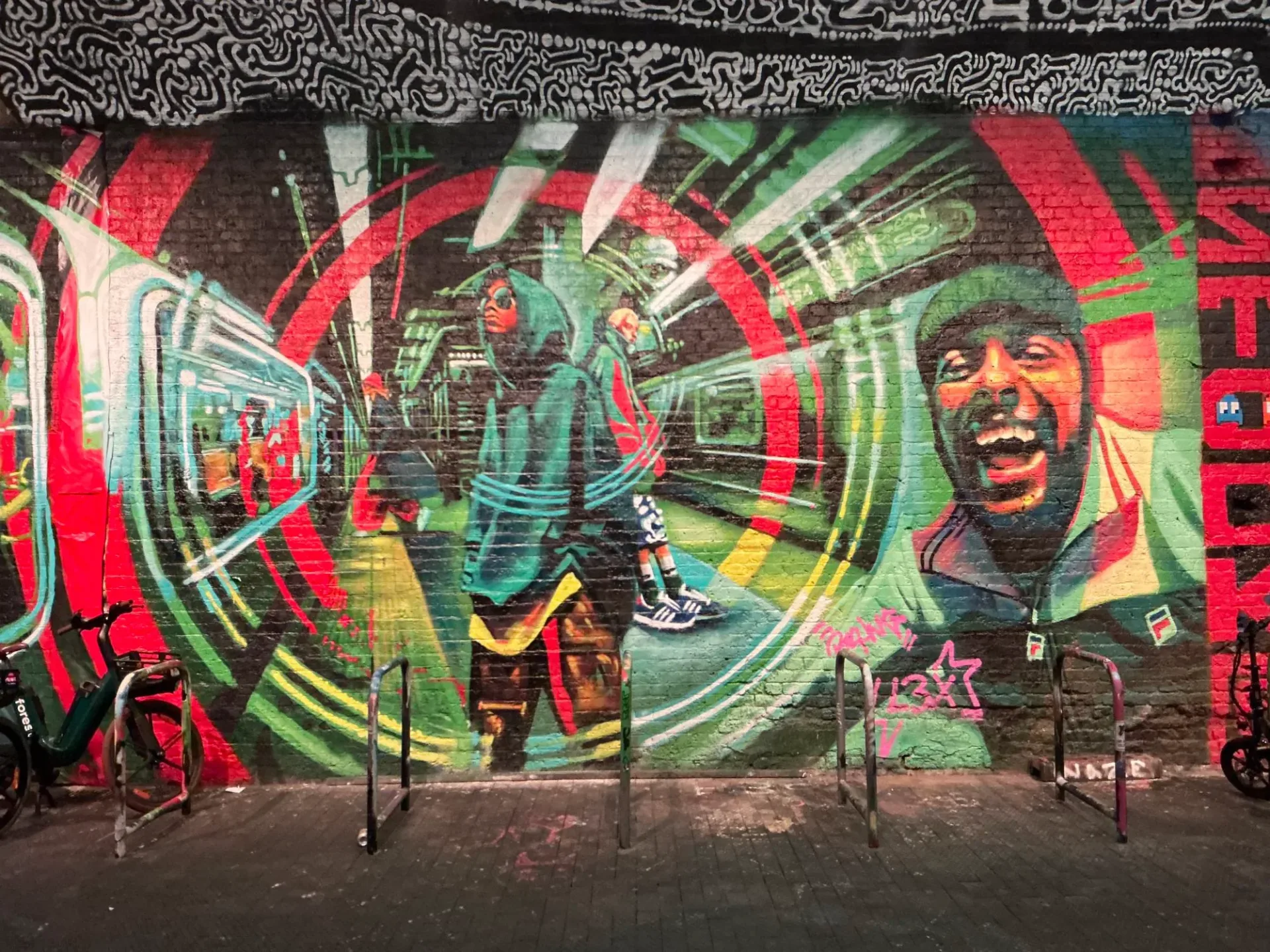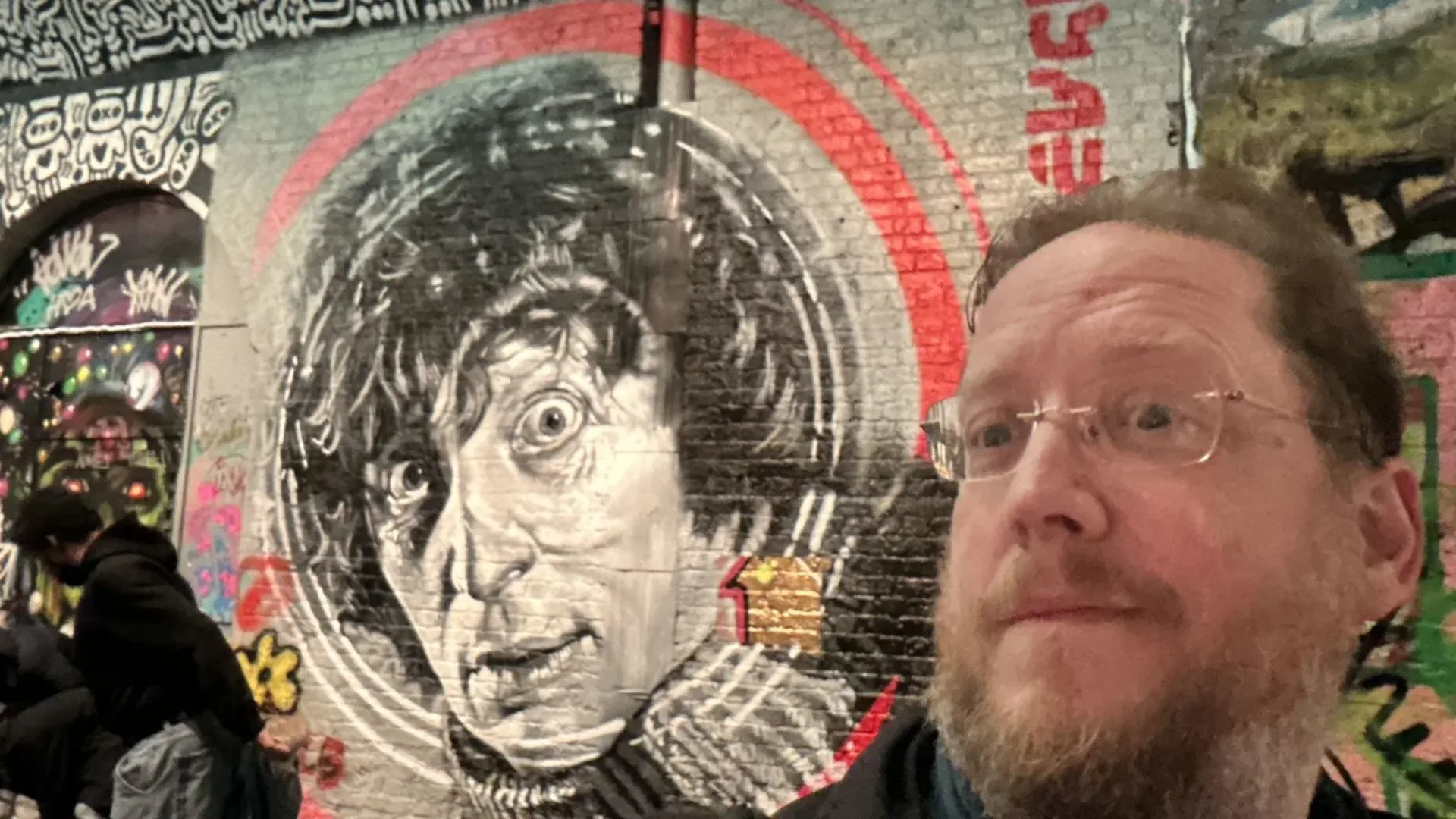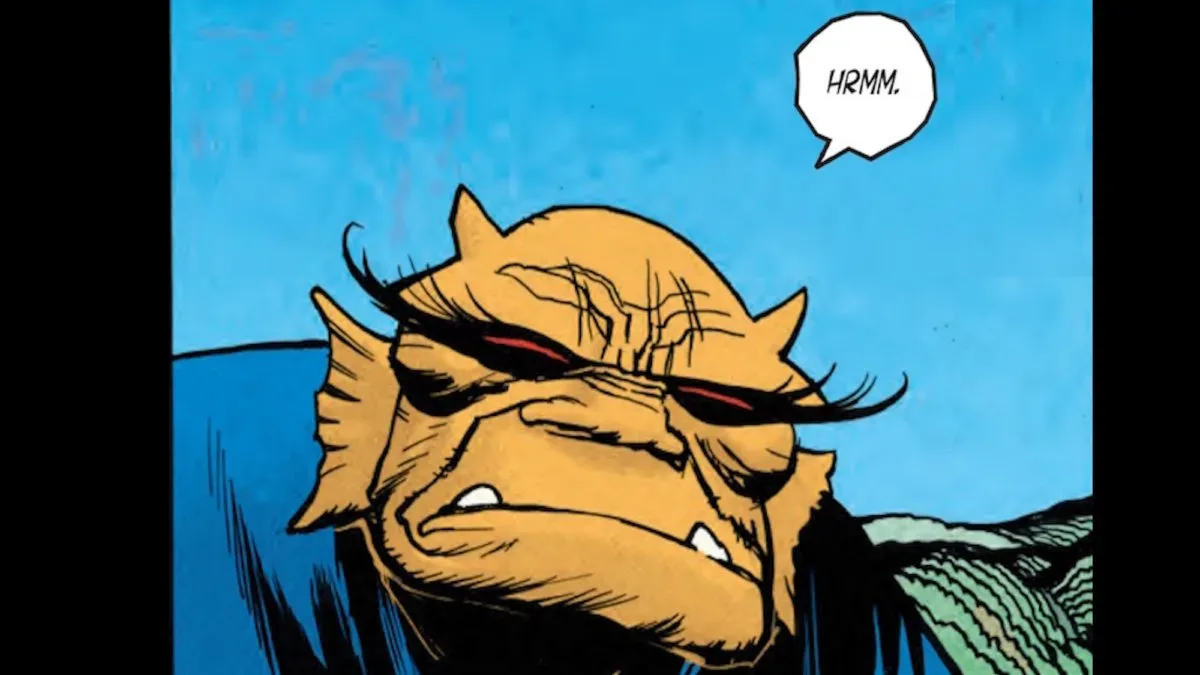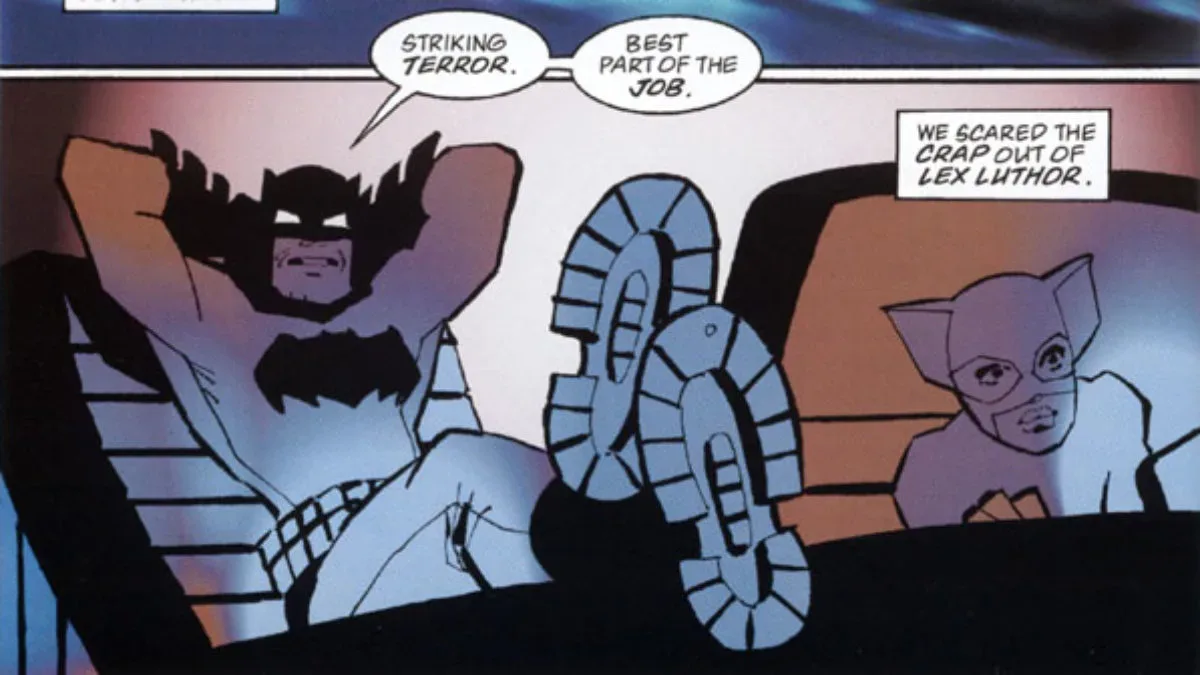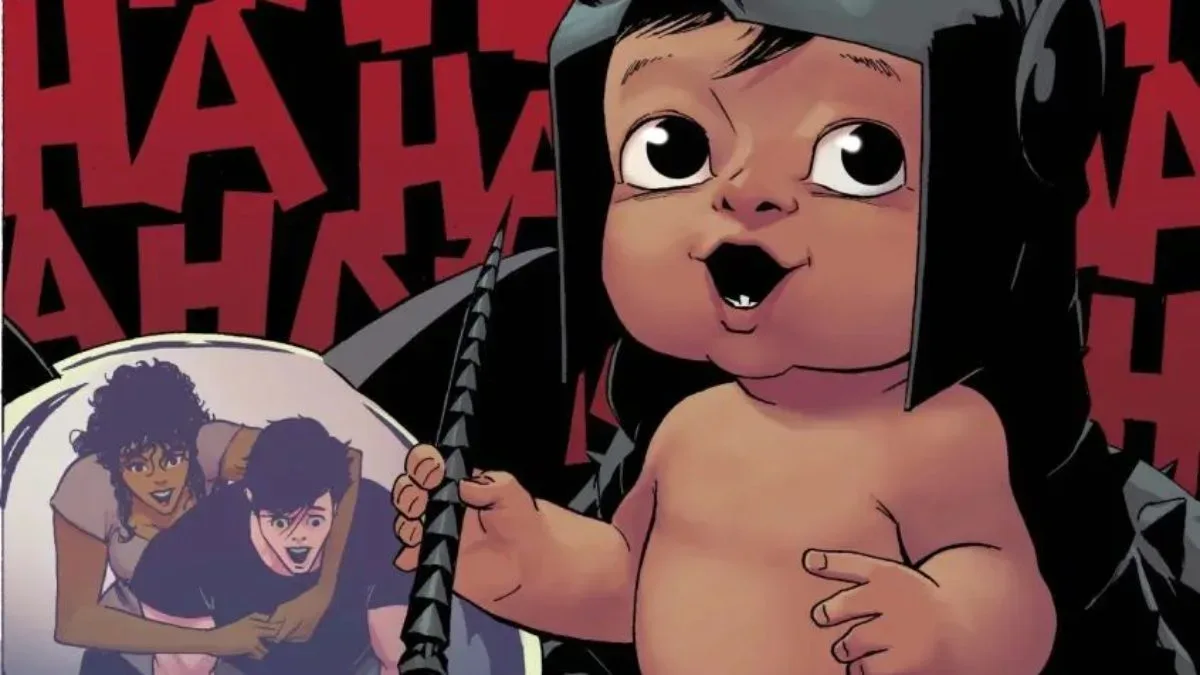
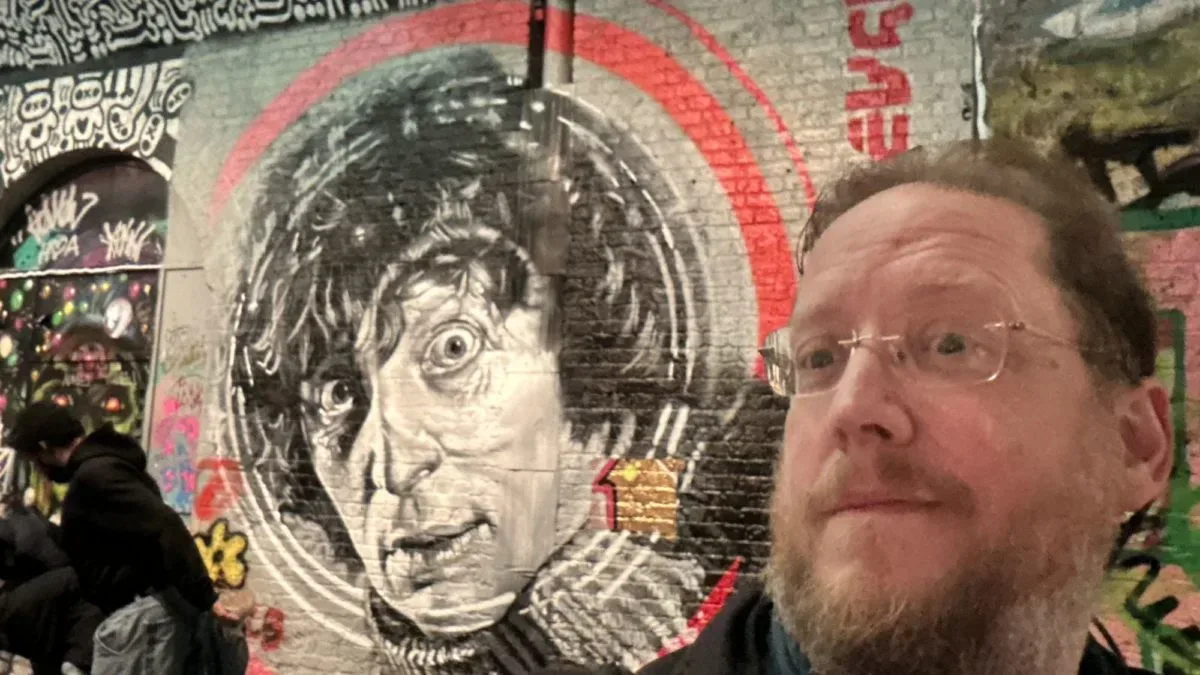
London’s Leake Street Tunnel has once again turned into an unusually direct meeting point for comics, television and street art. Recent work in the 300-metre passage beneath Waterloo Station has included imagery associated with Tom Baker’s Doctor Who, Spawn, Batman, the Grinch and Monopoly Man.
The important caveat is also the thing that makes Leake Street distinct: none of it should be treated as a permanent exhibition. This is an authorised graffiti space built around change. A character piece can be visible one day and be covered, altered or replaced soon after. In that sense, spotting a familiar pop-culture face on the tunnel’s brick walls is less like visiting a museum display and more like catching a brief live version of fan art in public space.
A legal wall designed to keep moving
Leake Street Tunnel is described as London’s longest legal wall, extending for 300 metres. It sits under Waterloo Station and is open for painting around the clock without a fee. The tunnel’s walls, doors, arches and even parts of its ceiling are used, creating a dense environment in which individual works compete for attention and space.
“Legal wall” does not mean that each piece is protected. It means painting is permitted in the designated location. The current approach expressly treats the art as live and evolving: artists may paint over or modify existing works, and should expect others to do the same to theirs. That policy sets Leake Street apart from a conventional commissioned mural, where an image is normally intended to stay intact for an agreed period.
At Leake Street, impermanence is not a failure of preservation; it is part of the format.
That makes the tunnel a particularly natural home for character-driven artwork. Doctor Who, Batman and Spawn all carry instantly readable silhouettes and visual shorthand. An artist can communicate a lot in a limited section of wall: a scarf, cape, mask, colour scheme or logo can do much of the work before a viewer has even stopped walking. But recognisability does not make a painting durable. A successful work may still be gone in hours or days.
How a former railway approach became an art space
The tunnel previously served as an approach road for Waterloo’s Eurostar terminal. When Eurostar services relocated to St Pancras in 2007, the route became far quieter. Ownership moved to Network Rail in 2008 and vehicle traffic was restricted, opening an interval in which a very different use could take hold.
That year, Banksy organised a festival in the tunnel that brought stencil artists into the space. Its initial instruction was notably more protective than the rules now associated with the site: artists were asked not to paint over other people’s work. A second festival followed in August 2008.
The non-overpainting principle did not define the tunnel for long. Today’s framework accepts replacement as a normal outcome. It is a practical response to an open, free-to-use space, but it also changes how visitors should read what they see. The wall is not a sequence of completed objects arranged for long-term viewing. It is a shared surface, with layers of activity and no guaranteed final version.
What “live and evolving” means in practice
In an art gallery, a work’s condition is usually central to its value and meaning. At Leake Street, the possibility of alteration is part of the work’s setting. A fresh character portrait might sit beside older tags, partially covered lettering or a new image that intersects with what came before. An artist can add to an existing surface, revise it or paint directly across it.
That can be jarring for anyone hoping to return and photograph the same piece later. It also prevents the tunnel from becoming static. The appeal is not simply that it contains street art, but that it provides a public place where the next layer is expected rather than exceptional.
The venue’s stated painting permission is for paint on the walls. Paste-ups and stickers can nevertheless appear in the tunnel. That distinction matters: visible additions do not necessarily reflect the stated guidelines. The space may look unrestricted at a glance, but its authorised status has boundaries.
Why comics and TV characters fit the tunnel
Pop culture has always supplied visual material that can be understood at speed, and a pedestrian tunnel rewards immediate impact. The figures recently represented at Leake Street span very different kinds of popular iconography: a classic incarnation of the Doctor, an Image Comics antihero, a DC hero, a children’s holiday character and a board-game mascot.
There is no suggestion that those images form a unified event, official campaign or permanent installation. Their shared location is the story. Leake Street allows disparate references to coexist temporarily on the same route, placed by artists working in plain sight and viewed by people simply passing through.
For comic readers, that transience can be a useful way to think about the tunnel’s appeal. Comic characters are often preserved through issues, collections and carefully catalogued continuity. Here, a familiar design is instead exposed to weathering, neighbouring paint and eventual replacement. The character can be immediately identifiable while the artwork itself remains unstable.
That difference does not make the work less meaningful; it gives it a different meaning. A Leake Street Batman is not primarily a collectible image to be stored in a definitive state. It is part of a moment, a route and a continually edited wall. Readers following current comic discussion may also be interested in The Demon #3 and Etrigan’s changing connection to Jason Blood, another example of how familiar comic identities can be reframed through new context.
Leake Street Arches beyond the paint
The tunnel is not isolated from its surroundings. Leake Street Arches has developed into a destination with venues, food, events, immersive productions and brand takeovers. The painted environment can operate as a backdrop to activity in the arches, rather than merely a corridor visitors hurry through.
An immersive production based on Y: The Last Man used the arches in 2021. That example demonstrates why the location can interest entertainment and comics audiences even when no individual wall piece survives. Its setting offers ready-made texture: exposed brick, paint layers, railway architecture and a surface that already carries the visual energy of fan culture and graphic art.
There is an inherent tension in that use. Brand activity and ticketed experiences can bring new visitors to the area, while the tunnel’s open painting culture depends on the ongoing availability of an unpolished public canvas. The supplied information establishes that both exist around Leake Street; it does not establish that they are always in conflict. Still, the contrast helps explain the place’s unusual character. It is simultaneously an authorised place to paint freely and a location used by organised entertainment activity.
What visitors should expect from a visit
The most practical expectation is simple: go to see what is there, not to confirm that a particular Doctor Who, Spawn or Batman painting will still be there. The rules and the site’s established culture make turnover normal. A social-media image of a specific wall may already be outdated by the time someone reaches Waterloo.
- Expect change: pieces may survive for hours, days or about a week, but there is no preservation guarantee.
- Look beyond a single wall: paint can cover brick, doors, arches and areas overhead.
- Distinguish permission from permanence: legal painting in the tunnel does not mean a work has protected status.
- Respect the setting: the tunnel’s stated permission concerns paint, even though other materials may be visible.
- See it as a shared space: artists may be working openly while people walk through.
Leake Street’s value is therefore not a promise that one famous fictional character will be waiting on a particular wall. It is the possibility that popular imagery, original lettering and new work will keep arriving in an accessible, legal space beneath one of London’s major stations. Tom Baker-era Doctor Who, Spawn and Batman may be among the latest eye-catching references, but the tunnel’s defining feature is that the next image is always entitled to change the view.