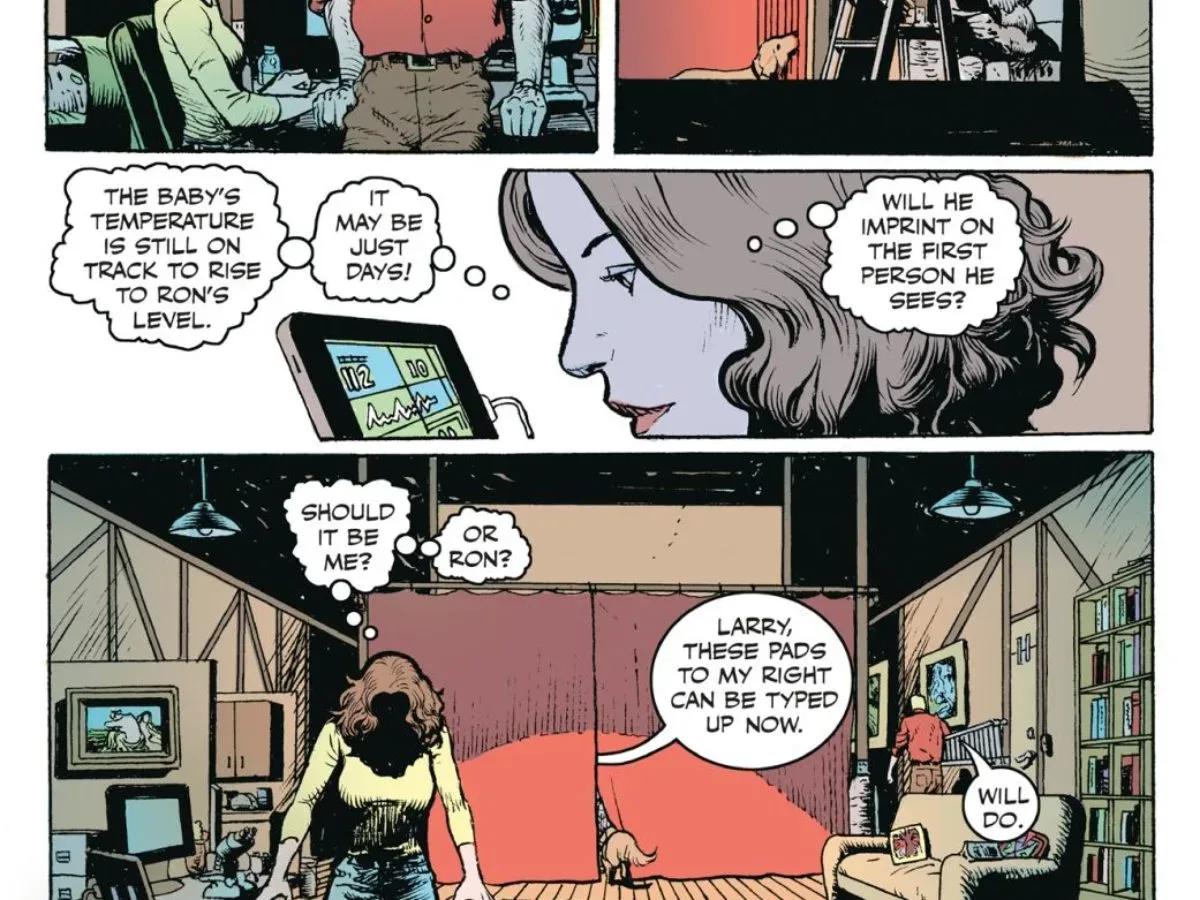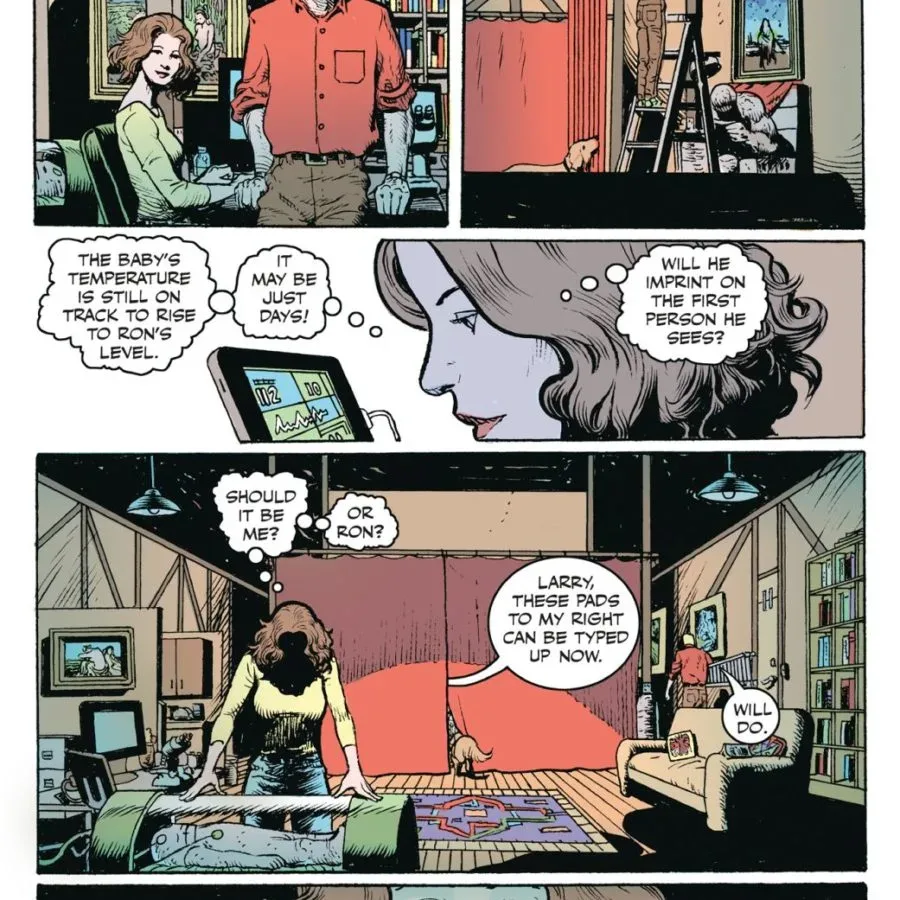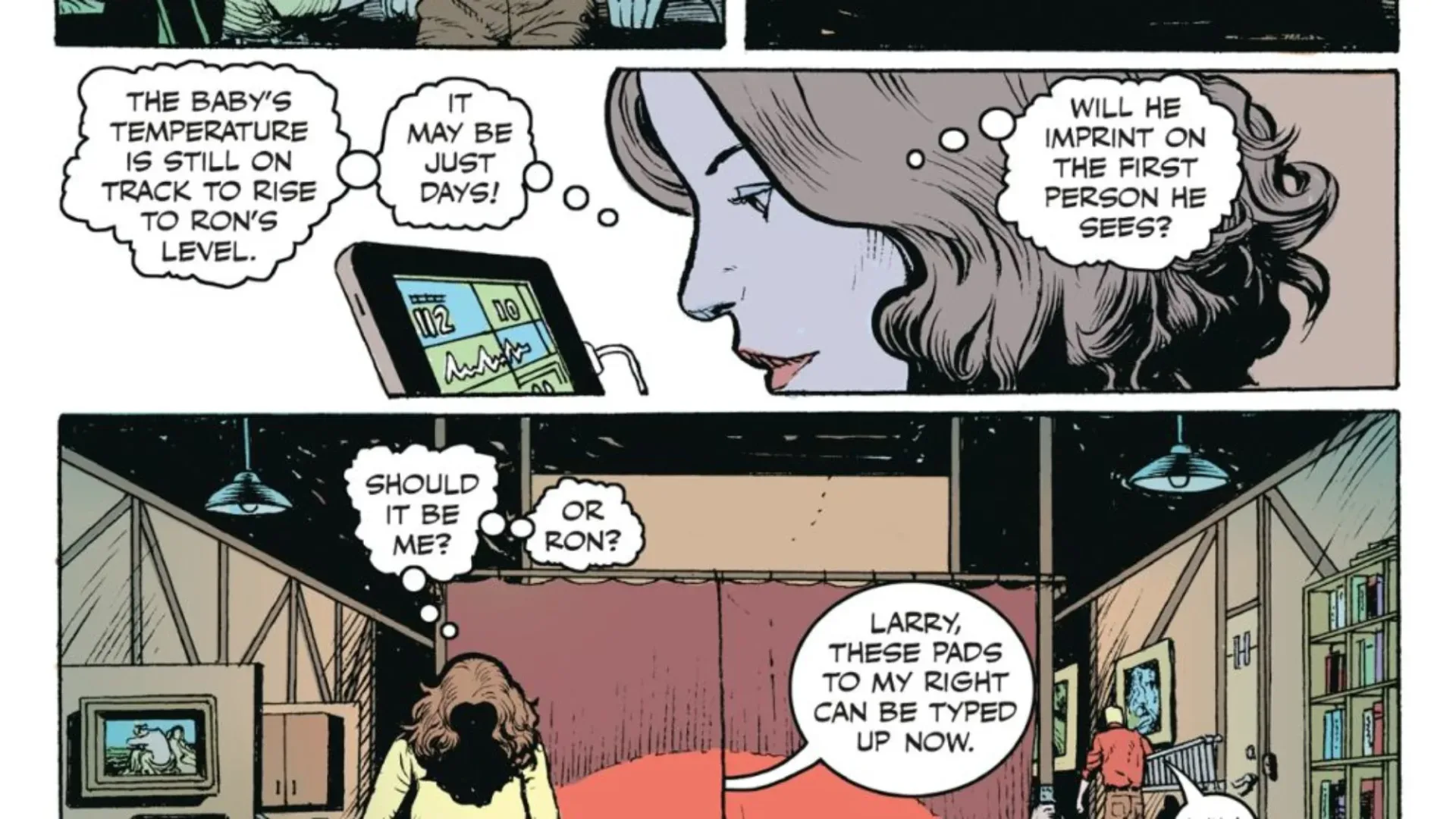
Concrete: Stars Over Sand #5 is positioned as the finale to Paul Chadwick’s current Concrete series. Dark Horse lists the 32-page issue for sale on November 25, 2026, at $4.99, with Chadwick credited for both the comic and its cover. It is rated T.
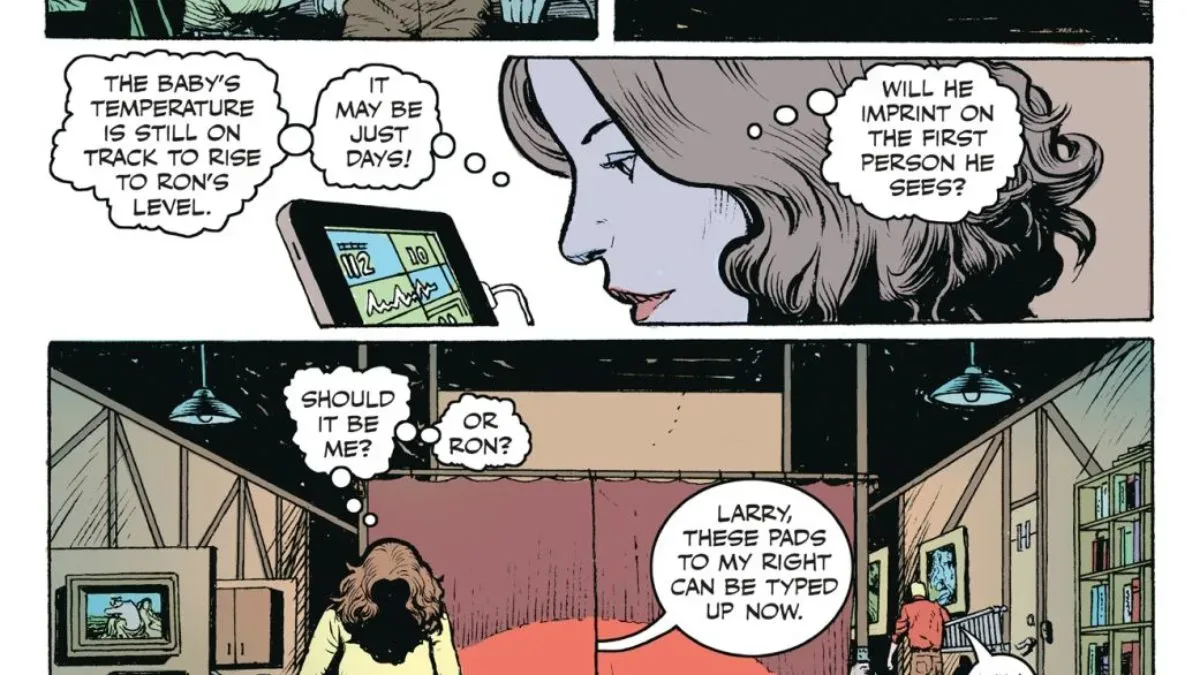
The premise for the final chapter is notably intimate: the group returns to Los Angeles to heal, while Concrete confronts a fractured sense of memory through writing. That is paired with movement in Larry’s romantic life and the awakening of a new permanent character, an event described as changing everything for Maureen.
A finale built around recovery rather than spectacle
The available description gives the issue a deliberately personal focus. A return to Los Angeles provides the setting, but the stated purpose is healing rather than a plot-heavy homecoming. For a finale, that framing matters. It directs attention toward the characters’ ability to live with what has happened, instead of simply presenting a last-minute threat to overcome.
Concrete’s memory is the clearest emotional throughline. He is said to interrogate his shattered recollections by writing, and the process appears to offer some help. The wording leaves important questions open: what caused the breaks in memory, which recollections are uncertain, and how complete any recovery will be are not established here. That restraint is useful for readers who want to approach the issue without having its central discovery reduced to a plot summary.
Writing can serve several functions in a story about memory. It can be a record, a way to arrange disconnected experience into sequence, or a means of testing what a character believes they know. None of those possibilities guarantees certainty. A written account can reveal gaps as readily as it fills them. The setup therefore suggests that the act of putting thoughts on a page may be as important as any definitive answer Concrete reaches.
What “interrogates his shattered memory” suggests
The solicitation’s use of interrogates is stronger than saying Concrete simply remembers. It implies scrutiny: a character actively questioning the reliability of his own internal record. In practical storytelling terms, that can create tension without requiring an outside antagonist. The conflict is between past events, present understanding and the version of a life a person can credibly tell themselves.
Memory narratives often turn on a distinction worth keeping in mind: recovery is not necessarily restoration. Recovering can mean finding a way forward despite uncertainty. Restoration suggests a return to a previously whole state. The description only promises that writing “seems to help,” not that Concrete’s memories become fully settled. That modest phrasing gives the finale room to treat healing as an ongoing condition instead of a problem neatly erased in one issue.
It also makes Concrete’s method significant. He is not described as receiving an external explanation or being handed a simple account of the past. He writes. That places agency with the character while retaining ambiguity about the result. Readers can expect the finale to make the relationship between identity and remembered experience a central concern.
Los Angeles and the larger group dynamic
The group’s return to Los Angeles indicates that this is not solely a private story for Concrete. The final issue has at least three parallel character tracks: Concrete’s work with memory, Larry’s changing romantic circumstances, and Maureen’s response to a newly awakened permanent character. A 32-page finale has limited space, so the apparent goal is likely convergence rather than launching a separate storyline for each person.
“The gang returns” also distinguishes the issue’s emotional terrain from a solitary reckoning. Healing in this context seems communal. Other characters are present as Concrete works through his recollections, even if the description does not say precisely how they participate. That can allow a finale to measure change through relationships: who stays, who leaves, what needs to be acknowledged, and what kind of future the group can accept.
Los Angeles is described only as the destination, and no additional claims about its role should be inferred. Still, a return is inherently different from an arrival. The phrasing signals a revisiting of a place connected to the characters’ lives, which can give a closing chapter a sense of reckoning without requiring the issue to explain every piece of history again.
Larry’s closed door and open door
Larry’s romantic life receives a compact but telling update: one door is firmly closed while another opens. The description does not identify either relationship, so readers should not assume a specific pairing or outcome. What it does establish is transition. The finale is not only looking backward at hurt and fragmented memory; it is also allowing at least one character’s personal life to move into a new phase.
That contrast is important to the issue’s apparent themes. Concrete is working to understand a damaged past. Larry is dealing with an ending and a beginning in the present. Both threads involve change, but they approach it differently. One is about making sense of what may no longer feel reliable; the other is about accepting that one possibility has ended and another has emerged.
The wording that a door is “welded” shut suggests finality, though it does not explain the circumstances. It is an emphatic image, not a detailed plot disclosure. The open door, meanwhile, keeps the ending from being purely mournful. The issue’s character arcs appear to make room for loss without treating loss as the only meaningful destination.
A new permanent character for Maureen
The solicitation’s other major point is an awakening that delights and astonishes Maureen. It calls the figure a “new permanent character” and says the event changes everything. That is a substantial promise, but its particulars remain intentionally undisclosed. There is no name, origin or explanation of what “awakens,” and readers should treat those details as protected story material rather than fill in the blanks from the phrase alone.
“Permanent” is a useful word in serial comics because it signals intended consequence. It tells readers that the development is meant to matter beyond a fleeting cameo or one-issue complication. It does not, by itself, explain how future stories will use the character, nor does it establish a particular publication plan. It does, however, set expectations that the finale is introducing something designed to endure alongside its endings.
Placing Maureen’s wonder and delight beside Concrete’s damaged memory creates an intriguing tonal balance. One thread concerns uncertainty and repair; another concerns discovery. The final chapter therefore appears to be aiming for more than closure in the narrowest sense. It may close a series while also marking a beginning inside the characters’ world.
Issue details and what readers can reasonably expect
- Title: Concrete: Stars Over Sand #5
- Publisher: Dark Horse Comics
- Creator and cover artist: Paul Chadwick
- On-sale date: November 25, 2026
- Format: 32 pages
- Price: $4.99
- Rating: T
- Identifier: 76156801590400511
The central practical takeaway is straightforward: this is the series finale, not an intermediate chapter. Anyone following Stars Over Sand will find the listed threads converging here—Concrete’s writing and memory, the Los Angeles return, Larry’s altered relationship status, and the permanent new presence connected to Maureen.
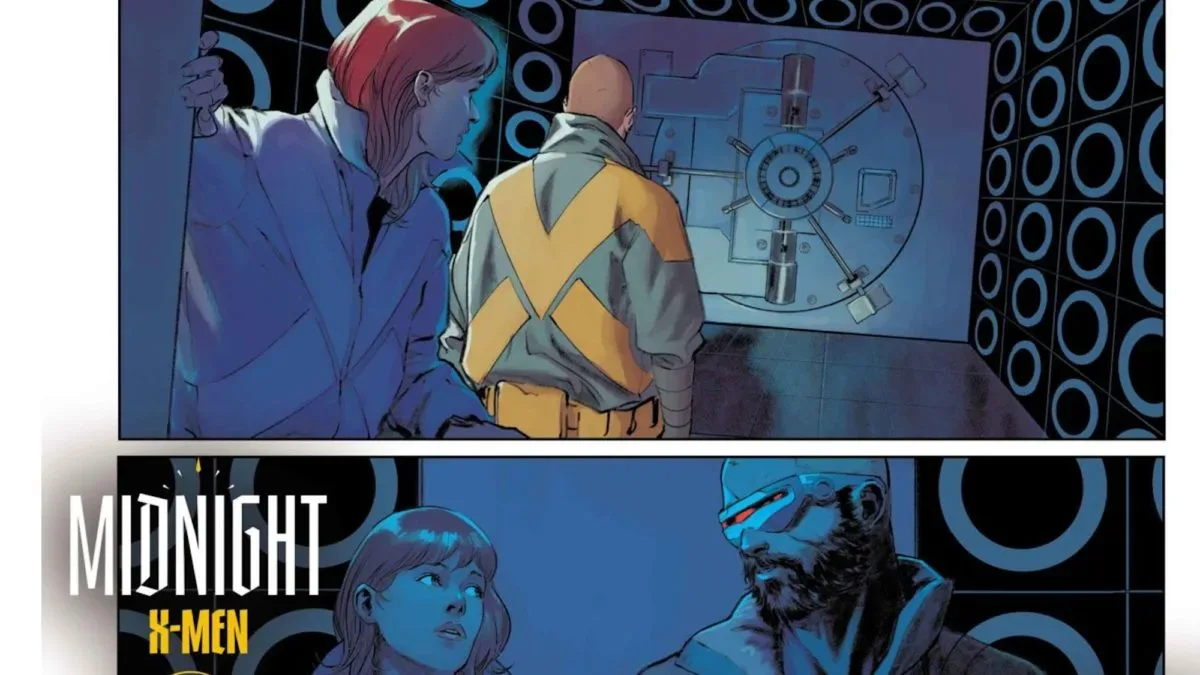
For readers who follow comics news more broadly, Midnight X-Men #3’s setup involving Hope, Forge and the Adversary offers another example of how a short issue description can establish character stakes while withholding the resolution. In Concrete’s case, the stakes are framed less around a named confrontation and more around whether people can make a life after disorientation, heartbreak and change.
With Chadwick handling both the story and cover, the issue arrives as a creator-led closing installment with a clearly stated emotional agenda. The description does not promise that every uncertainty will be mechanically explained, and that may be the point. Its emphasis falls on healing, writing, relationships and awakening—the kinds of developments that can resolve a chapter of life even when the past remains complicated.