Comic shops and readers who missed several recent first issues will have another route in during late 2026 and early 2027. Publishers have scheduled fresh printings for books including Venom #1, Doom All-On-One #1, several DC issues led by Absolute Batman: Ark M #1, Bad Idea’s Planet Death, G.I. Joe/Tomb Raider #1, Archie, and Ice Cream Man #1: Chocolate/Vanilla Twist.
That is a broad mix of mainstream superhero material, licensed crossover comics, legacy characters and creator-driven horror. The common thread is simple: additional copies are being prepared after the initial editions, often with new cover art or format-specific touches. For readers, a second or later printing can be a practical chance to pick up an issue they missed. For collectors, it is also a reminder that “same issue number” does not always mean “same physical edition.”
What a new printing means—and what it does not
A printing is a further production run of an existing comic issue. It is not automatically a sequel, a new chapter, or a new series. The stories may be the same as the earlier release, but the new printing can be identified by changes such as cover art, trade dress, a foil treatment, extra material, or a stated printing designation.
In this group of releases, covers are especially important. Several issues will return with updated main covers, while others include variants. A variant cover is an alternate cover for the same comic issue; it does not inherently mean the interior story differs. A foil variant uses foil as part of its cover treatment, creating a reflective finish. Those differences can matter to collectors trying to catalogue exactly which copy they own, but they should not be mistaken for evidence that one printing contains a different core story unless that is specifically stated.
The announced reprints are evidence that publishers are producing more copies, but they are not a complete measurement of readership or long-term collectability. Print counts, sales figures, and allocation details have not been provided here. The useful takeaway is narrower: these books have identified follow-up editions, and readers have dates and cover particulars that can help them make informed shop requests.
Marvel: Venom and Doctor Doom return in December
Marvel’s Venom #1, from Charles Soule and Tommaso Bianchi, is scheduled for a second printing on December 9, 2026. Bianchi is also providing the new cover for that edition. The combination of a new series launch and a replacement cover gives readers who missed the original release a clearly marked later option rather than simply a visually identical restock.
Doom All-On-One #1, by Al Ewing and Alessandro Cappuccio, follows with a second printing dated December 16, 2026. Its new cover is by Puppeteer Lee. Both releases concern Marvel’s major character catalogue, though they are separate projects with separate creative teams and schedules.
Marvel’s characters also remain active across media conversations outside the comics rack. That broader backdrop includes recent discussion around a possible Iceman casting, but the printings of Venom and Doom are publishing releases in their own right. Readers should avoid treating screen speculation and a comic’s print status as the same kind of news.
DC’s reprint slate ranges from Absolute Batman to classic names
DC has the largest cluster of listed follow-up editions. The Demon #1 is set for a second printing on December 2, 2026, with an updated main cover by James Harren, a Harren variant, and a foil variant by Daniel Warren Johnson.
That same date brings a second printing of Jonah Hex & The Shadow of Death #1. Michael Walsh supplies both its updated main cover and variant cover, while Julian Totino Tedesco provides a foil cover. The details make the two December 2 releases useful examples of a modern comic-printing wrinkle: the same issue can be available in multiple cover configurations at once. Anyone pre-ordering should specify the cover they want instead of asking only for “the second printing.”
DC W.I.P. Absolute Batman #1 also receives a second printing on December 2. Nick Dragotta’s updated main cover will lead the edition, while his original variant is being repositioned as a variant for the new printing. The “W.I.P.” abbreviation commonly signals a work-in-progress presentation, but no further interior-format details are listed here; readers interested in the book should base expectations on the announced cover information rather than assume additional production material.
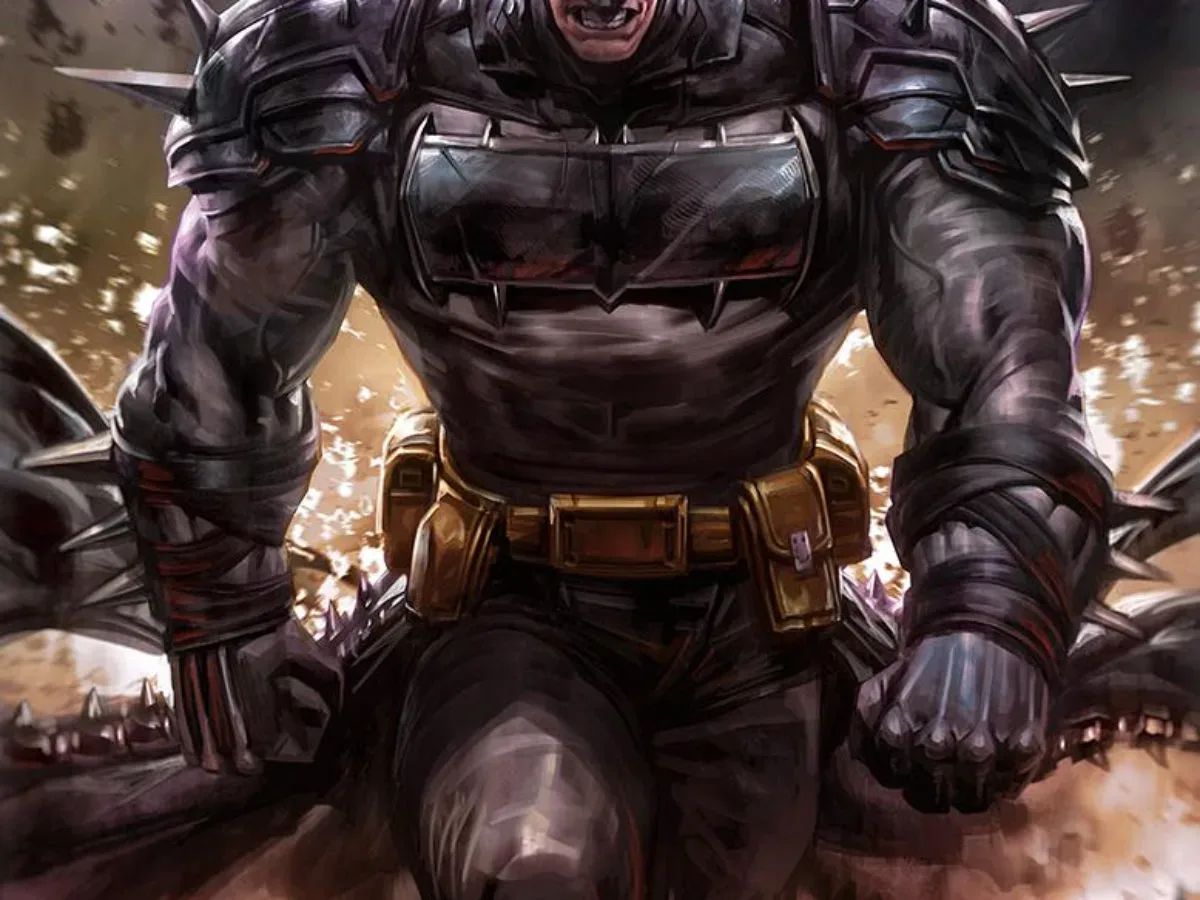
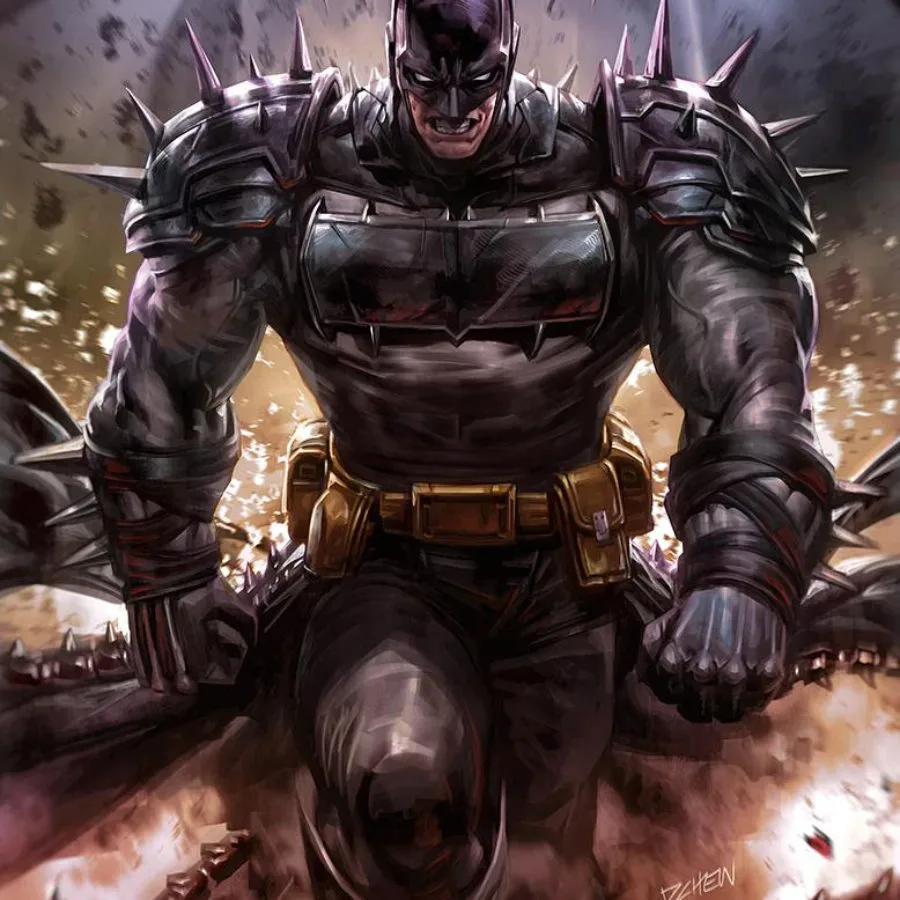
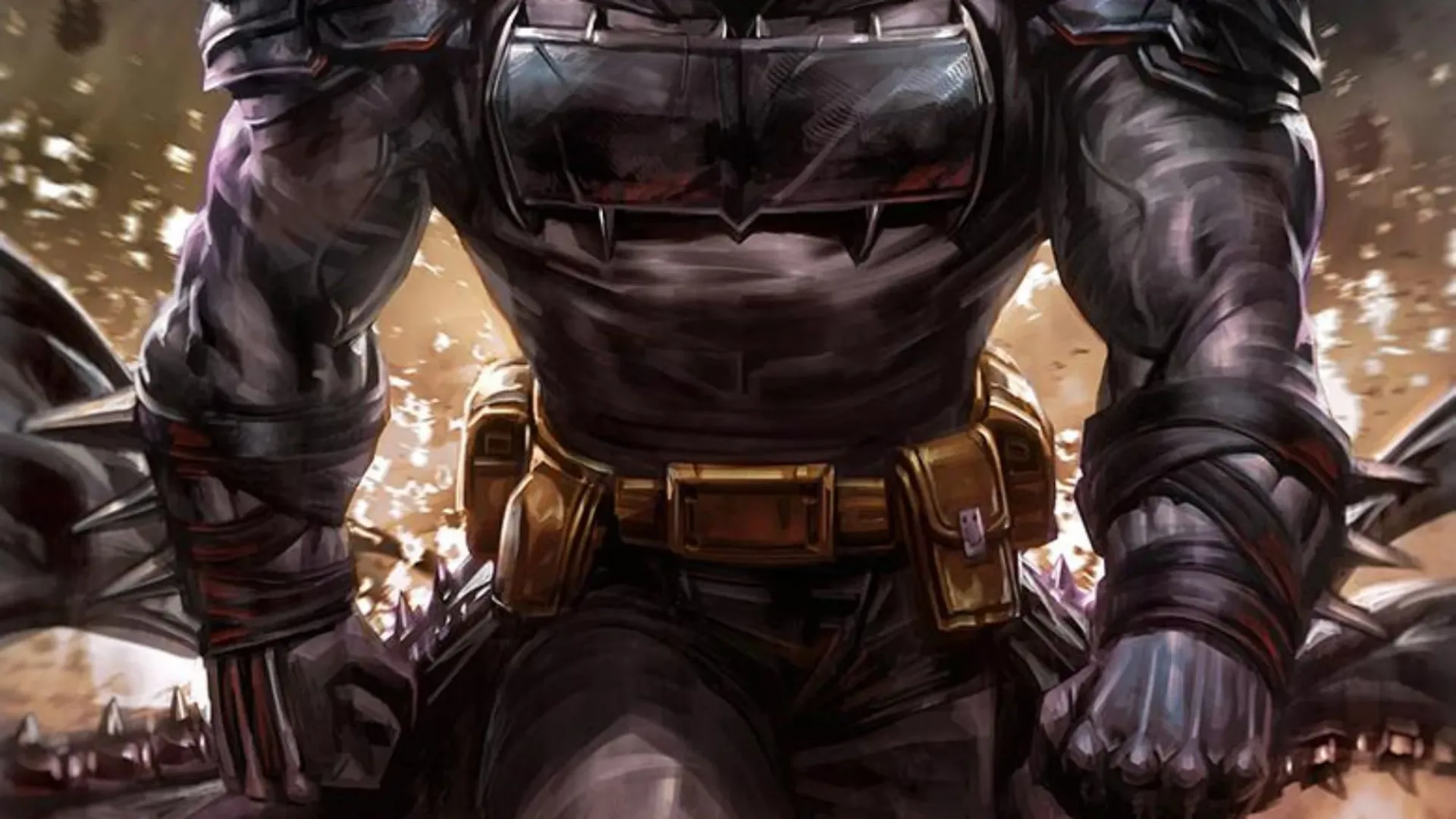
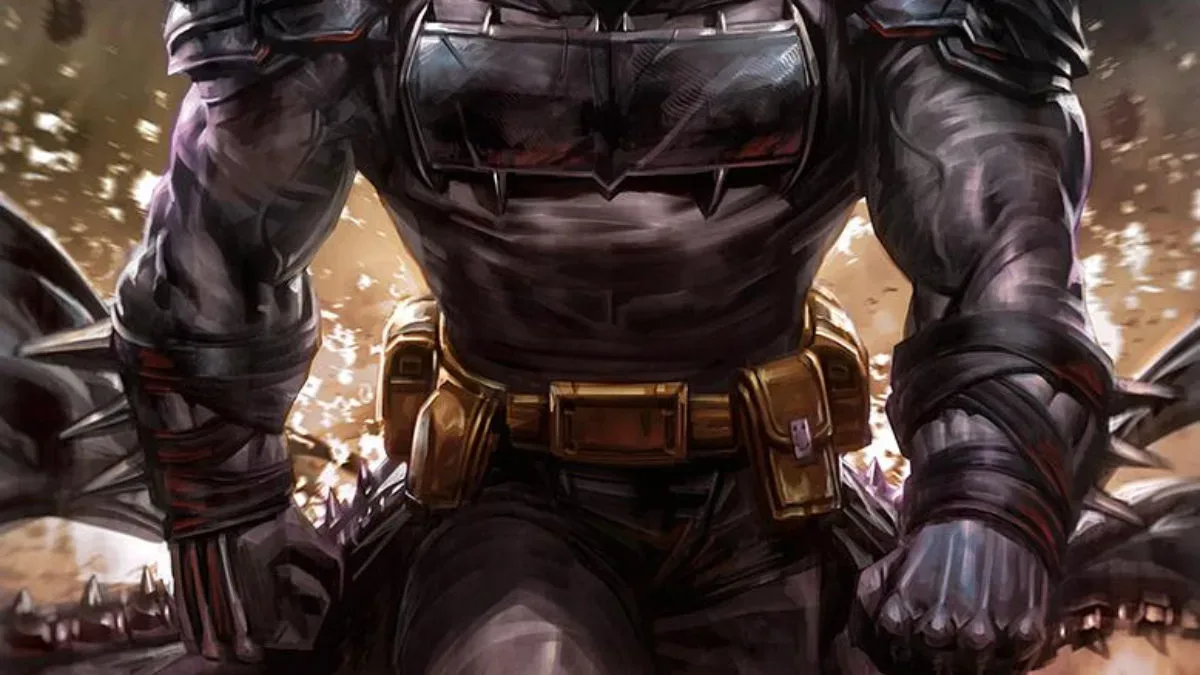
Then, on December 16, 2026, Absolute Batman: Ark M #1 reaches a fourth printing. Joshua Hixson supplies the updated main cover and Derrick Chew creates the foil variant. A fourth printing is conspicuous beside the many second printings in this batch because it marks several successive production runs for the same issue. It still does not, by itself, tell a buyer how many copies were made in any prior run or whether the fourth printing will be scarce.
DC’s Batman-related reprint activity continues into 2027. The Batman Day 2026 Exclusive editions of Batman: The Dark Knight Returns Deluxe Edition and Batman Vol. 1: Daylight Deluxe Edition are due to receive second printings with exclusive dust jackets on January 27, 2027. A dust jacket is a removable outer paper cover around a hardback edition. In this case, it is the specifically announced distinguishing feature, so buyers who value the original exclusive packaging should confirm which printing a retailer has in hand.
Planet Death expands as issue #3 begins
Bad Idea is pairing the first printing of Planet Death #3 with fresh printings of the earlier installments on December 2, 2026. That offers a relatively tidy catch-up point for a reader arriving as the third issue launches.
- Planet Death #0, by Derek Kolstad, Robert Venditti and Tomas Giorello, gets a third printing with a Giorello cover.
- Planet Death #1 reaches a third printing with a Giorello cover and a 1:20 variant by Esad Ribic.
- Planet Death #2 receives a second printing with a Giorello cover and a 1:20 cover by Michael Kaluta.
The “1:20” label refers to an incentive variant: a cover associated with a retailer ordering threshold, in this case one copy of the variant for every 20 qualifying copies ordered. It is a distribution designation, not a statement that every buyer can expect to see the cover stocked at every shop. Availability can therefore differ significantly from store to store even when the comic has a shared release date.
For someone simply looking to read the series, the reprints of #0 through #2 arriving alongside #3 are the important practical point. For a cover collector, the issue number, printing number, cover artist and whether a copy is a standard or incentive edition are all separate pieces of identification worth recording.
Crossovers, Archie and a particularly unusual Ice Cream Man return
G.I. Joe/Tomb Raider #1 has a second printing scheduled for December 2, 2026, featuring a cover by Annie Wu. It is another straightforward opportunity to obtain the crossover’s opening issue in a later edition.
Oni Press is sending Archie back for a second printing with a new Stuart Immonen cover on November 25, 2026, the same day as Archie #3. The overlap gives new readers an obvious chance to acquire the earlier issue as the series moves forward, although no additional contents have been specified for this printing.
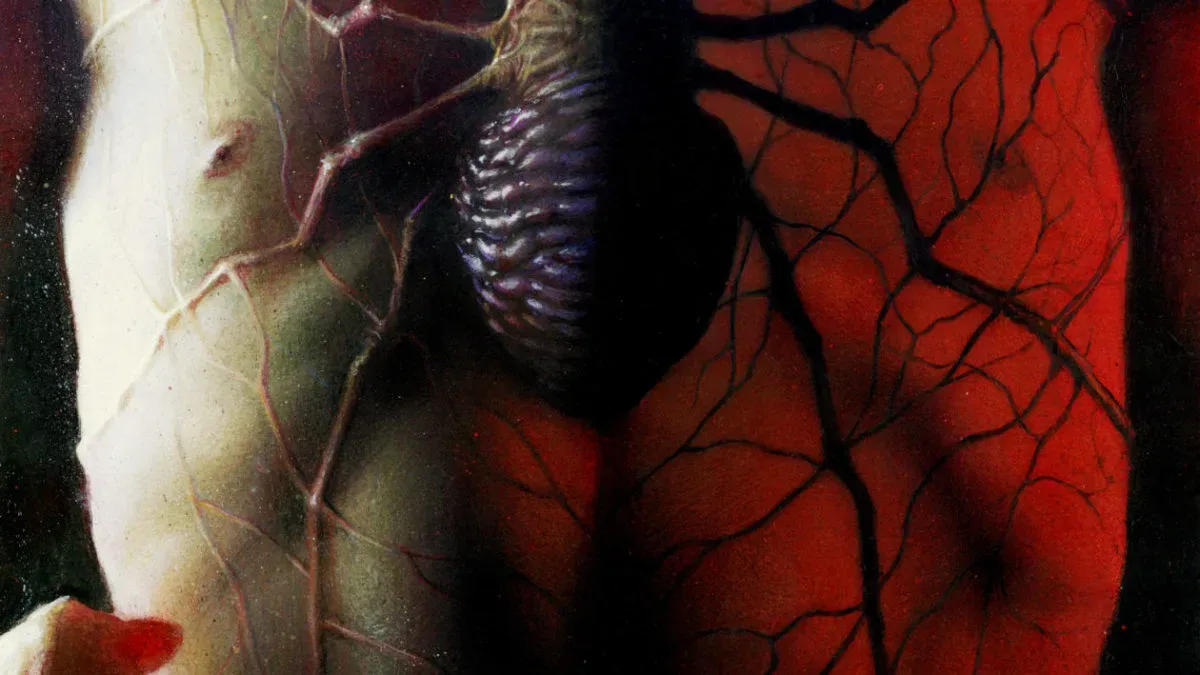
The most distinct reprint in the group may be Image Comics’ Ice Cream Man #1: Chocolate/Vanilla Twist, due December 2. It revisits the interactive cover idea tied to the original 2018 sellout of Ice Cream Man #1. This new second printing is set to include a decoder lens and an interactive cover that reveals hidden images or messages when viewed through it.
The edition also has remastered lettering by Good Old Neon and a new Ice Cream Man short story created by the full creative team. Those stated additions set it apart from a typical cover-only reprint. In practical terms, this is the one release in the slate where a reader interested in new material has a clear reason to look beyond the cover: the publisher has identified both revised lettering and a new short story.
Creators W. Maxwell Prince and Martín Morazzo have framed the project as a chance for people to experience the debut issue anew while the series nears its 50th issue. Their comments underline the unusual circularity of the release: it is a fresh take on a prior reprint treatment of the first issue rather than a routine replacement cover.
A quick buying checklist for later printings
None of these editions needs to be approached as a mystery, but precision helps. Comic solicitations can contain several visually similar choices, especially when foil and incentive variants are involved.
- Use the complete title and issue number. “Absolute Batman” could point to more than one item here; adding “Ark M #1” or “DC W.I.P. #1” avoids confusion.
- State the printing. Ask for the second, third or fourth printing, rather than relying on a cover image alone.
- Name the cover format. Specify standard, variant, foil, or 1:20 incentive where applicable.
- Check the release date. The December 2 releases form a crowded group, while Venom, Doom, Ark M and the Batman deluxe editions arrive later.
- Separate reading needs from collection goals. If the priority is story access, a later printing can be ideal. If the priority is a particular artist, format or earliest edition, the exact cover and printing become central.
The wave does not point to one uniform kind of comic demand. Instead, it shows publishers using new printings in several ways: keeping an entry issue in circulation, offering alternate cover art, supporting a continuing series with catch-up copies, and, in the case of Ice Cream Man, revisiting a format gimmick with additional content. For readers, that means more doors into these series. For collectors, it means the label on the issue—plus the cover and format—deserves as much attention as the number on the front.