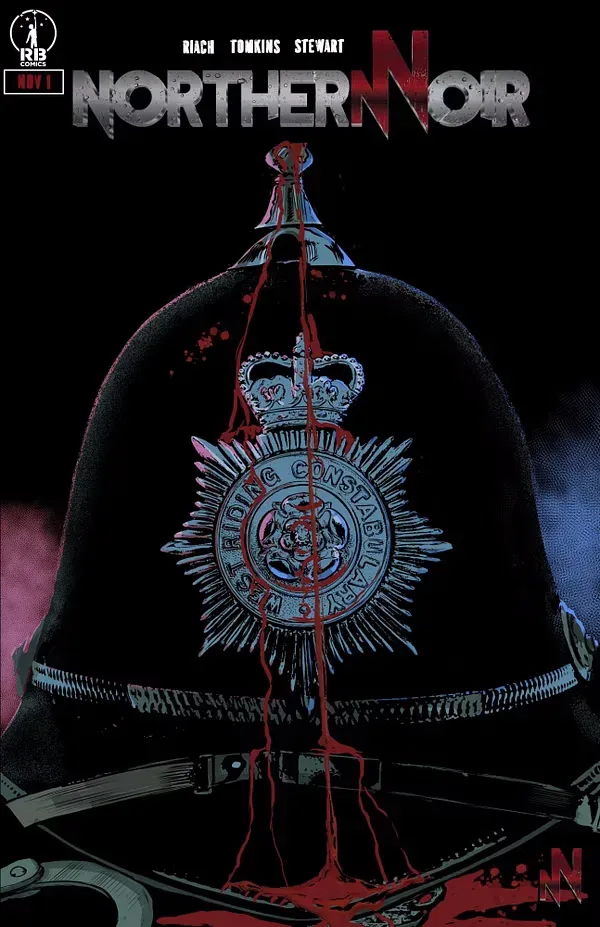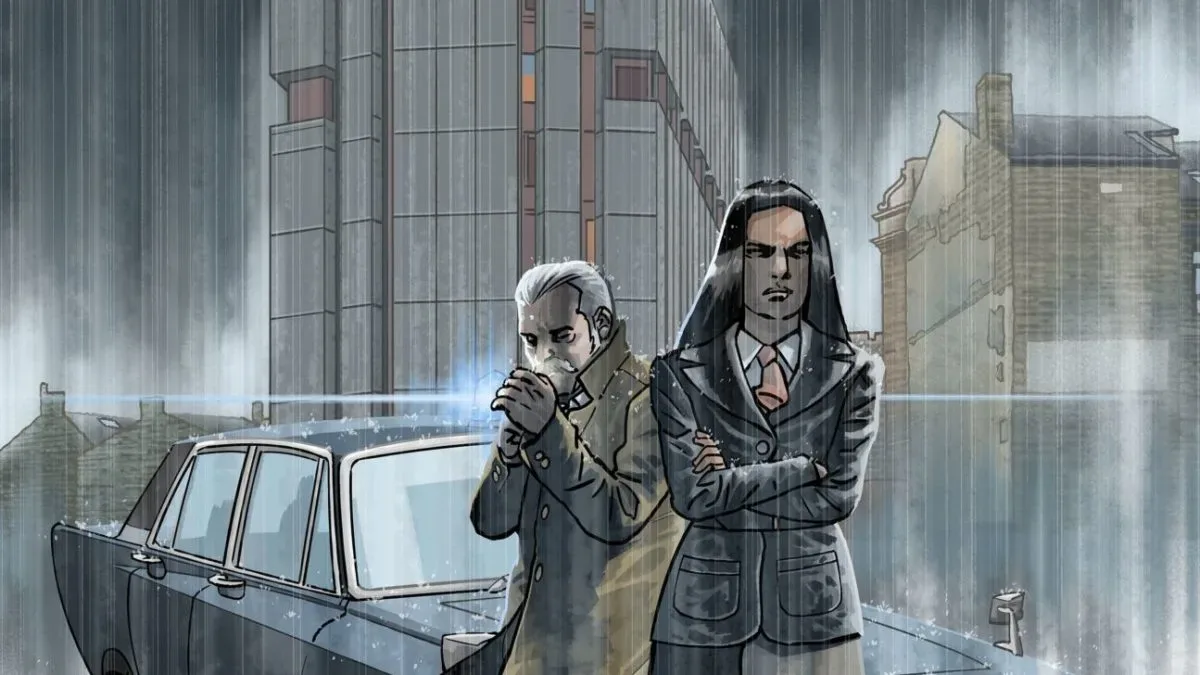
Northern Noir #1, the opening chapter of a planned six-issue crime-comic series from Bradford-born creator and writer Anthony Riach, is set to launch on Kickstarter on November 3, 2026. The campaign’s headline creative addition is an exclusive variant cover by Charlie Adlard, while the book itself promises a 1970s West Yorkshire investigation shaped by industrial unrest, institutional tension and the region’s social landscape.
Riach is publishing the project through RIACHBROS Entertainment and the new RB Comics imprint. Rather than presenting the comic as a standalone object alone, the campaign will also offer physical “Evidence Dossier Kits,” with stamped case files and cassette recordings, alongside an unusual story extension: a functioning UK telephone line where callers can hear cold-case clues connected to the series.
A West Yorkshire crime story built as a six-issue series
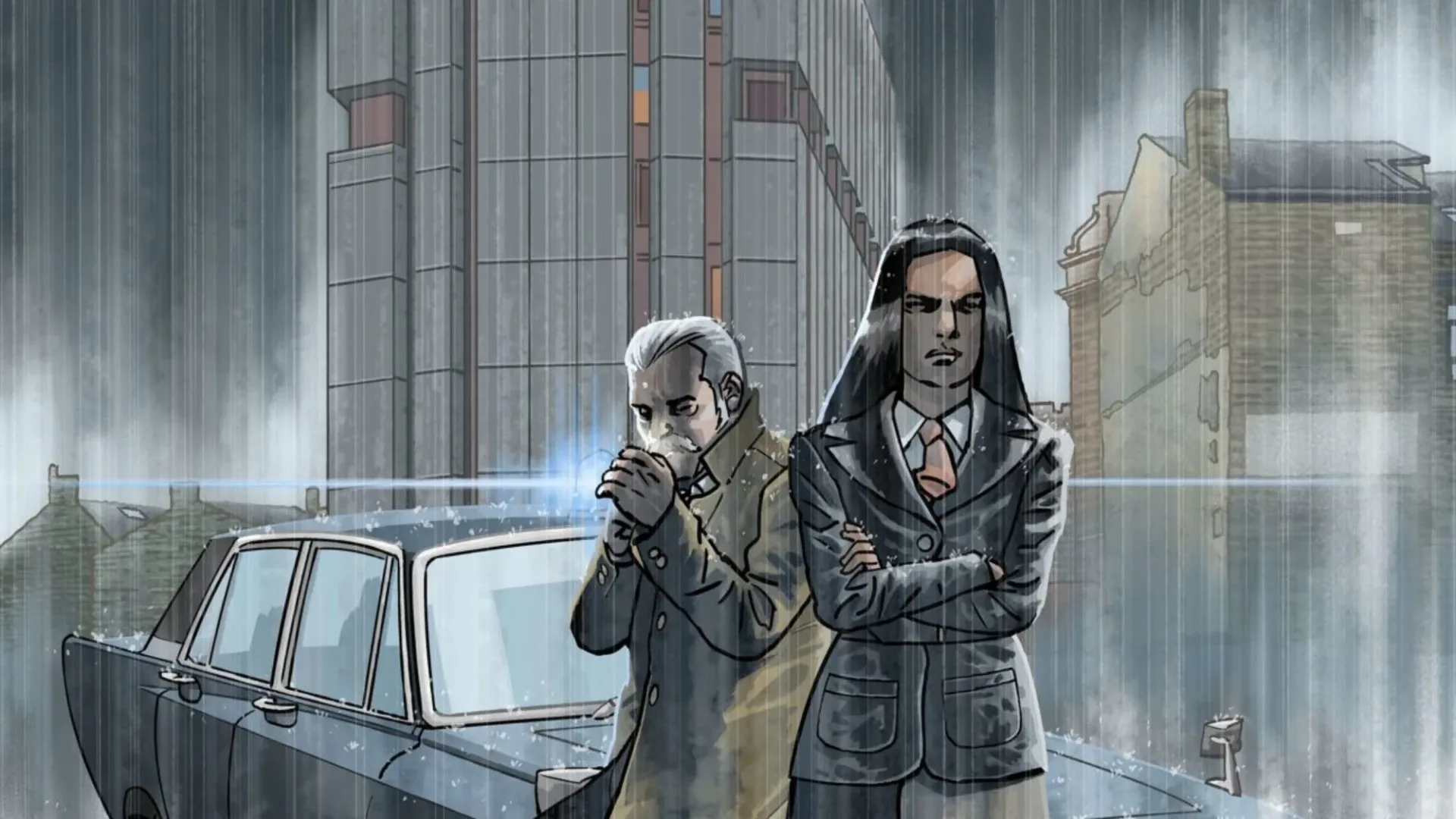
Northern Noir follows a veteran Yorkshire detective and a fellow officer based on the UK’s first South Asian female police officer. The setup puts an investigative partnership at the center of the narrative, but the announced backdrop is just as important: 1970s West Yorkshire, marked here by industrial unrest and institutional pressure.
That combination identifies the book as noir in the broad crime-fiction sense. Noir commonly emphasizes uncertainty, moral friction, systems under strain and characters navigating consequences rather than cleanly solving a problem in isolation. Northern Noir’s use of a detective story, social tension and a specifically regional setting suggests an approach in which the environment is intended to carry as much weight as the mystery.
The project’s title also signals that its northern identity is not decorative. Riach has described the series as rooted in the soil, grit and complicated social terrain of the North. That is a meaningful creative aim for a period crime book: setting can inform how institutions operate, how cases are investigated, what communities distrust, and what kinds of pressures bear down on the people trying to work within a police force.
The available details do not disclose the central crime, the detectives’ names or the full plot of the first issue. What is confirmed is the six-issue scope and its focus on Yorkshire investigators. That leaves room for the Kickstarter campaign to introduce the project’s premise without overexplaining the case before readers meet it on the page.
Charlie Adlard provides an exclusive #1 variant
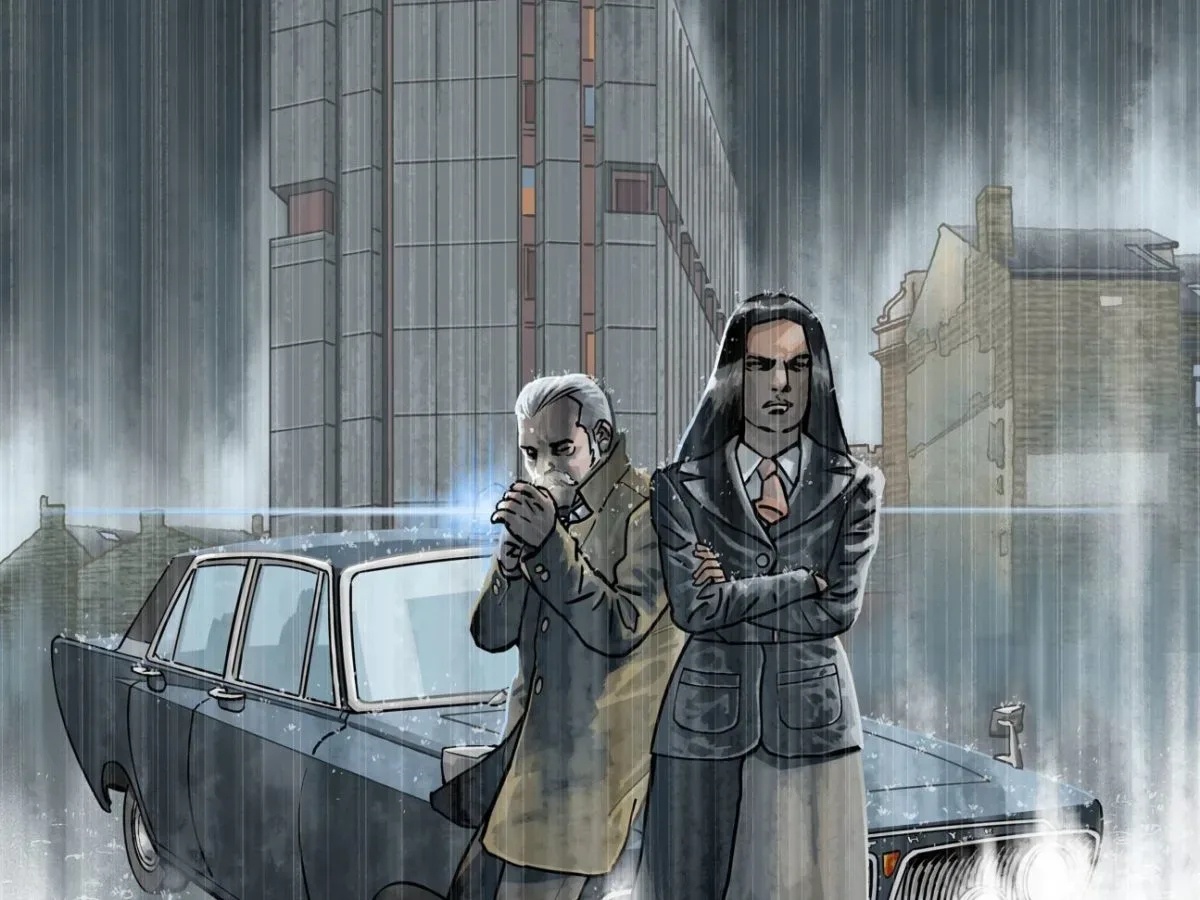
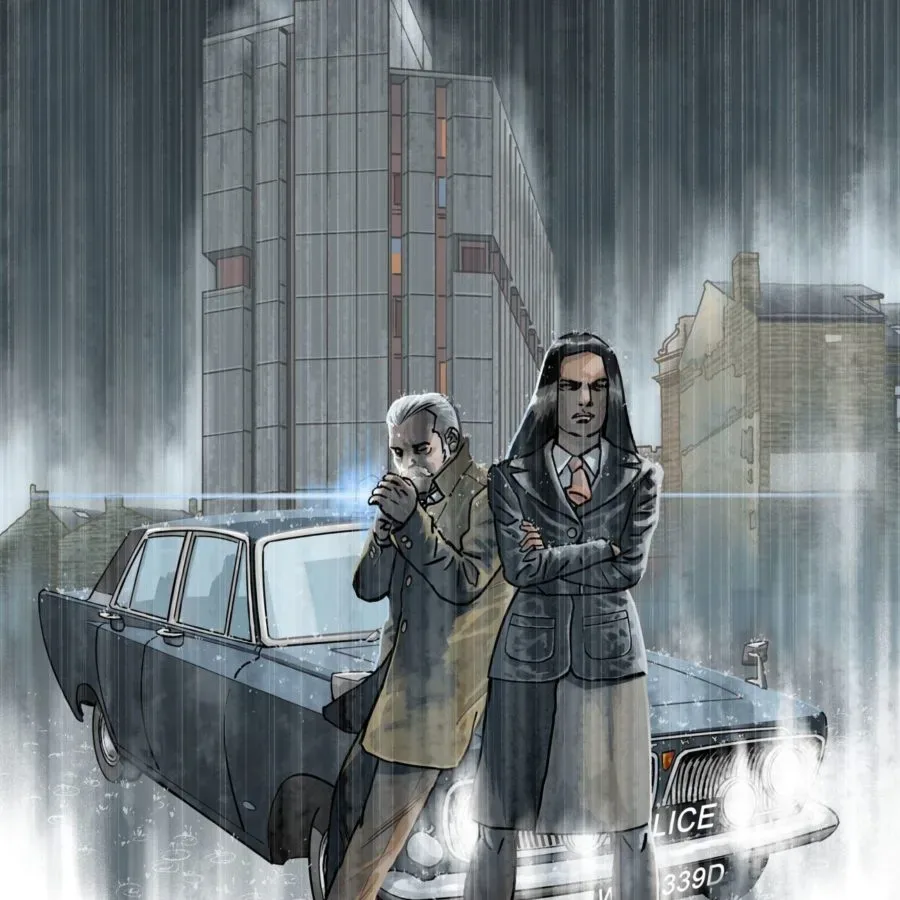
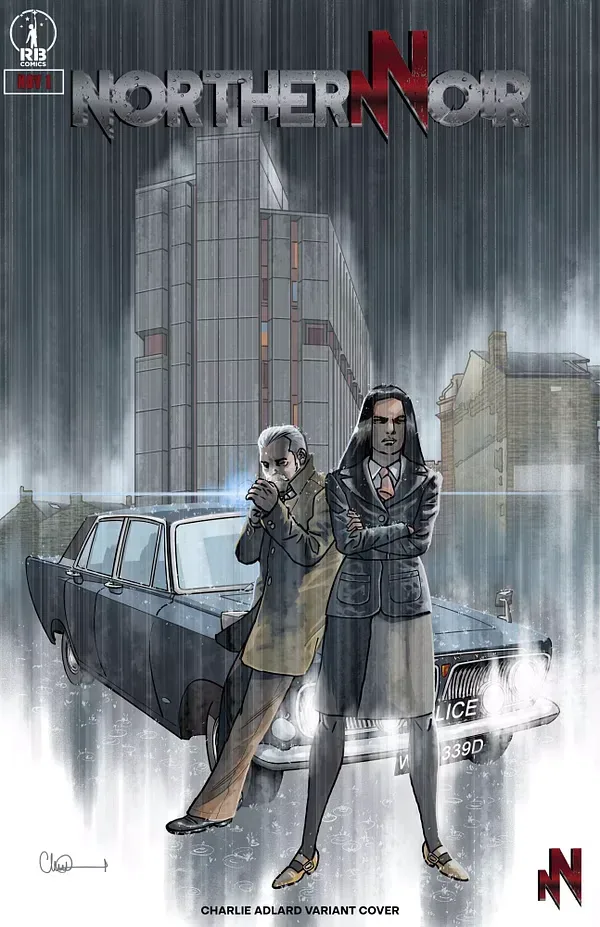
Adlard is contributing an exclusive variant cover for Northern Noir #1. A variant cover is an alternate front cover for the same comic issue; it does not mean a separate story or different interior edition unless a publisher explicitly says so. Here, the stated distinction is the cover artwork for the first issue.
For an inaugural independent series, a variant cover can work on two levels. It gives readers a visually distinct edition to choose from, and it can serve as a clear marker of the campaign’s creative ambitions. Riach has framed Adlard’s participation as significant both for his debut comic release and for a book connected to the history and character of his home city.
The announcement does not detail the design, print quantity, pledge level or any scarcity of the Adlard cover. Prospective backers should therefore distinguish between what has been confirmed—the existence of an exclusive variant—and information that has not been announced. A creator-associated cover may be attractive to comic readers, but the eventual campaign page should be the place to check format, tier placement and any edition details before pledging.
For more comic-book coverage on the site, readers can also browse this report on ThunderCats ’85’s place on a comics reading list.
The creative team behind the pages
Adam Tomkins is drawing Northern Noir. The Sheffield-born artist has previously produced promotional work for Spider-Man and concept art for Netflix’s Altered Carbon. His role on the series is particularly central given the book’s stated visual direction: Riach has pointed to shadow-heavy linework as part of the intended atmosphere.
Comic linework is the drawn framework that defines figures, locations, texture and the visual organization of a page. In a crime story, dense shadows and deliberate contrast can guide attention, conceal information, make familiar places feel threatening or emphasize the divide between public certainty and private doubt. Those are general storytelling tools rather than proof of any one page’s execution, but they explain why the team is emphasizing linework when describing a noir project.
Colours are by Roy Huteson Stewart, whose credits include 2000 AD and Collide. Riach has described Stewart’s contribution in terms of cold, rain-slicked palettes. A palette is the planned selection and relationship of colors in a work. In this context, the phrase indicates that color is being positioned as part of the book’s mood and setting, not simply as a finishing layer applied after the drawings are complete.
Saida Temofonte is handling lettering and designed the Northern Noir logo. Temofonte has lettered titles for DC, Marvel and Image, among others. Lettering covers the presentation of dialogue, captions, sound effects and other readable elements on the comic page. It is an especially practical discipline in detective fiction, where the pace of questioning, the separation of evidence from commentary and the clarity of procedural information can all depend on how easily readers move through the text.
Riach’s comments place the team’s individual contributions in a shared visual plan: Tomkins’ shadowed artwork, Stewart’s cool color work and Temofonte’s precise lettering are meant to combine into a comic that feels recognizably northern while aiming for a polished finish. It is a useful reminder that a comic’s atmosphere is rarely the product of one person’s work. The writer sets narrative intent, but art, color, lettering and design make that intent legible on the page.
Evidence Dossier Kits and the story’s audio layer
The Kickstarter is also planned to include physical tiers featuring Evidence Dossier Kits. These are described as containing stamped case files and cassette recordings. The announced items fit the language of an investigation, turning supporting material into objects that resemble the paperwork and recordings associated with a cold case.
The key distinction is that these are campaign extras, not confirmed requirements for understanding the comic. The series’ main narrative is Northern Noir itself. The dossier materials appear designed to extend the fiction’s case-file presentation for readers who choose physical tiers, while the campaign has not established that every clue or piece of story information will be exclusive to them.
There is also a live 1970s-style police wiretap hotline: +44 01274 015474. Callers can use the UK landline now to hear audio evidence and briefings tied to the book’s cold-case material. The phone element is one of the project’s more distinctive ideas because it moves a piece of the fiction away from a screen or printed page and into a familiar, immediate format: a recorded telephone message.
“Wiretap” here describes the fictional framing of the line rather than a claim about real surveillance. Its function is audio storytelling. The recording is said to provide clues that directly connect with Northern Noir’s story, offering a way for the campaign to establish atmosphere through voice, evidence and procedural language before the first issue arrives.
Original music is being created by co-producer and sound designer Szymon Żmudzki. Sound design concerns the deliberate shaping and presentation of audio, whether that means voice recordings, environmental texture, transitions or the broader sonic identity of a project. With a hotline and cassette recordings already in the plan, music and sound work can help make the campaign’s supplemental elements feel connected rather than like unrelated novelty items.
What the campaign approach means for readers
Northern Noir’s Kickstarter structure blends three distinct things: a serialized crime comic, an alternate cover edition and optional physical materials that simulate pieces of an investigation. Each has a different appeal. Readers primarily interested in the story can focus on the comic and its creative team. Those drawn to cover art can watch for the Adlard variant’s final tier details. People who enjoy tactile, narrative-adjacent materials may be interested in the Evidence Dossier Kits and recordings.
It is worth keeping these categories separate. A cassette, a stamped file or a hotline can strengthen a project’s sense of place and period, but they are not substitutes for a coherent comic. Conversely, the additional materials may be meaningful precisely because the creators are building them around a defined series concept rather than treating 1970s imagery as an unconnected theme.
The project’s use of a landline, cassettes and case paperwork reflects its period-fiction setting, while the Kickstarter format gives the creators a modern way to organize editions and extras around that premise. The announced campaign does not list prices, shipping details, final reward tiers or delivery timing. Those questions will need to be answered through the Kickstarter listing when it goes live.
Creative workshops planned in Bradford and West Yorkshire
Alongside the launch, RIACHBROS is partnering with Commonweal and REN for creative workshops in Bradford and West Yorkshire during November. The announcement does not provide schedules, venues or participation details, but the collaborations extend the project’s local connection beyond the fictional setting.
That local focus runs through the announced team and concept. Riach is from Bradford, Tomkins is from Sheffield, and Northern Noir is situated in West Yorkshire. The campaign’s stated ambition is not merely to use the North as a backdrop; it is to develop a crime series whose place, creative voices and supplementary experiences reinforce one another.
Northern Noir #1 launches on Kickstarter on November 3, 2026. For now, the confirmed picture is a six-issue West Yorkshire crime series with interiors by Tomkins, colors by Stewart, lettering and logo design by Temofonte, an exclusive Adlard variant cover, and a campaign designed to let readers explore its cold-case framing through physical and audio additions.